Artwork
The Origin of the Milky Way
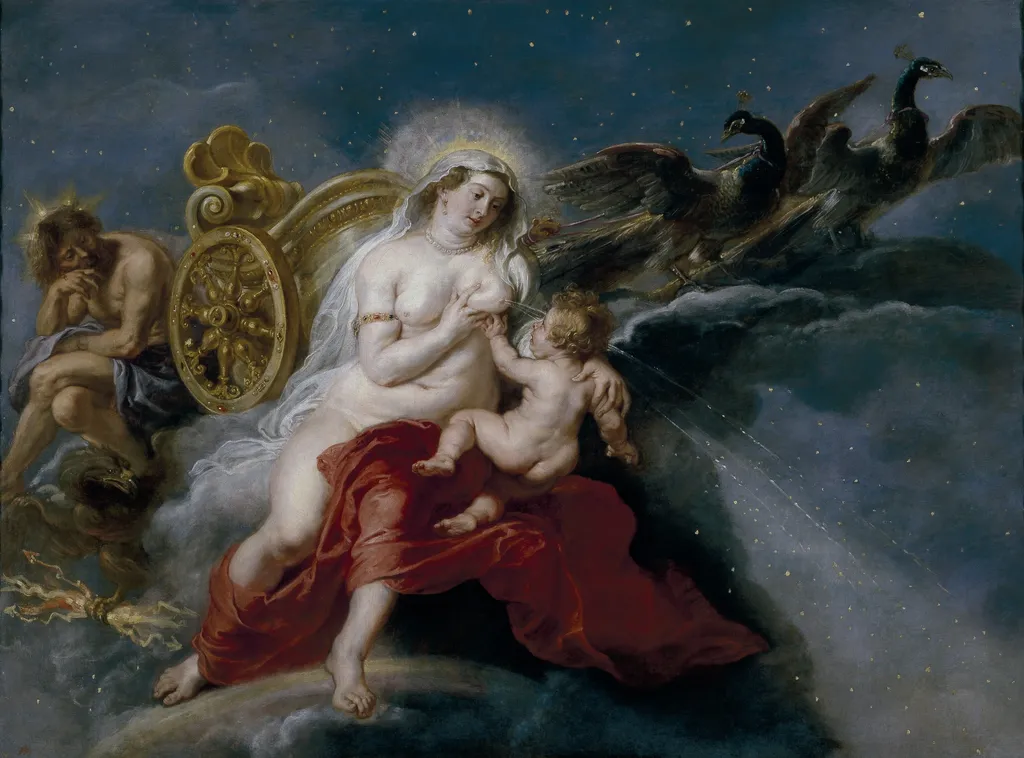
The Origin of the Milky Way is an oil painting by the Flemish Baroque painting artist Peter Paul Rubens. It dates from 1637 and is held in the collection of the Museo del Prado.
About this work
In Rubens's 1636 to 1637 canvas for Philip IV of Spain, Juno's milk arcs across the heavens from her breast and becomes the stars of the Milky Way. The goddess has the face of the artist's second wife, Helene Fourment, while a bored Jupiter watches from the shadows beside their peacock-drawn chariot. It was painted for the royal hunting lodge Torre de la Parada.
Subject & Meaning
Iconographic attributes identify the figures: Hera’s chariot is drawn by peacocks, sacred to her, while Zeus is accompanied by his eagle grasping a thunderbolt.
The painting depicts the Greco-Roman mythological origin of the Milky Way: the goddess Hera (Juno) spills her breast milk while nursing the infant Heracles (Hercules), with Zeus (Jupiter) observing from behind. The milk streams across the sky to form the stellar band of the Milky Way. Iconographic attributes identify the figures: Hera’s chariot is drawn by peacocks, sacred to her, while Zeus is accompanied by his eagle grasping a thunderbolt.
Rubens modelled Hera’s face on his wife Hélène Fourment. The composition reinterprets the myth from sources such as Hyginus: rather than Hera pushing the baby away, the milk spurts vigorously, symbolizing the divine origin of the galaxy. The work was part of a series for Philip IV based on Ovid’s Metamorphoses, adapted by Rubens to emphasize the mythological creation.
Technique & Style
The painting is executed in oil on canvas, measuring 181 × 244 cm. Rubens personally painted the entire work, making compositional revisions from preparatory sketches, such as repositioning Hera’s lower limbs and adding Zeus and the eagle. The composition is dynamic, with Hera’s milk gushing vigorously into the starry sky, a gleaming golden chariot drawn by peacocks, and Zeus’s eagle grasping a thunderbolt. Hera’s face is modeled on Rubens’s wife, Hélène Fourment.
Stylistically, the work belongs to Rubens’s mythological series for the Torre de la Parada, characterized by dramatic action and rich detail.
History & Provenance
Peter Paul Rubens painted The Origin of the Milky Way between 1636 and 1638, with sources also citing 1637 or 1635–1638. The work was commissioned by Philip IV of Spain as part of a large decorative program for the Torre de la Parada, a royal hunting lodge near Madrid. The commission comprised over one hundred mythological scenes based largely on Ovid's Metamorphoses.
Rubens executed the sketches and then painted the final canvas himself, assisted only minimally by pupils. The painting was recorded at the Torre de la Parada in 1701; after the lodge burned during the War of the Spanish Succession, it was moved to the Royal Palace of Madrid. Following the death of Ferdinand VII, who owned the work, it entered the collection of the Museo del Prado in 1834, where it remains with inventory number P01668.
The painting is held at the Museo del Prado in Madrid, where it is inventoried as P01668 and displayed in room 79. Commissioned by King Philip IV of Spain for the Torre de la Parada, it was recorded in that location in 1701. After the Torre de la Parada burned down during the War of the Spanish Succession, the work was relocated to the Royal Palace of Madrid, where it was documented in 1772, 1794, and between 1814 and 1818.
Following the death of King Ferdinand VII, the painting entered the collection of the Museo del Prado in 1834.
Context
Commissioned by Philip IV for the Torre de la Parada hunting lodge, The Origin of the Milky Way was one of a series of mythological works based on Ovid's Metamorphoses. Unlike many paintings in the project, Rubens executed this canvas entirely himself, a fact that underscores its significance within his oeuvre. Art historians Cecil Gould and Svetlana Alpers have debated the infant's identity, proposing Hermes rather than Heracles, based on Zeus's presence and Hyginus's account.
The painting's placement in the Museo del Prado and its continuing scholarly discussion reflect its enduring importance as a masterwork of Flemish Baroque art.
Overview
The Origin of the Milky Way is a significant oil painting by the Flemish master Peter Paul Rubens, created between 1636 and 1637. This large-scale canvas illustrates a dramatic Greco-Roman myth explaining the celestial phenomenon. Commissioned by Philip IV of Spain for his hunting lodge, Torre de la Parada, the work exemplifies Rubens's late style. It is now a prominent piece within the collection of the Museo del Prado in Madrid.
Own this work as a print
Artist & collection
Artist
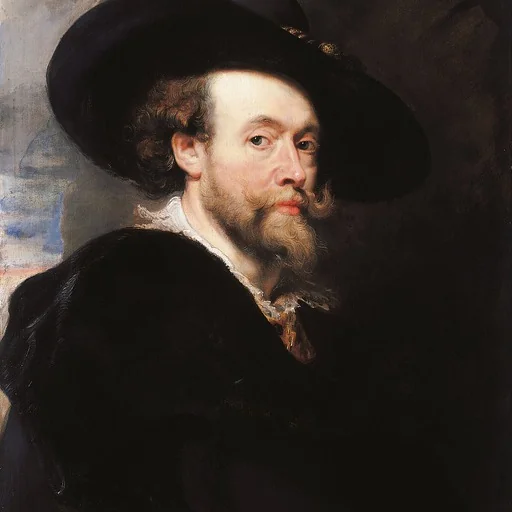
Sir Peter Paul Rubens ( ROO-bənz; Dutch:; 28 June 1577 – 30 May 1640) was a Flemish artist and diplomat.

- Selene and Endymion
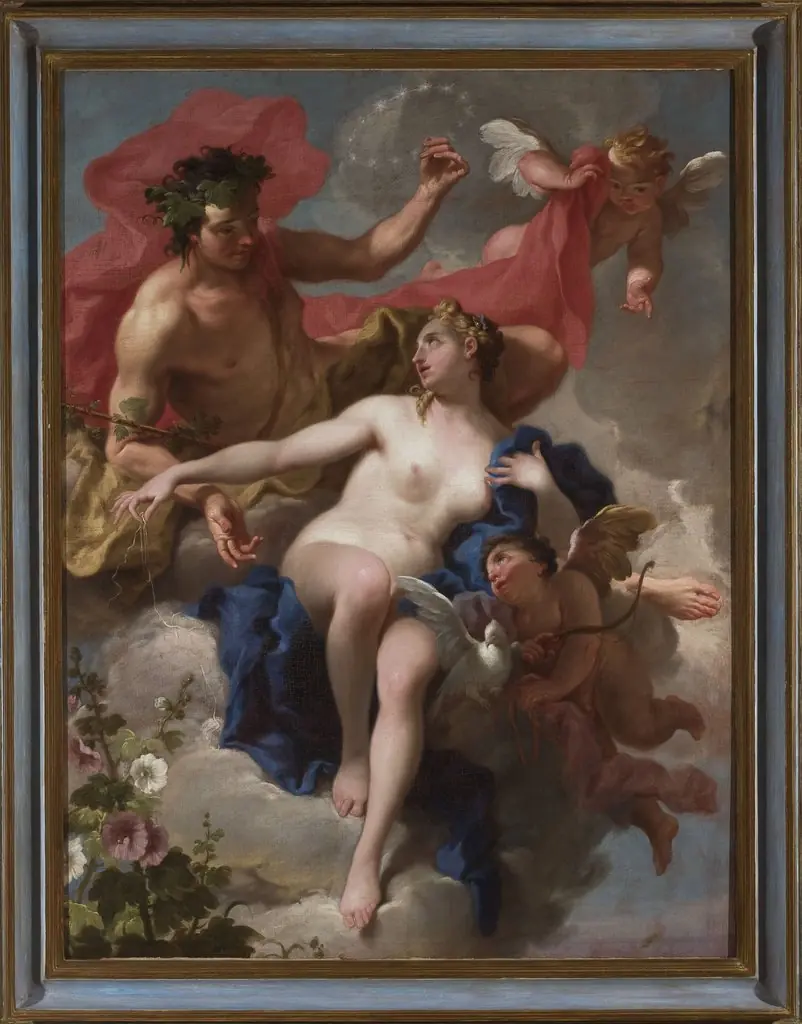 Bacchus and Ariadne
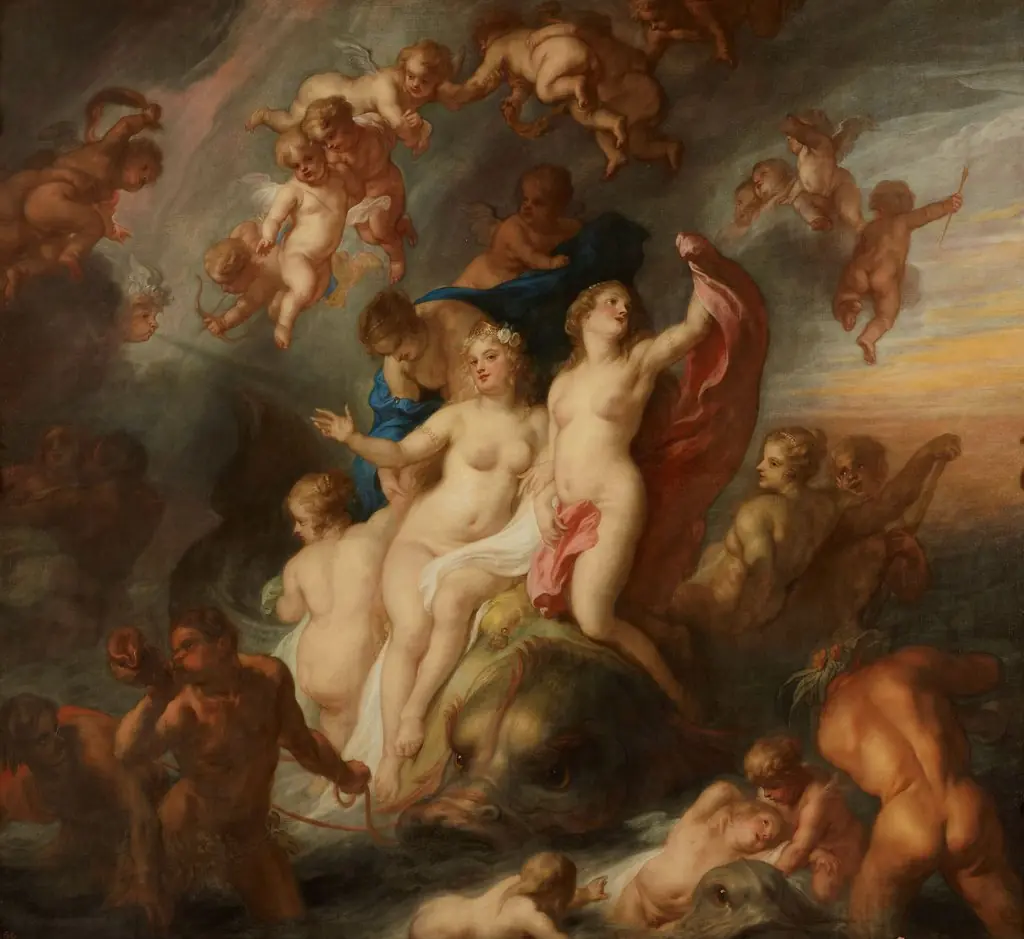 Triumph of Galatea
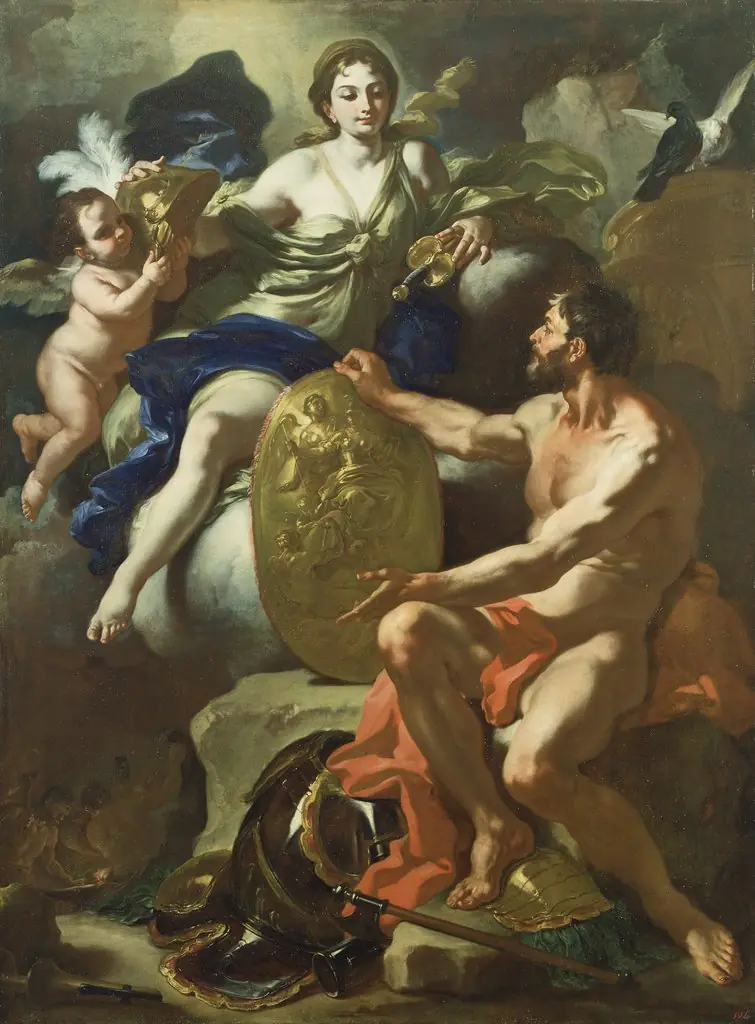 Venus at the Forge of Vulcan
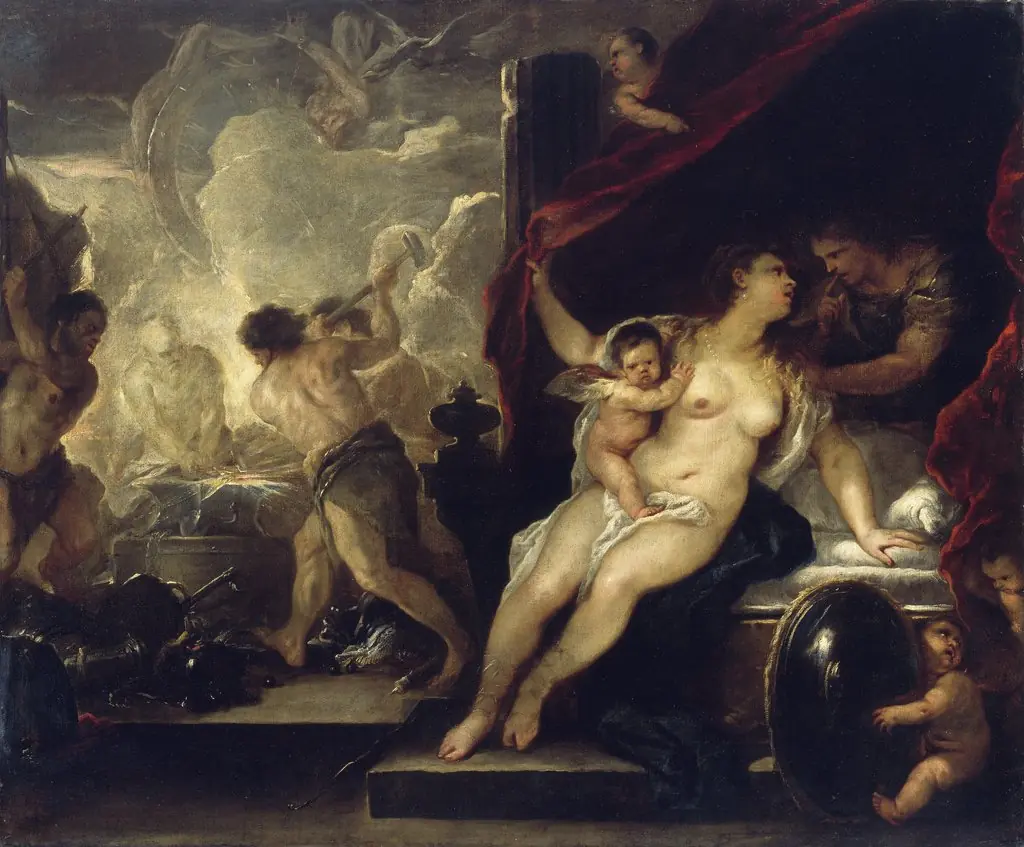 Venus, Mars and the Forge of Vulcan
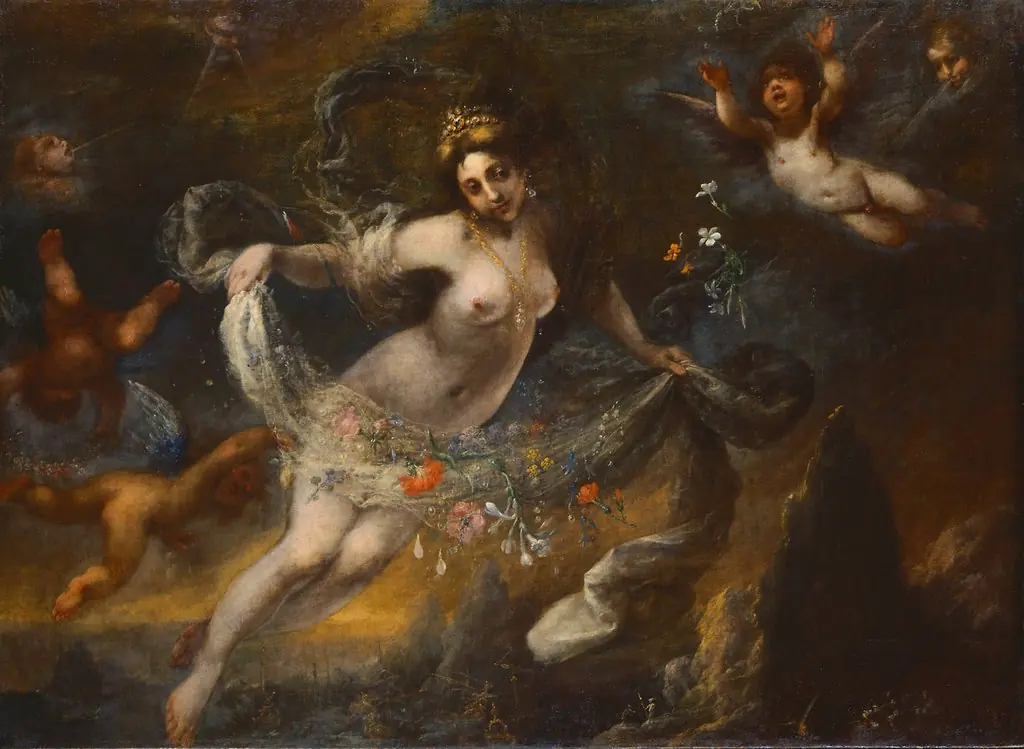 Aurora von Genien umgeben
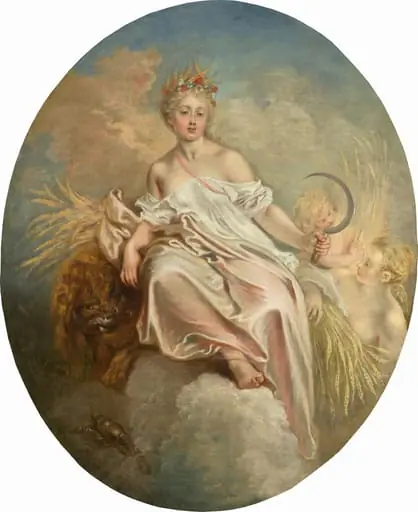 Ceres (Summer)
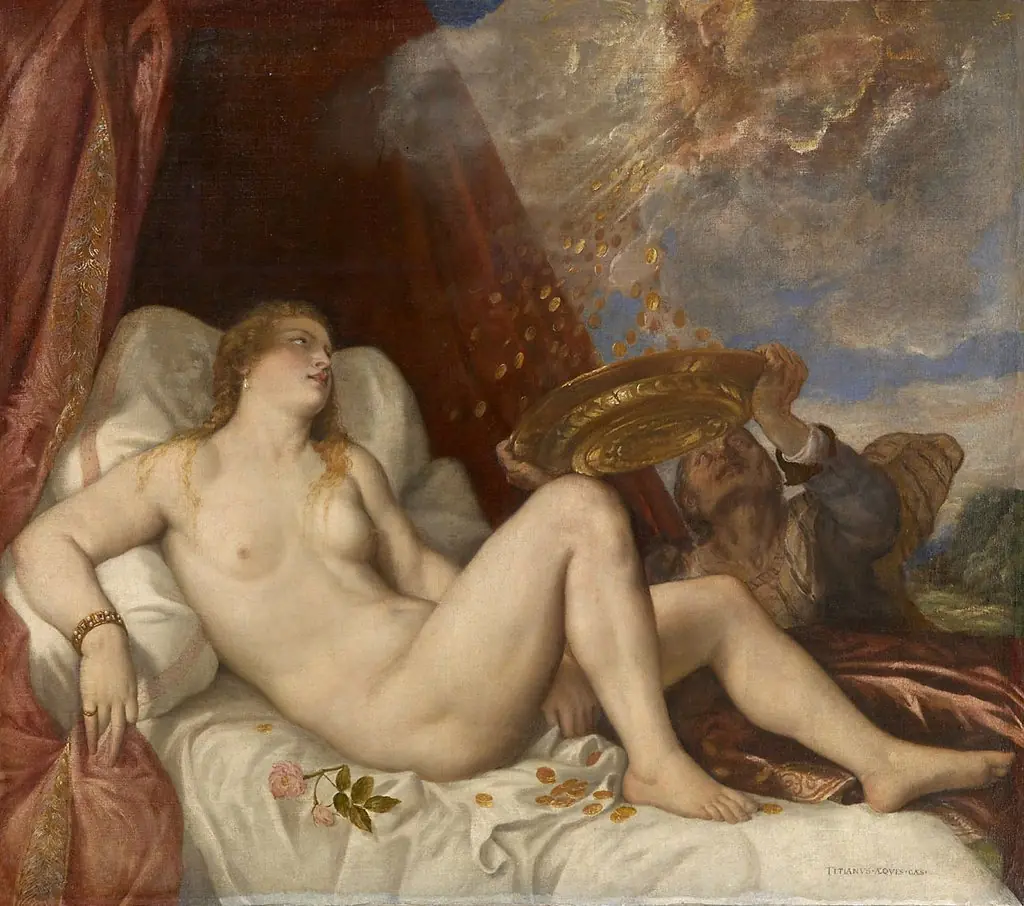 Danaë
Danaë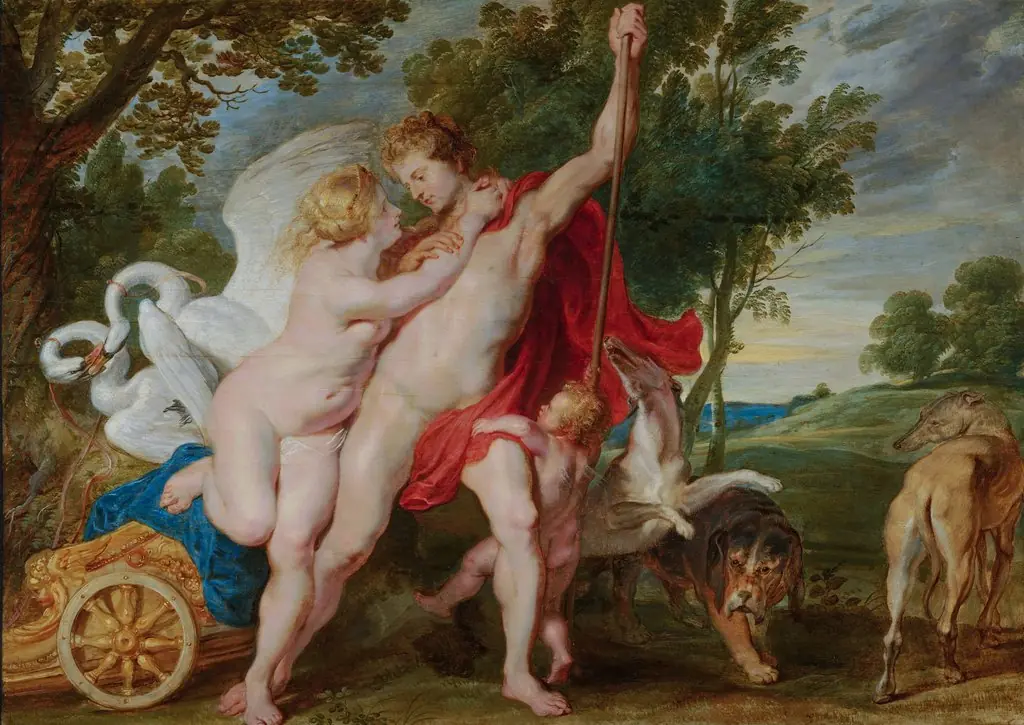 Venus trying to prevent Adonis from going hunting
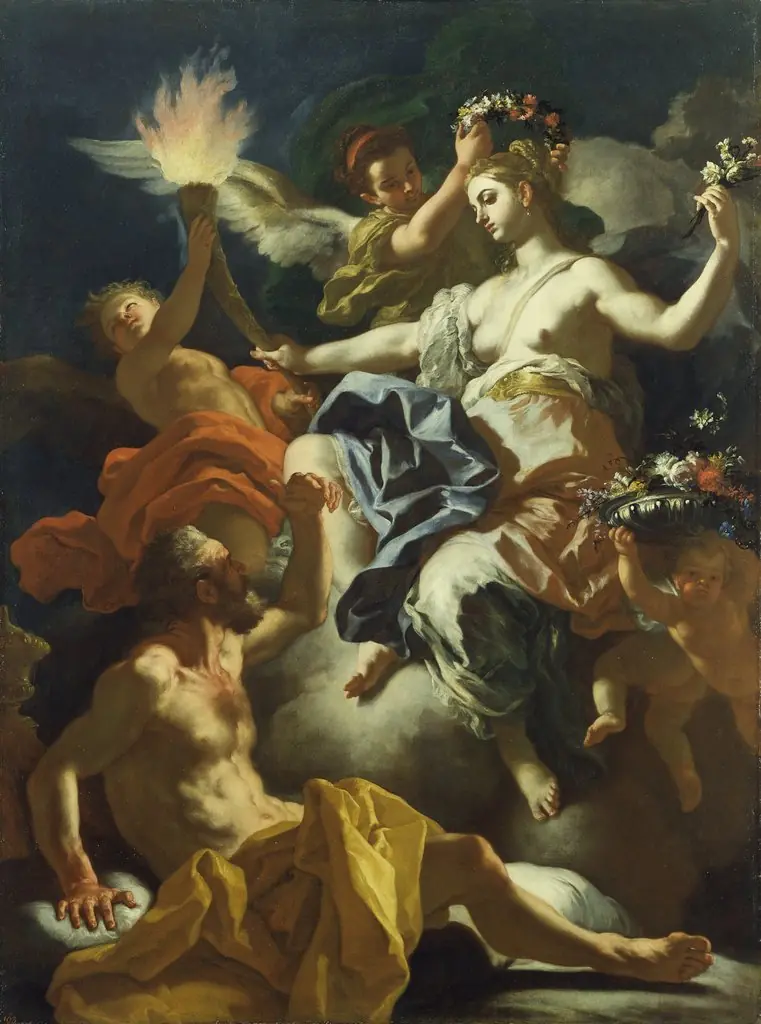 Aurora Taking Leave of Tithonus
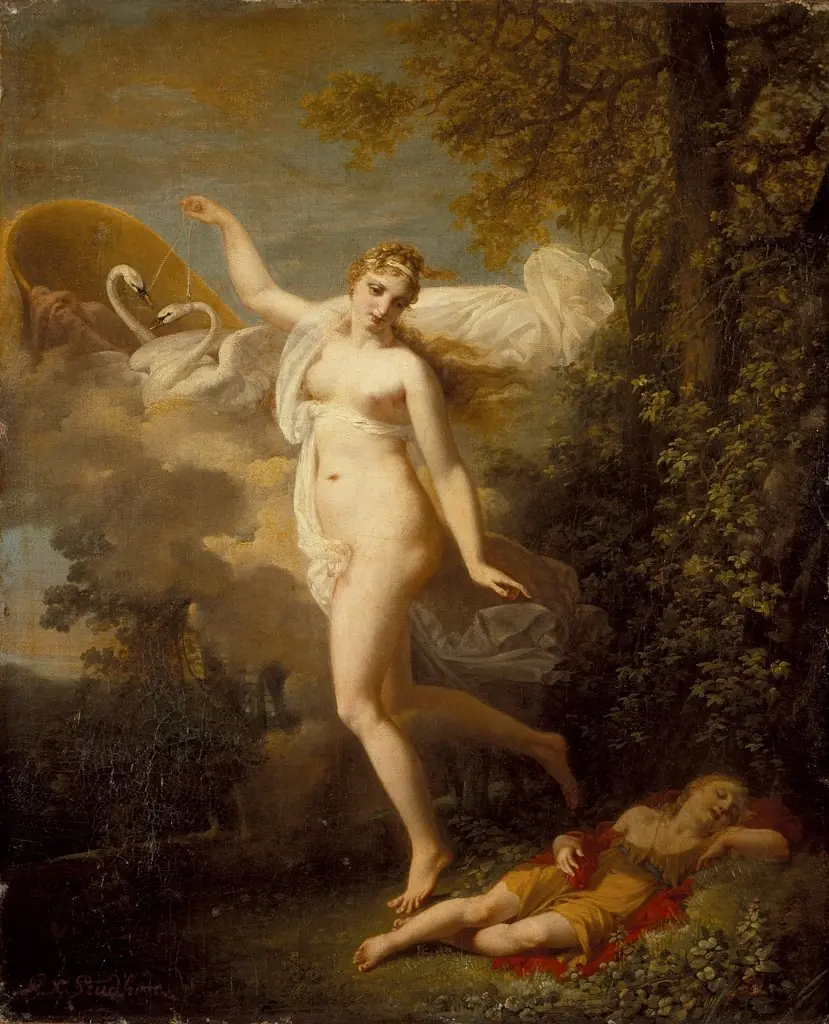 Venus and a Sleeping Cupid
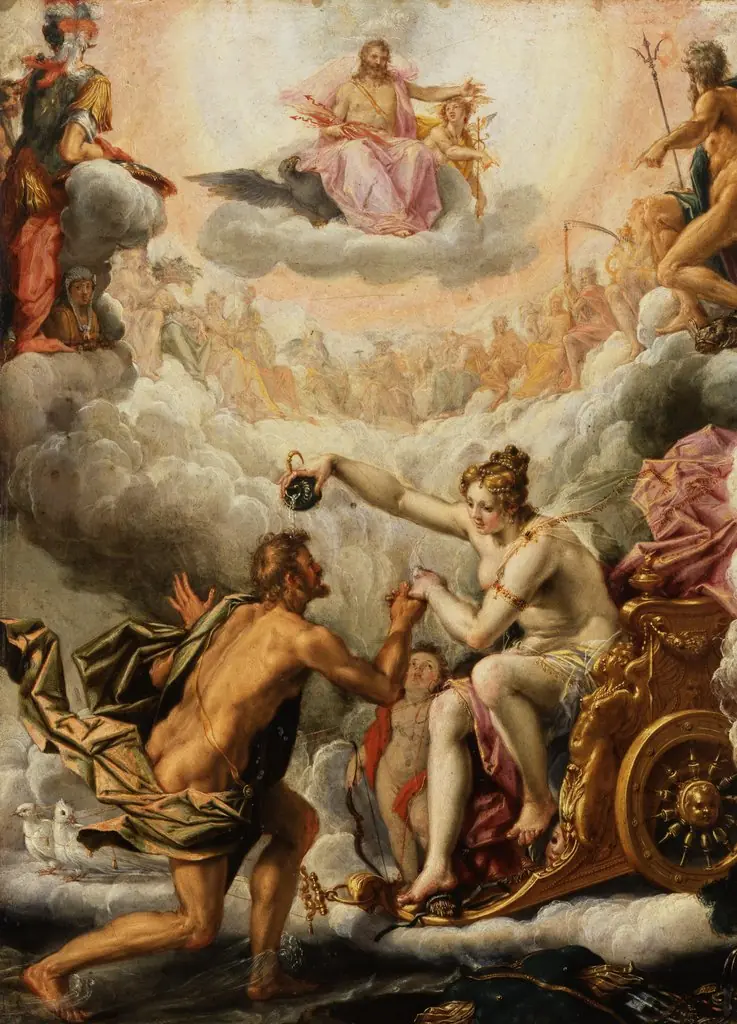 Aeneas wird von Venus in den Olymp aufgenommen