Artwork
Ildefonso Altarpiece left panel (Archduke Albert with his patron saint Albert of Louvain)
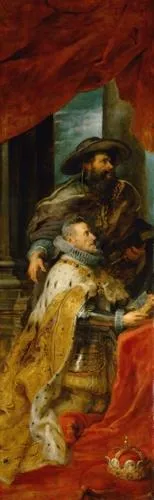
Ildefonso Altarpiece left panel (Archduke Albert with his patron saint Albert of Louvain) is an oil painting by the Flemish Baroque painting artist Peter Paul Rubens. It dates from 1632 and is held in the collection of the Kunsthistorisches Museum.
About this work
Subject & Meaning
The left panel of the Ildefonso Altarpiece portrays Archduke Albert VII of Austria alongside his patron saint, Albert of Louvain, within a devotional composition that underscores the Archduke’s piety and political legitimacy. The iconography combines the Archduke’s portraiture with the saint’s traditional attributes, linking temporal authority to divine favor and reflecting Counter‑Reformation ideals of saintly patronage. Symbolic elements such as the martyr’s palm and the regal insignia convey both spiritual sacrifice and earthly power, illustrating Rubens’s ability to fuse personal devotion with broader religious narratives.
History & Provenance
The left panel of the Ildefonso Altarpiece, depicting Archduke Albert with his patron saint Albert of Louvain, was created by Peter Paul Rubens in 1632.
The left panel of the Ildefonso Altarpiece, depicting Archduke Albert with his patron saint Albert of Louvain, was created by Peter Paul Rubens in 1632. Executed in oil paint, this religious work forms part of a larger altarpiece commissioned for the Church of St. Michael in Antwerp. The painting has remained within the collection of the Kunsthistorisches Museum in Vienna, where it is currently housed. The work is dated to the year 1632, reflecting Rubens' late career output shortly before his death.
Overview
The left-hand panel of the Ildefonso Altarpiece, completed in 1632, is an oil painting by the Flemish Baroque painter Peter Paul Rubens. It forms part of a larger multi‑panel work that remains in the collection of Vienna’s Kunsthistorisches Museum. The composition presents a dignified figure in a dark hat and fur‑trimmed coat holding a young boy, set against a dim interior with a red curtain and stone arch.
Technique & Style
Rubens employs his characteristic vigorous brushwork and rich coloration, using chiaroscuro to model the figures against the shadowy backdrop. The red curtain and the textured stone arch provide a theatrical setting, while the delicate rendering of fabrics and the subtle gleam of the boy’s crown demonstrate the artist’s skill in combining realism with symbolic detail.
Context
The work reflects the political and religious climate of early 17th‑century Europe, where the Habsburg ruler Albert VII sought to reinforce his authority through visual association with a canonized saint. Rubens’s involvement aligns with his broader engagement in projects that served both devotional purposes and the propaganda needs of his aristocratic patrons.
Artist & collection
Artist
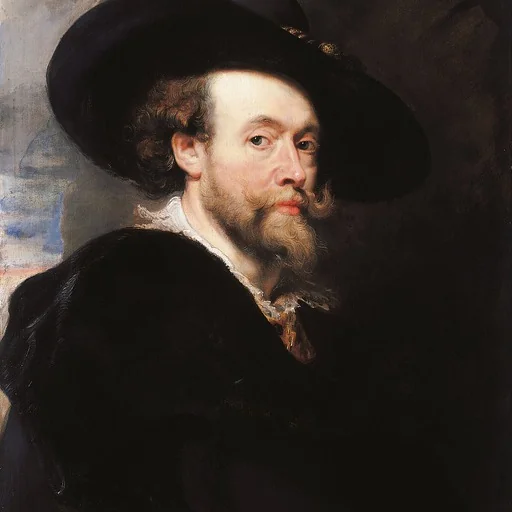
Sir Peter Paul Rubens ( ROO-bənz; Dutch:; 28 June 1577 – 30 May 1640) was a Flemish artist and diplomat.

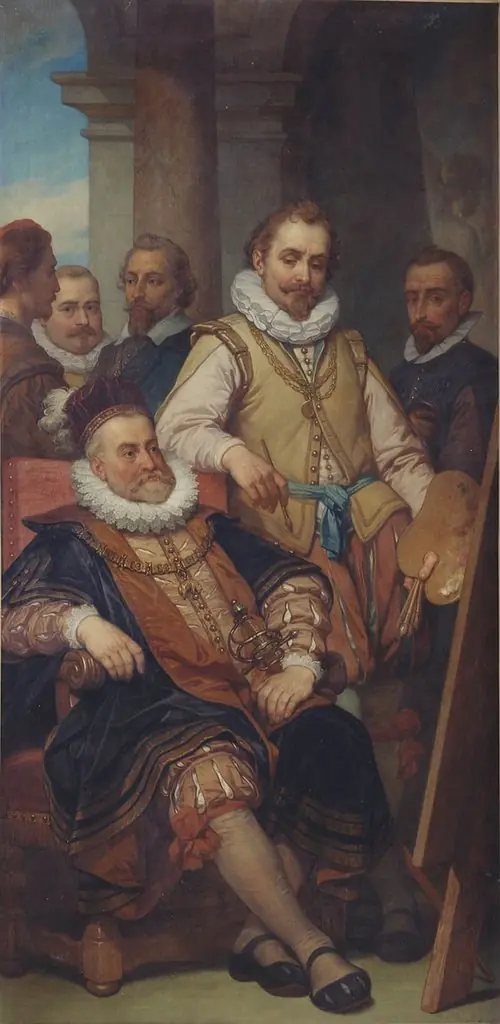 The Painter Bartholomeus Spranger in Vienna
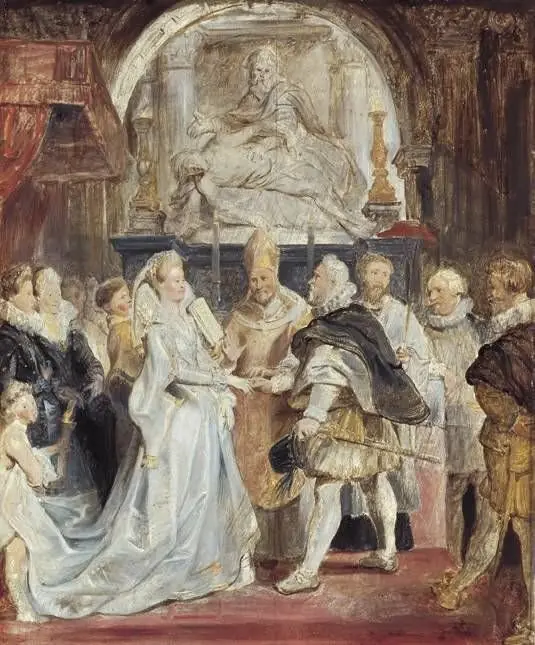 Marriage of Henry IV and Maria de' Medici
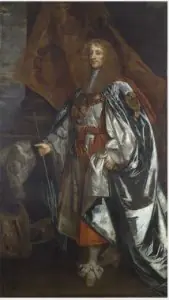 Portrait of James Butler, 1st Duke of Ormonde (1610-1688)
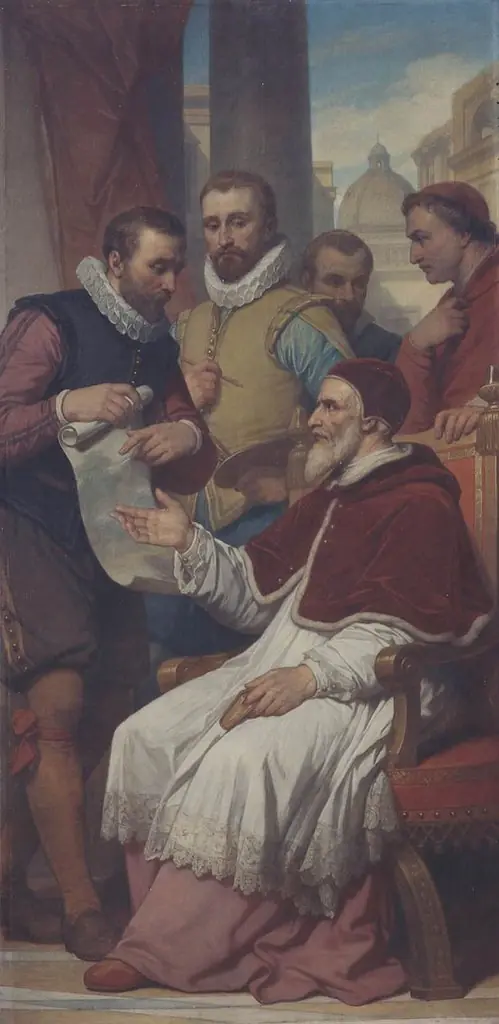 The Painters Matthijs and Paul Bril in Rome
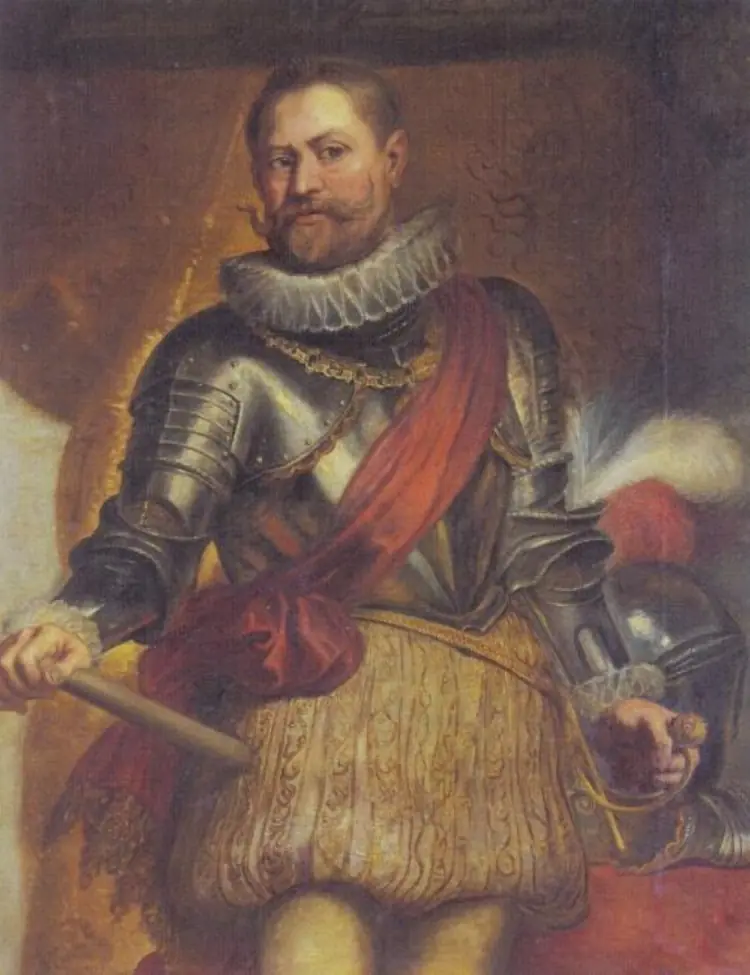 Portrait of Ernest, Archduke of Austria (1553-1595)
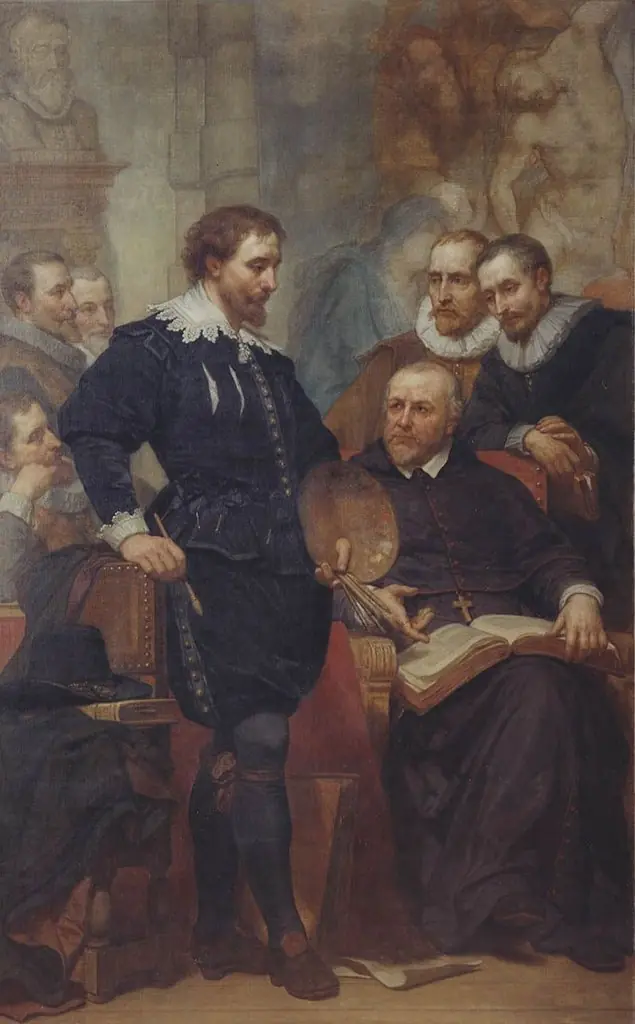 Peter Paul Rubens in his Studio
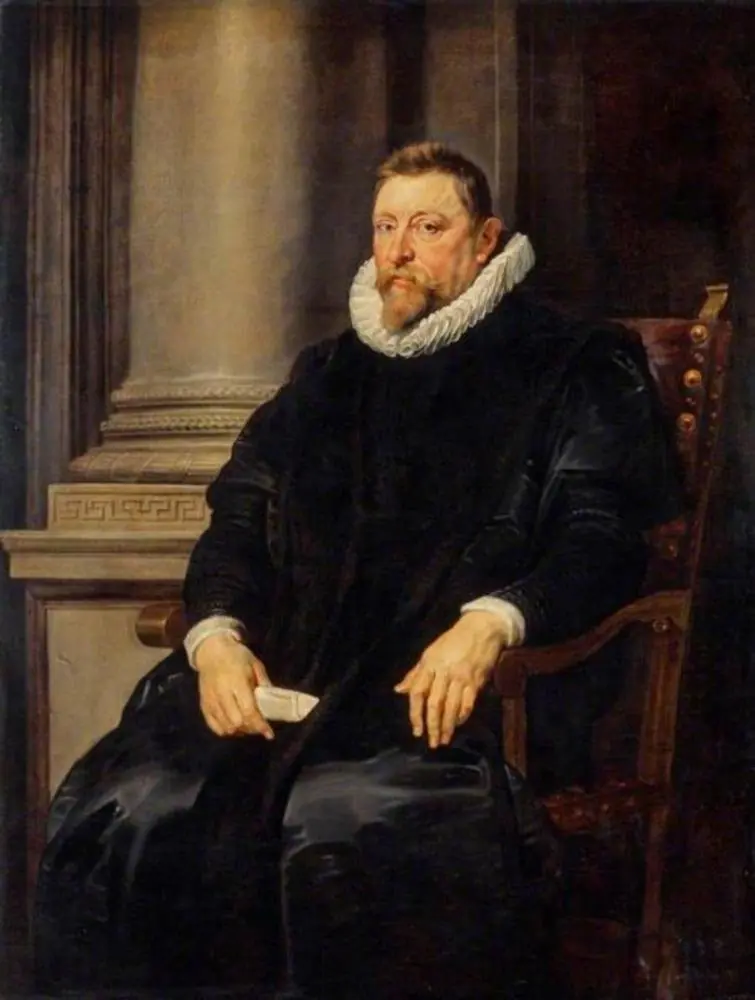 Portrait of Petrus Pecquius (1562 - 1625)
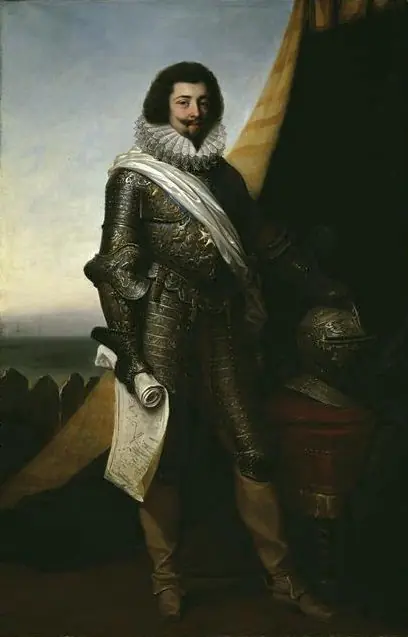 François de Bassompierre, maréchal de France en 1622 (1579-1646)
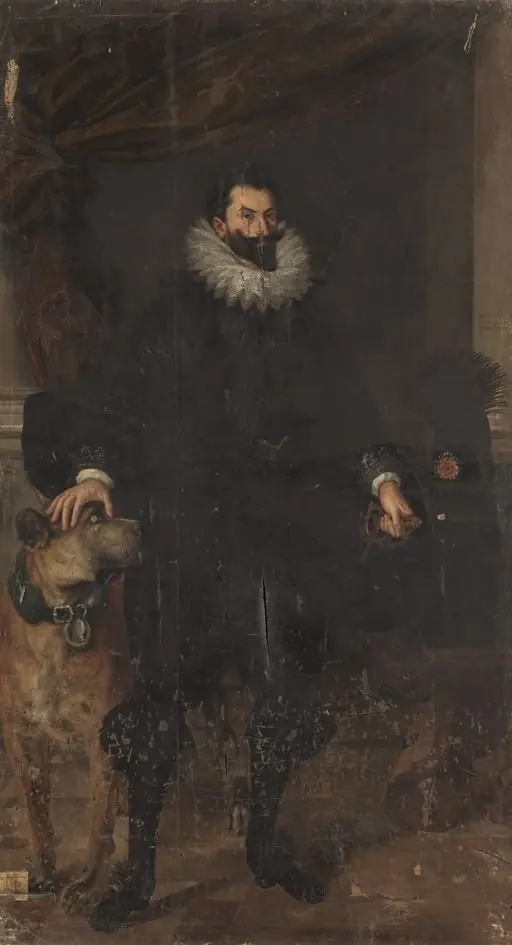 Bildnis des Herzogs Albrecht VI. von Bayern, der "Leuchtenberger" (1584-1666)
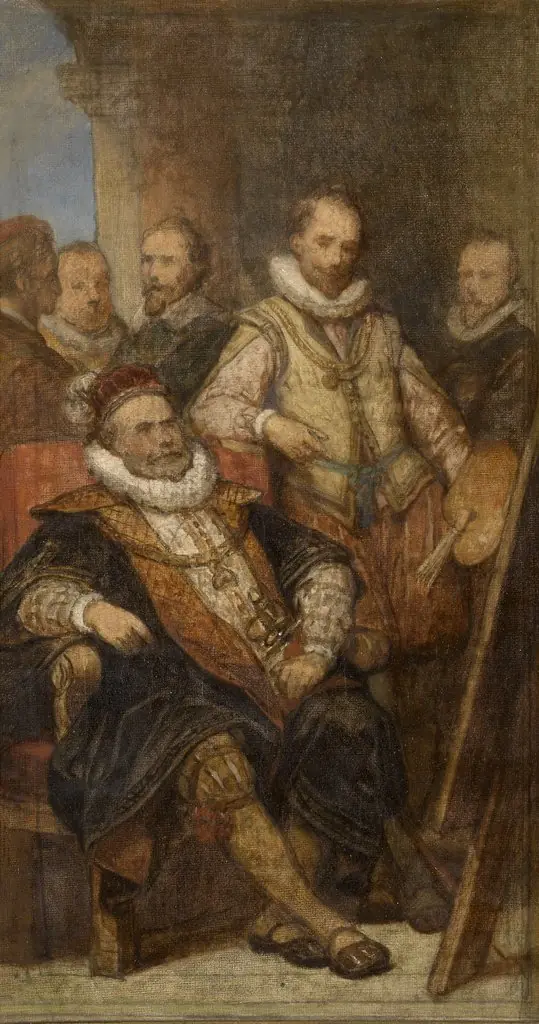 The Painter Bartholomeus Spranger in Vienna
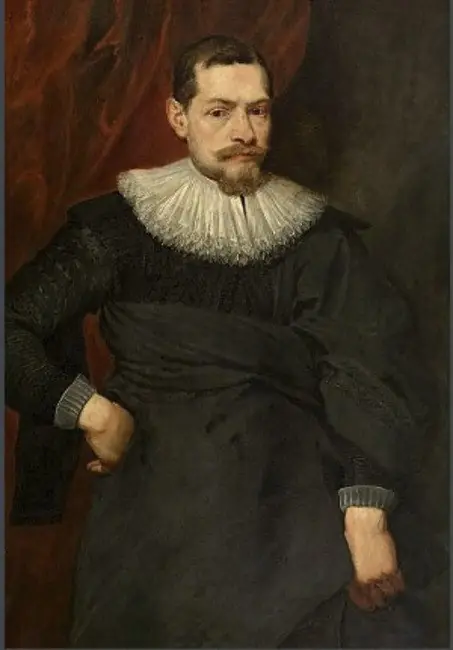 Portrait of man with an unstarched ruff
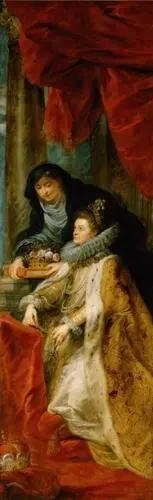
- Ildefonso altarpiece right panel (Isabella with Elisabeth of Hungary)