Artwork
Ildefonso altarpiece right panel (Isabella with Elisabeth of Hungary)
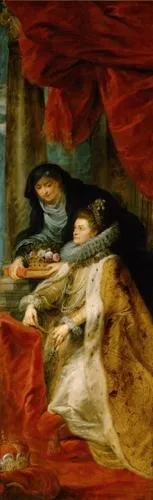
Ildefonso altarpiece right panel (Isabella with Elisabeth of Hungary) is an oil painting by Peter Paul Rubens. It dates from 1632 and is held in the collection of the Kunsthistorisches Museum.
About this work
Subject & Meaning
The panel depicts two royal female saints: Isabella Clara Eugenia of Spain and Elizabeth of Hungary.
The panel depicts two royal female saints: Isabella Clara Eugenia of Spain and Elizabeth of Hungary. The pairing of these two figures carries dynastic and devotional significance. Isabella Clara Eugenia, daughter of Philip II of Spain, was a Habsburg regent and a noted patron of the arts with strong Catholic piety; her identification with Saint Elizabeth of Hungary, the thirteenth-century princess known for her charity and renunciation of worldly power, suggests a deliberate modeling of virtue and political legitimacy through sacred lineage.
The religious genre classification frames the work within the Counter-Reformation context, where such portraits-saint conflations served both spiritual exemplarity and Habsburg propaganda. The juxtaposition elevates the living ruler through association with a canonized predecessor, blending personal devotion with public assertion of righteous authority.
Technique & Style
Executed in 1632, this religious panel by Peter Paul Rubens utilizes oil paint as its primary medium. The work is characterized by substantial vertical proportions, measuring 352 cm in height and 109 cm in width. Stylistically, the composition focuses on the depiction of two specific figures: Isabella Clara Eugenia of Spain and Elizabeth of Hungary.
The piece is classified as a painting within the religious genre, currently held in the collection of the Kunsthistorisches Museum.
Overview
The right panel of the Ildefonso altarpiece, painted by Peter Paul Rubens in 1632, features Isabella Clara Eugenia of Spain alongside Elizabeth of Hungary in a religious context, characterized by Rubens' signature use of dynamic composition and vivid color.
History & Provenance
Created in 1632, this altarpiece panel is part of Rubens' output during the Counter-Reformation, a period marked by the production of emotionally charged religious artworks. The painting is currently housed in the Kunsthistorisches Museum.
Context
As a work of the Baroque period, this panel reflects the artistic and religious climate of 17th-century Europe, where Catholicism sought to reassert its influence through art. Rubens, a leading Flemish artist and diplomat, navigated both cultural and religious currents in his work.

Artist & collection
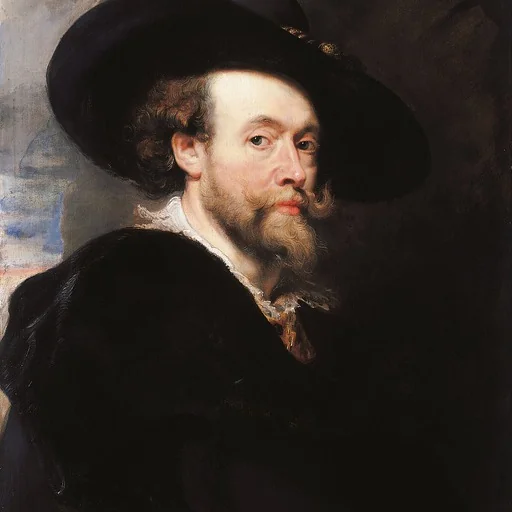
Artist
Sir Peter Paul Rubens ( ROO-bənz; Dutch:; 28 June 1577 – 30 May 1640) was a Flemish artist and diplomat.

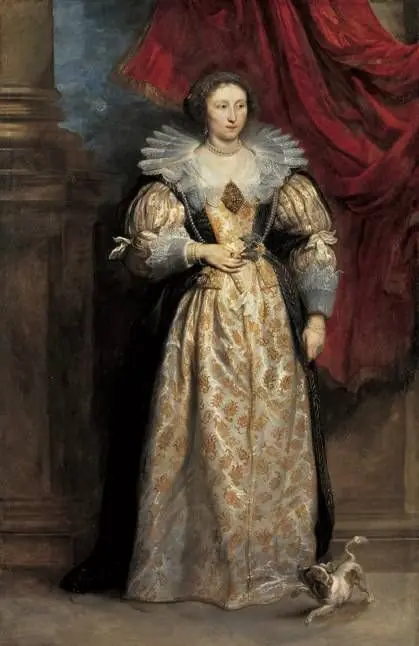 Portrait of Sebilla van den Berghe
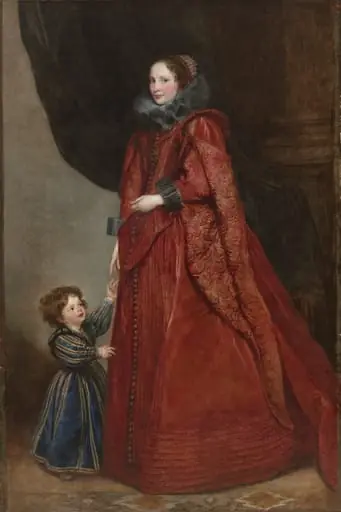 A Genoese Lady with Her Child
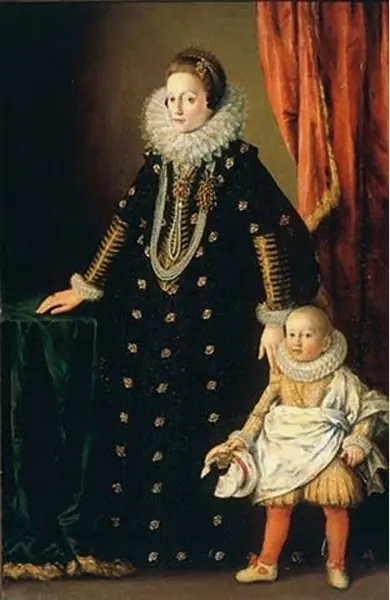 Portrait of Duchess Magdalene of Bavaria (1587–1628) and her son Philip William.
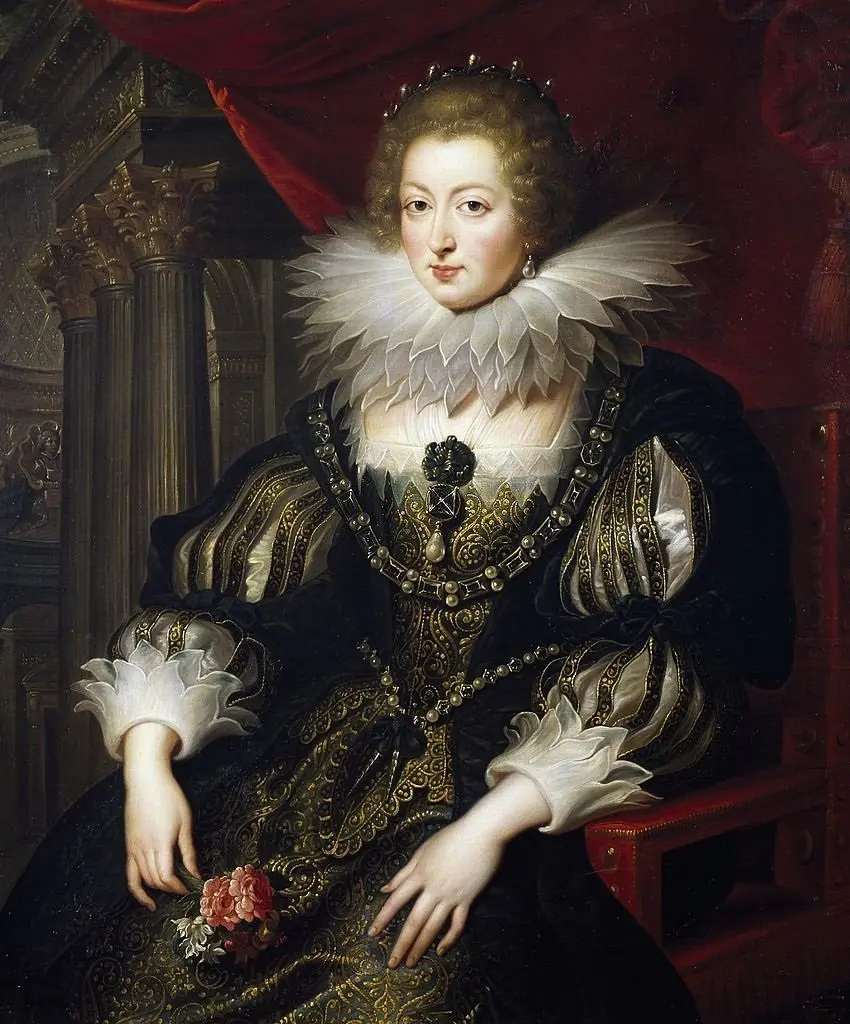 Portrait of Anne of Austria, Queen of France (1601-1666)
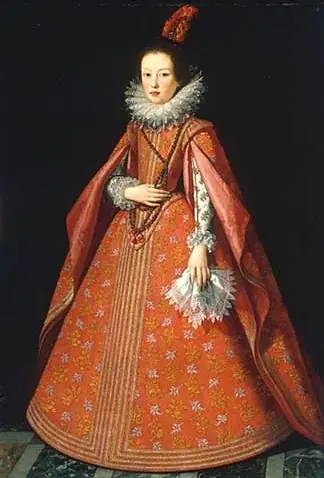 Portrait of Margherita de' Medici
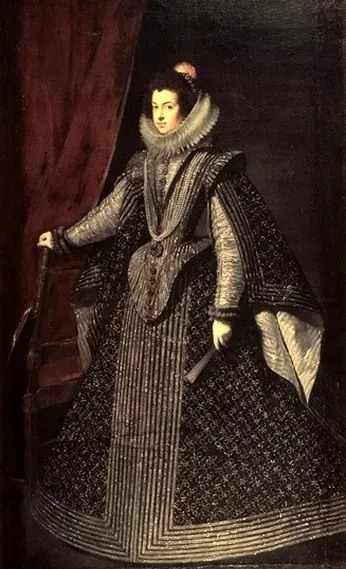 Isabella of Bourbon
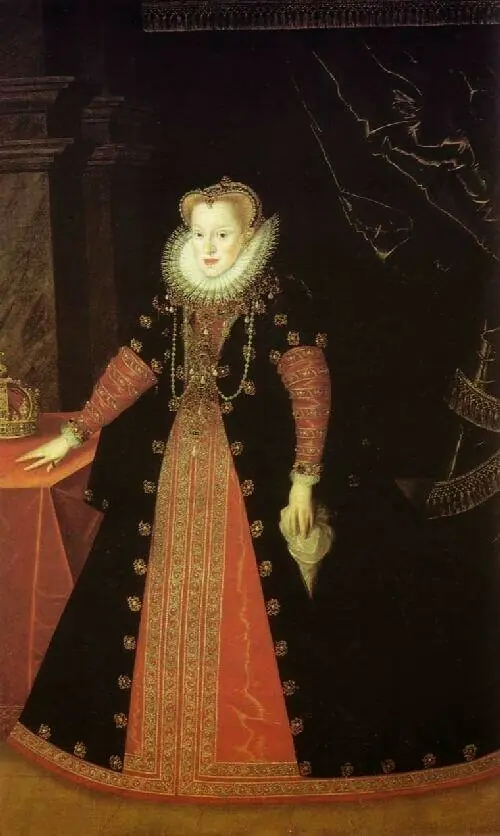 Full-length portrait of Anne of Austria (1573-1598).
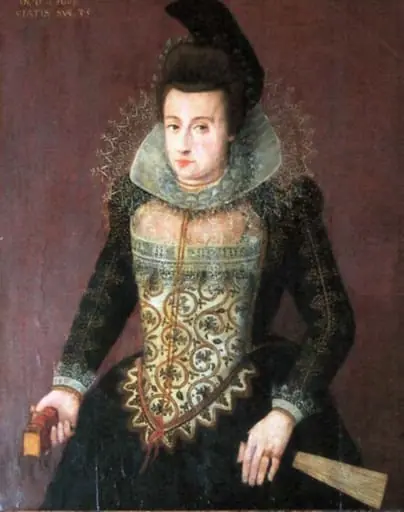 Portret de englezoaică aristocrată
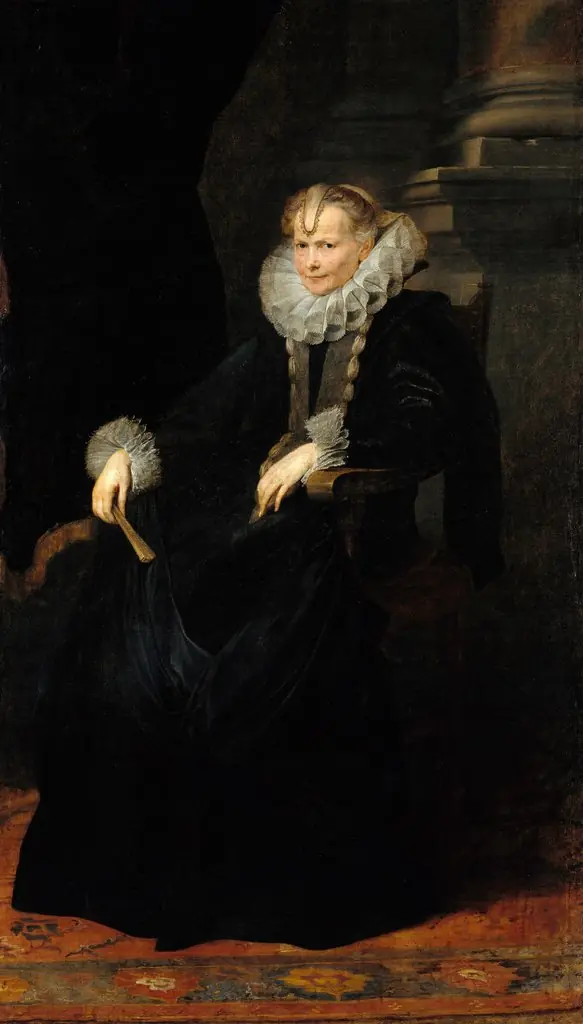 Portrait of a Genoese Lady
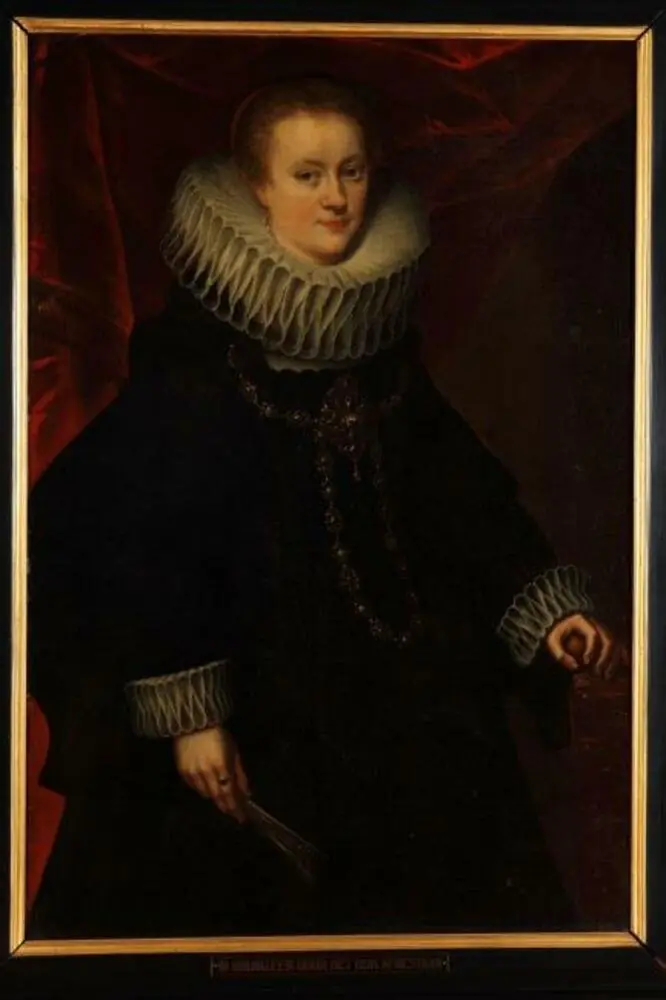 Portrait of a woman
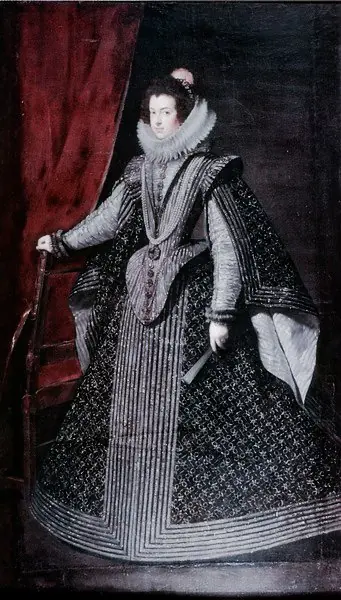 Isabella of Bourbon. First Queen of King Philip IV
- Ildefonso Altarpiece left panel (Archduke Albert with his patron saint Albert of Louvain)