Artwork
Samson und Dalila
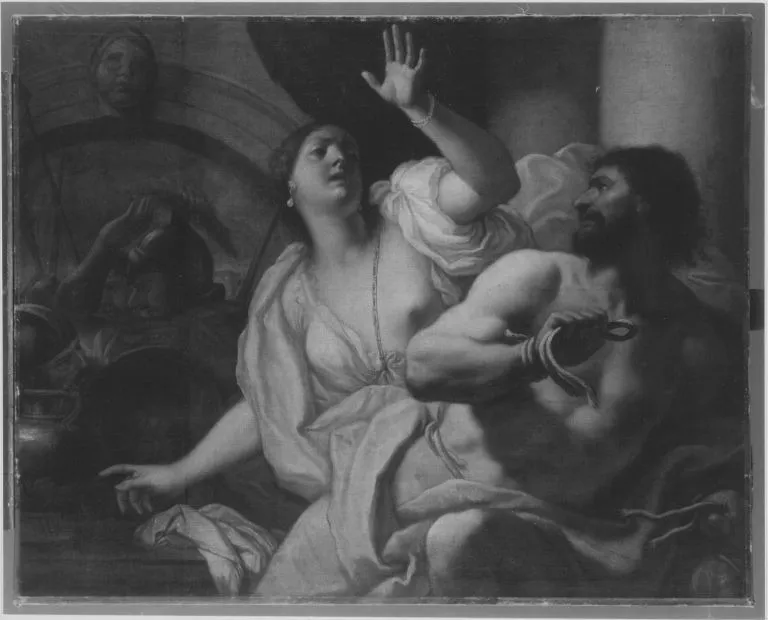
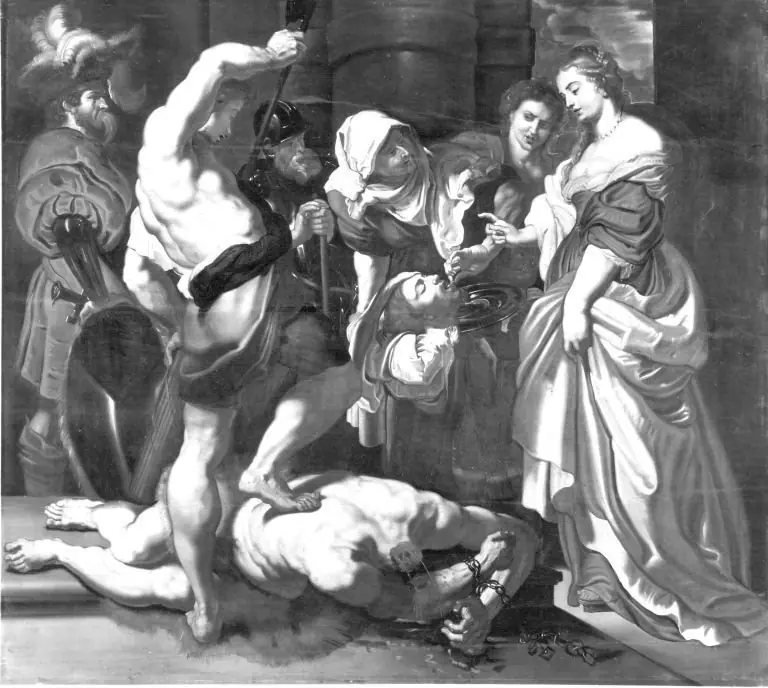
Samson und Dalila is an unspecified painting by the Flemish Baroque painting artist Peter Strudel. It dates from 1694 and is held in the collection of the Bavarian State Painting Collections.
About this work
Technique & Style
The composition emphasizes dramatic tension through chiaroscuro and dynamic figures, typical of late Baroque religious painting.
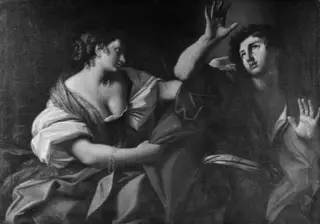
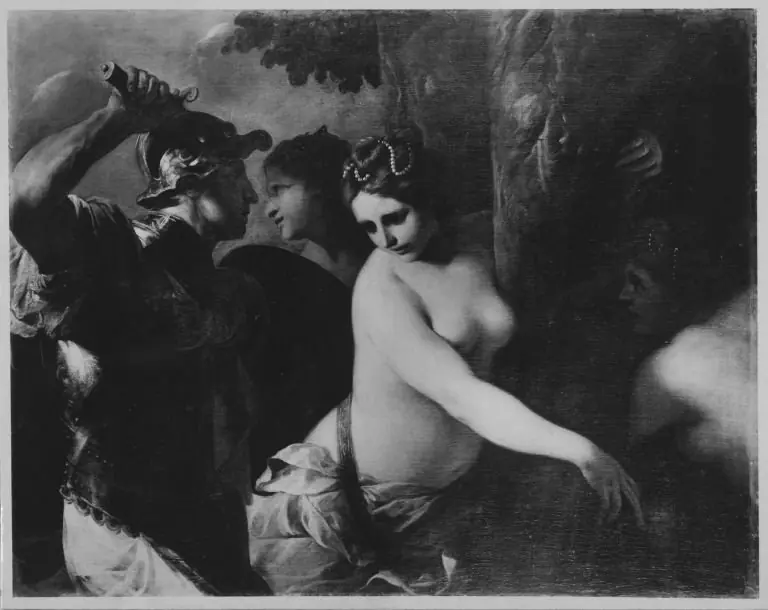
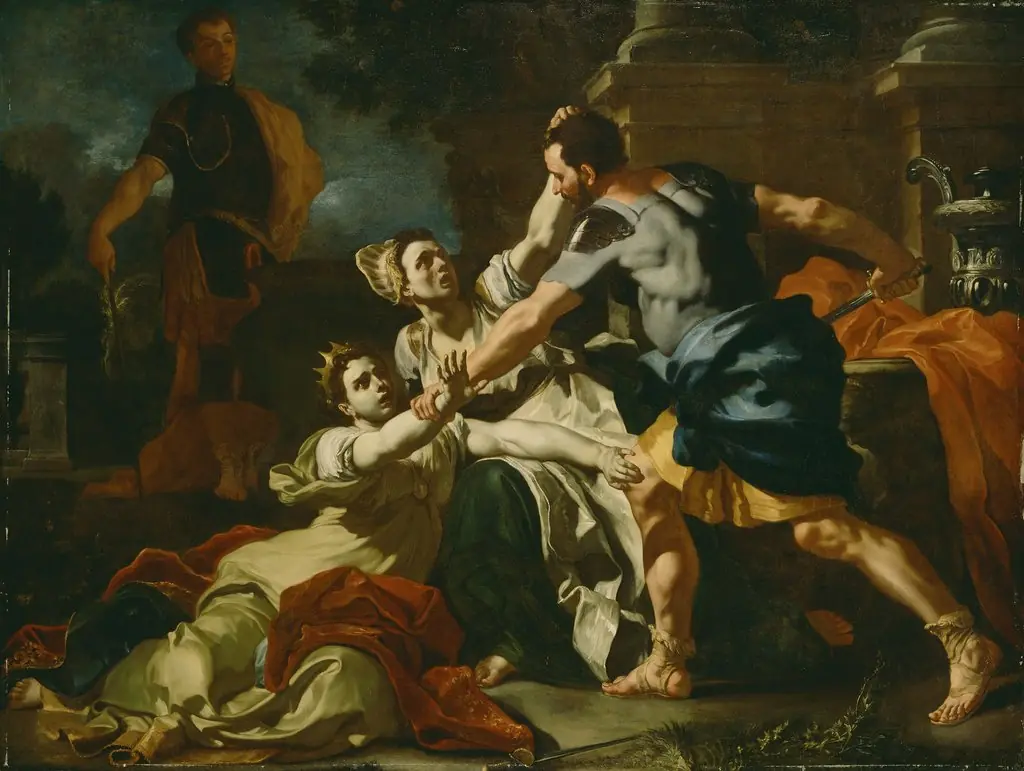
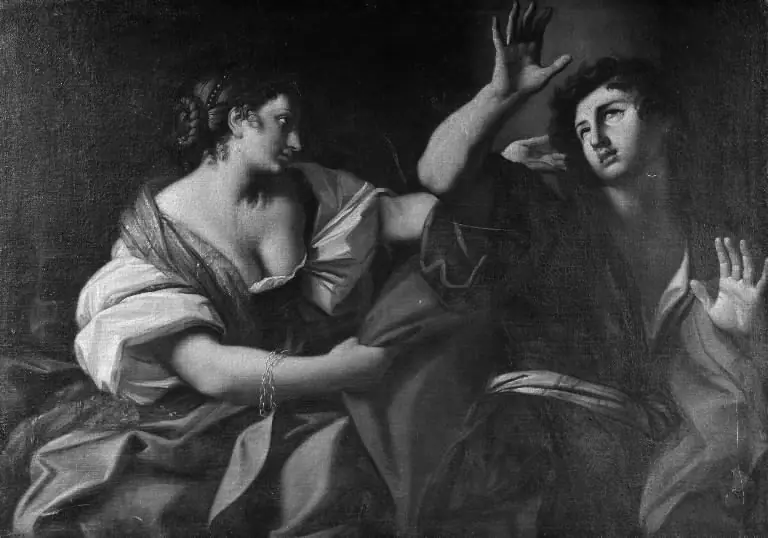
The work is an oil painting on canvas, executed in 1687 by Peter Strudel. It measures 130 cm in height by 165 cm in width and depicts the biblical scene of Samson and Delilah. The composition emphasizes dramatic tension through chiaroscuro and dynamic figures, typical of late Baroque religious painting.
The surface shows craquelure consistent with age, and the varnish layer exhibits slight discoloration, though the overall condition remains stable as recorded in the collection’s conservation reports.
History & Provenance
Samson und Dalila is a religious painting by Peter Strudel dated 1687. The work is held by the Bavarian State Painting Collections and is located at the Alte Pinakothek in Munich. The sources do not provide further information on the commission, prior ownership chain, or specific circumstances of its creation beyond these basic details.
The painting Samson und Dalila by Peter Strudel (1687) is housed in the Alte Pinakothek, part of the Bavarian State Painting Collections. Its dimensions are 130 cm in height and 165 cm in width.
The work has been exhibited in major retrospectives of Baroque painting at the Alte Pinakothek and has featured in exhibitions on Strudel's religious subjects at the Germanic National Museum in Nuremberg.
Provenance records indicate its accession into the Bavarian State Painting Collections in the early 20th century, with no documented changes in ownership since.
Overview
Created in 1694 by Austrian artist Peter Strudel, Samson und Dalila is an oil painting that resides in the Alte Pinakothek. The work presents a dramatic encounter between the biblical Delilah and the captured Samson, rendered in a composition that emphasizes tension and emotional intensity.
Subject & Meaning
The scene captures the moment after Samson has been seized, his muscular torso exposed and bound, while Delilah, dressed in white, gestures with one arm raised and the other extended downward. Their opposing gazes, her looking toward him, he looking upward, underscore the themes of betrayal, vulnerability, and the moral consequences of deceit.
Context
Strudel, known primarily as a sculptor, contributed to Austria’s artistic transition from the restrained early Baroque to a more exuberant high Baroque style. By adopting Flemish compositional conventions, he aligned Austrian painting with contemporary European trends, positioning biblical narratives as vehicles for exploring human drama and moral instruction.
Artist & collection
Artist
Peter Strudel or Peter Strudl (ca. 1660 – 4 October 1714) was an Austrian sculptor and painter. His work forms the transition of Austria to the high baroque style. Strudel was born in Cles, Trentino. Between 1676 (when…