Artwork
Self-Portrait
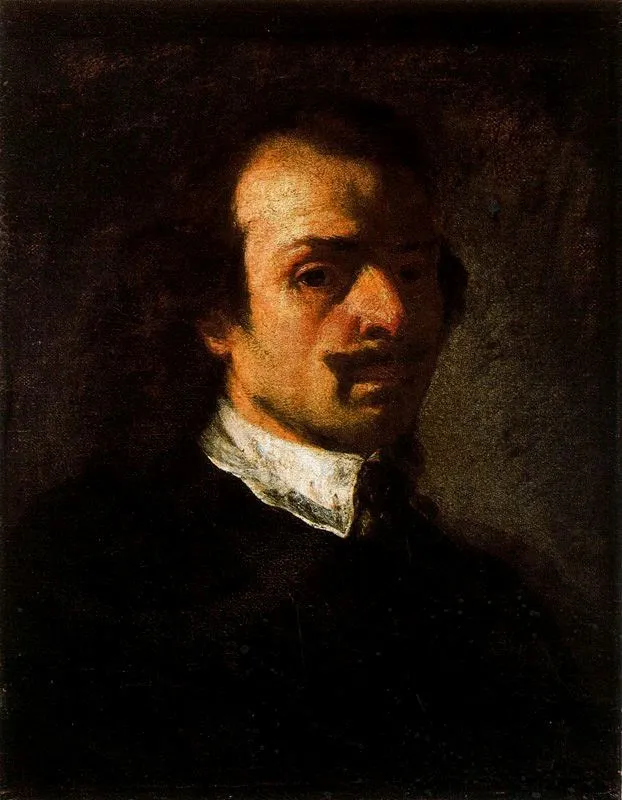
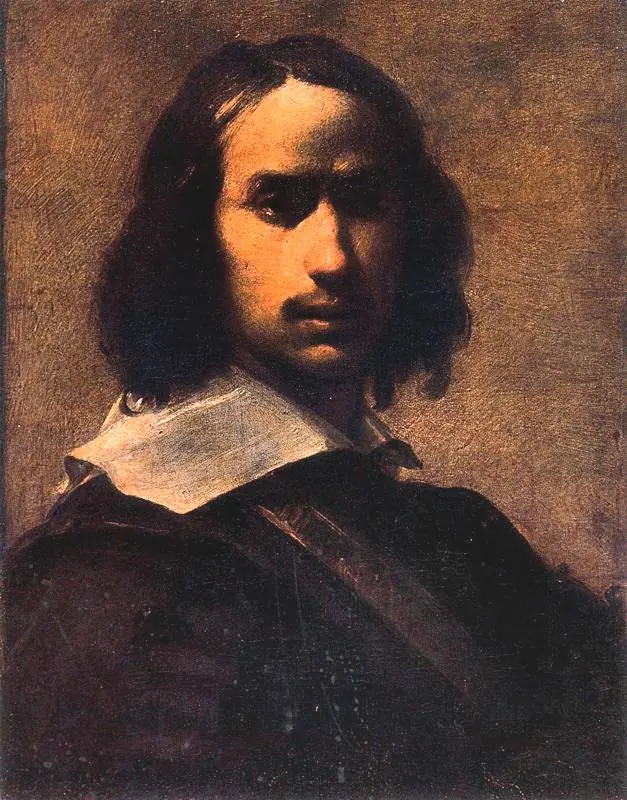
Self-Portrait is an oil painting by the Early Baroque Italian artist Pier Francesco Mola. It is held in the collection of the Uffizi Gallery.
About this work
Overview
Pier Francesco Mola’s self‑portrait, executed in oil around 1700, presents the artist in a restrained half‑length format. The figure is set against a deep, almost black backdrop that isolates him from any surrounding detail, emphasizing the immediacy of his gaze. The work is part of the Uffizi Gallery’s collection in Florence, where it is displayed among other Baroque portraits.
Subject & Meaning
The canvas shows Mola himself, a man with dark hair, a neatly trimmed mustache, and a solemn expression. He wears a plain white shirt with a modest collar beneath a dark jacket, attire that suggests both professionalism and modesty. The seriousness of his demeanor may reflect the artist’s self‑presentation as a dedicated painter rather than a flamboyant court figure.
Technique & Style
Mola employs chiaroscuro, the dramatic contrast of light and shadow, to model the facial features and give the portrait a three‑dimensional presence.
Mola employs chiaroscuro, the dramatic contrast of light and shadow, to model the facial features and give the portrait a three‑dimensional presence. The illumination falls on the face and upper chest, while the surrounding darkness recedes, creating depth without elaborate background scenery. The brushwork is smooth, typical of late‑Baroque portraiture, allowing subtle tonal transitions across the skin.
History & Provenance
Created at the turn of the 18th century, the painting entered the Uffizi’s holdings as part of the Medici‑Farnese collection, though exact acquisition details remain sparse. It has remained in the museum’s inventory since the 18th century, serving as a reference point for scholars studying Mola’s oeuvre and the broader context of Roman Baroque portraiture.
Artist & collection

Artist
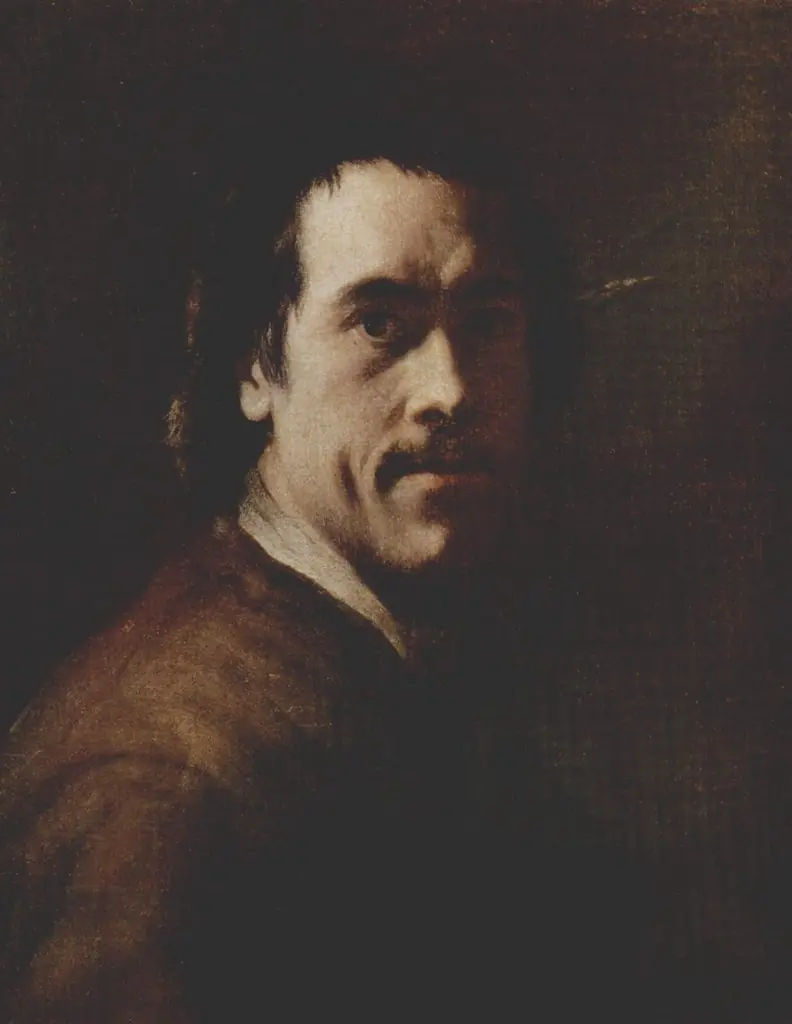
Pier Francesco Mola, called Il Ticinese was an Italian painter of the High Baroque, mainly active around Rome.

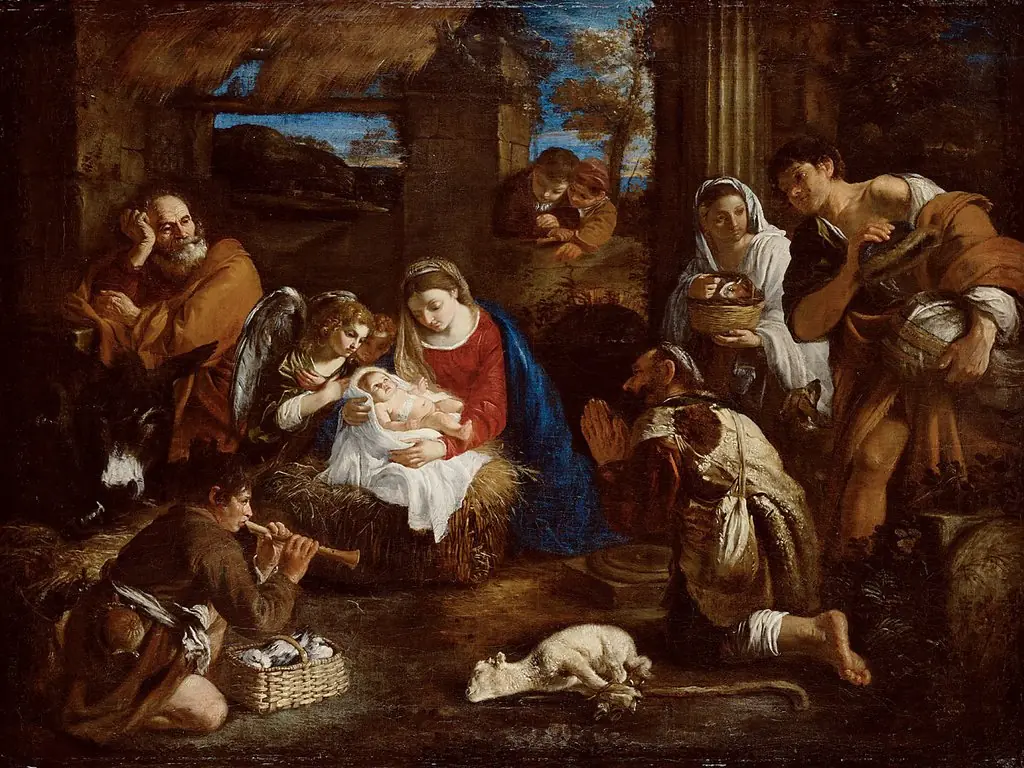
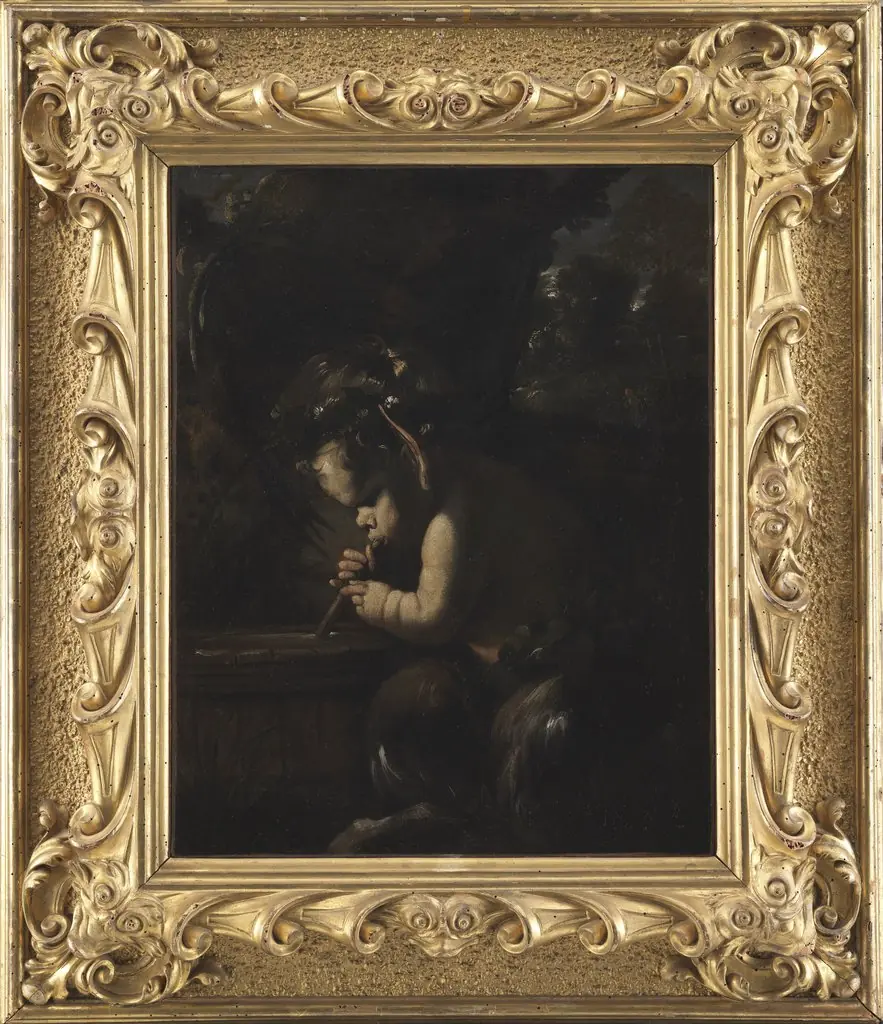
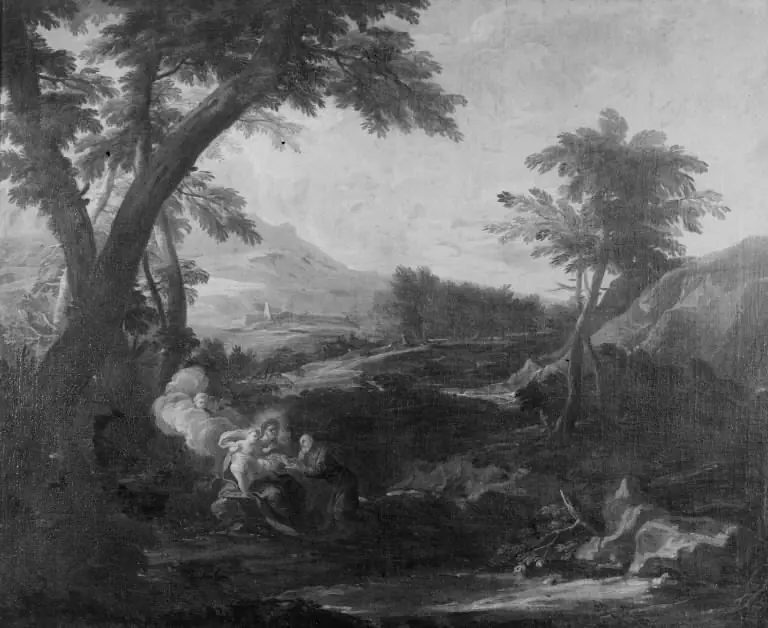
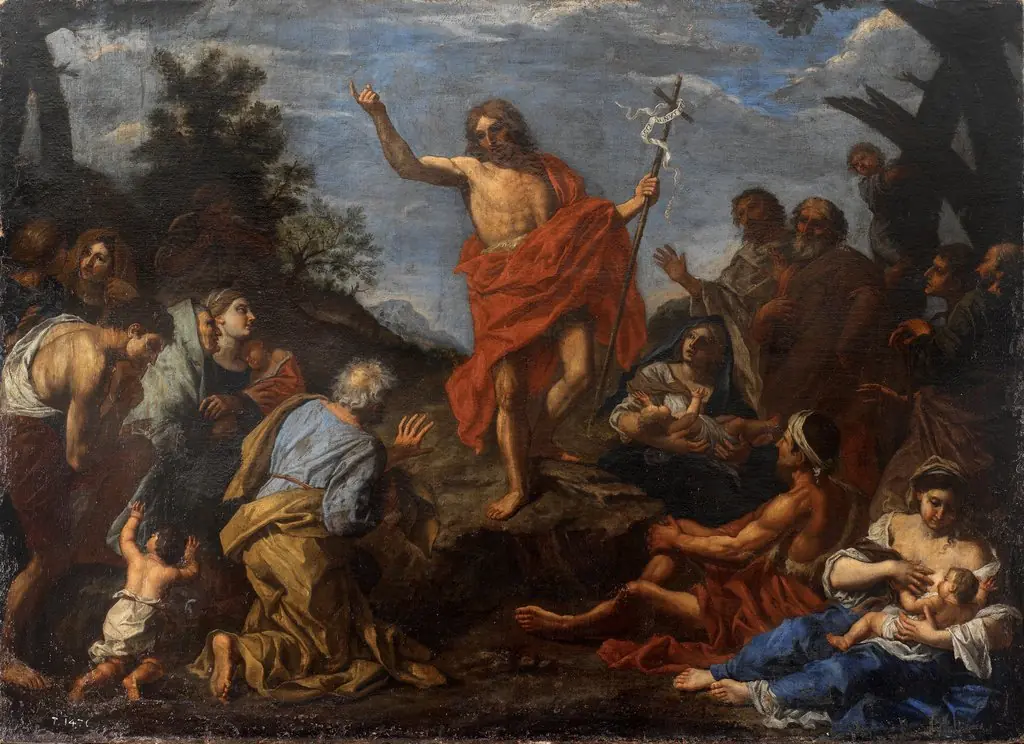
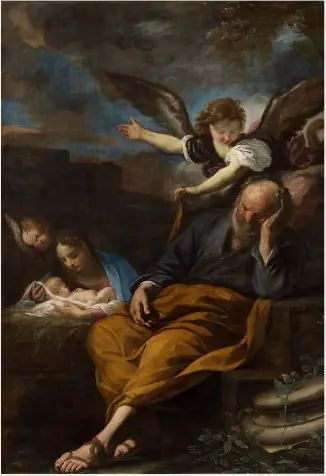
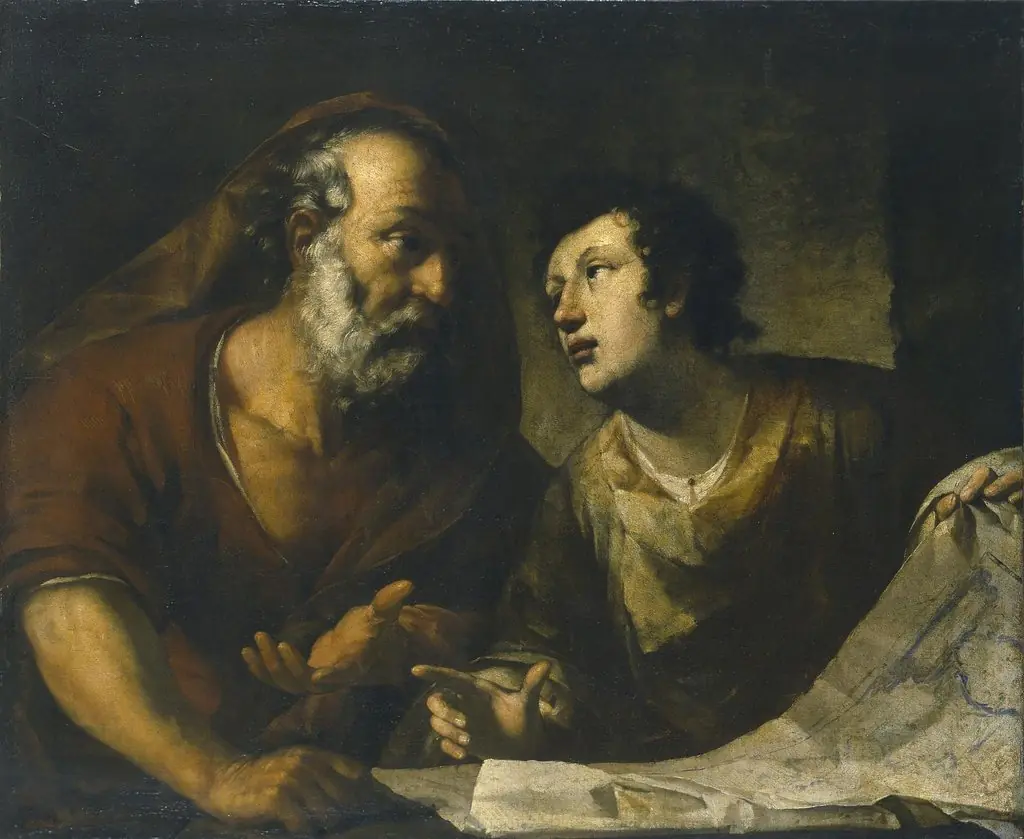
- Self-Portrait
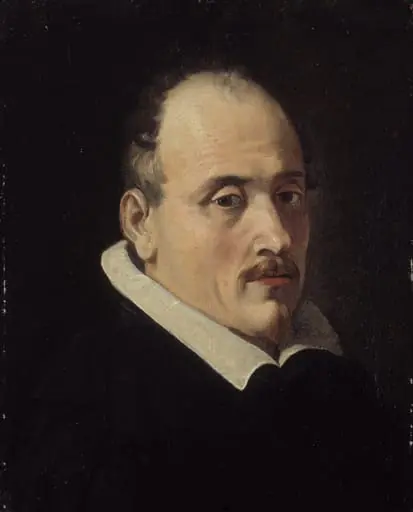 Miehen muotokuva
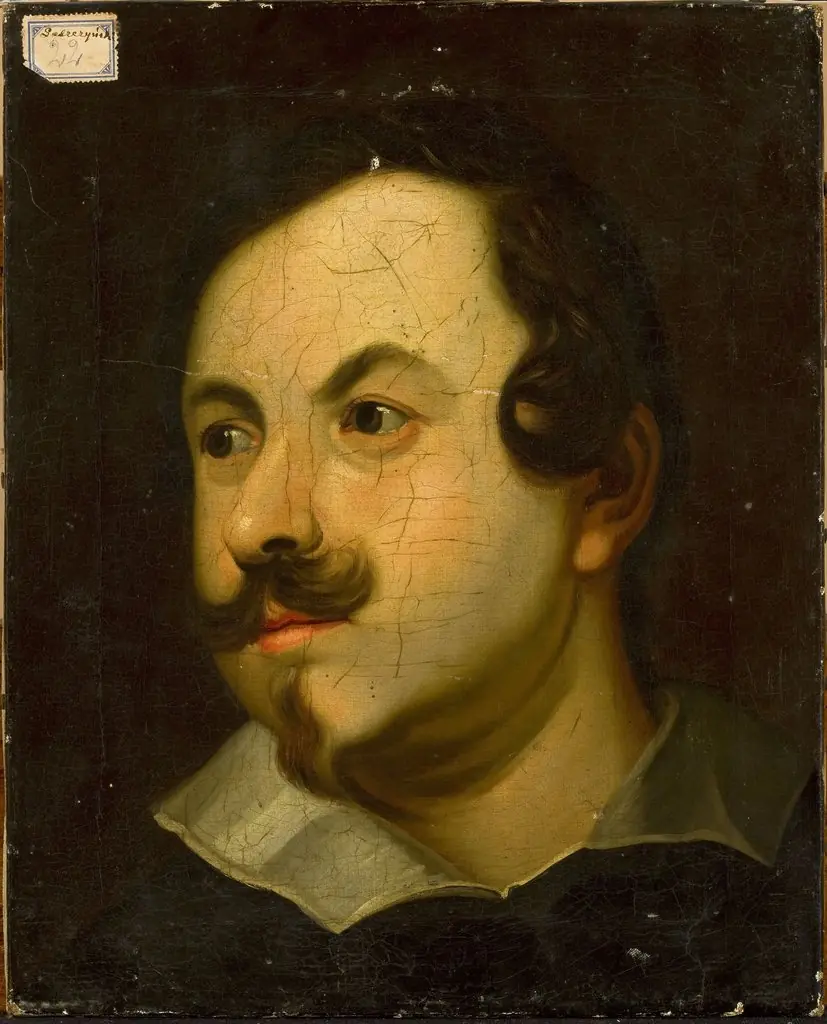 Portrait of a man
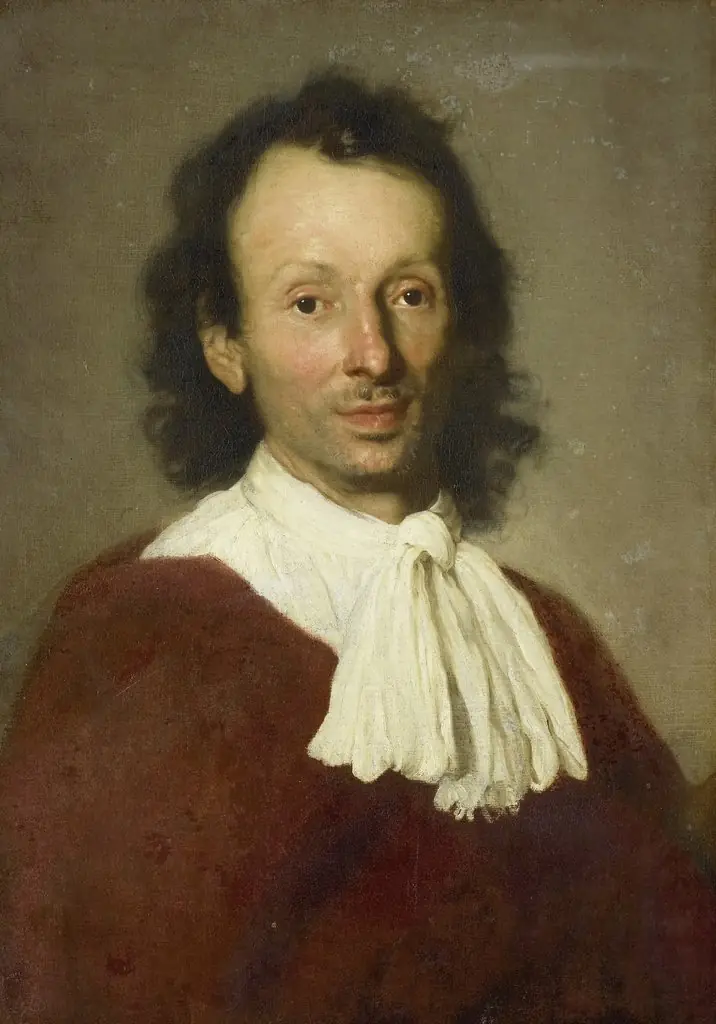 Portrait of a Man
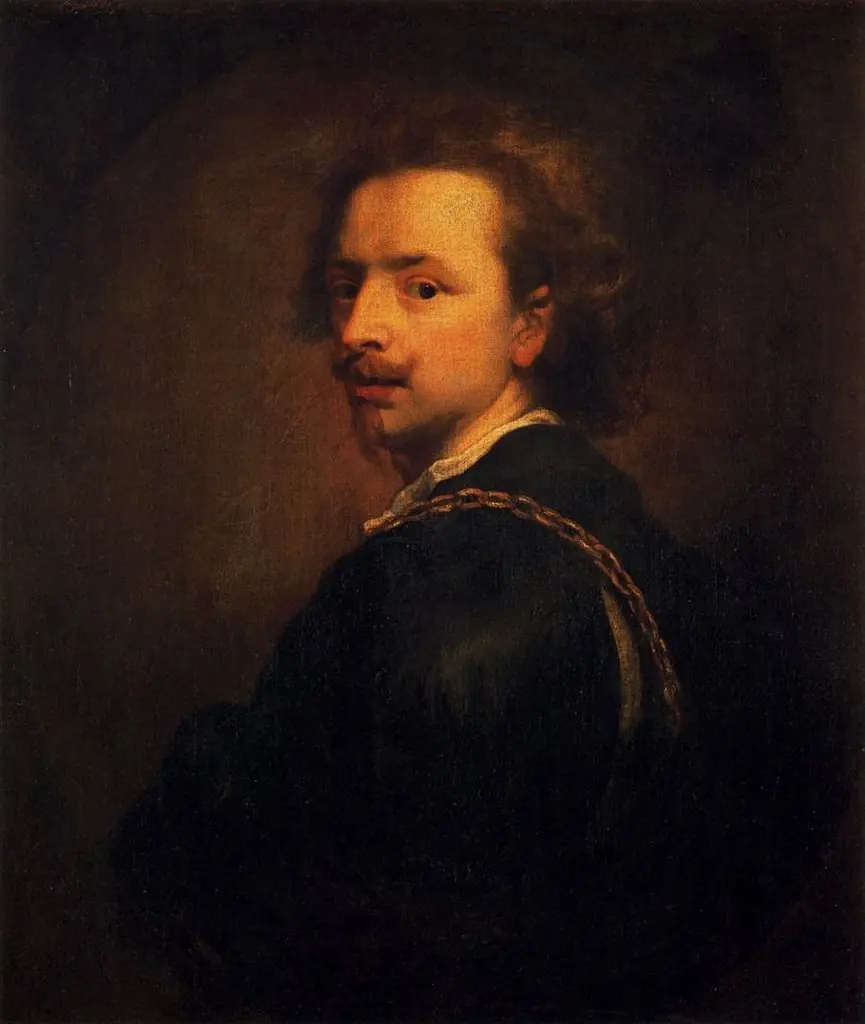 Self-Portrait
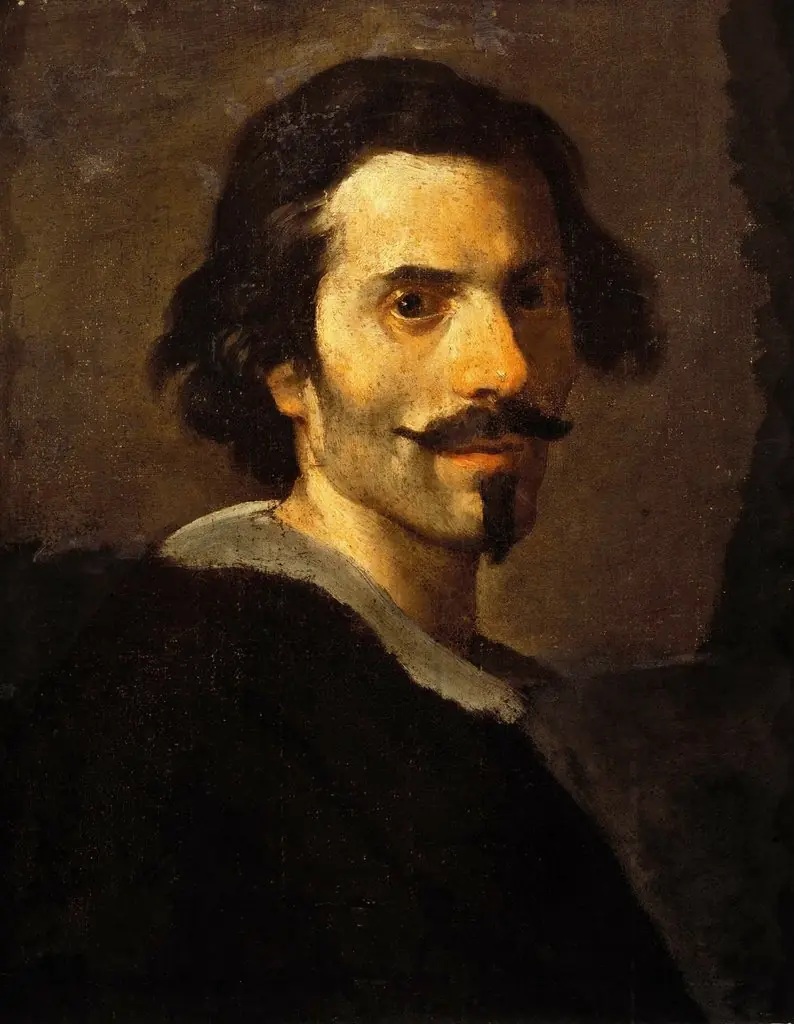 Self Portrait of Gianlorenzo Bernini as a Mature Man (1638-40)
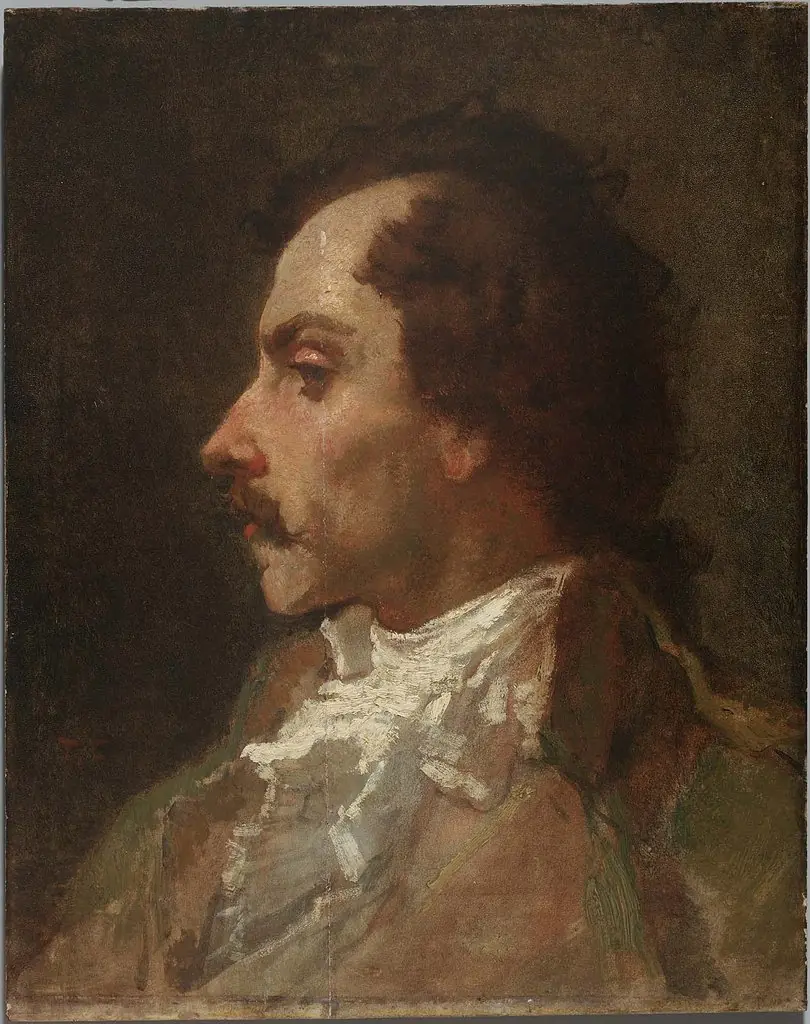 A Soldier (study for The Enrollment of the Volunteers of 1792)
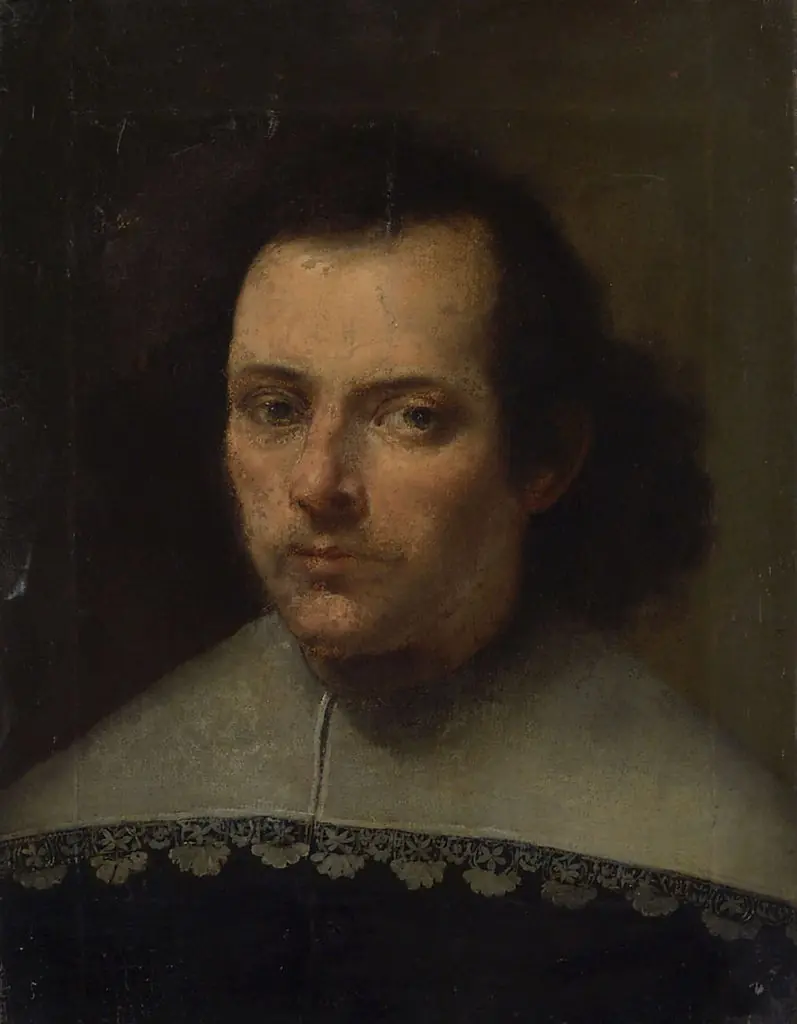 Männliches Bildnis
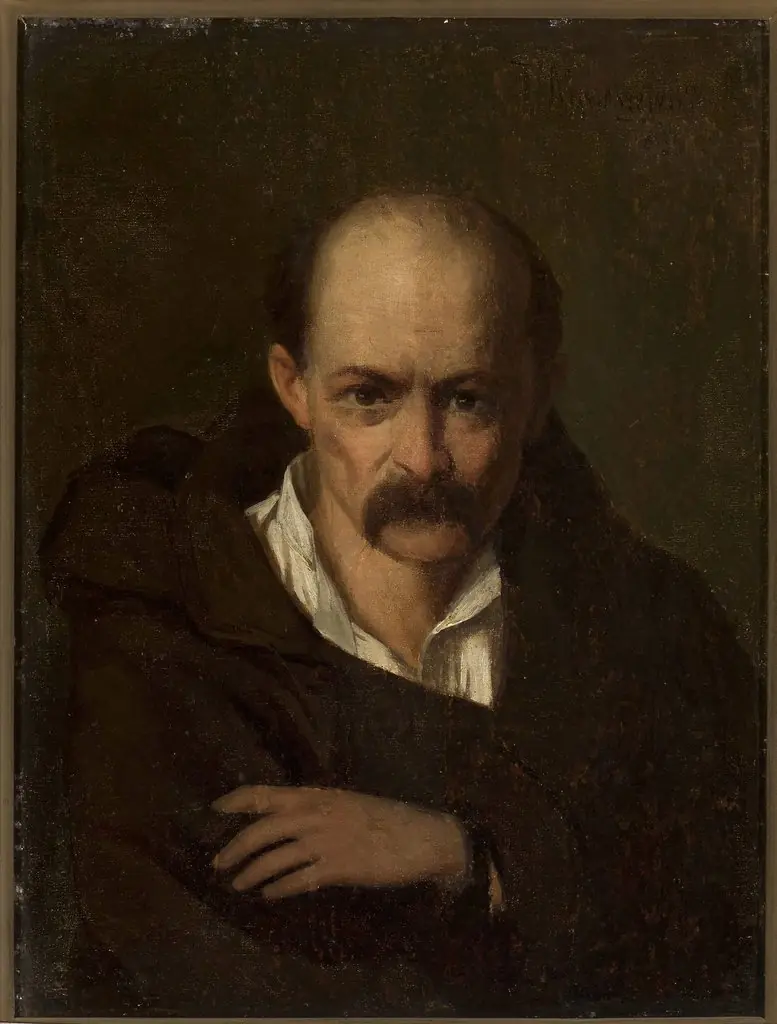 Portrait of a man in handcuffs
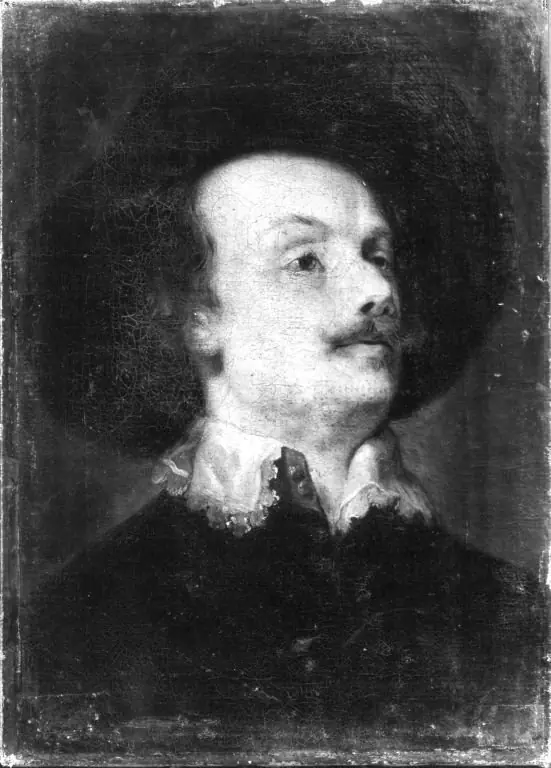 Painting of the battle painter Pieter Snayers
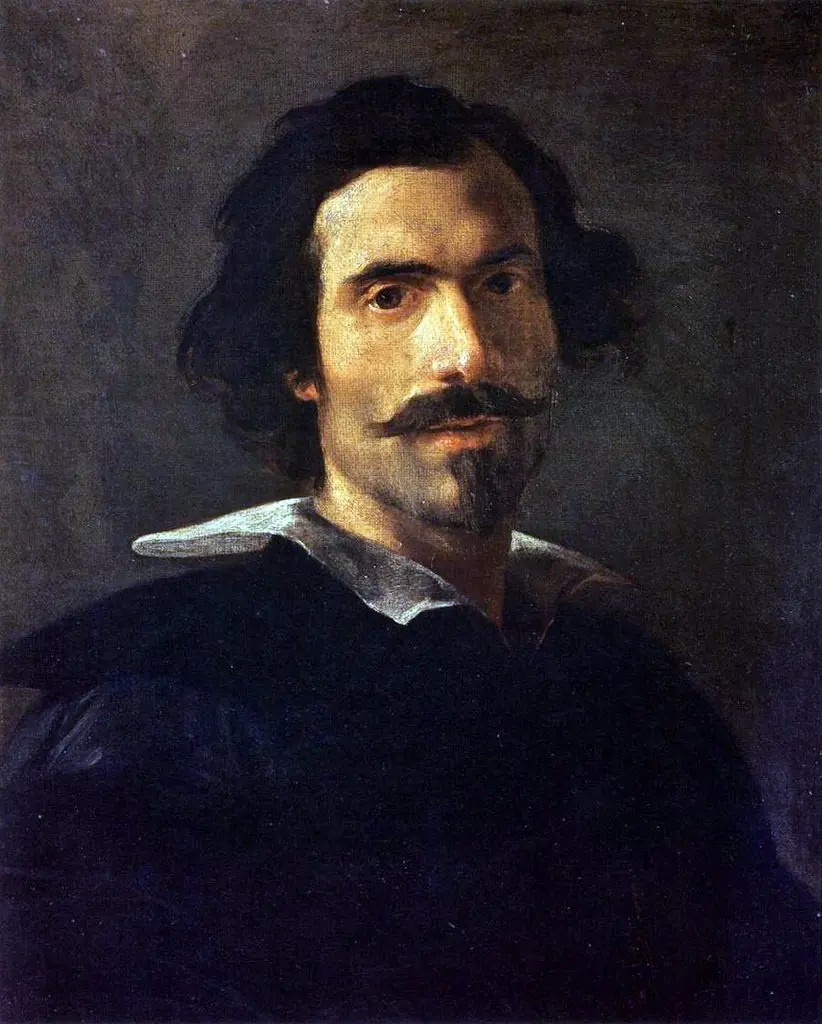 Self Portrait of Gianlorenzo Bernini
 Self-portrait