Artwork
Portrait of a man
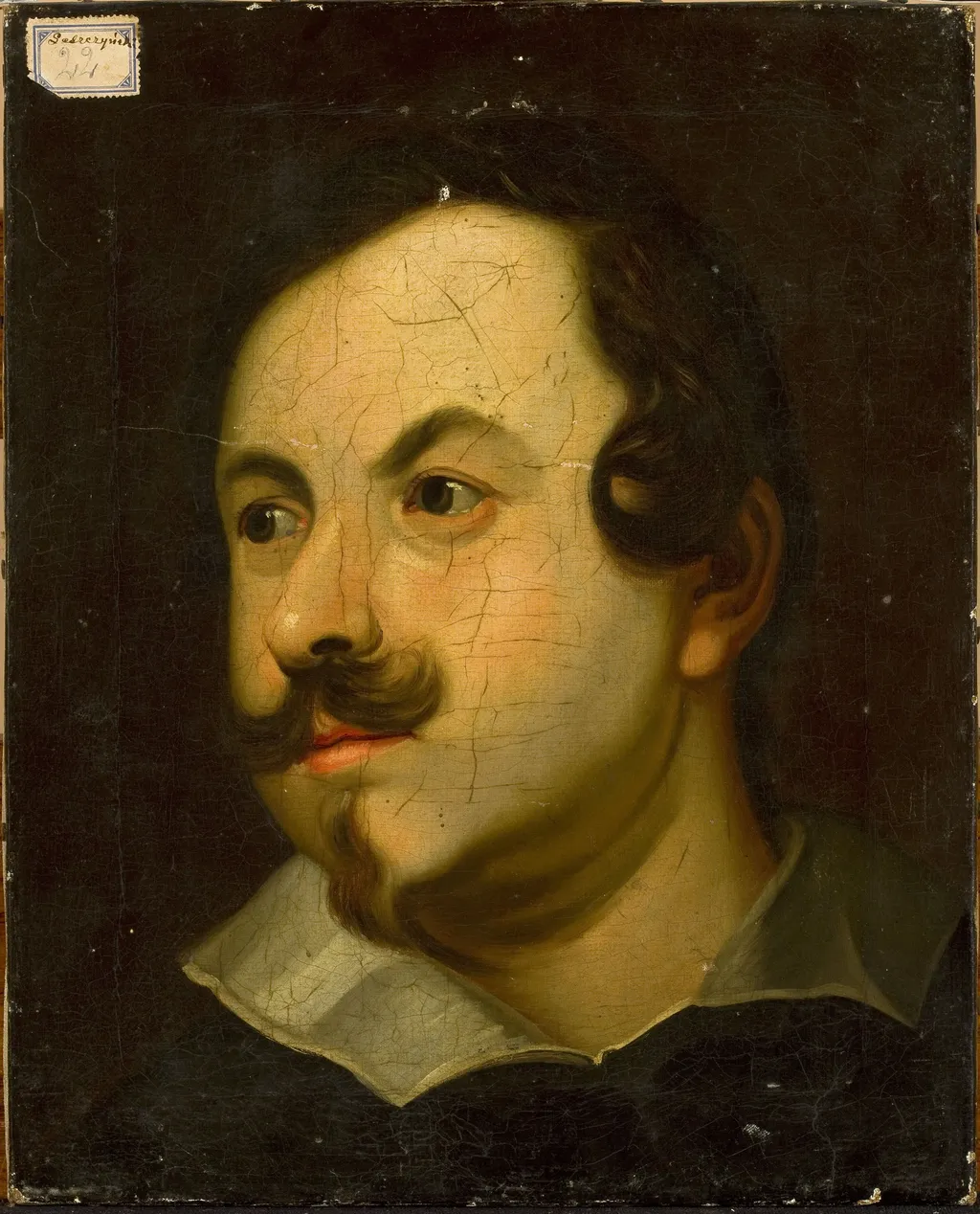
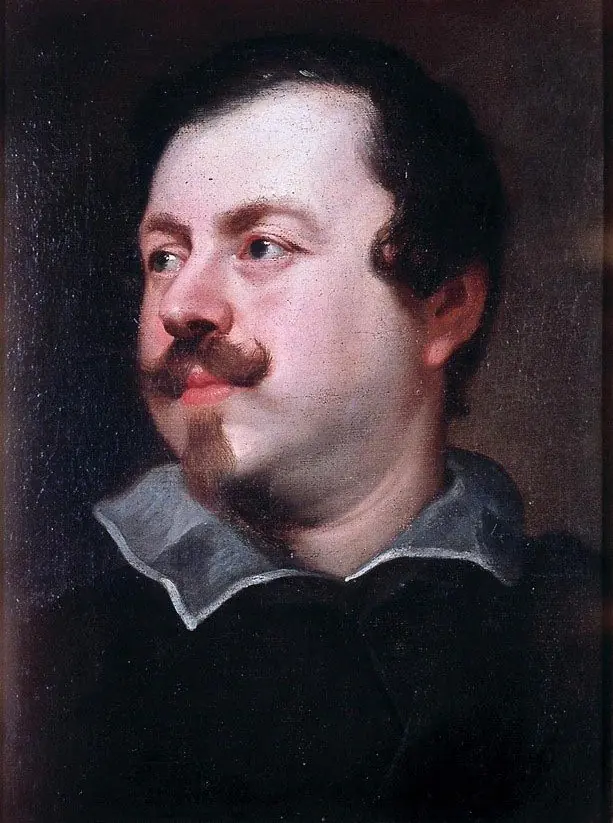
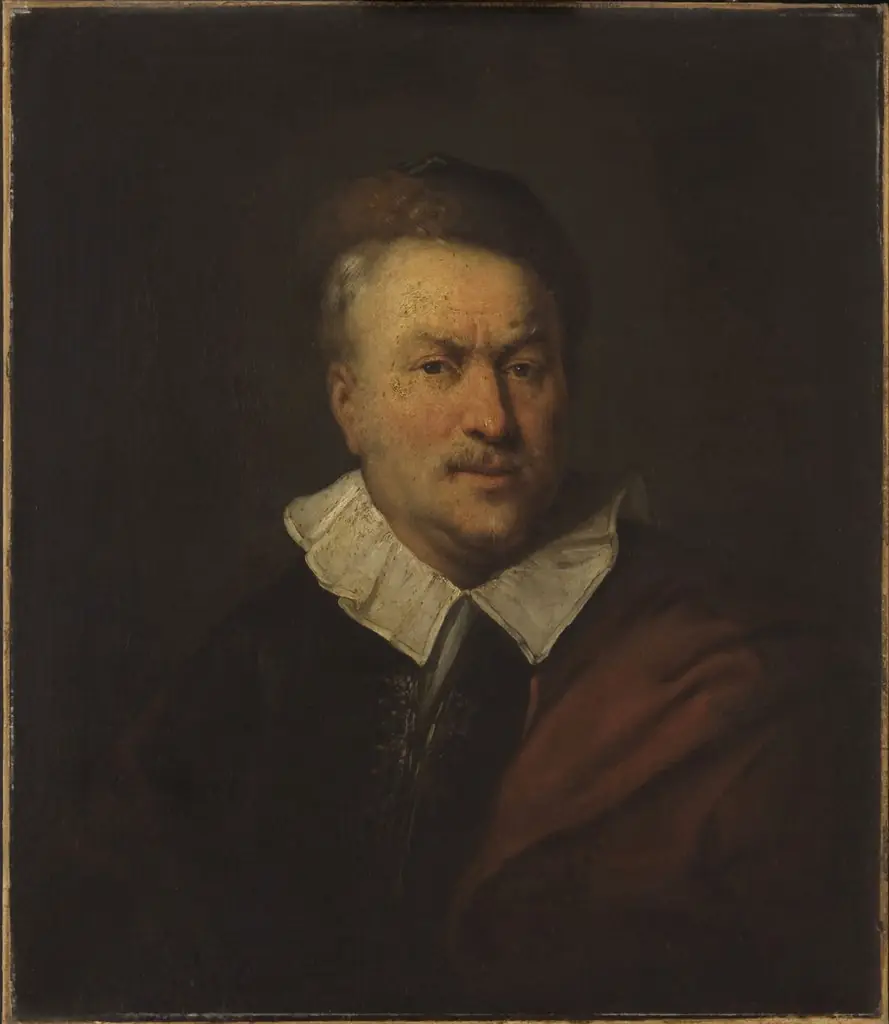
Portrait of a man is an oil painting by the Flemish Baroque painting artist Anthony van Dyck. It dates from 1630 and is held in the collection of the National Museum in Warsaw.
About this work
Overview
Portrait of a Man refers to several distinct paintings by the Flemish artist Anthony van Dyck, depicting unidentified male sitters.
Portrait of a Man refers to several distinct paintings by the Flemish artist Anthony van Dyck, depicting unidentified male sitters. Van Dyck, one of the most celebrated portraitists of the seventeenth century, produced these works at various points in his career, from his early period in Antwerp around 1618 to the 1630s. Executed in oil on canvas and wood panels, the paintings are characterized by their aristocratic allure and elegant styling. Significant versions are held in the Rijksmuseum in Amsterdam, the Metropolitan Museum of Art in New York, the National Museum in Warsaw, and the Museo del Prado in Madrid.
Subject & Meaning
The sitters in these portraits remain largely unknown, though the Rijksmuseum version bears an inscription identifying the subject as Johannes Baptista Franck at the age of thirty-two. In the Warsaw canvas, the man features dark wavy hair, a curled mustache, and a small pointed beard, turning three-quarters to the left while engaging the viewer with a direct gaze. He wears a white scalloped flat collar over dark clothing. Van Dyck imbued his sitters with an aristocratic presence and a studied carelessness, meant to flatter his patrons while presenting them as real individuals rather than idealized types.
Technique & Style
Van Dyck's technique in these portraits relies on strong, directional lighting to model the face against dark, uniform backgrounds, creating pronounced shadows on the opposite side of the nose, cheek, and neck. The palette is dominated by deep browns and blacks in the costume and background, contrasted by warm flesh tones and bright white collars. His brushwork varies from smooth and blended in the facial features to looser and more textured in the backgrounds and attire, reinforcing the sitter's elegant nonchalance. The Warsaw version, an oil on canvas measuring 35.7 by 28.5, exhibits extensive craquelure across the paint surface. The Rijksmuseum version is a larger oil on canvas, 75 by 59 centimeters, while the Metropolitan Museum's early work is oil on wood, measuring 41 3/4 by 28 5/8 inches. Conservation of an early Antwerp version revealed numerous changes to the costume made to keep up with evolving fashions.
History & Provenance
The Rijksmuseum painting, dated circa 1620, has a well-documented provenance. It was in the Paris collection of Lucien Bonaparte before 1804, then moved to Rome following his exile, displayed in the Palazzo Lancellotti and later the Palazzo Nuñez. Lucien Bonaparte attempted to sell it to the Accademia di San Luca in 1820 and sought export licenses in 1823 and 1826. The dealer Armand-Jacques Fossard acquired it in Paris, and it passed through John Smith to Adriaan van der Hoop in 1833. Van der Hoop bequeathed it to the City of Amsterdam in 1854, and it has been on loan to the Rijksmuseum since 1885. The Metropolitan Museum's version, dated circa 1618, entered the collection via the Marquand Collection gift in 1889. A version in the Toledo Museum of Art, dated about 1630, was purchased with funds from the Libbey Endowment in 1964.
Context
These portraits were created during pivotal moments in Van Dyck's career. The Metropolitan and Antwerp works date to just after the young artist's departure from the studio of Peter Paul Rubens, reflecting his early independent development in Antwerp. The Rijksmuseum painting, from circa 1620, shows his rapid mastery of aristocratic portraiture. By the 1630s, represented by the Toledo version, Van Dyck had established himself as the preeminent portraitist in Europe. Scholarly attention has focused on his early process, with conservation efforts revealing his method of updating costumes to align with contemporary fashion, and exhibitions such as the 2015 Jeppson Idea Lab at the Worcester Art Museum highlighting these technical discoveries.
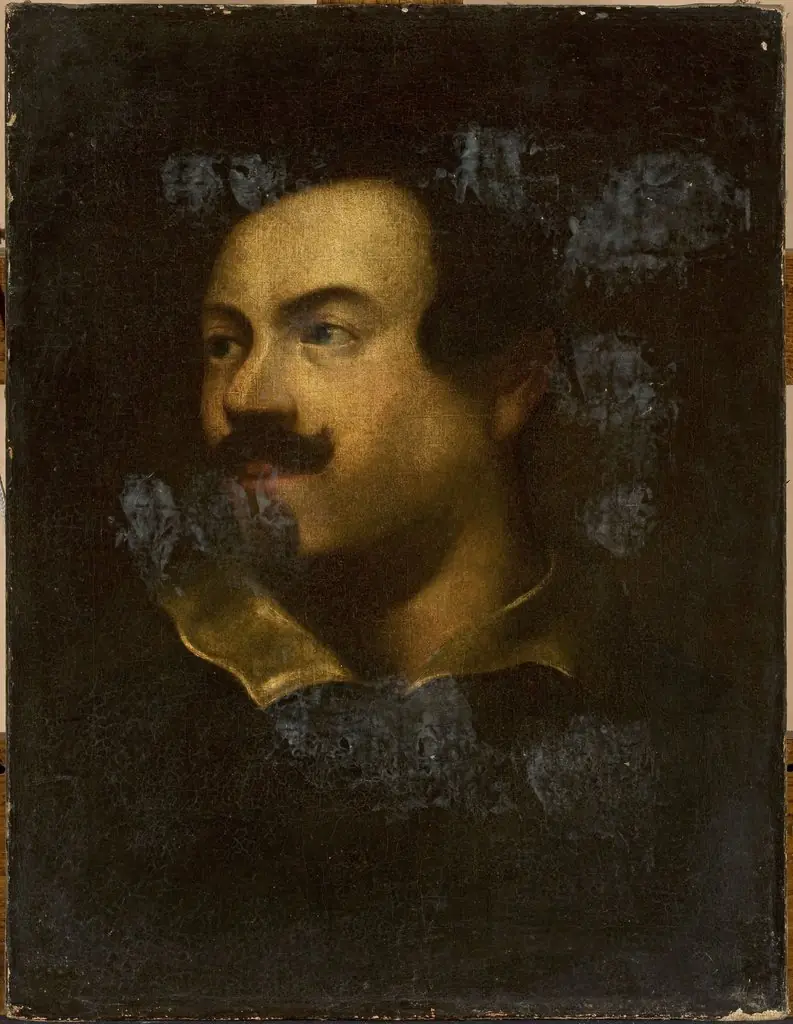
Own this work as a print
Artist & collection
Artist
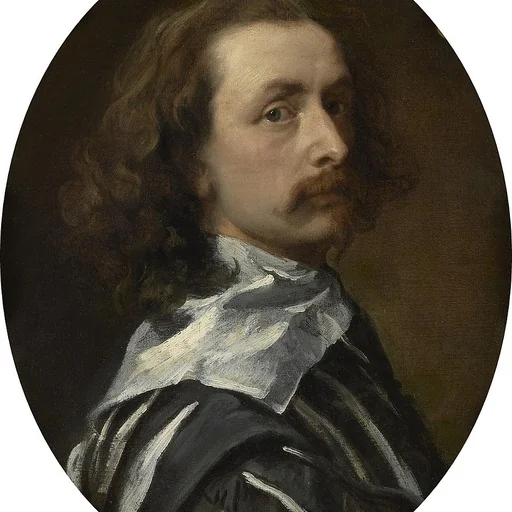
Sir Anthony van Dyck (; Dutch: Antoon van Dijck; 22 March 1599 – 9 December 1641) was a Flemish Baroque artist, who became the leading court painter in England after success in the Spanish Netherlands and Italy.

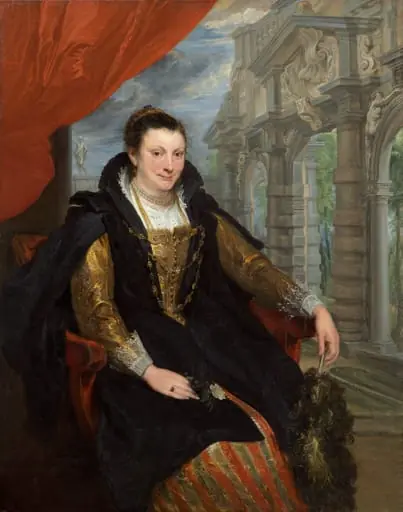
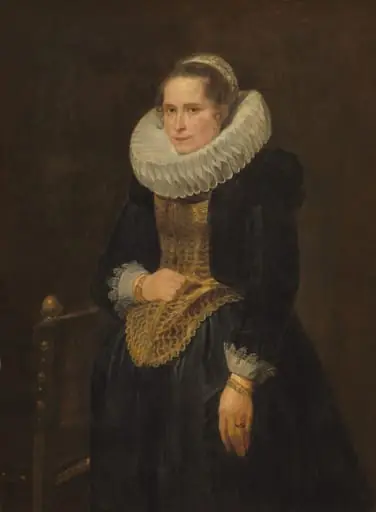
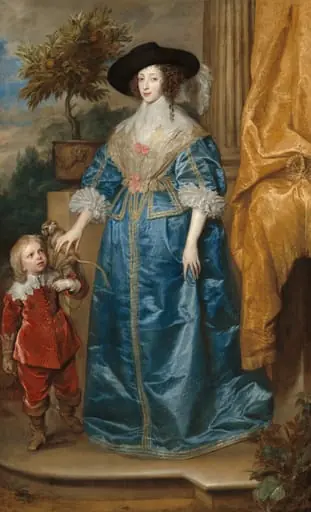
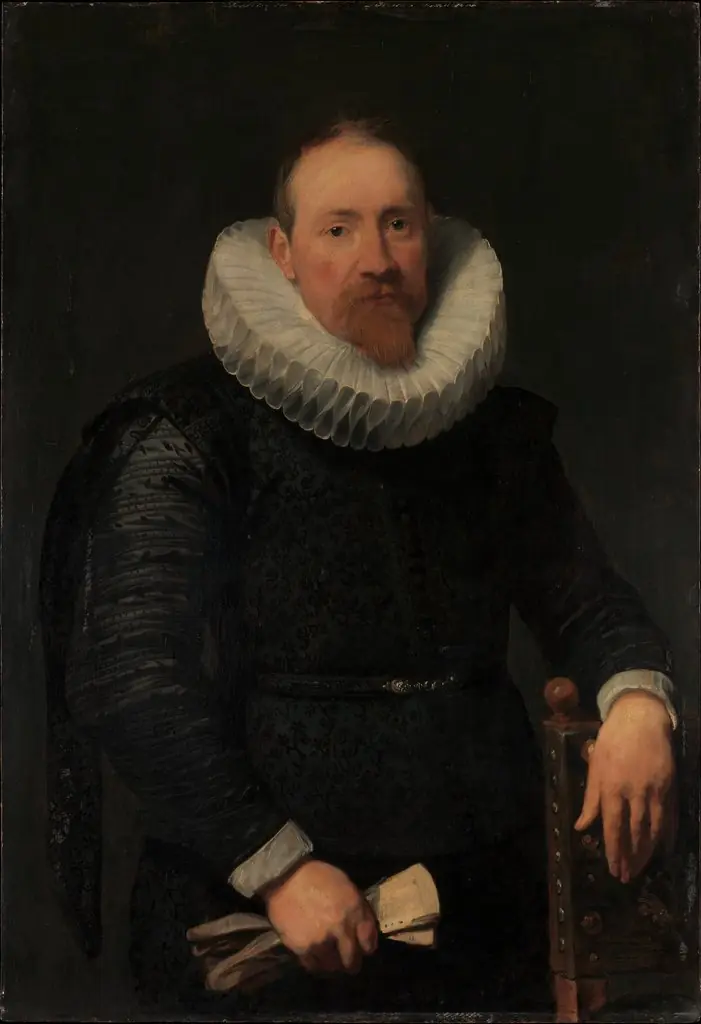
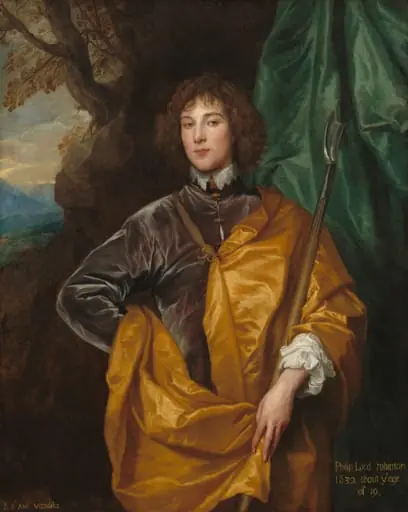
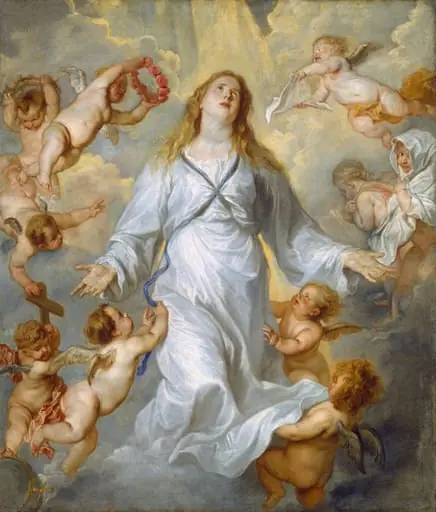
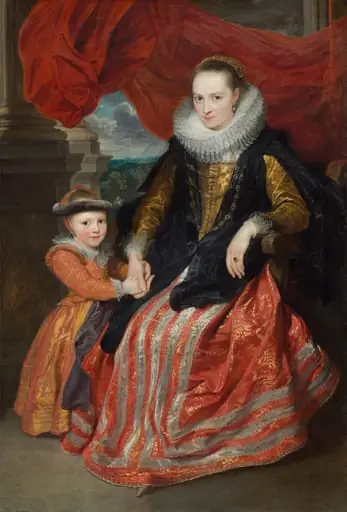
- Portrait of a man
 Portrait of a Man
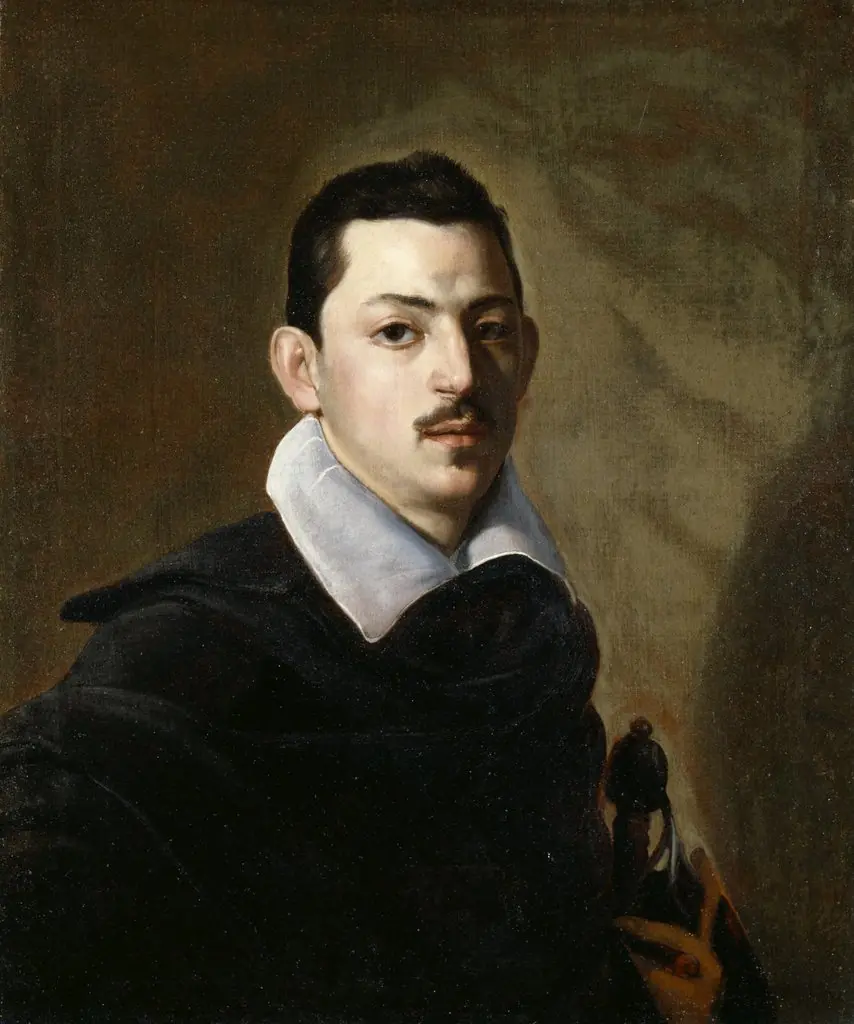 Portrait of a Young Man with a Sword
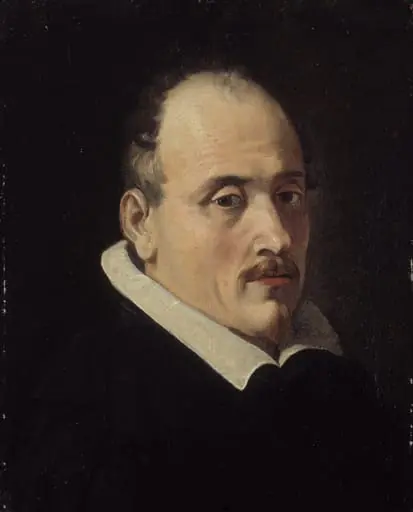 Miehen muotokuva
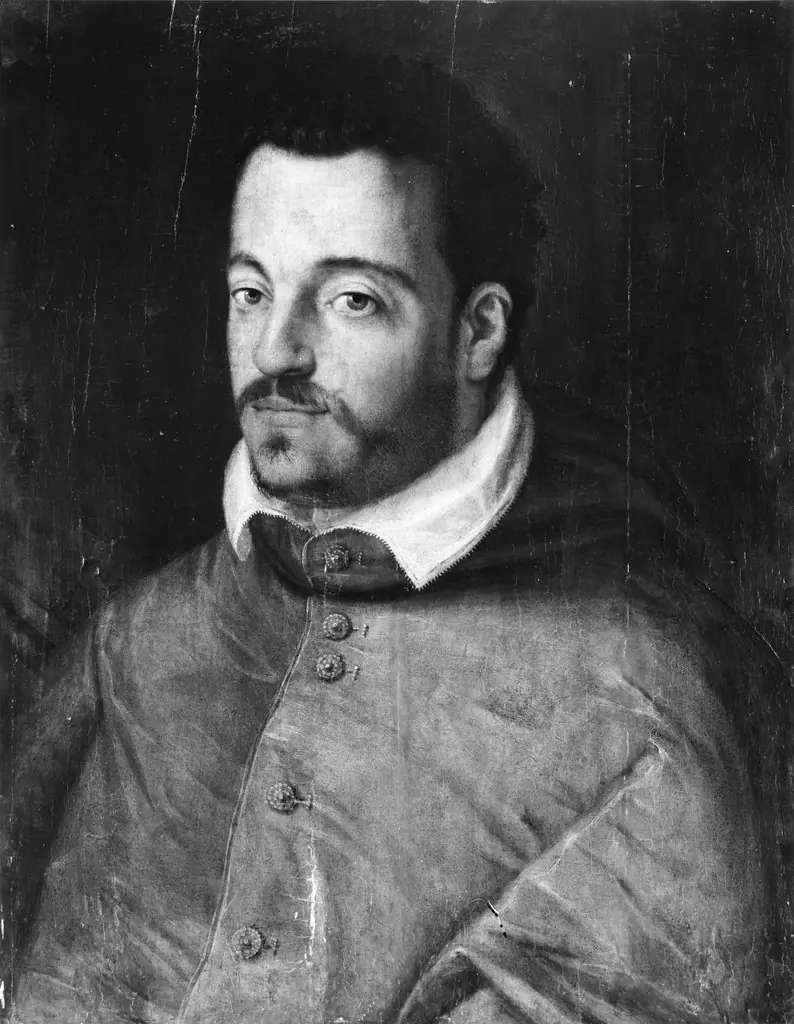 Cardinal Ferdinand de' Medici (1549-1609)
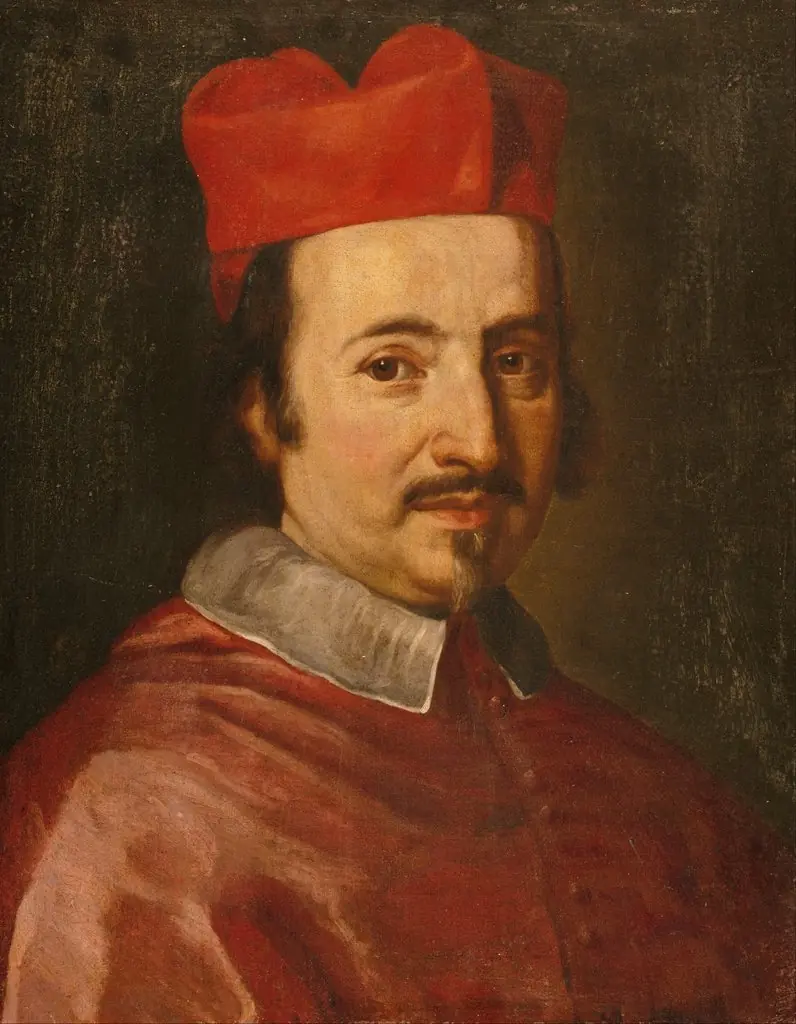 Portrait of Cardinal Federico Ubaldo Baldeschi Colonna
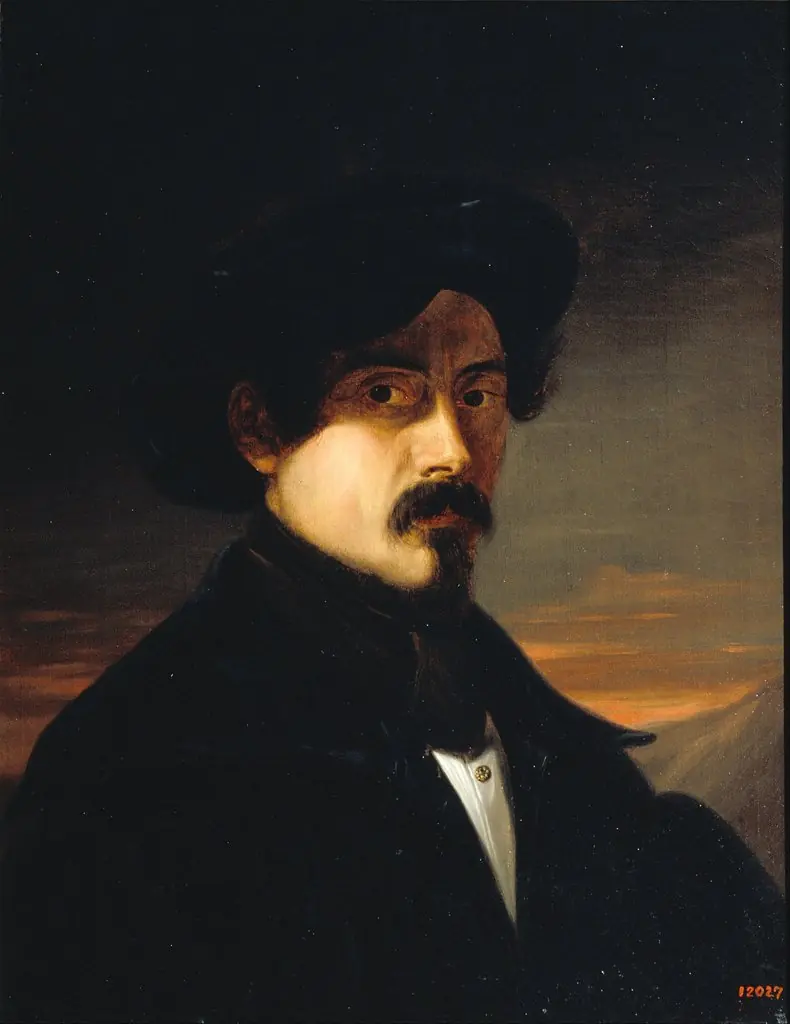 Self-portrait
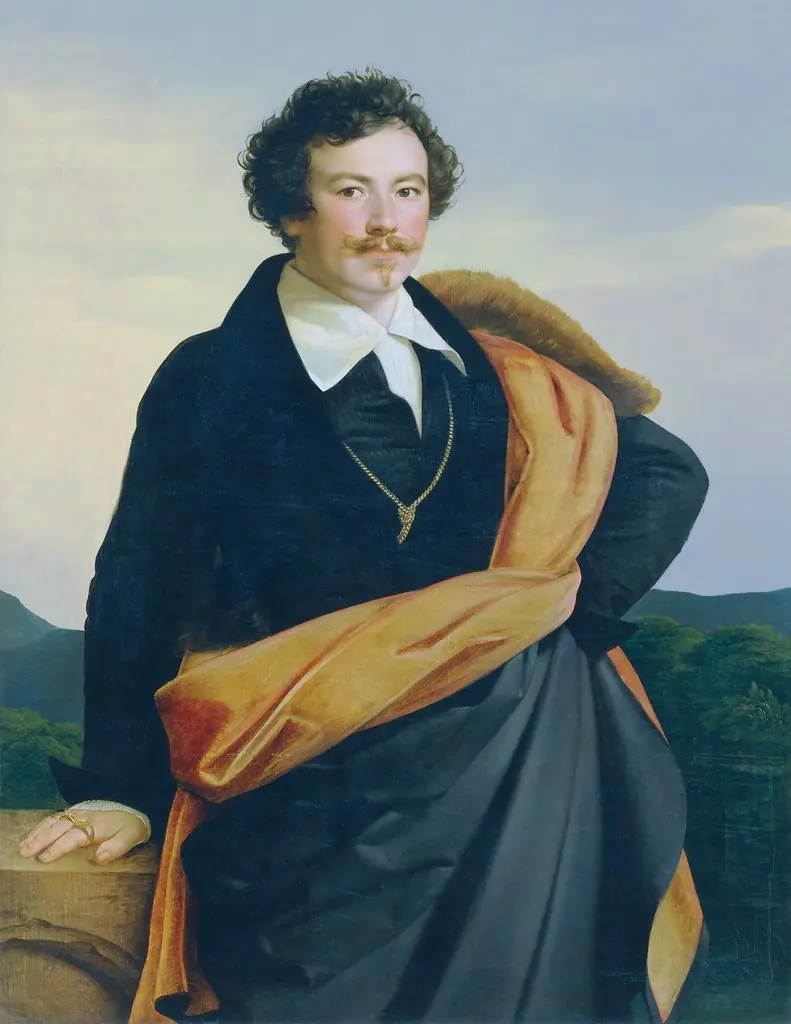 Selbstbildnis
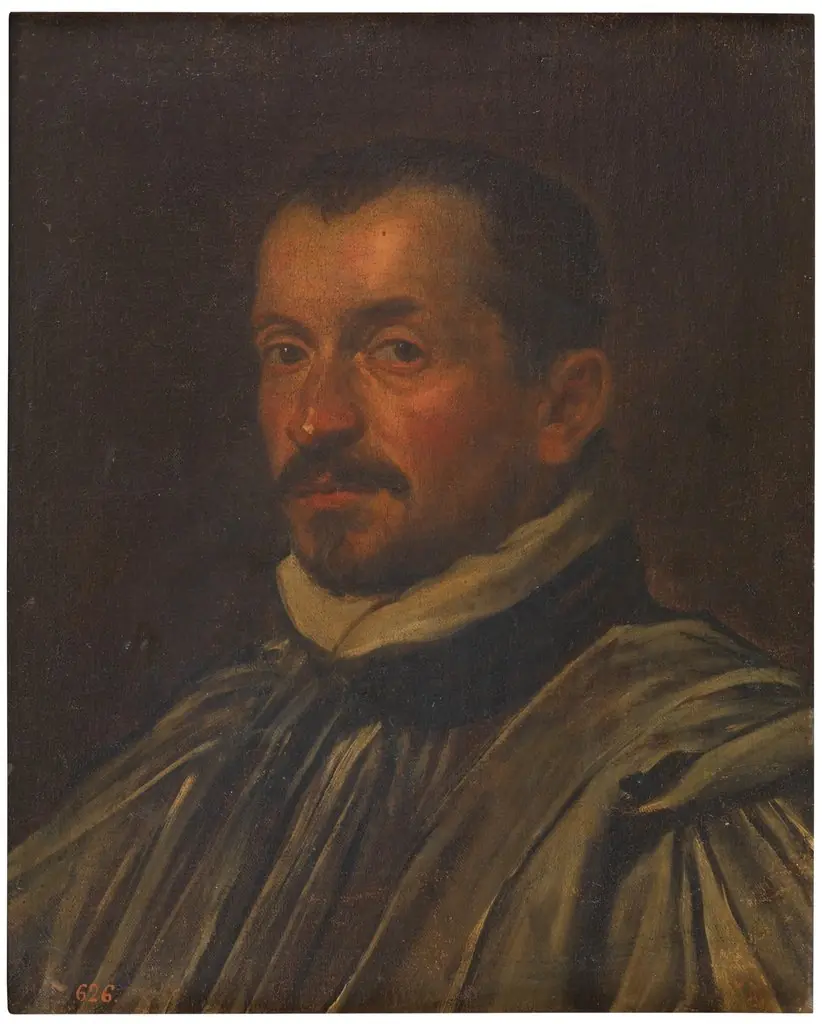 A Venetian Magistrate
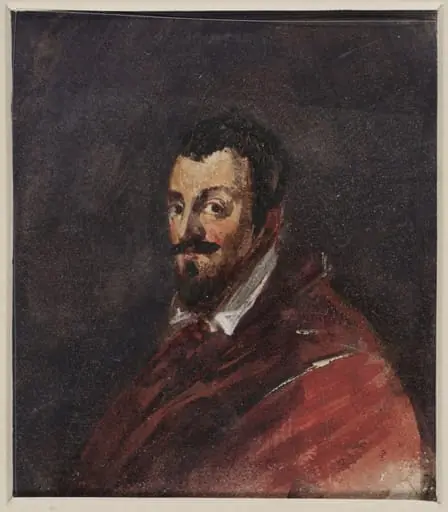 Untitled
 Portrait of a Gentleman
 Großherzog Ferdinando I. (1549-1609) von Toskana als Kardinal, Brustbild