Artwork
Painting of the battle painter Pieter Snayers
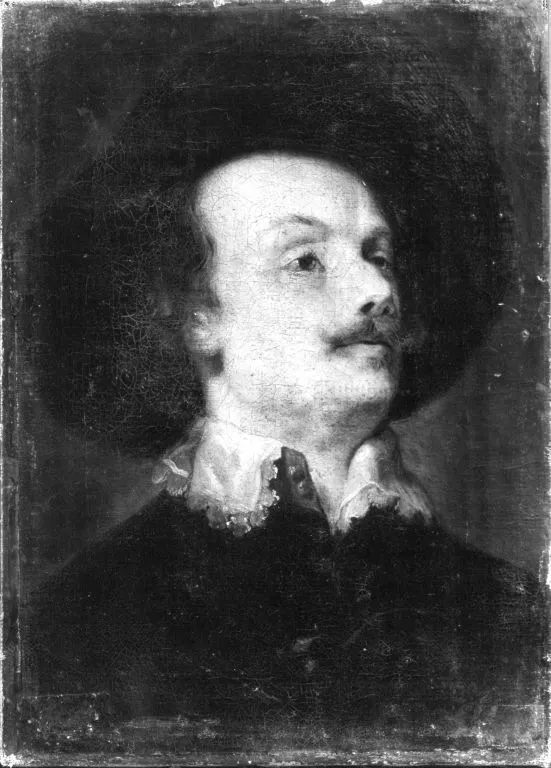
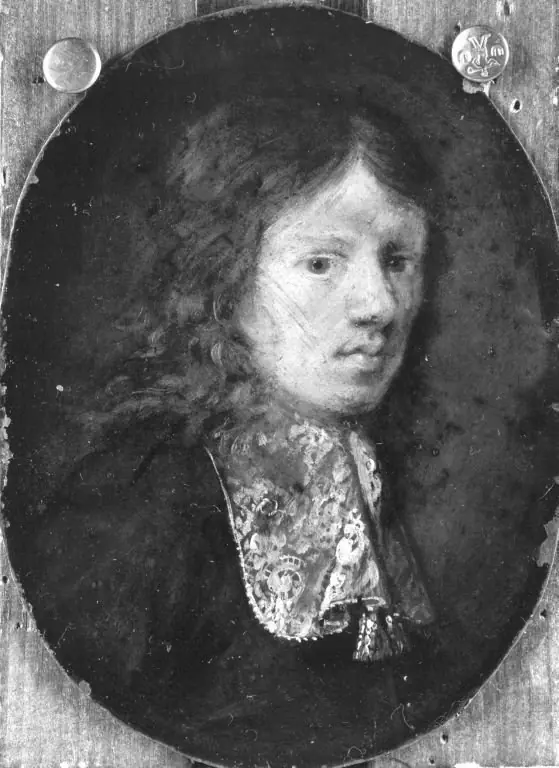
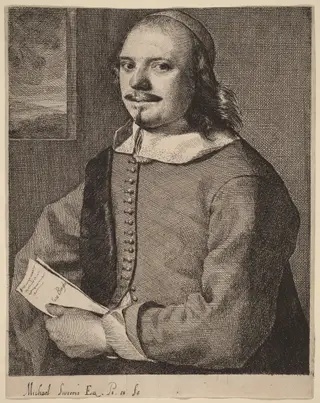
Painting of the battle painter Pieter Snayers is an unspecified painting by the Flemish Baroque painting artist Unknown. It dates from 1620 and is held in the collection of the Bavarian State Painting Collections. The work is a monochrome portrait depicting a man with curly hair, a moustache and a high‑collared coat trimmed with lace.
About this work
History & Provenance
Its provenance traces to the Bavarian State Painting Collections, indicating institutional ownership and display at the Alte Pinakothek.
The work titled Painting of the battle painter Pieter Snayers is attributed to Anthonis van Dyck (after) and is part of the Bavarian State Painting Collections, housed in the Alte Pinakothek. It was created in 1620, with its inception recorded as 1620-01-01. The painting measures 28.7 cm in height and 20.9 cm in width, depicting Peter Snayers, and is classified as a history painting within the portrait genre.
Its provenance traces to the Bavarian State Painting Collections, indicating institutional ownership and display at the Alte Pinakothek.
The painting is held in the collection of the Bavarian State Painting Collections and is located at the Alte Pinakothek. Created in 1620, the work measures 28.7 cm in height and 20.9 cm in width. The provided sources do not contain information regarding a specific inventory or accession number, nor do they list any past or current exhibitions for this piece.
Overview
The work is a monochrome portrait depicting a man with curly hair, a moustache and a high‑collared coat trimmed with lace. The figure is shown in three‑quarter view against an unadorned dark background, which isolates the sitter and concentrates attention on his facial expression.
Subject & Meaning
The sitter appears to be the Flemish battle painter Pieter Snayers, known for his depictions of 17th‑century military scenes. The serious, slightly turned gaze suggests a self‑presentation as a professional artist, emphasizing his identity and status within the artistic community of his time.
Technique & Style
Executed in black and white, the portrait relies on chiaroscuro to model the face, using strong contrasts of light and shadow to render the texture of hair, skin and lace. Subtle gradations of tone create depth, while the limited palette underscores the solemn character of the composition.
Context
Created in the Baroque period, the portrait reflects contemporary conventions of portraiture that emphasized realism and psychological presence. The emphasis on chiaroscuro aligns it with the broader Flemish tradition, where artists such as Rubens and van Dyck employed dramatic lighting to convey authority and gravitas.
Artist & collection









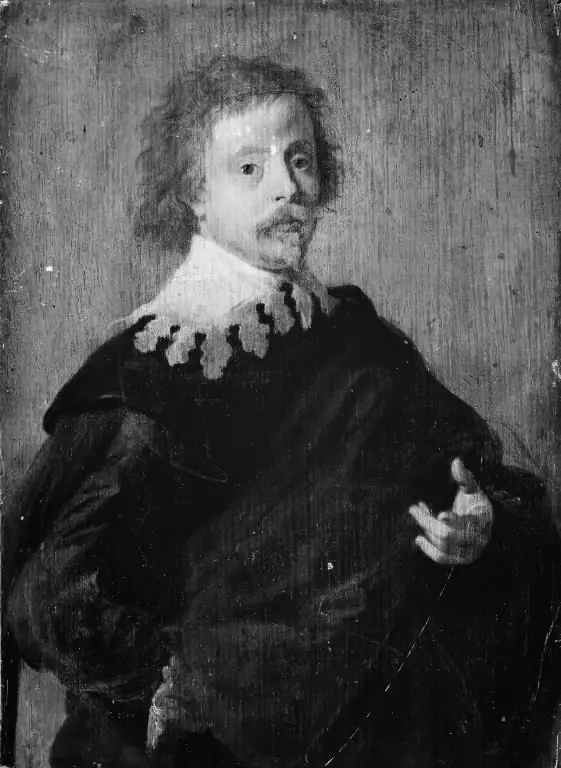
- Portrait of Cornelis van Poelenburgh
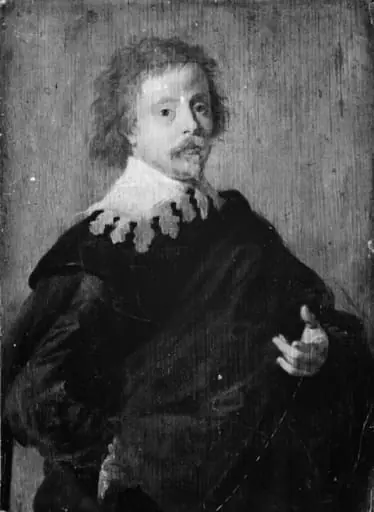 Portrait of Cornelis van Poelenburgh
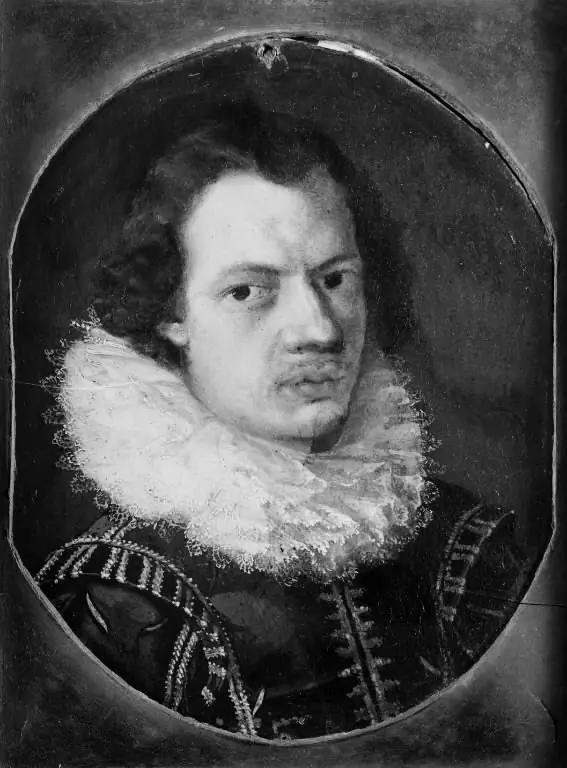 Portrait of a Man
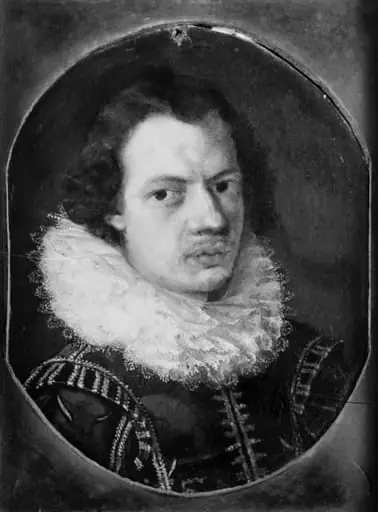 Portrait of a Man
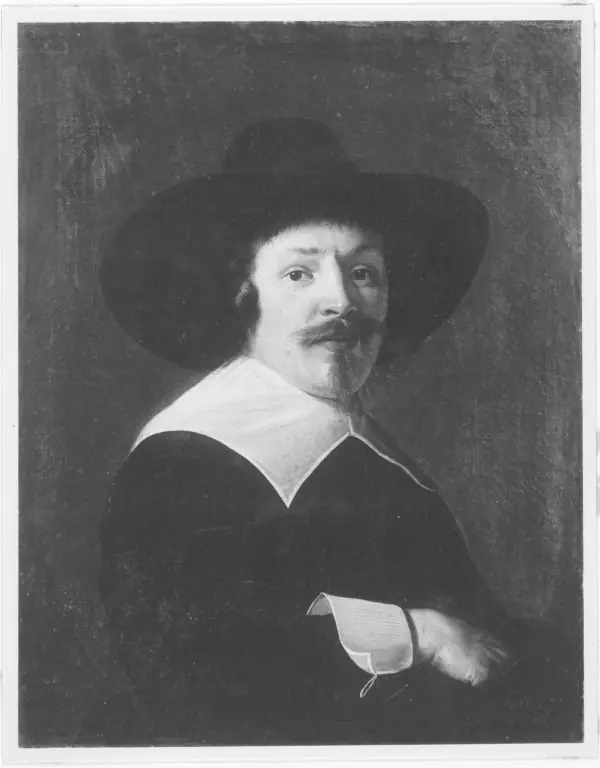 Bildnis eines Mannes (Art des)
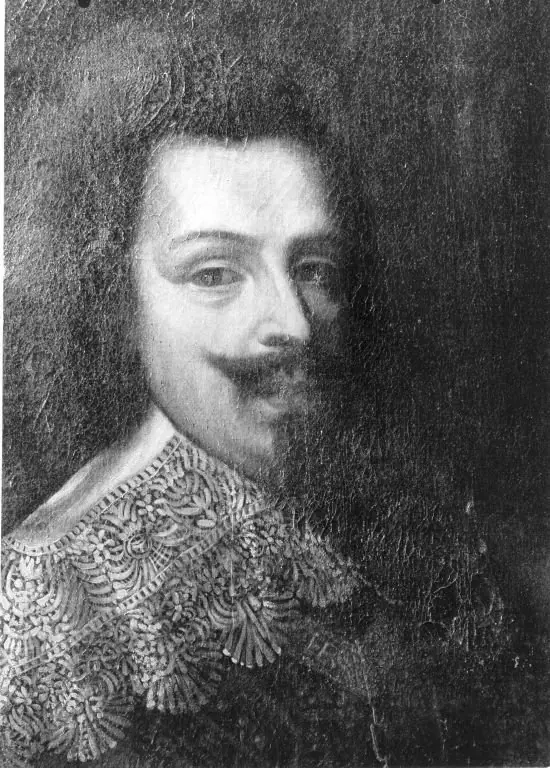 Carl Amadeus, Herzog von Savoyen
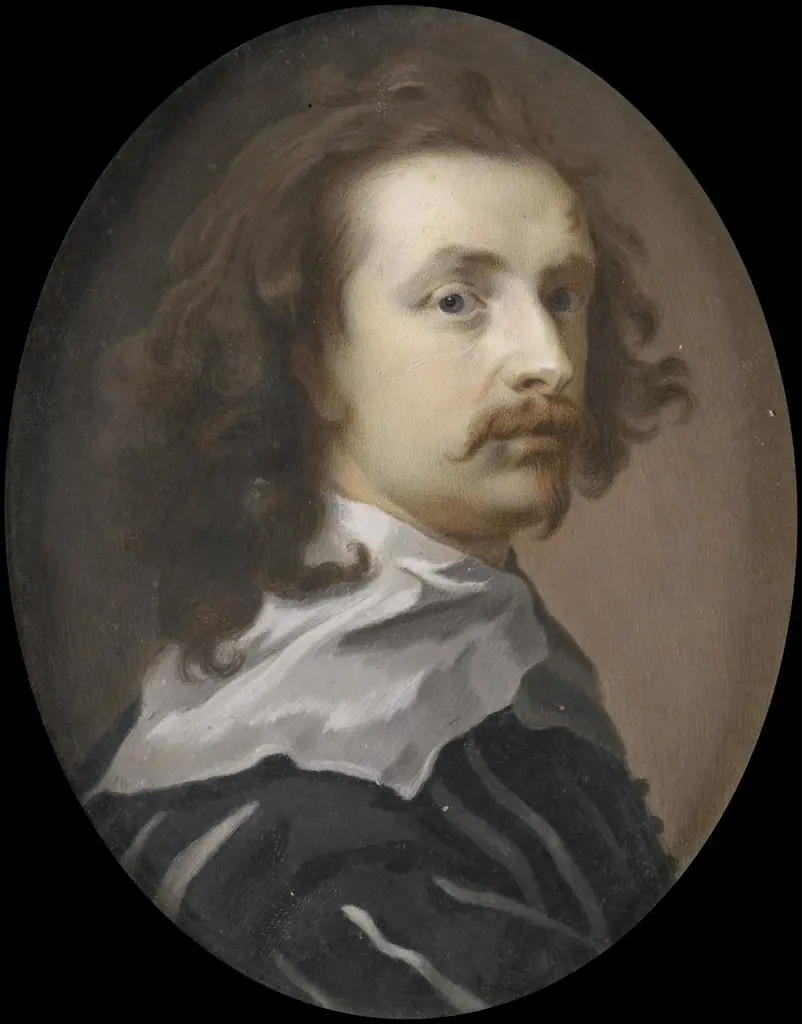 Portrait of the painter Anthony van Dyck
 Bildnis eines Mannes
 Portret van Peter Paul Rubens
 Brustbild eines jungen Mannes (zugeschrieben)
 Lost portrait of Jan Wildens
 Willem van der Borcht