Artwork
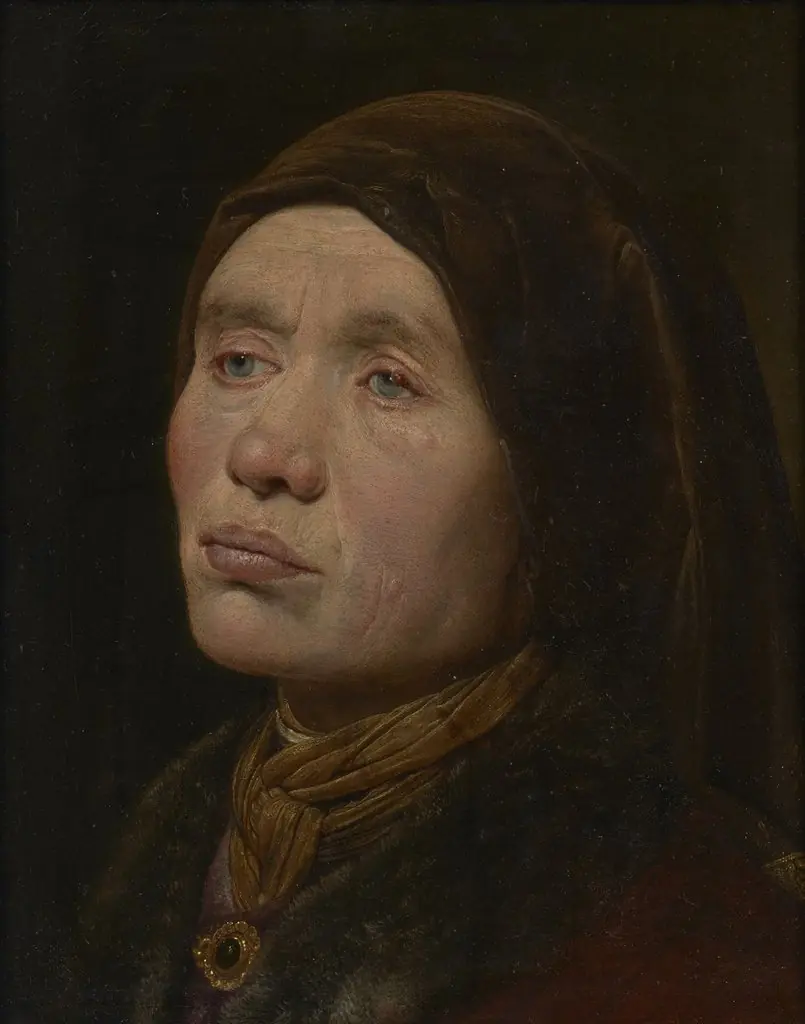
Head of Peasant
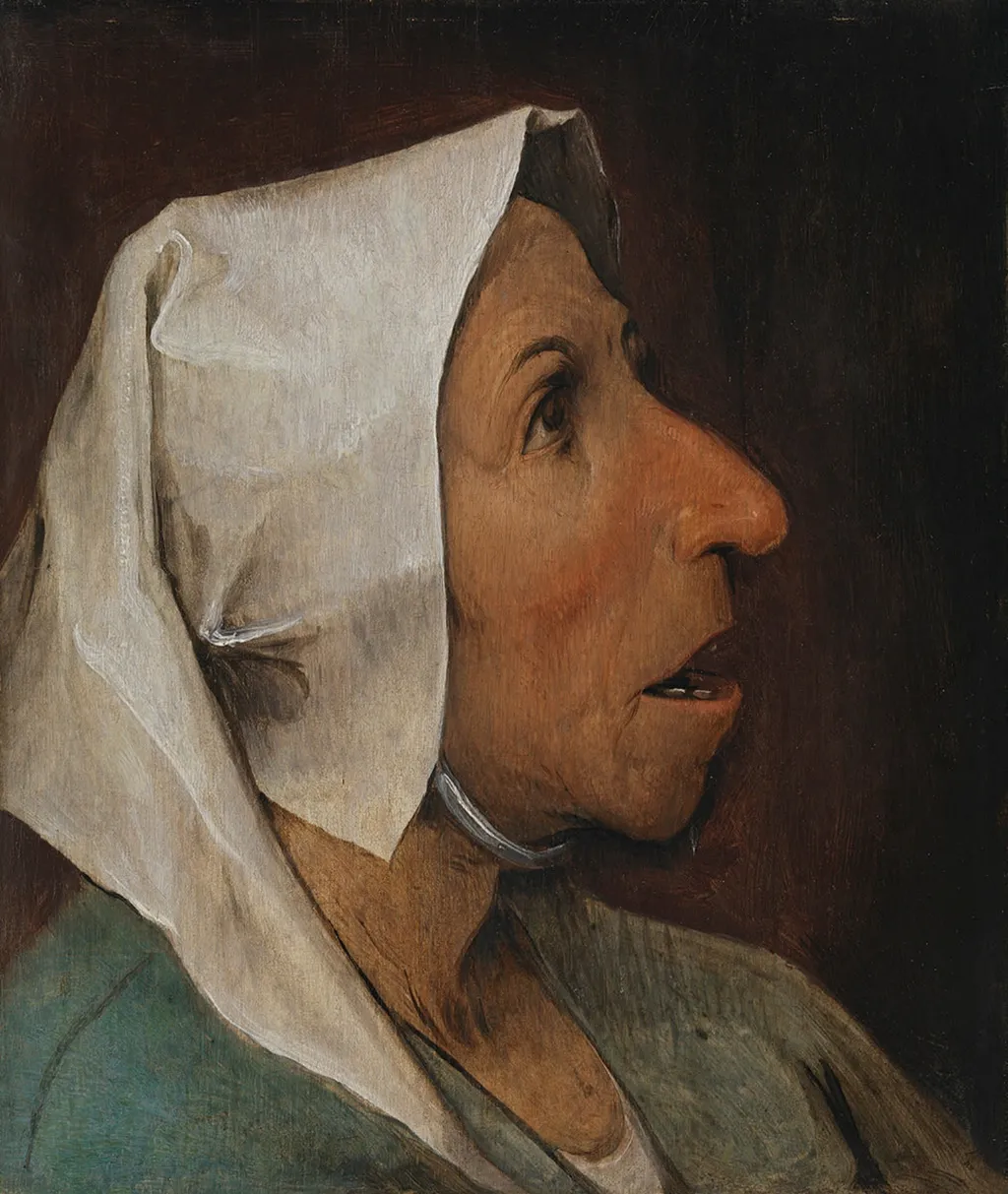
Head of Peasant is an oil painting by the Northern Renaissance artist Pieter Brueghel I. It dates from 1568 and is held in the collection of the Alte Pinakothek. Created in 1568 by Pieter Bruegel the Elder, this oil painting presents a tightly framed view of a peasant’s head and shoulders.
About this work
Technique & Style
Dendrochronological analysis dates the wood to 1539, yet the brushwork and technique suggest a late creation in the artist's career.
Created around 1568, Head of Peasant is an oil painting executed on a wooden panel. Dendrochronological analysis dates the wood to 1539, yet the brushwork and technique suggest a late creation in the artist's career. The work is a tronie, a study of a facial expression based on a living model rather than a formal portrait, depicting a peasant woman in near-profile with a surprised expression, slightly open mouth, and tanned skin with red cheeks.
The square format and the discovery of a fragmentary inscription marked "Pb" in the upper right corner during a 2018 restoration have led to speculation that the head may originally have been part of a larger composition.
History & Provenance
The painting is attributed to Pieter Brueghel the Elder and dated to 1568, though it is neither signed nor inscribed, which aligns with its classification as a tronie rather than a formal portrait.
Before 1804 the work was held at Neuburg an der Donau Castle. It was transferred to Schleißheim Palace in 1868 and entered the Alte Pinakothek, Munich, in 1912, where it remains in the Bavarian State Painting Collections. Its early provenance links it to noble collections in southern Germany before entering public ownership.
Head of Peasant is held in the collection of the Bavarian State Painting Collections and displayed at the Alte Pinakothek in Munich. The panel, which is neither signed nor dated, was located at Neuburg an der Donau Castle prior to 1804. It was transferred to Schleissheim Palace in 1868 before moving to its current location in 1912.
The work was included in the 2018 exhibition Bruegel: The Master. While dendrochronological analysis dates the wood support to 1539, stylistic evidence places the painting's creation near the end of the artist's life, circa 1568.
Overview
Created in 1568 by Pieter Bruegel the Elder, this oil painting presents a tightly framed view of a peasant’s head and shoulders. The figure wears a low‑set white cap and a dark collar, set against a deep brown backdrop. The work belongs to the Northern Renaissance and is part of the collection of the Alte Pinakothek in Munich.
Subject & Meaning
The portrait captures a solitary peasant, his expression solemn yet hinting at a faint smile. The emphasis on an ordinary individual reflects Bruegel’s broader interest in everyday life, positioning the common folk as worthy subjects for serious artistic treatment rather than mere background figures.
Own this work as a print
Artist & collection

Artist
Pieter Bruegel (also Brueghel or Breughel) the Elder ( BROY-gəl, US also BROO-gəl; Dutch: ; c.


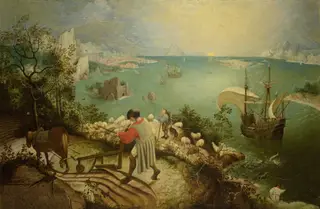
 Portrait of a woman facing left
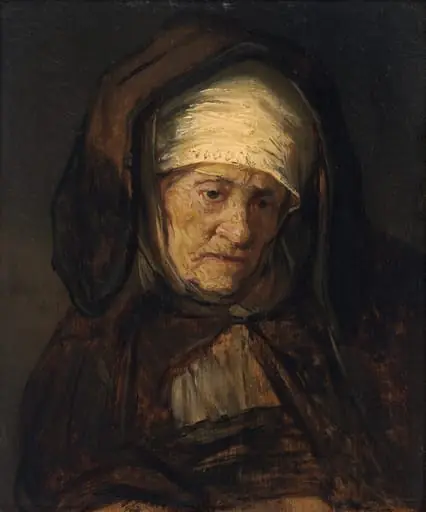 Head of an Aged Woman
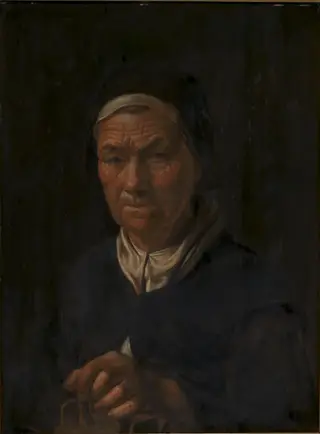 Portrait of an Old Woman, Wife of Christian Jacobsen Drakenberg, née Bagge (?)
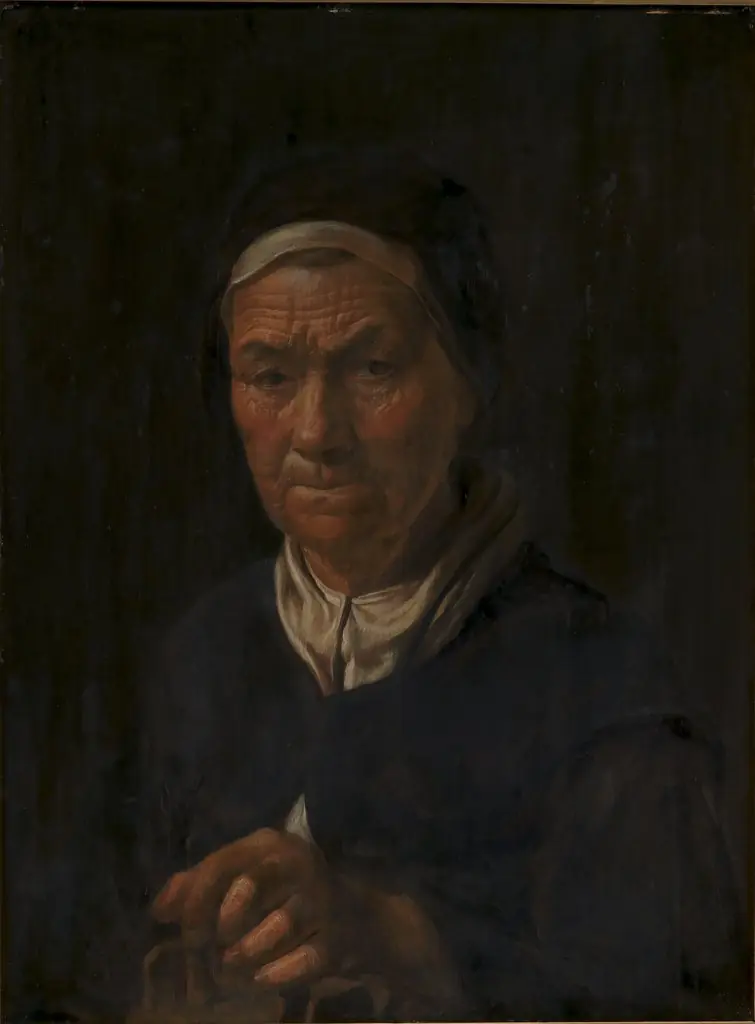 Portrait of an Old Woman, Wife of Christian Jacobsen Drakenberg, née Bagge (?)
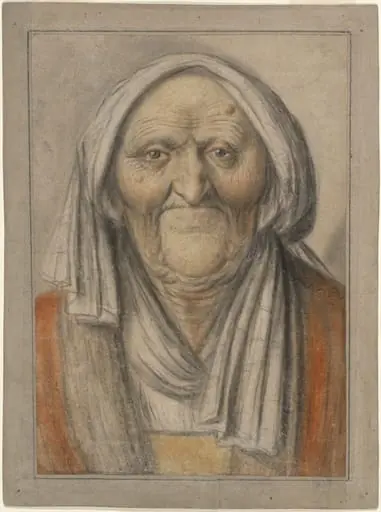 Bust of an Old Woman Wearing a Head Scarf
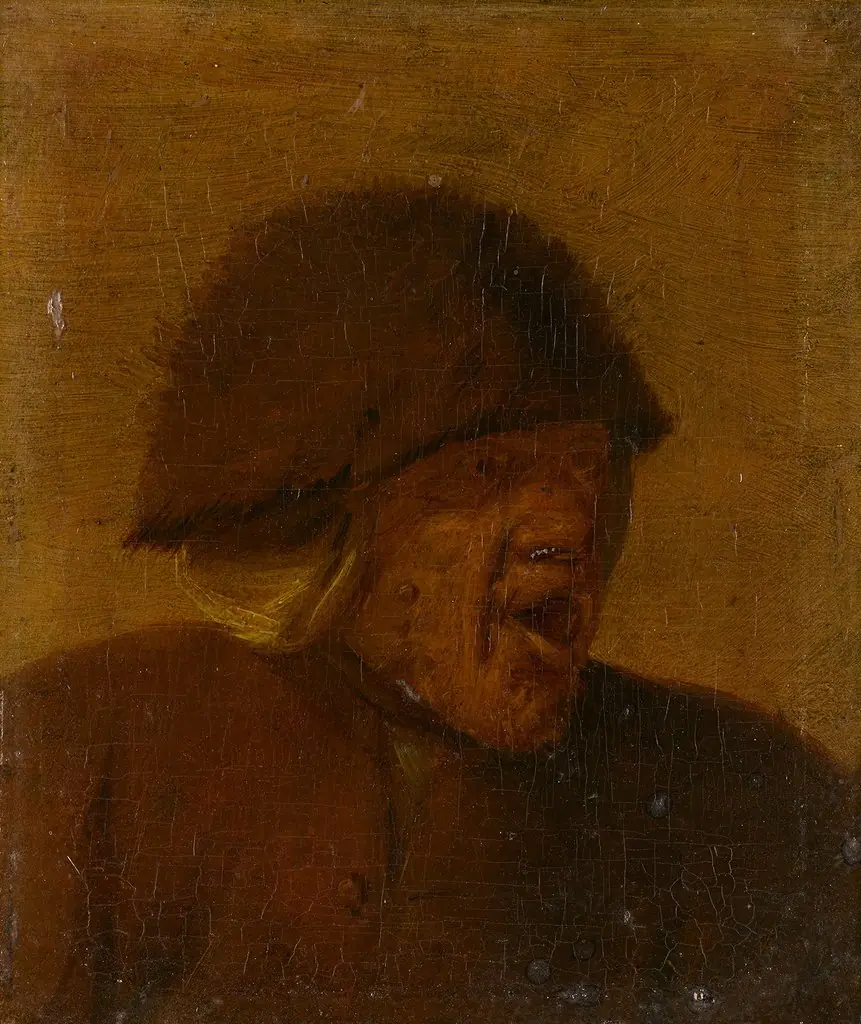 Roaring Farmer
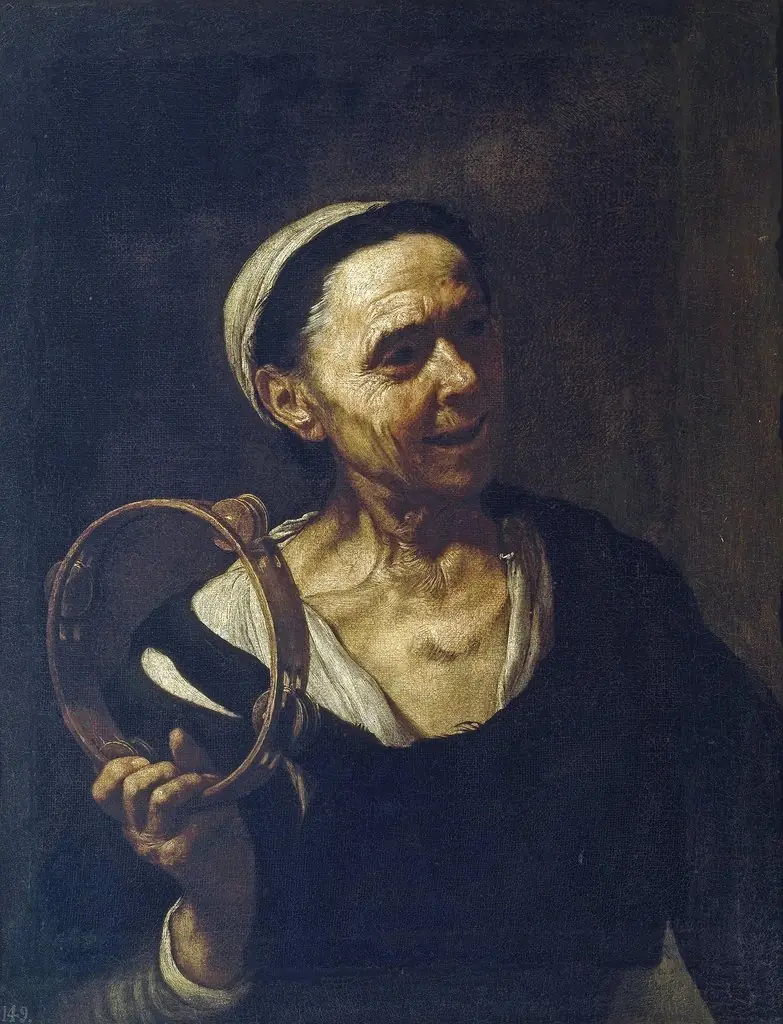 Vieja con una sonaja
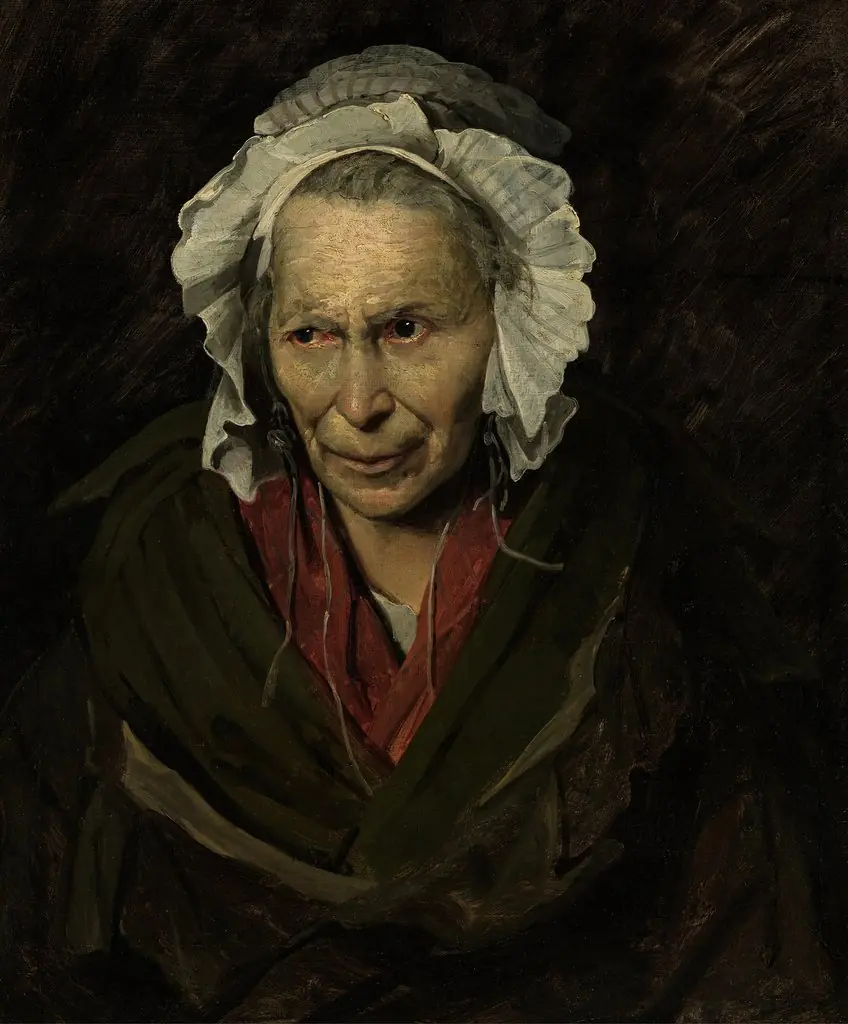 Insane Woman
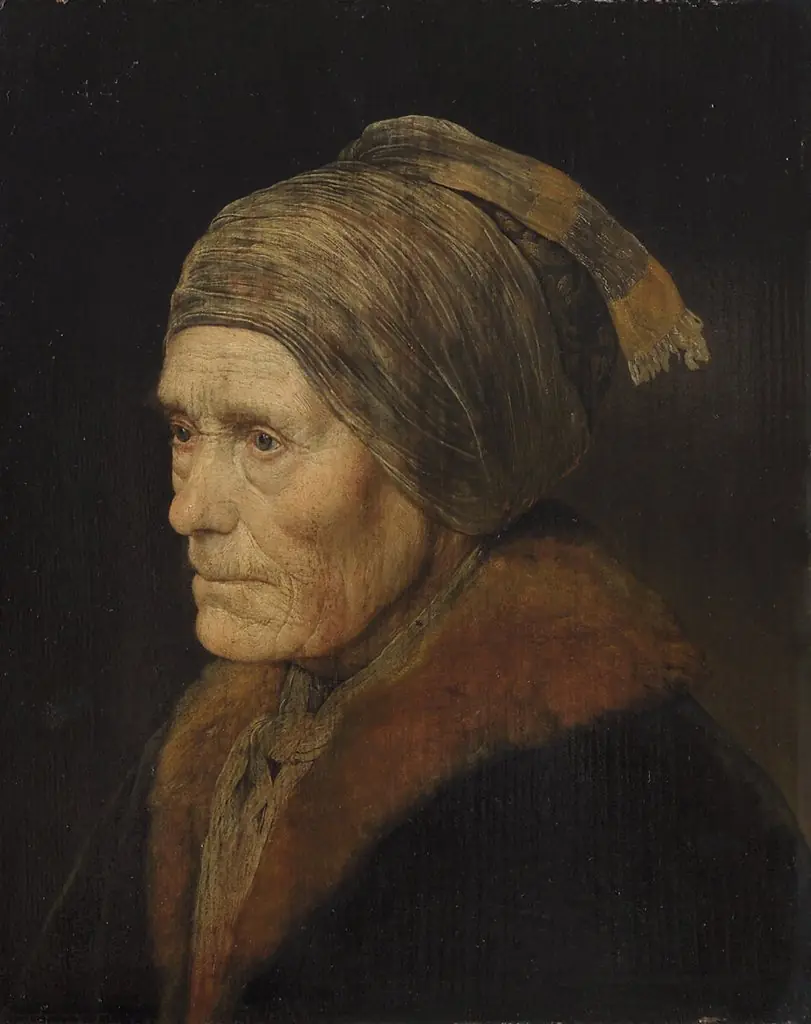 Portrait of an old woman
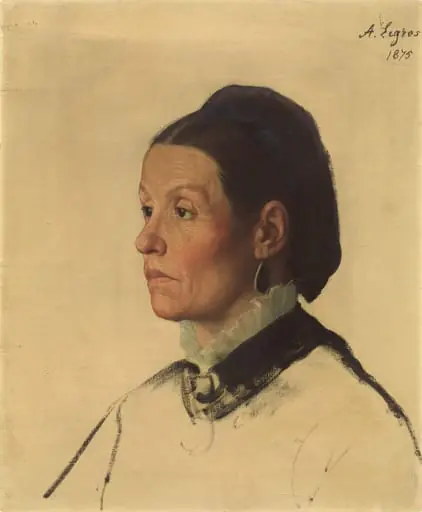 Portrait of a Woman
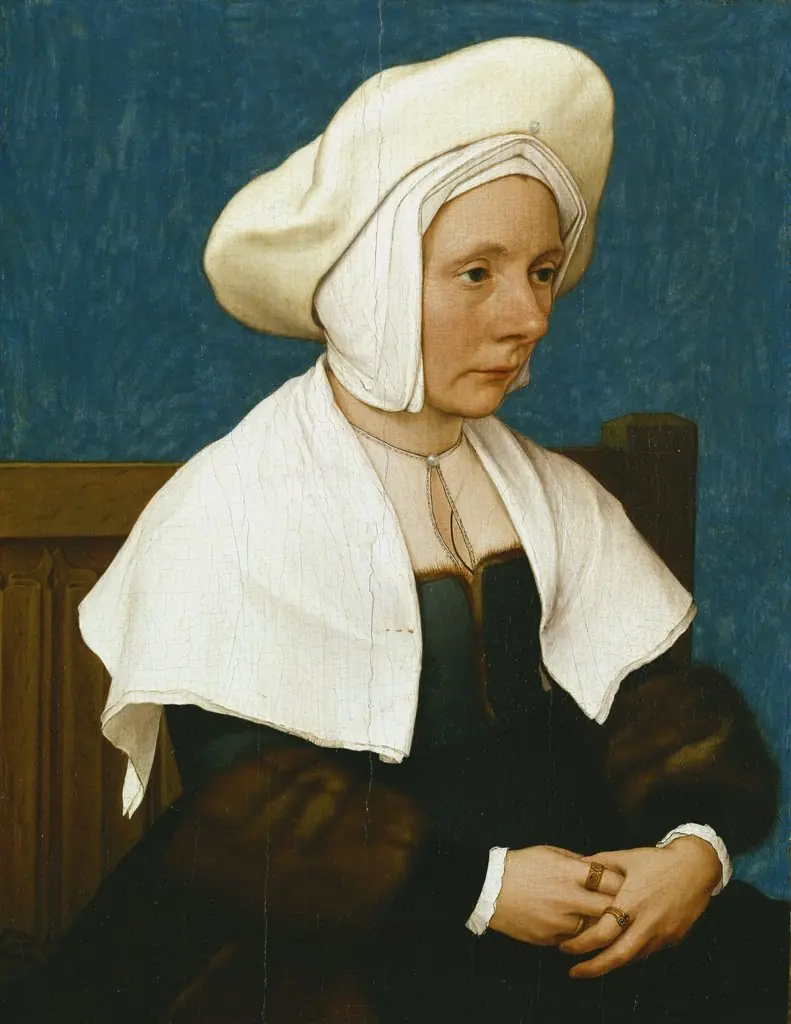 Portrait of a Woman
- Old Peasant