Artwork
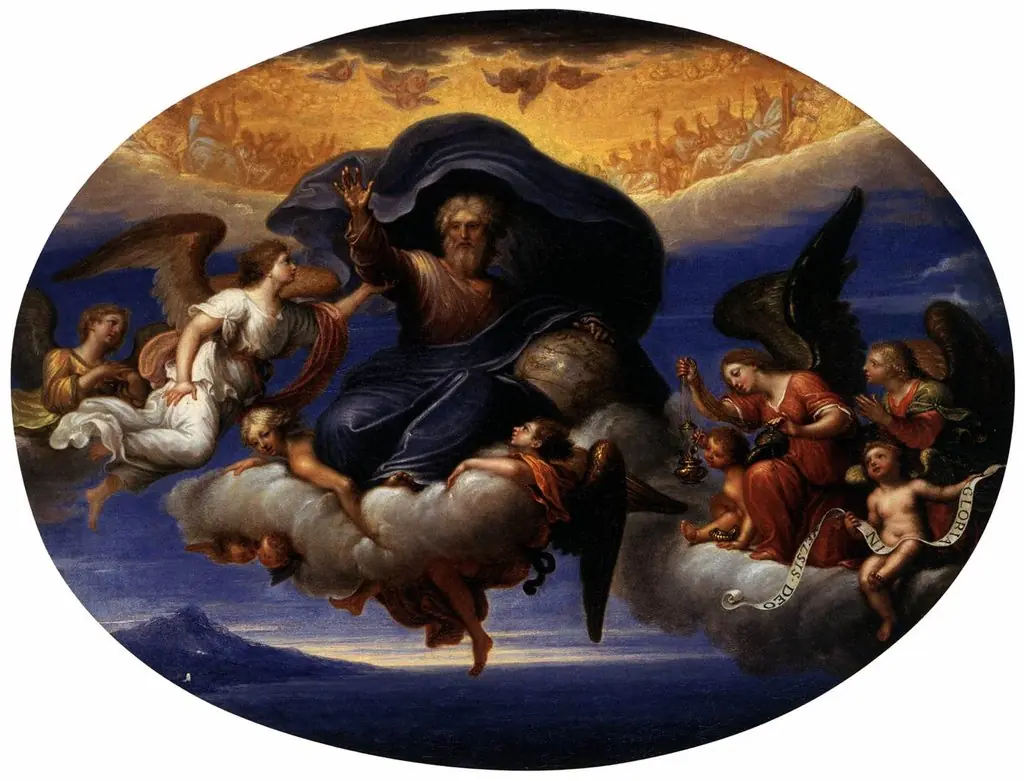
Ezekiel's vision of God sitting on his throne carried by four tetramorphs, each of them having four wings; wheels within wheels beside them (Ezekiel 1)
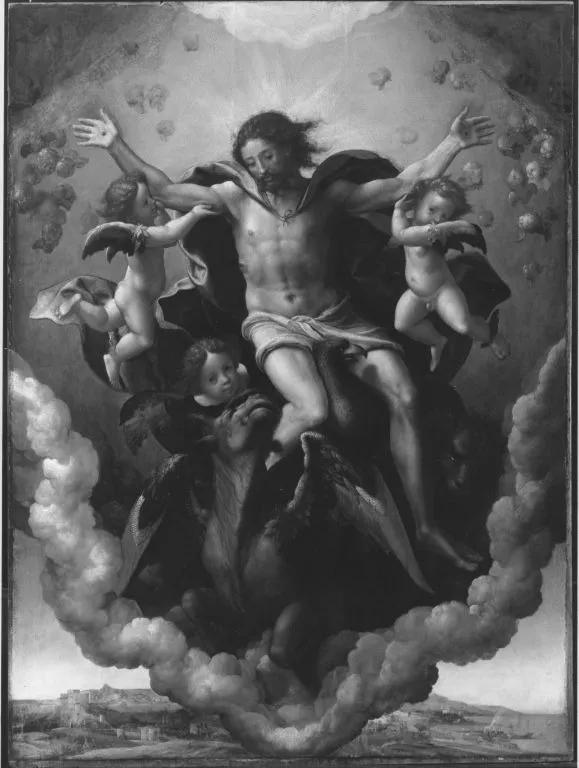
Ezekiel's vision of God sitting on his throne carried by four tetramorphs, each of them having four wings; wheels within wheels beside them (Ezekiel 1) is an oil painting by the Northern Renaissance artist Pieter Coecke van Aelst. It dates from 1535 and is held in the collection of the Bavarian State Painting Collections.
About this work
Overview
Created in 1535 by the Flemish artist Pieter Coecke van Aelst, this oil on canvas portrays the biblical vision described in Ezekiel chapter 1. The work is part of the collection of the Alte Pinakothek in Munich and presents a complex, celestial tableau centered on a divine throne.
Subject & Meaning
The composition illustrates the prophet Ezekiel’s encounter with the divine chariot, showing God enthroned amid four living creatures, each a tetramorph with four wings, accompanied by interlocking wheels. The arrangement emphasizes the awe‑inspiring hierarchy of the heavenly realm and the prophetic revelation of God’s mobility and omnipresence.
Technique & Style
Coecke van Aelst employs a pronounced chiaroscuro, juxtaposing illuminated figures against a dark, cloud‑filled sky to generate depth and a sense of the supernatural. The figures are rendered with meticulous detail, while the surrounding landscape recedes into shadow, reinforcing the painting’s solemn atmosphere.
History & Provenance
The painting was executed during the early Reformation period, a time when biblical narratives were frequently revisited in visual art. After remaining in private collections for several centuries, it entered the Alte Pinakothek’s holdings, where it has been displayed as part of the museum’s Northern Renaissance holdings.
Artist & collection
Artist
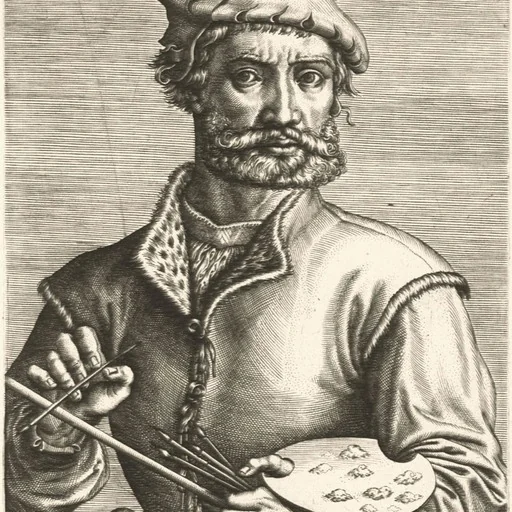
Pieter Coecke van Aelst or Pieter Coecke van Aelst the Elder was a Flemish painter, sculptor, architect, author and designer of woodcuts, goldsmith's work, stained glass and tapestries.

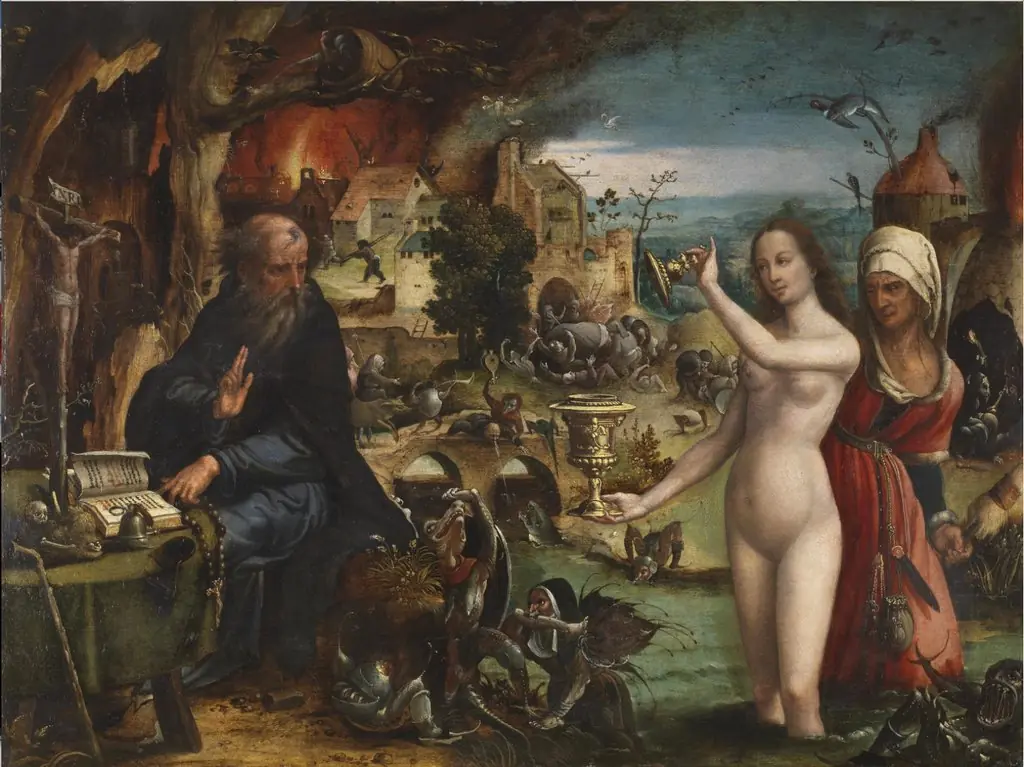 The Temptations of Saint Anthony Abbot
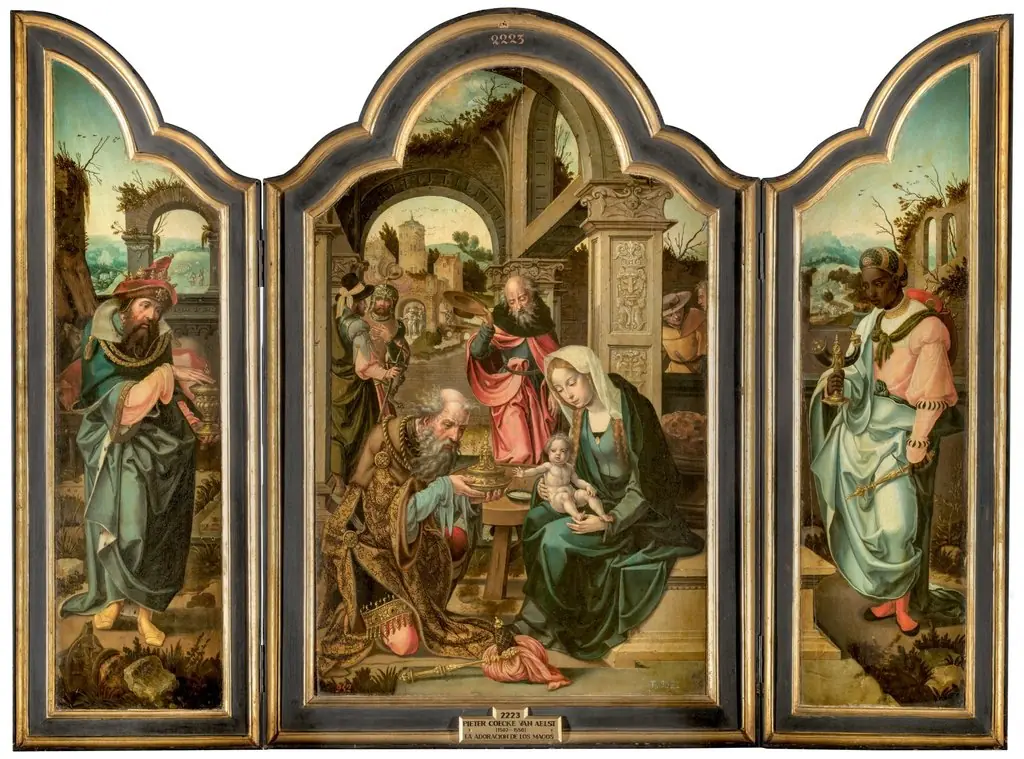 The Adoration of the Magi
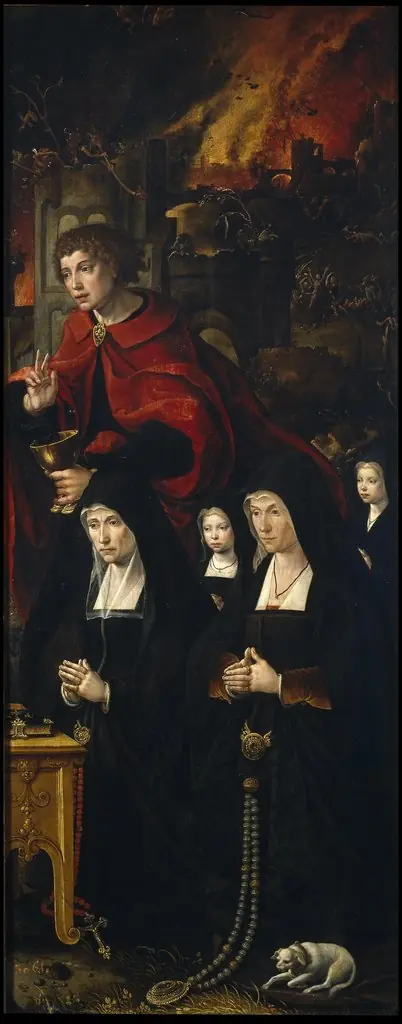 Saint John the Evangelist with Two Ladies and Two Girls (front). Saint Hadrian (reverse)
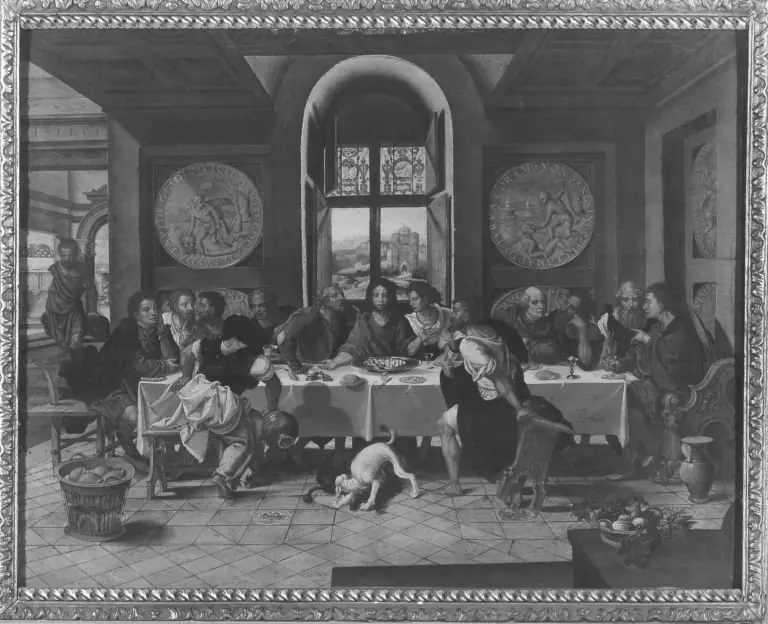 The Last Supper
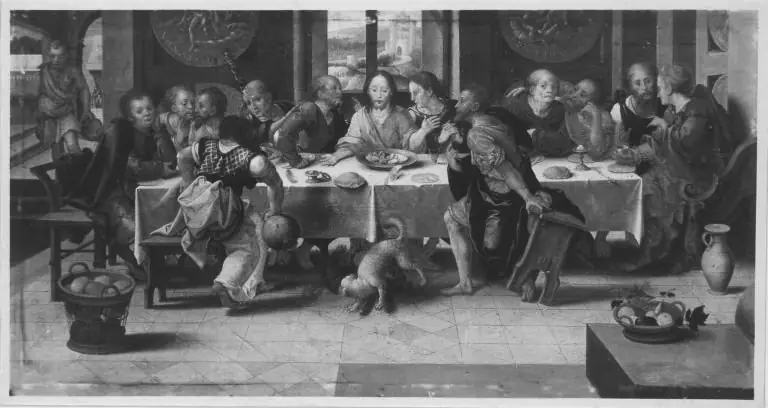 Last Supper
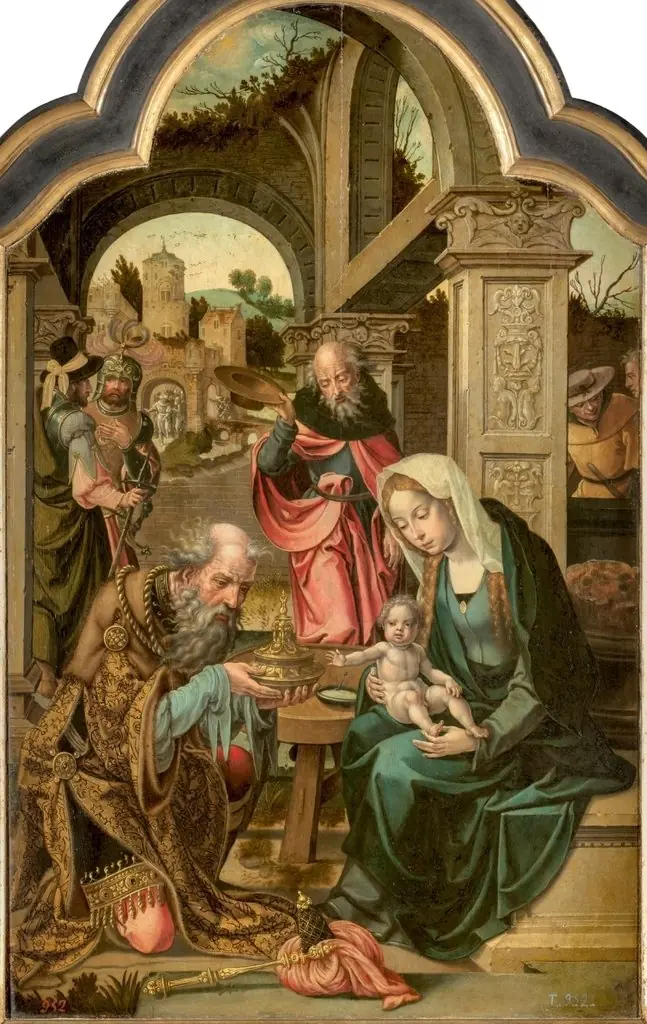 Adoration of the Magi
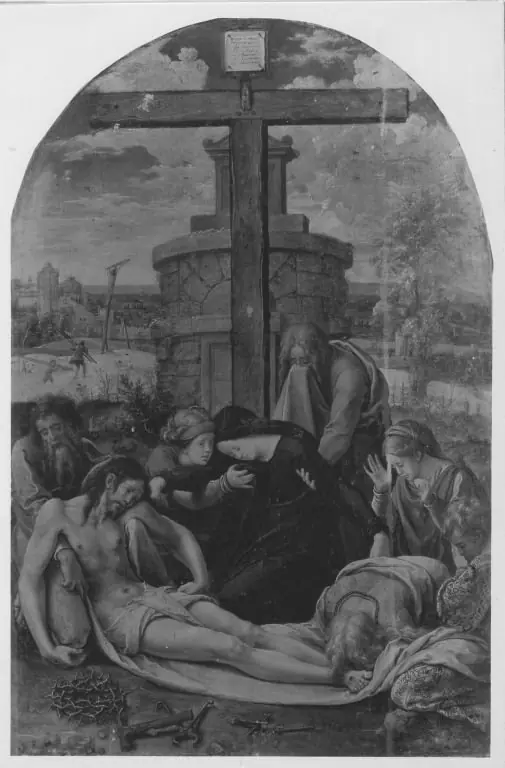 Lamentation of Christ (after Raphael)
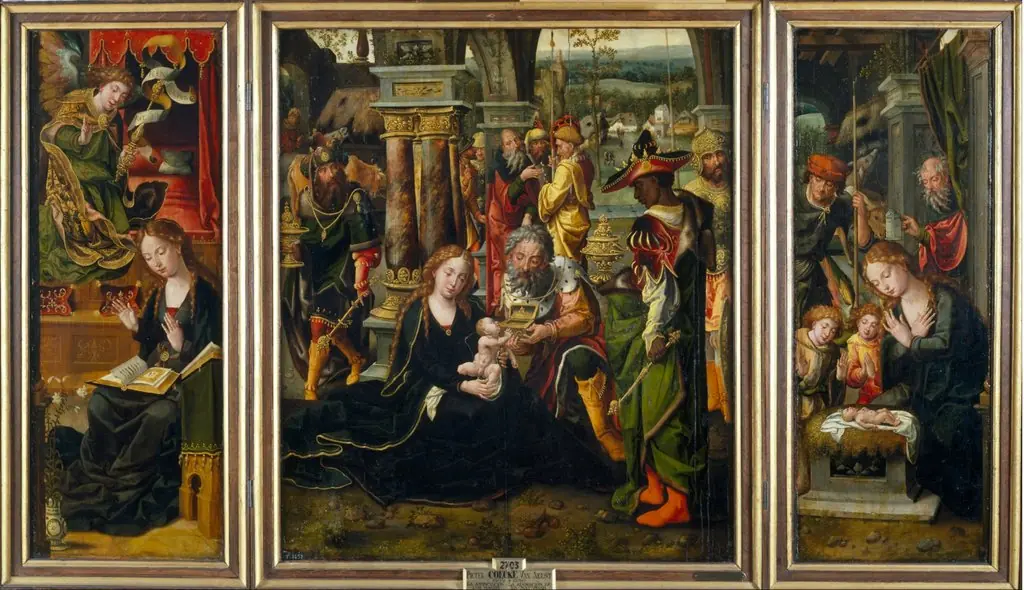 Triptych with the Annunciation, the Adoration of the Magi and the Nativity with Angels and Shepherds