Artwork
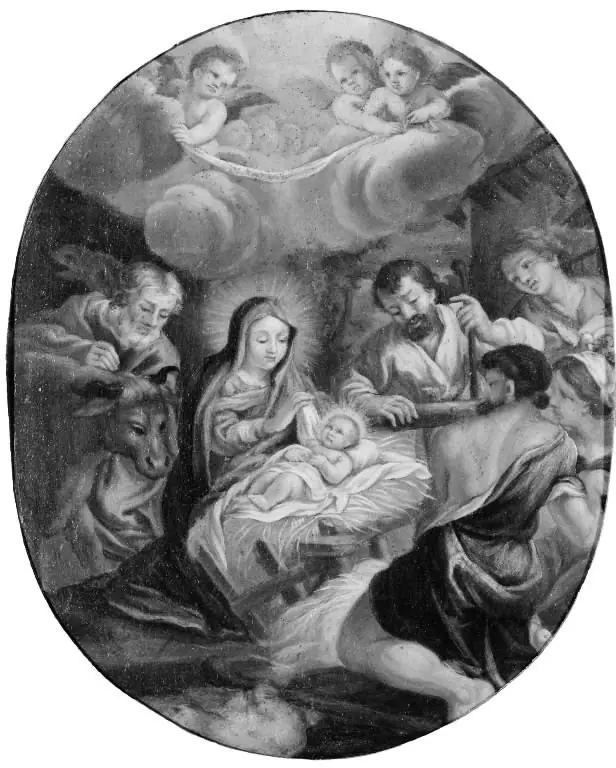
The Nativity
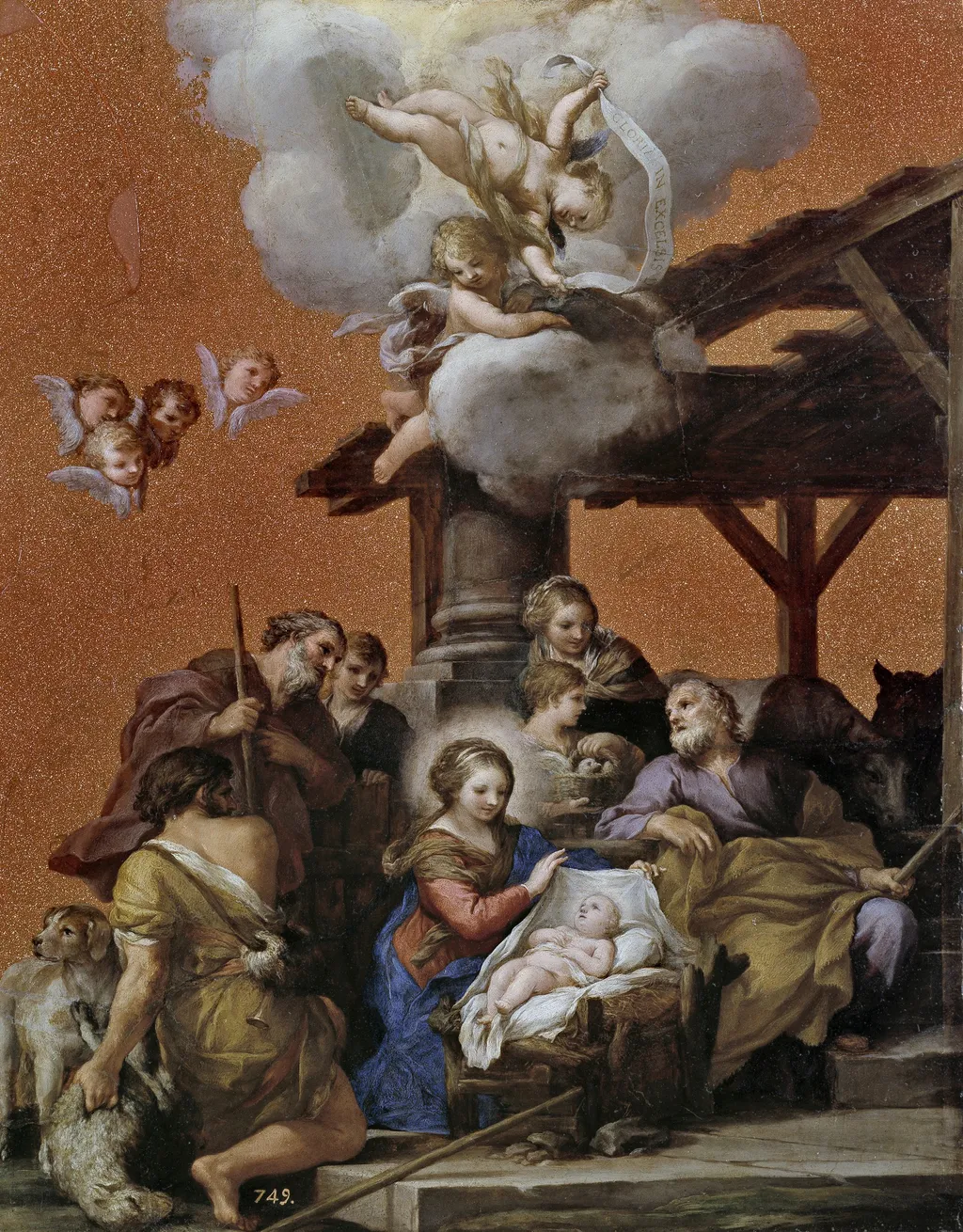
The Nativity is an unspecified painting by the Early Baroque Italian artist Pietro da Cortona. It dates from 1656 and is held in the collection of the Museo del Prado.
About this work
Subject & Meaning
Pietro da Cortona completed this religious canvas in 1656 for the Museo del Prado, where it remains on view.
The painting portrays the Christ Child in the manger, emphasizing the humble circumstances of the Nativity and underscoring the theological significance of the Incarnation within Christian iconography. Symbolic elements such as the manger and swaddling clothes highlight themes of poverty and divine humility, reinforcing the work's devotional function in the religious art tradition.
Pietro da Cortona completed this religious canvas in 1656 for the Museo del Prado, where it remains on view.
Technique & Style
The Nativity is a religious painting by Pietro da Cortona, classified as a work in the painting medium. Its modest scale is documented at 51 cm in height by 40 cm in width, indicating a compact, intimately sized panel or canvas rather than a large altarpiece format. The work is held in the collection of the Museo del Prado, where it is catalogued as a 1656 production by the artist.
Beyond these basic material and dimensional parameters, the available sources do not provide further detail on the specific support, pigments, handling, condition, or stylistic characteristics of the composition.
History & Provenance
The Nativity, painted by Pietro da Cortona in 1656, was created as a religious work for private devotion and later entered the collection of the Museo del Prado, where it remains on display.
The painting measures 51 cm in height and 40 cm in width, depicting the Christ Child within the Nativity scene.
Its provenance traces a continuous ownership chain from its commission in the mid-17th century to its acquisition by the museum.
The Nativity by Pietro da Cortona, dated 1656, is held in the collection of the Museo del Prado, where it is part of the museum's holdings of religious paintings. The work, measuring 51 cm in height by 40 cm in width, depicts the Christ Child and is catalogued as part of the Prado's permanent collection.
No specific accession number, acquisition date, or documented exhibition history is recorded in the available sources.
Context
Pietro da Cortona's The Nativity, executed in 1656, stands as a significant example of mid-seventeenth-century religious art. The work is currently held within the collection of the Museo del Prado, where it is cataloged as a painting depicting the birth of Jesus. While the sources confirm the artist, date, and institutional location, they do not provide specific details regarding the painting's critical reception history, scholarly analysis, or its precise positioning within the broader trajectory of art history beyond its classification as a religious genre piece.
Overview
Created in 1656 by the Italian Baroque artist Pietro da Cortona, The Nativity is an oil painting now housed in the Museo del Prado. Cortona, renowned for his large-scale frescoes and architectural projects in Rome and Florence, applied his dramatic sensibility to this religious work, which illustrates the birth of Christ within a bustling stable setting.
Own this work as a print
Artist & collection
Artist
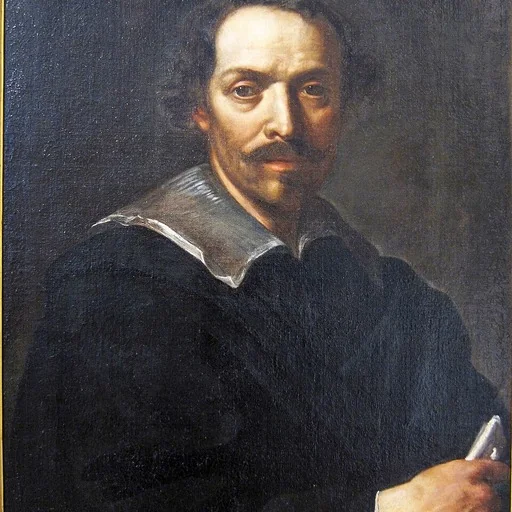
Pietro da Cortona (Italian:; 1 November 1596 or 1597 – 16 May 1669) was an Italian Baroque painter and architect.

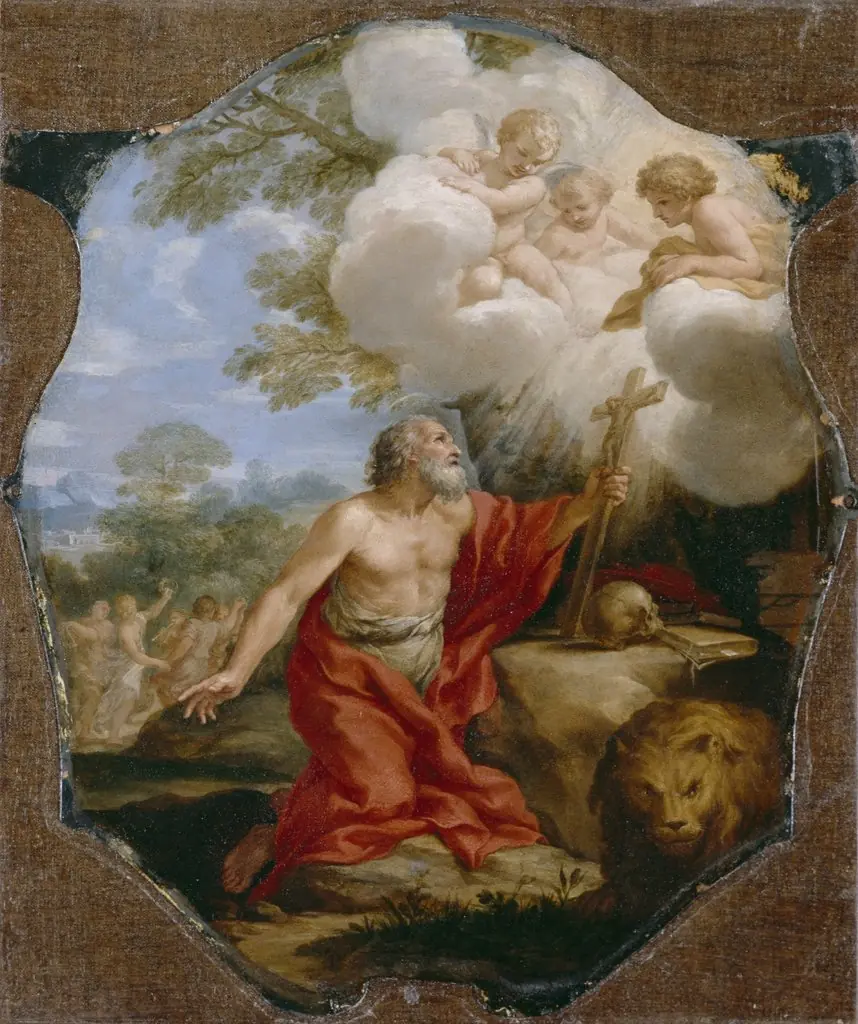
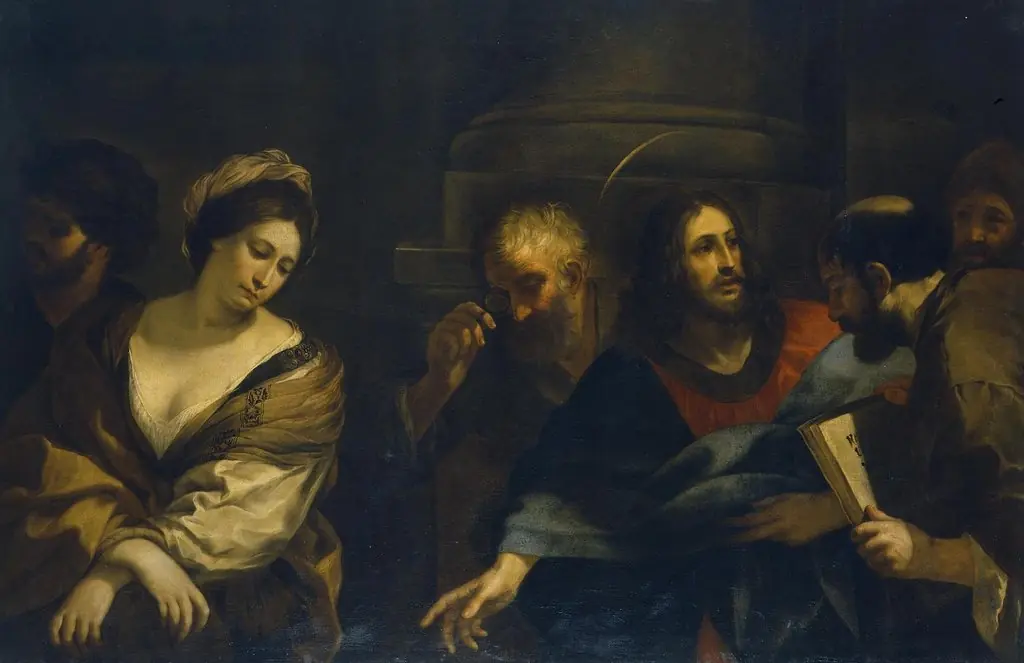
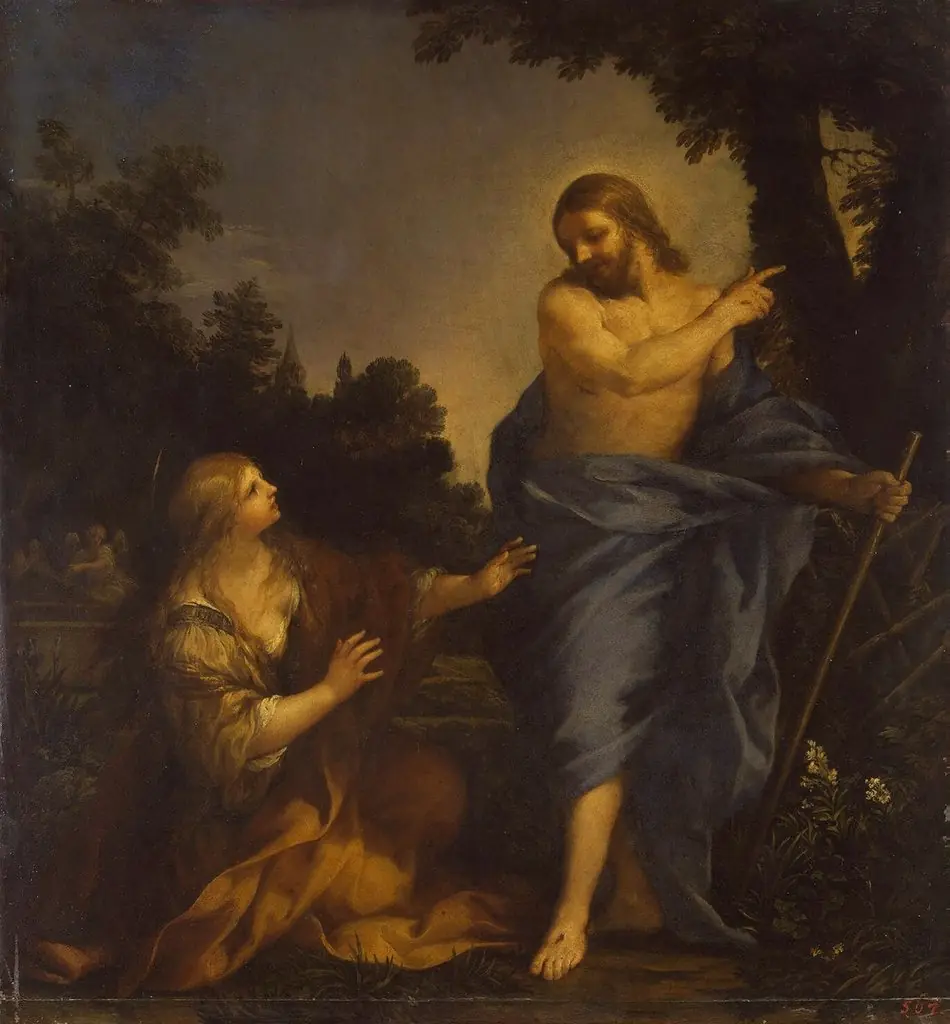
- The Nativity
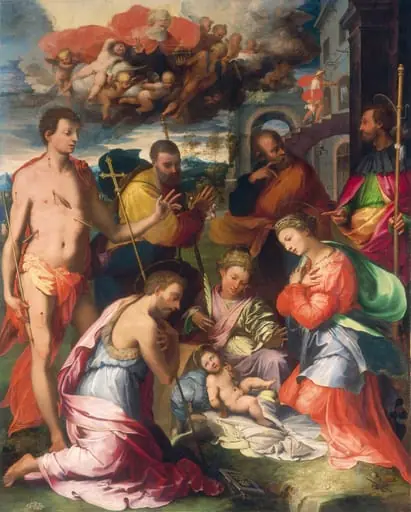 The Nativity
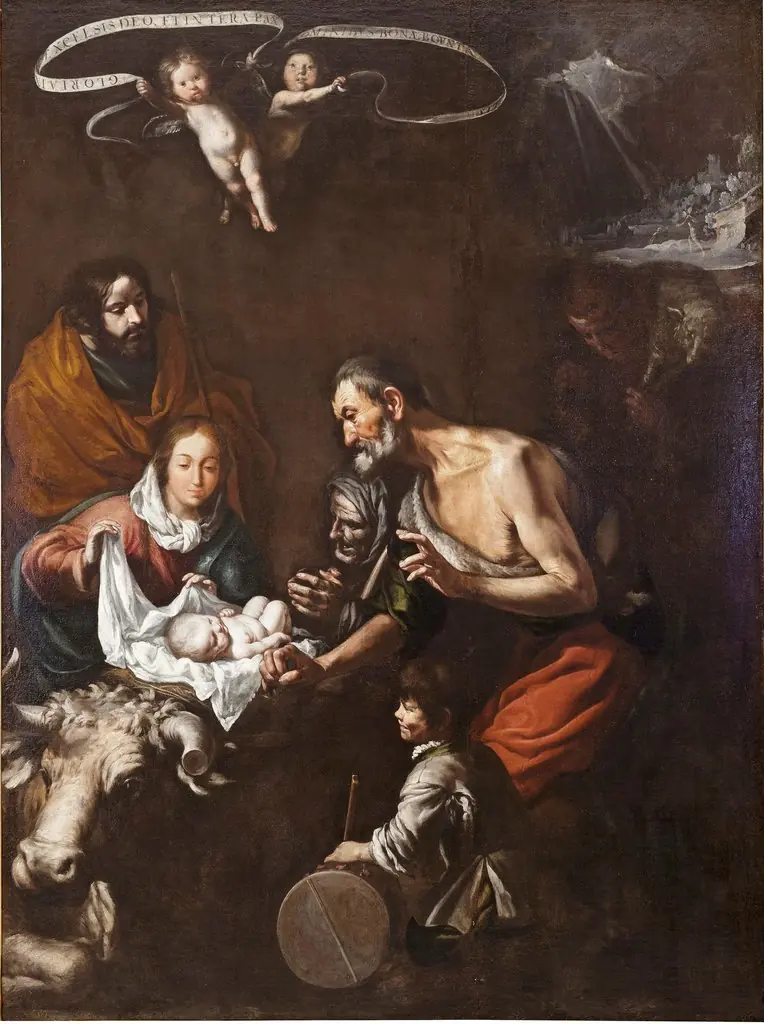 The Adoration of the Shepherds
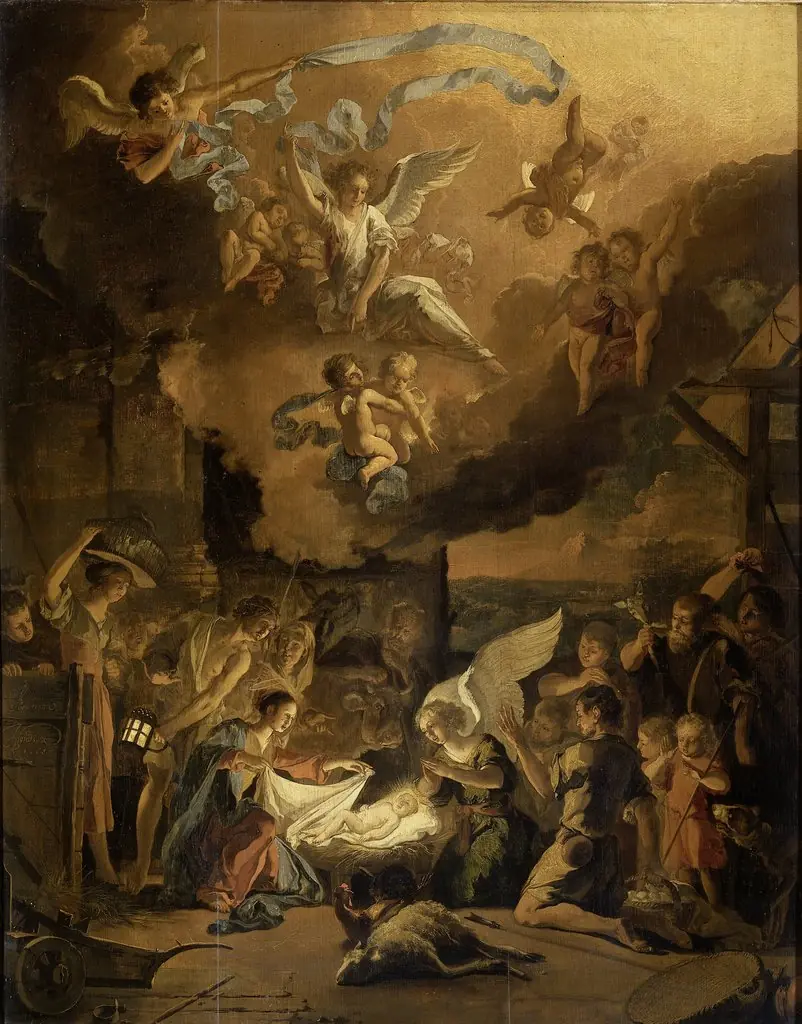 The adoration of the shepherds
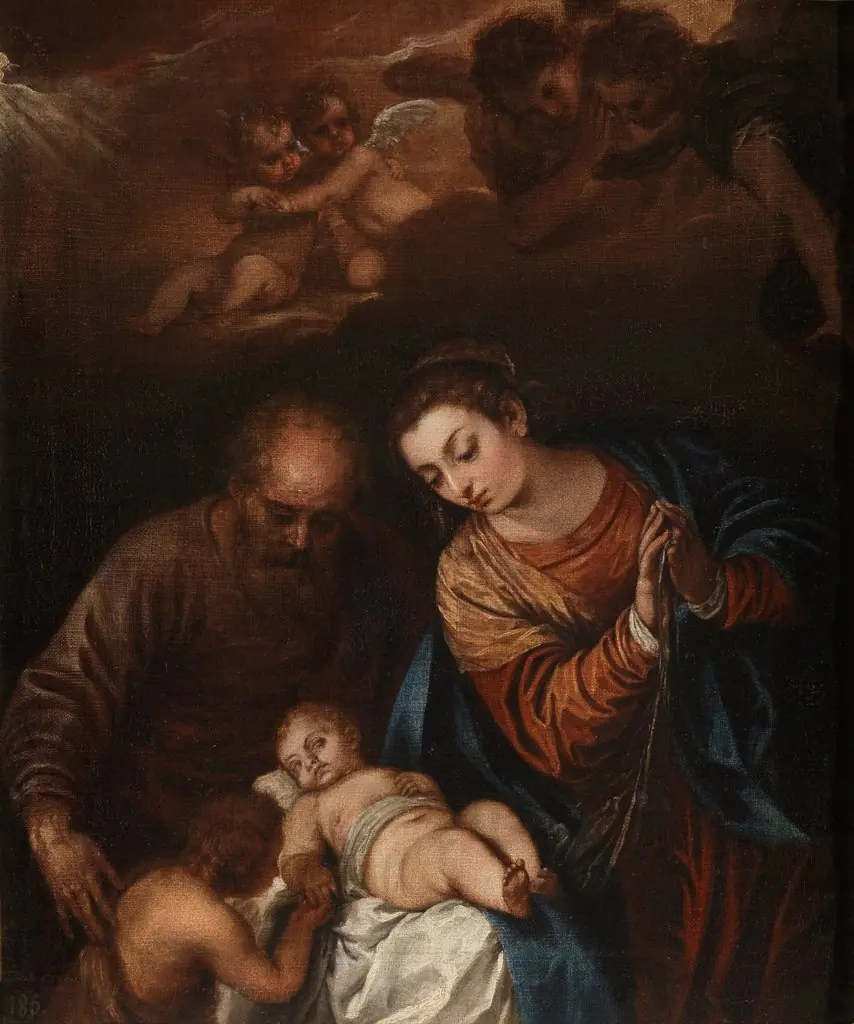 La Sagrada Familia
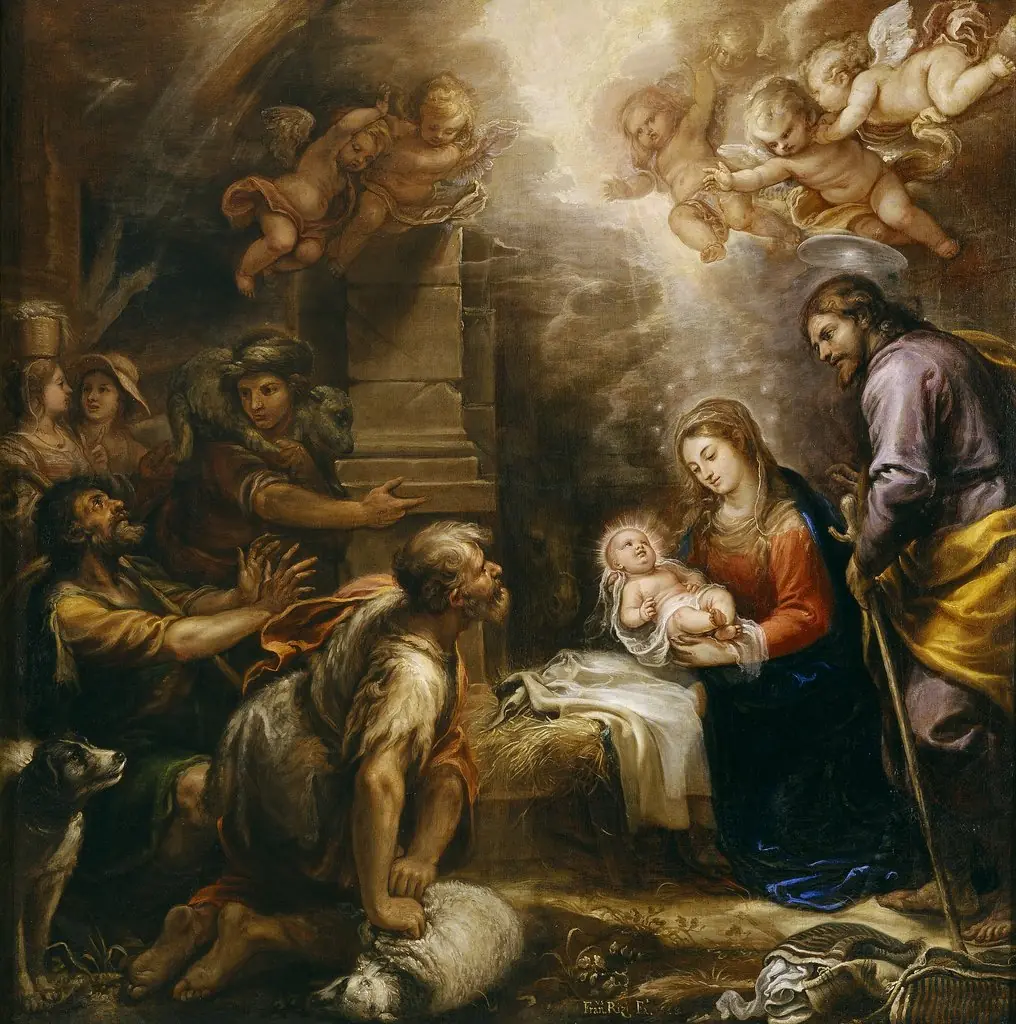 The Adoration of the Shepherds
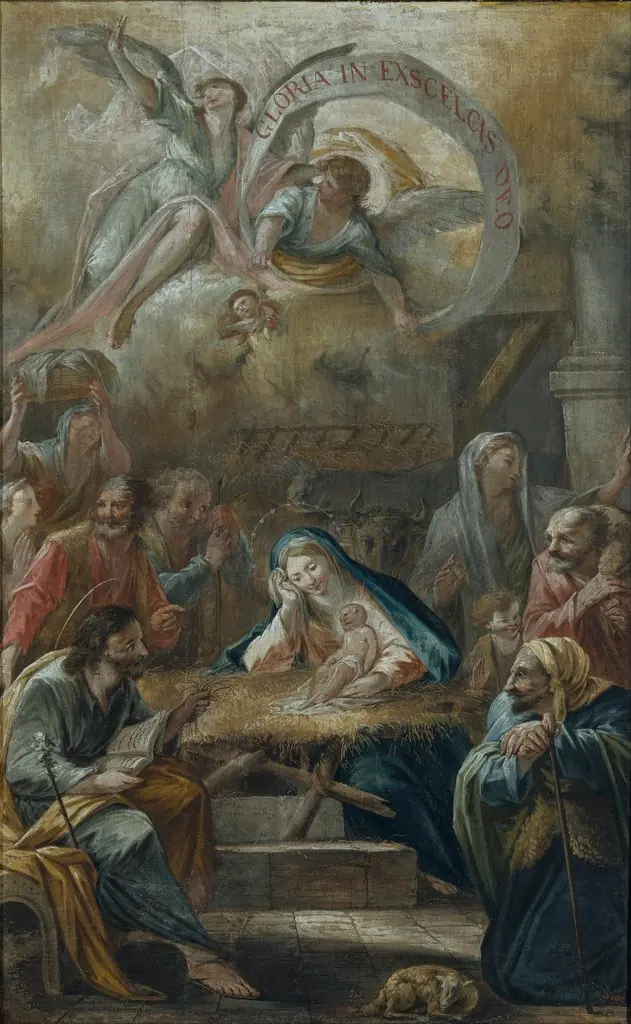 Birth of Jesus and the Adoration of the Shepherds
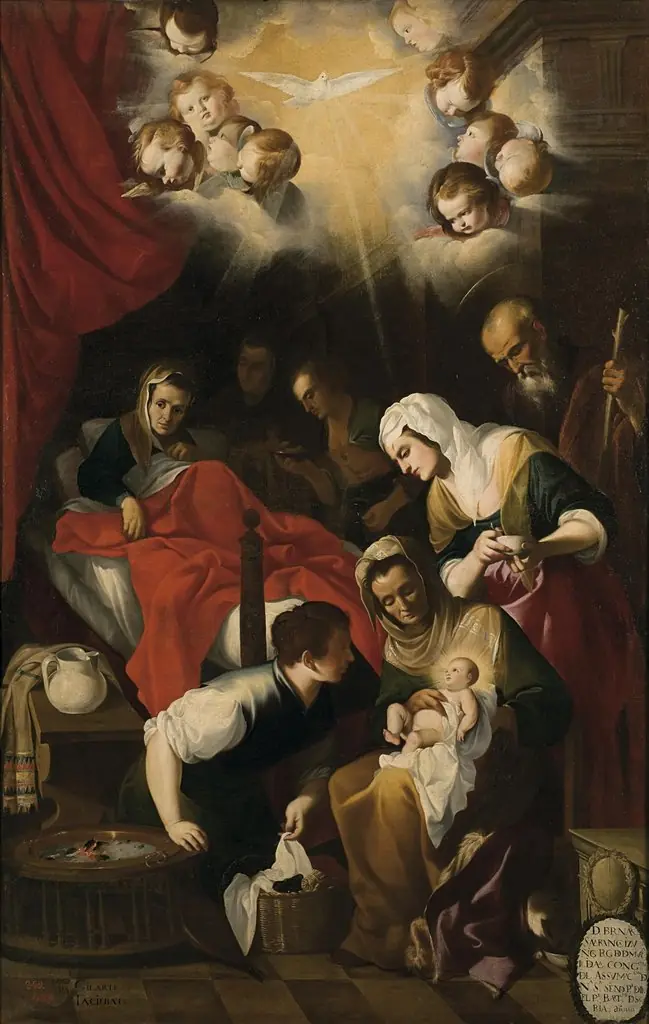 The Birth of the Virgin
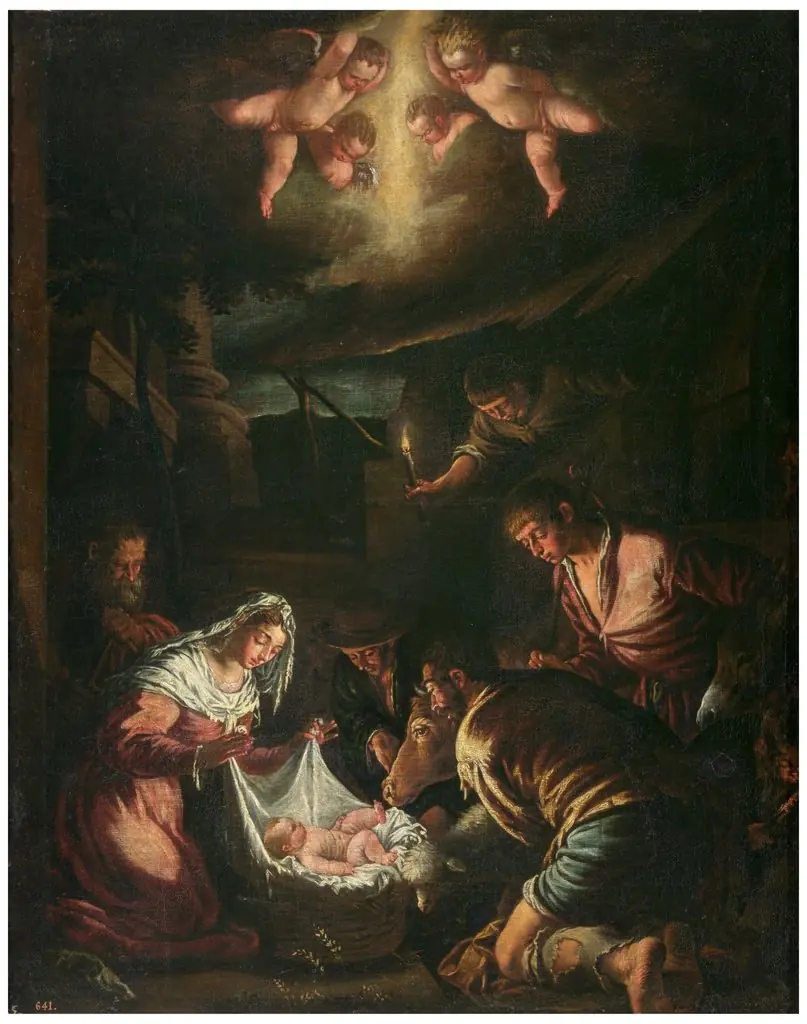 Adoration of the Shepherds
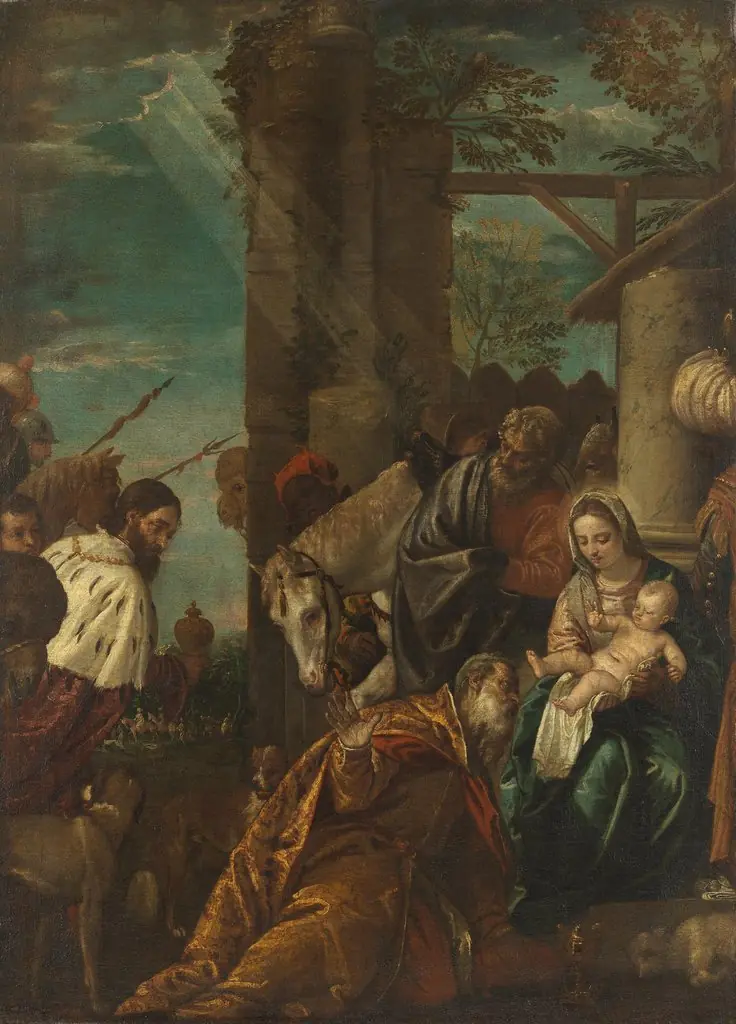 Die Anbetung der Könige
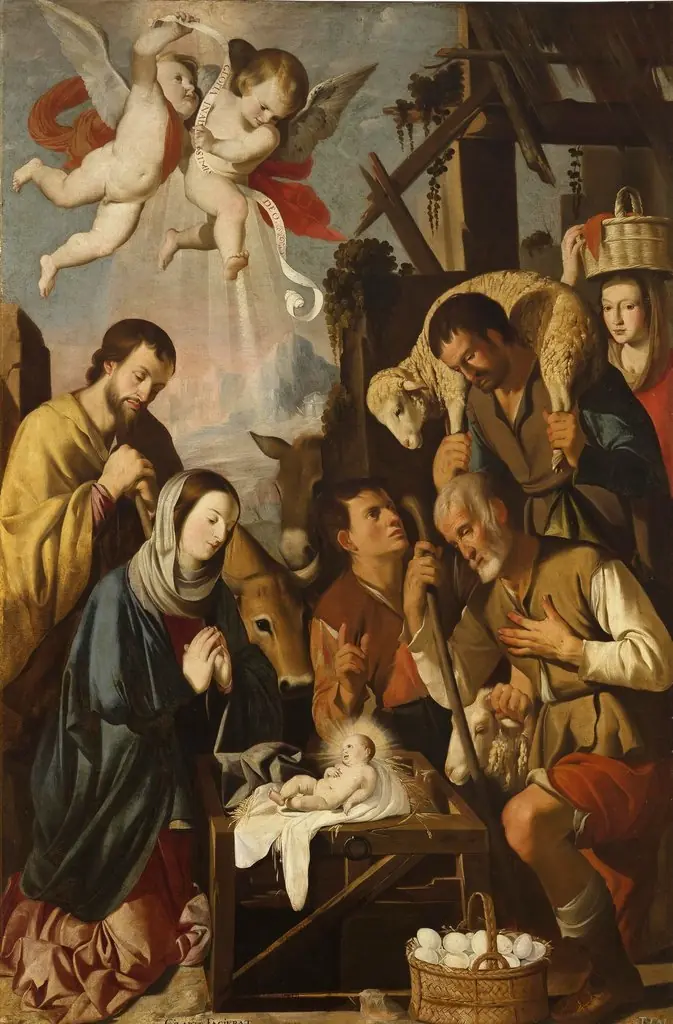 The Adoration of the Shepherds
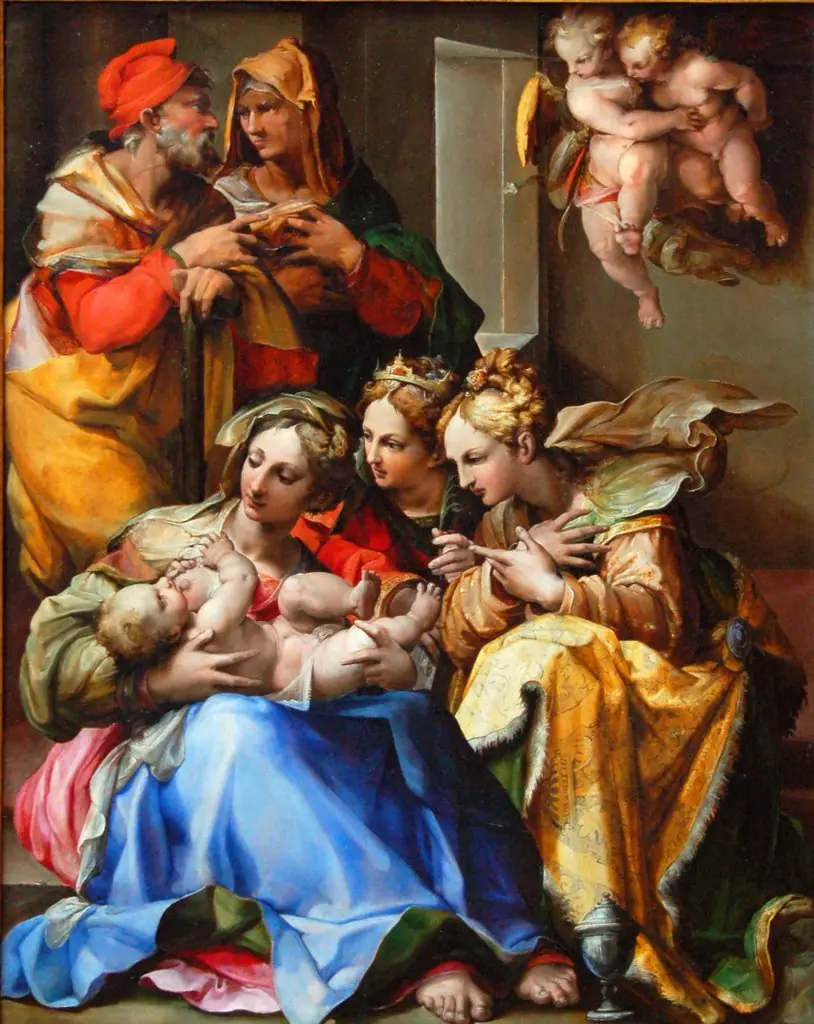 Holy Family with Saints Anne, Catherine of Alexandria, and Mary Magdalene