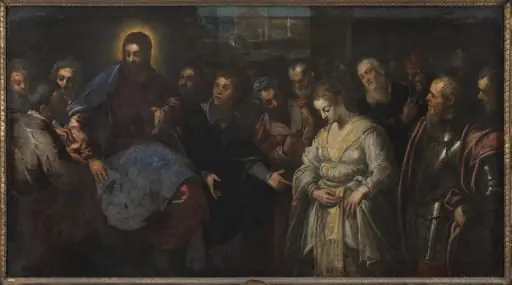
Artwork
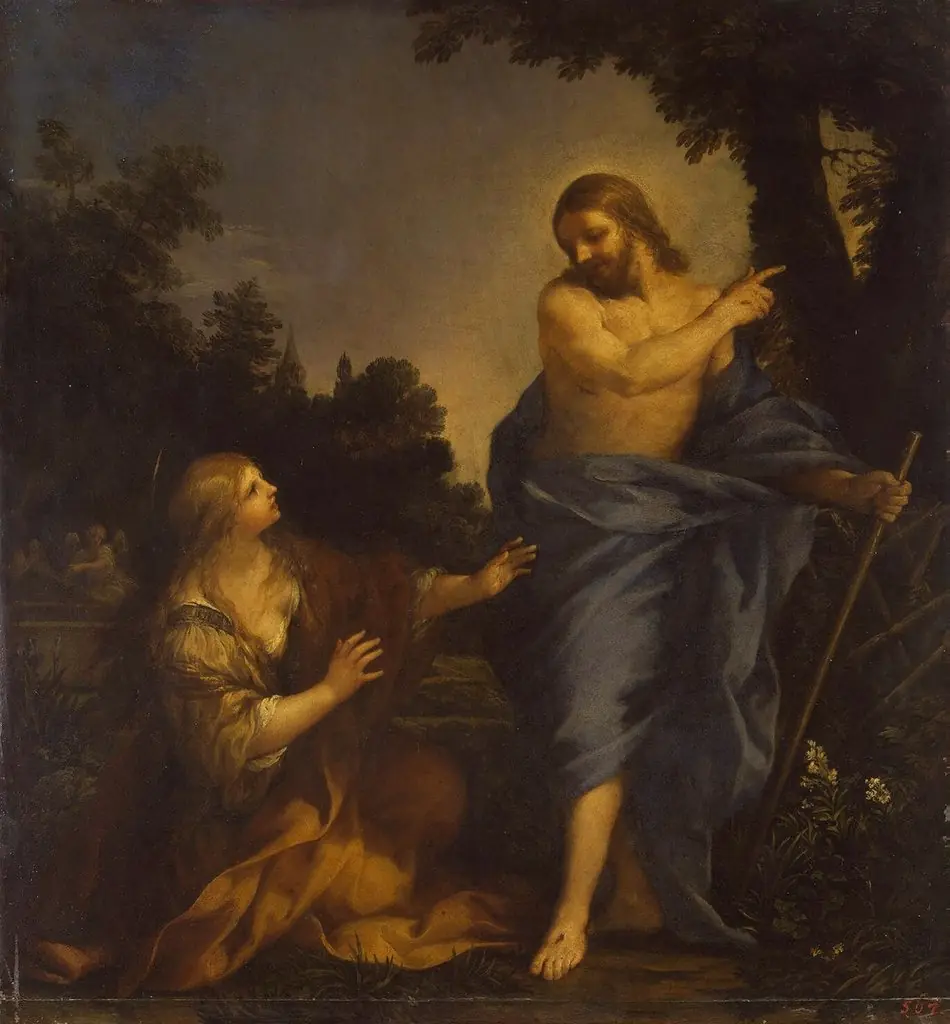
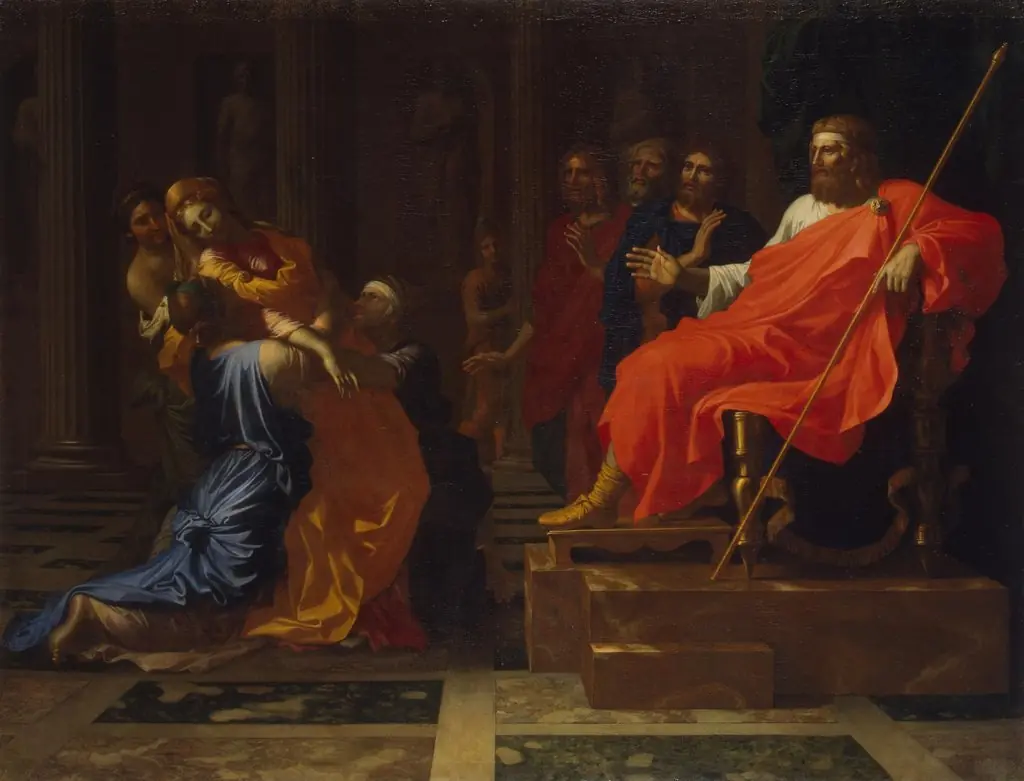
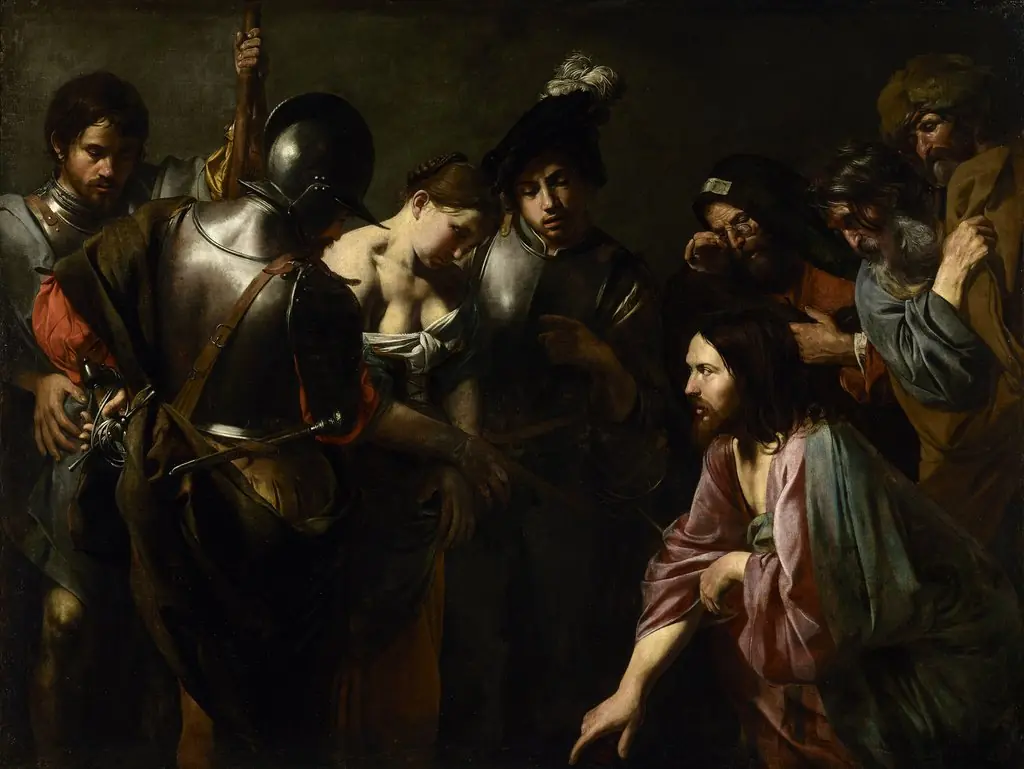
Christ and the Woman Taken in Adultery
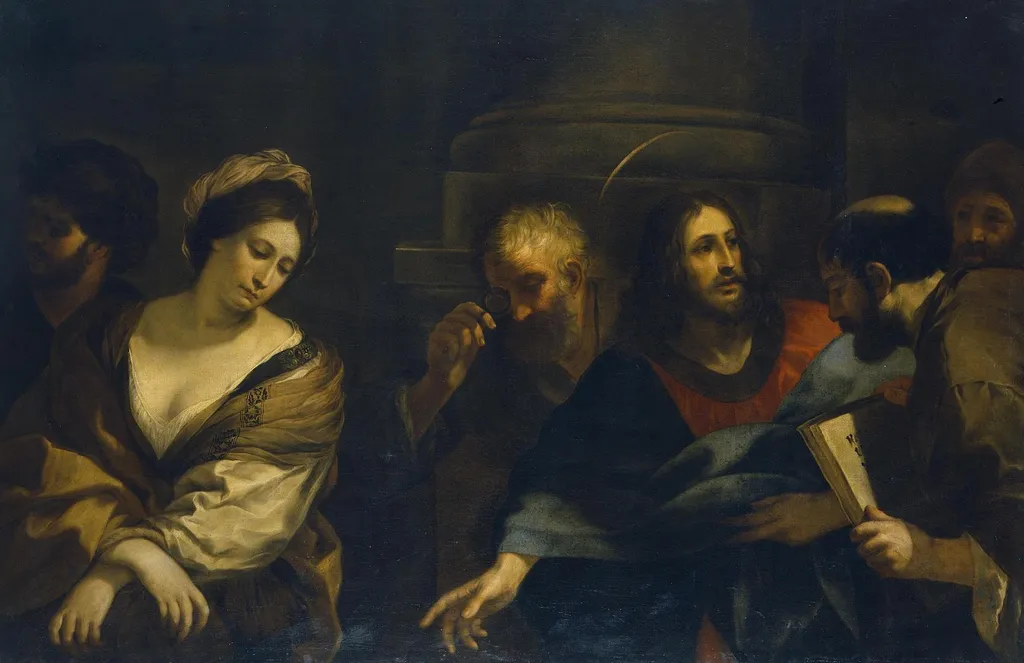
Christ and the Woman Taken in Adultery is an oil painting by the High Baroque Italian artist Pietro da Cortona. It dates from 1650 and is held in the collection of the Hermitage Museum.
About this work
Overview
It resides today in the State Hermitage Museum, part of a broader corpus of religious works produced during his Roman and Florentine periods.
Painted around 1650 by Pietro da Cortona, this oil on canvas work captures a moment from the Gospel of John in which Christ confronts those seeking to stone an adulterous woman. Executed in the High Baroque style, the painting reflects Cortona’s mastery of dramatic composition and emotional intensity. It resides today in the State Hermitage Museum, part of a broader corpus of religious works produced during his Roman and Florentine periods.
Subject & Meaning
The scene illustrates Christ’s response to the Pharisees who bring a woman caught in adultery before him, testing his adherence to Mosaic law. The woman, bowed and silent, contrasts with the accusatory gestures of the men surrounding her. One figure holds a scroll, symbolizing legal authority, while another points directly at her. Christ’s presence, though partially obscured, implies moral authority over judgment, emphasizing mercy over condemnation.
Technique & Style
Cortona employs chiaroscuro to heighten emotional tension, isolating the figures against a deep, shadowed background. The lighting falls sharply on faces and hands, drawing focus to expressions of guilt, accusation, and restraint. Brushwork is fluid yet controlled, with rich textures in fabric and skin tones. The composition is tightly grouped, enhancing the psychological weight of the moment without overt theatricality.
History & Provenance
Commissioned during Cortona’s mature period, the painting entered the Hermitage collection in the 18th century, likely through Russian imperial acquisitions of Italian art. Its presence in St. Petersburg reflects broader European interest in Baroque religious narratives during the Enlightenment. No significant alterations or restorations are documented, preserving its original tonal balance and compositional integrity.
Context
Created amid the Counter-Reformation, the painting aligns with Catholic efforts to use visual art to convey moral and theological messages. Cortona, active alongside Bernini and other Roman Baroque innovators, fused architectural grandeur with intimate narrative. This work, though smaller than his frescoes, shares the movement’s emphasis on human emotion and divine intervention in earthly affairs.
Legacy
While less known than Cortona’s ceiling frescoes, this painting exemplifies his ability to translate sacred drama into psychologically nuanced scenes. It influenced later religious painters in its restrained use of gesture and lighting. Its preservation in the Hermitage ensures continued study of Baroque approaches to biblical narrative beyond monumental decoration.
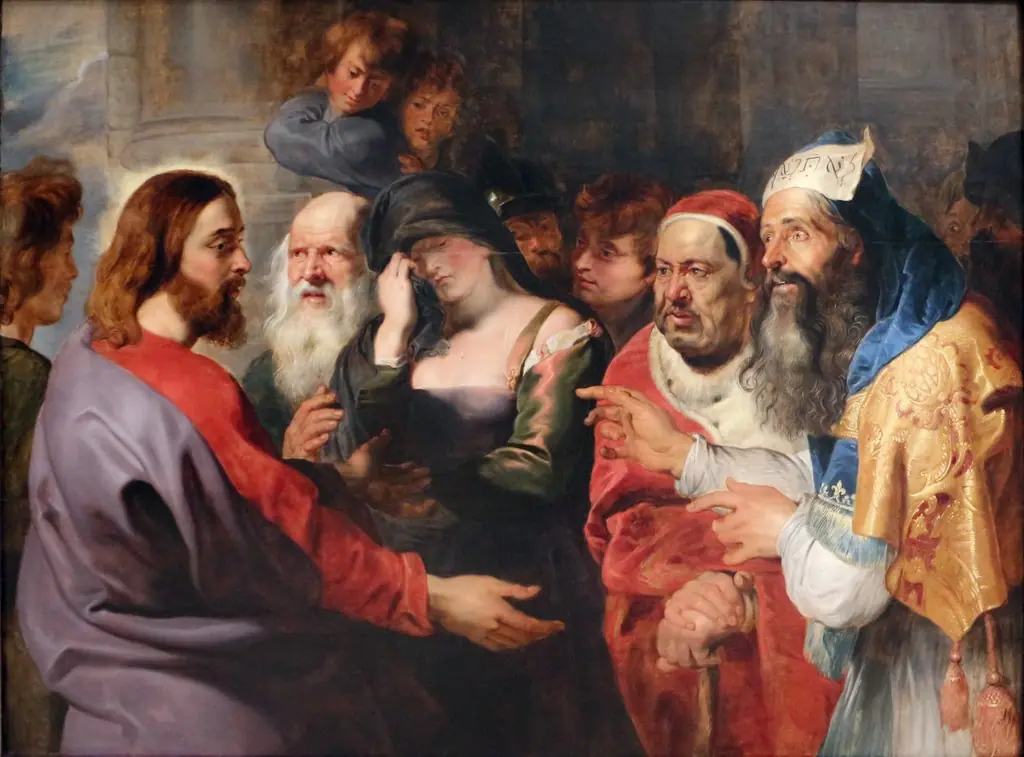
Own this work as a print
Artist & collection
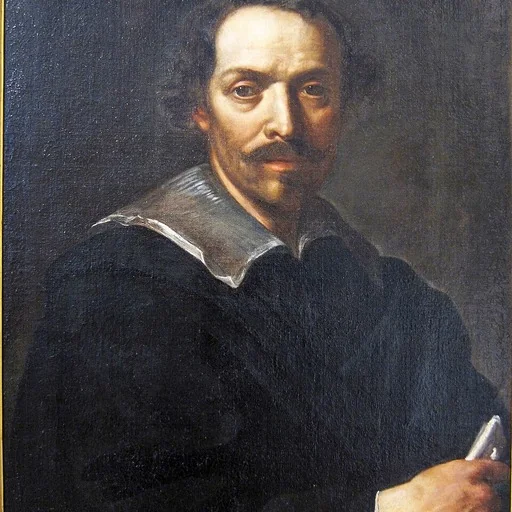
Artist
Pietro da Cortona (Italian:; 1 November 1596 or 1597 – 16 May 1669) was an Italian Baroque painter and architect.