Artwork
Alexander the Great Rescued from the River Cydnus
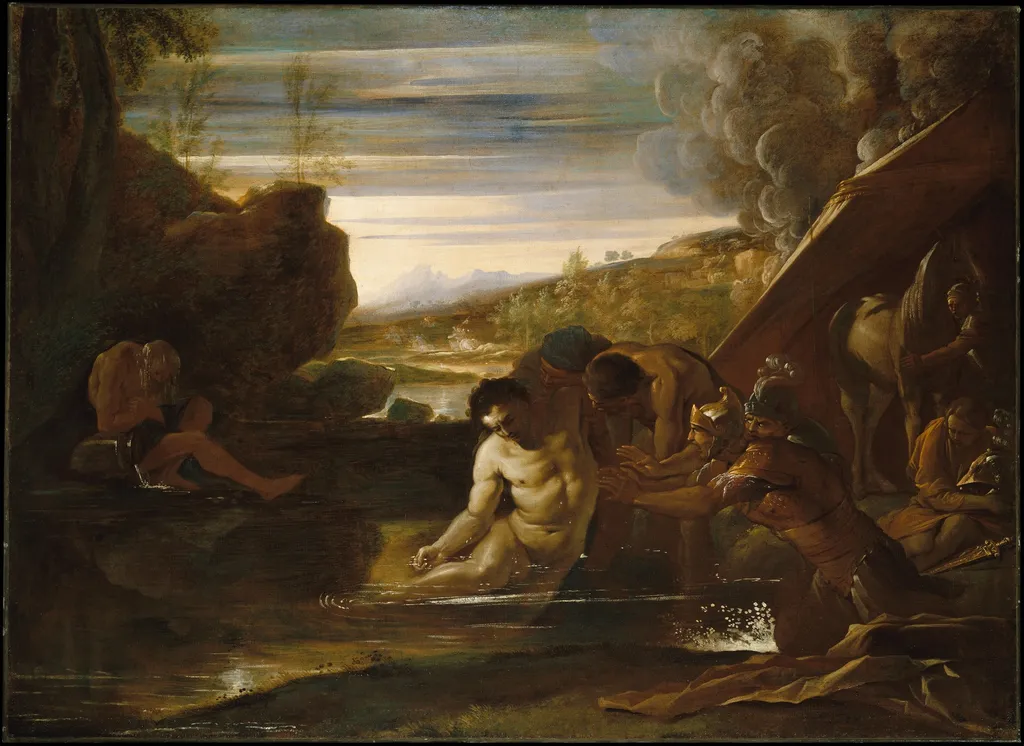
Alexander the Great Rescued from the River Cydnus is an oil painting by Pietro Testa. It dates from 1650 and is held in the collection of the Metropolitan Museum of Art.
About this work
Technique & Style
The handling of the oil medium allows for the representation of these complex figural groups and the aquatic environment.
Executed in 1650, this work by Pietro Testa is an oil painting applied to a canvas support. The composition measures 96.5 cm in height and 137.2 cm in width. Stylistically, the piece depicts a dynamic narrative scene featuring Alexander the Great, soldiers, and horses within a river setting, incorporating nude figures bathing.
The handling of the oil medium allows for the representation of these complex figural groups and the aquatic environment. While specific details regarding the current physical condition or surface handling techniques are not explicitly detailed in the available records, the fundamental material construction consists of pigments bound in oil on a woven fabric ground.
History & Provenance
Pietro Testa executed the oil painting Alexander the Great Rescued from the River Cydnus in 1650. Created on canvas, the work measures 96.5 by 137.2 centimeters. While specific details regarding the original commissioner or the immediate ownership chain following its completion are not provided in the available records, the painting's history culminates in its acquisition by the Metropolitan Museum of Art.
The institution currently houses the work, where it remains part of the permanent collection. The date of inception is firmly established as 1650, marking the period of its creation during Testa's career.
Overview
Pietro Testa, an Italian artist of the High Baroque period, created Alexander the Great Rescued from the River Cydnus around 1650. This oil painting, now part of The Metropolitan Museum of Art's collection, illustrates a dramatic moment from antiquity. Testa, primarily recognized for his printmaking and drawing, here demonstrates his skill in painting, depicting the legendary conqueror in a moment of vulnerability and peril.
Subject & Meaning
The painting captures Alexander the Great during a perilous bath in the cold Cydnus River, an event that nearly cost him his life. He is shown seated in the shallow water, appearing exhausted, while several figures attend to him. A horse and a nude figure are also present, contributing to the scene's classical and allegorical undertones. The composition emphasizes the hero's fragility and the immediate concern of his companions.
Context
Active in Rome, Pietro Testa was associated with a community of artists and intellectuals who championed Classical principles in their work. Although more widely known for his graphic arts, this painting reflects his engagement with historical narratives and heroic subjects. His artistic output often drew inspiration from ancient history and mythology, aligning with the prevailing intellectual currents of his time in the Eternal City.
Own this work as a print
Artist & collection
Artist
Pietro Testa (1612 – 1 March 1650) was an Italian High Baroque artist active in Rome.

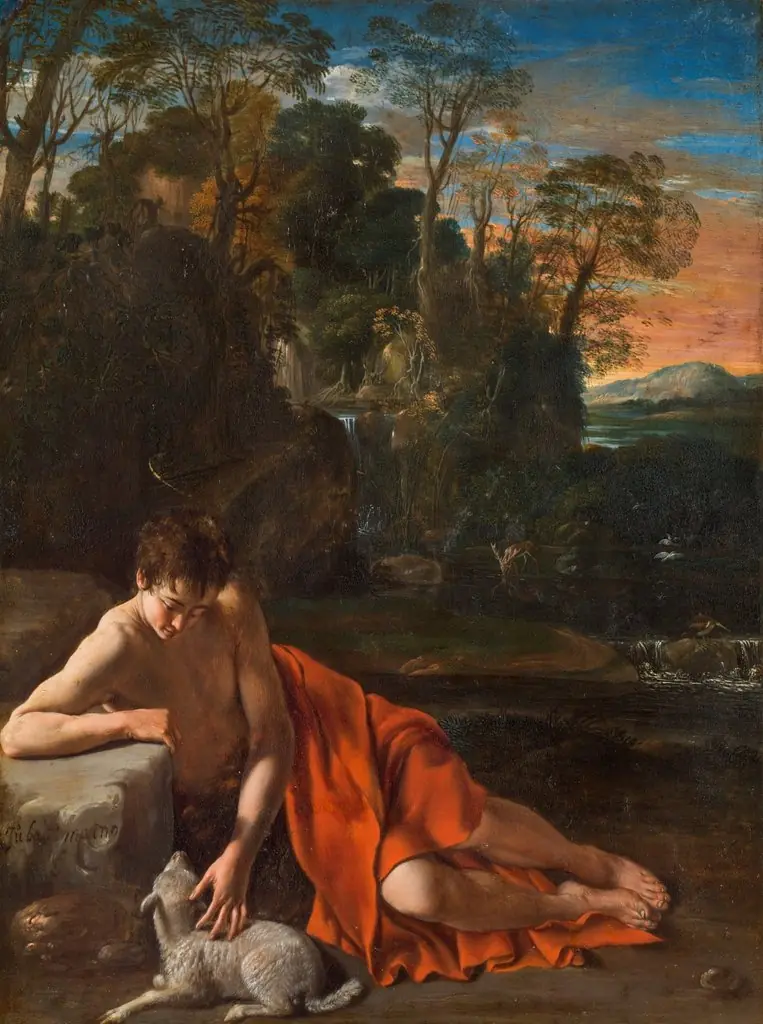
- Saint John the Baptist
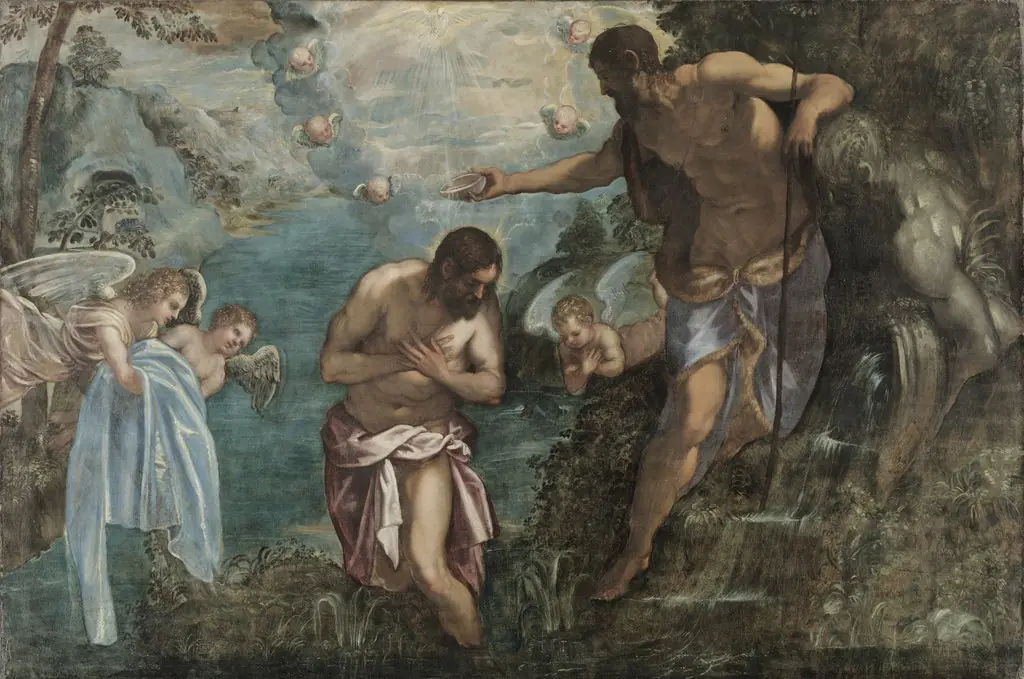 Baptism of Christ
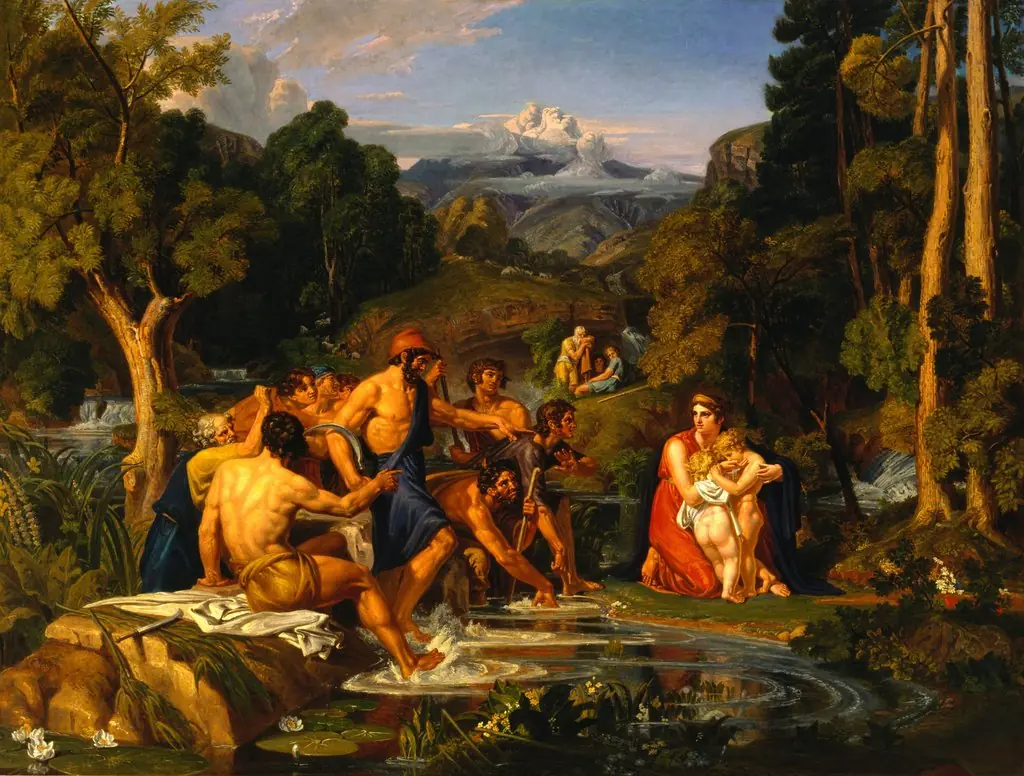 Latona and the Lycian Peasants
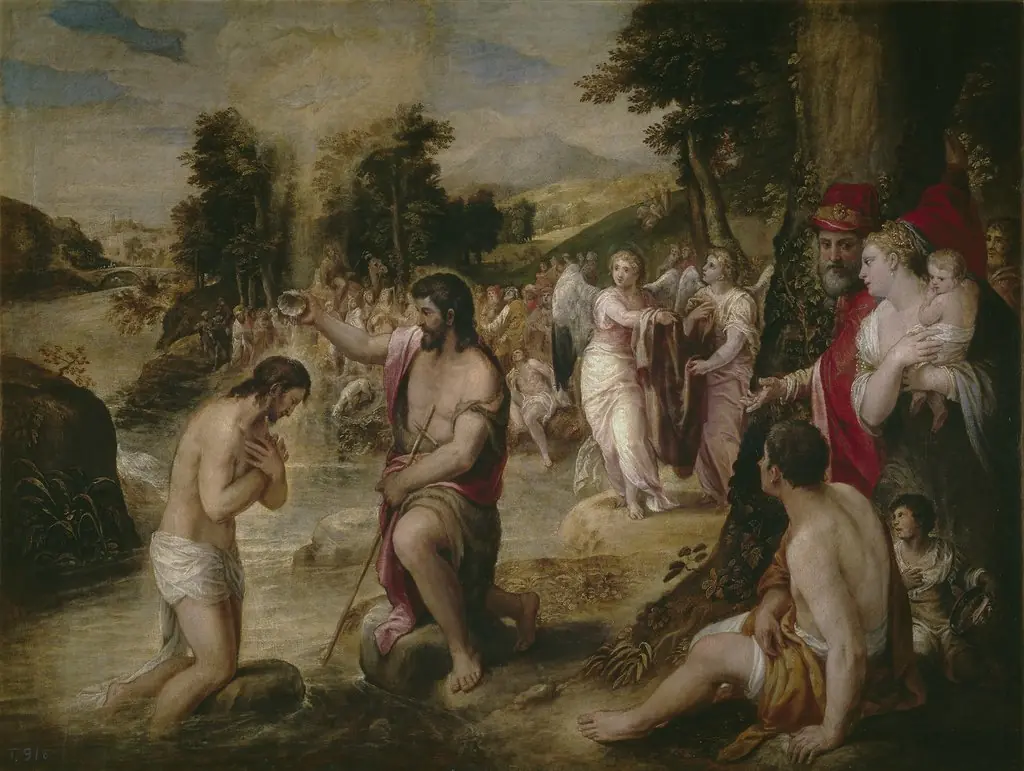 The Baptism of Christ
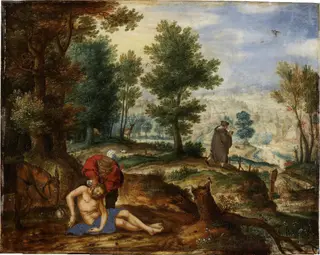 Landscape with the Good Samaritan
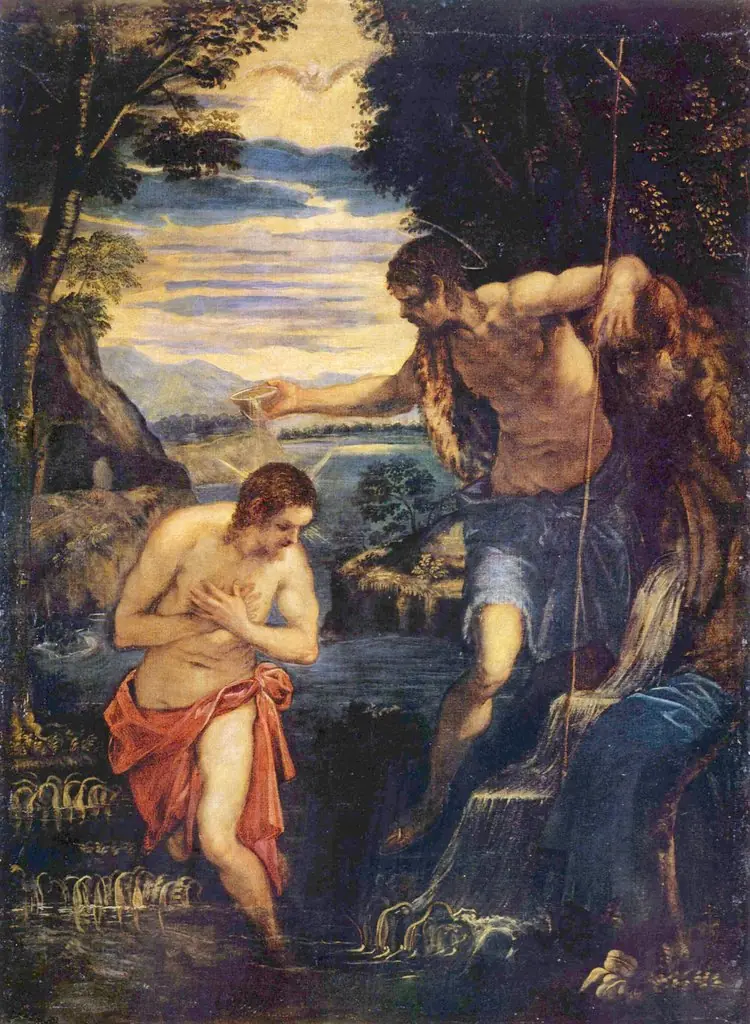 The Baptism of Christ
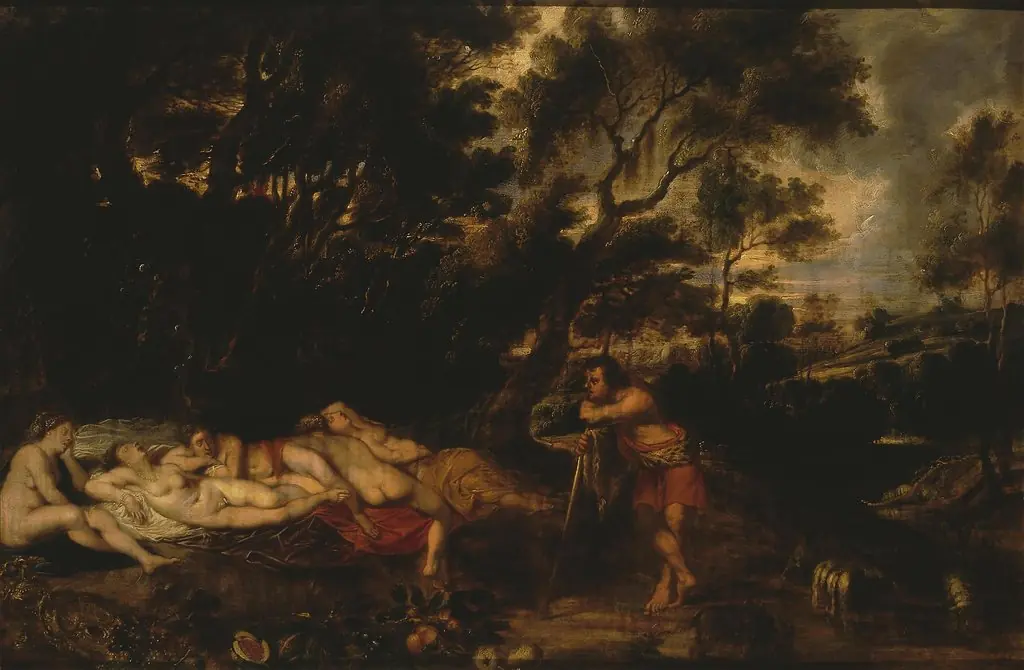 Landscape with Cymon and Iphigenia
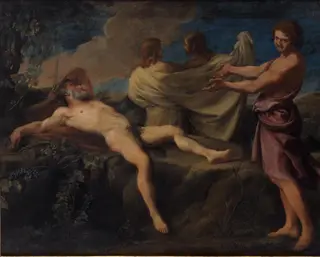 Drunkenness of Noah
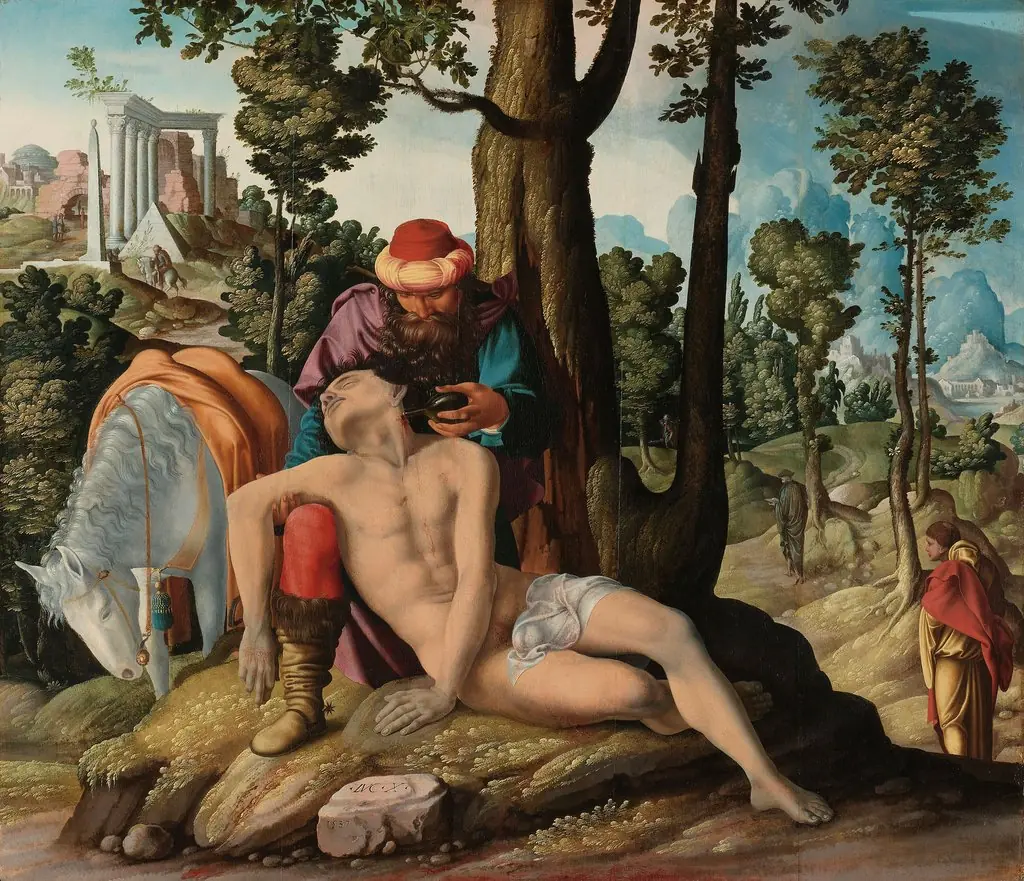 The Good Samaritan
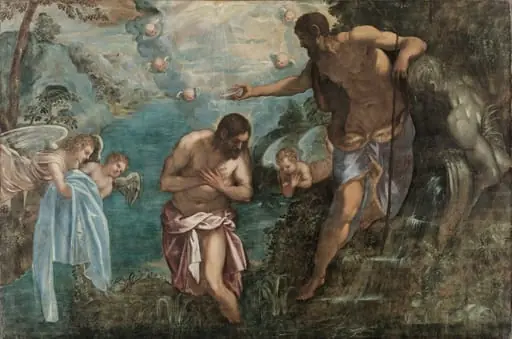 Baptism of Christ
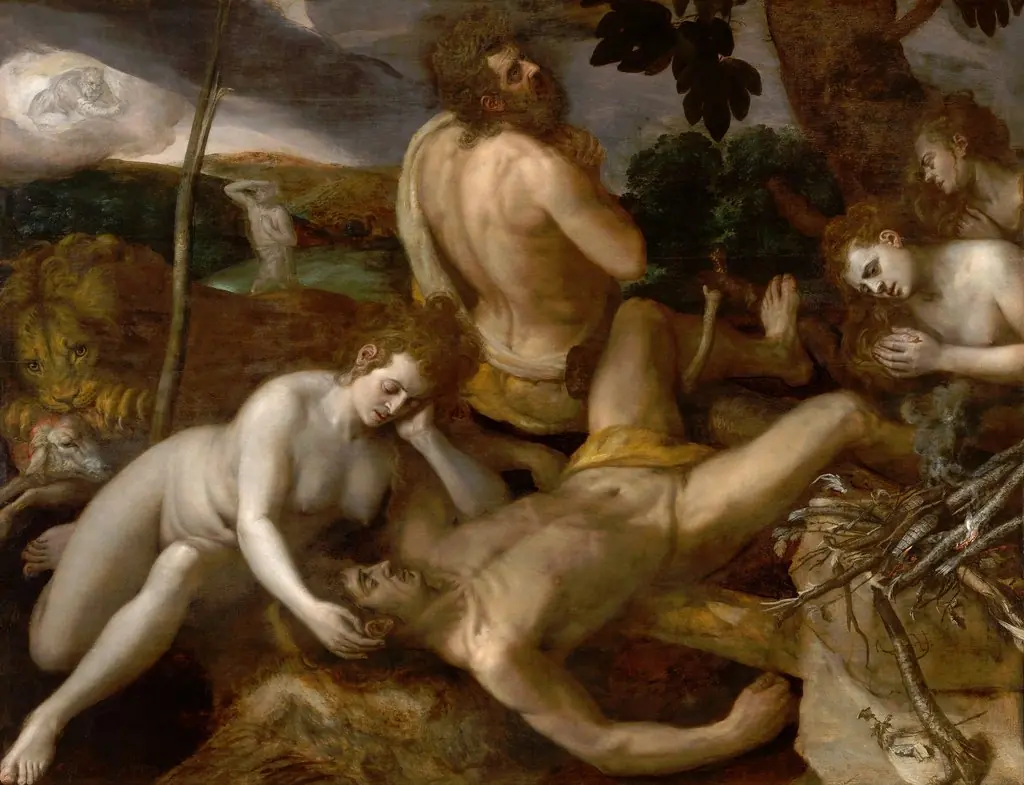 Adam and Eve grieve over the Dead Body of Abel
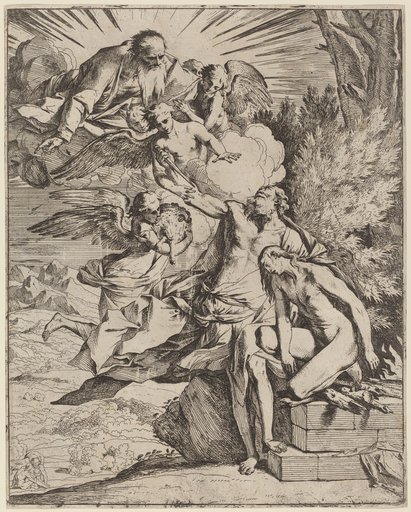
 The Sacrifice of Isaac