Artwork
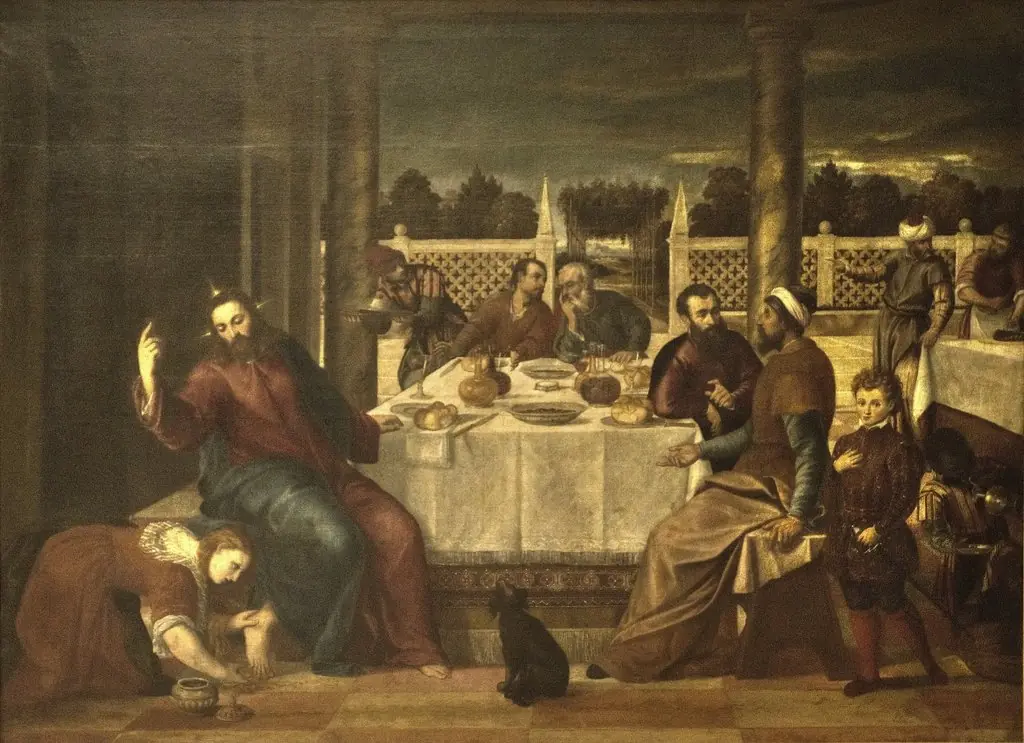
Anointing of Christ in Bethany
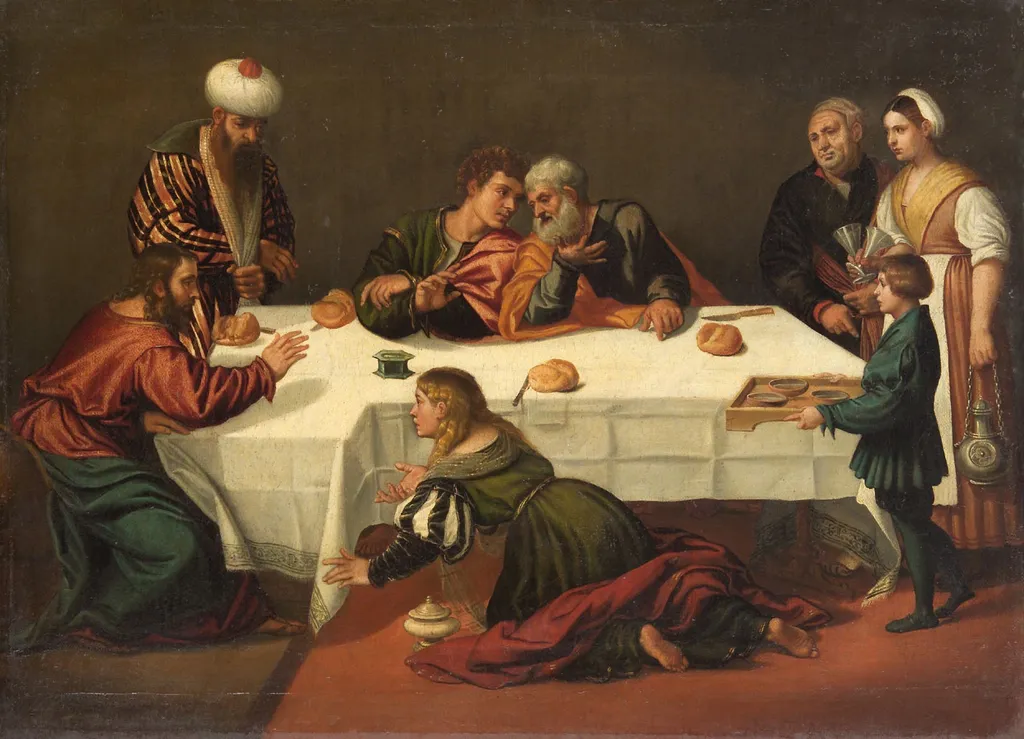
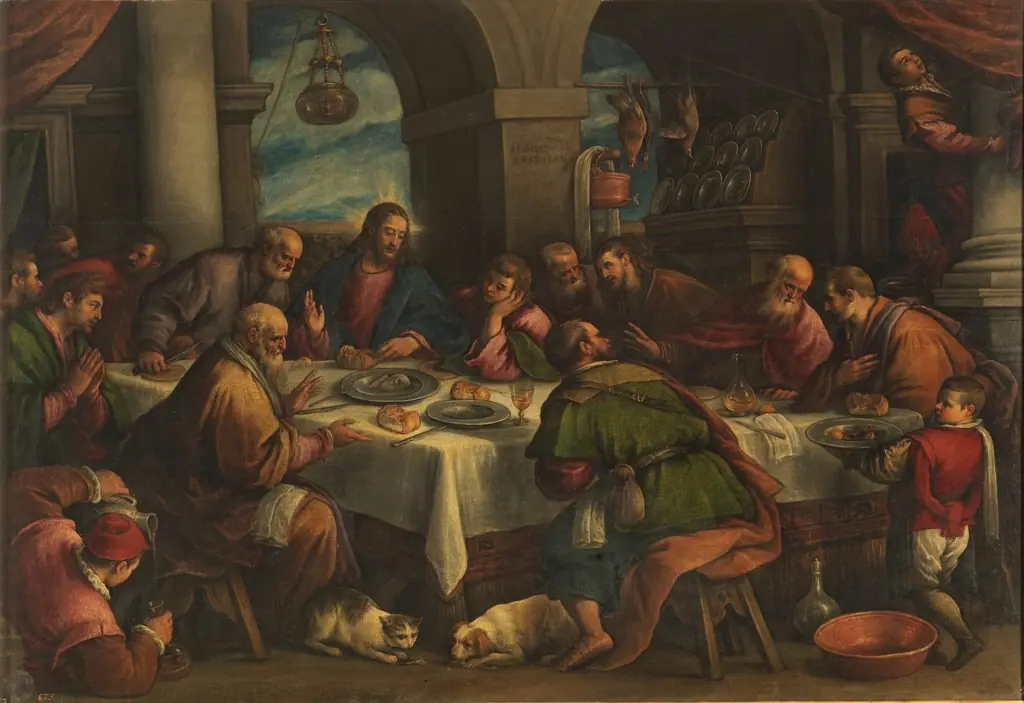
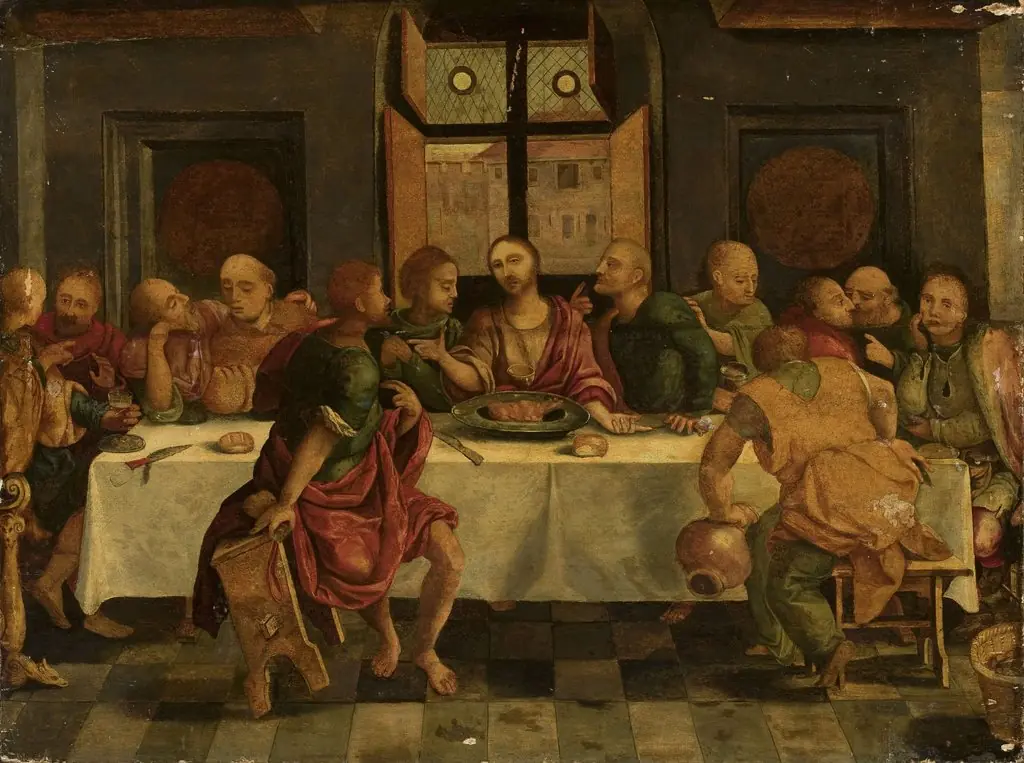
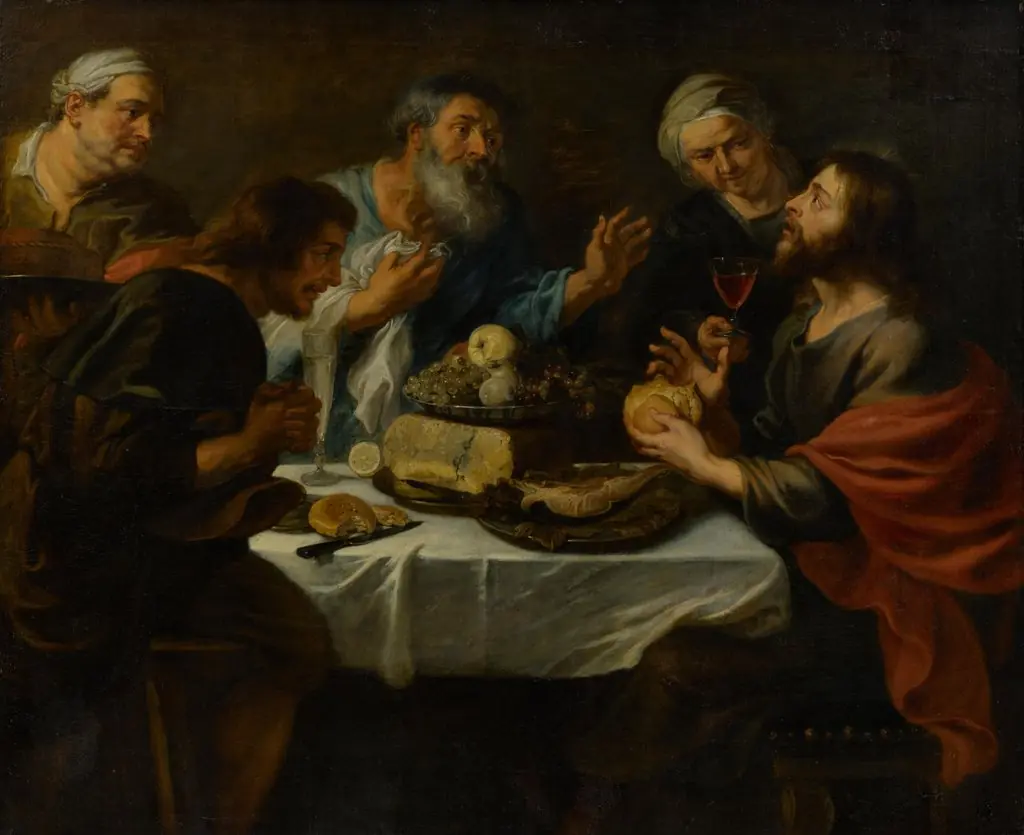
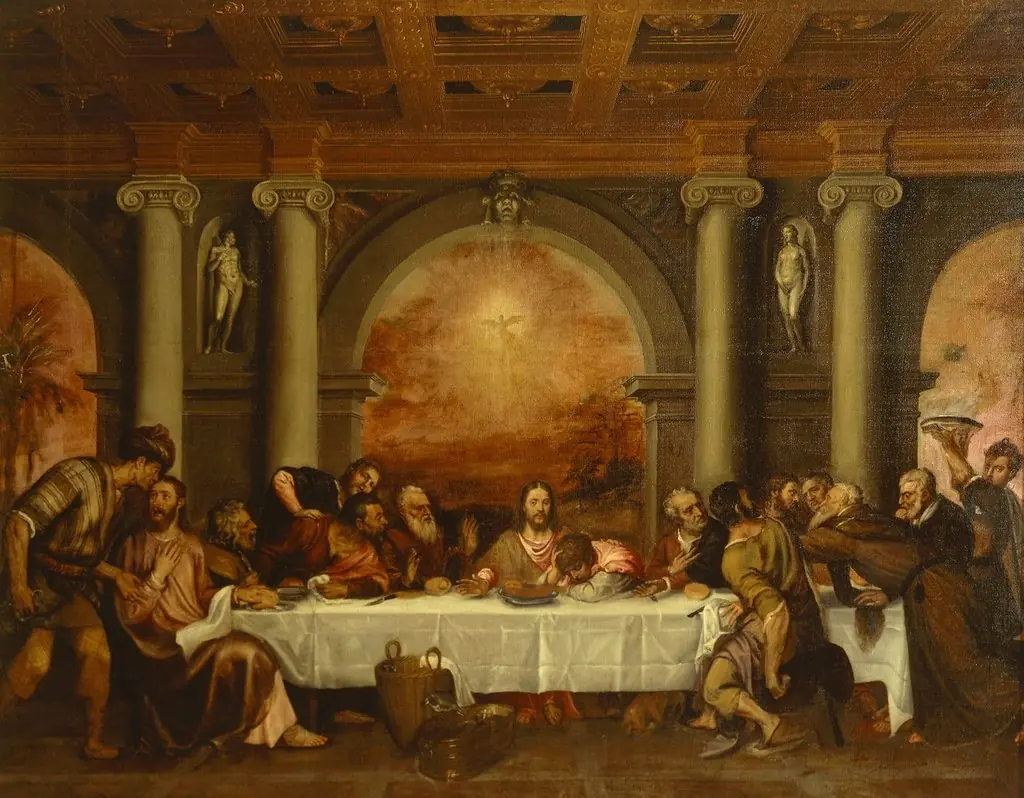
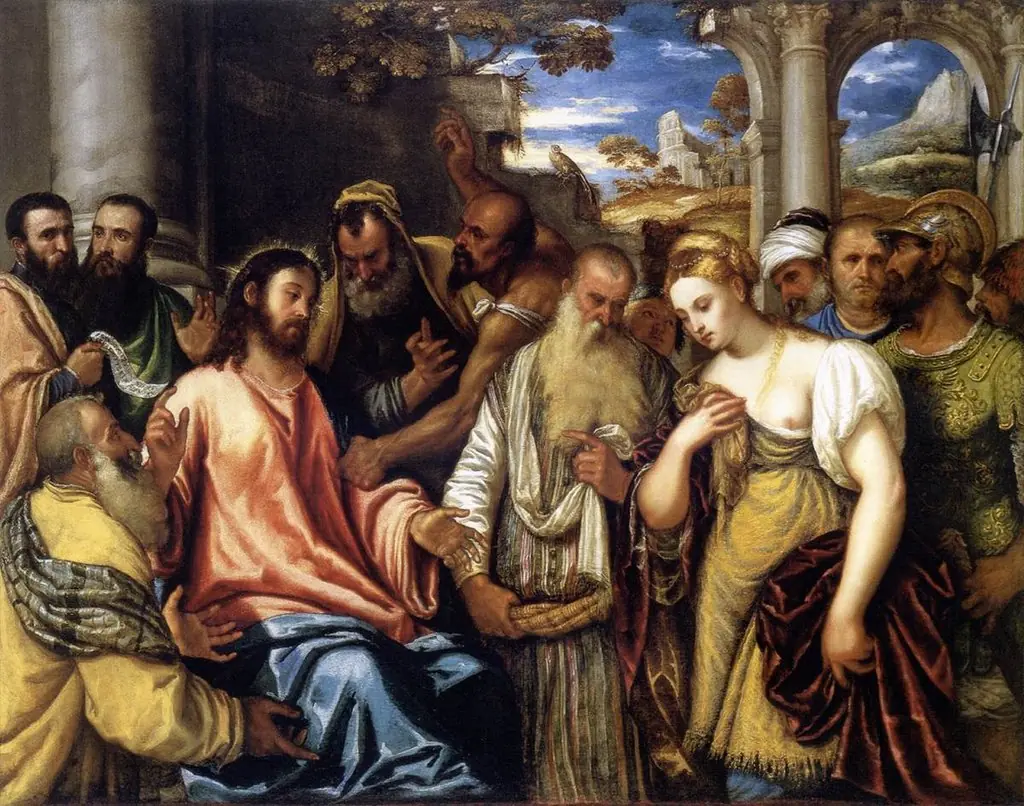
Anointing of Christ in Bethany is an oil painting by the Mannerist artist Polidoro da Lanciano. It dates from 1530 and is held in the collection of the Kunsthistorisches Museum.
About this work
Subject & Meaning
The composition focuses entirely on this sacred event, capturing the narrative significance of the anointing without incorporating extraneous secular elements.
The work illustrates the biblical episode of the Anointing of Jesus, a religious subject set in Bethany. Executed in oil on canvas, the painting visually narrates this specific moment from the Gospels where Christ is anointed, serving as a devotional image within the genre of religious art. The composition focuses entirely on this sacred event, capturing the narrative significance of the anointing without incorporating extraneous secular elements.
Technique & Style
Executed in 1530, this religious painting by Polidoro da Lanciano utilizes oil paint applied to a canvas support. The work measures 68 cm in height and 94 cm in width. As a depiction of the Anointing of Jesus, the piece is classified within the genre of religious art.
The composition reflects the stylistic approaches associated with the artist's output during the early sixteenth century, rendered through the fluid capabilities of the oil medium on fabric.
History & Provenance
The painting was created in 1530 by Polidoro da Lanciano in oil on canvas, a date consistent across both sources.
Its documented ownership chain begins with Bartolomeo della Nave, from whom it passed to Archduke Leopold Wilhelm of Austria before entering the collection of the Kunsthistorisches Museum, where it is currently held.
The sources do not specify the circumstances of the original commission, the patron for whom the work was first produced, or any intermediate owners between della Nave and Leopold Wilhelm.
The painting Anointing of Christ in Bethany by Polidoro da Lanciano is held in the collection of the Kunsthistorisches Museum in Vienna. Historical records indicate the work was previously owned by Bartolomeo della Nave before passing to Archduke Leopold Wilhelm of Austria, who eventually bequeathed it to the museum. The provided sources do not list a specific inventory or accession number for the work, nor do they detail any exhibition history.
Context
The Anointing of Christ in Bethany by Polidoro da Lanciano was painted in 1530 as an oil work on canvas. It entered a private collection held by Bartolomeo della Nave before being acquired by Archduke Leopold Wilhelm of Austria, and today it is displayed at the Kunsthistorisches Museum. Art historians place the composition within the Counter-Reformation emphasis on devotional imagery and note its influence on later Baroque treatments of sacred scenes.
Legacy
Polidoro da Lanciano’s 1530 oil painting Anointing of Christ in Bethany entered multiple private collections before entering the Kunsthistorisches Museum, influencing scholarly interpretations of Counter‑Reformation religious art. Its provenance through Bartolomeo della Nave and Archduke Leopold Wilhelm contributed to the work’s documented impact on later religious paintings, establishing a precedent for narrative composition in the genre.
Overview
Painted in 1530 by Polidoro da Lanciano, an Italian artist from Lanciano, this oil-on-panel work captures the biblical moment of Christ’s anointing in Bethany. Executed during the early Mannerist period, the painting reflects a shift from High Renaissance harmony toward more expressive, emotionally charged compositions. It is now held in the collection of the Kunsthistorisches Museum in Vienna, where it remains a rare surviving example of the artist’s early career.
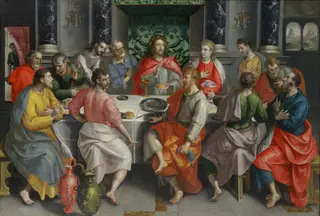
Artist & collection
Artist
Polidoro de Rienzo da Lanciano (Lanciano, 1515–1565) was an Italian painter. Relatively little is known of his life. He was born in Lanciano, a town that is a few miles inland from Ortona, a port on the Adriatic Sea.…

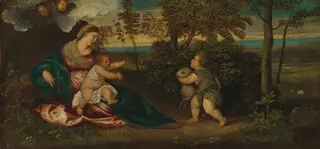 Madonna and Child and the Infant Saint John in a Landscape
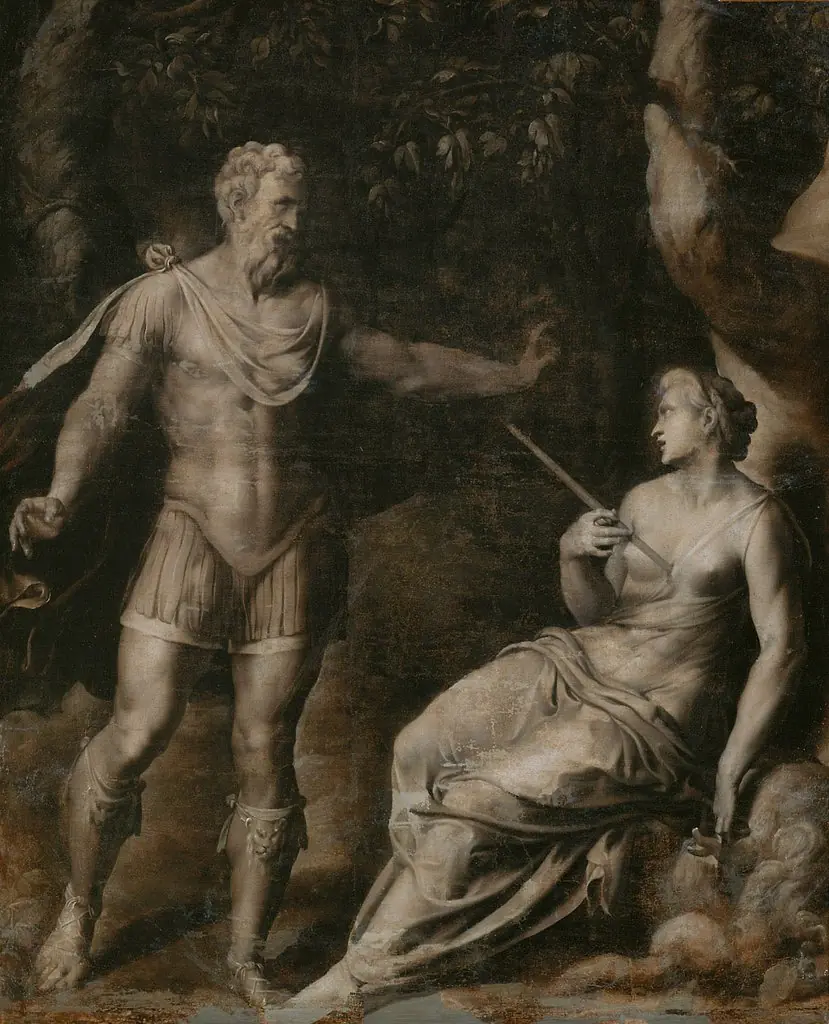 Cephalus und Procris
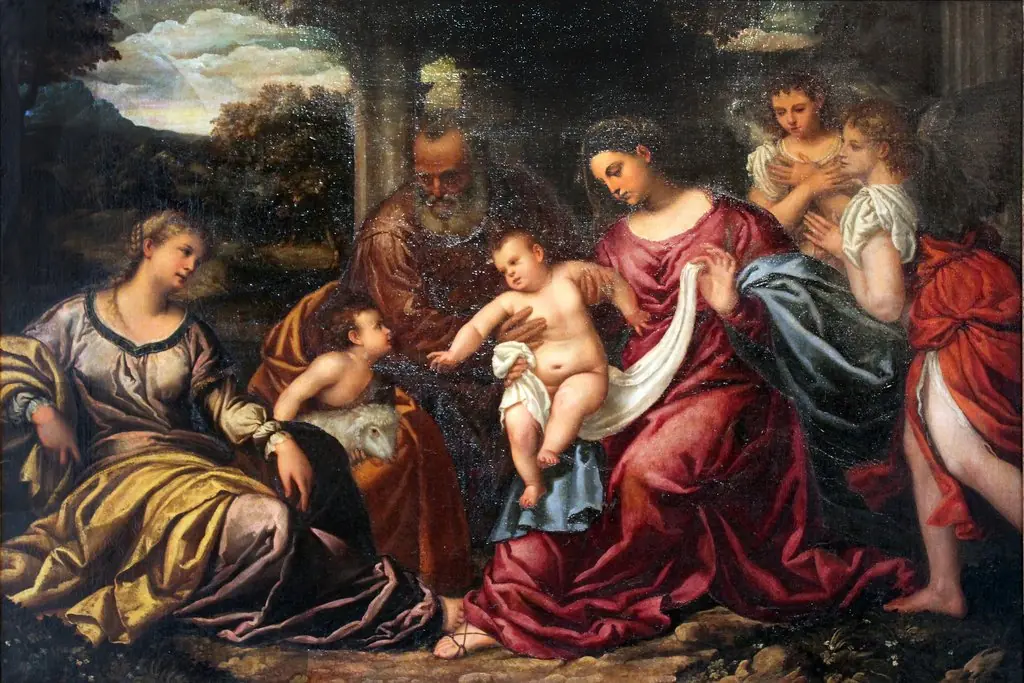 The Holy Family
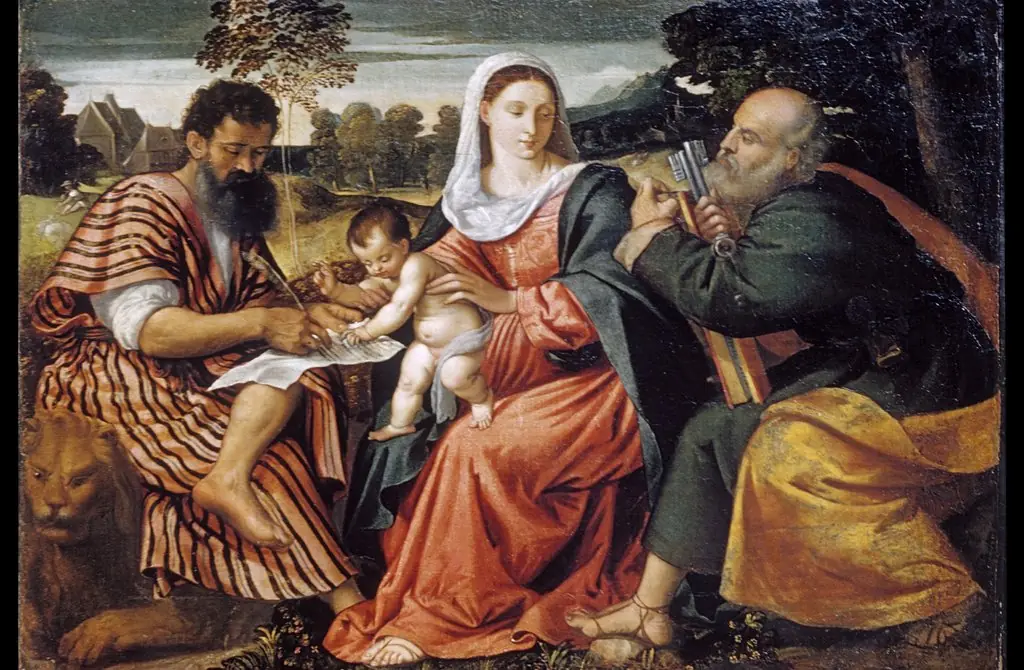 Madonna and Child with Saints Mark and Peter
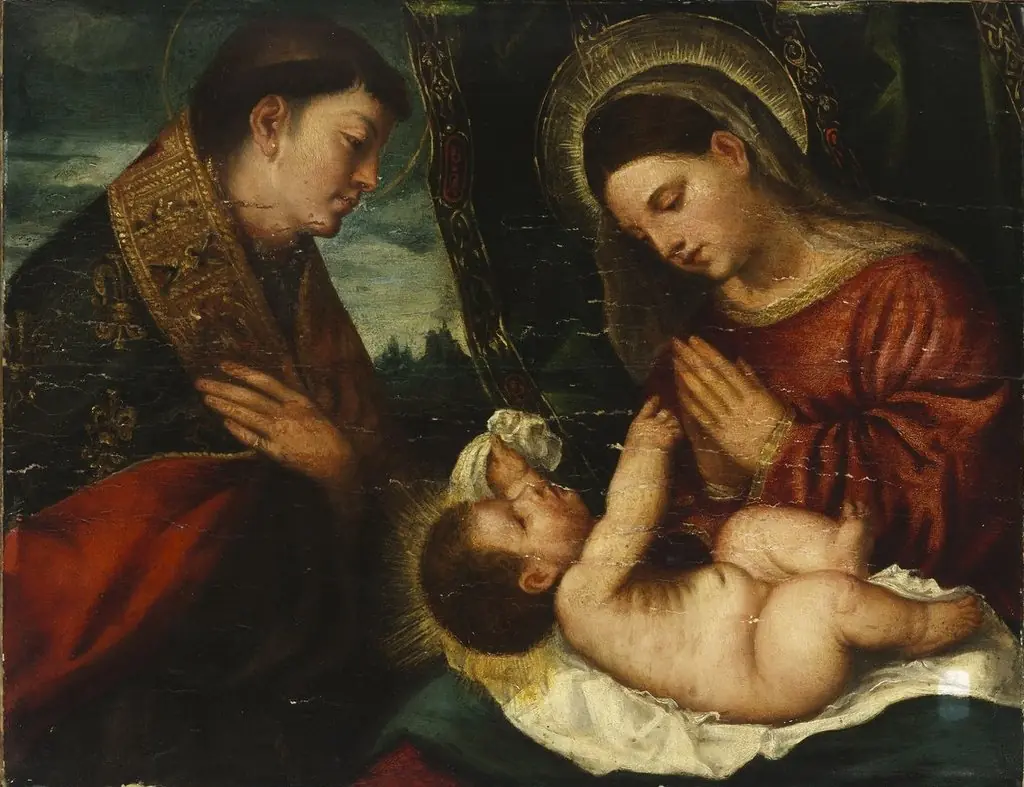 Madonna and Child with Saint Louis of Toulouse
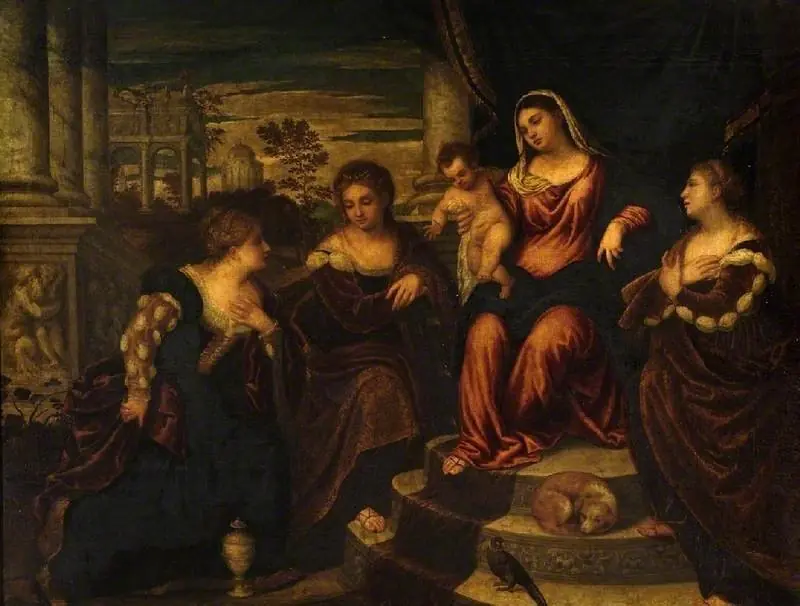 Virgin and Child with SS. Catharine, Mary Magdalene and Barbara
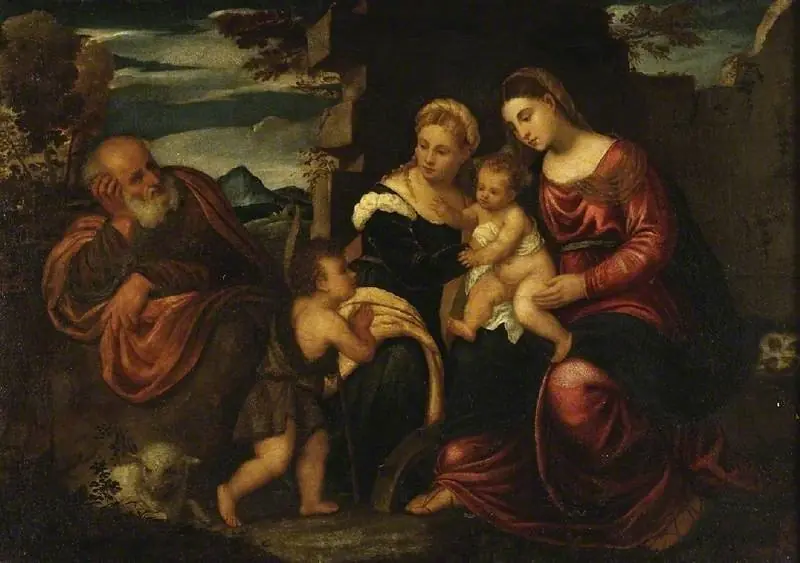 Holy Family with the infant St John Baptist and St Catherine
 Christ and the Woman in Adultery