Artwork
The Sacrament of the Holy Eucharist
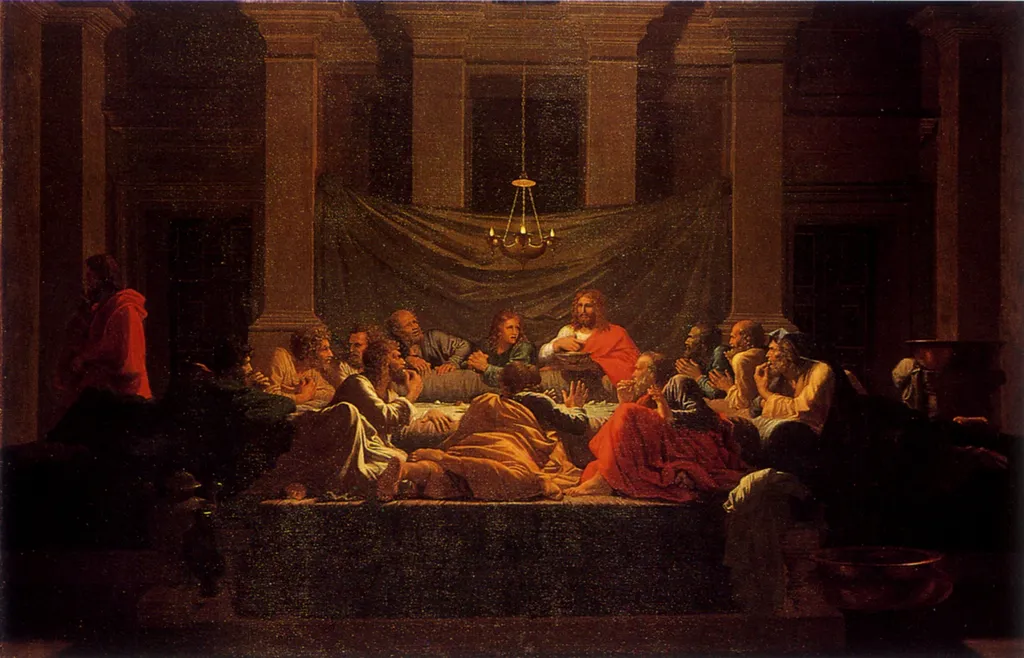
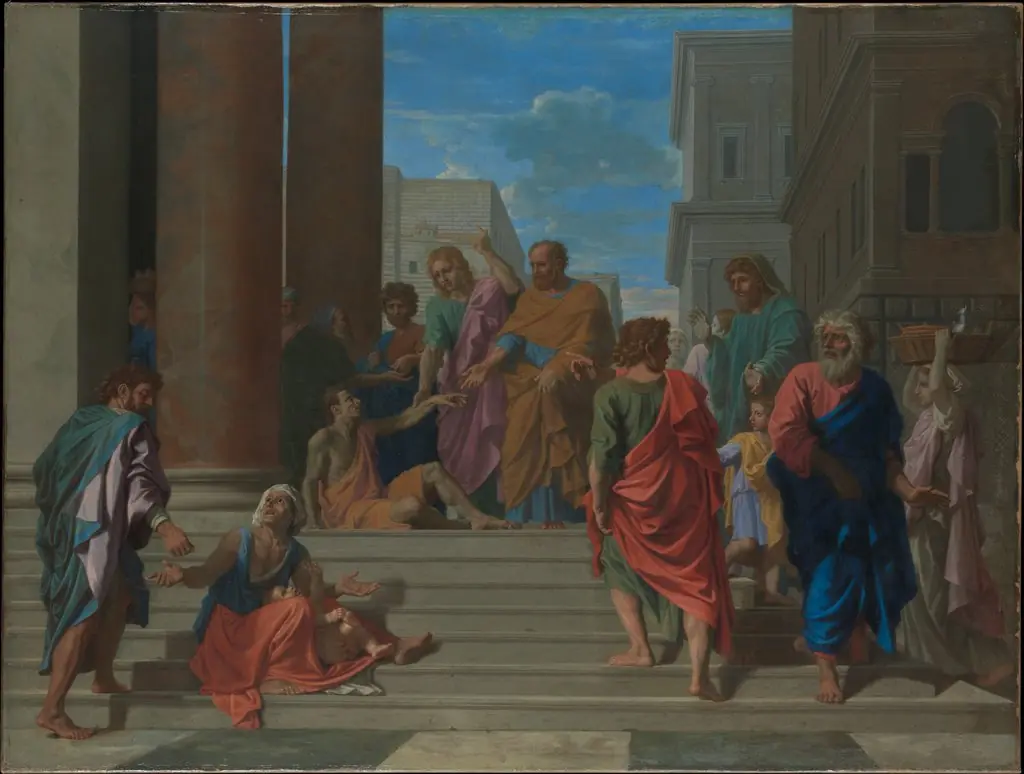
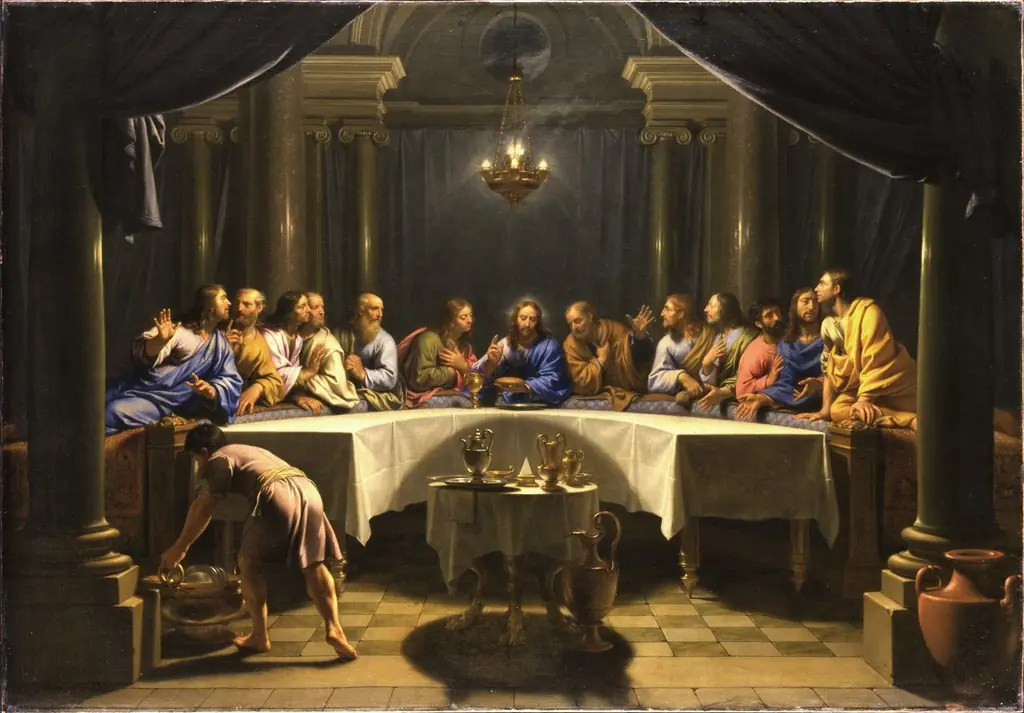
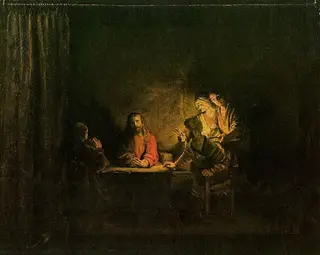
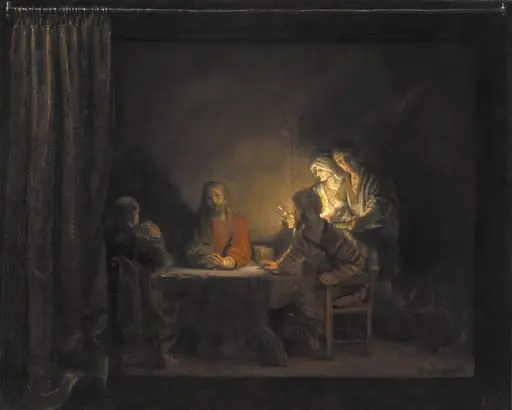
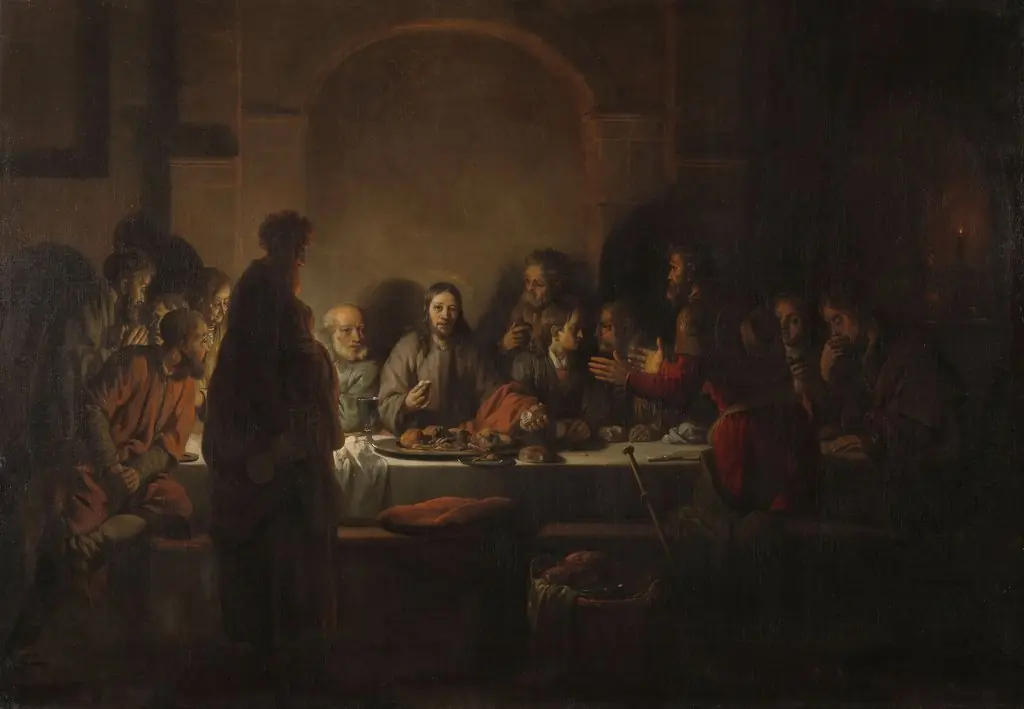
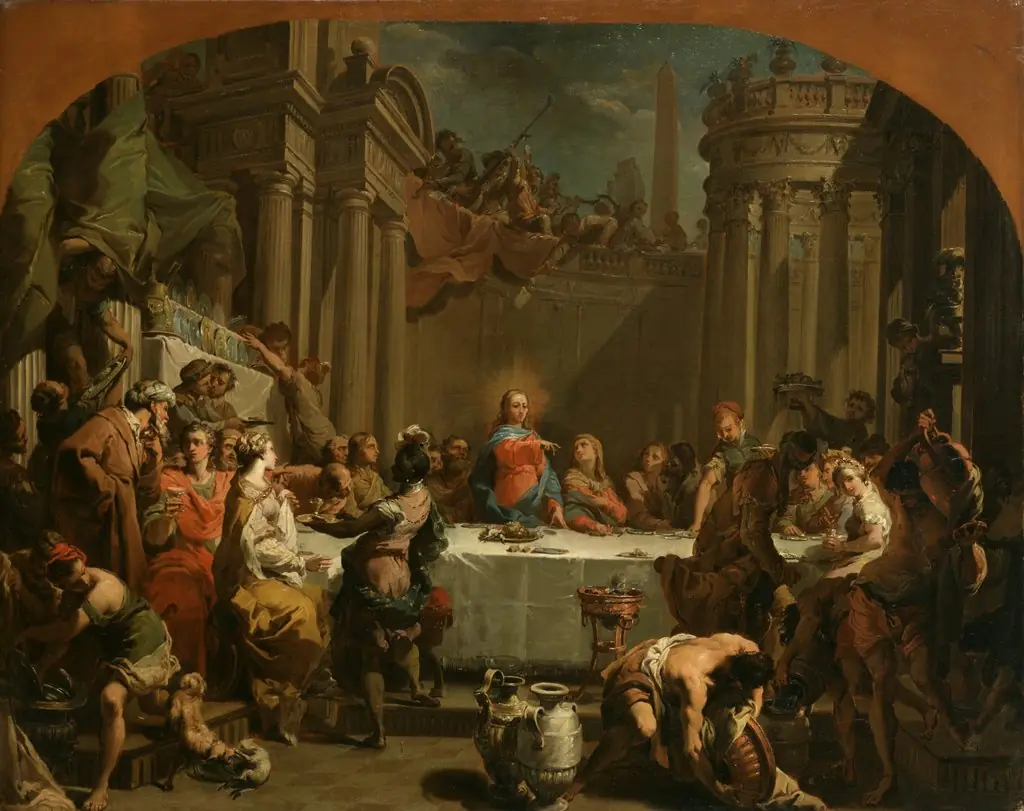
The Sacrament of the Holy Eucharist is an oil painting by the Early Baroque Italian artist Nicolas Poussin. It dates from 1647 and is held in the collection of the National Galleries Scotland.
About this work
Overview
Commissioned for a private chapel, it was later acquired by the Scottish National Gallery, where it remains today.
Painted in 1647 by Nicolas Poussin, this oil-on-canvas work illustrates a moment from the Christian Eucharist. Commissioned for a private chapel, it was later acquired by the Scottish National Gallery, where it remains today. The composition centers on a ritual gathering, rendered with deliberate stillness and spatial clarity, distinguishing it from the more dynamic Baroque tendencies of Poussin’s contemporaries.
Subject & Meaning
The scene depicts the consecration of the Eucharist, with a central figure raising the host as disciples and clergy observe in quiet reverence. No overt miracles or celestial elements are shown; instead, the sacred moment is conveyed through gesture and arrangement. The figures’ subdued expressions and formal postures emphasize contemplation over drama, aligning with theological ideals of solemnity and inner devotion.
Technique & Style
Poussin employs chiaroscuro to model forms with precision, using soft transitions between light and shadow to define volume without theatricality. The stone architecture frames the scene with geometric order, while the drapery of robes is rendered with careful attention to weight and fold. Color is restrained, earthy tones dominate, enhancing the painting’s quiet intensity and classical restraint.
History & Provenance
Commissioned by the French nobleman Jean Pointel, the painting was originally intended for his private chapel in Paris. After Pointel’s death, it passed through private collections before entering the Scottish National Gallery in the 19th century. Its journey reflects the broader movement of French classical works into British collections during the Enlightenment and early Victorian eras.
Context
Created during Poussin’s mature period in Rome, the work reflects his engagement with ancient Roman architecture and Renaissance humanism. While contemporaries like Caravaggio emphasized emotional immediacy, Poussin sought intellectual harmony, drawing on biblical texts and classical precedent to structure his narratives. This painting exemplifies his belief in art as a vehicle for moral and spiritual clarity.
Legacy
The painting influenced later neoclassical artists through its disciplined composition and restrained emotion. It remains a key example of Poussin’s ability to merge theological gravity with formal rigor. Unlike more flamboyant Baroque works, its enduring impact lies in its quiet authority and the enduring appeal of its ordered, contemplative vision.
Artist & collection
Artist
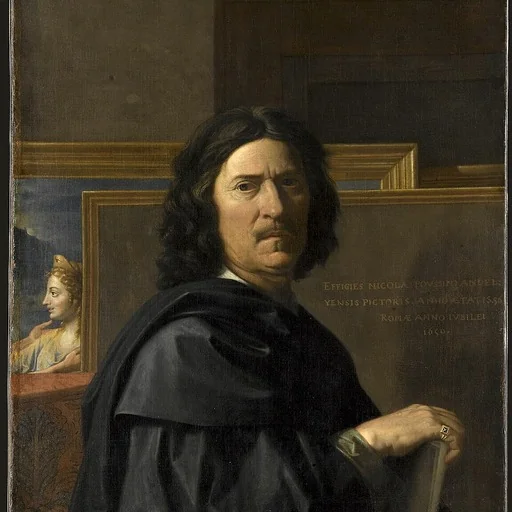
Nicolas Poussin (UK: US: French:; June 1594 – 19 November 1665) was a leading painter of the classical French Baroque style, although he spent most of his working life in Rome.