Artwork
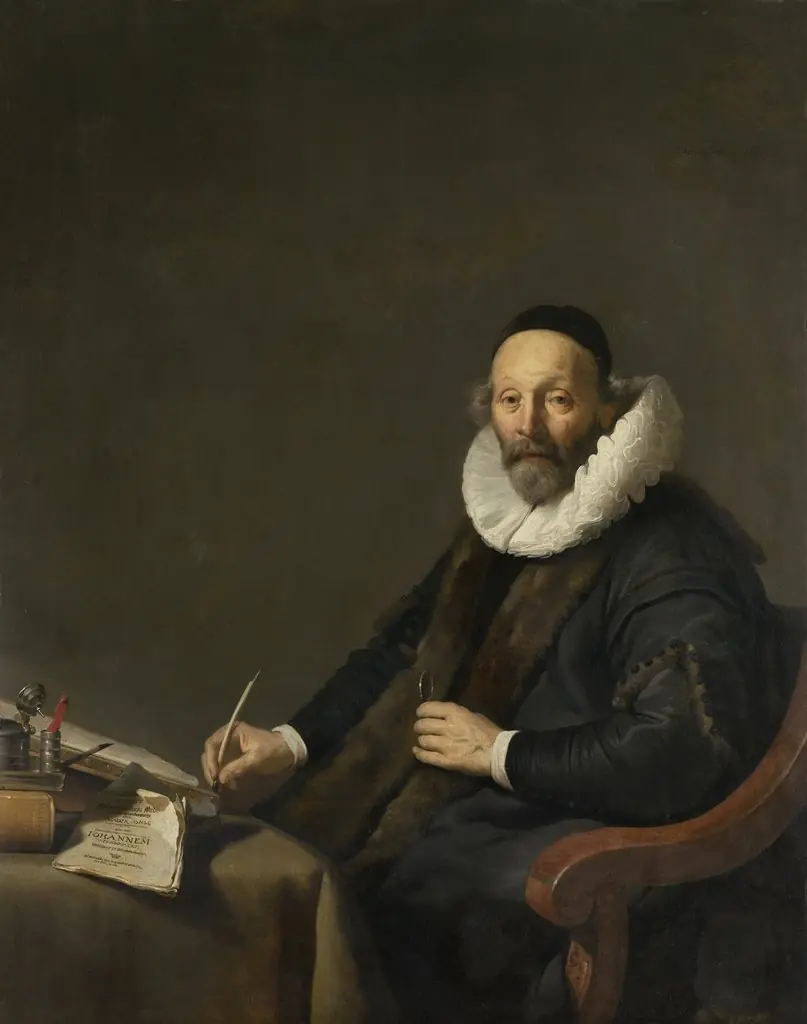
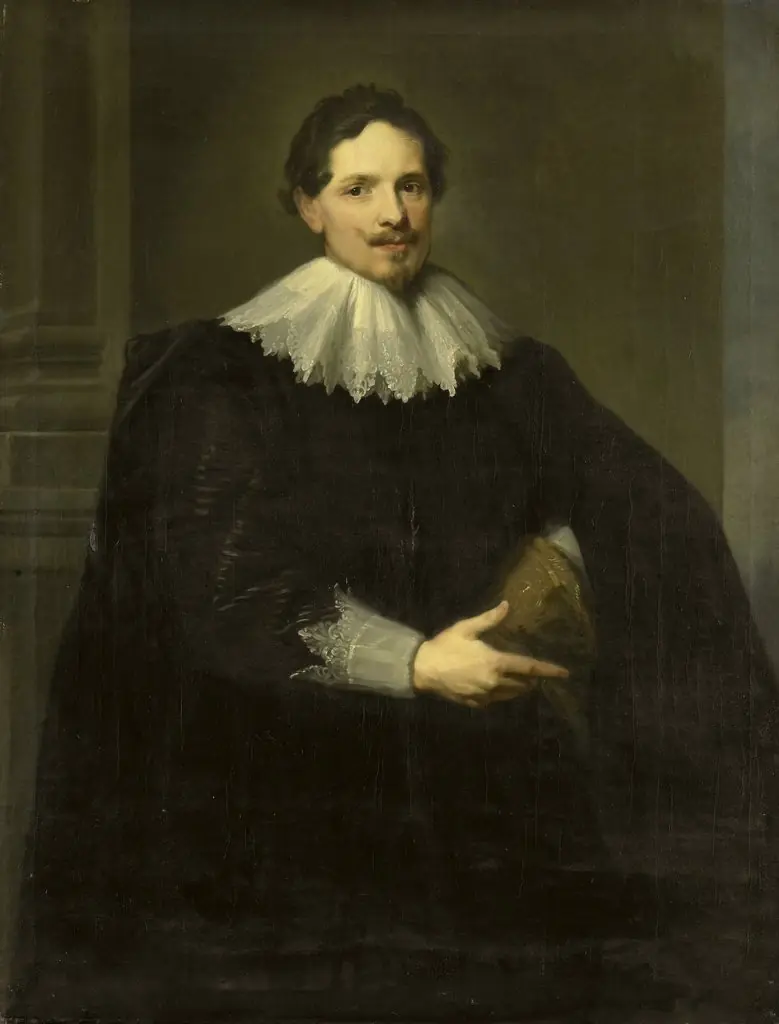
Kalligrafi Lieven Willemsz van Coppenol, kopio Rembrandtin mukaan
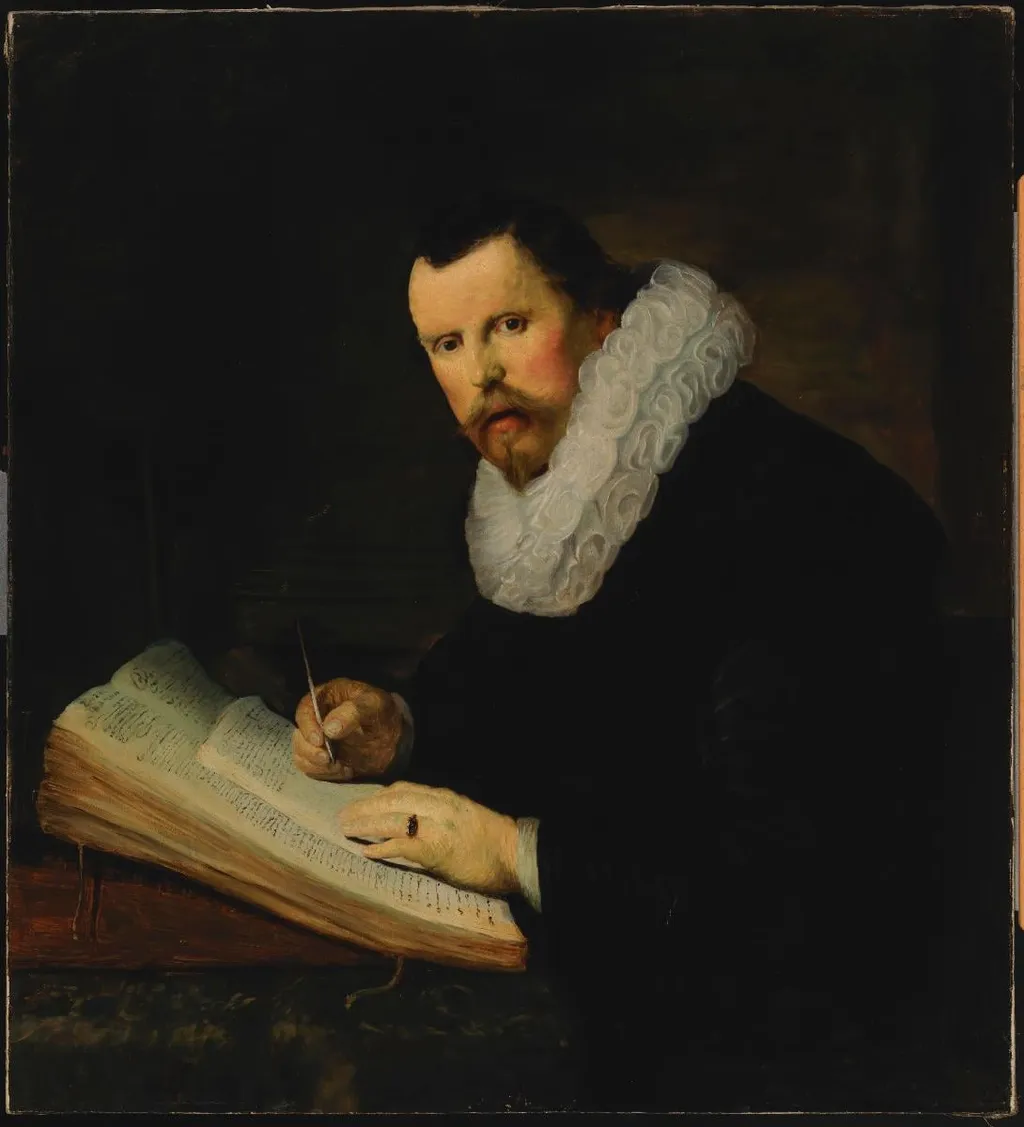
Kalligrafi Lieven Willemsz van Coppenol, kopio Rembrandtin mukaan is an unspecified painting by the Contemporary Realist artist Hanna Rönnberg. It dates from 1912 and is held in the collection of the Finnish National Gallery.
About this work
Overview
Painted around 1912 by Hanna Rönnberg, this work is a deliberate emulation of Rembrandt’s portraiture style.
Painted around 1912 by Hanna Rönnberg, this work is a deliberate emulation of Rembrandt’s portraiture style. It depicts a bearded man engaged in writing, surrounded by an atmosphere of quiet concentration. Though executed in the early 20th century, the composition and lighting reflect 17th-century Dutch conventions, positioning the piece as a study in historical technique rather than an original invention.
Subject & Meaning
The figure is shown in the act of writing, his quill hovering over a page densely covered in musical notation. The focus on notation suggests an intellectual or artistic pursuit, possibly referencing the tradition of scholarly scribes or composers. The absence of identifying marks leaves the subject anonymous, emphasizing the universal gesture of creation over individual identity.
Technique & Style
Rönnberg employs chiaroscuro to model the man’s face and hands, using deep shadows and sharp highlights to create volume and drama. The white lace collar catches the light, contrasting with the dark, indistinct background. The brushwork is controlled yet expressive, mirroring Rembrandt’s approach to texture and light, particularly in the rendering of fabric and skin.
History & Provenance
The painting was created by Hanna Rönnberg, a Swedish artist known for her interest in historical styles. It was not commissioned as a portrait but conceived as a tribute to Rembrandt’s aesthetic. Its origins lie in late 19th- and early 20th-century European artistic circles that valued technical homage to Old Masters, particularly among women artists seeking formal training through emulation.
Context
During the early 1900s, many artists revisited Renaissance and Baroque techniques as a counterpoint to emerging modernist trends. Rönnberg’s work aligns with this revivalist impulse, particularly among Scandinavian painters who studied in the Netherlands. The choice of musical notation may reflect broader cultural interest in the intersection of visual art and music during this period.
Legacy
This painting stands as a quiet example of artistic dialogue across centuries. It does not seek to replace Rembrandt’s originals but to engage with his methods, preserving his visual language in a new era. Rönnberg’s work contributes to the understanding of how historical styles were studied, adapted, and kept alive by later generations of artists outside the Dutch tradition.
Artist & collection

Artist
Johanna (Hanna) Sofia Rönnberg was a Finnish artist and writer. She belonged to the generation of women painters in the 1880s who adopted the French Realism style, becoming an active member of the Önningeby artists…

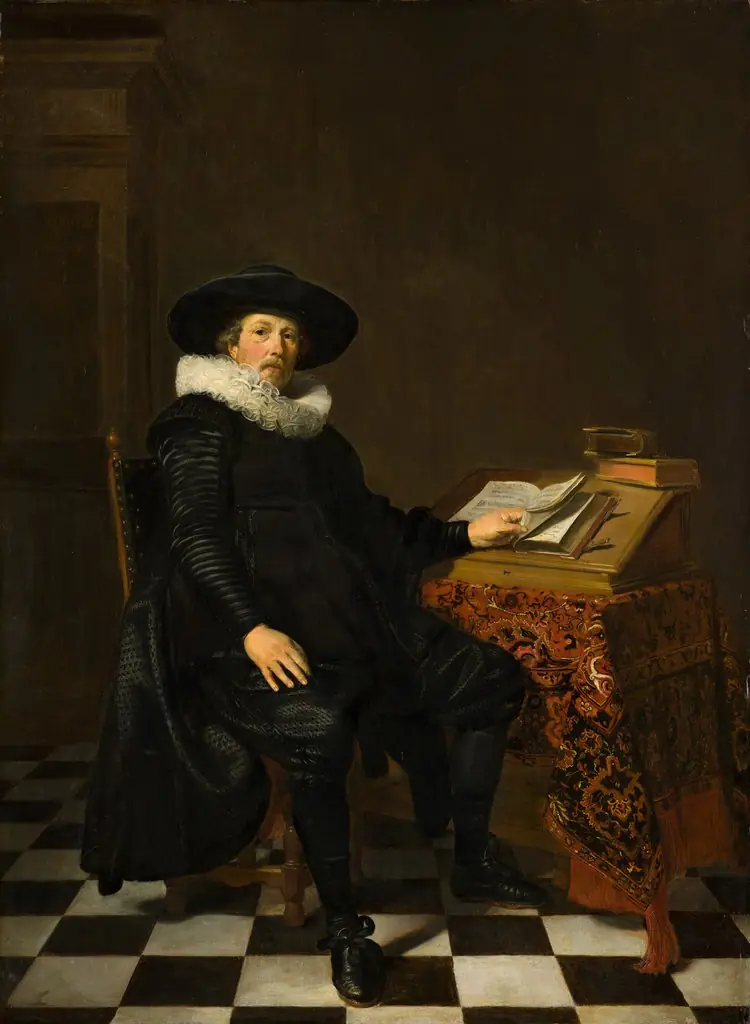
- Portrait of a Man at a Writing Desk, possibly Jacob Bruyningh
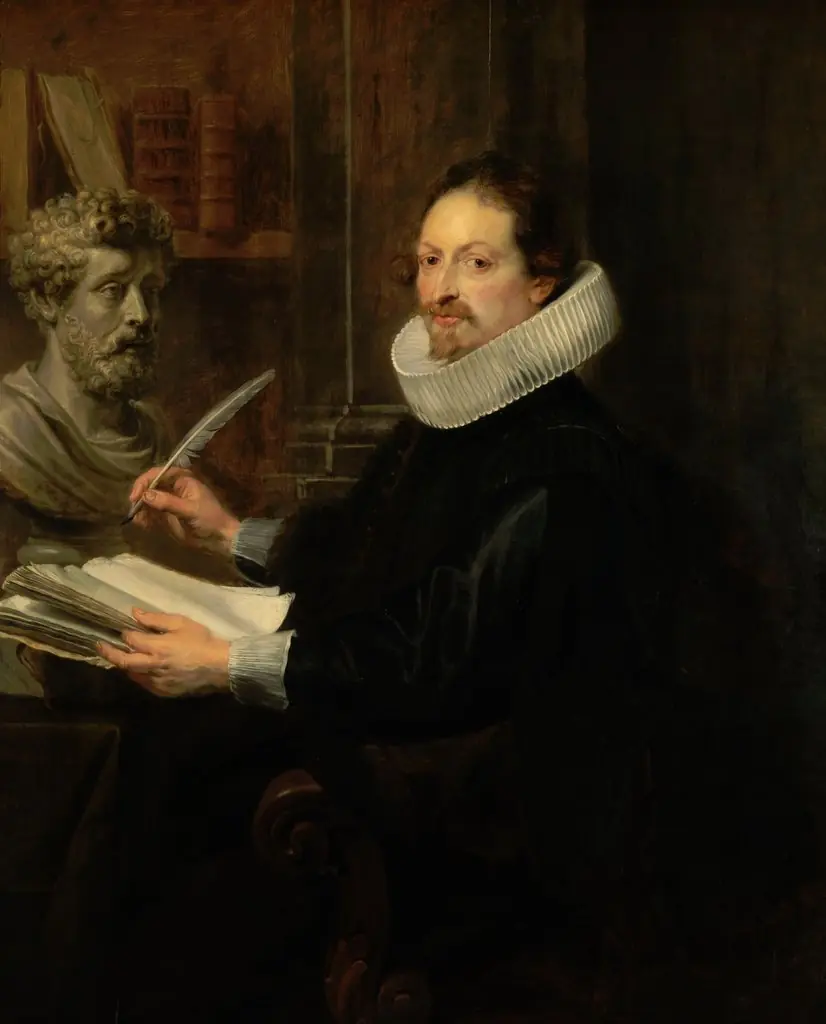 Joannes Gaspard Gevartius, (1593-1666)
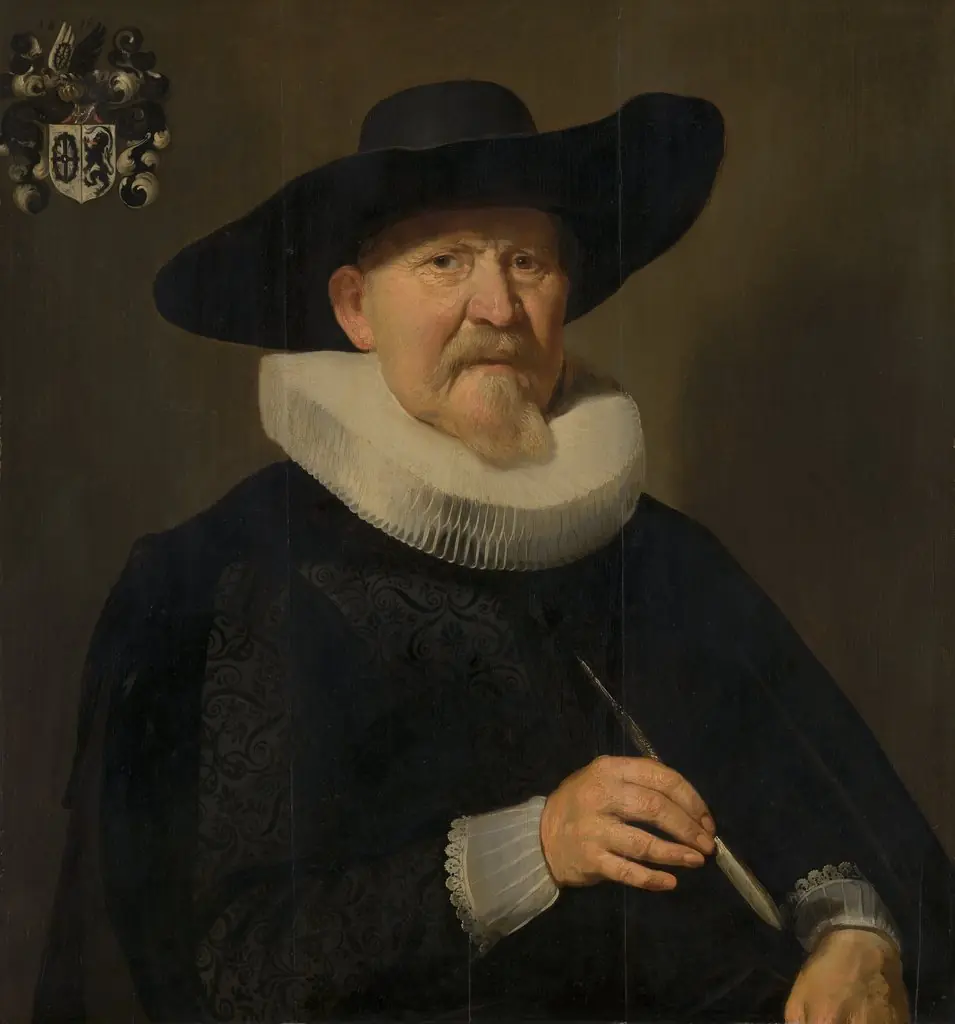 Portrait of a Man, probably Hans van Hogendorp
 Johannes Uyttenbogaert (1557-1644). Remonstrant minister in The Hague
 Portrait of a Scholar
 Portrait of Johannes Wtenbogaert
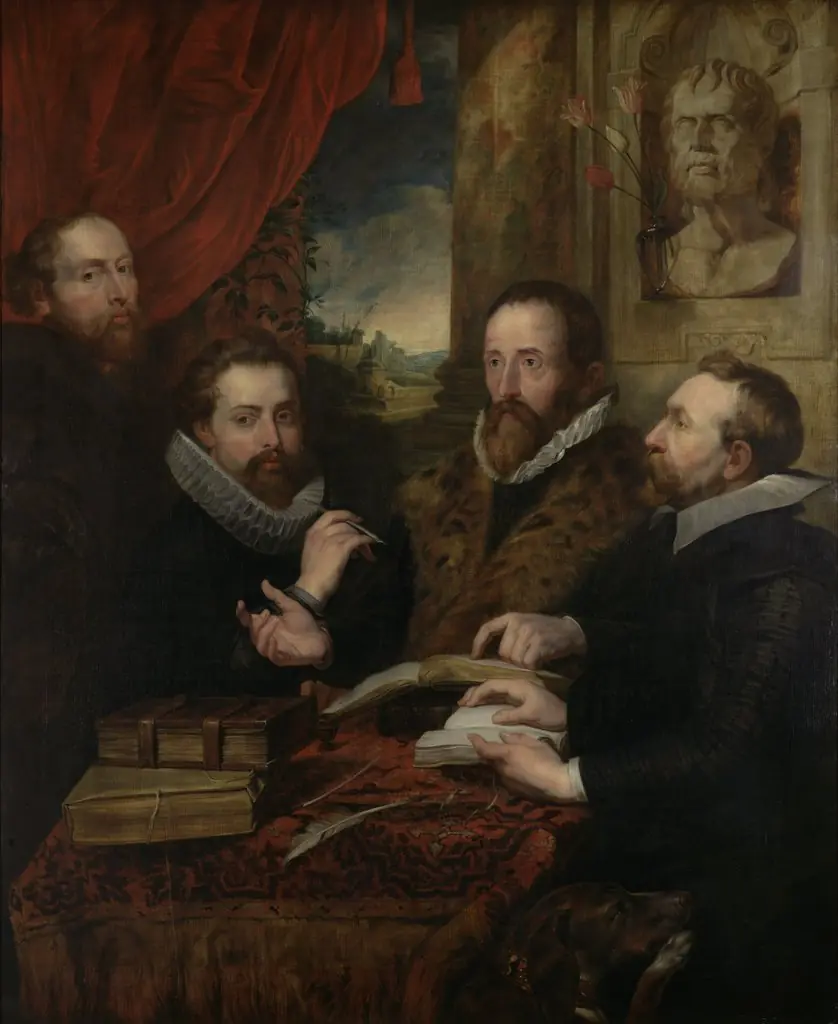 Four Philosophers
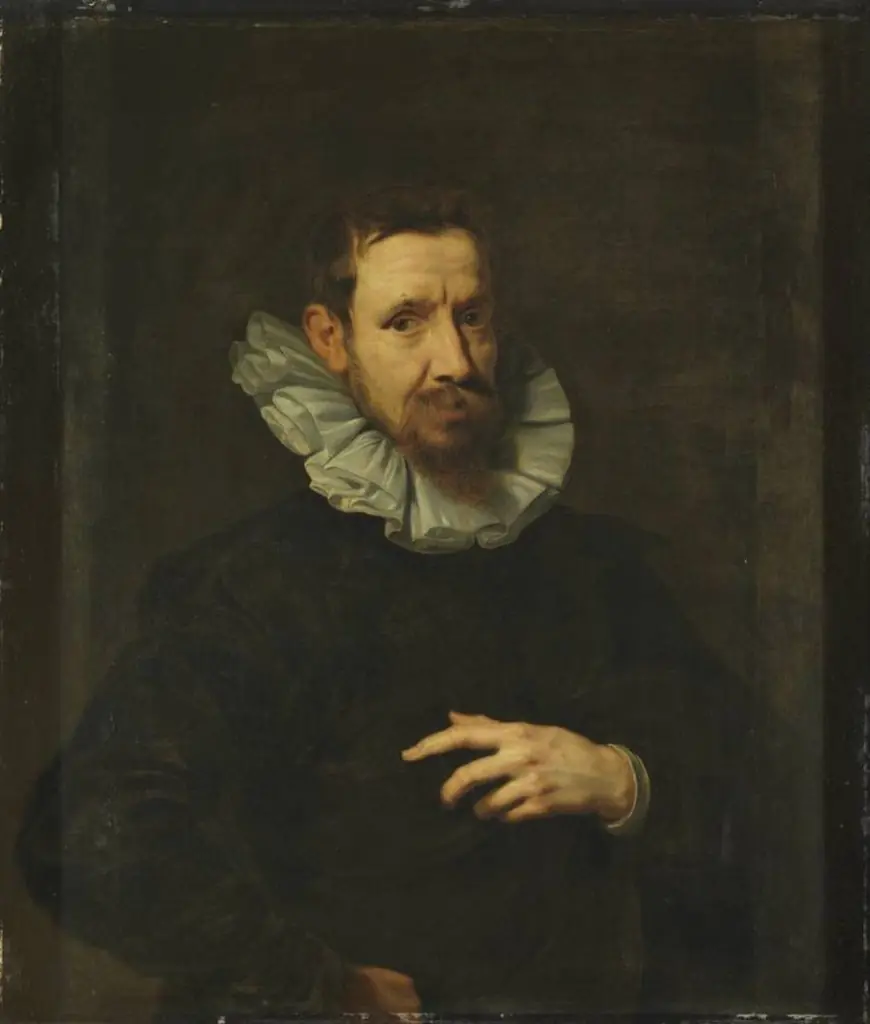 Portrait of the painter Jan Brueghel
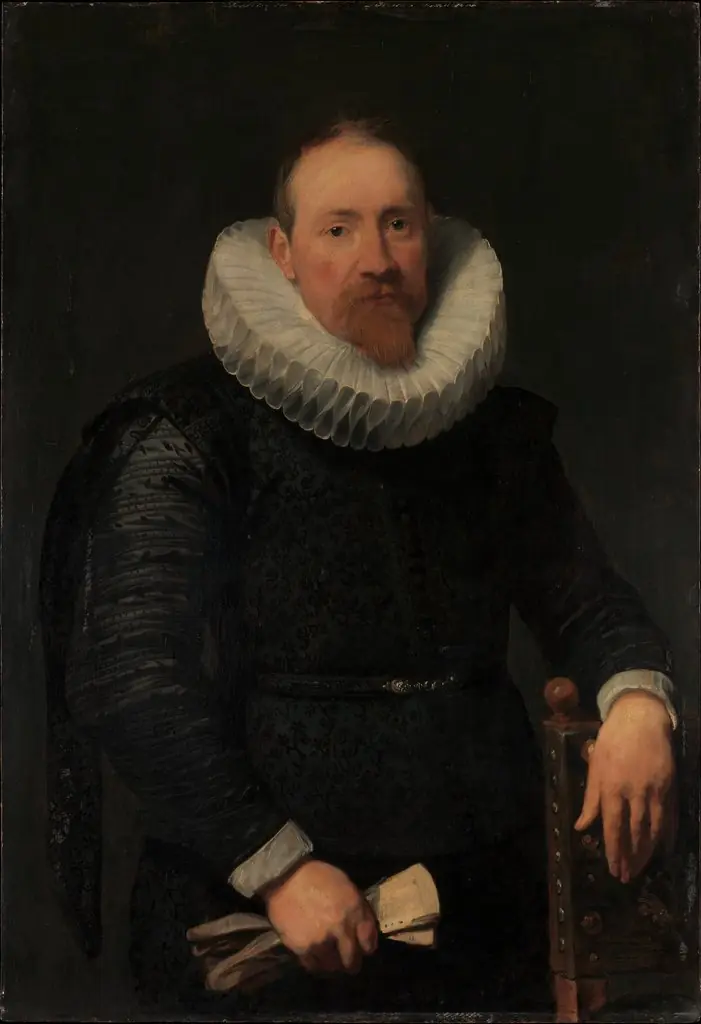 Portrait of a Man
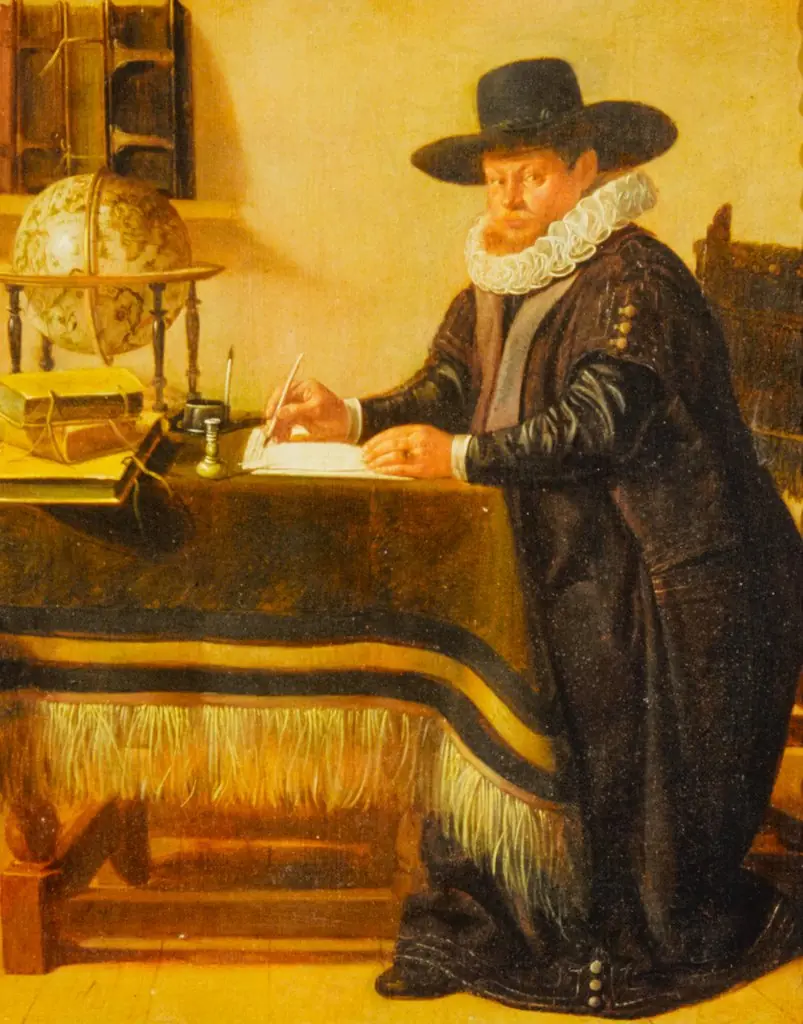 Portrait of Johan van Beverwijck (1594-1647) in his Study
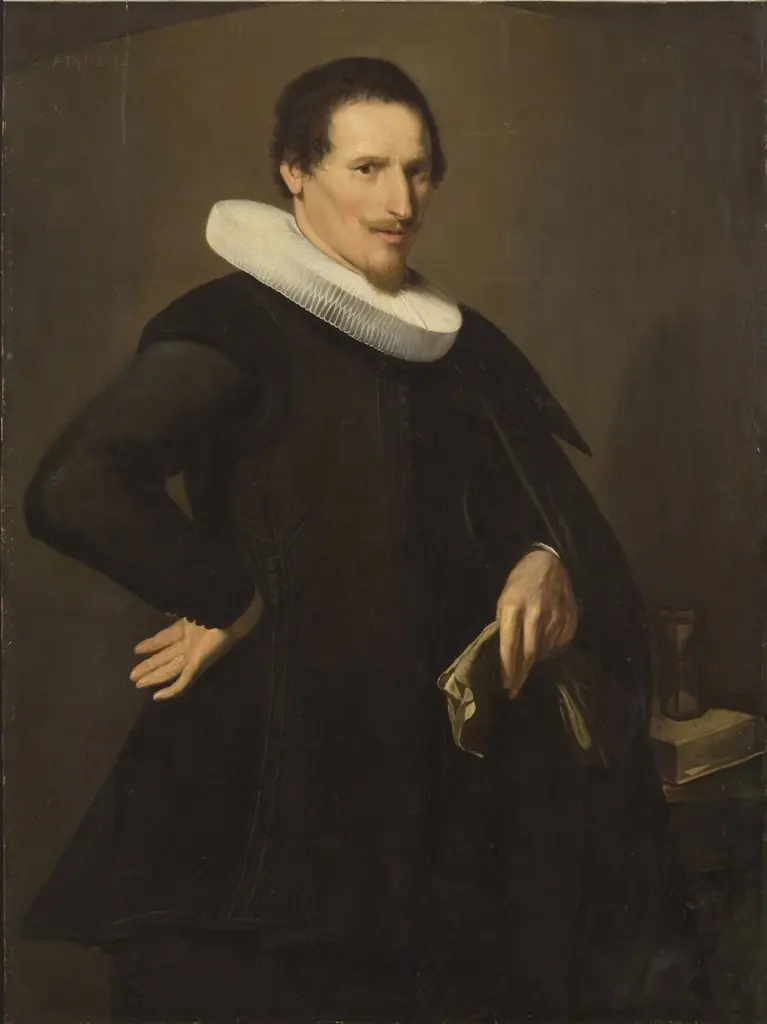 Portrait of Pieter de la Court
 Sebastiaan Leerse, Antwerp Merchant