Artwork
Von der Ropp Madonna
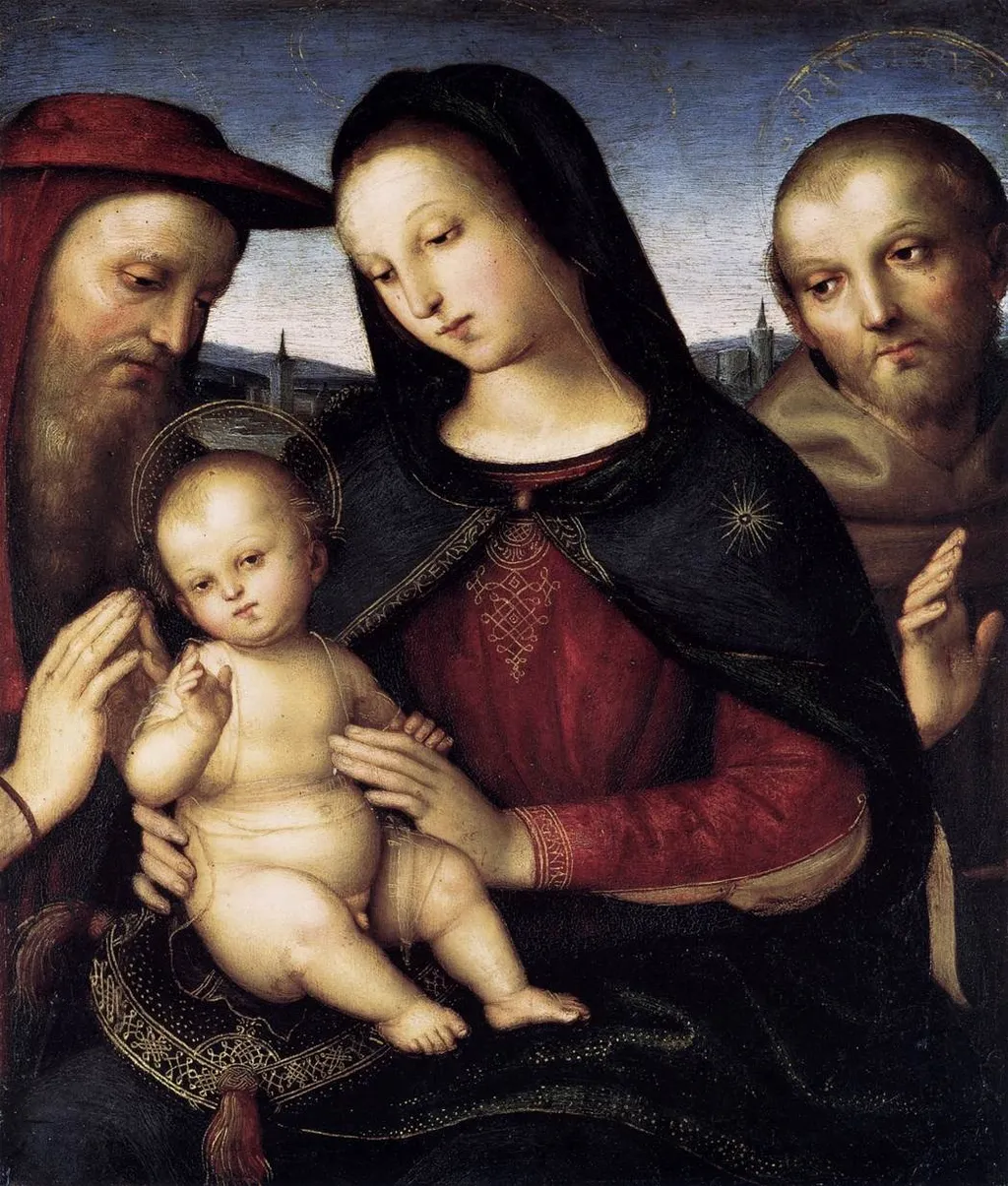
Von der Ropp Madonna is an oil painting by the High Renaissance artist Raphael. It dates from 1500 and is held in the collection of the Gemäldegalerie Berlin.
About this work
Subject & Meaning
Traces of Pinturicchio's influence appear in the golden decorative motifs and in the Virgin's pose, recalling works such as the Madonna della Pace.
The painting presents the Madonna and Child as its central subject, with the Virgin Mary shown half-length, the Christ Child seated in her lap. Flanking the pair are two saints identified as Jerome and Francis of Assisi. Saint Jerome appears in the role of a praying cardinal, while Saint Francis is depicted in his Franciscan habit.
The arrangement places the Virgin and Child between the two saints, a devotional pairing that brings together contemplative learning and mendicant humility around the holy family.
The composition and the figures' physiognomies follow the models established by Perugino, yet the work is interpreted with austere simplicity. Traces of Pinturicchio's influence appear in the golden decorative motifs and in the Virgin's pose, recalling works such as the Madonna della Pace. The background opens onto a distant landscape with views of a city, lending atmospheric depth to the sacred encounter. The overall color and chiaroscuro lend the scene the splendor and depth associated with the young Raphael.
Technique & Style
The work is executed in oil paint on a poplar panel measuring 34 by 29 centimeters. It depicts the Virgin Mary holding the infant Christ, flanked by Saints Jerome and Francis, set against a distant landscape. The composition draws on Peruginesque models rendered with austere simplicity, while the rich coloration and deep chiaroscuro reflect Raphael’s early style.
Decorative gold motifs and the figure’s pose echo motifs found in Pinturicchio’s works, such as the Madonna della Pace. The painting has undergone extensive restoration at an unspecified date and is housed in the Gemäldegalerie Berlin.
History & Provenance
The painting, dated between 1500 and 1504, was historically held in the Borghese collection in Rome. In 1829, the work was transferred from this private holding to Frederick William III, King of Prussia. While the attribution to Raphael is generally undisputed, scholar Claudio Gamba proposed an earlier date of 1499 and suggested the design originated with Pinturicchio.
Other experts, including Cavalcaselle and Longhi, also identified stylistic influences from Pinturicchio within the composition. The panel underwent extensive restoration at an unspecified time prior to its current residence in the Gemäldegalerie in Berlin.
The Von der Ropp Madonna has been held in the Gemäldegalerie in Berlin since the early nineteenth century. It was originally in the Borghese collection in Rome, from which it was ceded to the King of Prussia, Frederick William III, in 1829. It remains part of the Gemäldegalerie Berlin's holdings today.
No specific accession number or inventory entry is recorded in the available sources, and no exhibition history beyond this provenance is documented.
Context
The critical reception of the Von der Ropp Madonna emphasizes its debated dating and attribution clarity within the High Renaissance, with scholars like Claudio Gamba proposing an earlier 1499 execution based on a Pinturicchio drawing, while others align it with Raphael’s contemporaneous works such as the Madonna Solly. The painting’s stylistic analysis highlights youthful chiaroscuro and gold decorative motifs linked to Pinturicchio, situating it within Raphael’s early Roman period and his broader dialogue with contemporary religious imagery. Its placement in the Gemäldegalerie Berlin since 1829 underscores its significance as a canonical example of Raphael’s synthesis of Perugian composition and innovative spatial depth, influencing later Madonnas with saints.
Scholarship, including studies by De Vecchi (1975) and Franzese (2008), consistently frames the work as a pivotal transitional piece between early Umbrian models and Raphael’s mature synthesis of form and devotional narrative.
Overview
Created around 1500, the Von der Ropp Madonna is a tempera painting by Raphael that belongs to the High Renaissance period. The work is part of the collection of the Gemäldegalerie in Berlin and presents a quiet devotional scene set against a tranquil landscape with distant architecture and a clear sky.
Artist & collection
Artist
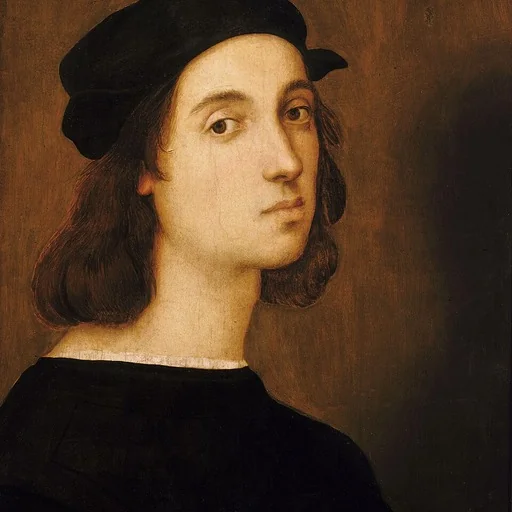
Raphael was born Raffaello Sanzio in Urbino on April 6, 1483, the son of Giovanni Santi, a painter and poet attached to the ducal court.


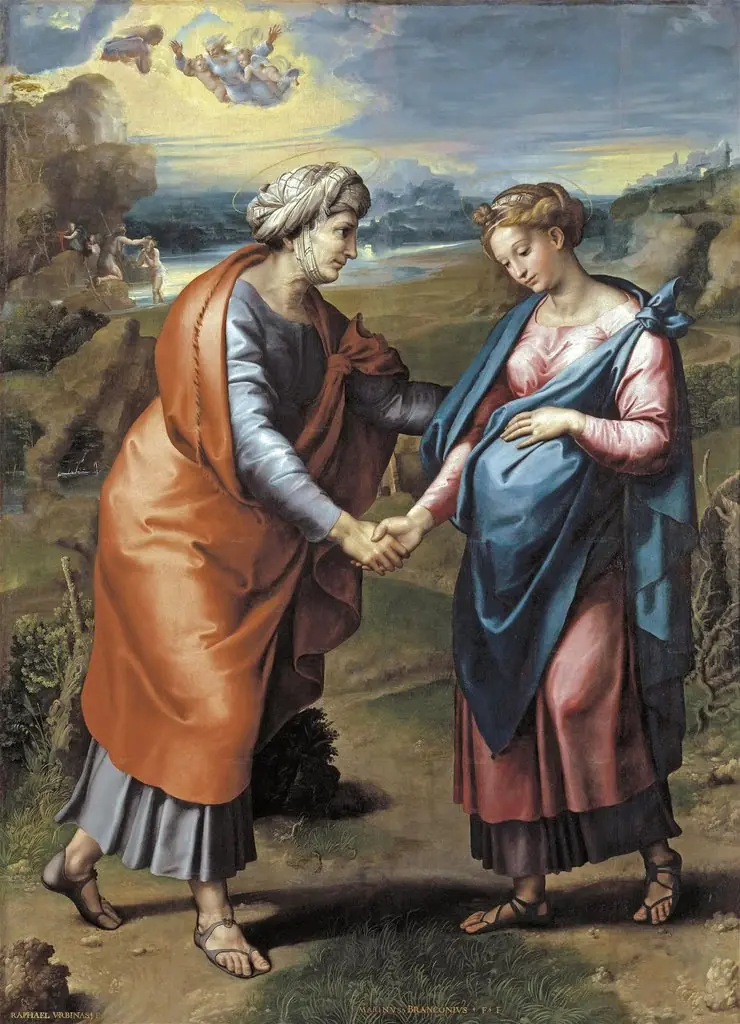
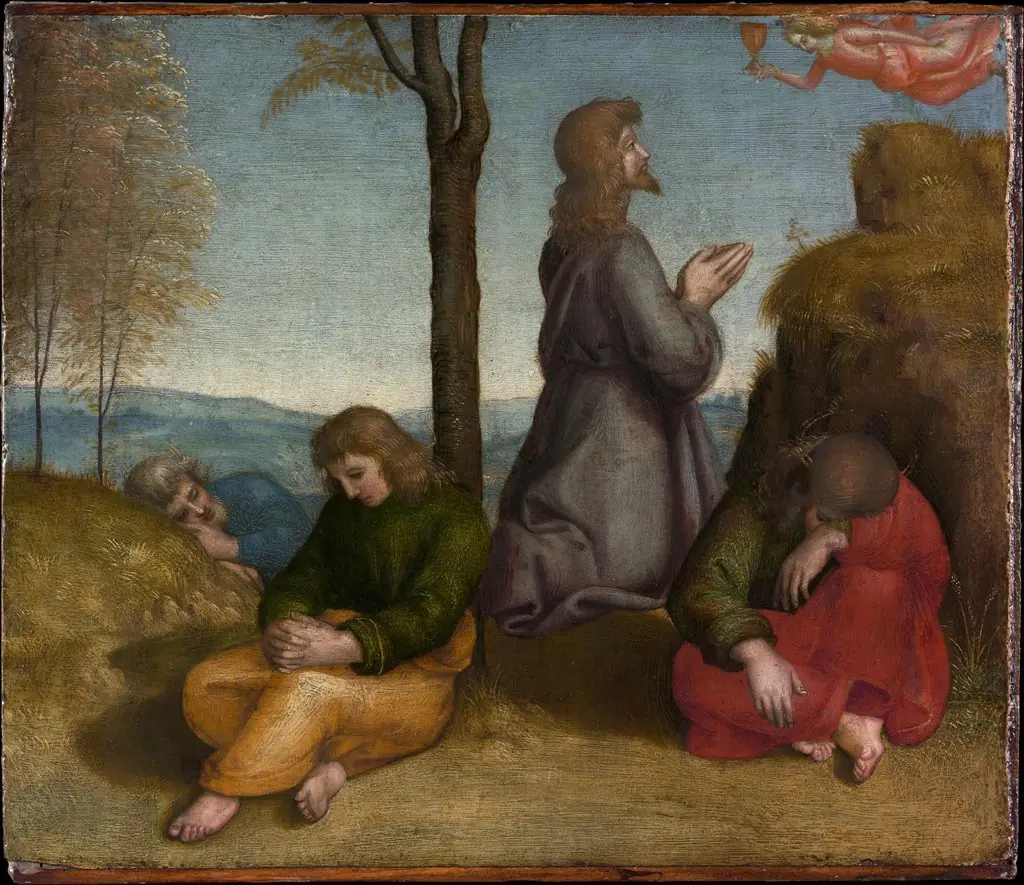
- The Holy Family
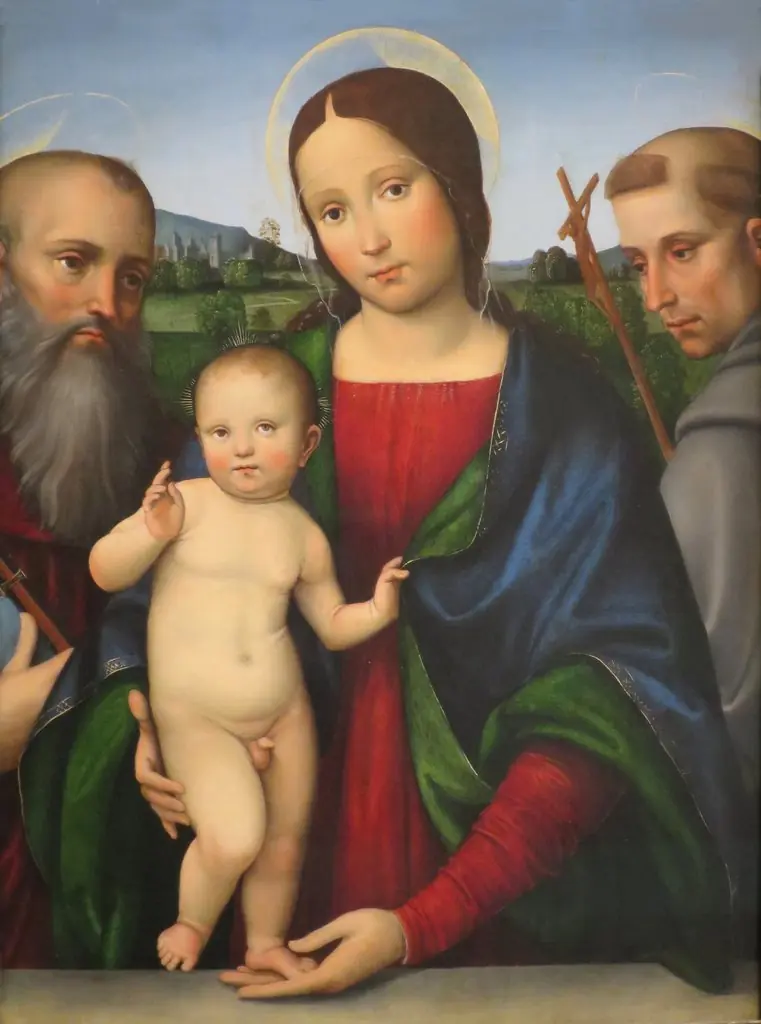 Madonna and Child with Saints Jerome and Francis
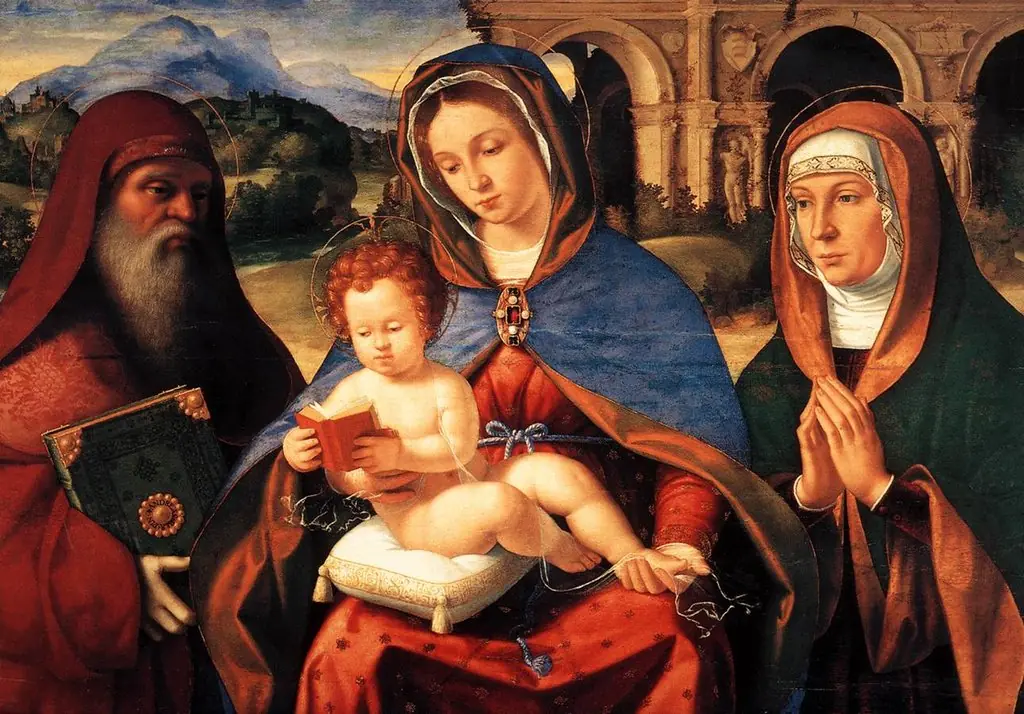 Madonna Baglioni
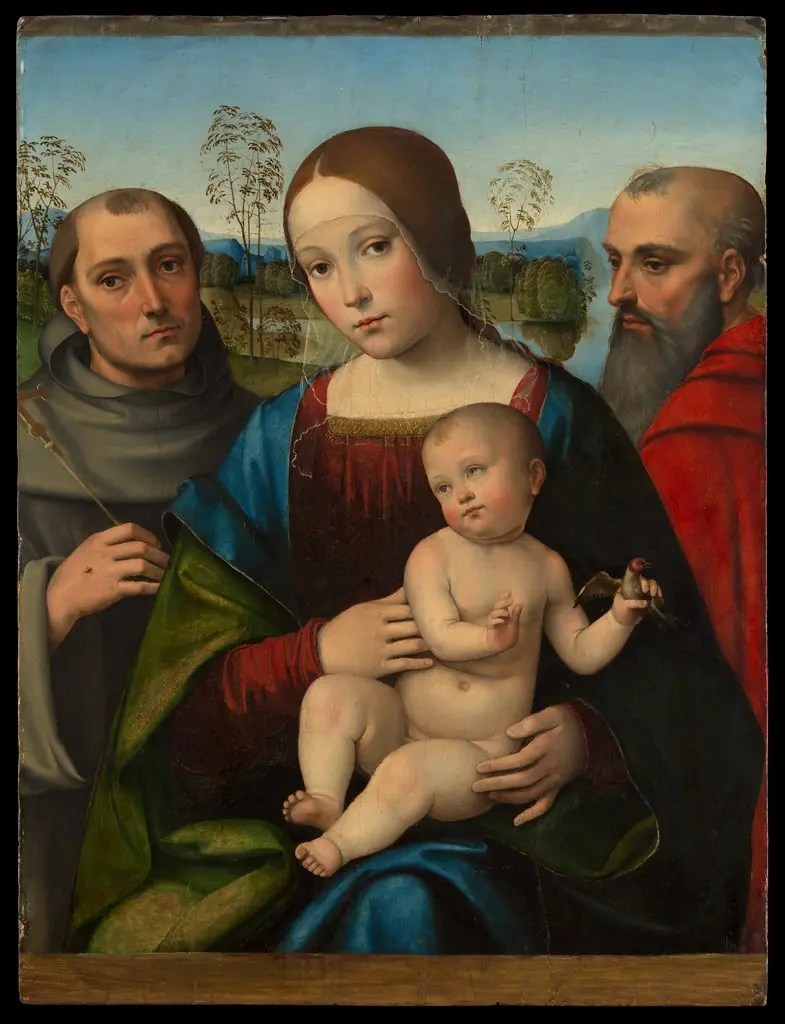 Madonna and Child with Saints Francis and Jerome
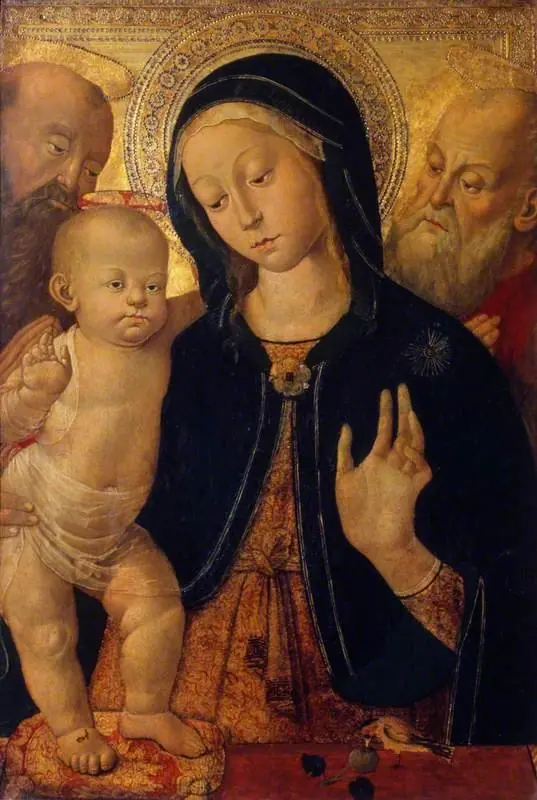 The Virgin and Child with Two Saints
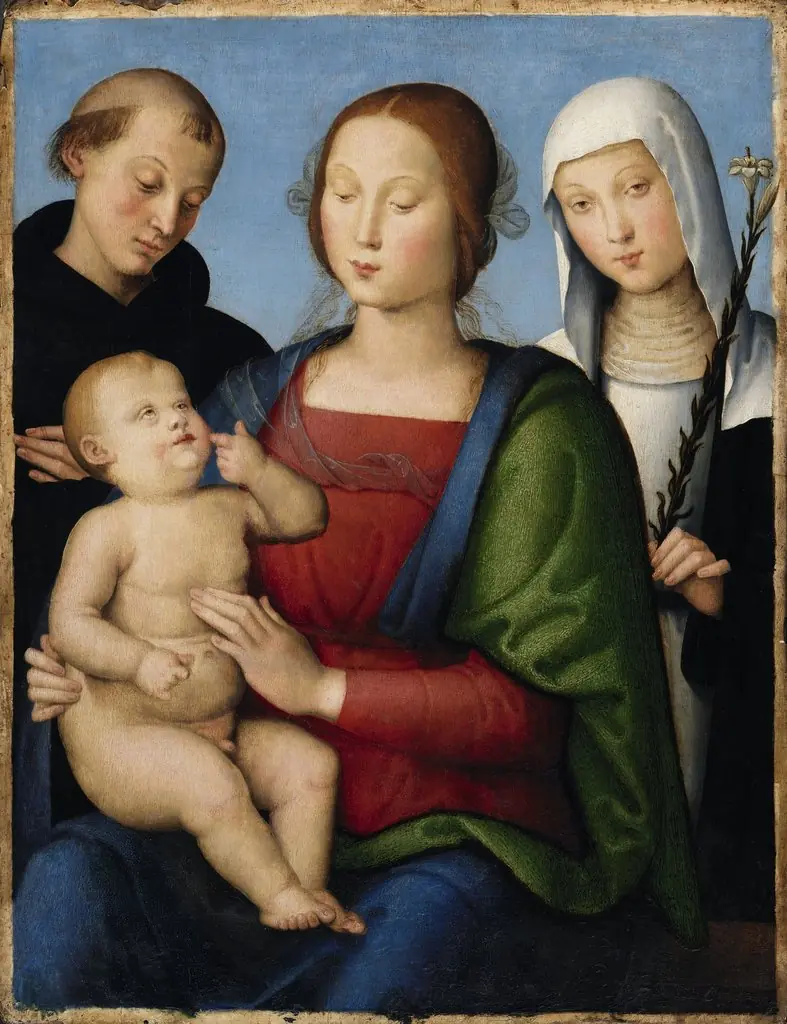 The Virgin and Child with Saints Nicholas of Tolentino and Catherine of Siena
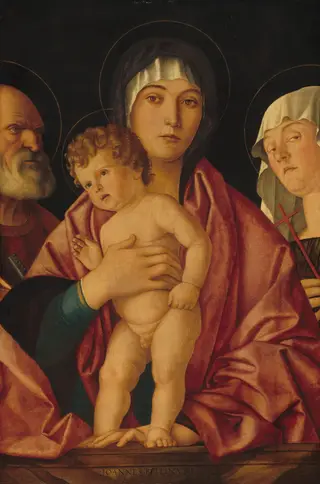 Madonna and Child with Saints
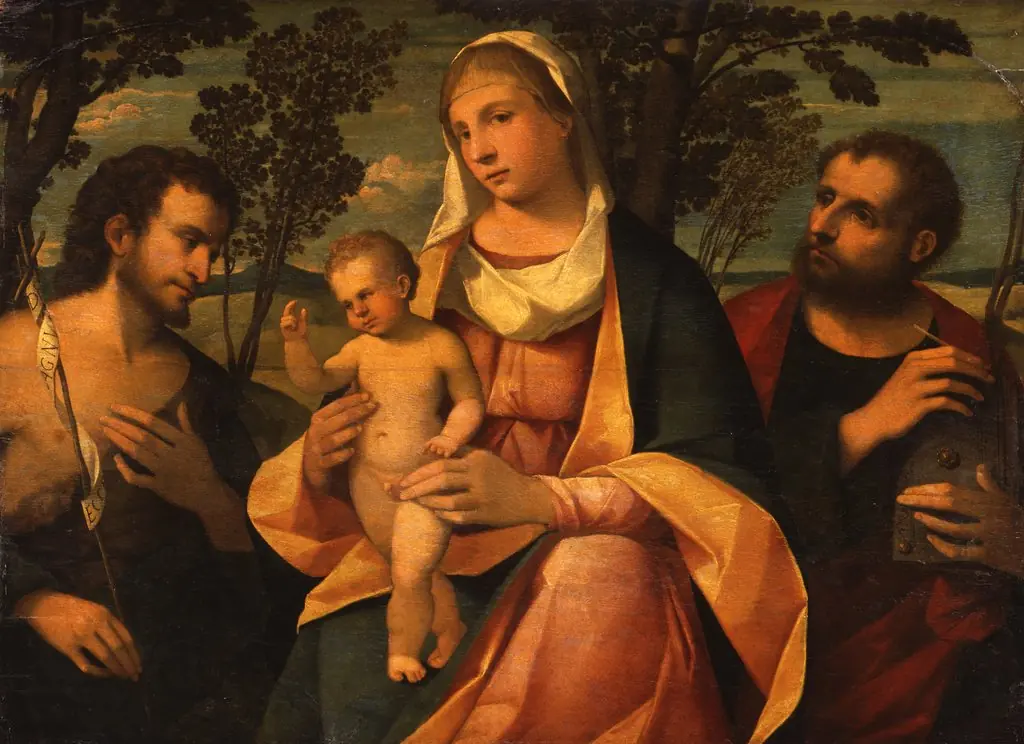 The Virgin with the Blessing Child and St. John the Baptist and Marcus the Evangelist
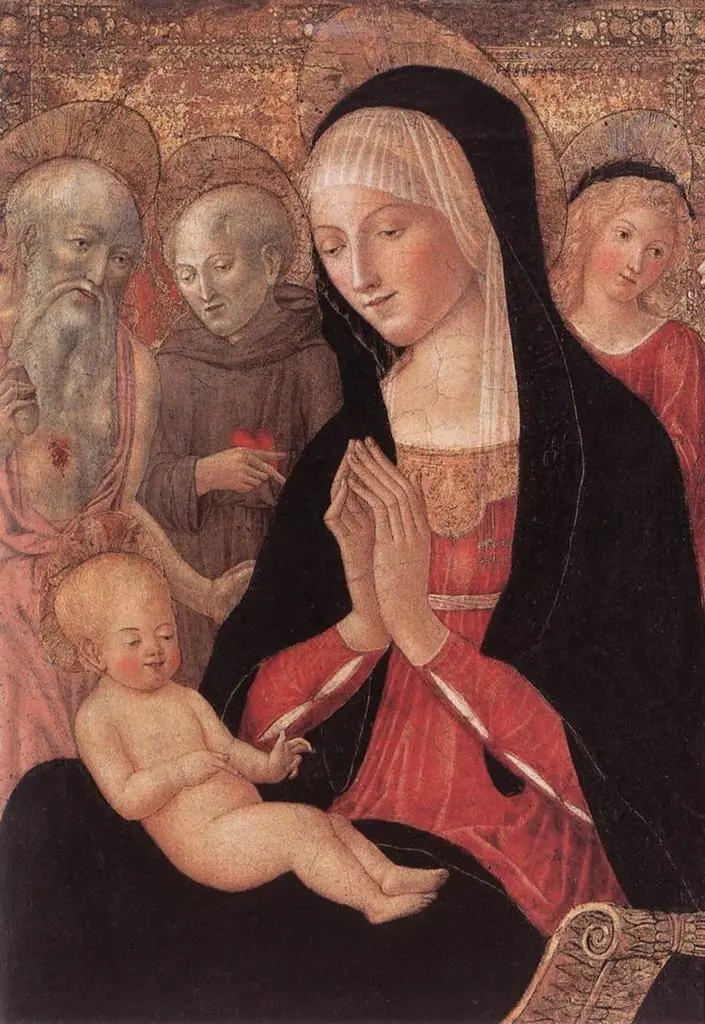 Virgin and Child with Saint Jerome, Saint Anthony of Padua and Two Angels
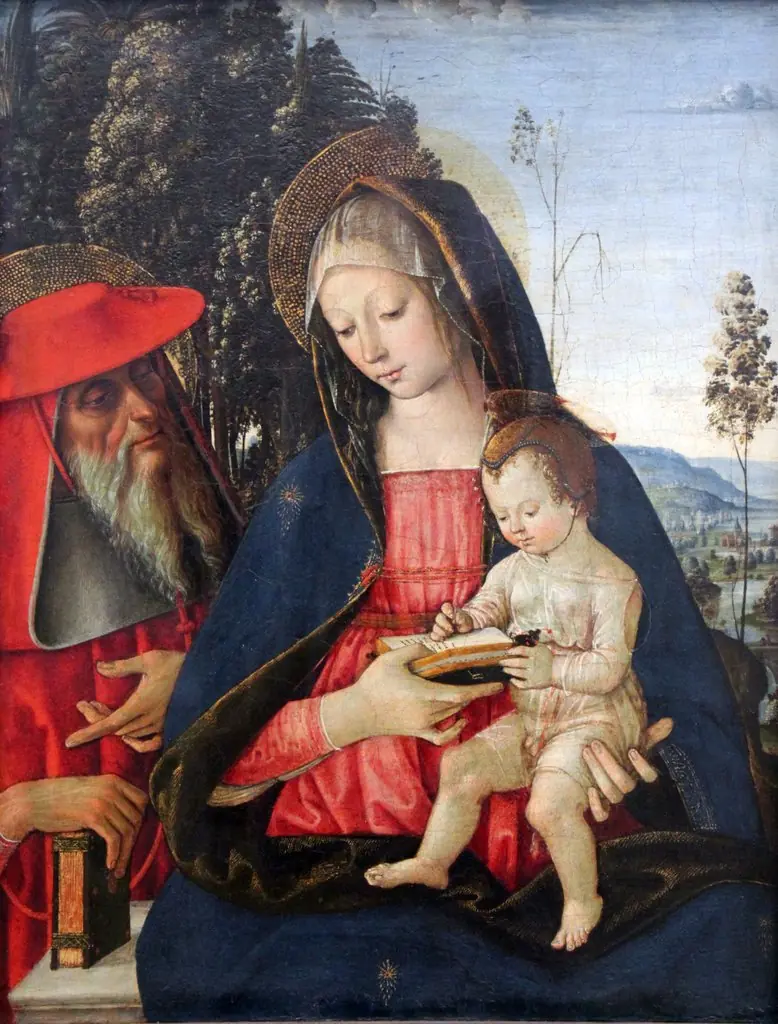 Madonna and Child with Saint Jerome
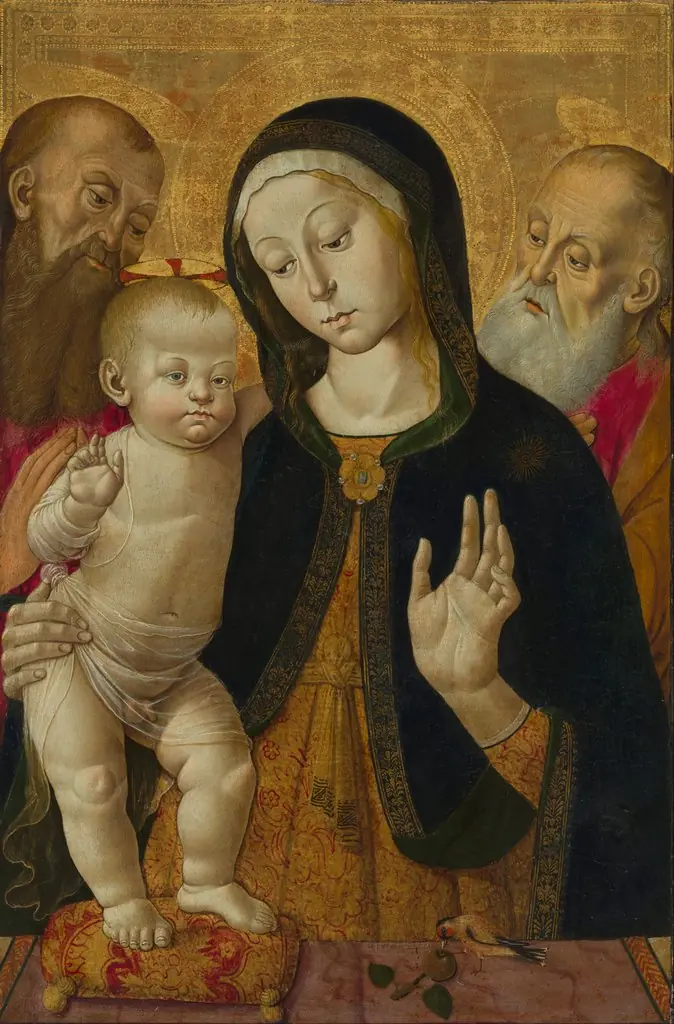 Madonna and Child with Two Hermit Saints
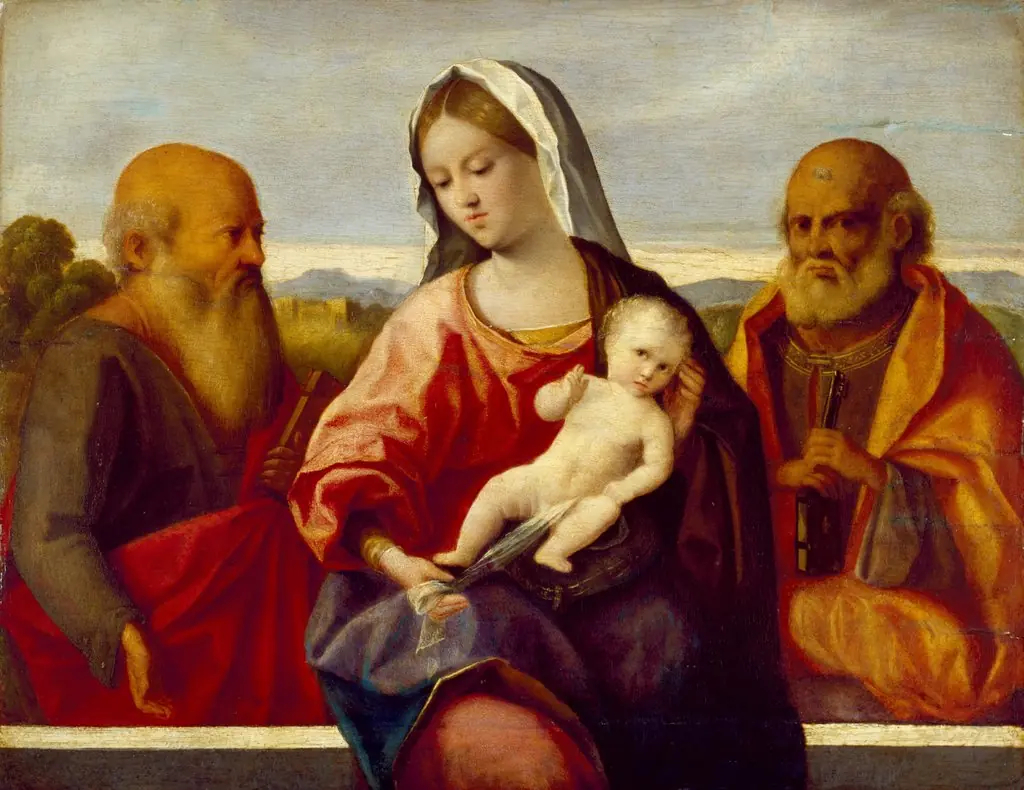 Madonna and Child with Saints Peter and Paul