Artwork
Madonna Baglioni
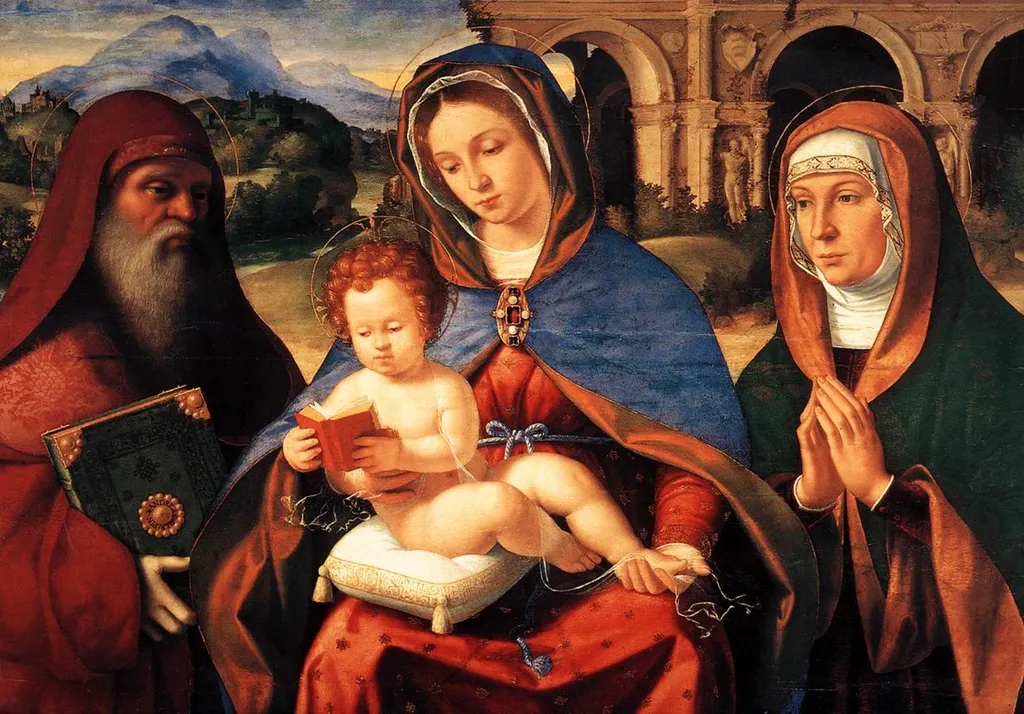
Madonna Baglioni is an oil painting by the Venetian Renaissance artist Andrea Previtali. It dates from 1512 and is held in the collection of the Accademia Carrara.
About this work
Overview
Painted around 1512–1513, the Madonna Baglioni is an oil-on-panel work by Andrea Previtali, recognized as his earliest surviving painting.
Painted around 1512–1513, the Madonna Baglioni is an oil-on-panel work by Andrea Previtali, recognized as his earliest surviving painting. It bears the artist’s signature, ANDREAS.BER.PIN, and is currently held in the Accademia Carrara in Bergamo. The painting was named in the 20th century after Francesco Baglioni, its last private owner, who donated it to the institution in 1900. It is classified within the sacra conversazione tradition, depicting sacred figures in a shared, contemplative space.
Subject & Meaning
The composition centers on the Virgin Mary holding the Christ Child, flanked by Saint Jerome and Saint Anne. Their placement suggests a quiet, intimate exchange rather than formal ceremony. Saint Anne, Mary’s mother, and Saint Jerome, a Church Father and translator of the Bible, reinforce themes of spiritual lineage and scholarly devotion. The grouping reflects a devotional ideal common in early 16th-century Lombardy, emphasizing familial sanctity and quiet reverence.
Technique & Style
Previtali employed oil on panel with careful attention to soft modeling and muted color harmonies. The figures are rendered with gentle contours and subtle gradations of light, showing influence from Lombard painters like Bergognone. Drapery folds are delicately defined, and the background remains sparse, focusing attention on the central group.
The handling reflects a transition from late Gothic rigidity toward early Renaissance naturalism, yet retains a quiet, regional character.
History & Provenance
The painting remained in private hands until 1900, when Francesco Baglioni donated it to the Accademia Carrara. Its attribution to Previtali was confirmed through stylistic analysis and the presence of his signature. Prior to its public acquisition, little is documented about its early ownership.
In 2011, it underwent conservation by Amalia Pacia and Maria Cristina Rodeschini, who stabilized the panel and cleaned surface discoloration to reveal original tonal relationships.
Context
Created during Previtali’s early career in Bergamo, the work reflects the artistic environment of Lombardy under the influence of Milanese and Venetian trends. While not as ambitious as contemporary works by Leonardo or Raphael, it embodies the regional preference for intimate, devotional imagery. The inclusion of Saint Jerome, a scholar-saint, may indicate the patron’s intellectual or ecclesiastical interests, common among local elites commissioning religious art.
Legacy
As Previtali’s earliest known work, the Madonna Baglioni provides insight into his artistic development and the evolution of Lombard painting in the early 1500s. It remains a key example of sacra conversazione in a provincial context, distinct from the grander compositions of major urban centers. Its preservation and scholarly attention since the 20th century have solidified its role as a reference point for understanding regional Renaissance practices.
Artist & collection
Artist
Andrea Previtali (c. 1480–1528) was an Italian painter of the Renaissance period, active mainly in Bergamo. He was also called Andrea Cordelliaghi.

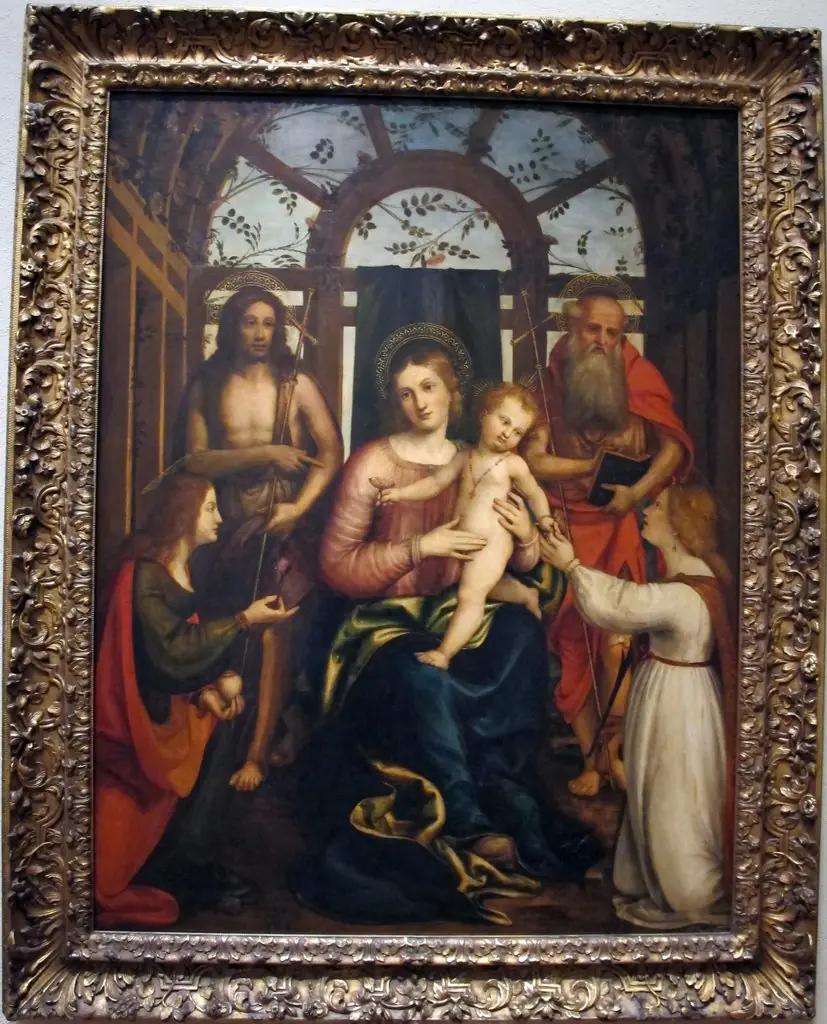 Virgin and Child, with Saints Mary Magdalene, John the Baptist, Jerome, and Catherine of Alexandria
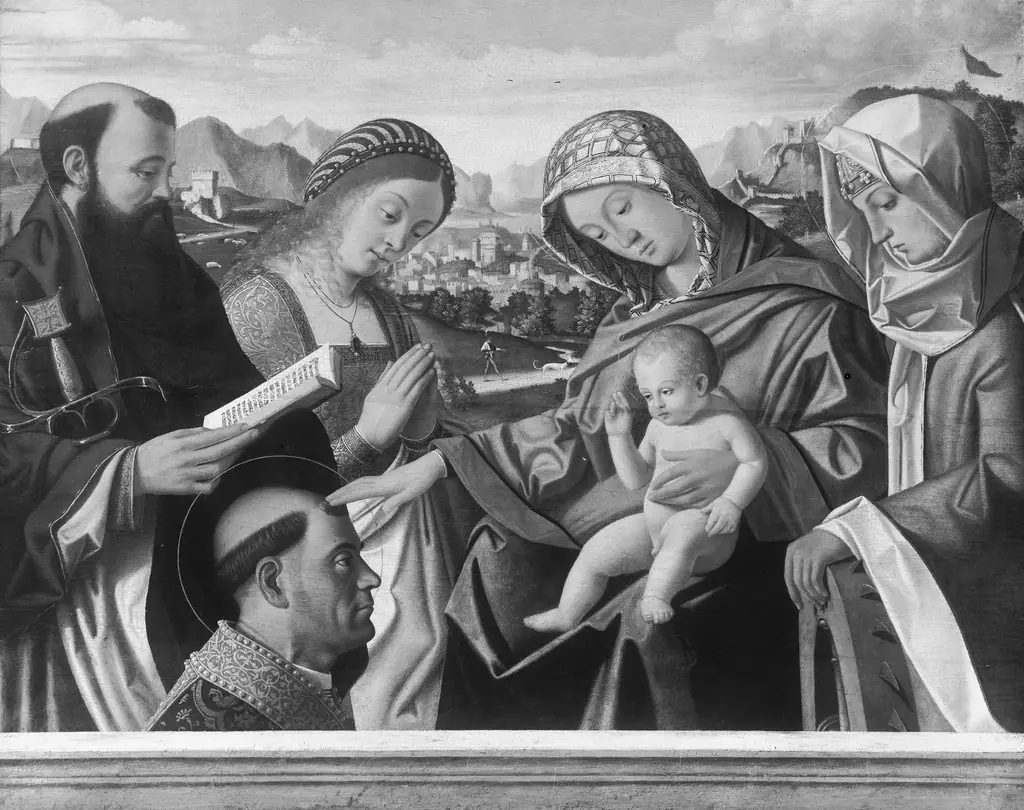 Mary with the child and four saints
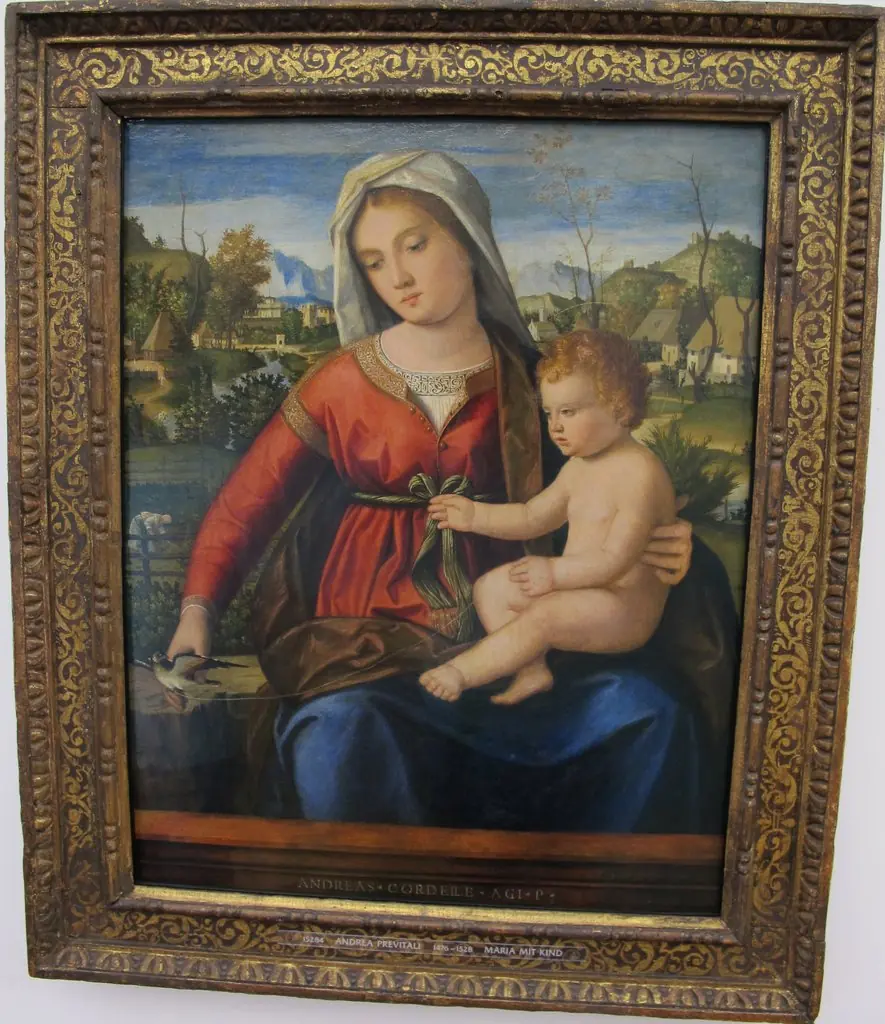 Muttergottes mit Kind
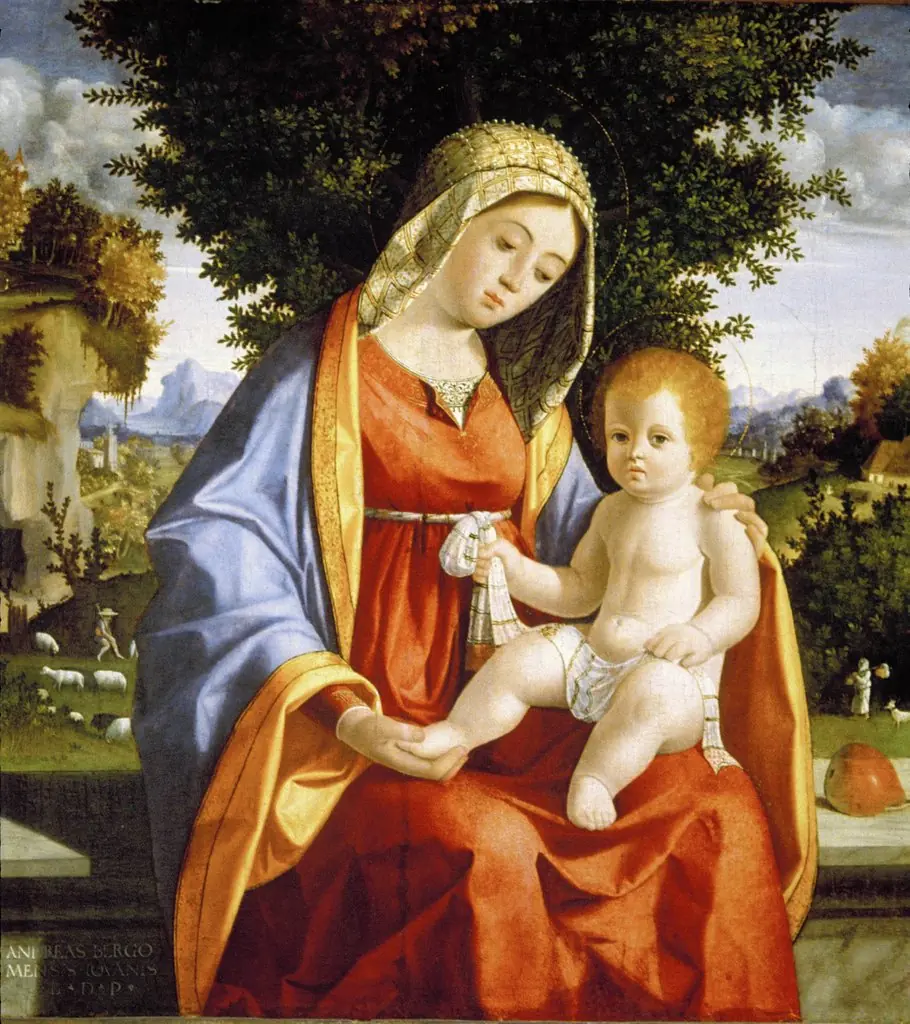 Madonna and Child in Landscape
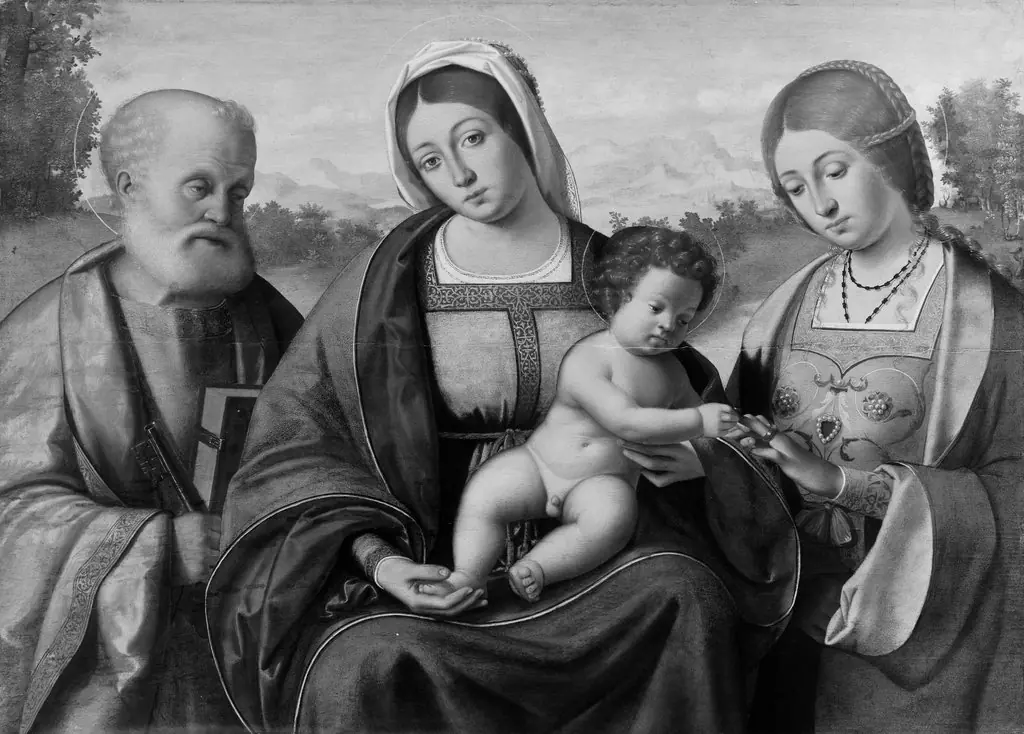 The engagement of Saint Catherine
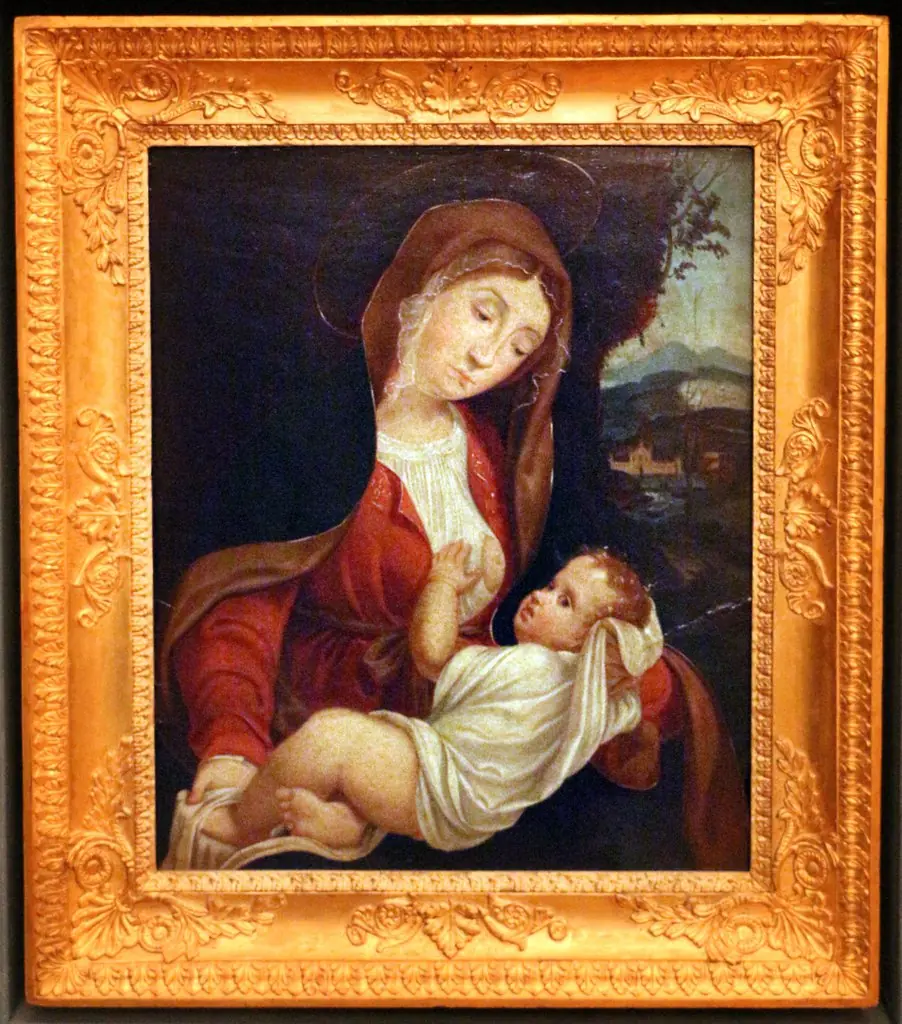 Madonna del latte (Previtali)
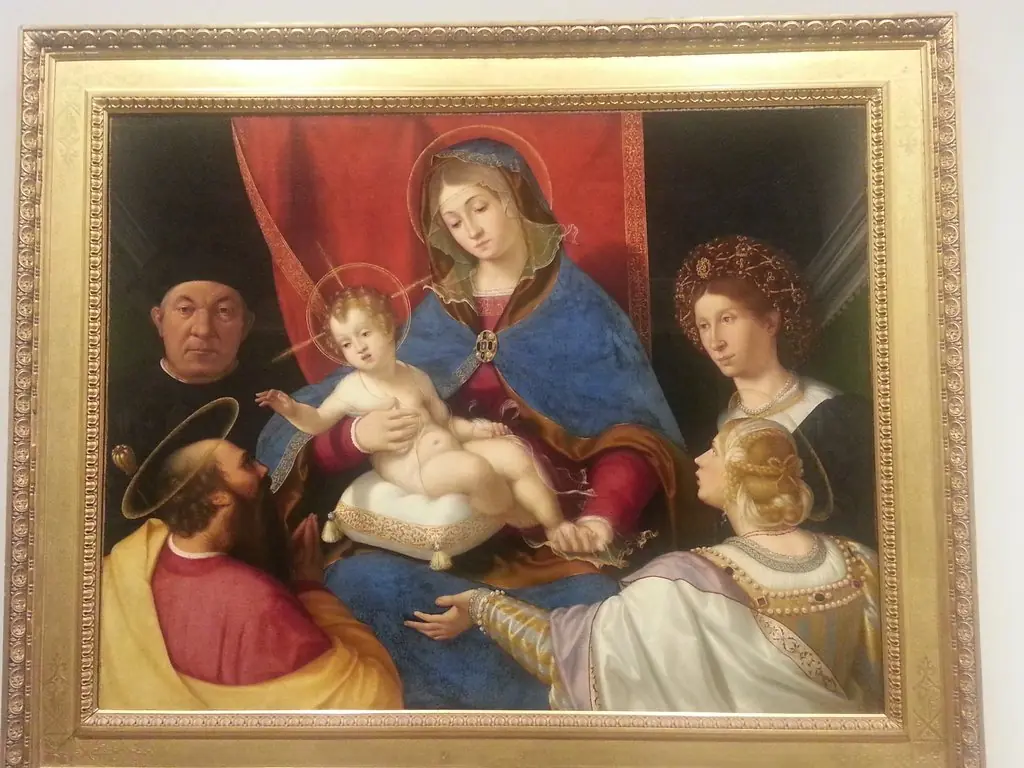 Madonna and child
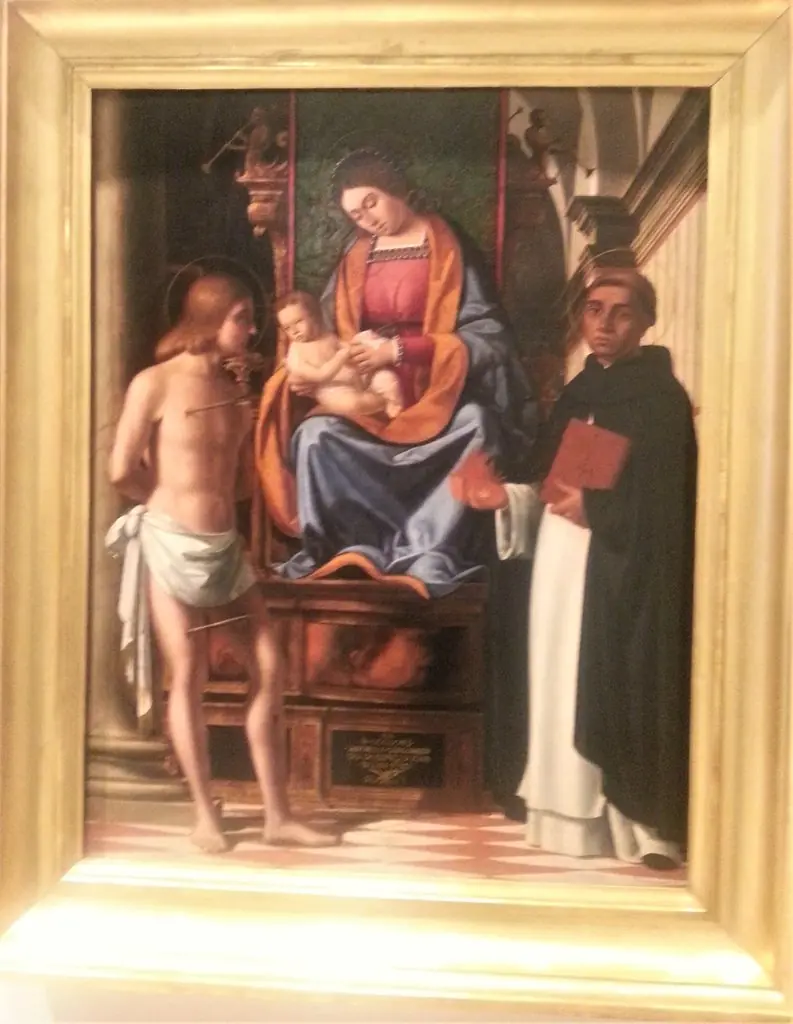 Madonna and Child enthroned between Saints Sebastian and Vincenzo Ferrer
- Virgin and Child with Saints,
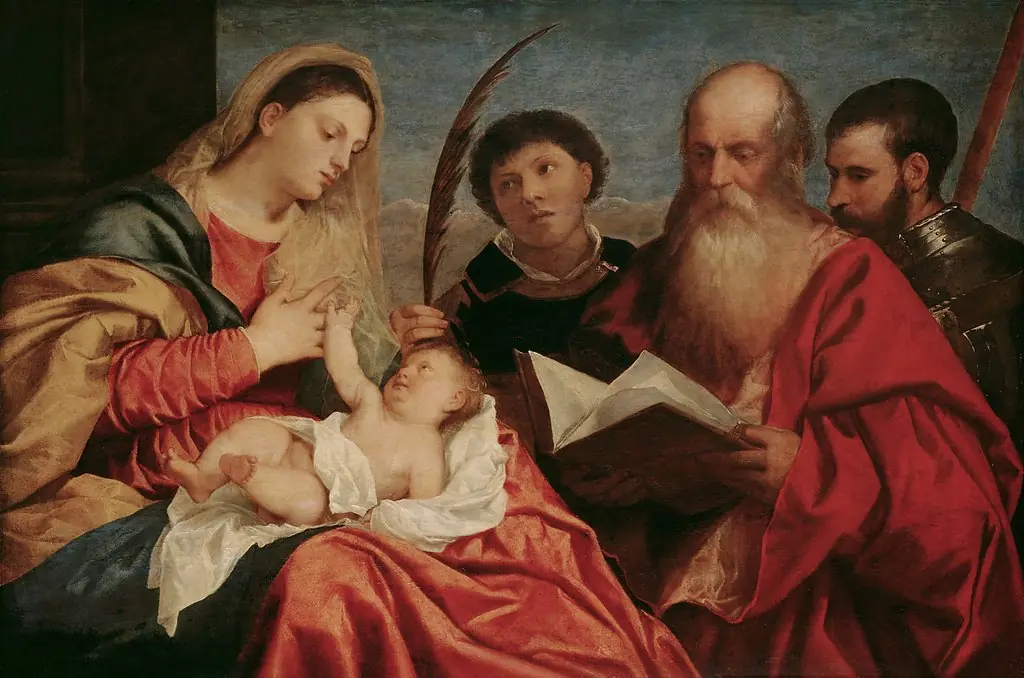 Virgin and Child with Saints Stephen, Jerome and Maurice
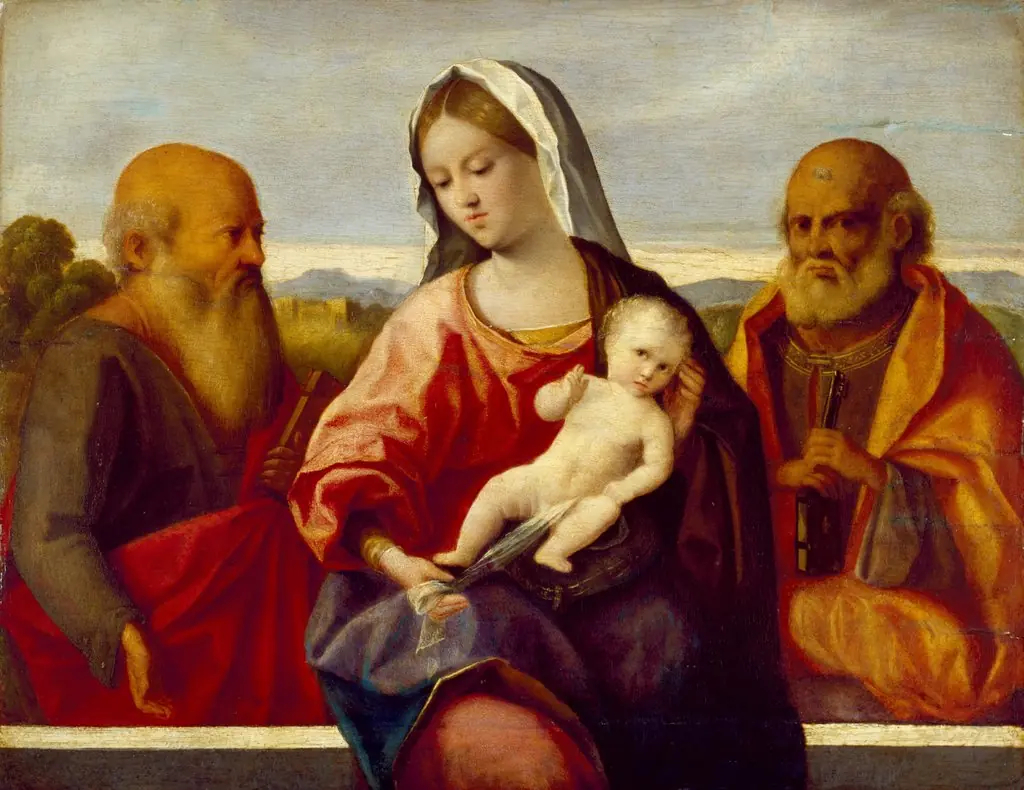 Madonna and Child with Saints Peter and Paul
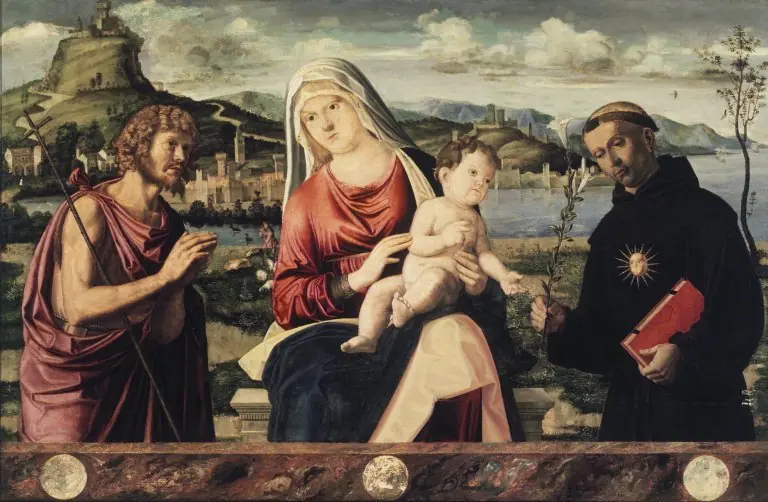 Madonna and Child with Saints John the Baptist and Nicholas of Tolentino
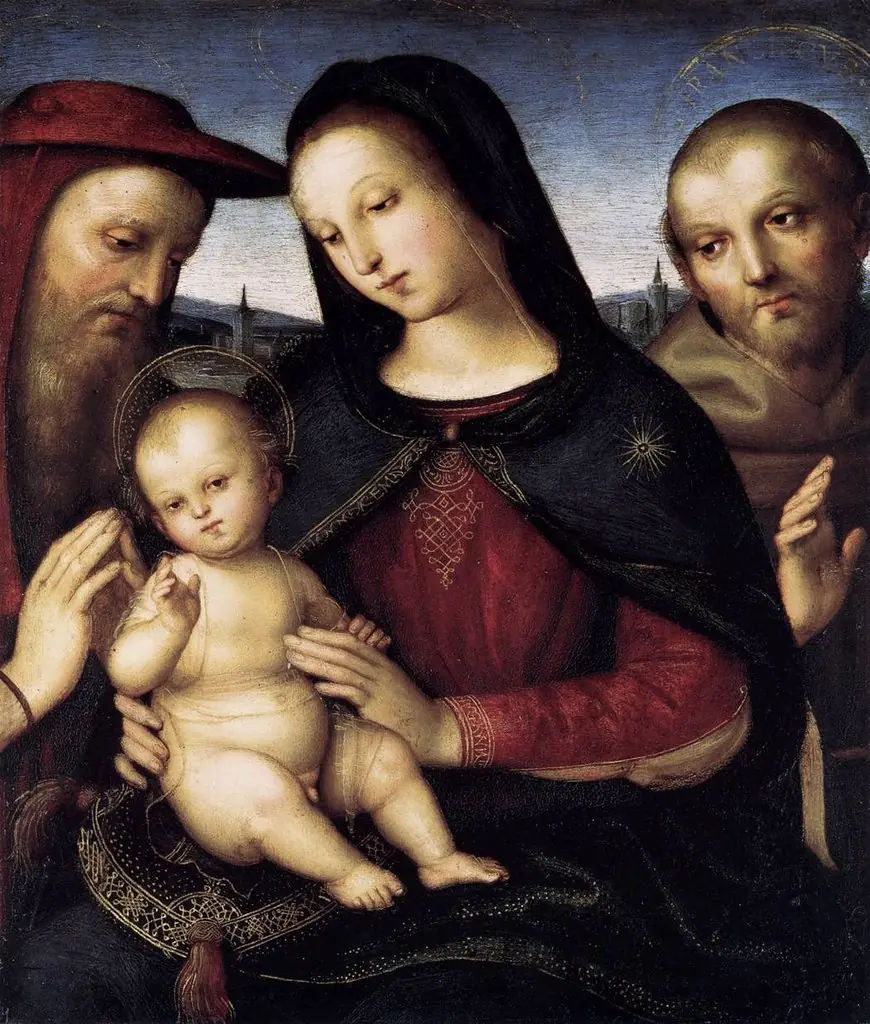 Von der Ropp Madonna
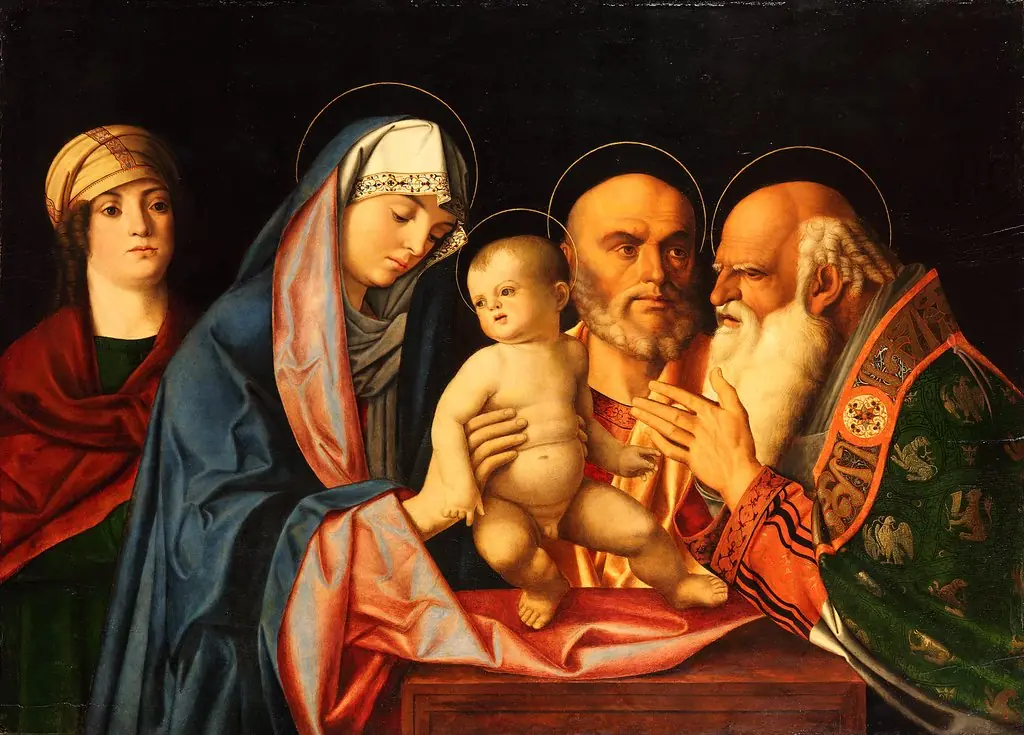 Presentation of Christ in the temple
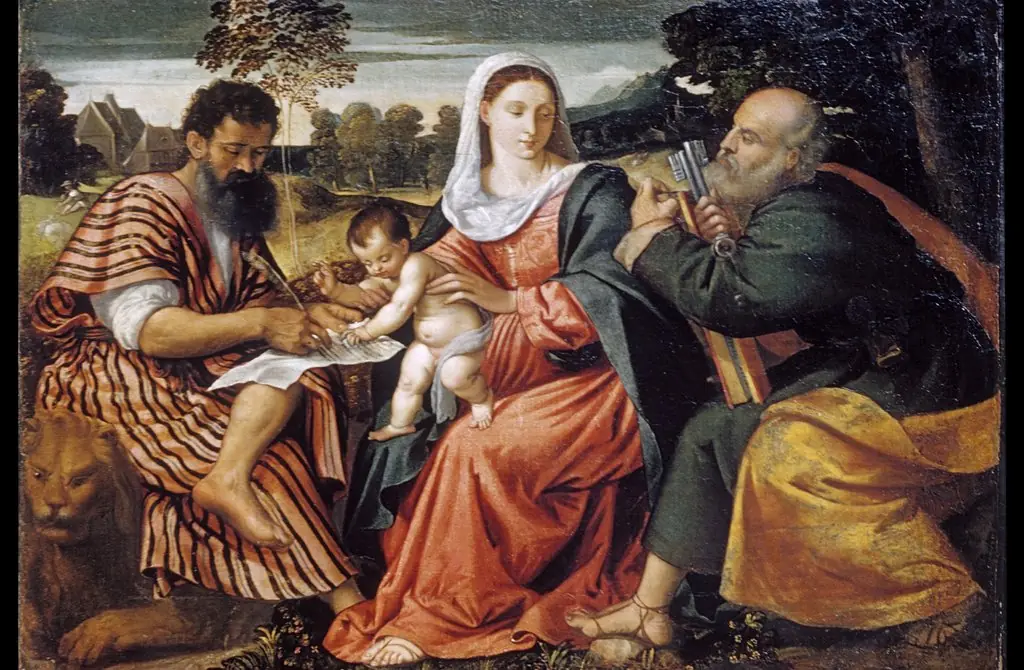 Madonna and Child with Saints Mark and Peter
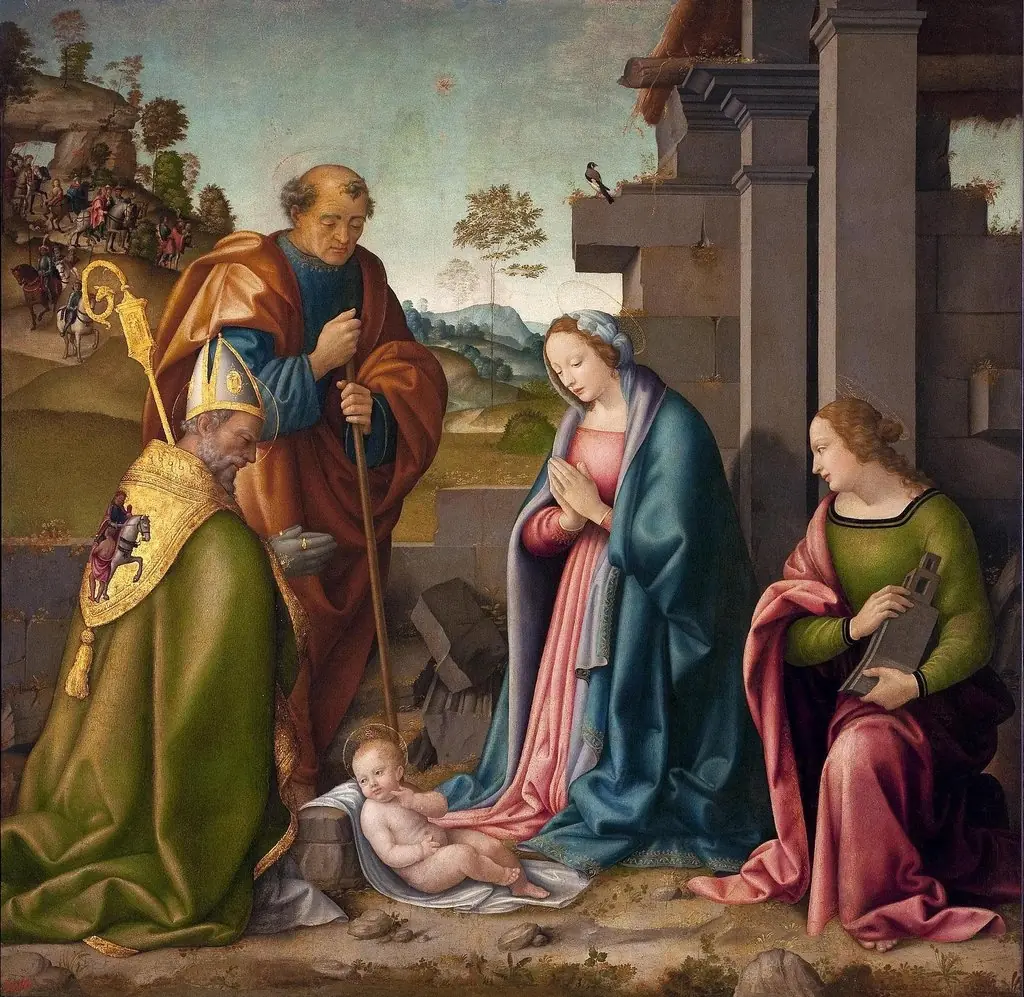 Adoration of the Christ Child, with Sts Barbara and Martin
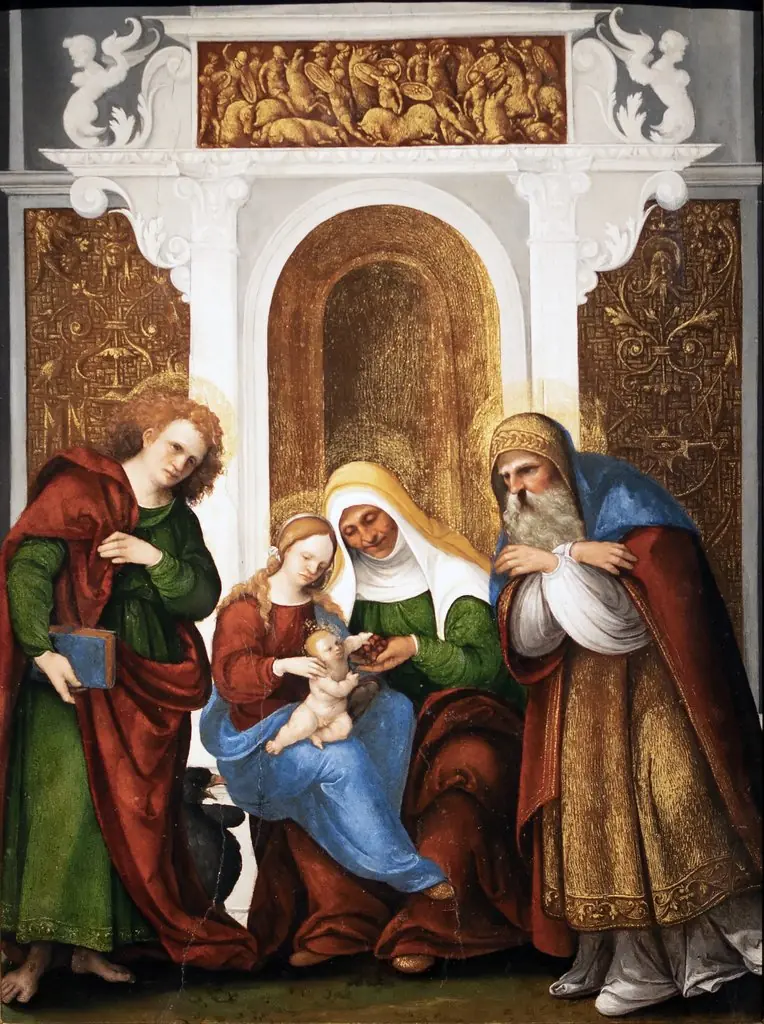 Madonna with Child and Saints
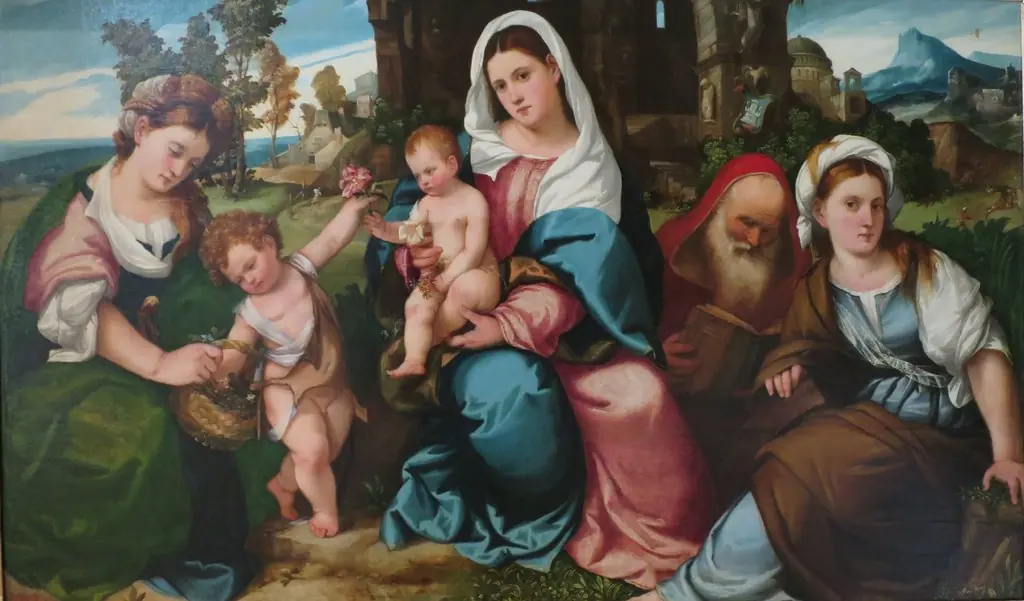 Madonna and Child with St Catherine, St John the Baptist, St Dorotea and St Anthony the Abbot
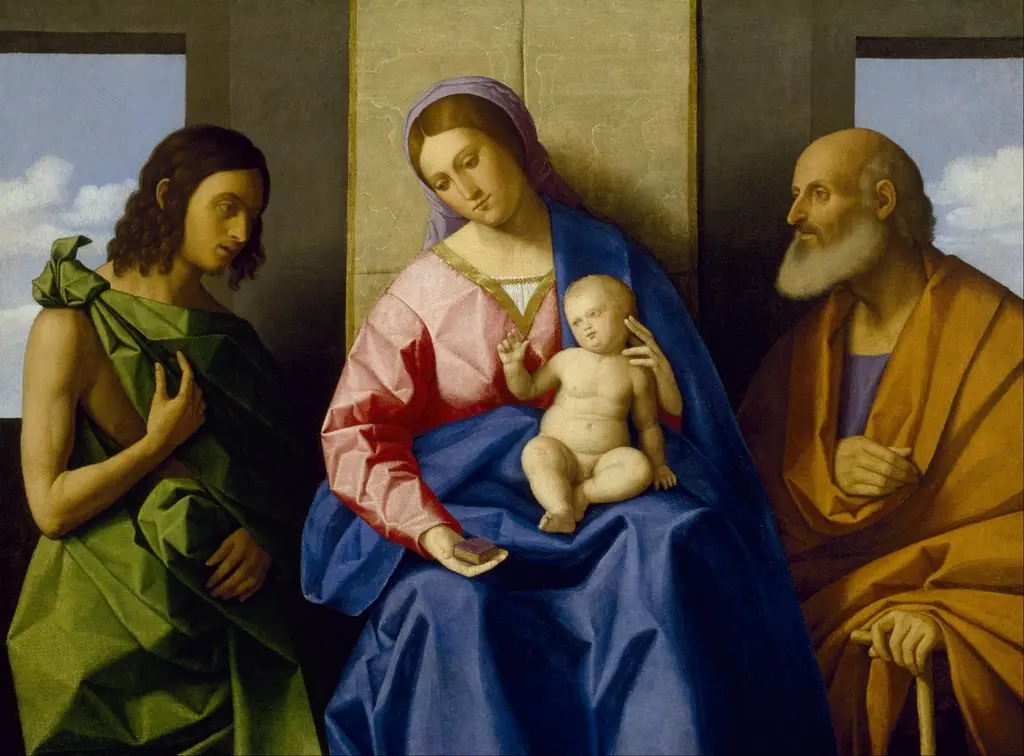 Virgin and Child with Saints John the Baptist and Joseph
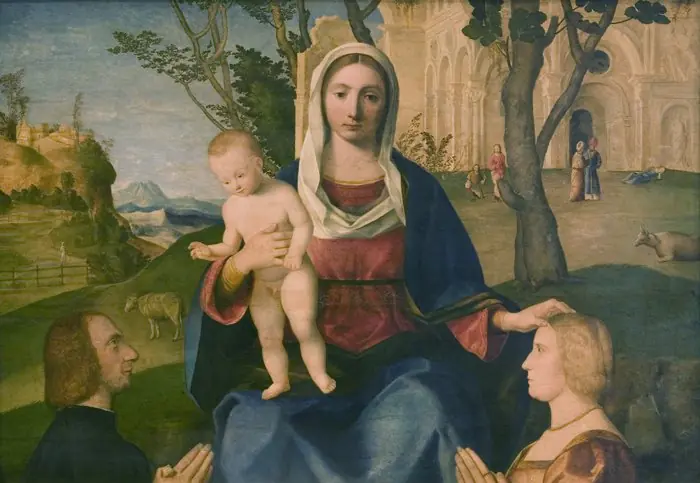 The Virgin and Child with a Male and a Female Donor