Artwork
Portrait of Cornelis Claeszoon Anslo and his wife Aaltje Schouten
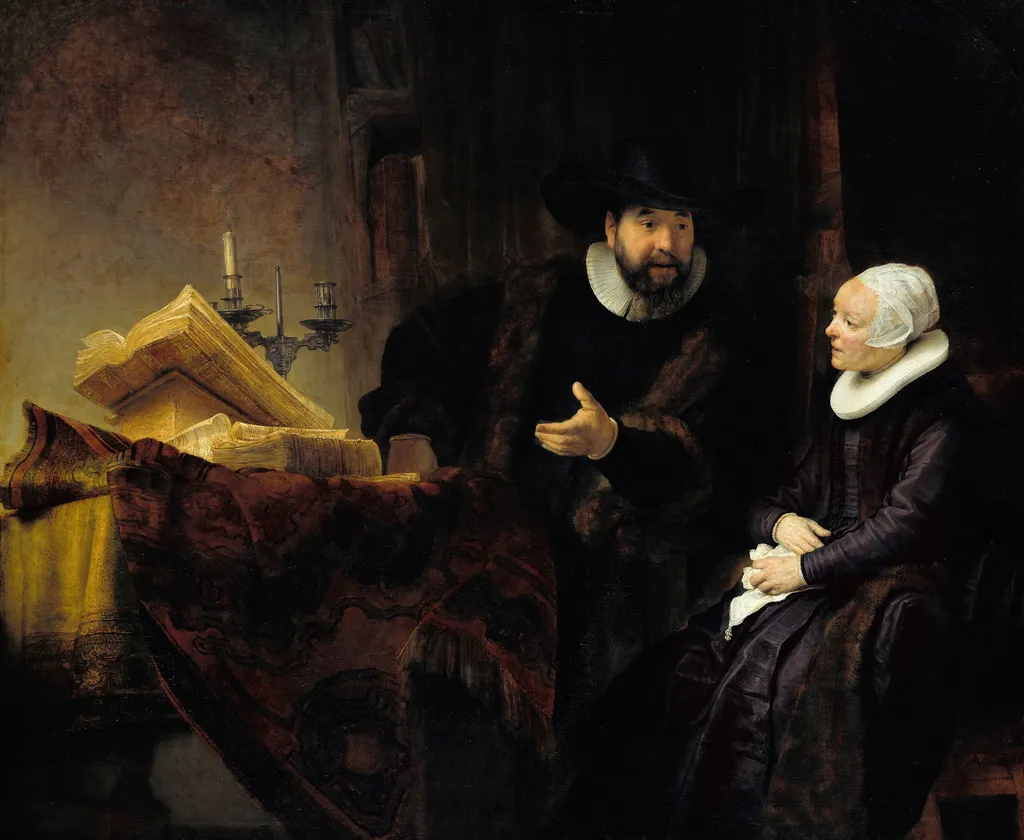
Portrait of Cornelis Claeszoon Anslo and his wife Aaltje Schouten is an oil painting by the Dutch Golden Age artist Rembrandt van Rijn. It dates from 1641 and is held in the collection of the Gemäldegalerie Berlin.
About this work
Subject & Meaning
This double portrait depicts the Mennonite preacher Cornelis Claeszoon Anslo and his wife, Aaltje Schouten, engaged in an intimate domestic scene rather than a static pose. Anslo is shown actively explaining passages from an open Bible to his wife, using a gesture of his left arm to emphasize his speech, while she listens with composed attention. The presence of numerous books on the desk underscores Anslo's biblical knowledge and the couple's wealth, further highlighted by the fur-lined jacket worn by the preacher and the fine lace handkerchief and precious fabric of Aaltje's dress.
The composition embodies a specific Mennonite theological tenet: that the Gospel should be preached through the spoken word, which is spiritual and immortal, rather than through material images. By portraying the act of verbal instruction within the family sphere, the work illustrates the belief that religious teaching extends beyond the congregation to the household.
Technique & Style
Rembrandt departed from the static conventions of the era by depicting the subjects in a dynamic, narrative interaction rather than a formal pose.
Executed in 1641, this double portrait is an oil painting on canvas measuring approximately 174 by 208 cm. Rembrandt departed from the static conventions of the era by depicting the subjects in a dynamic, narrative interaction rather than a formal pose. The composition captures the Mennonite preacher Cornelis Anslo mid-discourse, gesturing with his left arm to emphasize his explanation of biblical texts to his wife, Aaltje Schouten, who listens attentively.
The artist employed rich details to signify the couple's status and intellectual devotion, including a fur-lined jacket, fine lace, and a table draped with heavy fabric and piled with books. This active arrangement visually reinforces the theological argument that the Gospel is transmitted through the spoken word rather than material images, transforming a standard commission into a complex statement of faith and domestic instruction.
History & Provenance
The double portrait was painted in 1641 by Rembrandt. It was commissioned to record the sitters’ status and religious identity, with Cornelis Claeszoon Anslo depicted as a Mennonite preacher explaining scripture to his wife Aaltje Schouten, emphasizing a tenet of their faith.
By 1795 the work belonged to the British collector Thomas Dundas, 1st Baron Dundas. It descended through the Dundas and Ashburnham families, Sir Lawrence Dundas, then John, George, Bertram (4th Earl), and Bertram (5th Earl) Ashburnham, before being sold in 1883. It entered the Gemäldegalerie, Berlin, where it has remained.
The painting is held in the Gemäldegalerie, Berlin (Staatliche Museen zu Berlin), accessioned as inventory number 1036. It entered the museum’s collection through the former Königliche Museen zu Berlin.
The work was previously in English private collections: it belonged to Thomas Dundas, 1st Baron Dundas; Sir Lawrence Dundas, 1st Baronet; and later passed through the Ashburnham family (John, 2nd Earl of Ashburnham; George, 3rd Earl; Bertram, 4th Earl; and Bertram, 5th Earl of Ashburnham) before entering German public ownership.
Context
The double portrait is noted for departing from static conventions of Dutch couple portraits by animating the subjects in a moment of domestic instruction. Rembrandt’s decision to depict Cornelis Anslo, a Mennonite preacher, in mid-discourse to his wife, with an open Bible and gesturing hand, emphasizes a core Mennonite tenet: the primacy of spoken over visual preaching. The inclusion of costly textiles, a fur-lined jerkin, and numerous volumes underscores the sitters’ social standing while aligning with the period’s Calvinist valorization of literacy and piety.
Scholarly attention has centered on the work’s theological framing and its contrast with contemporary group portraits. The painting’s Berlin location within the Gemäldegalerie situates it among major Dutch Golden Age holdings, reinforcing its canonical status in Rembrandt studies. Technical examinations highlight the integration of iconographic detail with psychological presence, a synthesis that distinguishes the work within Rembrandt’s oeuvre of the early 1640s.
Overview
Rembrandt van Rijn's 1641 oil painting depicts Cornelis Claeszoon Anslo and his wife Aaltje Schouten in a domestic setting.
Own this work as a print
Artist & collection

Artist
Rembrandt Harmenszoon van Rijn, known mononymously as Rembrandt, was a Dutch Golden Age painter, printmaker, and draughtsman.

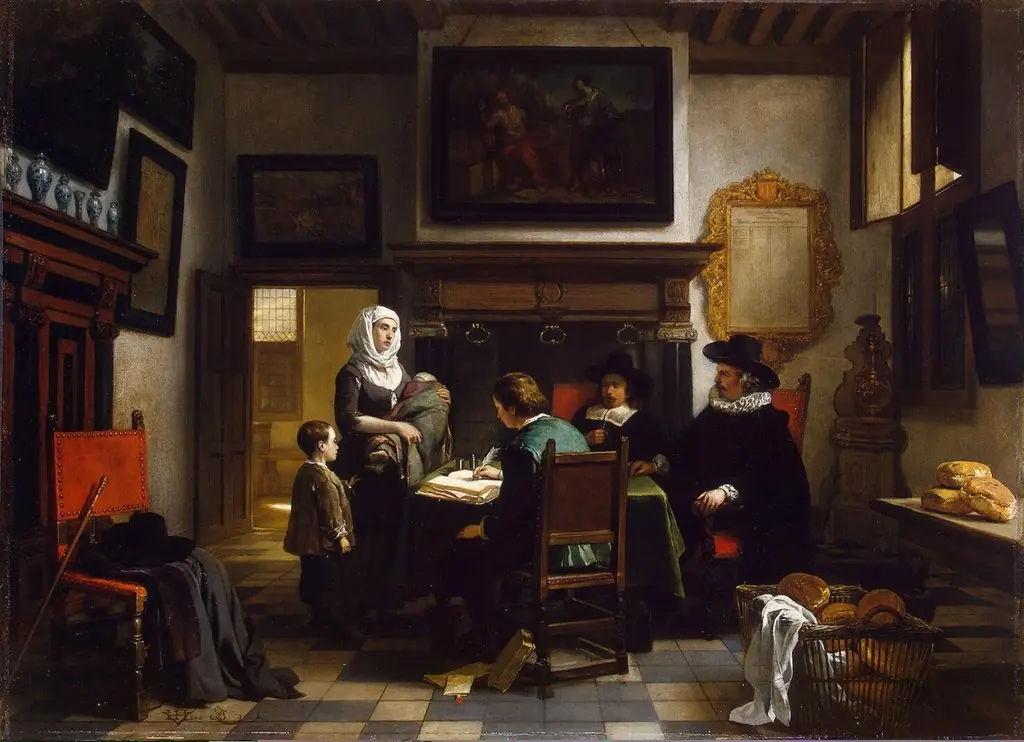
- Distribution of Charity in the Alms-House
 Syndics of the Leiden
 Four Regents and the ‘House Father’ of the Amsterdam Lepers’ Asylum
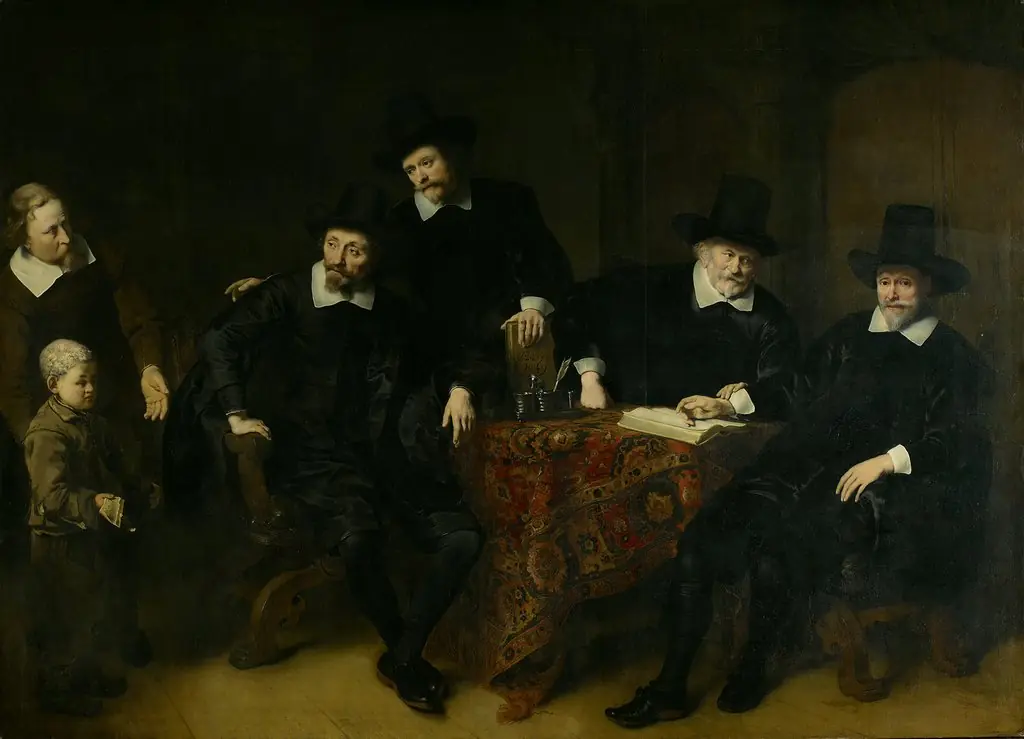 The Regents of the Leper's house in Amsterdam in 1649
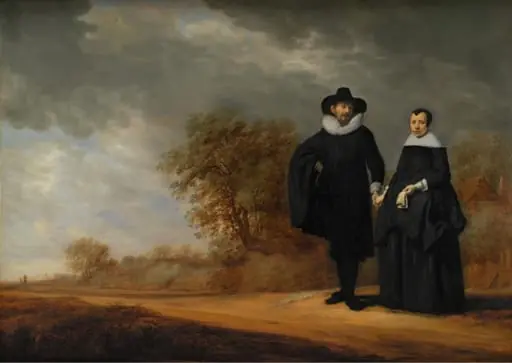 Burgomaster Cornelis Damasz. van der Gracht and his Wife, Jopken Jacobs, in a Landscape
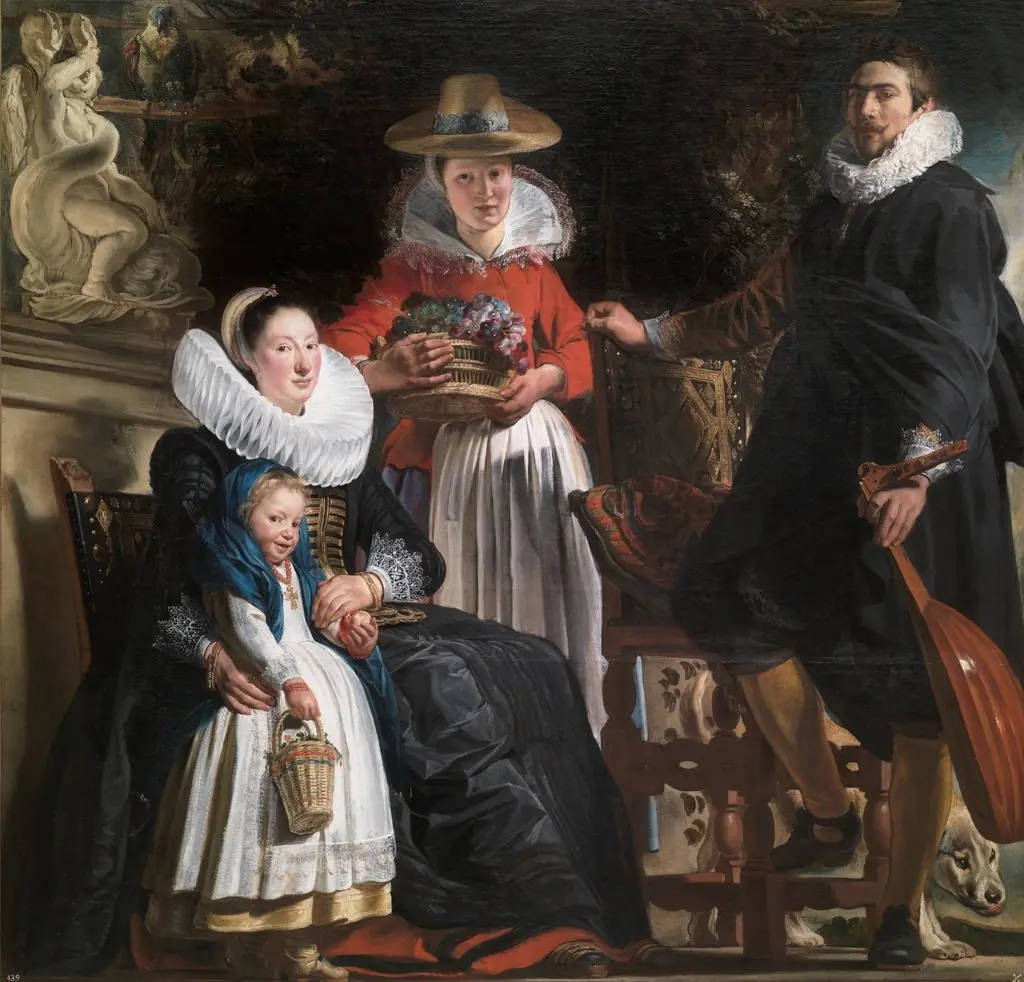 Portrait of the artist with his family
 Untitled
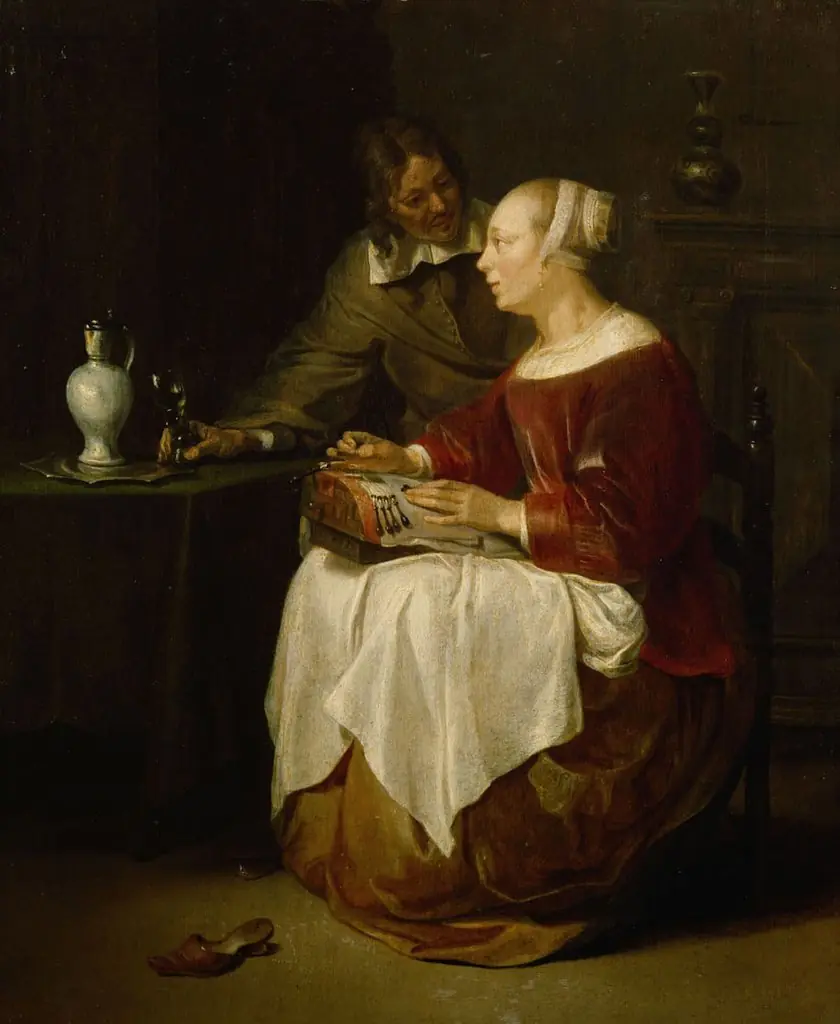 The Lace Maker
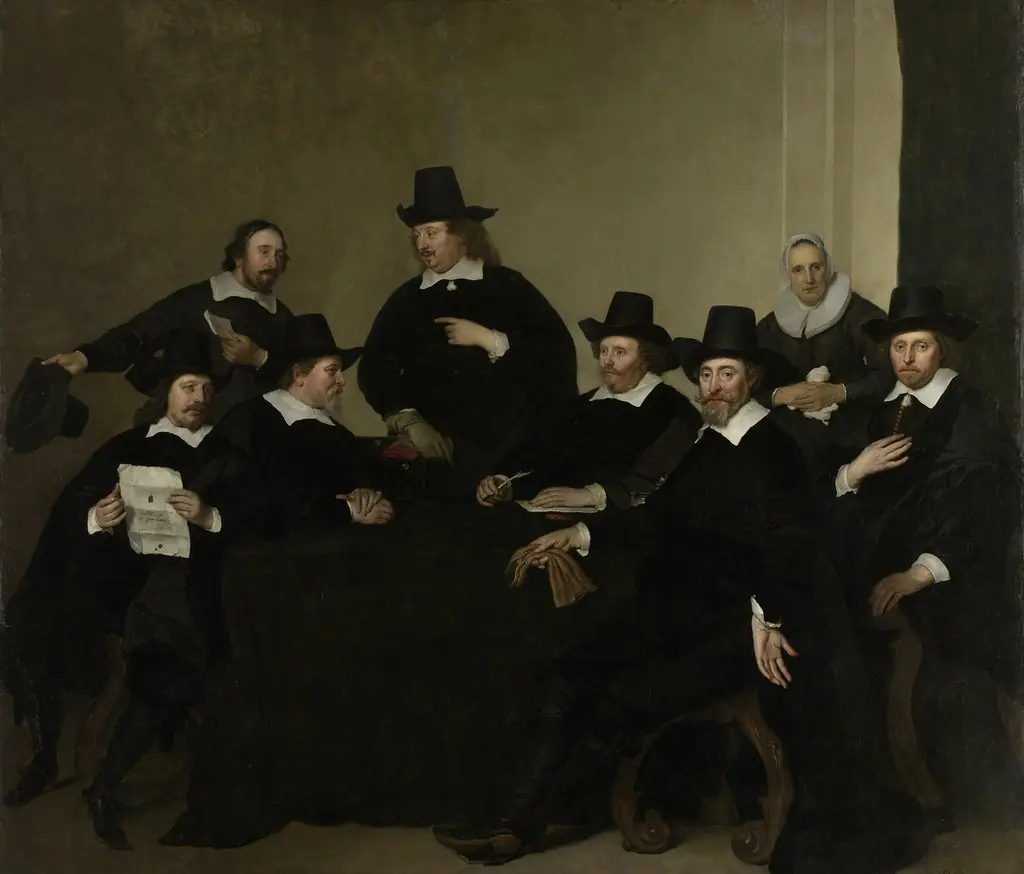 The regents of the Nieuwe Zijds institute for the outdoor relief of the poor, Amsterdam, ca 1650
 Portrait of the Family of Dirck Jacobsz Bas (1569-1637), Burgomaster of Amsterdam, and Margriet Snoeck (1588-1645)
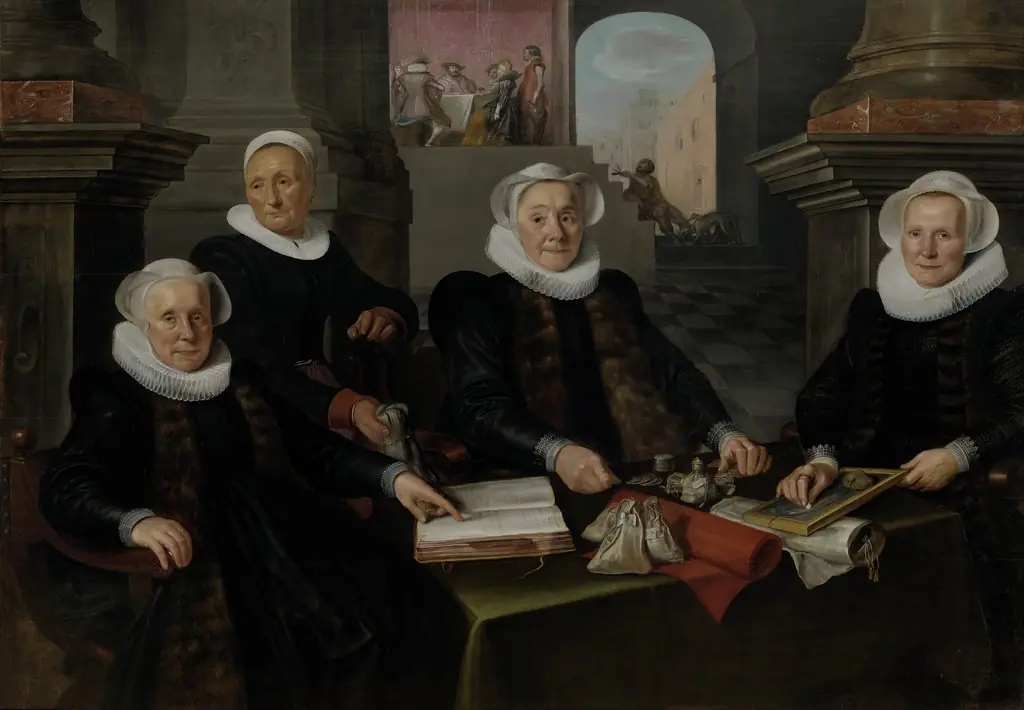 Three Regentesses and the ‘House Mother’ of the Amsterdam Lepers’ Asylum