Artwork
Self-portrait
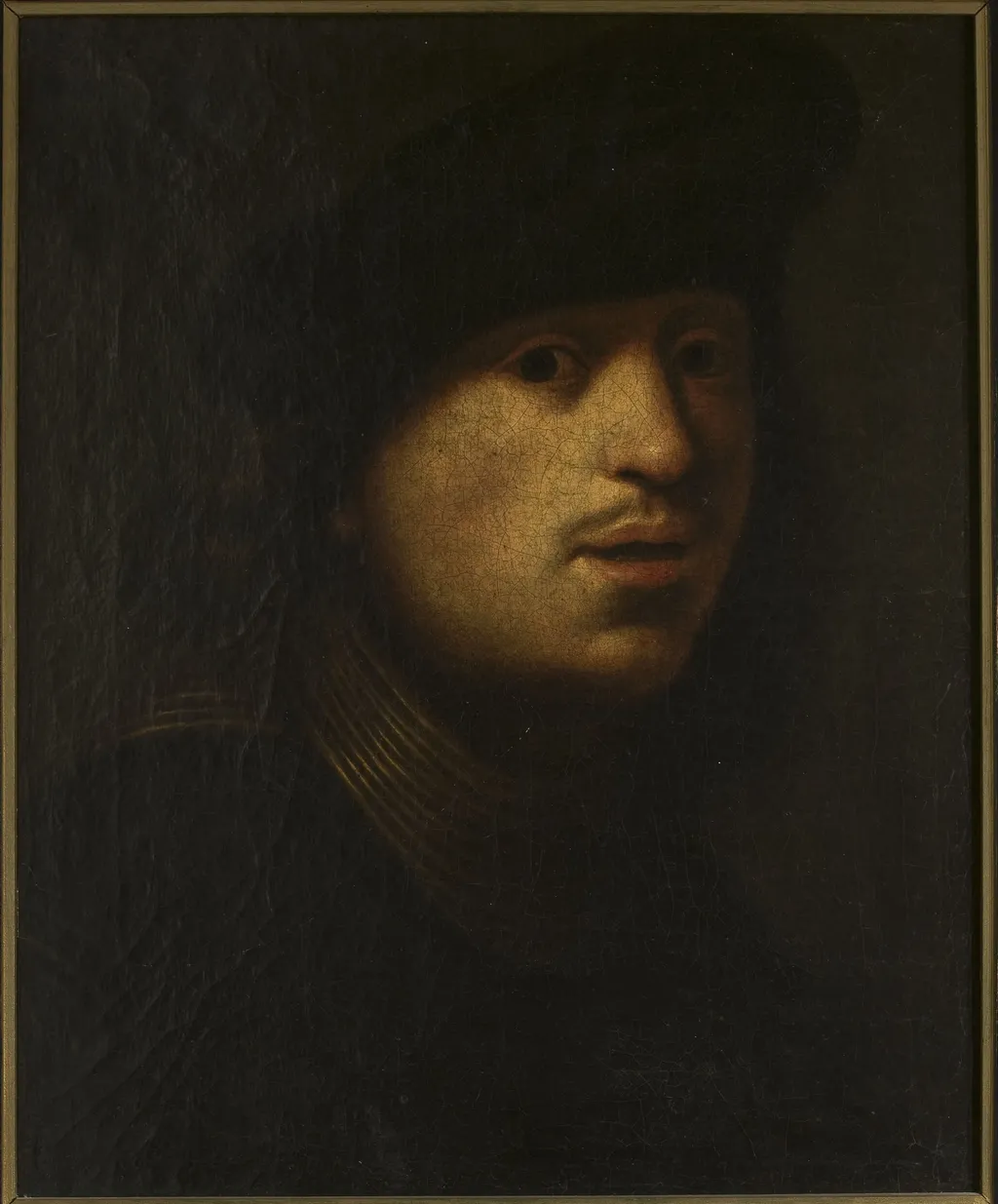
Self-portrait is an oil painting by the Dutch Golden Age artist Rembrandt van Rijn. It dates from 1647 and is held in the collection of the National Museum in Warsaw.
About this work
Overview
3 cm, the work is a bust-length depiction of the artist emerging from a dark, atmospheric background, wearing a dark garment with a wide, light-colored collar.
Self-portrait is an oil on canvas painting by the Dutch artist Rembrandt van Rijn, created in 1660 when the artist was fifty-four years old. Measuring 80.3 by 67.3 cm, the work is a bust-length depiction of the artist emerging from a dark, atmospheric background, wearing a dark garment with a wide, light-colored collar. It is currently housed in the Metropolitan Museum of Art in New York, having entered the collection through the 1913 bequest of Benjamin Altman. The painting is one of more than forty painted self-portraits Rembrandt produced over his career, a body of work that stands apart in the history of art for its intense and persistent self-examination.
Subject & Meaning
The painting captures the artist in his later years, his face illuminated by a strong, directional light from the left while the right side recedes into shadow. His brows are knitted, his cheeks sunken, and deep wrinkles gather at his forehead and eyes, conveying a sense of anxiety and unsettledness. A slight lack of focus and disparity between his two eyes gives one a distracted, anxious look. This unflinching depiction of aging and distress reflects the personal tragedies and financial ruin Rembrandt experienced during this period, having recently lost his wife and a child and having been forced to declare bankruptcy. Despite these hardships, the portrait communicates a profound thoughtfulness and directness, displaying the dignity and skill that his creditors could not take from him.
Technique & Style
Rembrandt employed a sophisticated painting technique to model the aging face, investing more paint in the facial features than anywhere else on the canvas. He used highlights that sit like blobs of paint on the tip of his nose and applied thick, almost carved slashes of paint around the eyes to create shadows and the dents in his cheek, wonderfully suggesting textures and the softness of flesh. The brushwork in the face is smooth and blended, with subtle modeling of form, while the background remains largely undefined and atmospheric. The overall palette is dominated by deep browns and blacks, with warm, muted flesh tones. The canvas surface shows extensive craquelure throughout.
History & Provenance
Painted in 1660, the artwork eventually made its way into the collection of George Brudenell, the 4th Earl of Cardigan and later Duke of Montagu, in London, with firm evidence of his ownership dating to a 1767 mezzotint after the painting. It descended through the Dukes of Buccleuch and Queensberry until the 7th Duke sold it in 1928 to P. & D. Colnaghi & Co. and M. Knoedler & Co., who acted on joint account. The dealers sold it to Andrew W. Mellon in January 1929. Mellon deeded it to the A.W. Mellon Educational and Charitable Trust in 1934, which gifted it to the National Gallery of Art in Washington, D.C. in 1937. However, the painting currently resides in the Metropolitan Museum of Art in New York as part of the Benjamin Altman bequest, object number 14.40.618. The work has an extensive exhibition history, including showings at the Royal Academy of Arts in London in 1872 and 1899, the Rijksmuseum in Amsterdam in 1935, and the New York World's Fair in 1939.
Context
Rembrandt stands apart from all other artists for the sheer volume of self-portraits he produced, which number more than forty paintings, thirty-one etchings, and several sketches. This output accounted for roughly ten percent of his painted and engraved work, a massive proportion compared to contemporaries like Rubens, who only painted seven self-portraits. While these works were formerly interpreted purely as vehicles for personal and psychological self-examination, modern scholarship, notably by Ernst van de Wetering, has proposed that they were also painted specifically to answer a large market demand. Courts and collectors across Europe sought images of famous men, including philosophers, writers, and artists, making a mature self-portrait by Rembrandt a highly collectible item. The thoughtfulness and directness patrons wanted from Rembrandt were thus intertwined with his own persistent, rigorous self-study.
Legacy
Rembrandt's self-portraits have profoundly shaped the history of art, serving as an unparalleled visual diary of the artist's life and a milestone of psychological realism. His manipulation of paint, using free and harsh brushstrokes and modifying texture by scraping or using a palette knife, established a completely new hallmark style. This approach transcended the ingenuity of prior masters like Titian and Velazquez, making the paint itself as much a subject of the work as the sitter. These technical and conceptual innovations significantly impacted future groups of artists. Furthermore, the self-portraits established a standard for the genre, demonstrating how an artist could study themselves devoid of vanity and with sensitive candor, an approach that continues to define the potential of self-representation in Western art.
Own this work as a print
Artist & collection

Artist
Rembrandt Harmenszoon van Rijn, known mononymously as Rembrandt, was a Dutch Golden Age painter, printmaker, and draughtsman.


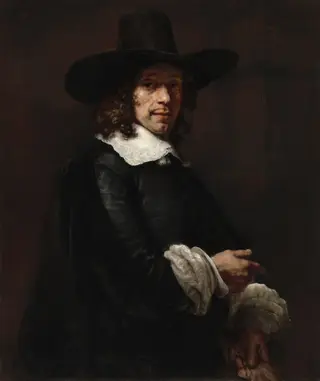
- Self-portrait
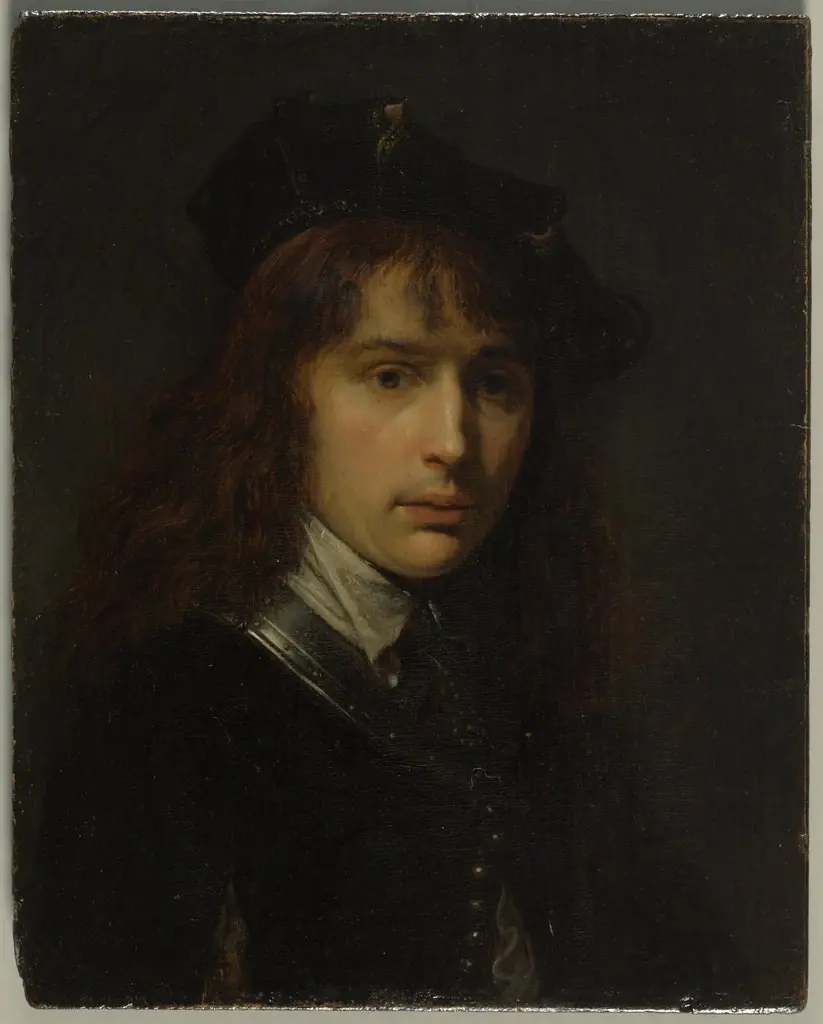 Self-Portrait
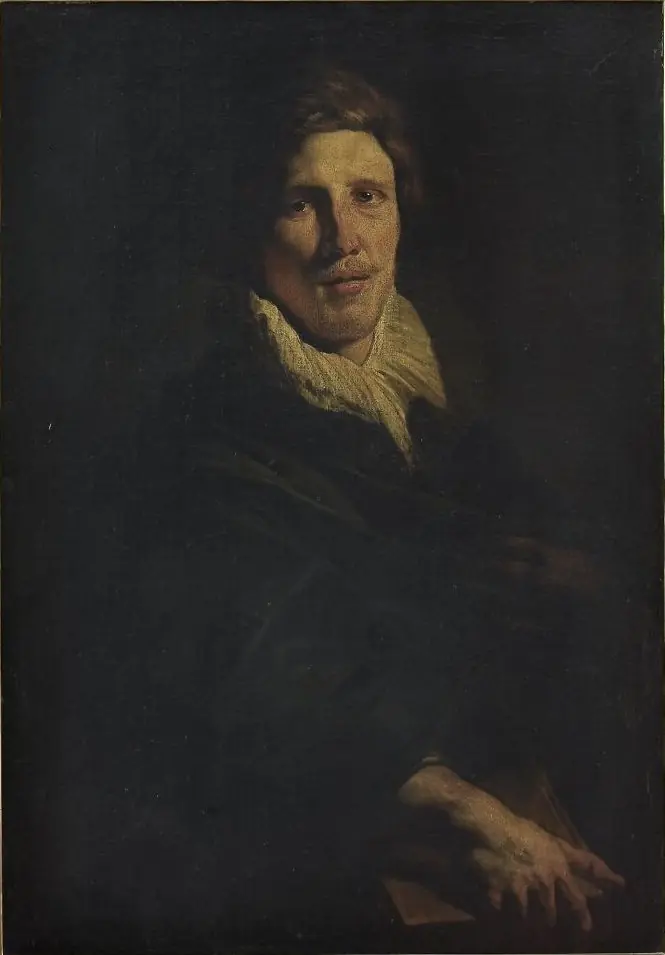 Portrait of a young gentleman, formerly believed to be a self-portrait
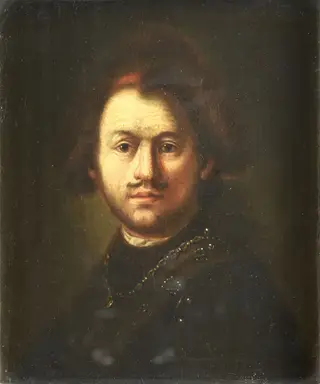 Portrait of Rembrandt
 Portrait of a Young Man
 Autoportret
 A Young Man in a Red Cap
 Ein junger Mann (Werkstatt)
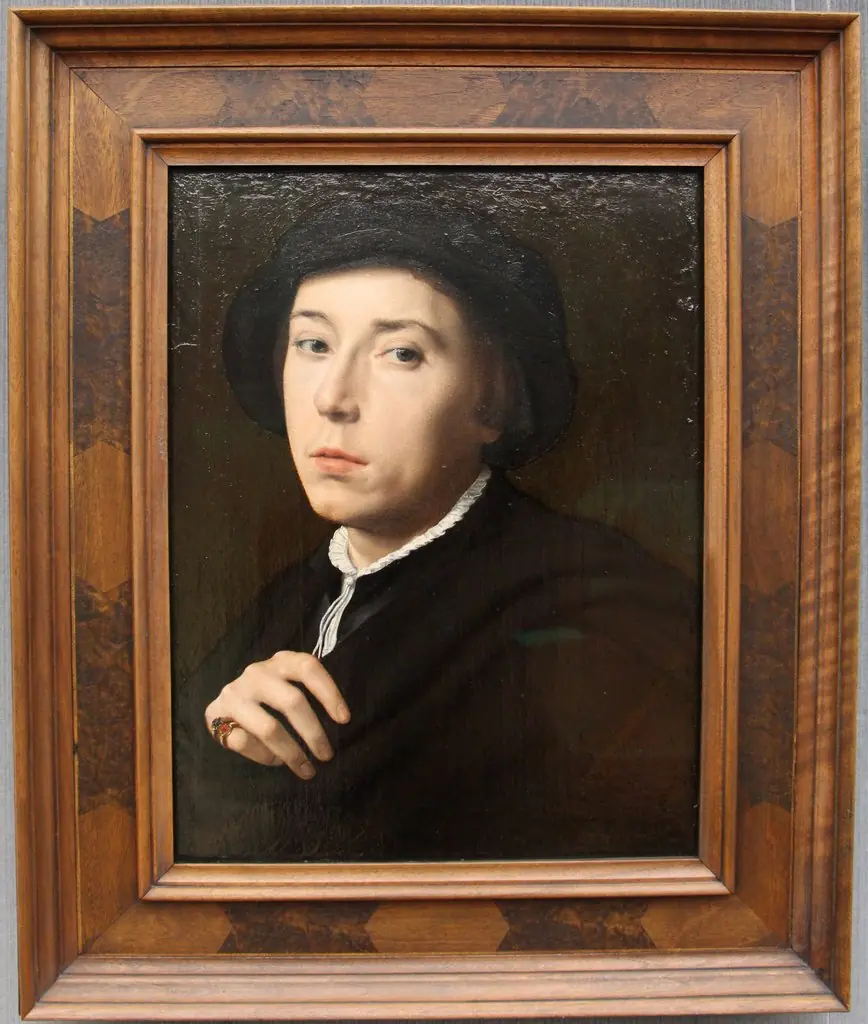 Portrait of a Man (self-portrait?)
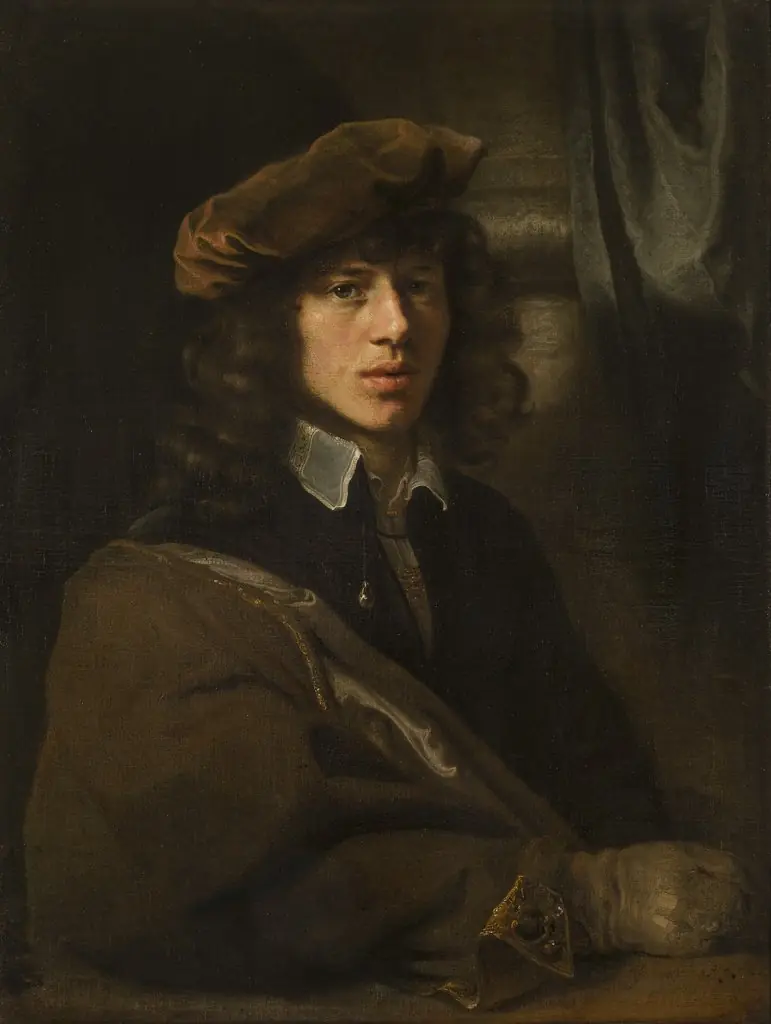 Portrait of Carel Fabritius
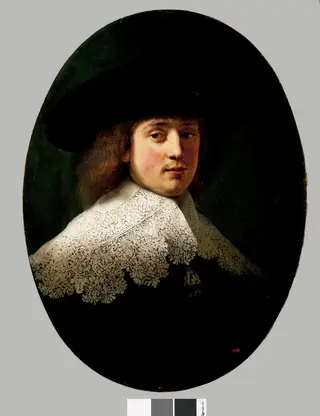 Portrait of Maerten Soolmans (1613–1641)
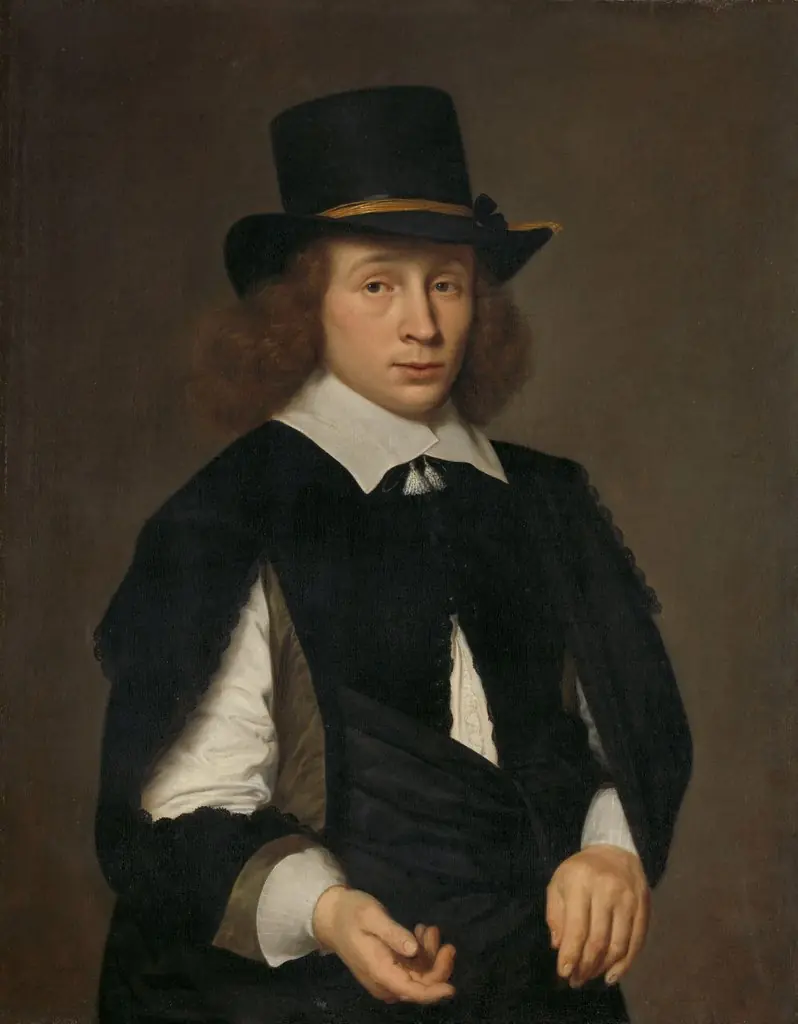 Dirck Hendrick Meulenaer