Artwork
Endless Rhythm
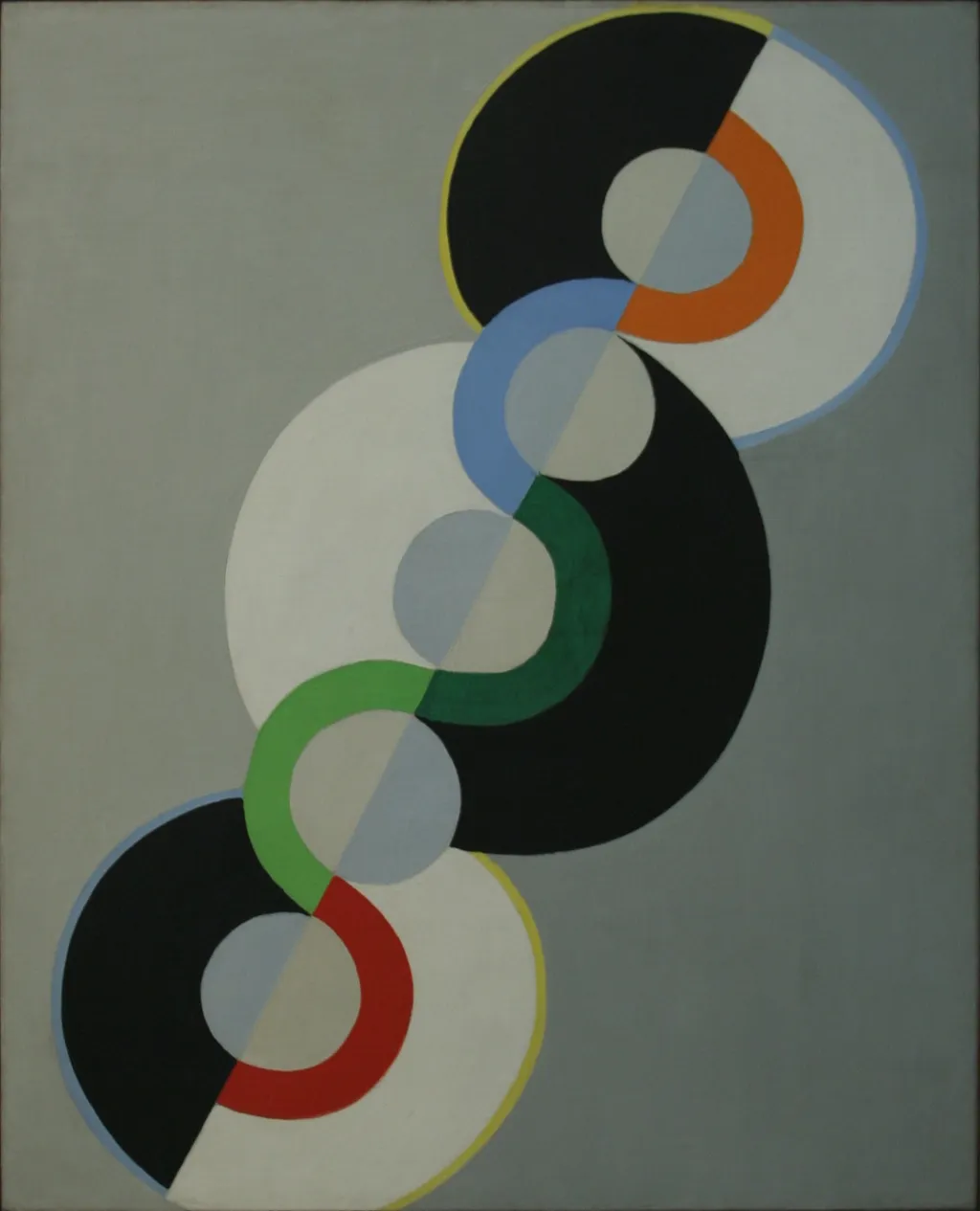
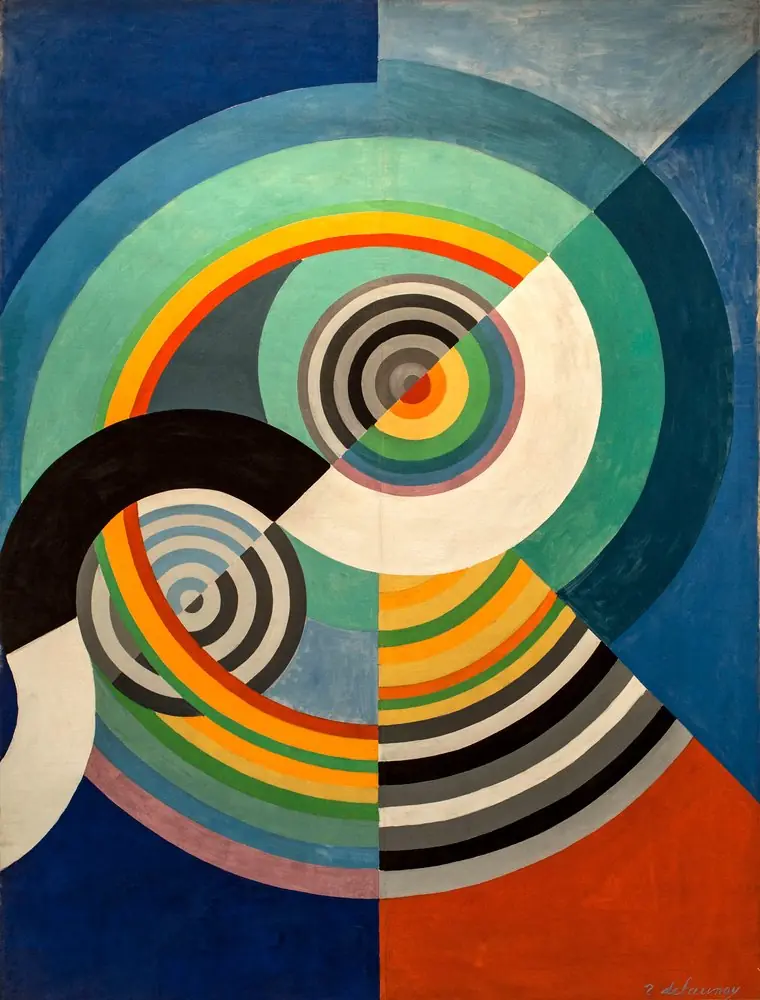
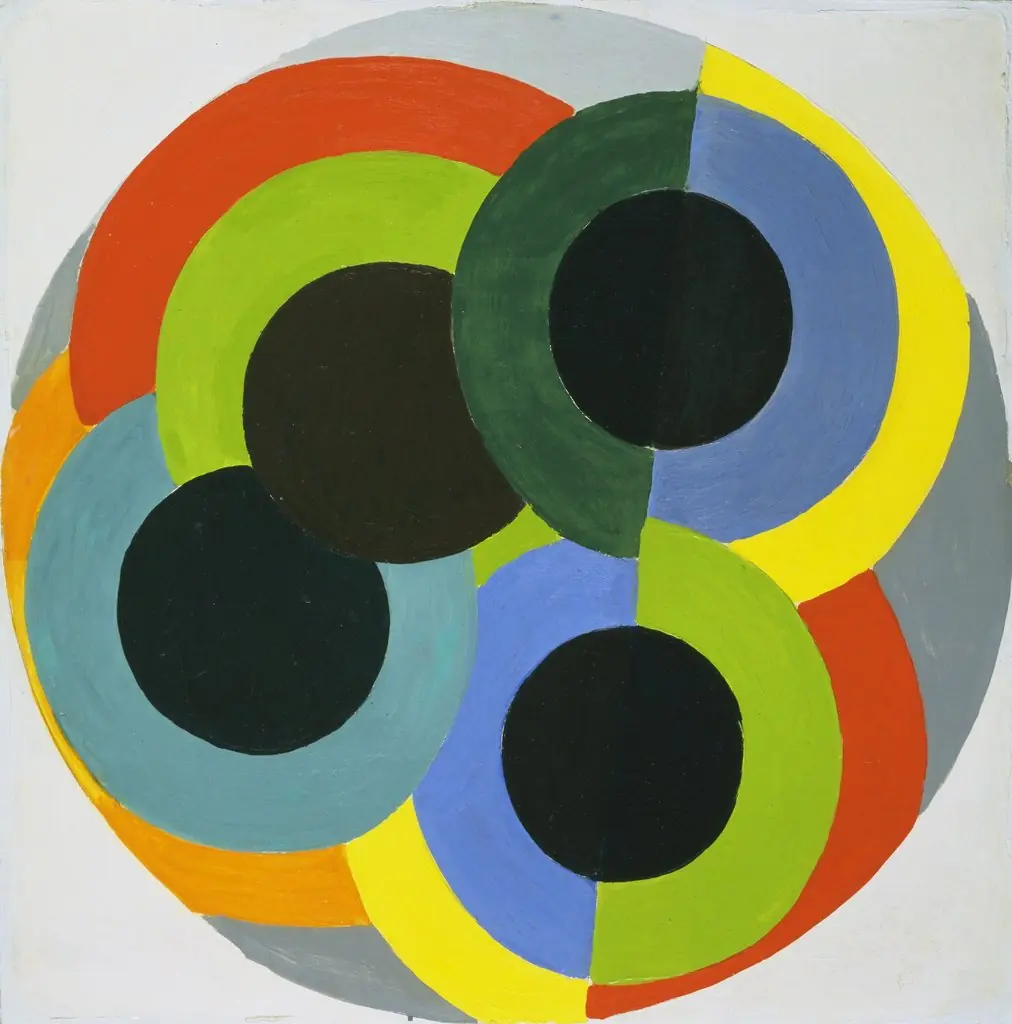
Endless Rhythm is an oil painting by Robert Delaunay. It dates from 1934 and is held in the collection of the Tate.
About this work
Overview
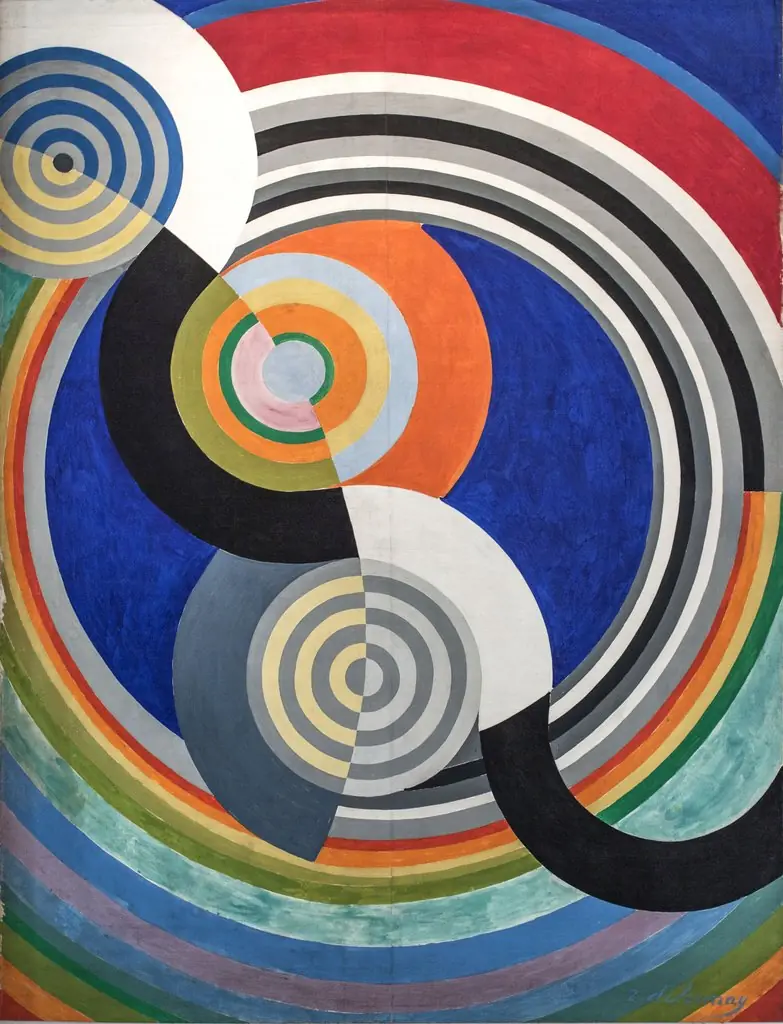
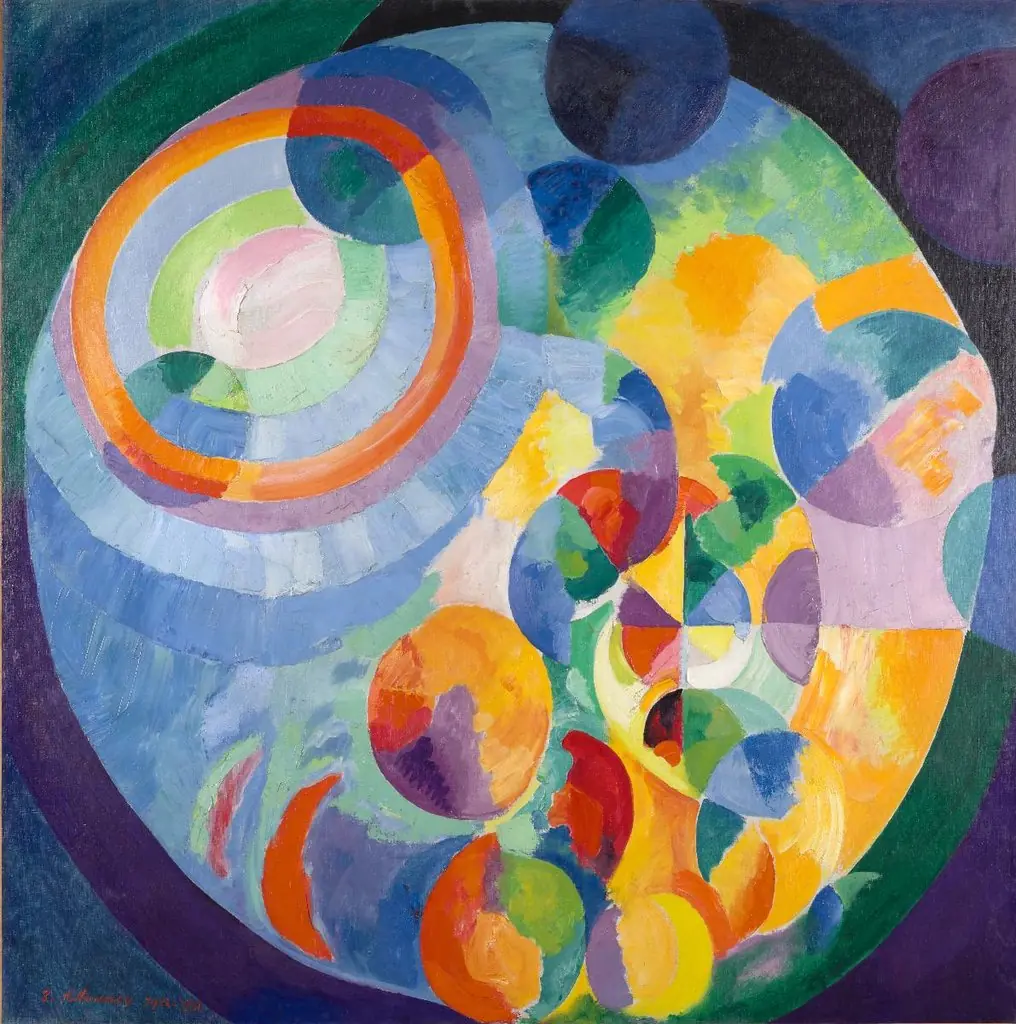
Endless Rhythm is an abstract oil painting completed by Robert Delaunay in 1934. It exemplifies his continued exploration of color and form beyond Cubism, aligning with the principles of Orphism, a movement emphasizing lyrical abstraction through chromatic harmony. The work is part of the Tate Modern’s collection, reflecting its significance in early 20th-century modernist practice.
Subject & Meaning
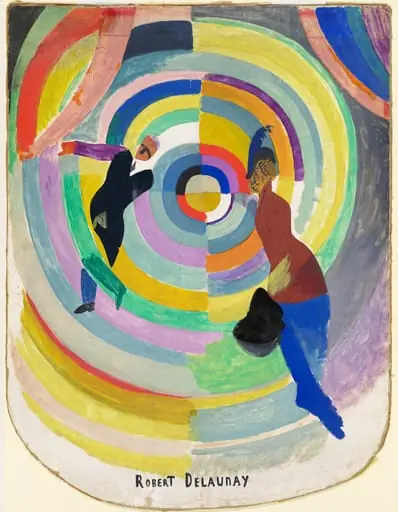
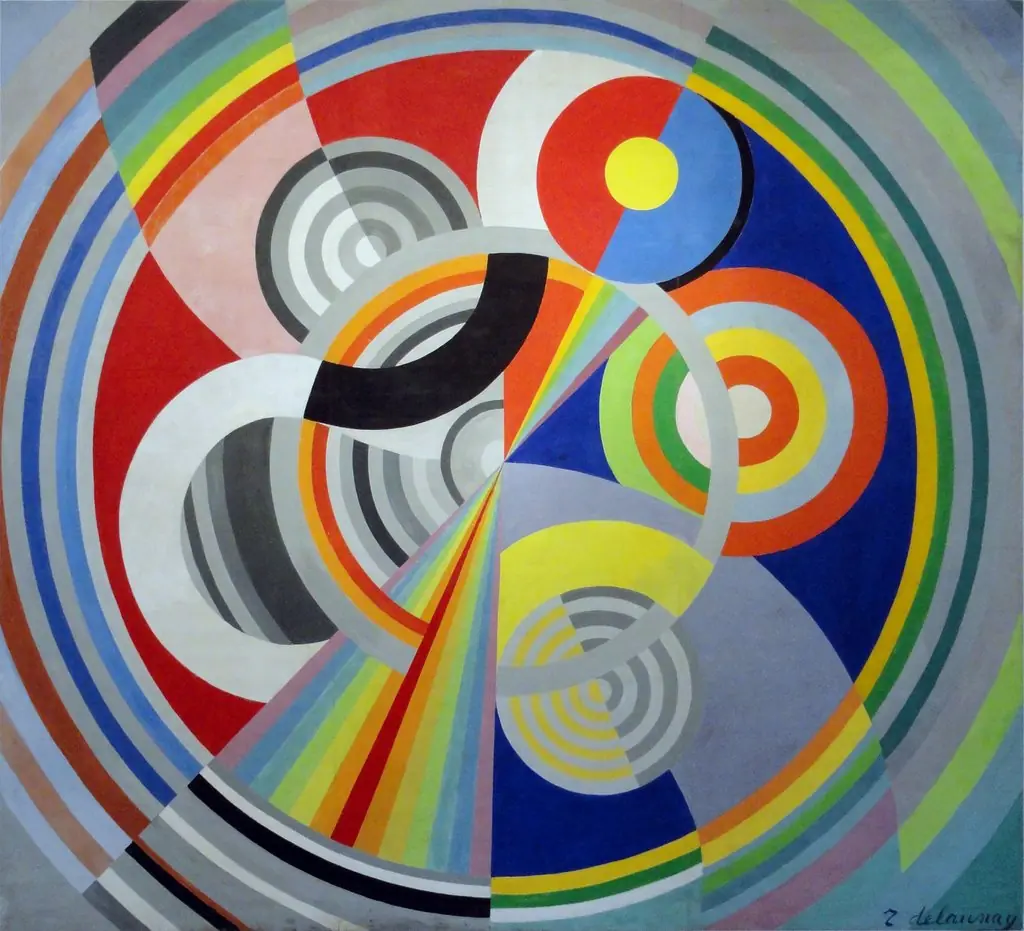
The painting does not depict a literal subject but evokes motion through the arrangement of concentric circles. Their diagonal progression suggests a visual pulse, implying continuity and cyclical energy. Delaunay sought to translate musical rhythm into visual terms, using overlapping forms to create a sense of dynamic flow rather than narrative content.
Technique & Style
Delaunay applied oil paint in flat, saturated hues, black, white, blue, red, green, orange, and yellow, layering circles to produce optical vibration. Some rings are outlined in thin strokes, others blend seamlessly into the light gray background. The composition’s precision and intentional asymmetry enhance the perception of rhythmic movement across the canvas.
History & Provenance
Painted during Delaunay’s later period, Endless Rhythm reflects his sustained interest in color theory developed since the 1910s. It entered the Tate Modern’s collection through established acquisition channels, likely as part of broader efforts to document European modernism. Its provenance traces back to the artist’s studio or early private collectors in France.
Context
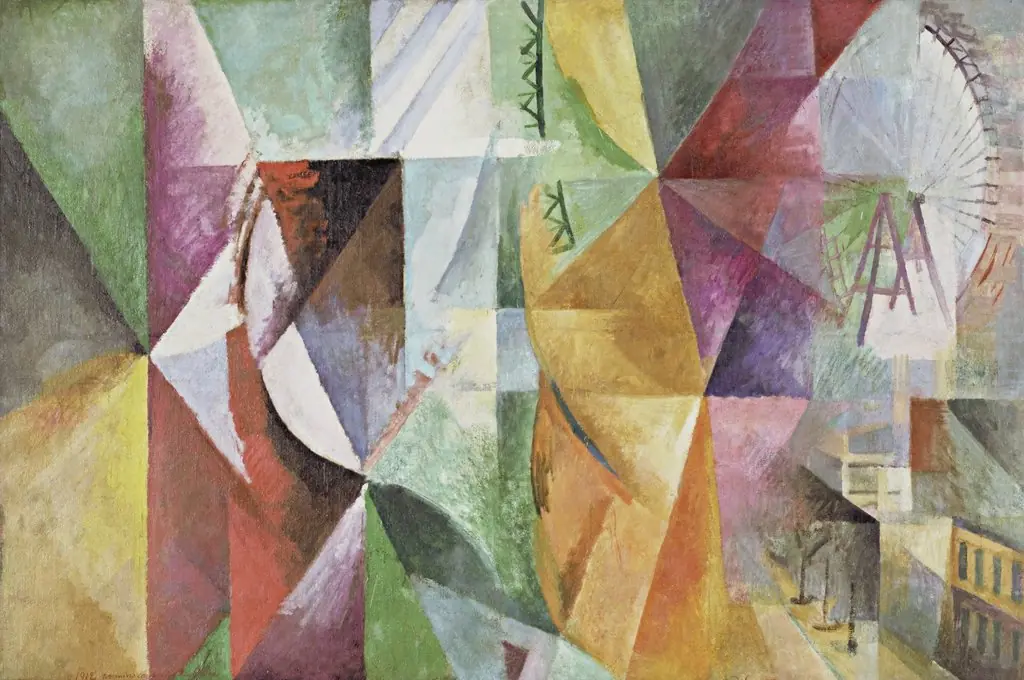
Created in the mid-1930s, the work emerged amid rising political tensions in Europe, yet Delaunay remained focused on formal innovation. Orphism, though no longer a formal group, continued to influence his practice. This piece connects to earlier works like the Windows series, extending his investigation into color as an autonomous visual force.
Legacy
Endless Rhythm contributes to Delaunay’s reputation as a pioneer in non-representational color composition. Its emphasis on rhythm and geometric harmony influenced later movements, including Op Art and Color Field painting. Though less widely known than his earlier works, it remains a key example of his lifelong pursuit of visual dynamism through abstraction.
Own this work as a print
Artist & collection

Artist
Robert Delaunay was a French artist of the School of Paris movement; who, with his wife Sonia Delaunay and others, co-founded the Orphism art movement, noted for its use of strong colours and geometric shapes.