Artwork
Still Life with a Diabolo
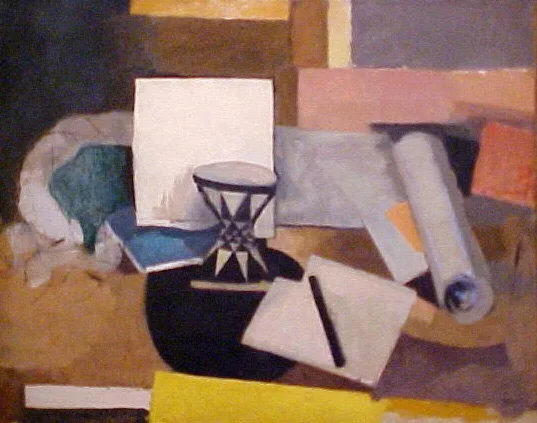
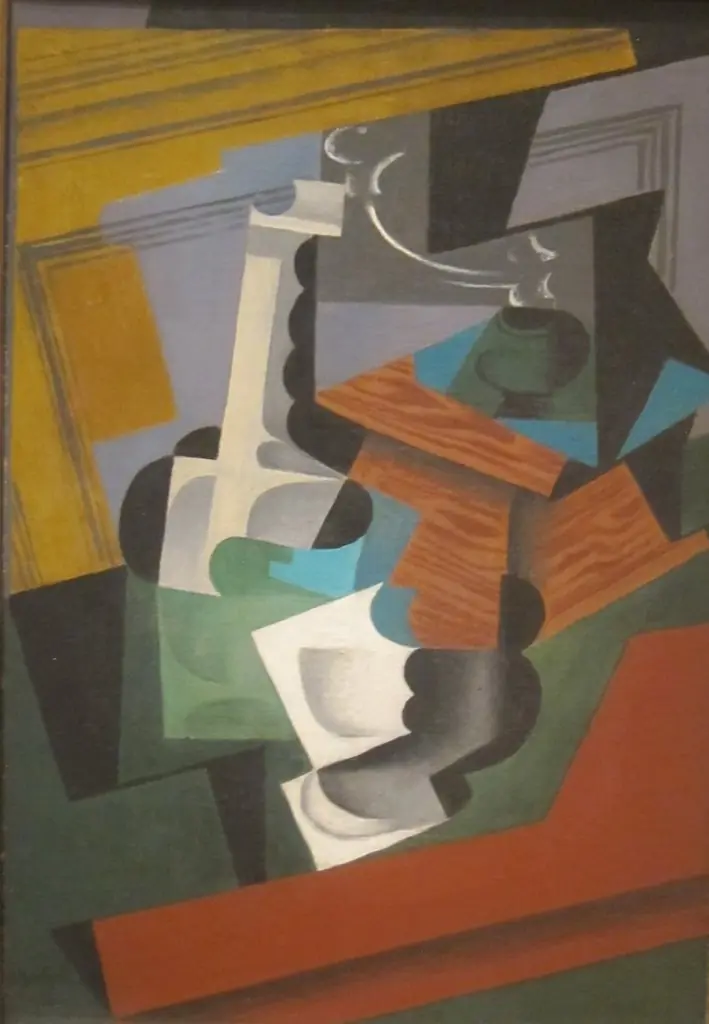
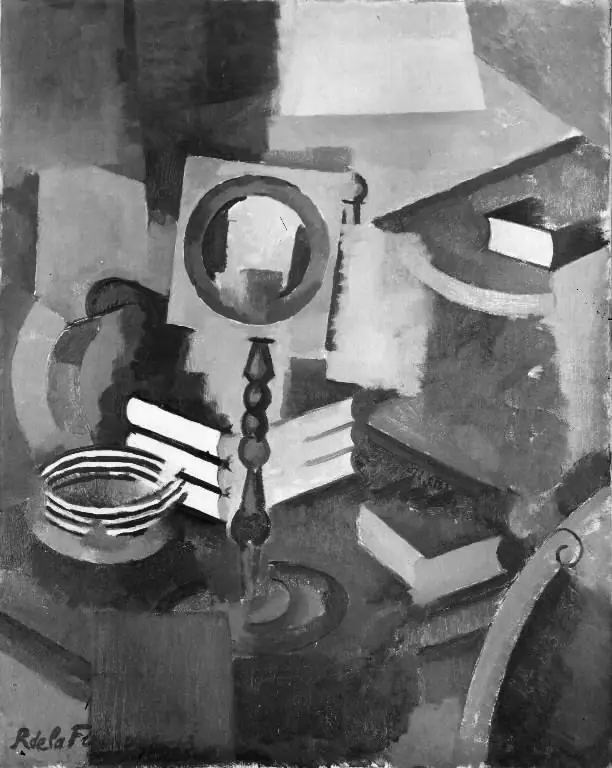
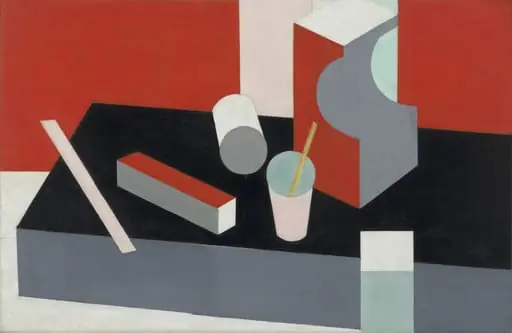
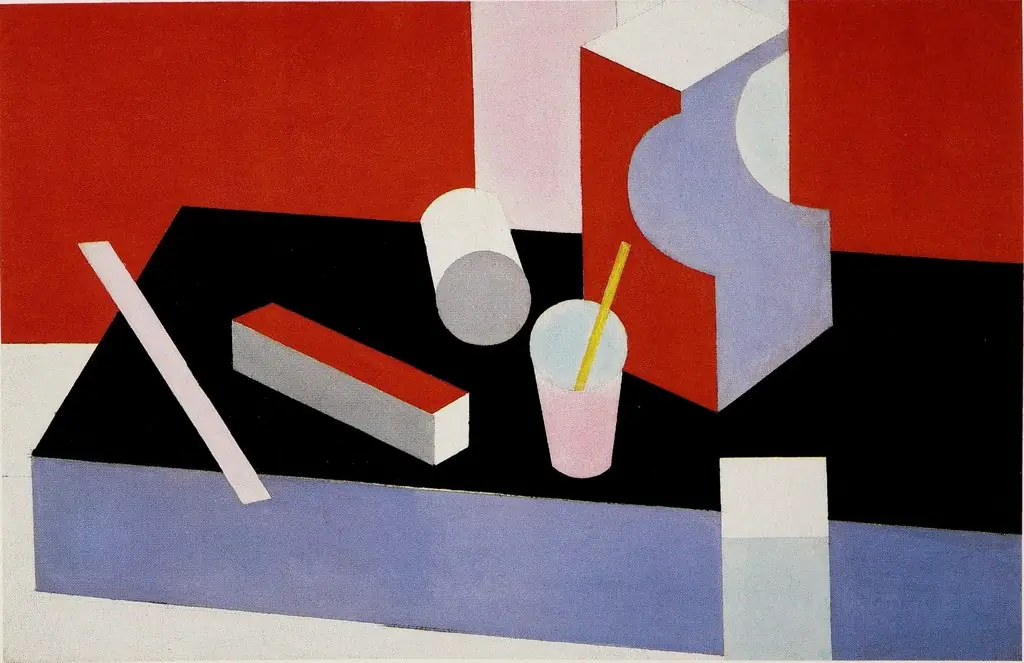
Still Life with a Diabolo is an oil painting by the Cubism Synthetic artist Roger de La Fresnaye. It dates from 1914 and is held in the collection of the Metropolitan Museum of Art.
About this work
Technique & Style
Executed in 1914, Still Life with a Diabolo is an oil painting on canvas by Roger de La Fresnaye. The work measures 73.7 cm in height and 92.1 cm in width. As a still life, the composition focuses on the depiction of everyday objects, specifically featuring a diabolo, rendered through the application of oil paint. The piece is currently held in the collection of the Metropolitan Museum of Art.
History & Provenance
The painting later joined the holdings of Eugene Thaw and, following his bequest, entered the Metropolitan Museum of Art, where it remains today.
Still Life with a Diabolo was painted in 1914 by Roger de La Fresnaye; no record of a commission survives. After its completion the work entered the collection of Marcel Kapferer, then passed to the Parisian dealer Jacques Seligmann & Company. It subsequently belonged to Roland Balay, Louis Carré, and the partnership Balaÿ et Carré before being acquired by American collector Wright S. Ludington.
The painting later joined the holdings of Eugene Thaw and, following his bequest, entered the Metropolitan Museum of Art, where it remains today.
Legacy
Roger de La Fresnaye's Still Life with a Diabolo, executed in oil on canvas in 1914, exemplifies early twentieth‑century French still‑life painting. The work is categorized as a still life, reflecting the artist's engagement with everyday subjects. Its inclusion in the Metropolitan Museum of Art's collection, together with a documented chain of ownership that includes Marcel Kapferer, Jacques Seligmann & Company, and other recognized dealers, underscores its accepted place in museum histories of modern art.
Overview
Roger de La Fresnaye's Still Life with a Diabolo, painted in 1914, exemplifies the artist's synthesis of Cubist fragmentation and lyrical color during his most productive period. The composition arranges everyday objects, a black cup, a small blue box, a rolled paper, and a crumpled white cloth, upon a table surface, deconstructing their forms into geometric planes while retaining recognizable outlines. Executed in oil paint, the work features a restrained palette of beiges, grays, and muted browns, punctuated by a vivid yellow stripe at the lower edge that anchors the visual field.
Created on the eve of World War I, this piece reflects La Fresnaye's unique position within the Cubist movement; unlike the monochromatic rigor of Picasso or Braque, he maintained a distinct sensitivity to color and decorative harmony. The painting captures the artist's transition from the structured analysis of form toward a more personal, poetic interpretation of reality. It stands as a significant example of his pre-war output, demonstrating his ability to infuse the analytical Cubist idiom with a sense of lightness and domestic intimacy before his career was interrupted by the conflict and his subsequent decline in health.
Subject & Meaning
The painting features an arrangement of domestic items on a surface, including a black cup, a small blue box, and various folded or rolled forms. While titled a still life, it deliberately omits conventional elements like fruit or flowers. Instead, the artist transforms familiar objects into an enigmatic assembly of simplified, geometric shapes, creating a visual puzzle rather than a direct representation.
Artist & collection