Artwork
The Pietà
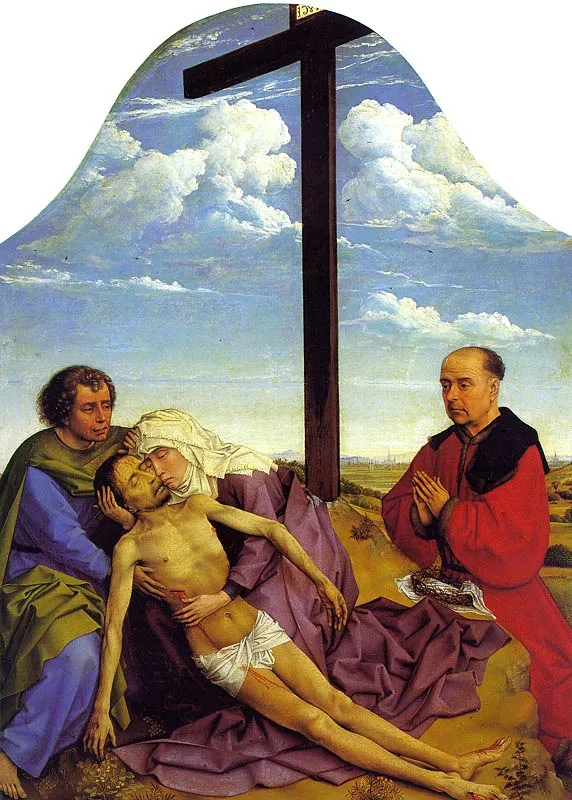
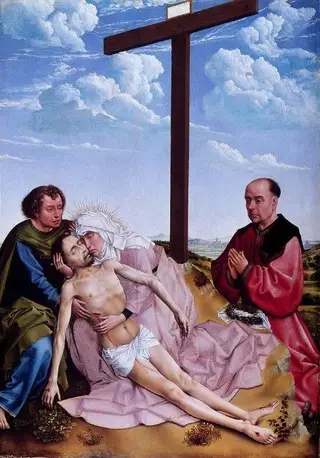
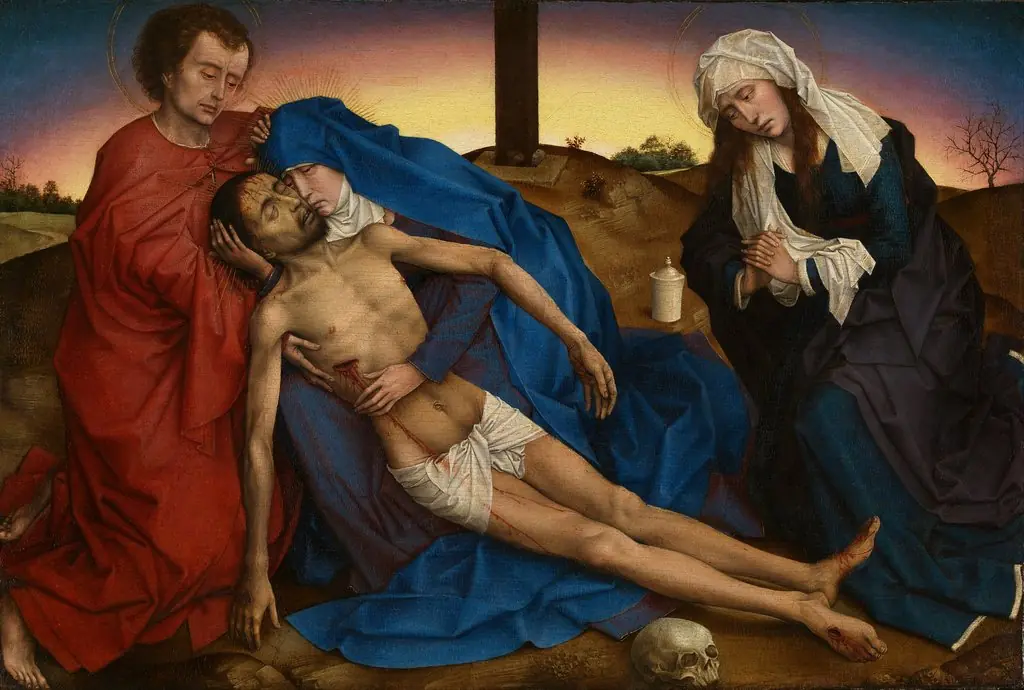
The Pietà is an oil painting by the Northern Renaissance artist Rogier van der Weyden. It dates from 1440 and is held in the collection of the Museo del Prado.
About this work
Subject & Meaning
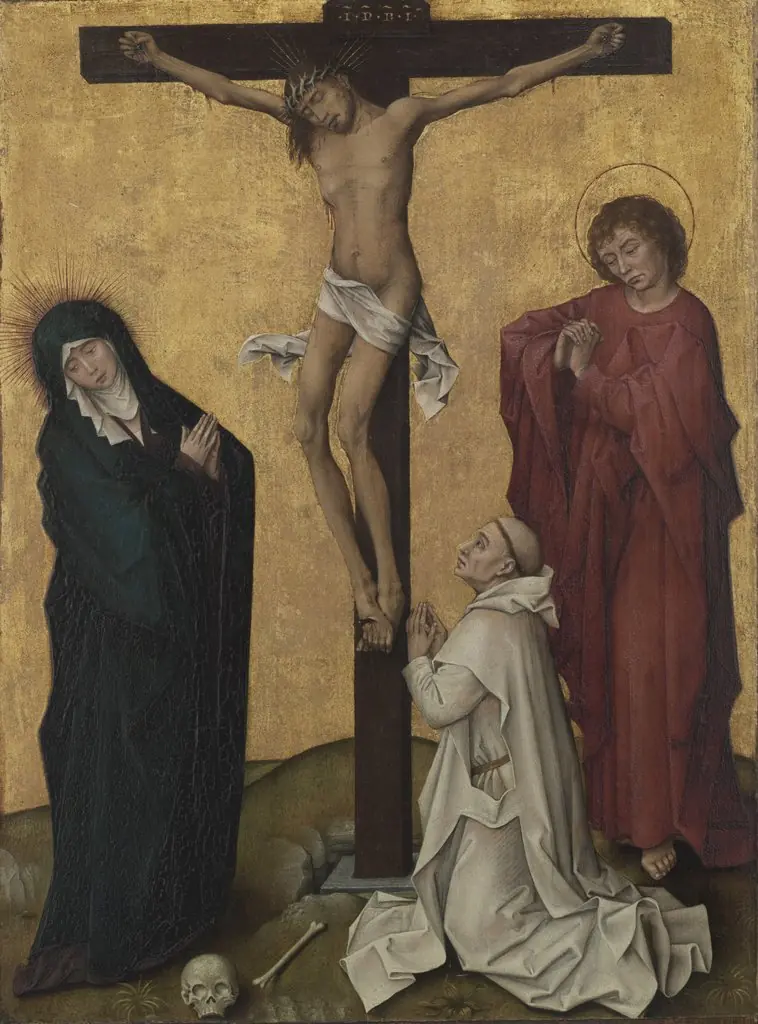
" In this panel, Rogier van der Weyden focuses on the Virgin's grief as she mourns her son, with the cross included among the depicted elements.
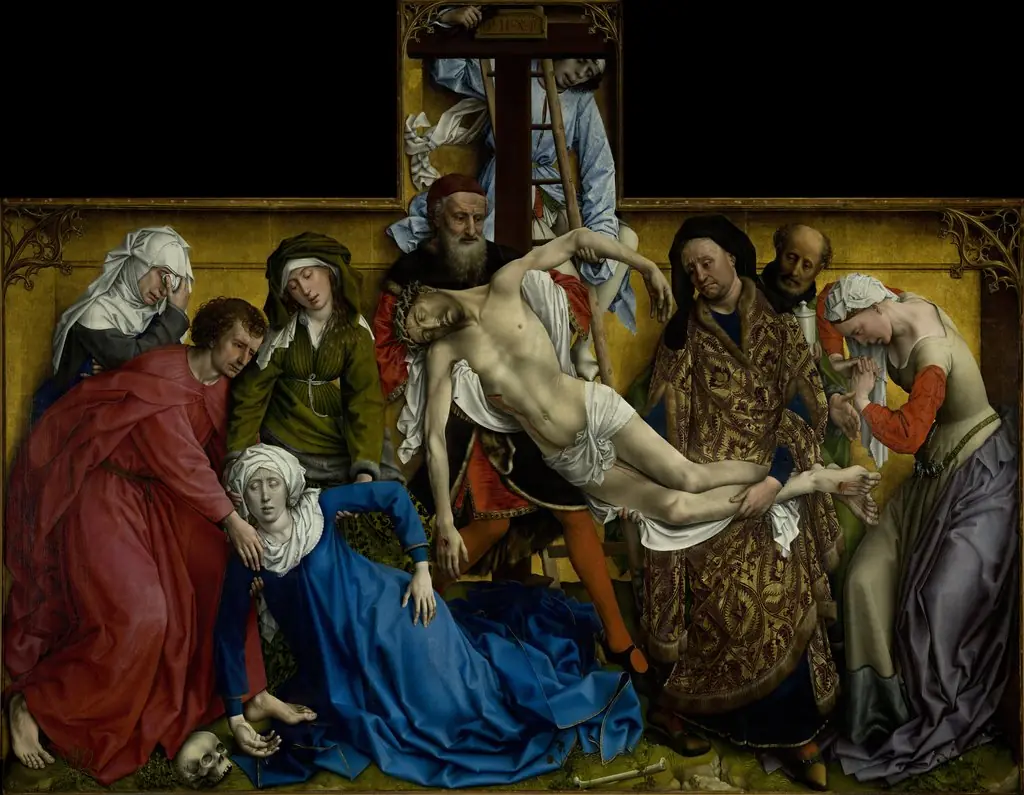
The Pietà depicts the Virgin Mary cradling the dead body of Jesus Christ following his crucifixion, a devotional subject known as the Pietà or "Our Lady of Sorrows." In this panel, Rogier van der Weyden focuses on the Virgin's grief as she mourns her son, with the cross included among the depicted elements. The intimate scale and the emotional weight given to Mary's sorrow reflect the Early Netherlandish emphasis on personal, contemplative devotion, encouraging the viewer to meditate on Christ's sacrifice and the Virgin's suffering.
Technique & Style
Rogier van der Weyden's The Pietà is a religious painting executed in oil paint on a wooden panel. Measuring 46.8 by 34.5 cm, the work is a product of the Early Netherlandish movement. Its formal qualities center on the main subject of the Pietà, depicting Jesus Christ and the cross within a deeply devotional, religious genre.
History & Provenance
The work is held in the collection of the Museo del Prado, where it is catalogued under the accession number P00968. It has been part of the museum's exhibition schedule, appearing in displays of Early Netherlandish painting and religious art from its acquisition through the present.
Context
The Pietà by Rogier van der Weyden, created around 1440 as an oil painting on panel, occupies a pivotal position within Early Netherlandish religious art. Its depiction of the Virgin Mary cradling the dead Christ reflects devotional practices of the period and has been analyzed for its emotional depth and technical innovation. Scholarship emphasizes its influence on subsequent depictions of the subject and its role in shaping the narrative of Northern Renaissance piety.
The work's composition and material choices are frequently cited in studies of van der Weyden's broader artistic legacy and the development of devotional imagery in the 15th century.
Overview
The Pietà, a 15th-century oil painting attributed to Rogier van der Weyden, dates to circa 1440 and exemplifies the Northern Renaissance style. It portrays a poignant biblical scene.
Legacy
The Pietà remains a significant example of Northern Renaissance art, illustrating van der Weyden's impact on the development of emotionally charged religious painting in the period.
Artist & collection
Artist
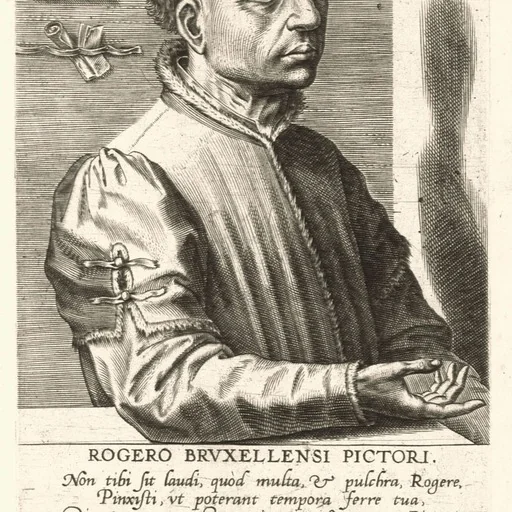
Rogier van der Weyden (Dutch:; 1399 or 1400 – 18 June 1464), initially known as Roger de la Pasture (French: ), was an early Netherlandish painter whose surviving works consist mainly of religious triptychs,…