Artwork
Esperanza, Small Building
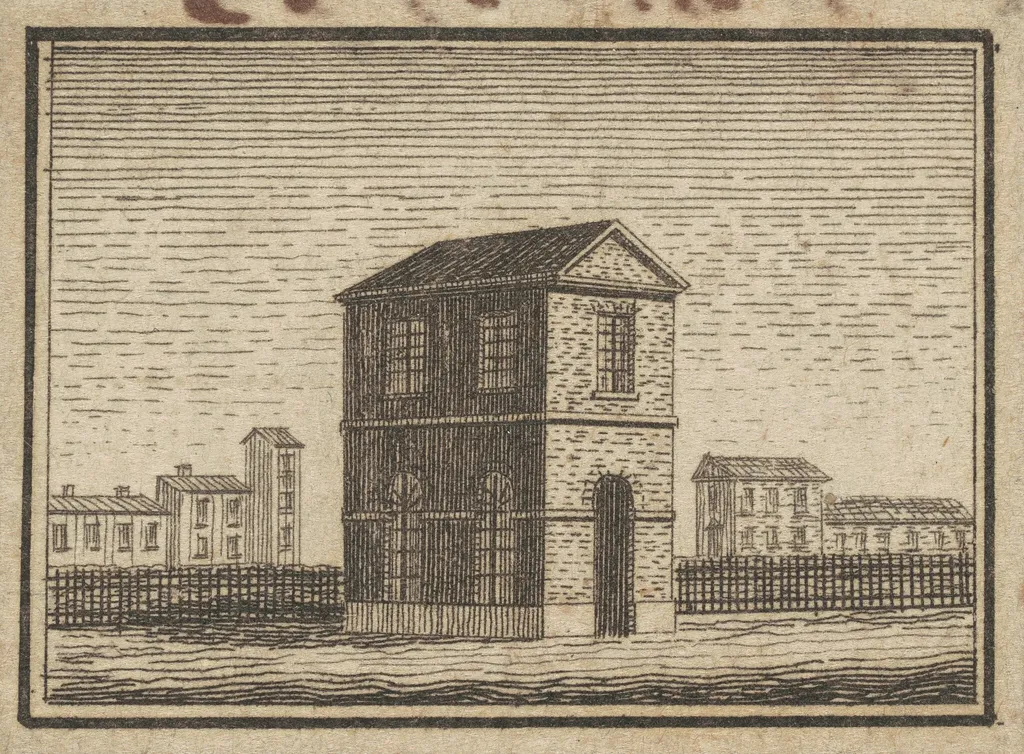
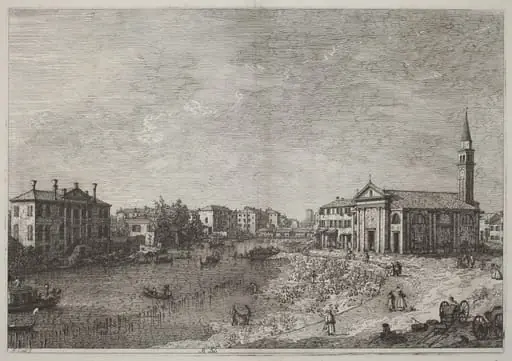
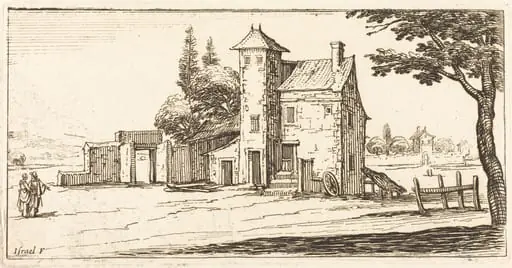
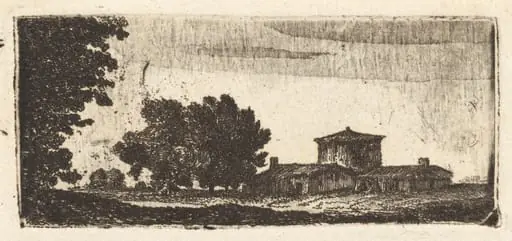
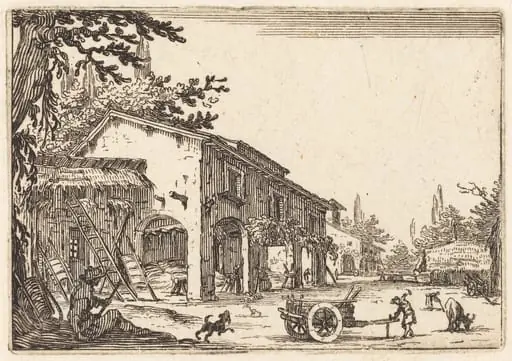
Esperanza, Small Building is an ink print by the Romanticist artist Charles B. J. Févret de Saint-Mémin. It dates from 1795 and is held in the collection of the National Gallery of Art.
About this work
The artist included fine details, like the columns and the building's facade, which suggests a focus on architecture.
This painting shows a neoclassical church with a columned portico. It's a simple yet detailed scene. The artist included fine details, like the columns and the building's facade, which suggests a focus on architecture.
The church's design is interesting because it reflects the styles of the time. The columns and portico are typical of neoclassical buildings. This style was popular in the late 18th century, which is when the artwork was created.
You can learn more about this style by looking into the technique of etching.
Overview
Esperanza, Small Building is an etching and engraving on laid paper, mounted to brown wove paper, created by Charles B. J. Févret de Saint-Mémin in the late 18th century. The work belongs to the printmaking tradition of the period and presents a restrained architectural scene. Its modest scale and precise line work reflect the artist’s focus on documentation rather than ornamentation, aligning with the era’s interest in recording built environments with clarity.
Subject & Meaning
The subject is a neoclassical church with a columned portico, rendered in careful detail. The building’s symmetry and classical elements suggest an idealized form of religious architecture, common in Enlightenment-era design. There is no human presence or narrative context, emphasizing the structure itself as the focus.
The title, Esperanza, may reference a place or aspiration, but the image remains deliberately anonymous, inviting contemplation of form over story.
Technique & Style
Saint-Mémin employed etching and engraving to achieve fine, controlled lines that define the building’s columns, pediment, and surface textures. The use of laid paper and careful ink application enhances the precision of architectural details. The style is restrained, avoiding dramatic lighting or emotional embellishment.
This technical approach reflects the influence of academic training and the period’s preference for clarity and order in representation.
History & Provenance
Created during Saint-Mémin’s time in the United States, the print likely stems from his broader project of documenting American architecture. Though the exact provenance is not fully documented, the work’s preservation in museum collections indicates early recognition of its documentary value. It was not intended for mass distribution but rather as a refined study, possibly used in architectural or educational contexts of the time.
Context
The late 18th century saw a surge in neoclassical architecture across Europe and the Americas, inspired by ancient Roman and Greek models. Saint-Mémin’s work aligns with this trend, capturing buildings that embodied civic ideals through proportion and order. As a French émigré working in the U.S., his prints contributed to a transatlantic dialogue on design, recording structures that reflected both local needs and classical influences.
Legacy
Esperanza, Small Building remains a quiet example of early American architectural documentation through print. While not widely exhibited today, it contributes to the historical record of how neoclassical forms were interpreted and preserved in visual media. Its technical precision and lack of embellishment make it a useful reference for scholars studying the intersection of art, architecture, and cultural identity in the post-Revolutionary era.
Own this work as a print
Artist & collection
Artist
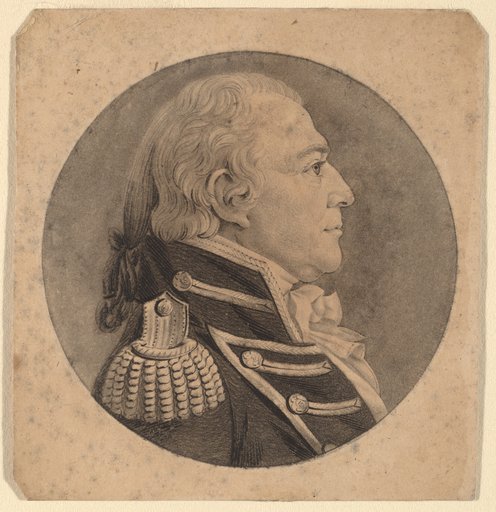
Charles B. J. Févret de Saint-Mémin
Charles Balthazar Julien Févret de Saint-Mémin (French pronunciation: ; 1770–1852) was a French portrait painter and museum director.