Artwork
Folding Screen for Tea Ceremony with Six Bird-and-Flower Paintings
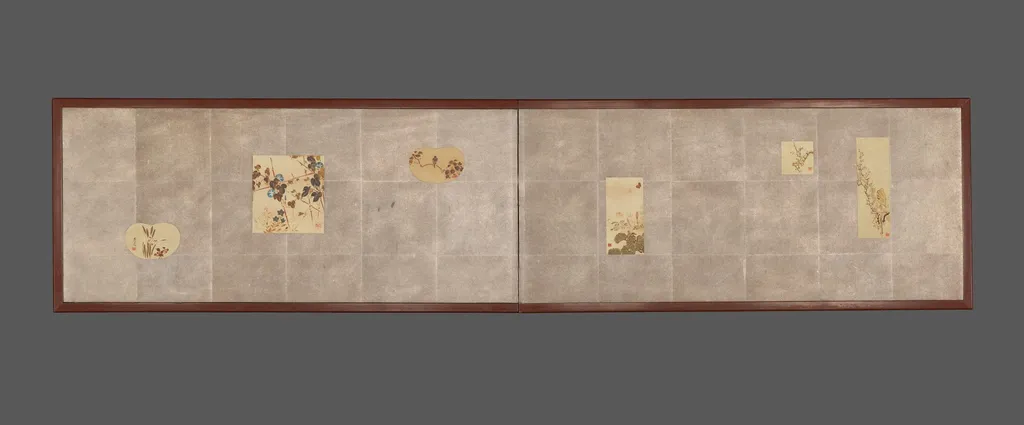
Folding Screen for Tea Ceremony with Six Bird-and-Flower Paintings is an unspecified painting by the Ukiyo-e artist Shibata Zeshin. It is held in the collection of the Metropolitan Museum of Art.
About this work
History & Provenance
It was created as a ceremonial piece for the tea ceremony, featuring six bird-and-flower paintings arranged on a folding screen format.
The folding screen was commissioned in 1883 by Shibata Zeshin, a Japanese lacquer painter active during the Meiji period. It was created as a ceremonial piece for the tea ceremony, featuring six bird-and-flower paintings arranged on a folding screen format. The work was produced in Japan and has been part of the permanent collection of the Metropolitan Museum of Art since its acquisition, retaining its original cultural and functional context within Japanese aesthetic traditions.
Context
The folding screen created by Shibata Zeshin in 1883 exemplifies the integration of decorative arts into the tea ceremony tradition, reflecting the Meiji-era revival of classical Japanese aesthetics. Its six bird-and-flower panels demonstrate the artist's synthesis of earlier Rinpa influences with contemporary painting techniques, situating the work within a broader discourse on national identity and artistic heritage. The piece resides in the collection of the Metropolitan Museum of Art, where it is studied as a key example of late 19th-century Japanese screen painting and its role in mediating cultural exchange during a period of rapid modernization.
Overview
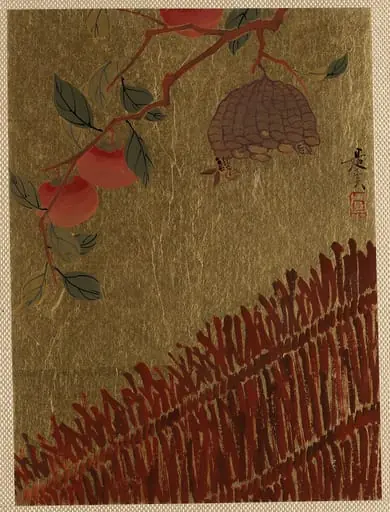
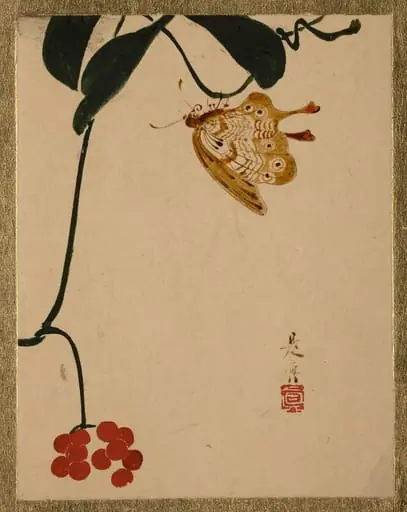
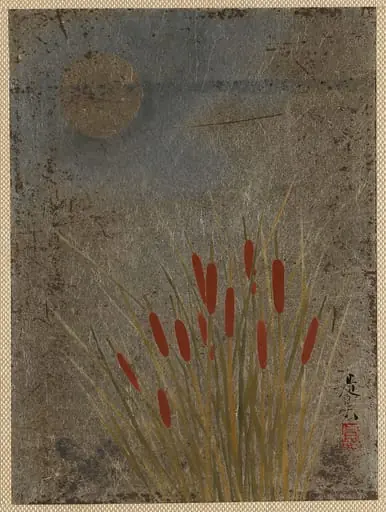
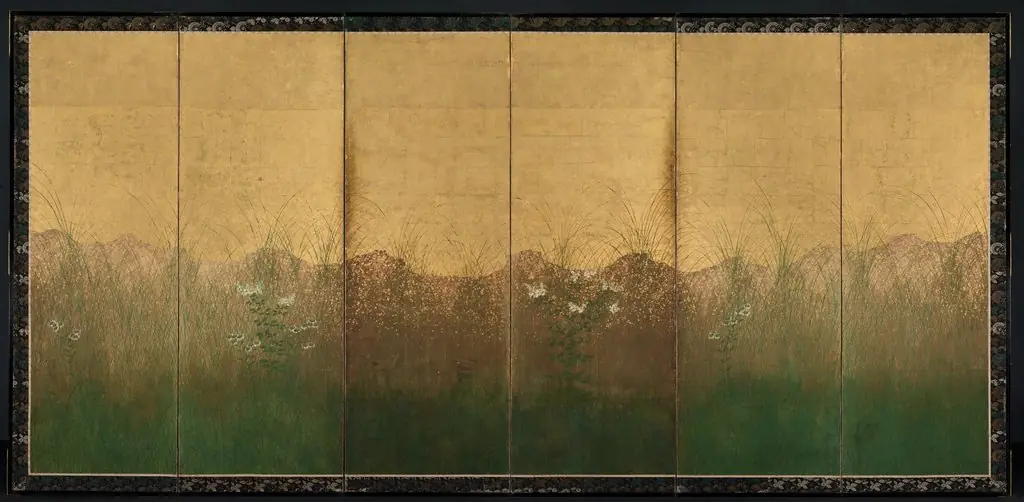
Created in 1892 by Shibata Zeshin, this folding screen was designed for use in a tea ceremony. It consists of two hinged panels, each covered in a light gray ground that is subdivided into a grid of small squares. Within the grid are six individual framed compositions that depict birds and foliage in a restrained palette of greens, browns and pale yellows. The work is part of the collection of the Metropolitan Museum of Art.
Subject & Meaning
Each of the six miniature scenes presents a quiet encounter between birds and plant life, a motif traditionally associated with seasonal change and the fleeting nature of beauty. The restrained coloration and modest scale suggest a contemplative atmosphere, aligning with the meditative sensibilities of the Japanese tea ceremony, where subtle observation of nature is valued.
Technique & Style
Zeshin employed a delicate brushwork on a painted paper surface, using muted mineral pigments that blend softly into the gray background. The compositions are organized within small, almost picture‑frame borders, emphasizing clarity and balance. The overall aesthetic reflects the late‑Edo to early‑Meiji preference for understated elegance and the artist’s mastery of subtle tonal modulation.
Artist & collection


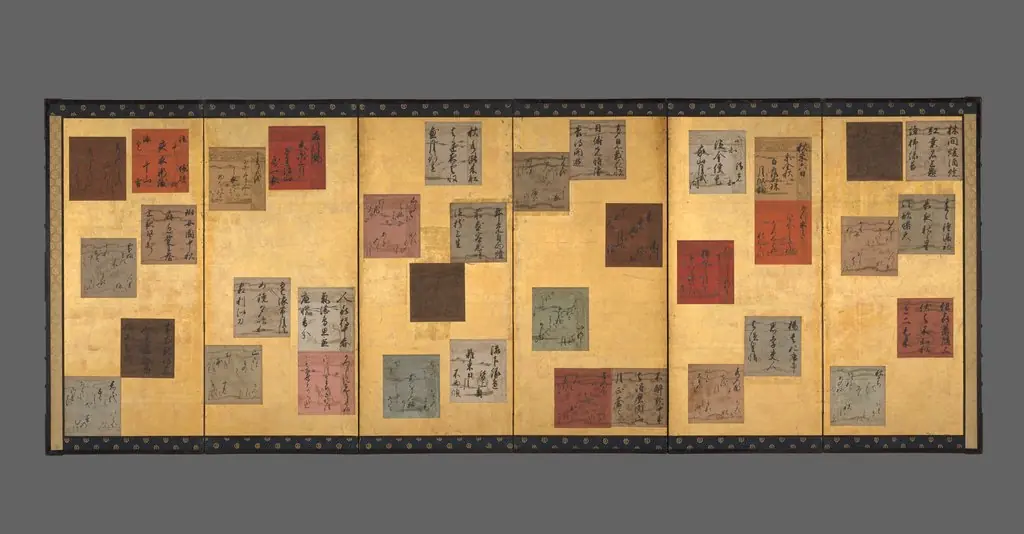 Japanese and Chinese Poems about the Four Seasons
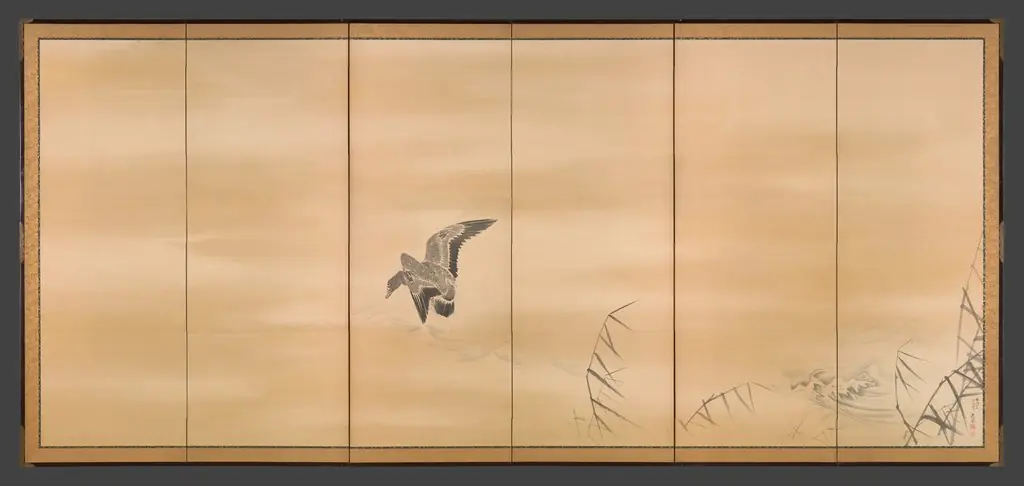 Goose and Reeds; Willows in the Moonlight
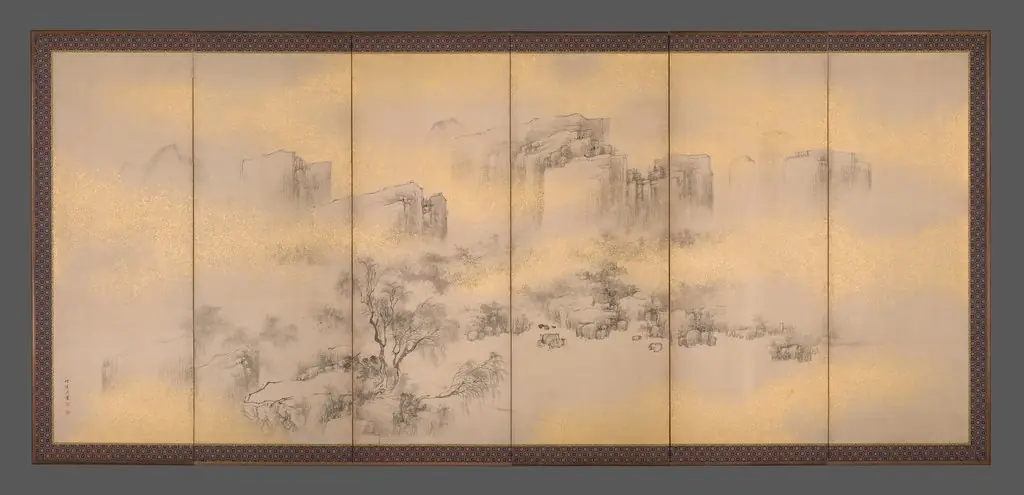 Summer and Autumn Landscapes
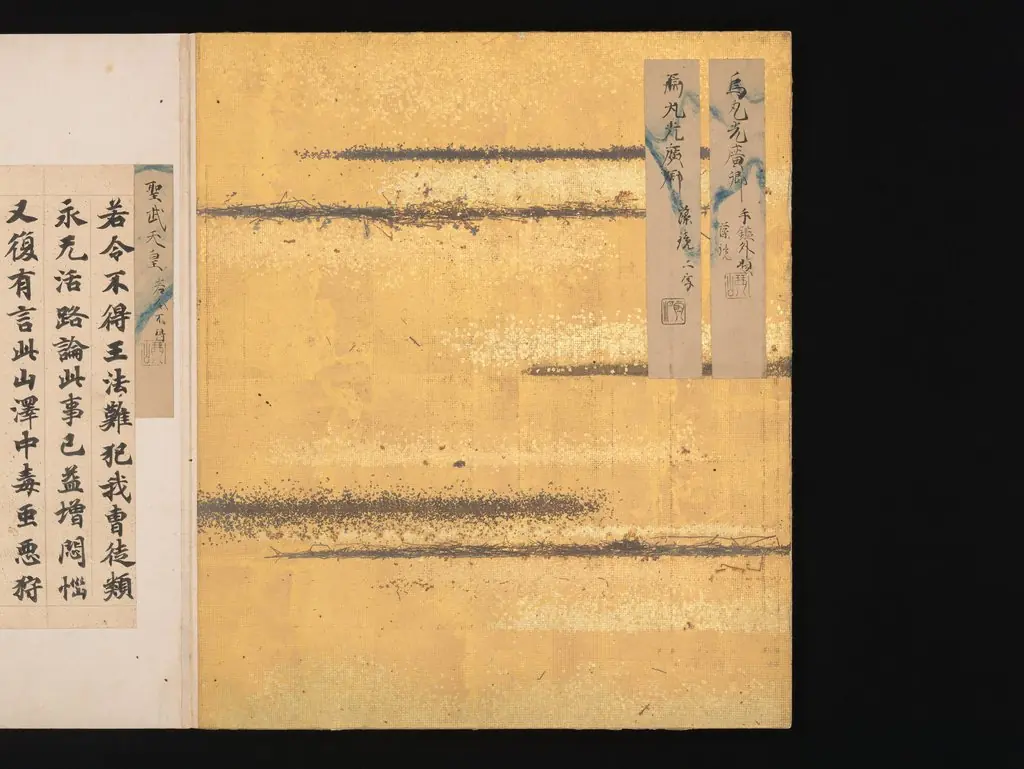 A Mirror of Gathered Seaweed (Mokagami) Calligraphy Album
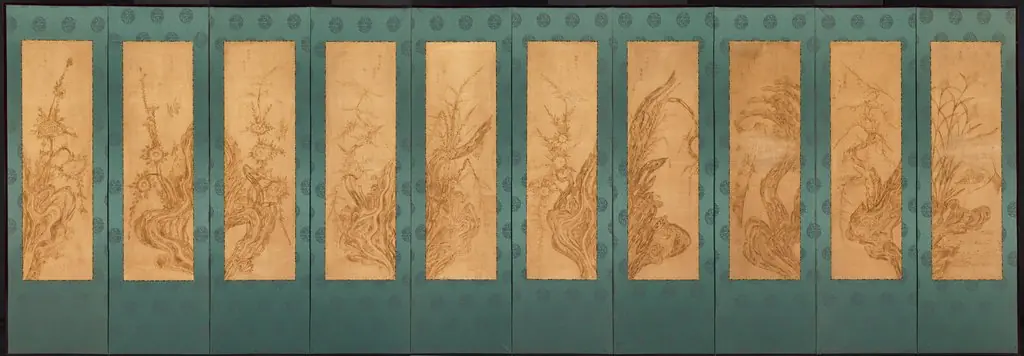 Birds and Flowers
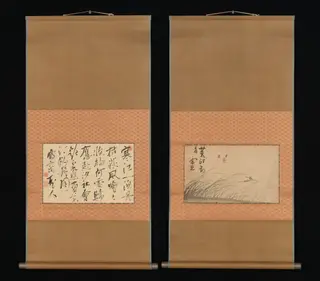 Fishing Boat on Reed Covered Bank and Calligraphy
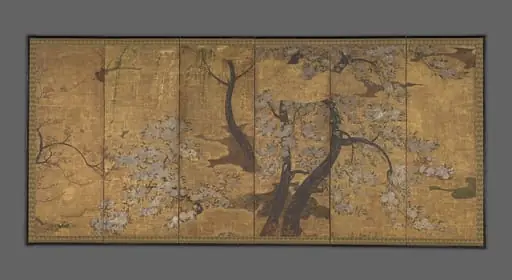 桜梅柳図屏風|Cherry, Plum and Willow Trees
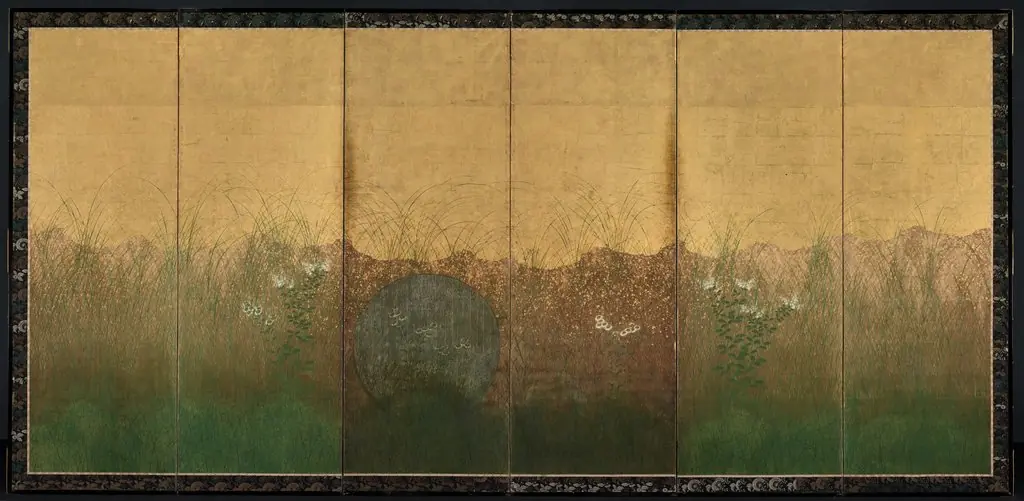 Autumn Evening with Full Moon on Musashino Plain
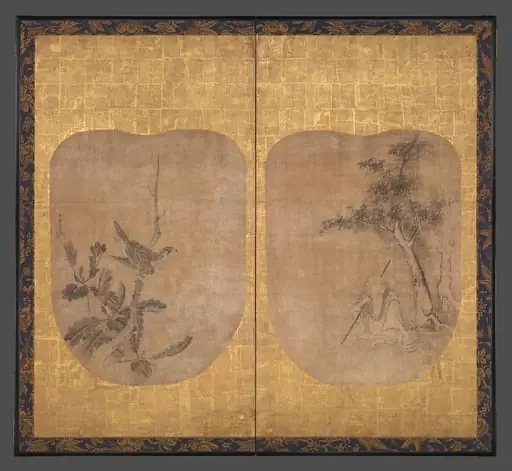 曽我二直庵筆 高士・柏鷹図|Daoist Sage and Hawk
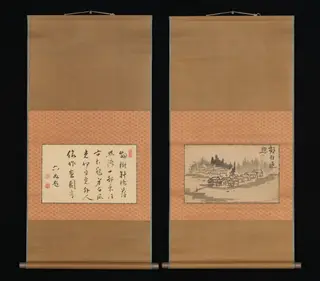 Evening Glow in a Mountain Village and Calligraphy
 Autumn Evening with Full Moon on Musashino Plain
- 花鳥図風炉先屏風|Folding Screen for Tea Ceremony with Six Bird-and-Flower Paintings