Artwork
Counsellor John Dunn
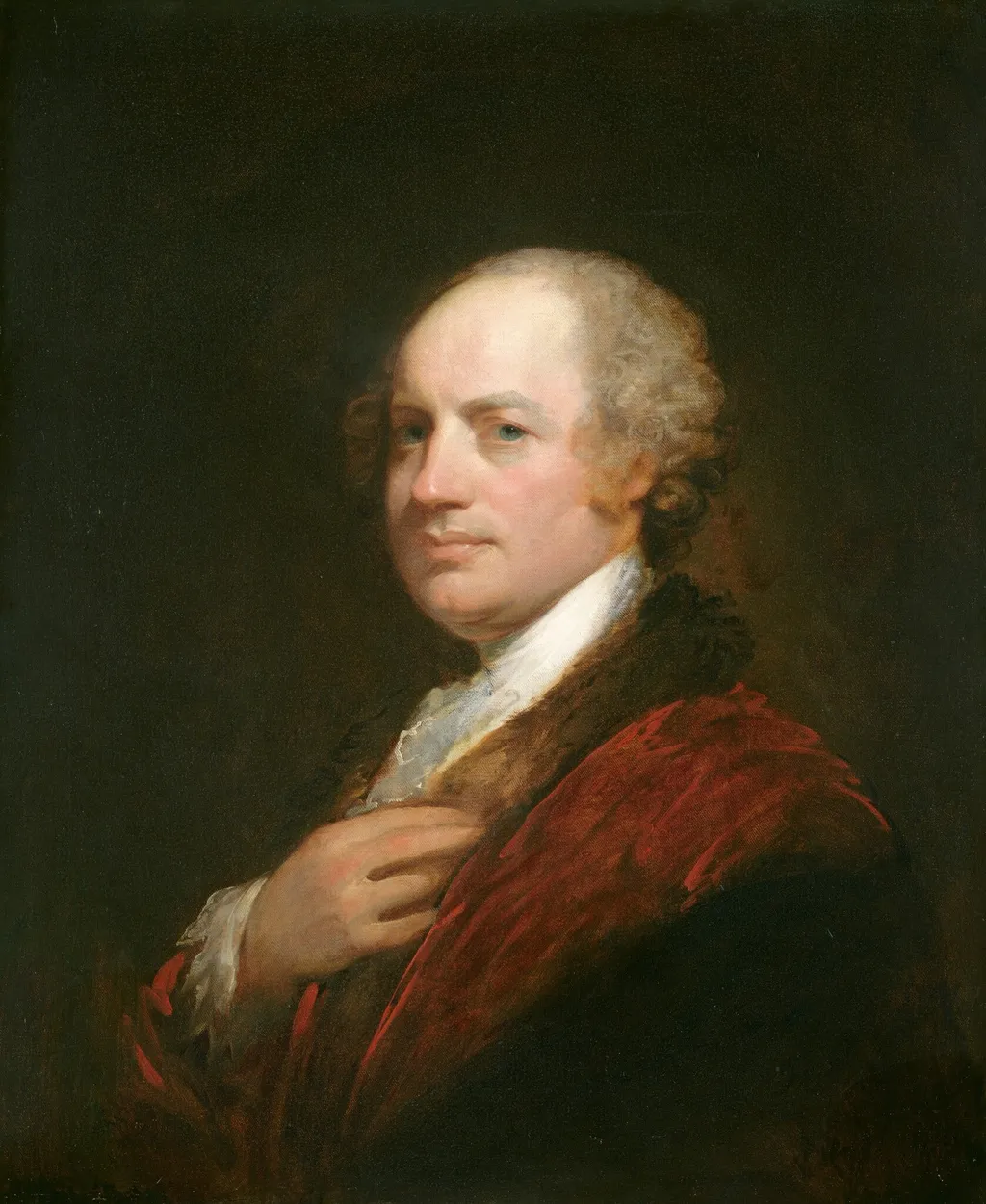
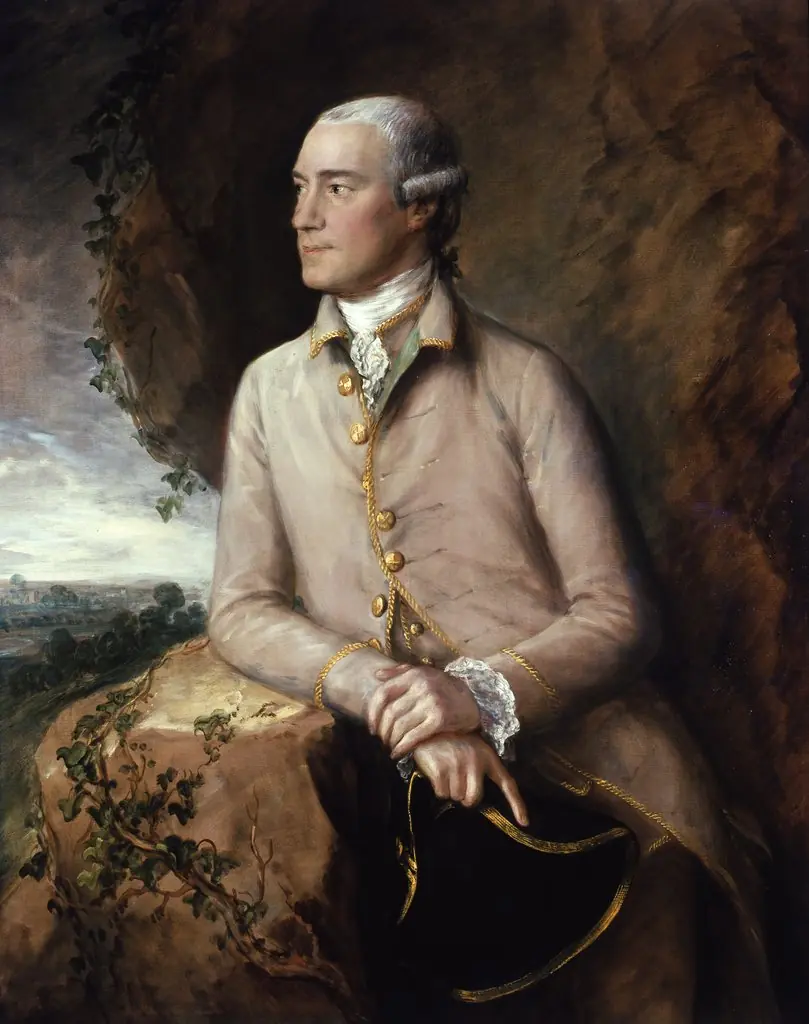
Counsellor John Dunn is an oil painting by the American Impressionist artist Gilbert Stuart. It dates from 1798 and is held in the collection of the National Gallery of Art.
About this work
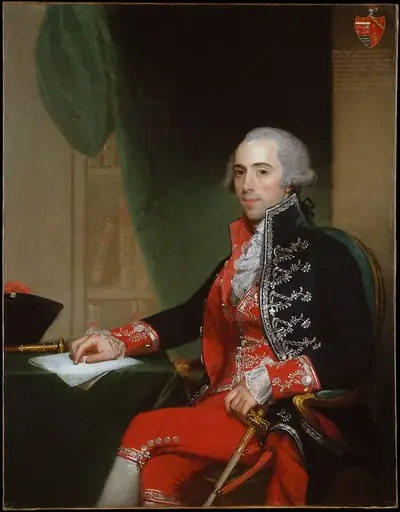
Counsellor John Dunn sits in a chair in the dress of his time, looking serious. Gilbert Stuart painted him plainly and with care, down to the folds of his clothes. Oil on canvas, 1798.
Subject & Meaning
As a work within the portrait genre, the painting's primary function is the representation of the sitter's likeness and social standing.
Executed in 1798, this oil on canvas portrait by Gilbert Stuart depicts John Dunn, identified explicitly as a counsellor. As a work within the portrait genre, the painting's primary function is the representation of the sitter's likeness and social standing. The available documentation confirms the subject's identity and the artist's intent to capture his appearance but provides no further details regarding specific iconographic elements, symbolic attributes, or deeper allegorical meanings associated with the composition.
Consequently, the work stands as a direct visual record of Dunn, devoid of described narrative symbolism in the current records.
Technique & Style
Counsellor John Dunn is executed in oil paint on canvas, a standard medium for Gilbert Stuart's portrait practice. The work is classified as a painting within the portrait genre and dates to 1798. Its physical dimensions are recorded as 74 cm in height by 61.5 cm in width.
The canvas support and oil medium are consistent with Stuart's typical handling of formal sitters during this period, allowing for the layered, polished surface characteristic of his portrait style. The painting is held in the Andrew W. Mellon collection at the National Gallery of Art in Washington, D.C.
History & Provenance
Painted by Gilbert Stuart in 1798, the oil-on-canvas portrait of Counsellor John Dunn remained with unidentified descendants of the sitter in Norfolk, England, until 1909, when it was sold to the London dealer James Connell and Sons and acquired the same year by Louis Ralston of New York. In March 1923, James W. Ellsworth, a New York financier and collector, sold the painting through M. Knoedler & Co. to Thomas B. Clarke, also of New York. Following Clarke's death, the work entered the Clarke estate and was sold on 29 January 1936, again through Knoedler, to The A.W. Mellon Educational and Charitable Trust in Pittsburgh.
The trust transferred the portrait to the National Gallery of Art in 1942 as part of the Andrew W. Mellon Collection, where it remains today.
The portrait Counsellor John Dunn (oil on canvas, 1798) is housed in the National Gallery of Art, Washington, D.C., where it has been part of the Andrew W. Mellon collection since a 1942 gift from the A.W. Mellon Educational and Charitable Trust. Its accession number is not published in the available documentation, but the work is catalogued within the museum’s portrait holdings. Provenance records trace the painting from unidentified Norfolk descendants through several London and New York dealers to Thomas B. Clarke, whose estate transferred it to the Trust.
The National Gallery of Art’s collection data, confirmed by its Wikidata entry, lists the piece as part of the institution’s permanent displays of early American portraiture, though specific exhibition histories are not detailed in the cited sources.
Overview
Gilbert Stuart's oil on canvas portrait, Counsellor John Dunn, was completed around 1798. This painting captures the likeness of its subject, John Dunn, presenting him in a formal, seated pose. As a representative work of Stuart's portraiture, it exemplifies his approach to depicting prominent figures of his era.
The artwork serves as a historical record of an individual from the late 18th century, rendered with characteristic realism.
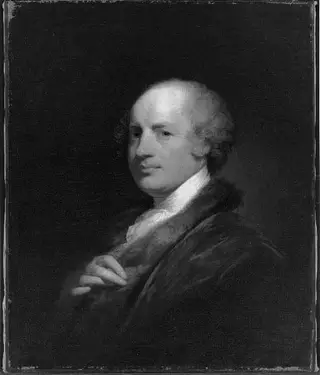
Own this work as a print
Artist & collection

Artist
Gilbert Stuart (né Stewart; December 3, 1755 – July 9, 1828) was an American painter born in the Rhode Island Colony who is widely considered one of America's foremost portraitists.

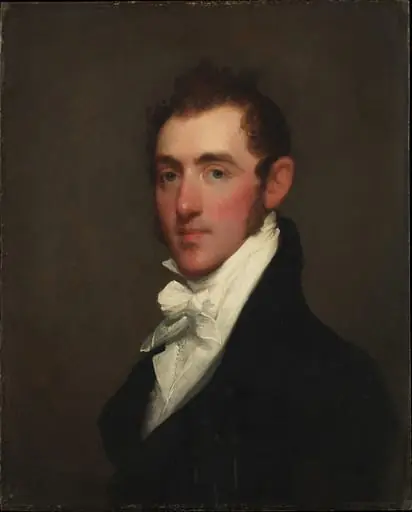
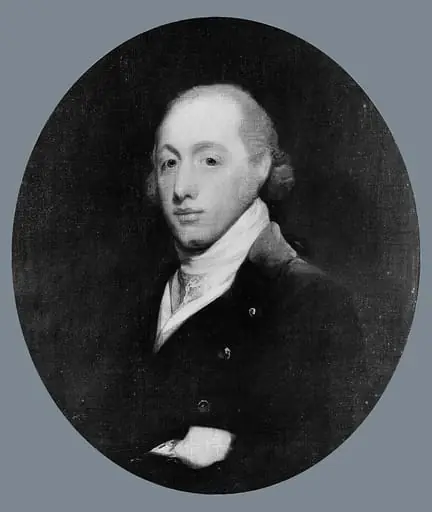
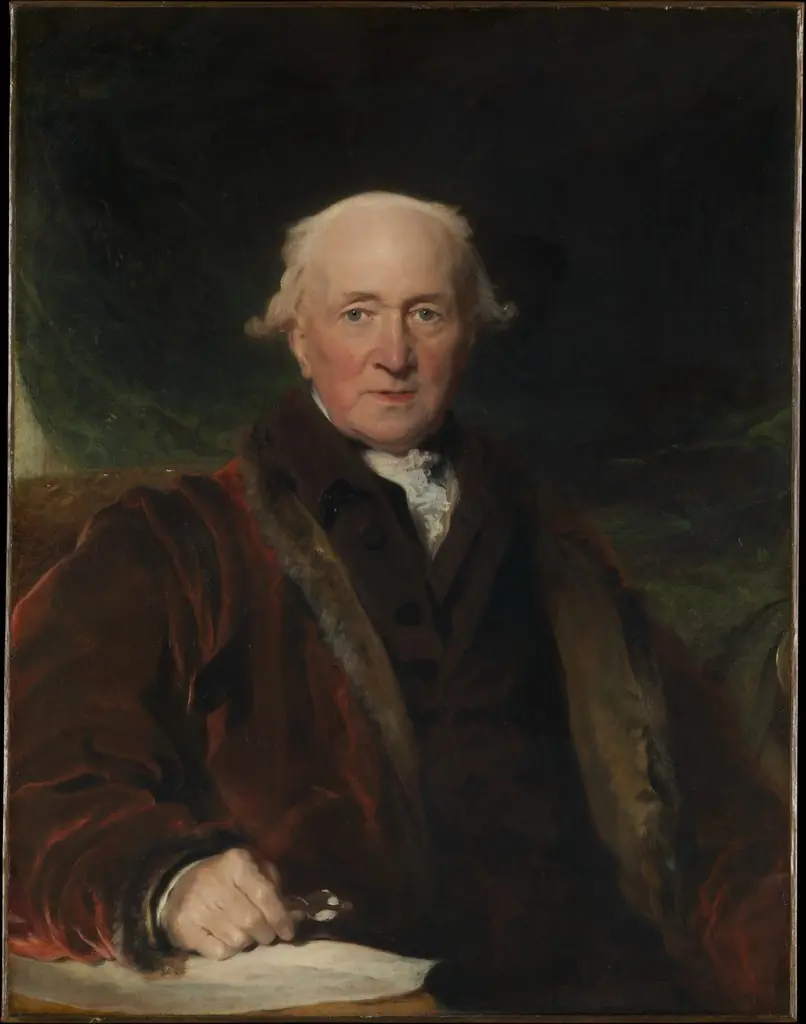 John Julius Angerstein (1736–1823)
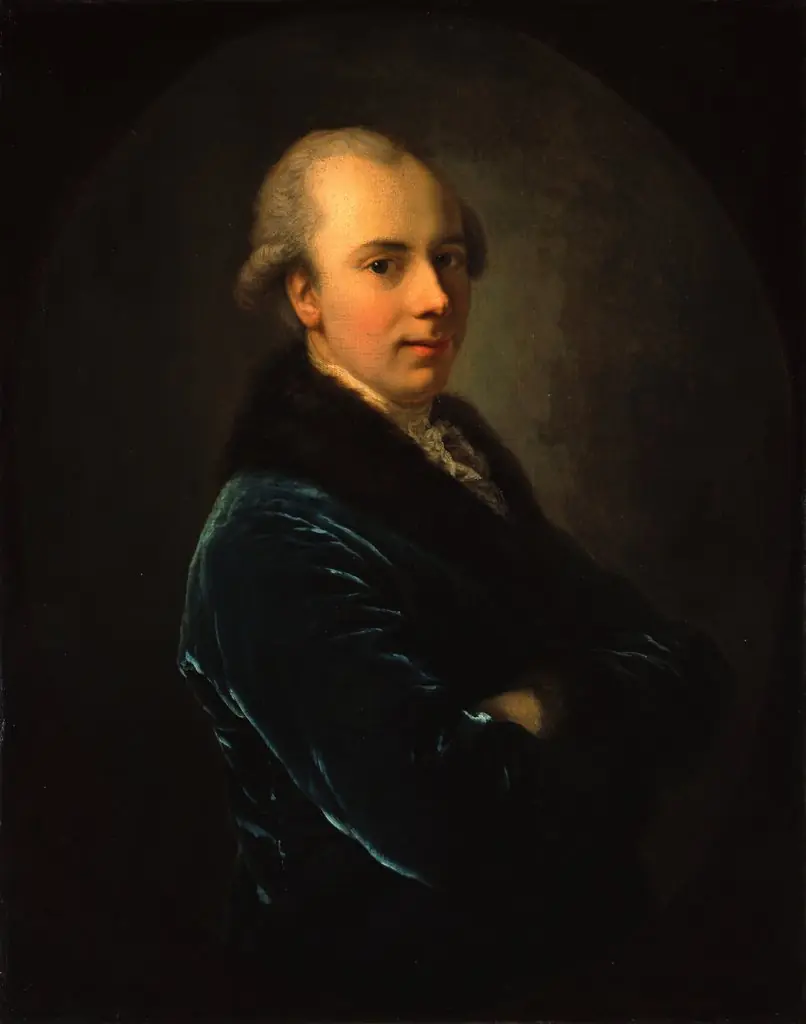 Portrait of Georg Friedrich von Martens
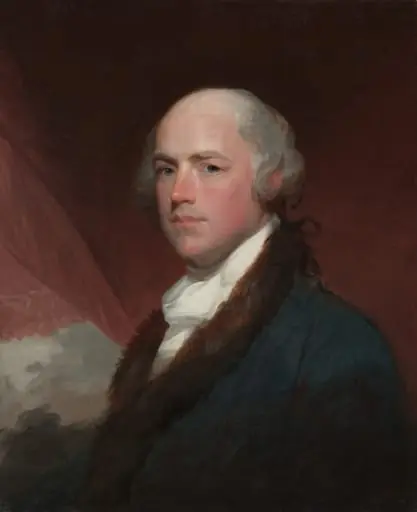 Wilson Cary Nicholas
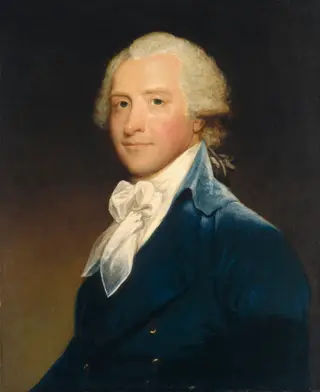 William Constable
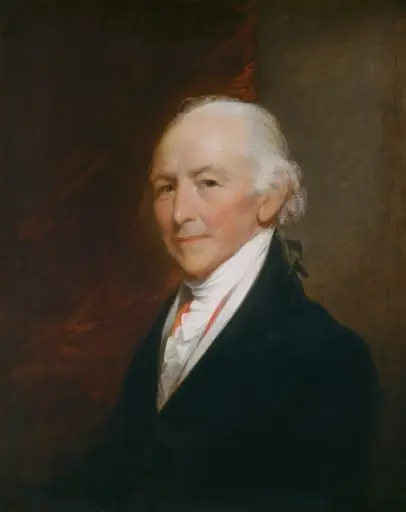 Samuel Alleyne Otis
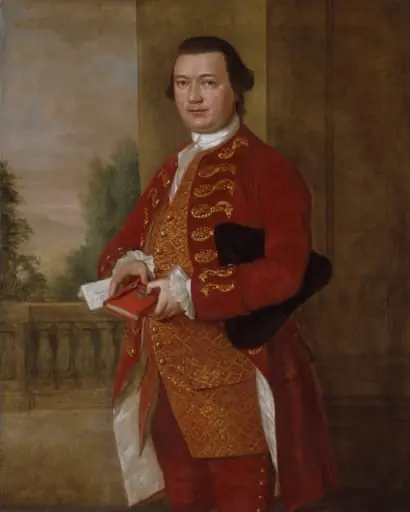 Alexander Grant
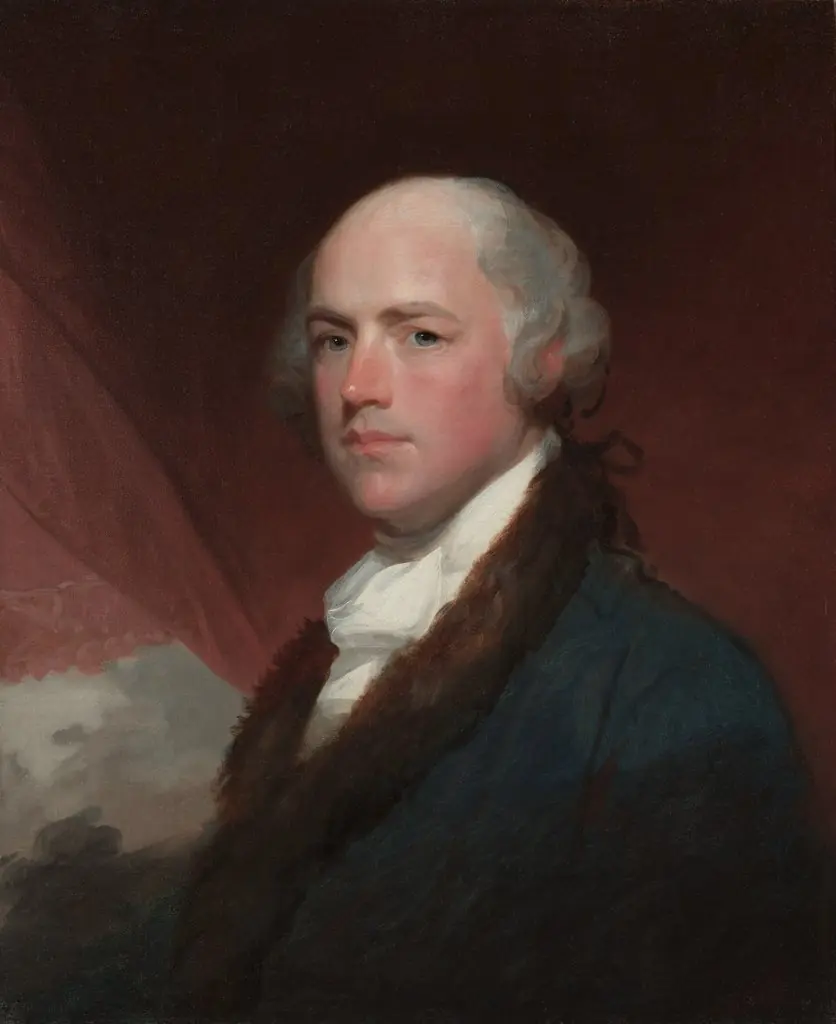 Wilson Cary Nicholas
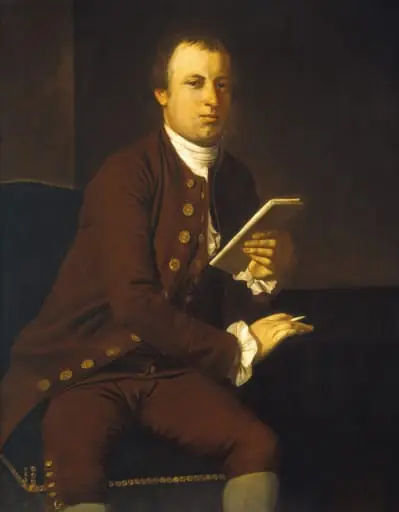 Adam Babcock
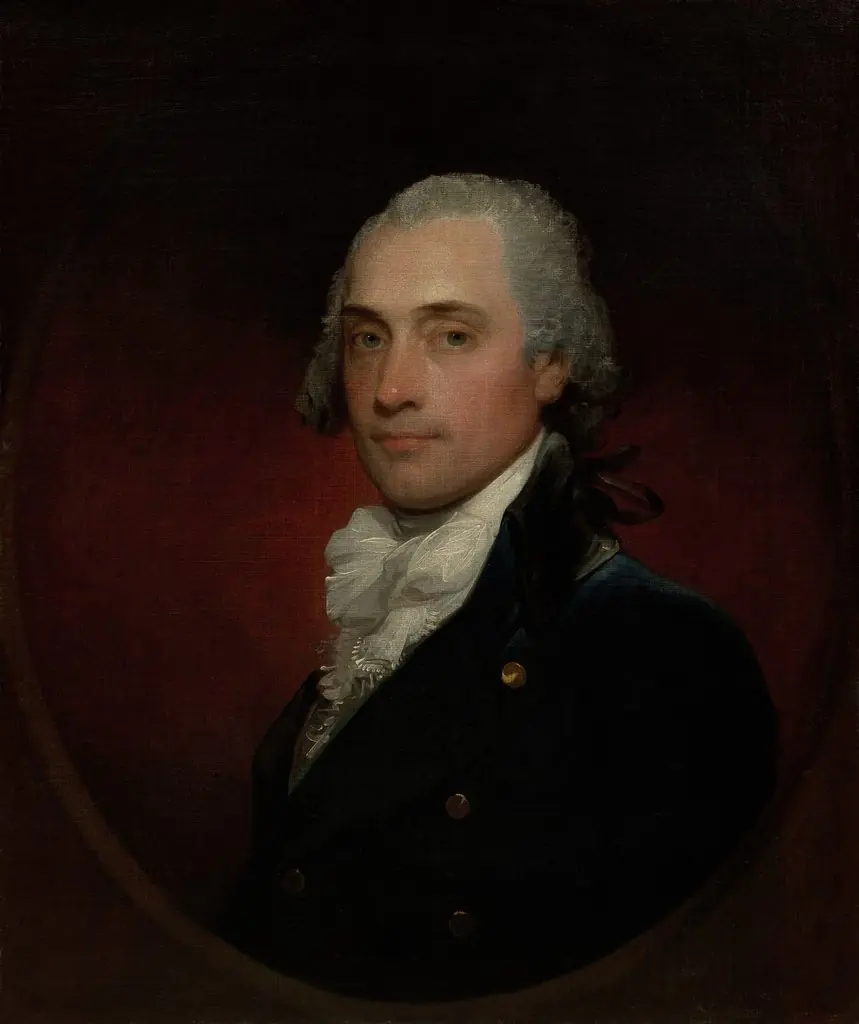 Portrait of John Vaughan (1756–1841)
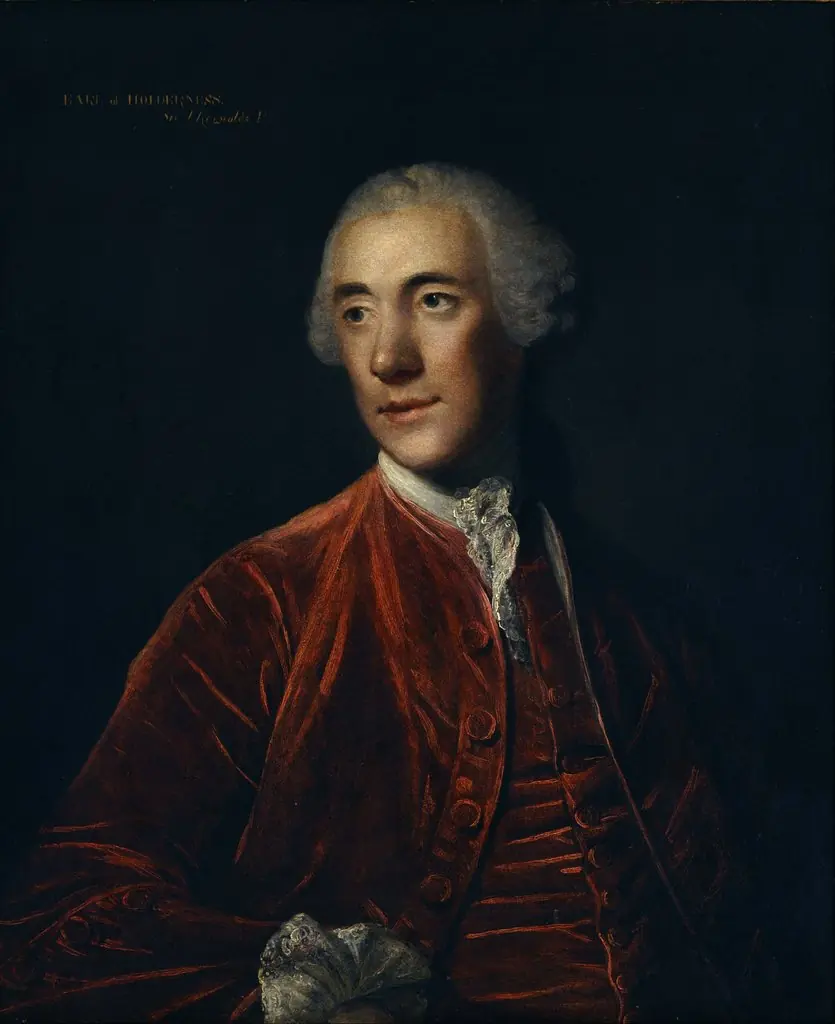 Robert d’Arcy, 4th Earl of Holderness
 The lawyer Joshua Grigby III (1731-1798)
- Councillor John Dunn