Artwork
Lady with a Harp: Eliza Ridgely
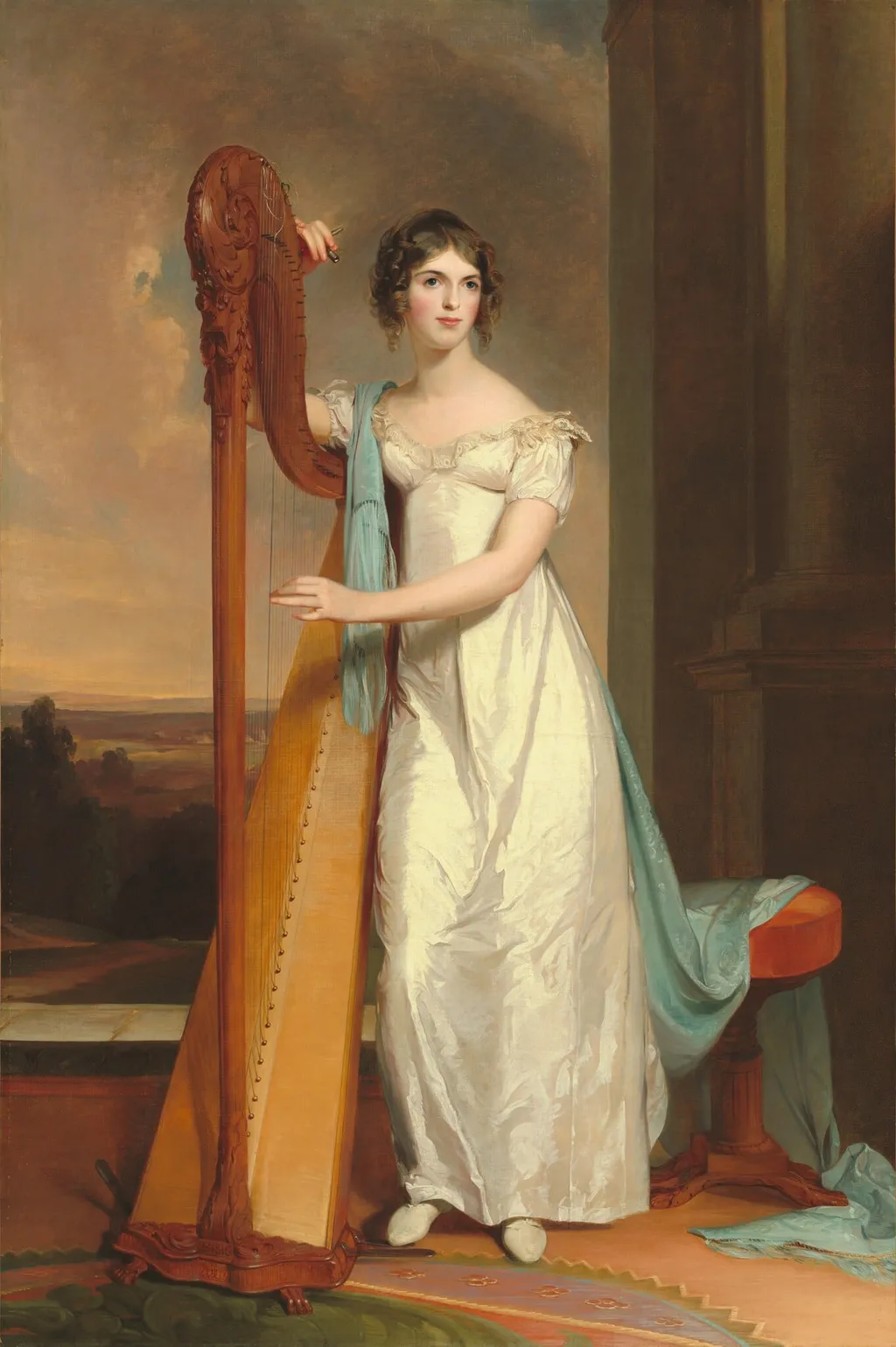
Lady with a Harp: Eliza Ridgely is an oil painting by the American Impressionist artist Thomas Sully. It dates from 1818 and is held in the collection of the National Gallery of Art.
- Inscription
- Inscribed:lower left on harp pedestal: TS (in monogram) 1818
About this work
Subject & Meaning
She is shown wearing a satin Empire-style dress, reflecting upper-class fashion of the era, while gently playing a harp.
The painting depicts Eliza Ridgely at age fifteen, portrayed in an idealized manner with elongated legs and a mature appearance to enhance her beauty, a deliberate artistic choice by Thomas Sully. She is shown wearing a satin Empire-style dress, reflecting upper-class fashion of the era, while gently playing a harp. The harp serves as a key symbol of her social standing, personal talent, and intellectual refinement.
Set against a landscape background featuring a visible sunset, the composition evokes a mood of romantic reverie. Commissioned by her father, Nicholas Ridgely, the work presents the sitter not merely as a young girl, but as an elevated figure embodying the virtues and status of her family, blending realistic portraiture with romanticized elements to create a lasting image of aristocratic grace.
Technique & Style
Lady with a Harp: Eliza Ridgely" is an oil on canvas portrait measuring about 214.5 × 142.5 cm. The work employs oil paint on a canvas support, typical of early‑19th‑century portraiture. Sully rendered the sitter’s satin Empire‑style dress and the harp with loose brushwork, while the background opens into a landscape with a sunset, imparting a romantic reverie. The composition idealizes the 15‑year‑old Eliza, elongating her figure and legs to convey status and aesthetic preference, a stylistic choice the artist himself described. The painting is part of the National Gallery of Art’s collection in Washington, D.C..
History & Provenance
The portrait Lady with a Harp: Eliza Ridgely was commissioned by Nicholas Ridgely, Eliza’s father, in the early fall of 1818 and painted by Thomas Sully. It was created in 1818, depicting the fifteen‑year‑old Eliza playing a harp, an image later inherited by her son Charles Ridgely, then by his son Captain John Ridgely, and finally by John Ridgely Jr., before being sold to the National Gallery of Art in 1945. The work remained in the family’s Hampton estate throughout the 19th and early 20th centuries, reflecting its passage through successive generations of the Ridgely family.
Since 1945 the painting has been held by the National Gallery of Art, Washington, D.C., accessioned as 1945.9.1. It descended from the sitter to her son Charles Ridgely, then to Captain John Ridgely, and John Ridgely Jr., all at Hampton, Towson, Maryland, before the Gallery purchased it in 1945. The work has not been recorded in any subsequent exhibitions in the Gallery’s published records.
Context
Thomas Sully’s 1818 portrait Lady with a Harp: Eliza Ridgely exemplifies early American Romantic portraiture through its idealized rendering and symbolic use of the harp to signal the sitter’s genteel education. Art historians regard the work as a hallmark of Sully’s mature style, which blends British portrait conventions with a distinctly American sensibility. The painting’s composition, featuring an exaggerated, mature pose and a sunset‑lit landscape, reflects Sully’s own theory that improving a sitter’s appearance was permissible so long as resemblance was maintained.
Provenance records trace the canvas from its commission by Nicholas Ridgely through family ownership to its acquisition by the National Gallery of Art in 1945. Scholarly assessments emphasize its significance as a representative example of elite female representation in the early Republic.
Overview
Thomas Sully, an English-American painter, created Lady with a Harp: Eliza Ridgely in 1818. This oil on canvas portrait depicts its namesake engaged with a musical instrument. The artwork is currently part of the collection at the National Gallery of Art in Washington, D.C., representing a significant example of early American portraiture.
Own this work as a print
Artist & collection

Artist
Thomas Sully was an English-American portrait painter. He was born in England, became a naturalized American citizen in 1809, and lived most of his life in Philadelphia, Pennsylvania, including in the Thomas Sully…




- Mrs. Dottin
 Portrait of Mrs. Andrew Reid
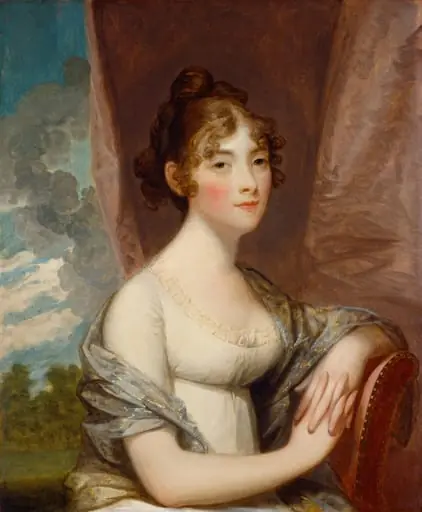 Ann Barry
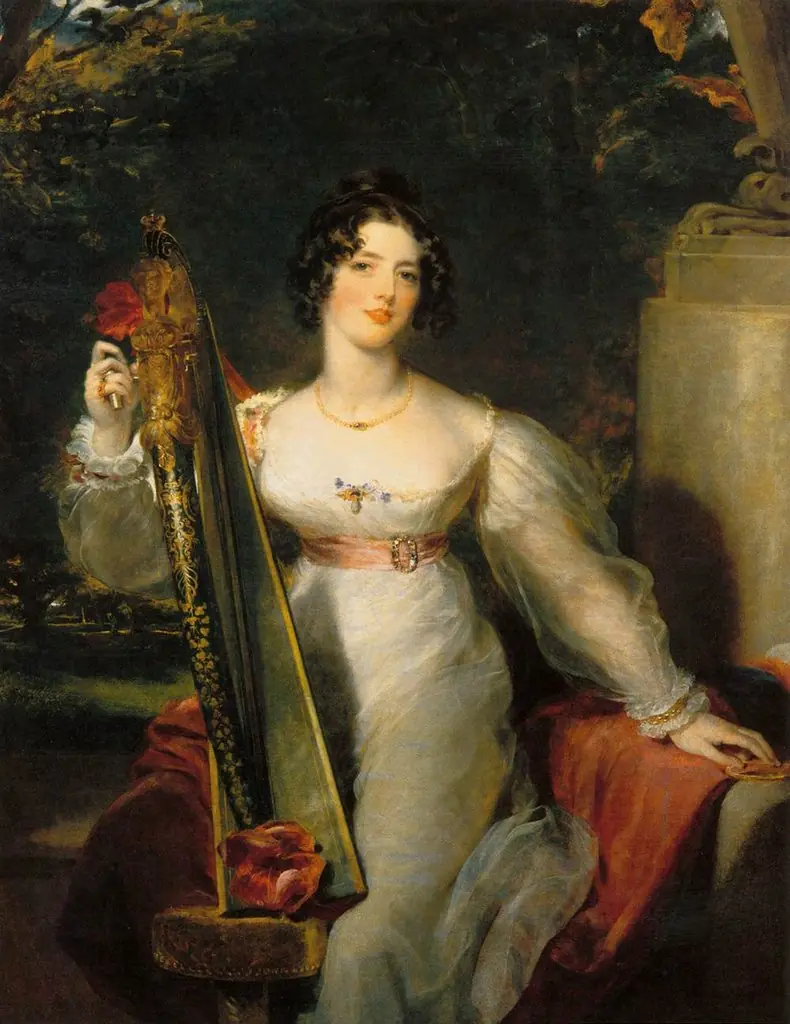 Portrait of Lady Elizabeth Conyngham
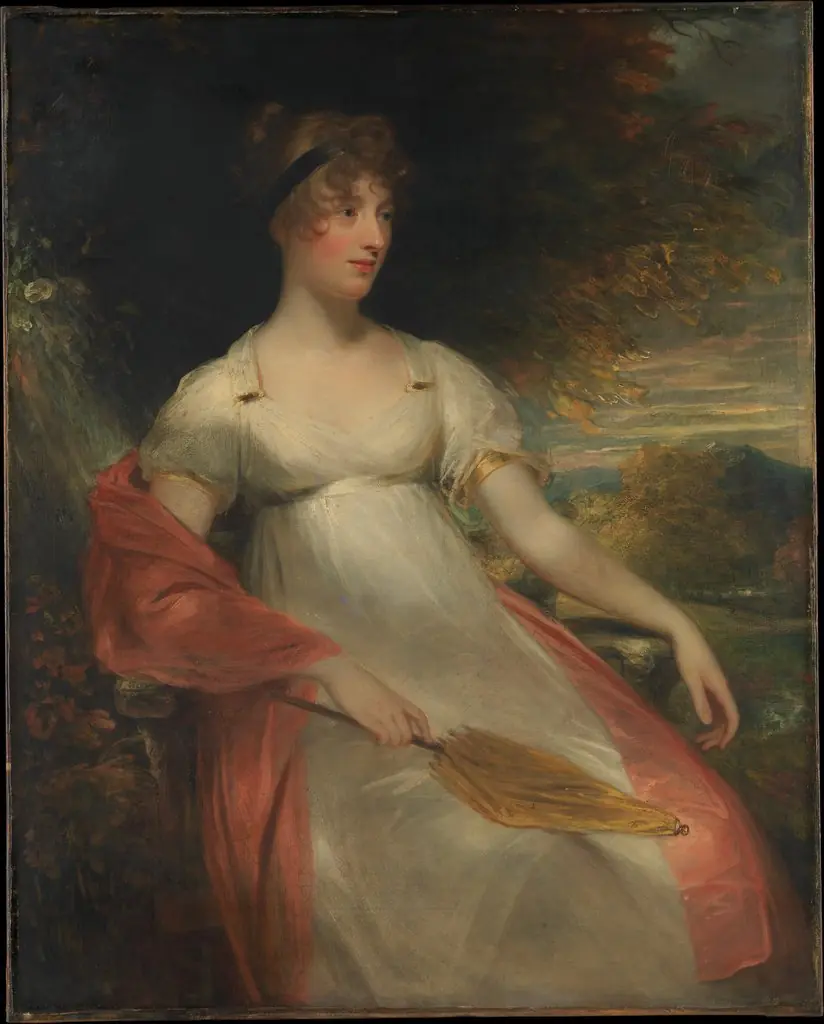 Portrait of a Woman
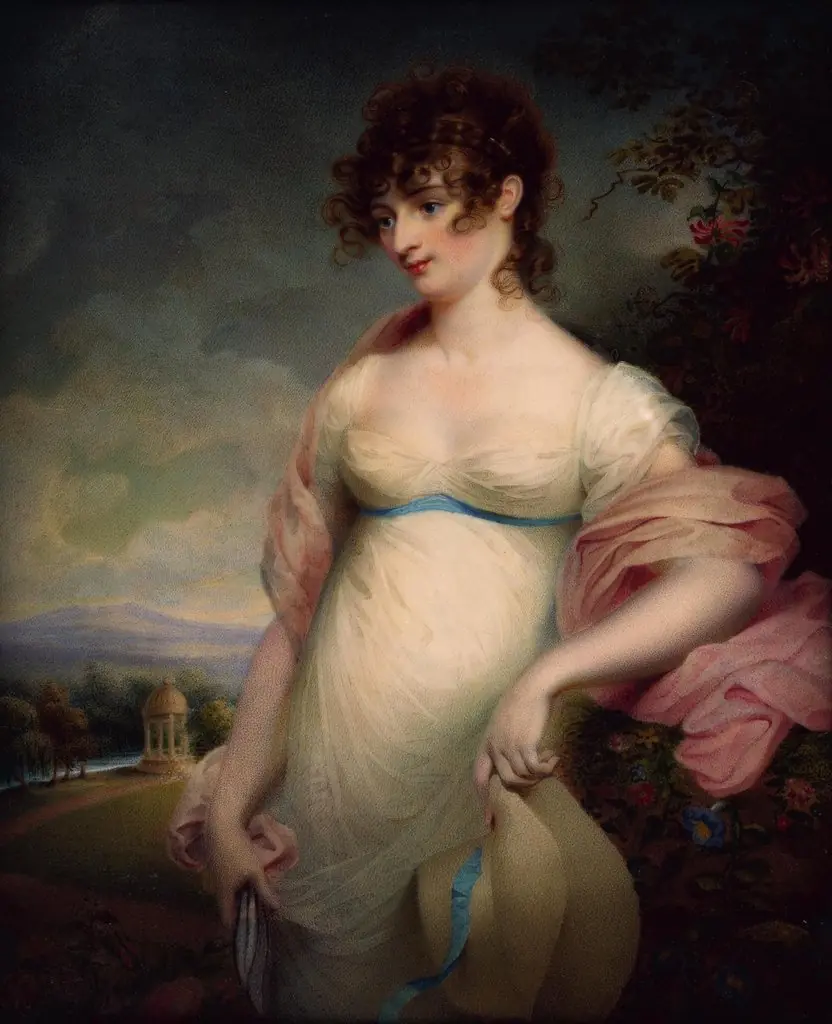 A Young Lady
 Mrs. Billington (1765/1768-1818) as Saint Cecilia
 Portrait of Mary Sicard David
 Portrait of a Young Woman
 Mrs. Alexander Blair
 Mary Barry
 Lady Elizabeth Hamilton (1753–1797), Countess of Derby