Artwork
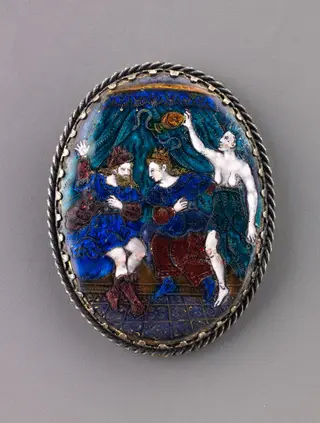
Watchcase cover: Pomona and Vertumnus
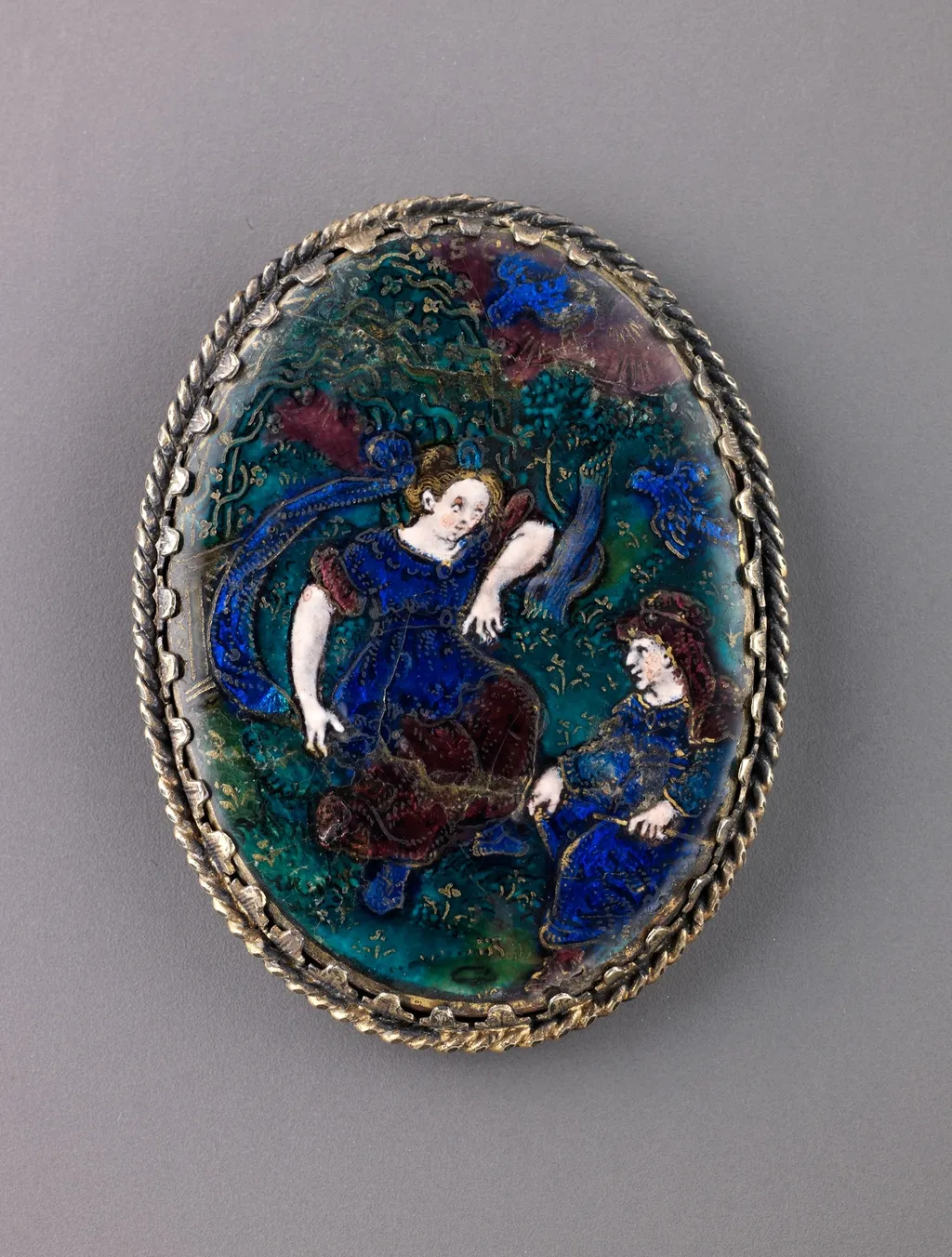
Watchcase cover: Pomona and Vertumnus is an unspecified painting by the Early Baroque Italian artist Suzanne de Court. It dates from 1612 and is held in the collection of the Metropolitan Museum of Art.
About this work
Subject & Meaning
As a work classified within the mythological genre, the image illustrates the interaction between the goddess of fruit gardens and the god of changing seasons.
Created in 1612, this enamel watchcase cover by Suzanne de Court depicts a scene from classical mythology featuring the figures of Pomona and Vertumnus. As a work classified within the mythological genre, the image illustrates the interaction between the goddess of fruit gardens and the god of changing seasons. The composition centers on the male figure, Vertumnus, whose presence alongside the female deity represents the narrative of transformation and courtship found in Ovid's Metamorphoses.
The piece serves as a portable example of Renaissance-era mythological storytelling, translating a literary theme into a decorative object.
History & Provenance
The watchcase cover depicting Pomona and Vertumnus was created by Suzanne de Court in 1612. It is a mythological painting held in the collection of the Metropolitan Museum of Art, where it is part of the Robert Lehman collection. The work measures 5.1 cm in height by 3.8 cm in width, consistent with its function as a miniature decorative cover for a watchcase.
Overview
This enamel painting, Watchcase cover: Pomona and Vertumnus, was created by Suzanne de Court in 1612. It depicts a mythological narrative, serving as a decorative element for a watch. The work showcases the artist's skill in miniature painting and her engagement with popular classical themes of the era.
This piece is part of the collection at The Metropolitan Museum of Art, representing a significant example of Limoges enamel artistry.
Technique & Style
Suzanne de Court's work exemplifies the refined enamel painting tradition of Limoges, a craft she practiced around 1600. This piece reflects an early Baroque Italian influence through its dynamic composition and rich palette. The artist's skillful application of vibrant blues, greens, and reds, along with the arrangement of figures, effectively draws the viewer's eye to the central mythological interaction, aligning with the period's emphasis on decorative and storytelling art forms.
Own this work as a print
Artist & collection

Artist
Suzanne de Court (fl. 1600) was a French enamel painter in the Limoges workshops, probably running a workshop of some size producing pieces of the highest quality. She was the only identifiable woman signing Limoges…

- Watchcase cover: Tisiphone Casting Snakes at Athamas and Ino
 Virgin and Child
 Devotional pendant
 Devotional pendant
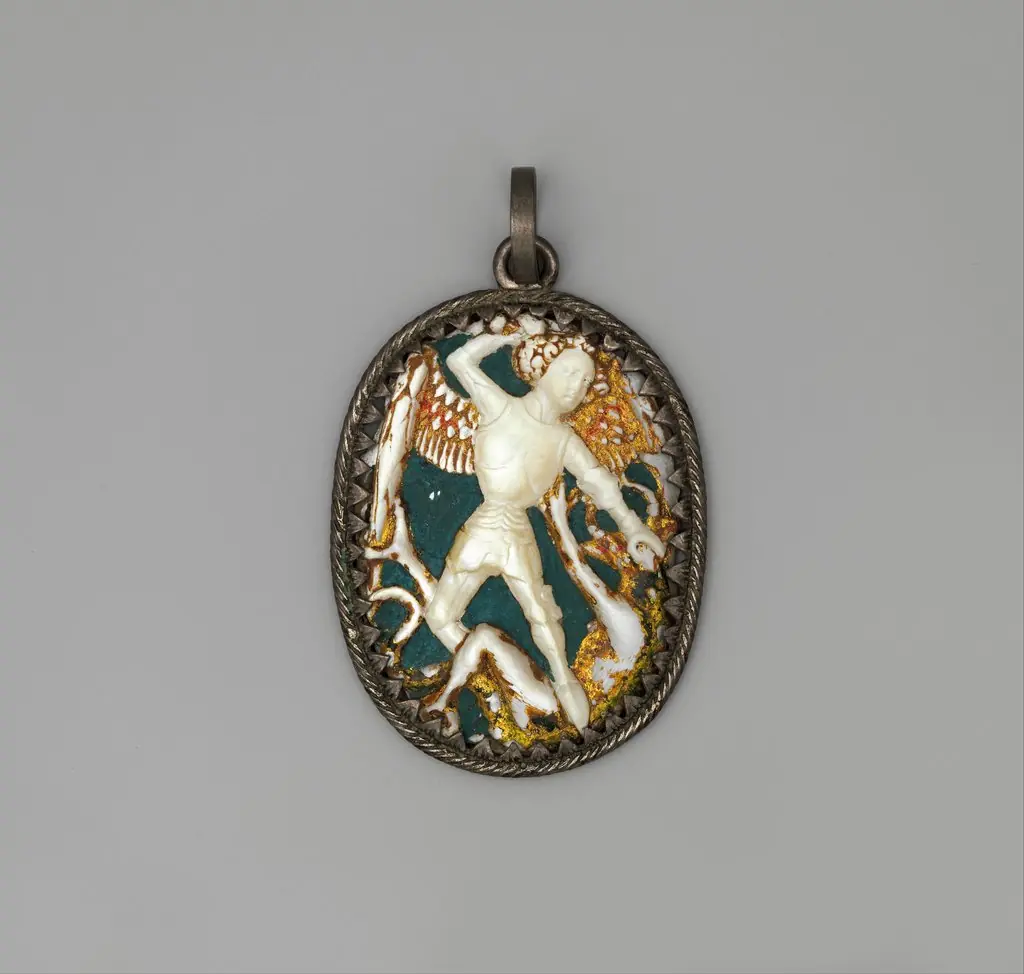 Pendant Medallion with Michael Slaying the Dragon
 Snuffbox with grisaille decoration of Cupid and Venus
 Snuffbox
 Snuffbox
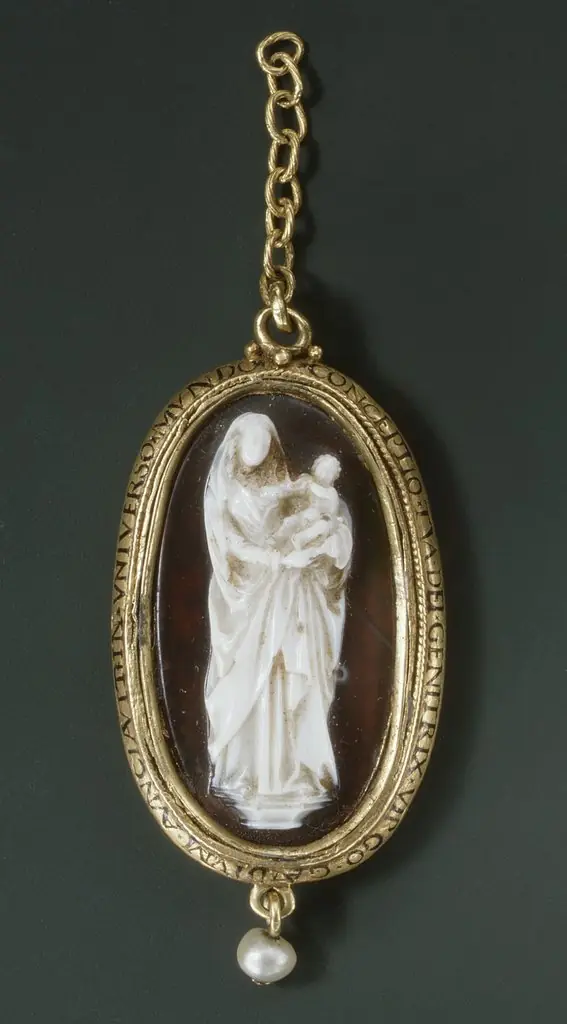 Paternoster Pendant with the Virgin and Child (obverse) and the Meeting of Joachim and Anna at the Golden Gate (reverse)
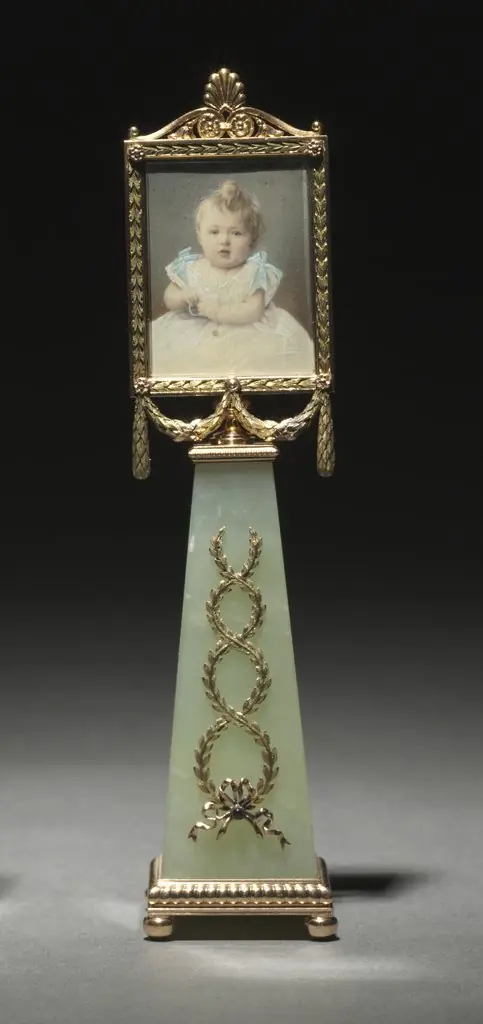 Imperial Framed Miniature of Grand Duchess Olga Nicolaievna
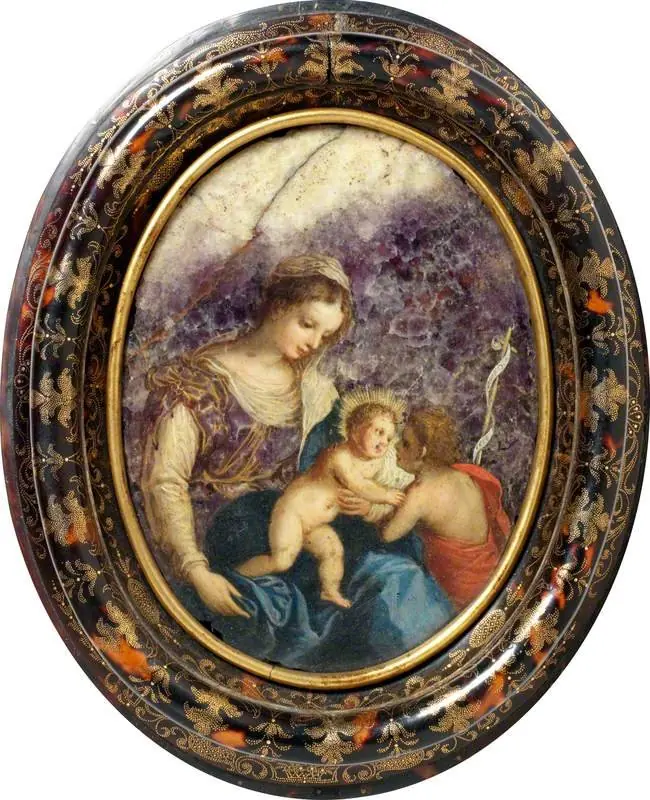 Virgin and Child with Saint John
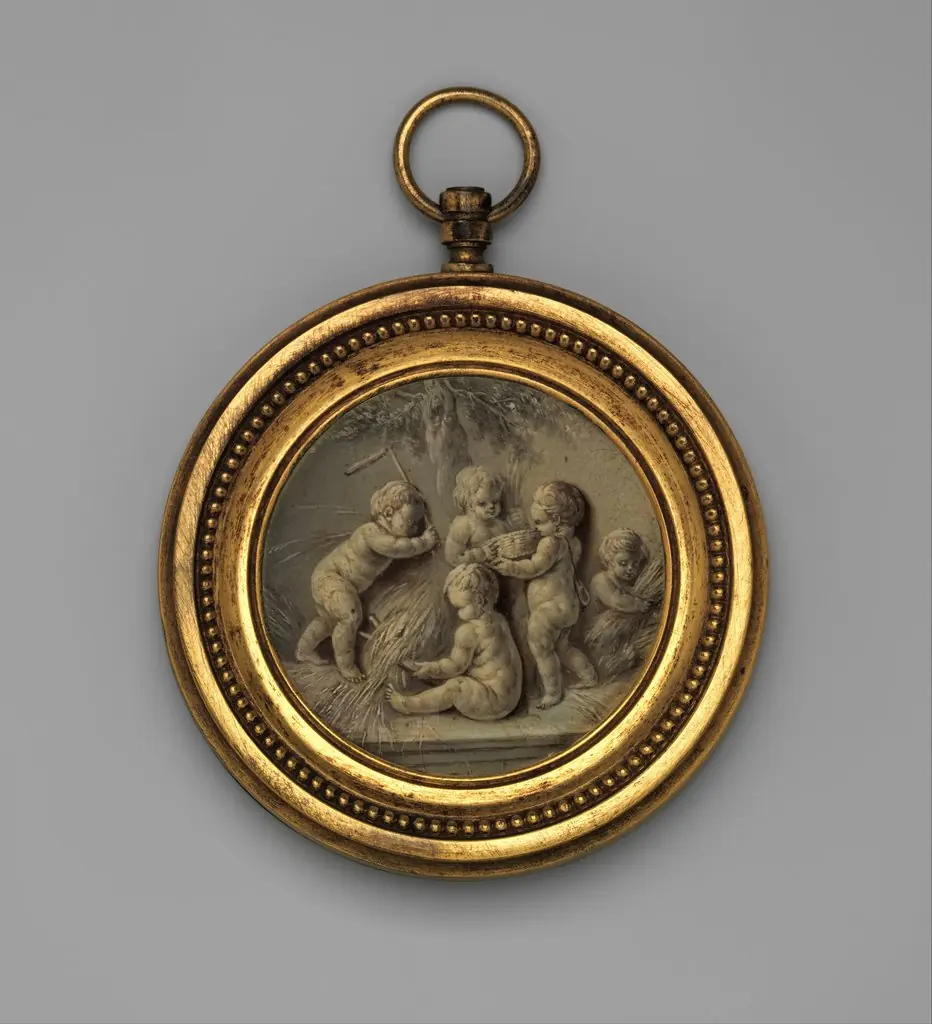 Putti Harvesting Wheat