Artwork
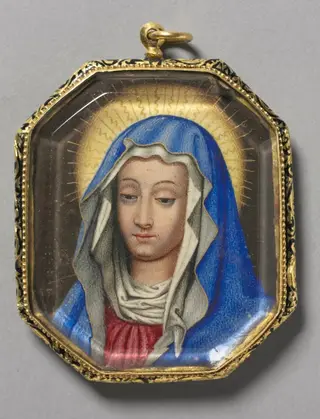
Devotional pendant
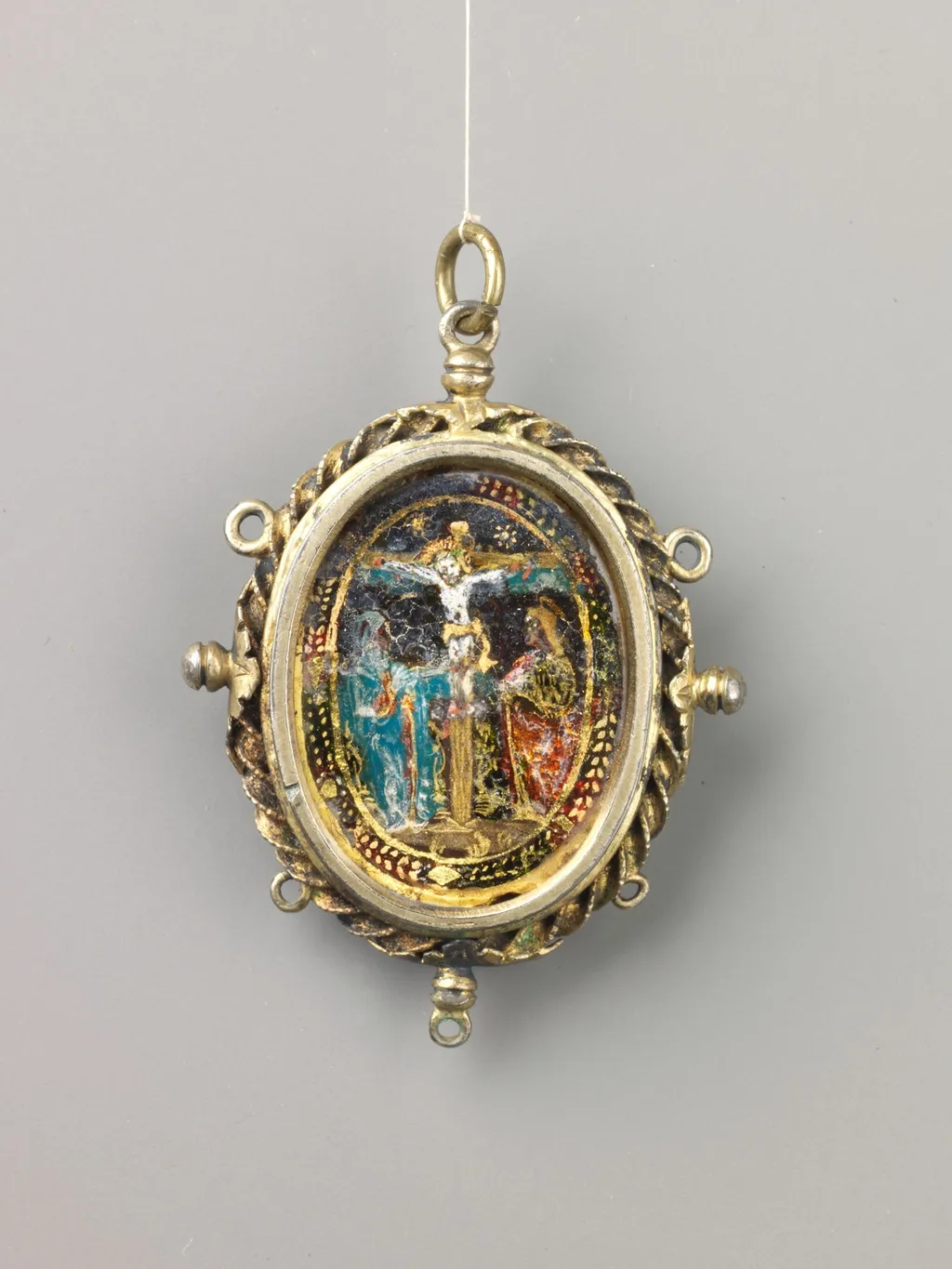
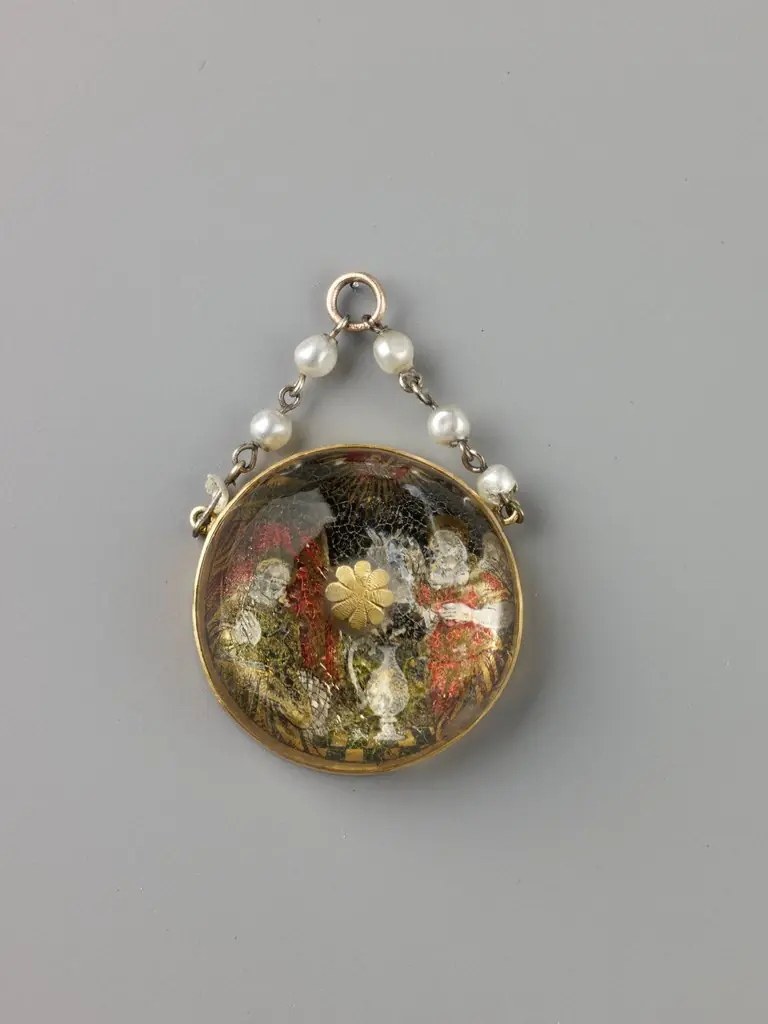
Devotional pendant is an unspecified painting. It dates from 1603 and is held in the collection of the Metropolitan Museum of Art. The work is a miniature painted panel set within a gold pendant, measuring only a few centimeters across.
About this work
Technique & Style
The painting's surface retains original pigment layers with minimal alteration, reflecting careful handling and preservation over centuries.
The devotional pendant is a small painted panel measuring 6.6 cm in height and 5.5 cm in width, created in 1603. It portrays a man and was originally part of the Robert Lehman collection before entering the Metropolitan Museum of Art. Executed in oil on wood, the work exemplifies early Baroque devotional imagery with restrained composition and intimate scale.
The painting's surface retains original pigment layers with minimal alteration, reflecting careful handling and preservation over centuries.
History & Provenance
The devotional pendant was created in 1603 by an anonymous artist, as recorded in its metadata. It entered the collection of Robert Lehman before being acquired by the Metropolitan Museum of Art, where it remains on view today. The work measures 6.6 cm in height and 5.5 cm in width and depicts a male figure.
The devotional pendant is held in the Metropolitan Museum of Art, where it is part of the Robert Lehman Collection. Its accession number is 1975.1.1511. Dated 1603, the small painting measures 6.6 cm in height and 5.5 cm in width.
Overview
The work is a miniature painted panel set within a gold pendant, measuring only a few centimeters across. It depicts three standing figures against a darkened interior, the central figure with arms extended, flanked by a figure dressed in blue and another in red. The surrounding metal is engraved with radiant gold motifs that frame the scene like a jewel.
Subject & Meaning
The composition suggests a devotional moment, possibly illustrating a prayerful or sacrificial act. The central figure’s outstretched posture evokes a gesture of offering or intercession, while the contrasting blue and red garments may symbolize heavenly and earthly realms or specific saints within a liturgical narrative.
Context
Miniature painted pendants functioned as intimate religious aids, allowing the wearer to carry a visual prayer. The dark background and focused lighting echo the chiaroscuro techniques emerging in early Renaissance art, while the vivid yet faded colors indicate aging of pigments over centuries.
Legacy
Objects of this type illustrate the intersection of fine art and personal devotion, informing scholars about the material culture of private worship. Their preservation in museum collections provides insight into the craftsmanship and spiritual practices of the period.
Artist & collection

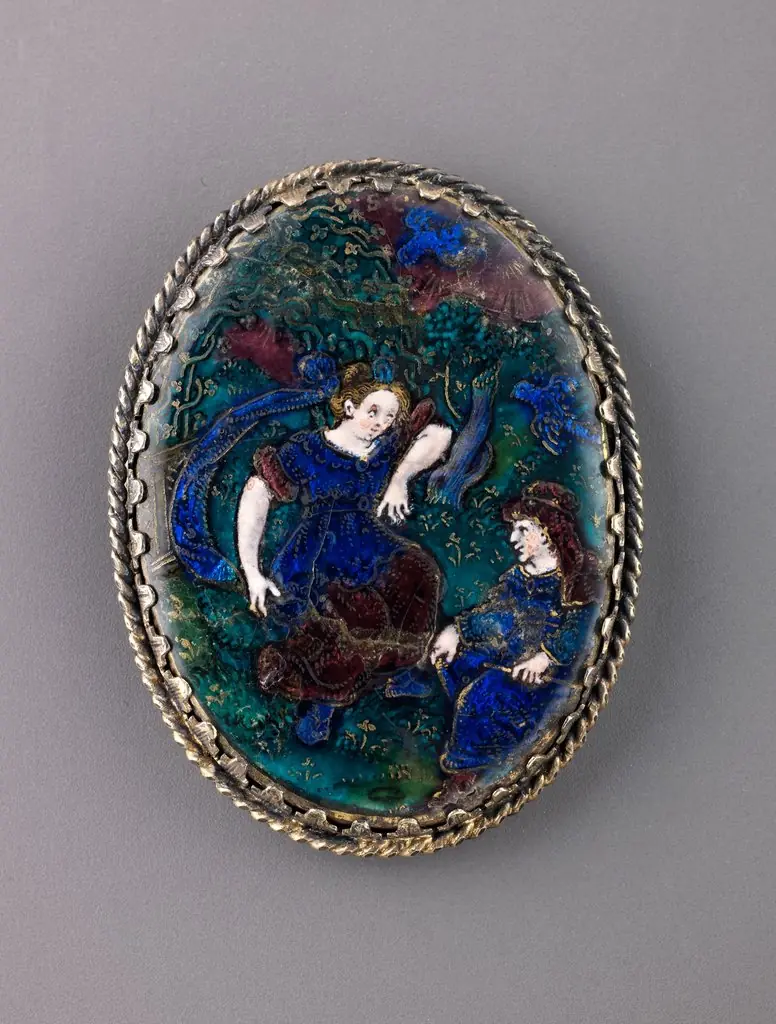 Watchcase cover: Pomona and Vertumnus
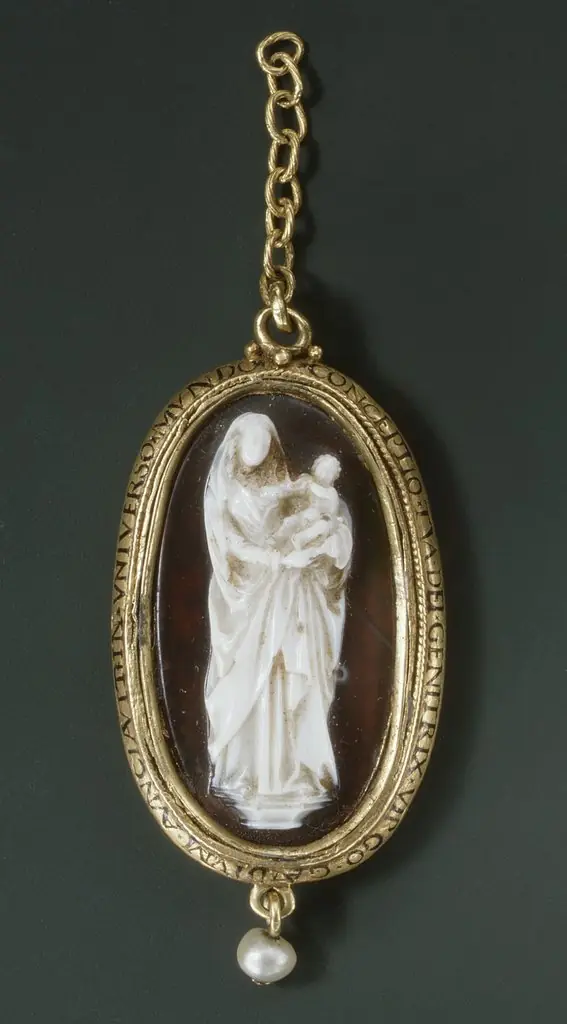 Paternoster Pendant with the Virgin and Child (obverse) and the Meeting of Joachim and Anna at the Golden Gate (reverse)
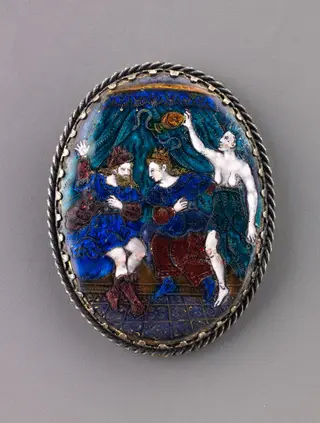 Watchcase cover: Tisiphone Casting Snakes at Athamas and Ino
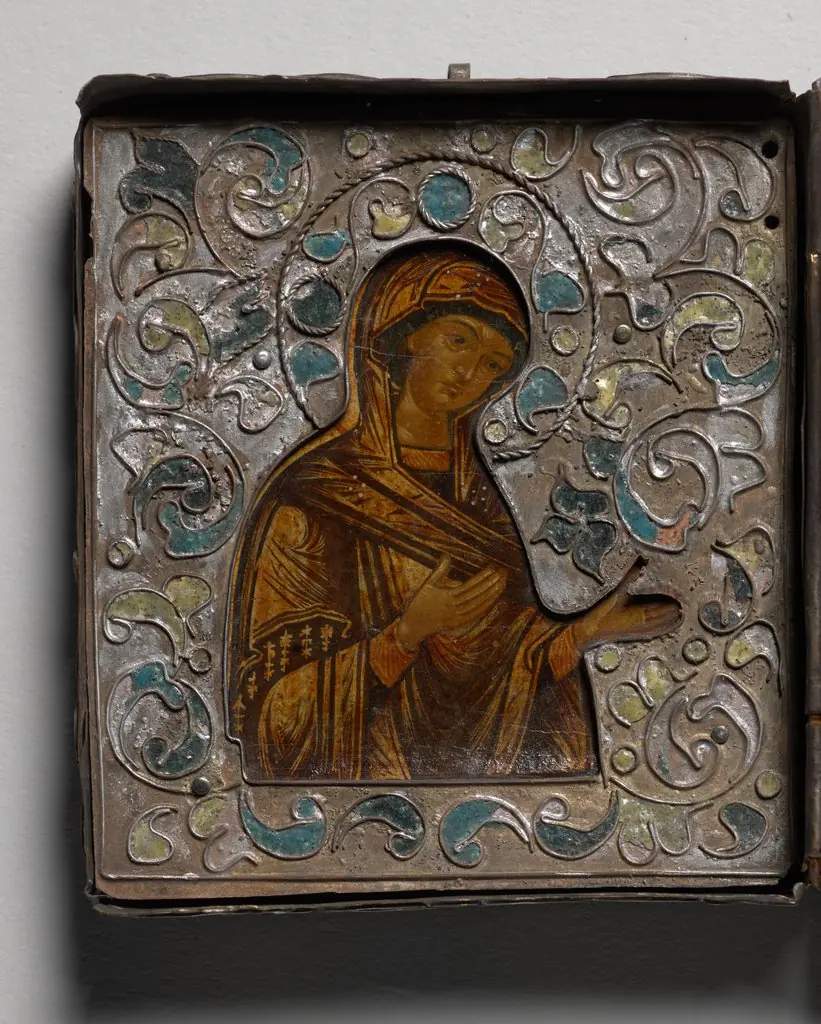 The Virgin
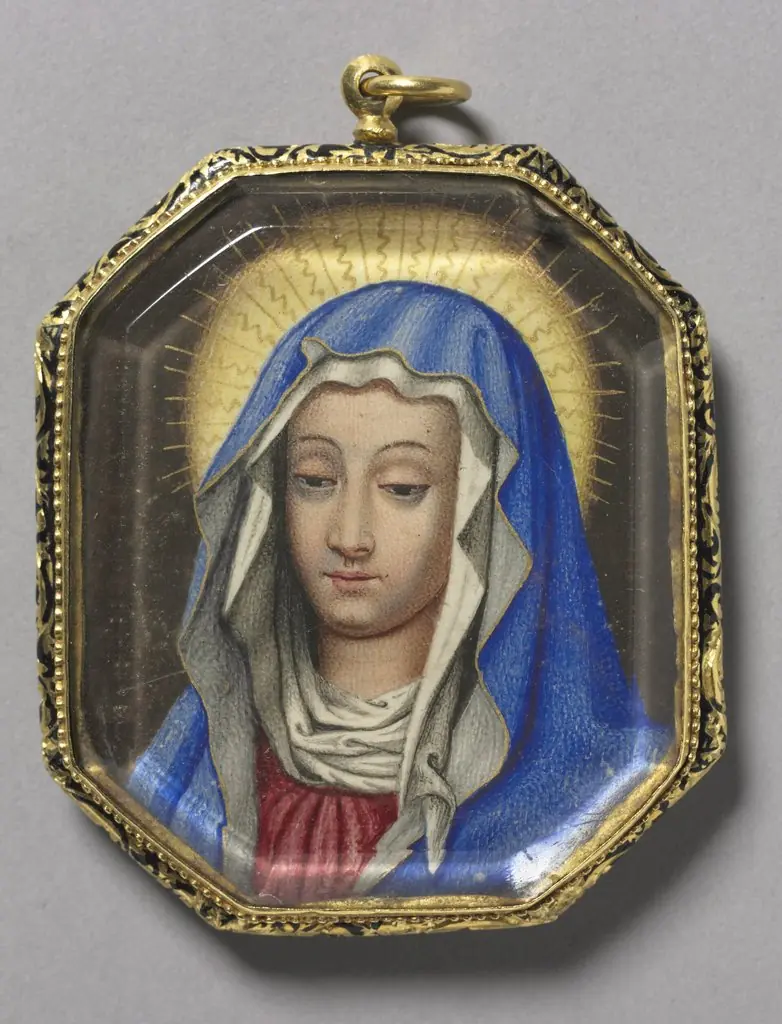 The Virgin (recto)
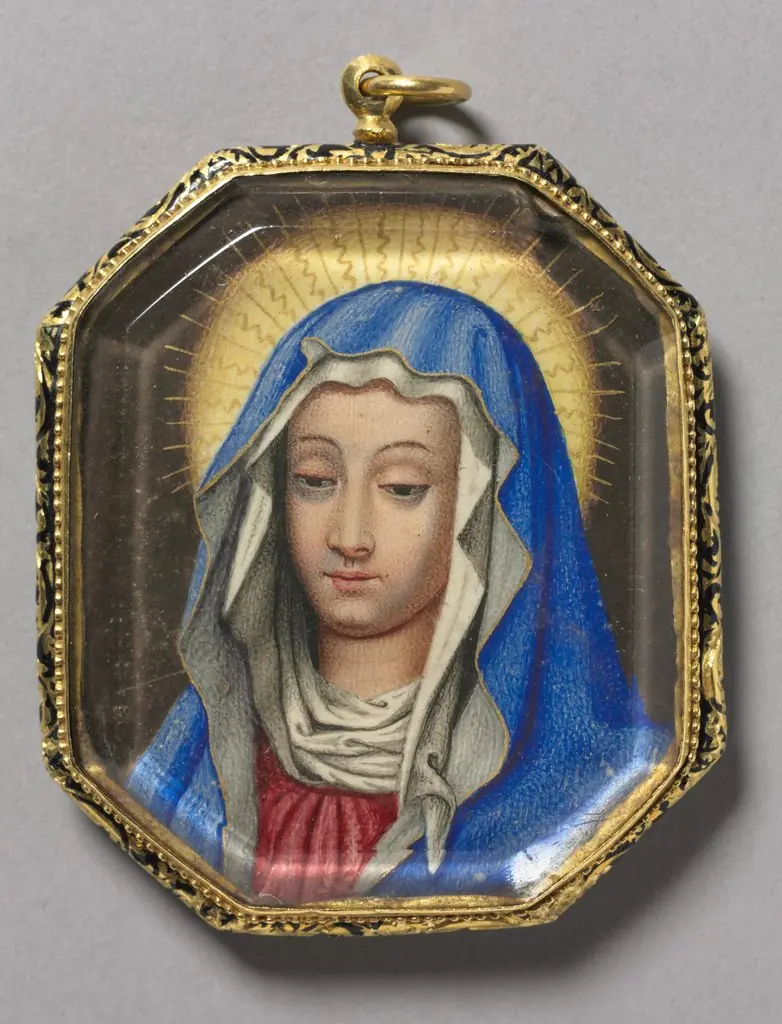 The Virgin (recto) and St. Francis with Christ Child (verso)
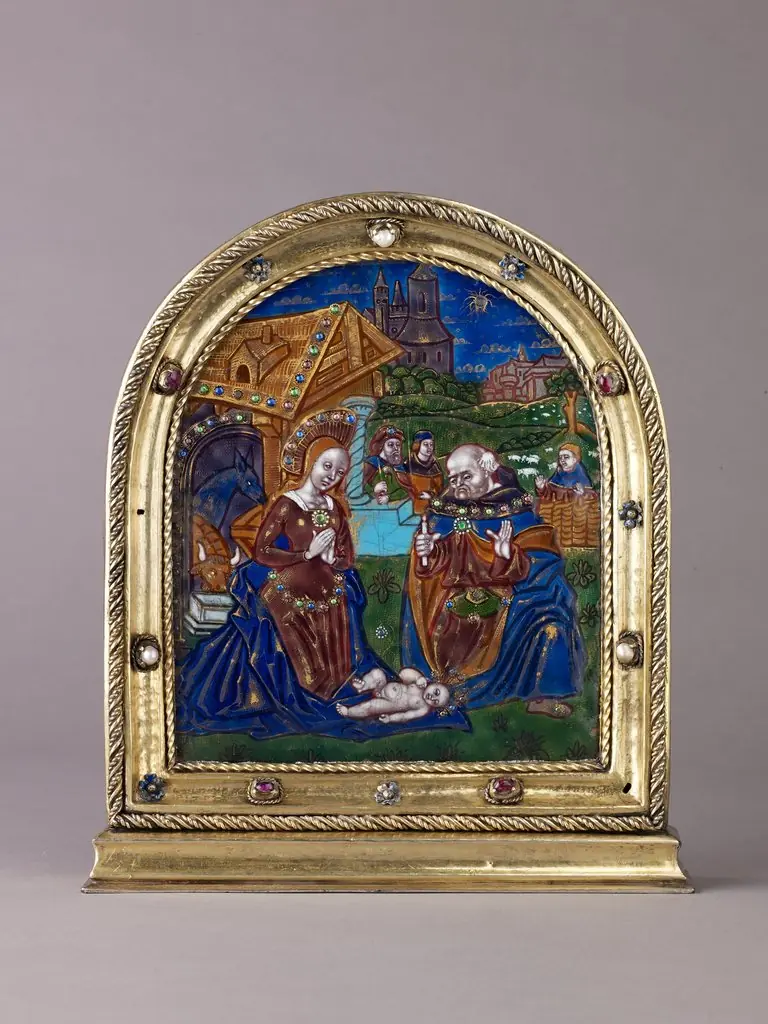 Nativity
 The Virgin (recto)
 The Virgin
 The Virgin and Child and St Catherine with the Emperor Maxentius