Artwork
White-Robed Willow Kannon
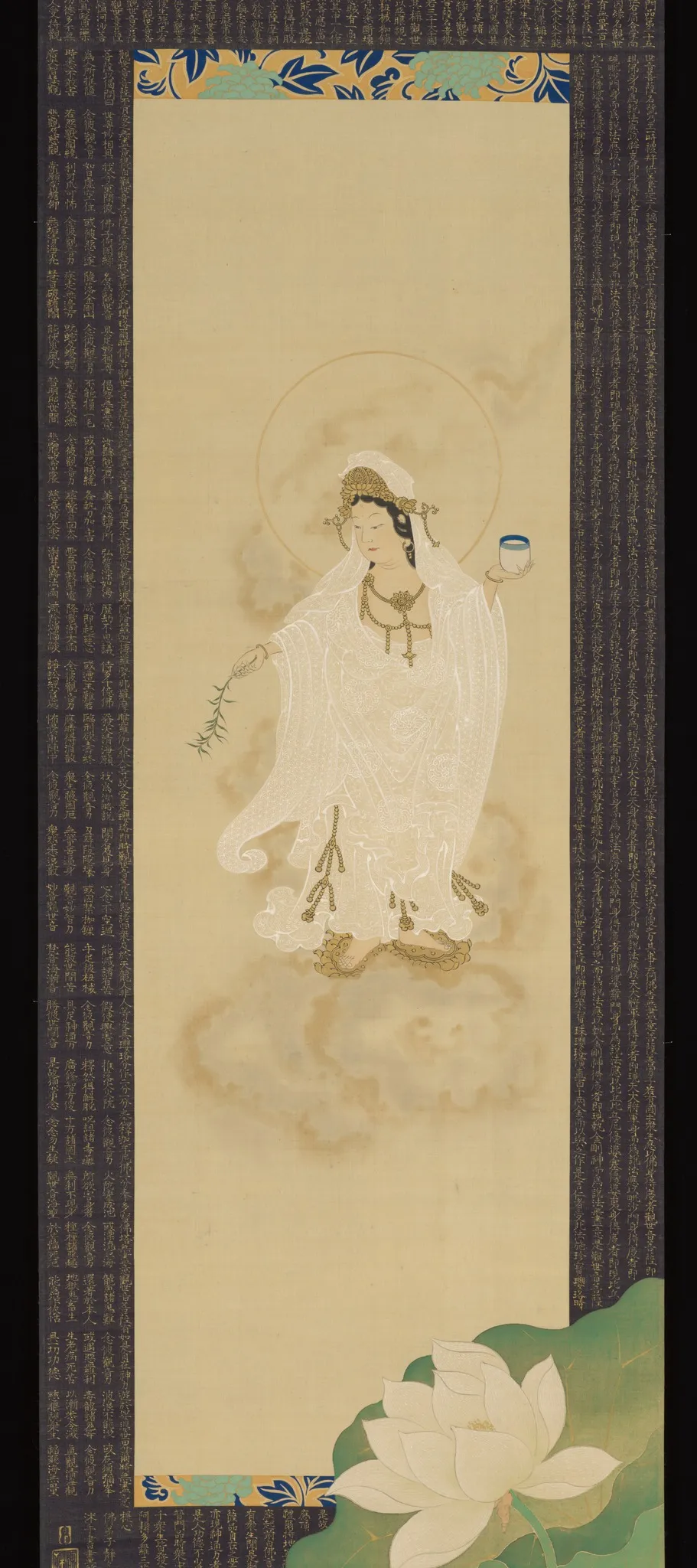
White-Robed Willow Kannon is an unspecified painting by the Nihonga artist Suzuki Shuitsu. It dates from 1866 and is held in the collection of the Metropolitan Museum of Art.
About this work
Subject & Meaning
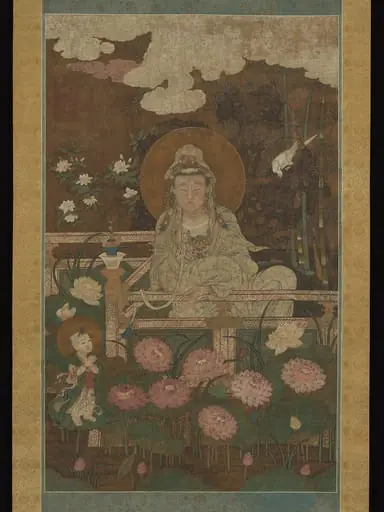
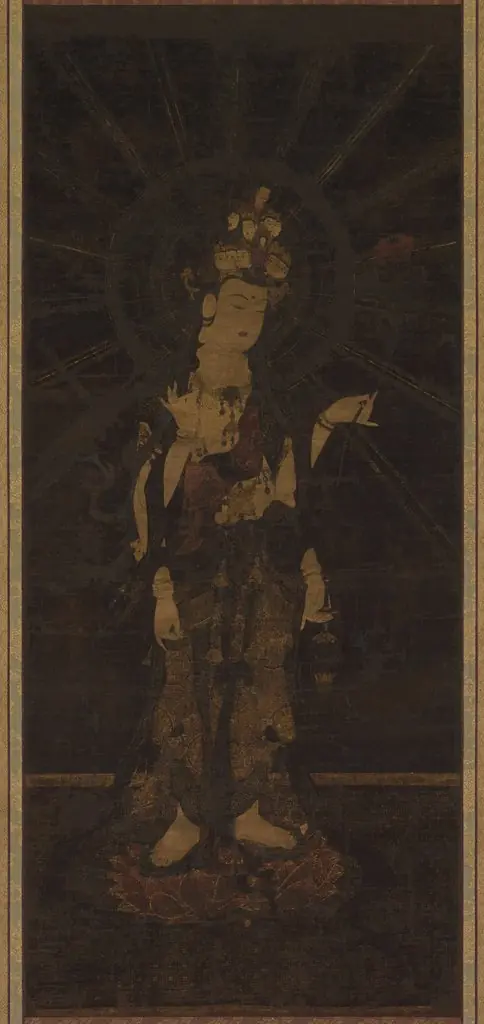
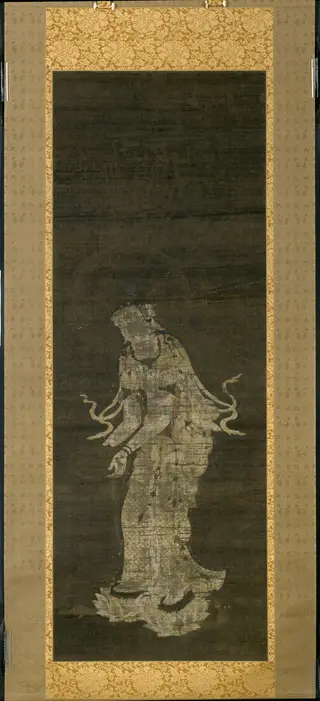
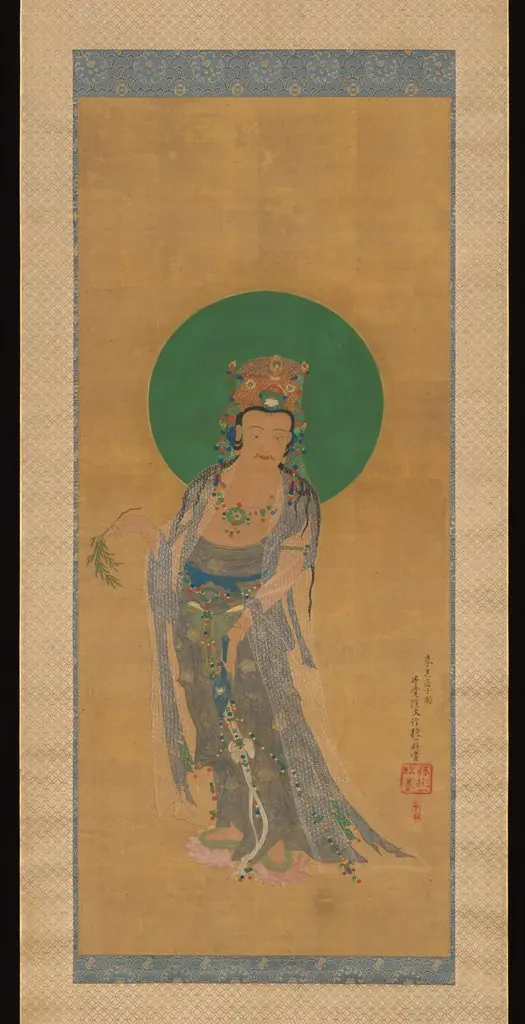
The painting depicts the bodhisattva Kannon, identifiable by the halo and serene expression, robed in white.
The painting depicts the bodhisattva Kannon, identifiable by the halo and serene expression, robed in white. The willow branch held in one hand signals Kannon’s association with mercy and healing, as willows were linked to protection against illness in East Asian tradition. The white robe further emphasizes purity and compassionate intercession.
Executed in 1866, the work reflects late Edo–Meiji period Japanese Buddhist iconography, where Kannon’s attributes were often rendered with naturalistic detail and refined line.
History & Provenance
Created in Japan in 1866, White-Robed Willow Kannon is a painting executed by the artist Suzuki Shūitsu. The work was produced during the mid-nineteenth century and has since entered the collection of the Metropolitan Museum of Art, where it is currently housed. No specific details regarding the original commission, early ownership history, or the chain of custody prior to its acquisition by the museum are provided in the available records.
White-Robed Willow Kannon is held in the collection of the Metropolitan Museum of Art. According to Wikidata, the painting's collection and location are both recorded as the Metropolitan Museum of Art. The work is classified as a painting by Suzuki Shuitsu, dated 1866.
No specific inventory or accession number is provided in the available sources, and no exhibition history is documented.
Overview
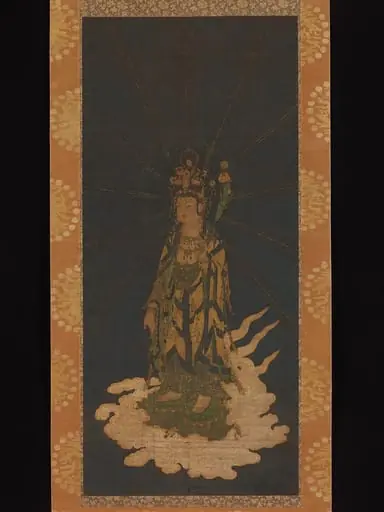
White‑Robed Willow Kannon, painted by Suzuki Shuitsu in 1866, is part of the Metropolitan Museum of Art’s collection. The work presents a solitary figure in flowing white robes, poised upon a cloud with a luminous halo. Soft yellow tones dominate the background, while a delicate floral border in blue, green and gold frames the scene, lending an overall atmosphere of quiet contemplation.
Technique & Style
Shuitsu employs a restrained palette of whites, yellows, and muted blues, punctuated by gold accents on the robes and border. Fine brushwork renders the cloud and floral framing with subtle texture, while the halo is suggested through a soft, diffused light. The composition balances linear elegance with a decorative border, reflecting the late Edo period’s synthesis of religious iconography and decorative painting.
Context
Suzuki Shuitsu worked within a tradition of Buddhist visual culture that flourished in Japan’s mid‑19th century, when artists often blended devotional subjects with refined decorative elements. The inclusion of a willow, a symbol of resilience, and the cup, a common offering, situates the work within contemporary practices of visualizing compassion for both monastic and lay audiences.
Artist & collection