Artwork
十一面観音来迎図|Descent of Eleven-Headed Kannon
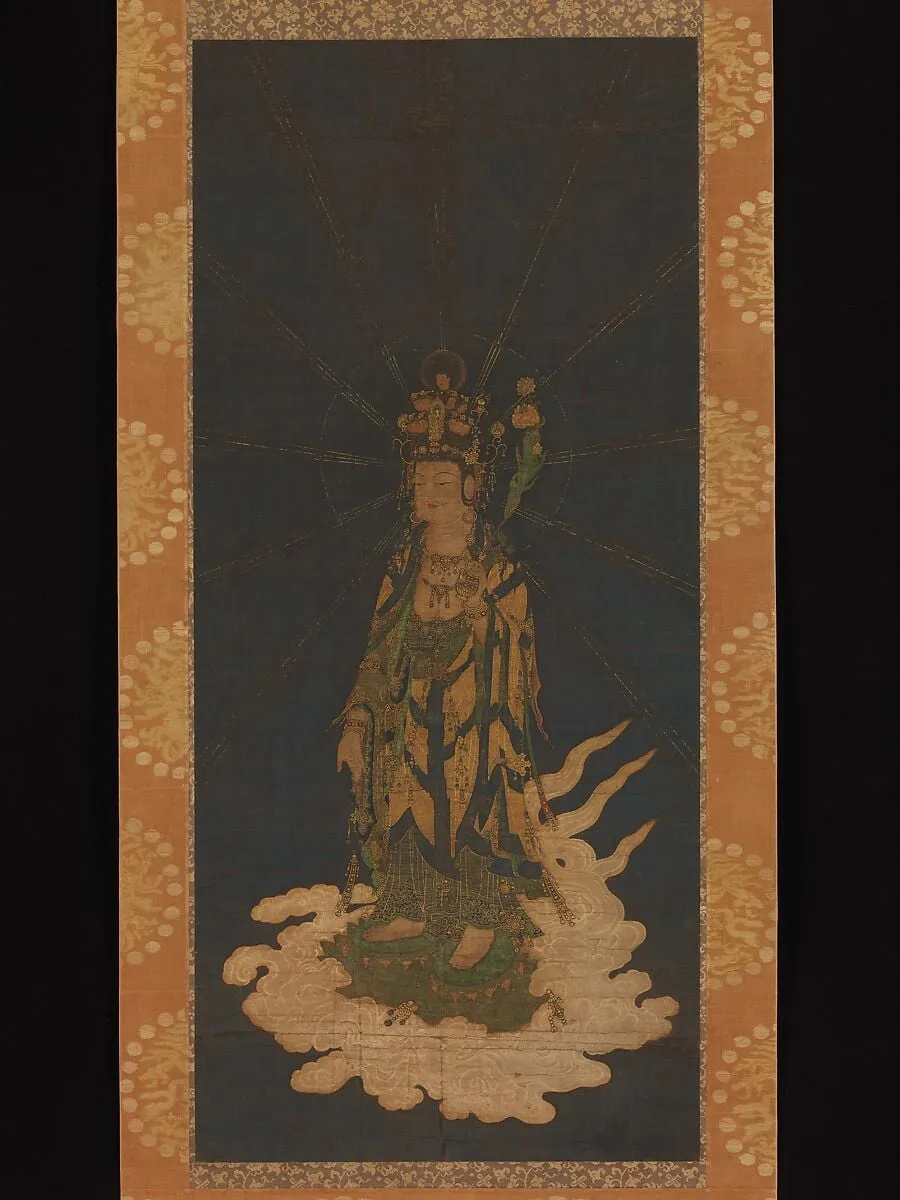
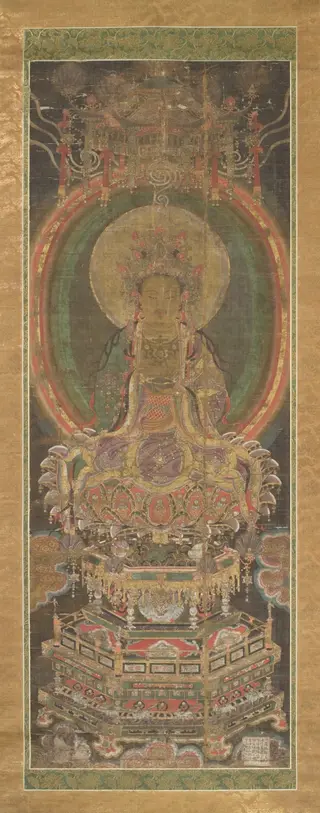
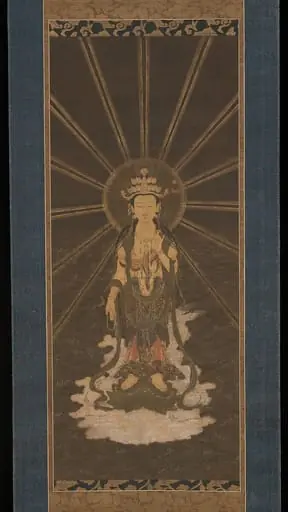
十一面観音来迎図|Descent of Eleven-Headed Kannon is an ink painting. It dates from 1316 and is held in the collection of the Metropolitan Museum of Art. The "Descent of Eleven-Headed Kannon" is a hanging scroll rendered in ink, color, gold, and cut-out gold on silk.
- Accession no.
- 1972.181
- Credit line
- Purchase, Charles Wrightsman Gift, Joseph Pulitzer Bequest, Dodge, Pfeiffer and Rogers Funds, and funds from various donors, 1972
About this work
Subject & Meaning
In this iconography the deity is shown with eleven heads and multiple arms, symbolizing boundless compassion and the ability to hear the cries of the suffering.
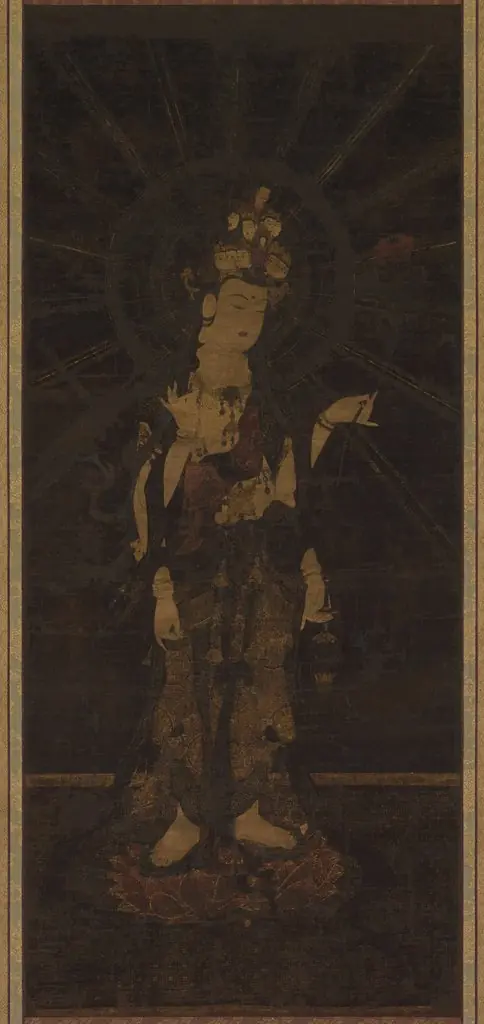
The painting portrays the Buddhist figure known as Eleven-Headed Kannon (Jūichimen Kannon), a manifestation of the bodhisattva Guanyin. In this iconography the deity is shown with eleven heads and multiple arms, symbolizing boundless compassion and the ability to hear the cries of the suffering. The work's religious genre underscores its devotional purpose, depicting the deity in a descending posture that conveys the arrival of divine aid.
The use of ink, color, gold leaf, and cut-out gold on silk highlights the sacred atmosphere typical of Kamakura-period Buddhist devotional painting, reinforcing the work's role as a visual conduit for spiritual protection and mercy.
Technique & Style
The Descent of Eleven-Headed Kannon is executed as a hanging scroll combining mineral pigments, ink, and gold on silk. The ground is prepared silk, over which washes of mineral-based color were applied in fluid, layered brushwork, with gold pigment used both in solid areas and as cut-out foil highlights for the nimbus and jewelry. Stylistic features include the bodhisattva's symmetric seven-head tier surmounted by four smaller heads, rendered with delicate line and subtle gradations of ink and color; the cascading scarves and lotus pedestal are articulated with controlled, rhythmic folds and attenuated curves characteristic of early fourteenth-century Kamakura-period painting.
The overall handling balances flat decorative pattern with modulated shading to suggest volume, while the application of gold both frames the composition and accentuates the sacred aura of the figure.
History & Provenance
The painting Descent of Eleven-Headed Kannon was created in Japan in 1316 as an ink, color, and gold hanging scroll on silk, commissioned under unknown patronage by an anonymous painter. The piece entered the Metropolitan Museum of Art's holdings under accession number 1972.181. The work depicts the Buddhist bodhisattva Eleven-Headed Kannon and is categorized as religious art.
It is presented at the Metropolitan Museum of Art in New York as part of the permanent collection galleries.
Overview
The "Descent of Eleven-Headed Kannon" is a hanging scroll rendered in ink, color, gold, and cut-out gold on silk. This painting depicts the Buddhist deity Kannon, characterized by eleven small heads stacked above the main one, floating on a cloud with outstretched arms. The artwork's intricate details, particularly the extensive use of gold, were designed to create a vibrant presence, especially when viewed under candlelight, emphasizing the deity's compassionate nature and omnipresent awareness.
Context
Kannon, also known as Avalokiteshvara, is a prominent figure within the Buddhist pantheon, specifically categorized as a bodhisattva. Bodhisattvas are enlightened beings who choose to delay their own nirvana to help others achieve enlightenment. This painting represents a common devotional theme, illustrating the compassionate intervention of such figures. Works like this are central to understanding the visual culture and spiritual practices associated with Mahayana Buddhism.
Artist & collection

- Eleven-Headed Kannon (Jūichimen Kannon)
 十一面観音来迎図|Descent of Eleven-Headed Kannon
 十一面観音影向図|Eleven-Headed Kannon on Mount Fudaraku
 Eleven-Headed Kannon (Jūichimen Kannon)
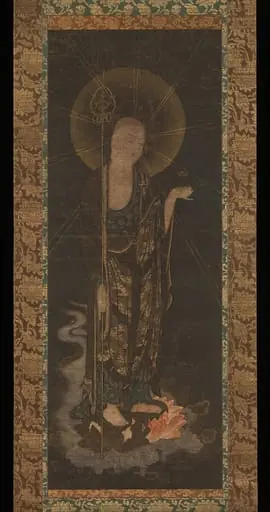 地蔵来迎図|Welcoming Descent of Jizō
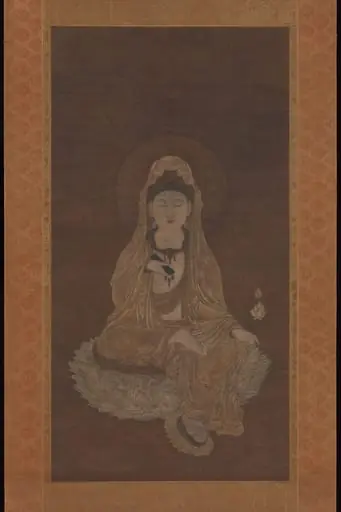 白衣観音図|White-Robed Kannon
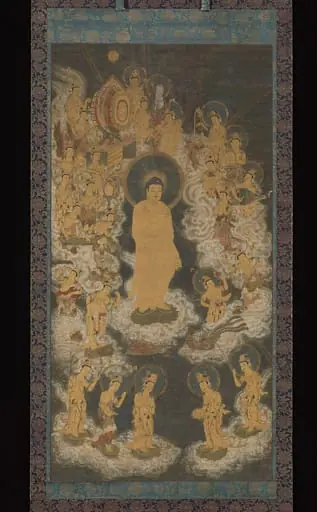 阿弥陀聖衆来迎図 |Welcoming Descent of Amida and Bodhisattvas
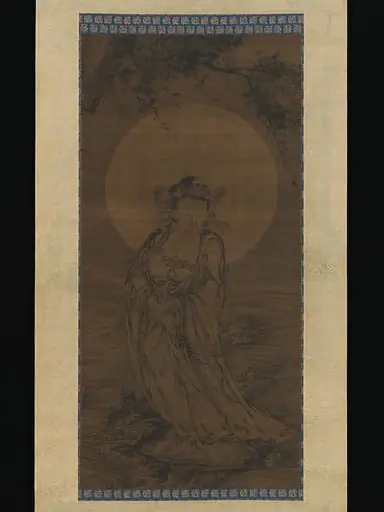 白衣観音図|White-Robed Kannon
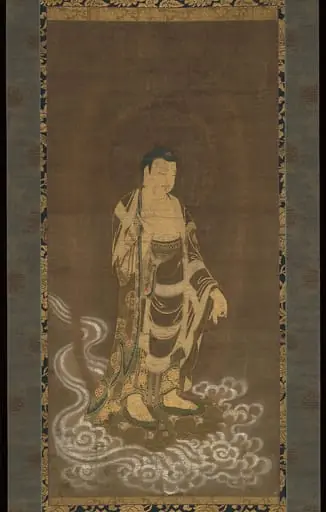 阿弥陀如来像|Welcoming Descent of Amida Buddha
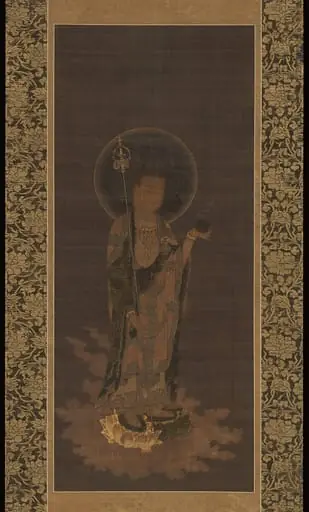 地蔵菩薩来迎図|Welcoming Descent of the Bodhisattva Jizō
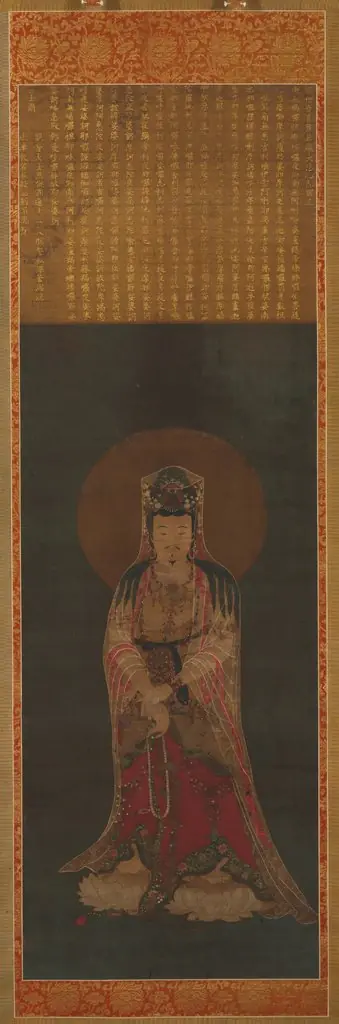 Kannon