Artwork
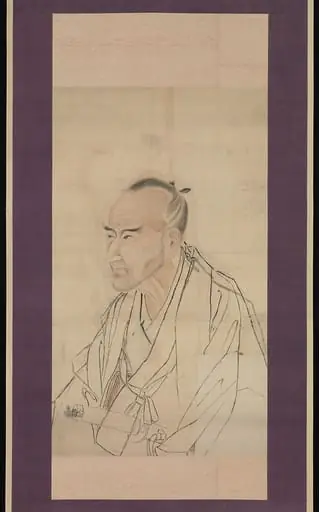
Imaginary Portrait of Shundai Dazai
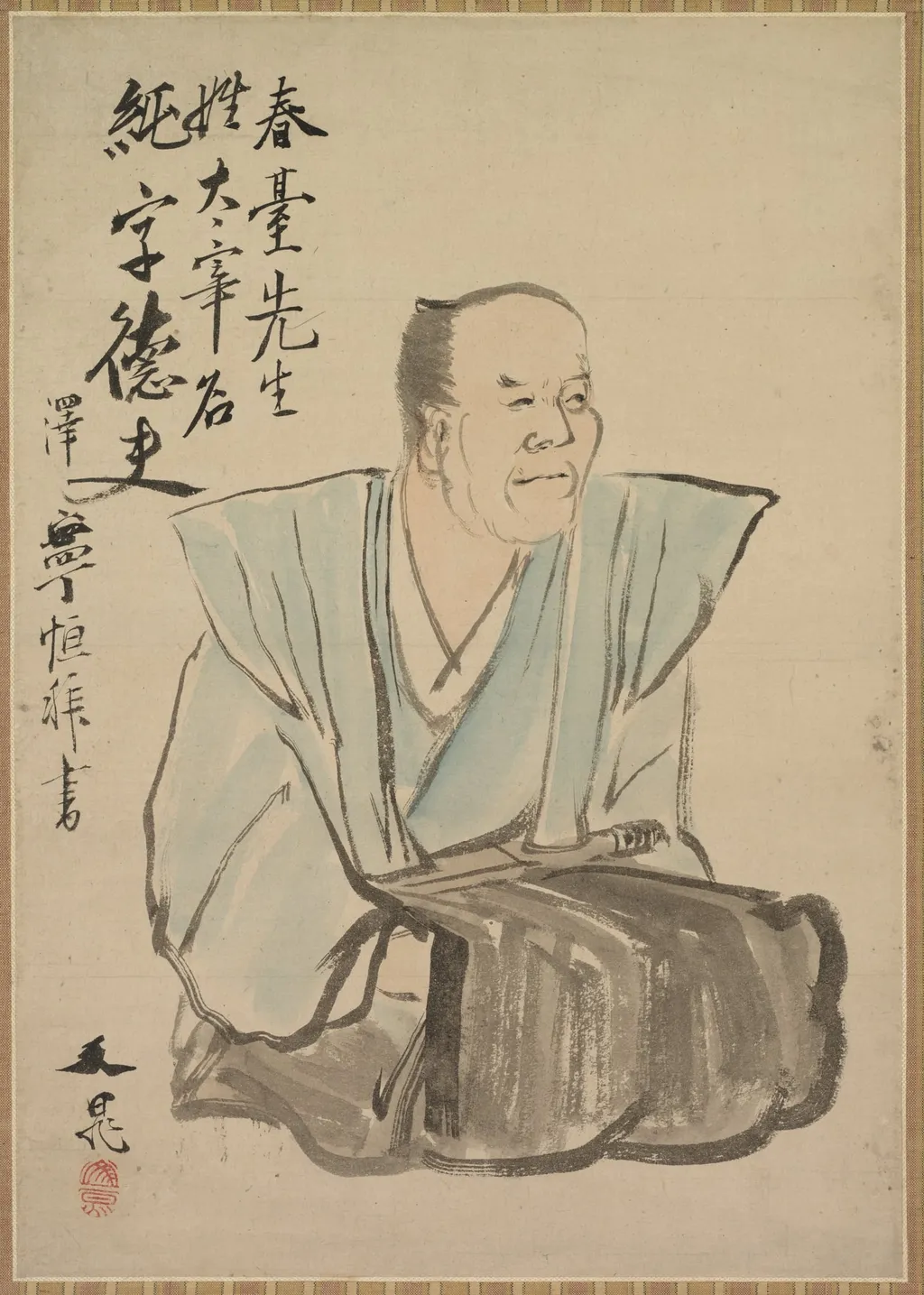
Imaginary Portrait of Shundai Dazai is an unspecified painting by the Joseon dynasty painting artist Tani Bunchō. It dates from 1816 and is held in the collection of the Cleveland Museum of Art. The work is a portrait of Shundai Dazai, a prominent Confucian scholar of the early eighteenth century (1680–1747).
- Accession no.
- 1985.248
- Credit line
- The Kelvin Smith Collection, given by Mrs. Kelvin Smith
About this work
You can learn more about Japanese art by looking at the work of artist: Tani Bunchō (Japanese, 1763–1841).
This painting shows a man with a calm face. He's dressed in traditional Japanese clothes. The artist, Tani Bunchō, likely painted this because he admired the subject, a Confucian scholar.
The subject is Shundai Dazai, a writer from the 1700s. Tani Bunchō was brought up in a Confucian family, which might be why he painted Shundai.
You can learn more about Japanese art by looking at the work of artist: Tani Bunchō (Japanese, 1763–1841).
Overview
The work is a portrait of Shundai Dazai, a prominent Confucian scholar of the early eighteenth century (1680–1747). Executed by the Edo‑period painter Tani Bunchō (1763–1841), the image presents the sitter with a composed expression, attired in conventional Japanese robes. An inscription beneath the figure was contributed by the contemporary scholar‑poet Nozawa Hikoroku.
Subject & Meaning
Shundai Dazai’s reputation as a learned writer and moralist is reflected in the dignified pose and serene countenance of the portrait. The calm demeanor underscores the Confucian ideals of self‑cultivation and inner harmony that the scholar embodied, while the inclusion of an inscription by a fellow intellectual reinforces his standing within the learned community.
Technique & Style
Tani Bunchō employed delicate brushwork characteristic of the nanga (literati) tradition, combining subtle ink washes with restrained color accents on the garment. The rendering of facial features is restrained, favoring suggestion over detailed modeling, which aligns with the aesthetic preferences of Edo‑period scholar‑artists who valued expression of character over realism.
History & Provenance
The portrait was likely commissioned or created by Bunchō out of personal admiration, given his own Confucian upbringing. The inscription by Nozawa Hikoroku, a poet active during the same era, suggests the painting circulated among intellectual circles. Its later ownership records trace back to private collections before entering a museum setting in the twentieth century.
Context
During the late eighteenth and early nineteenth centuries, Japanese artists increasingly embraced Chinese literati painting, emphasizing scholarly subjects. Tani Bunchō, trained in both official court painting and nanga, often depicted esteemed scholars, aligning his work with the broader cultural reverence for Confucian learning that permeated Edo society.
Own this work as a print
Artist & collection


 The Poet Sōsei
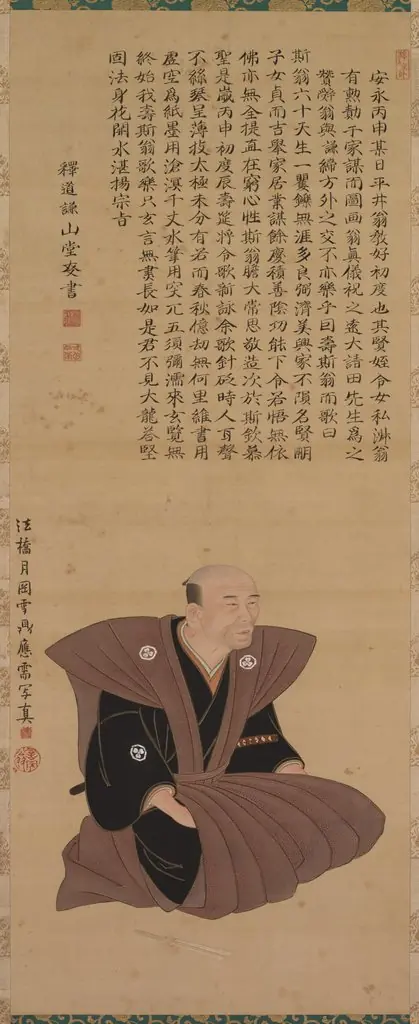 Portrait of Samurai-Official: Hirai KyoseiHirai Kyosei
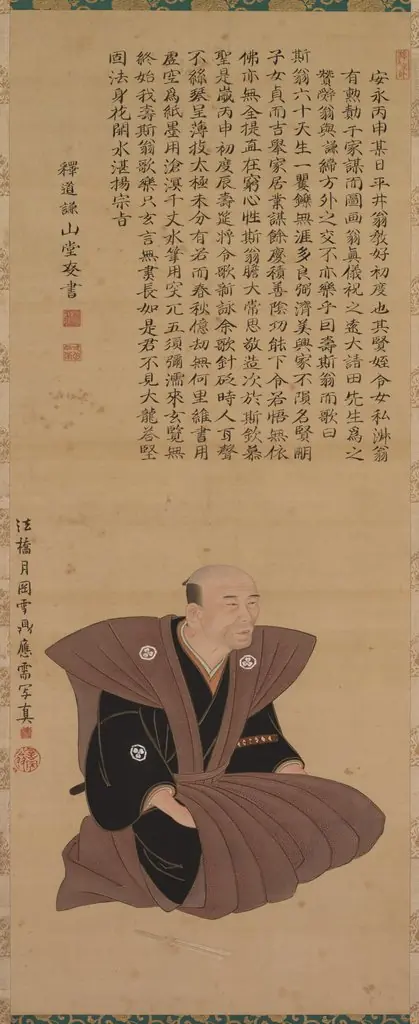 Pair of Portraits of Samurai-Officials: Hirai Kyosei and Hirai Rinsei
 Portrait of Samurai-Official: Hirai KyoseiHirai Kyosei
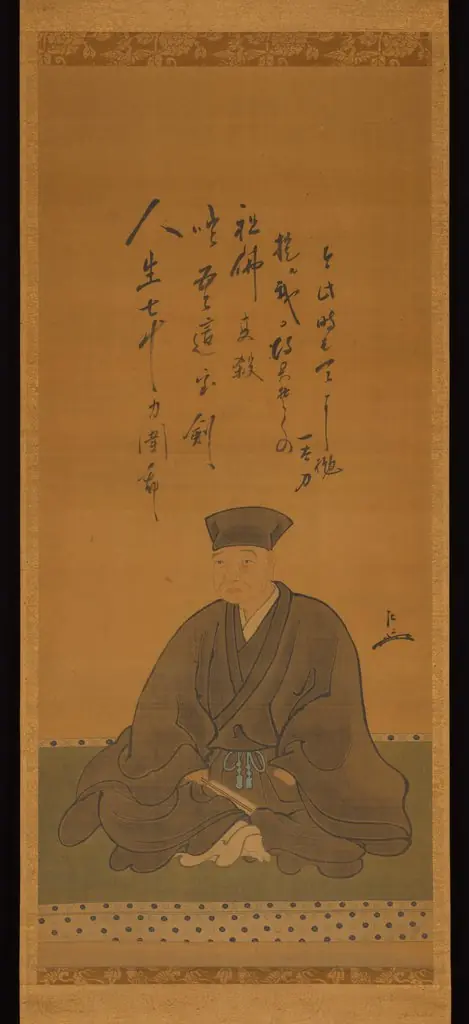 Portrait of Sen no Rikyū with his Death Poem
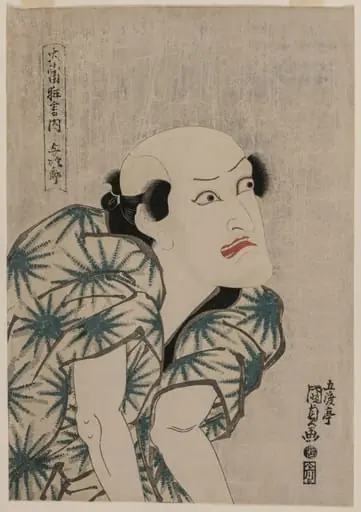 Nakamura Utaemon III as the Monkey Trainer Yojiro (from the series Famous Kabuki Plays)
 Monk Raisan
 Untitled
 Untitled
 Archbishop Henjō (Sōjō Henjō zu), from the Dōon Version of the Thirty-Six Poetic Immortals
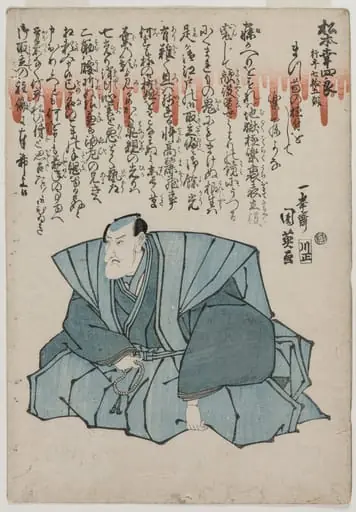 Memorial Portrait of Matsumoto Kōshirō V, Age 75
- Thirty-Six Poetic Immortals of the Buddhist Clergy