Artwork
The Exterminating Angel Vanquishing the Army of Sennacherib
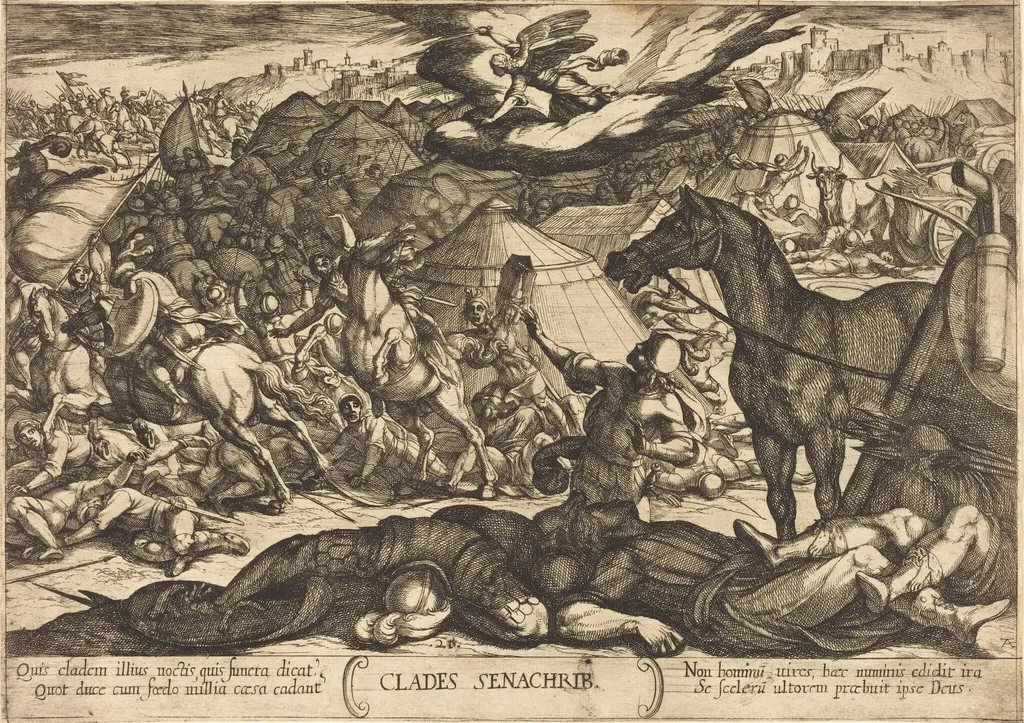
The Exterminating Angel Vanquishing the Army of Sennacherib is an ink print by the Baroque artist Antonio Tempesta. It dates from 1613 and is held in the collection of the National Gallery of Art.
About this work
Overview
Executed in ink on paper, the work belongs to a series of prints Tempesta produced in Rome, where he specialized in dynamic historical and military scenes.
Antonio Tempesta’s 1613 etching illustrates a moment from the biblical Book of Kings, in which a divine force strikes down the Assyrian army besieging Jerusalem. Executed in ink on paper, the work belongs to a series of prints Tempesta produced in Rome, where he specialized in dynamic historical and military scenes. His technique combined precision with expressive energy, reflecting the visual language of early Baroque printmaking.
Subject & Meaning
The scene portrays the angel of the Lord as a central, airborne figure unleashing destruction upon the Assyrian soldiers. Bodies lie scattered in the foreground, while panicked figures in the background scramble toward the walls of Jerusalem. The imagery conveys divine retribution, aligning with Counter-Reformation themes of God’s intervention in human affairs. The narrative draws from a well-known biblical account, intended to affirm faith through dramatic divine justice.
Technique & Style
Tempesta employed fine, incised lines to render texture and movement, using dense hatching to suggest shadow and depth. The foreground figures are sharply detailed, contrasting with the blurred, atmospheric background of the city and sky. Light falls dramatically across the angel and fallen soldiers, heightening the sense of chaos. The etching’s clarity and compositional density reflect his training in both Roman and Flemish print traditions.
History & Provenance
Created in Rome during Tempesta’s most active period, the etching was likely produced for a market of collectors and religious institutions interested in biblical narratives. It was part of a broader trend in early 17th-century Italy of translating sacred stories into visually compelling prints. The work survives in several institutional collections, with no known record of private ownership prior to the 19th century.
Context
Tempesta worked amid Rome’s flourishing print culture, where artists like Caravaggio and the Carracci influenced a heightened emotional realism. His military scenes resonated with contemporary anxieties over war and divine favor, especially after the turmoil of the Thirty Years’ War. The etching aligns with other religious prints of the era that used dramatic violence to reinforce doctrinal messages for a literate, devotional public.
Legacy
Tempesta’s etchings, including this one, contributed to the dissemination of Baroque visual narratives beyond painting. His detailed compositions influenced later printmakers in Italy and the Netherlands. Though less celebrated than his contemporaries, his work remains a significant example of how religious themes were rendered with kinetic energy and technical rigor in early modern printmaking.
Own this work as a print
Artist & collection
Artist
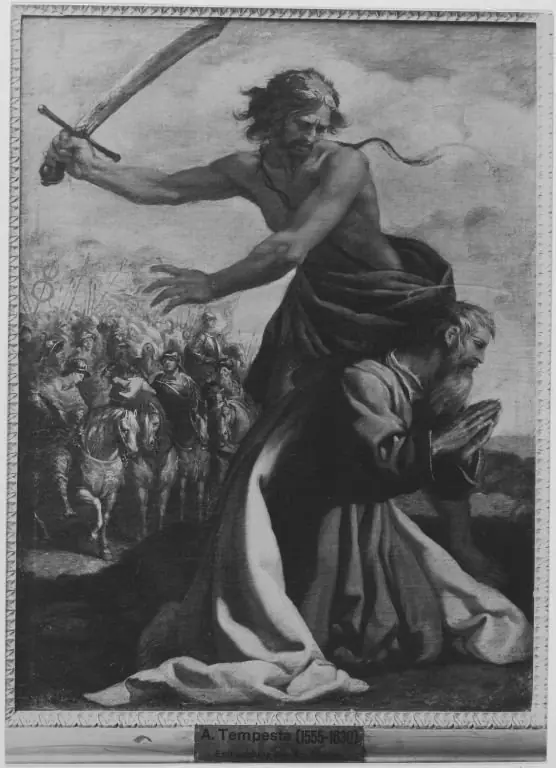
Antonio Tempesta, also called il Tempestino (1555 – 5 August 1630), was an Italian painter and engraver, whose art acted as a point of connection between Baroque Rome and the culture of Antwerp.

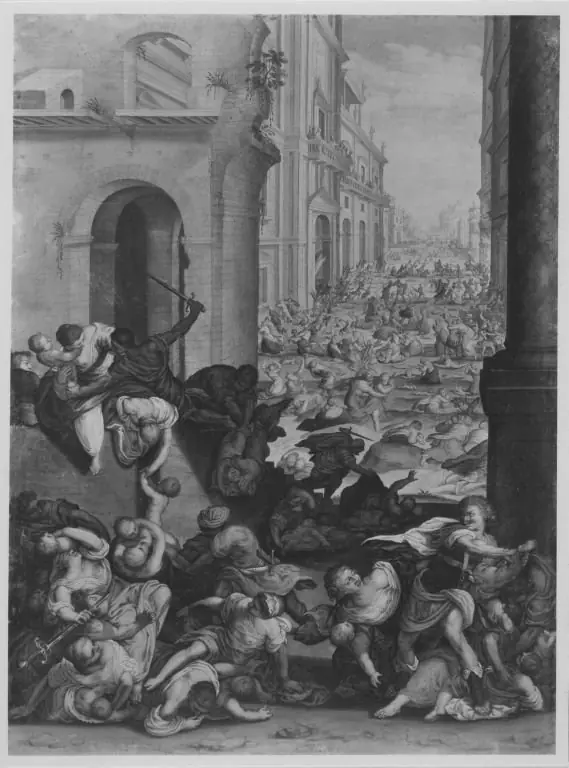
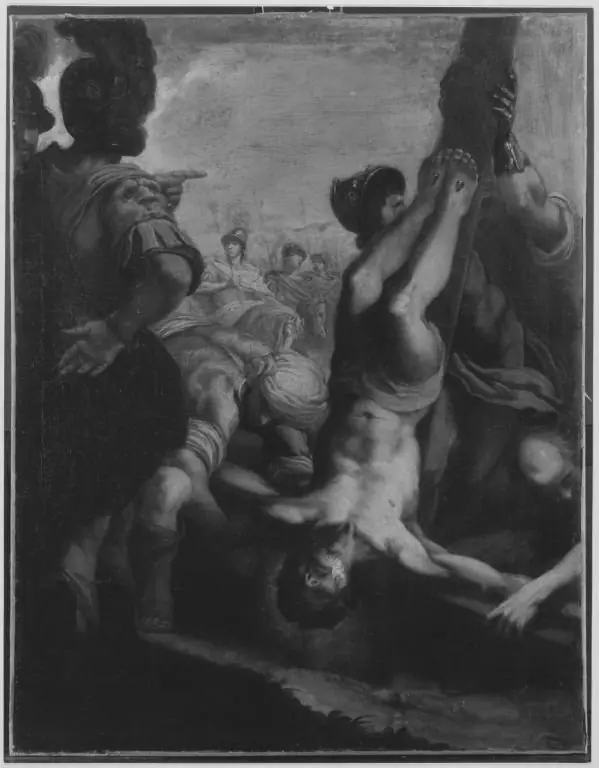
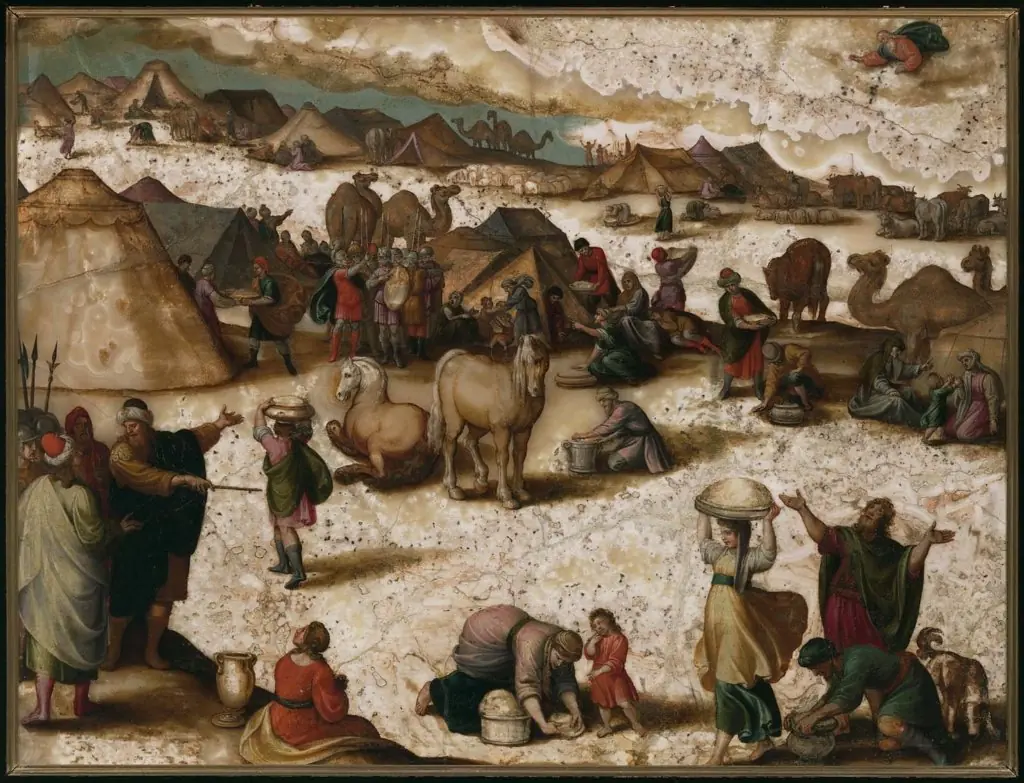
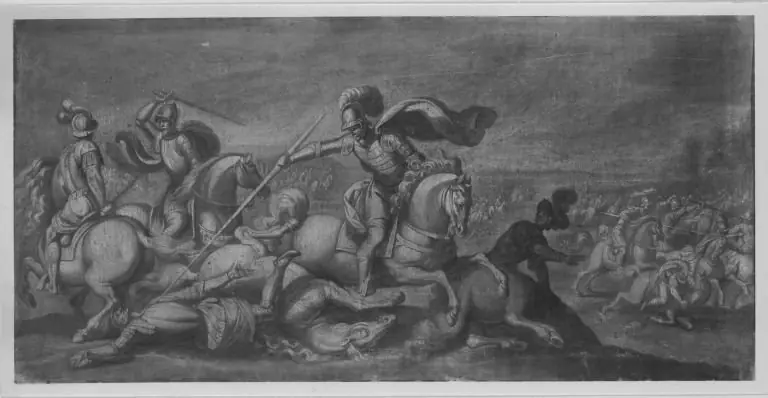
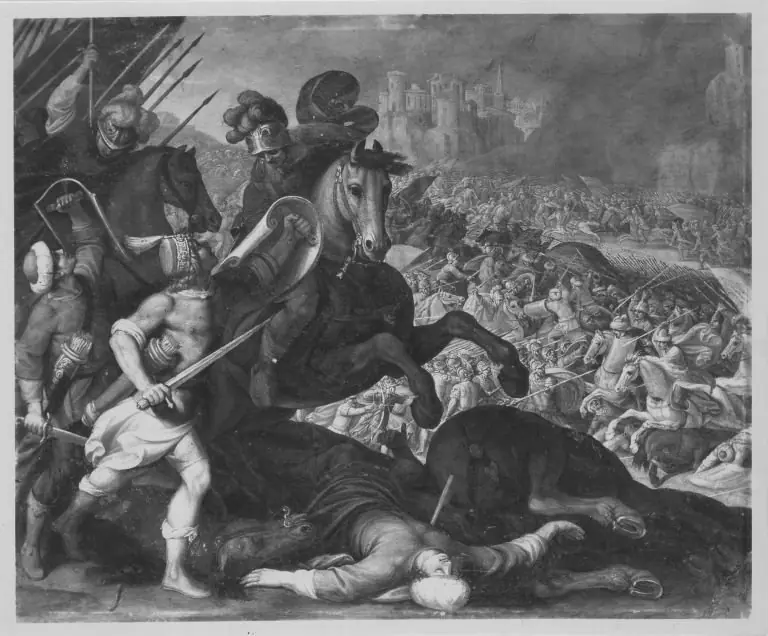
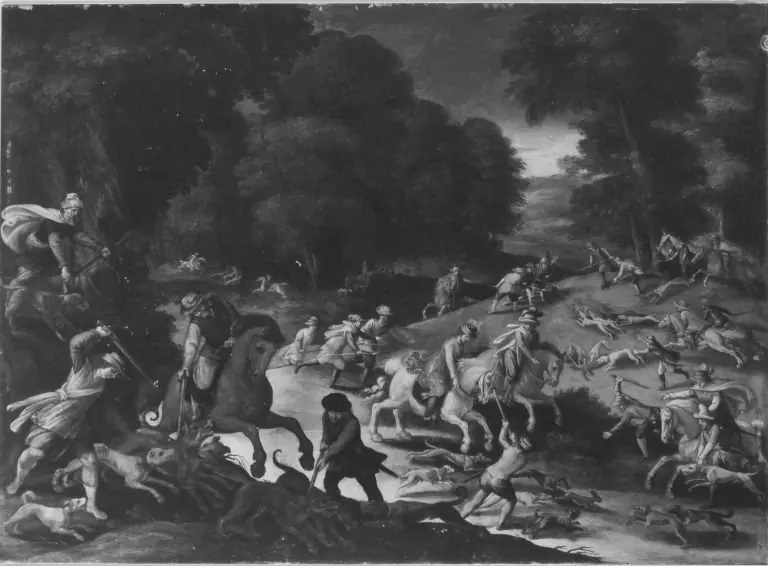
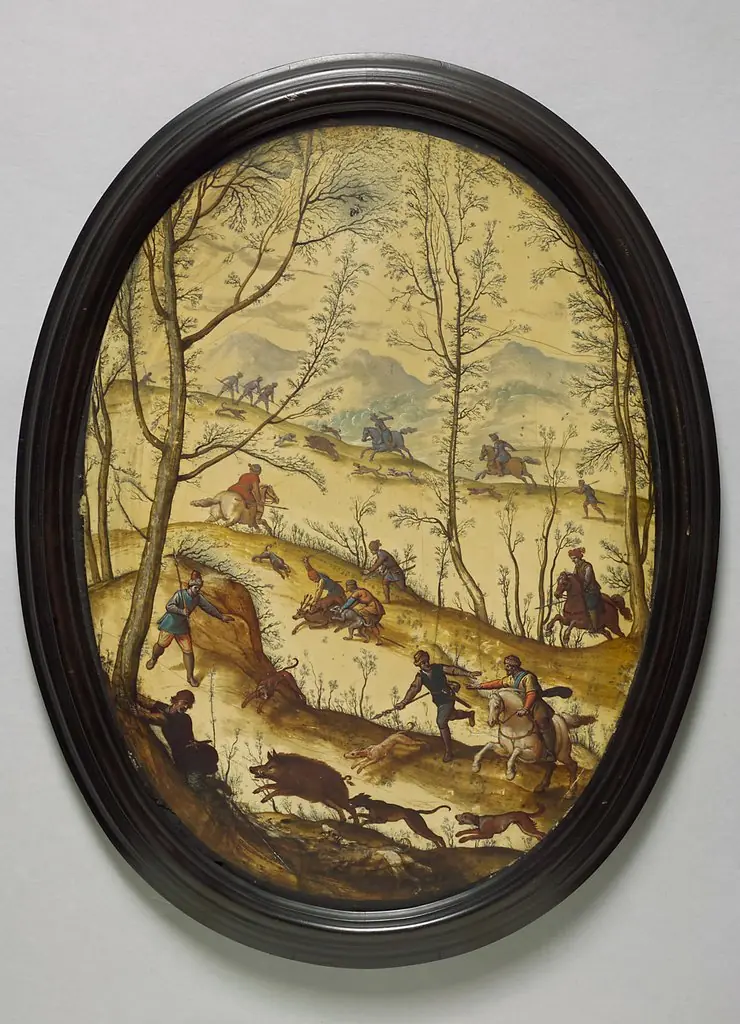
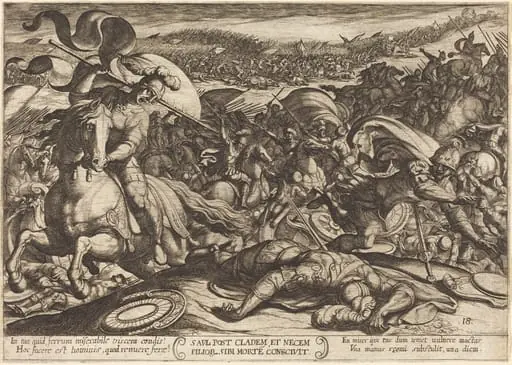
- Saul Kills Himself after the Defeat of his Army by the Philistines
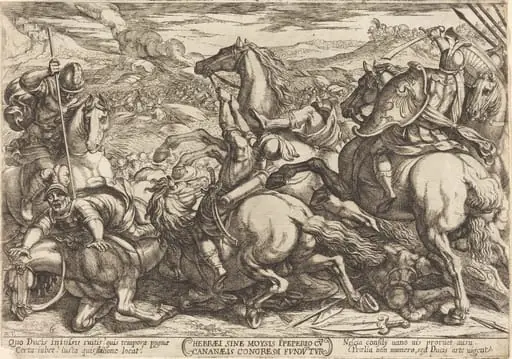 The Hebrews defeat the Canaans
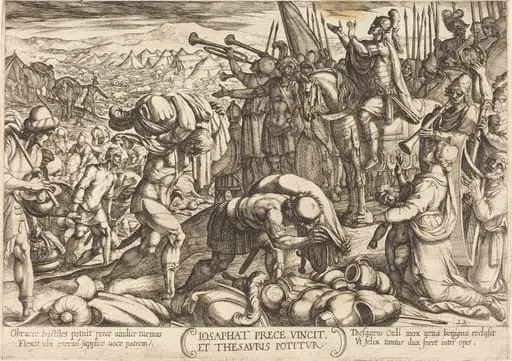 Josaphat Thanking God for His Victory
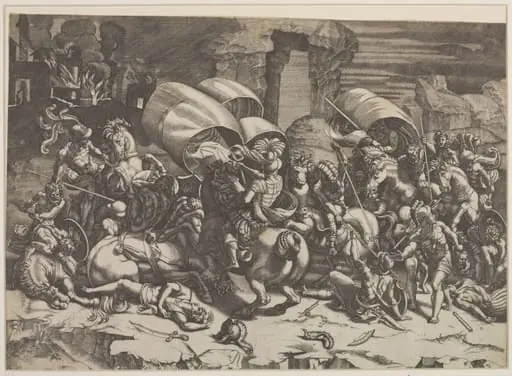 La bataille au coutelas
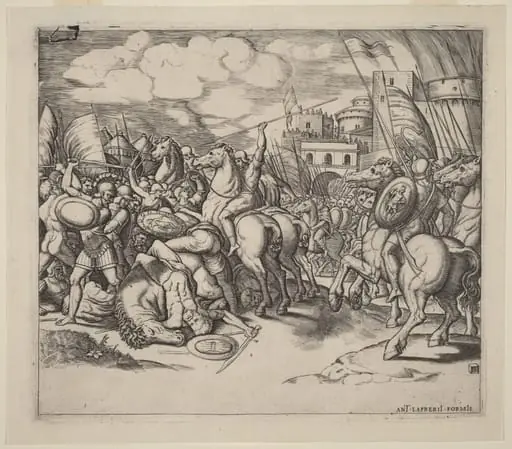 The Victory of Scipio over Syphax
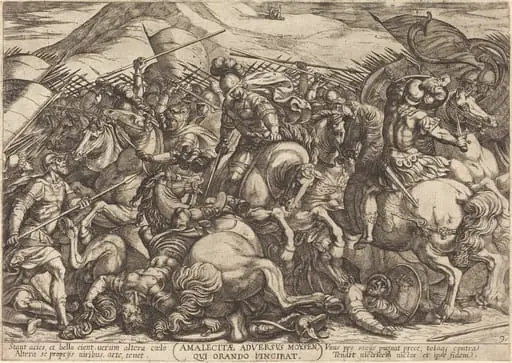 The Defeat of the Amalikits by the Hebrews
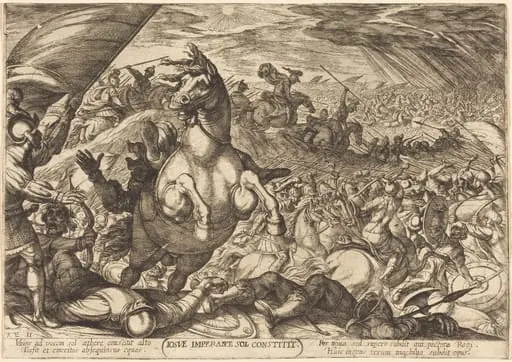 Joshua Ordering the Sun to Stop
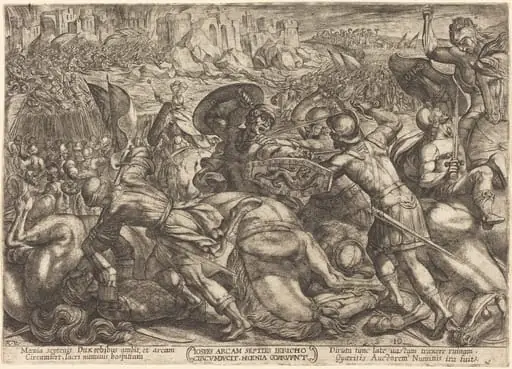 The Taking of the City of Jericho
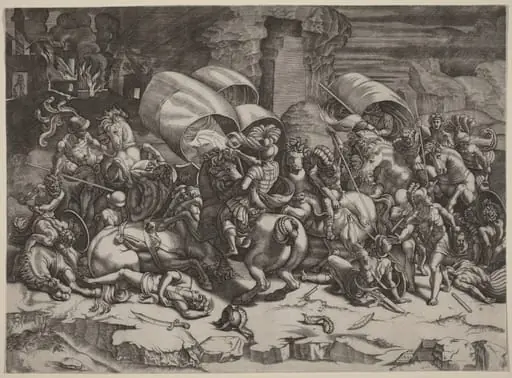 The Battle with the Cutlass
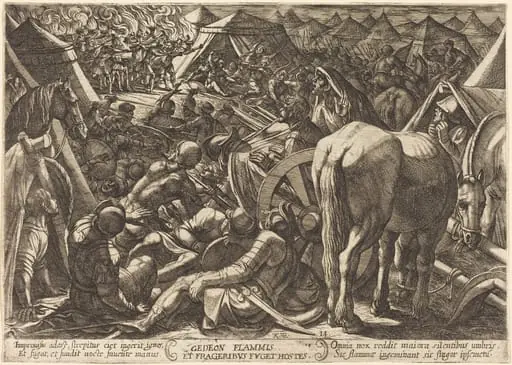 Gideon Frightens His Enemies in Their Camp
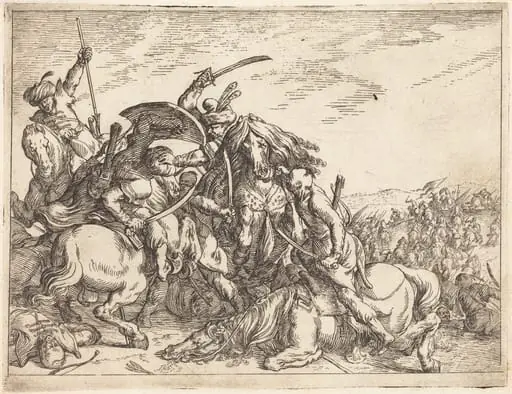 Capricci di varie battaglie
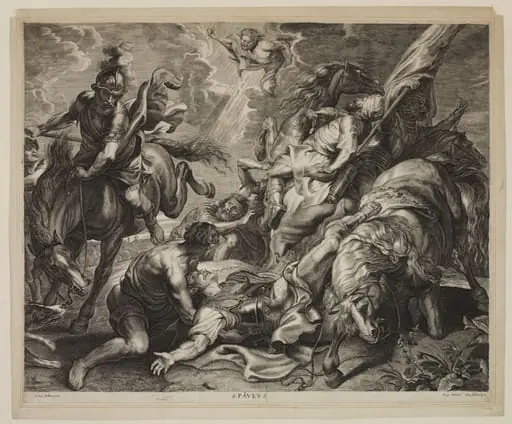 Conversion of St. Paul