Artwork
Rosmersholm; Le Gage
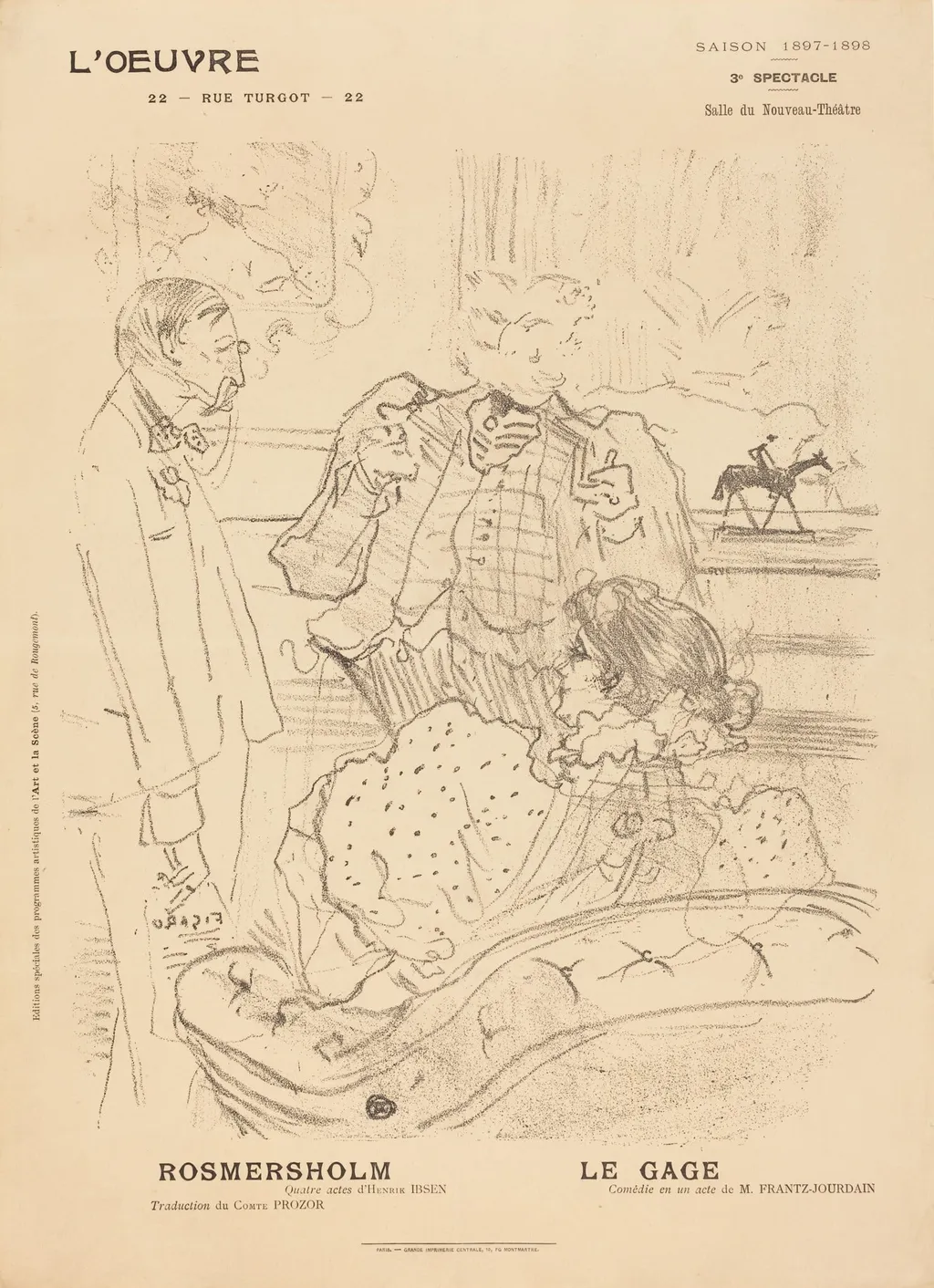
Rosmersholm; Le Gage is an ink print by the Impressionist artist Henri de Toulouse-Lautrec. It dates from 1897 and is held in the collection of the National Gallery of Art.
- Inscription
- Inscribed:lower center in stonein ligature: T-L; upper left printed: L'OEUVRE / 22-RUE TURGOT-22; upper right printed: Saison 1897-1898 / 3e SPECTACLE / Salle du Nouveau-Théâtre; lower left printed: ROSMERSHOLM / Quatre actes d'Henrik IBSEN / Traduction du COMTE PROZOR; lower right printed: LE GAGE / Comédie en un acte de M. FRANTZ-JOURDAIN; lower center printed: PARIS.-- GRAND IMPRIMERIE CENTRALE, 10, FG MONTMARTRE.; by later hand, lower right in graphite: Lautrec
About this work
Overview
Henri de Toulouse-Lautrec produced a black lithograph on wove paper in 1897 that combines two theatrical titles, Rosmersholm and Le Gage. The print functions as a program cover for a Parisian theatre season, presenting a bustling stage scene rendered in quick, sketch‑like lines without color.
Subject & Meaning
The composition depicts a chaotic performance space: actors are caught in motion, a seated figure occupies a desk, another raises his arms, and a third leans dramatically on a table. In the distance, a horse and rider appear on a small platform while a crowd gathers around a rocky outcrop, suggesting a dramatic tableau that references the two named plays.
Technique & Style
Created through lithography, the image was drawn directly onto a limestone or metal plate with greasy ink, then transferred to wove paper. Toulouse-Lautrec’s use of loose, gestural lines emphasizes immediacy and movement, characteristic of his approach to capturing theatrical moments.
History & Provenance
The work originates from the artist’s involvement with Paris’s bohemian circles in the late 19th century, a period when he frequently designed posters and program covers for contemporary productions. Its 1897 date places it among his numerous print projects that documented the city’s cultural life.
Context
Toulouse-Lautrec, born into French aristocracy in 1864, turned to the nightlife and stage world of Montmartre after a childhood injury limited his mobility. His intimate access to performers and theatres informed works like this lithograph, which merges visual art with the promotional needs of the Parisian stage.
Own this work as a print
Artist & collection
Artist
Comte Henri Marie Raymond de Toulouse-Lautrec-Montfa (24 November 1864 – 9 September 1901), known as Toulouse-Lautrec (French: ), was a French painter, printmaker, draughtsman, caricaturist, and illustrator.

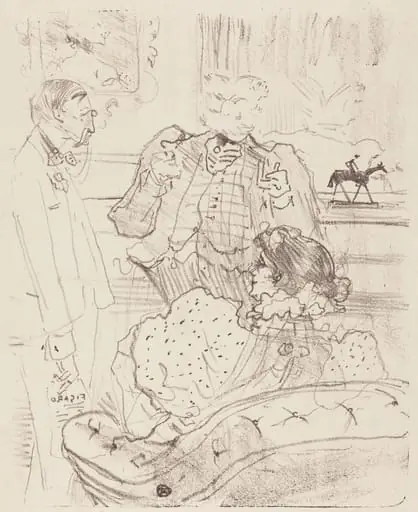 The Forfeit (La gage)
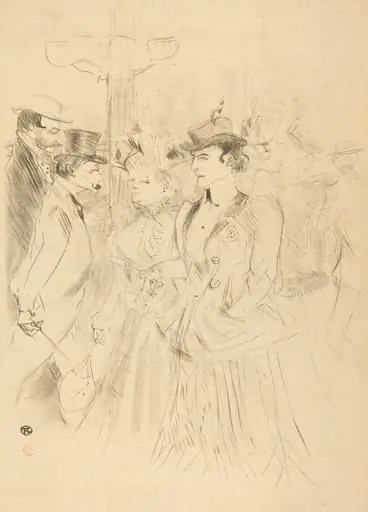 Promenade (Promenoir)
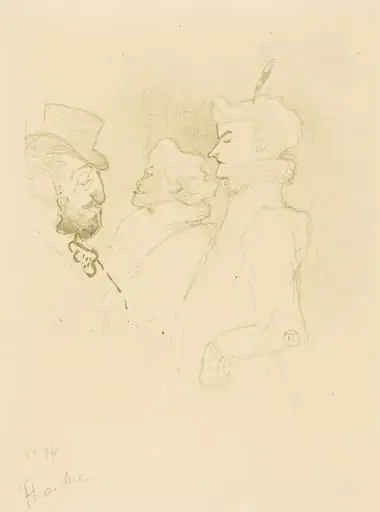 Why Not?...Once Is Not a Habit (Pourquoi pas?...Une fois n'est pas coutume)
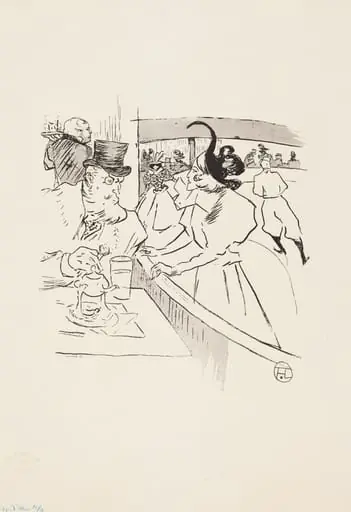 In the Skating Professional Beauty
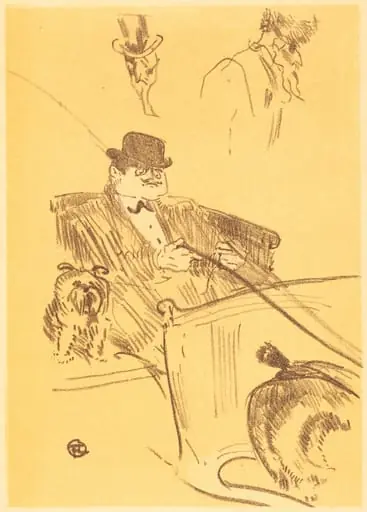 Cover for "La tribu d'Isodore" (Couverture pour "La tribu d'Isodore")
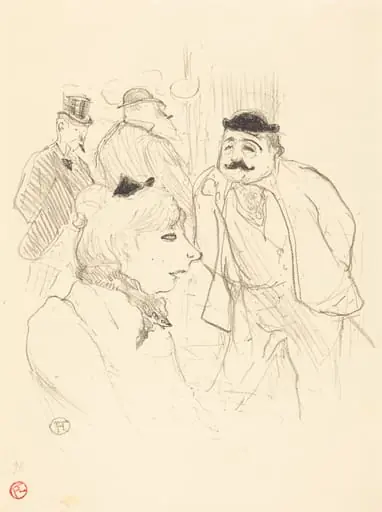 La Tige (Moulin-Rouge)
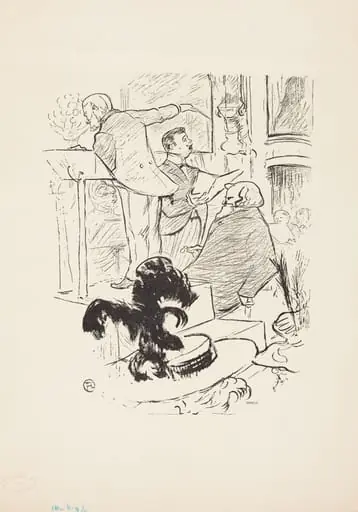 Les grands concerts de l'opera
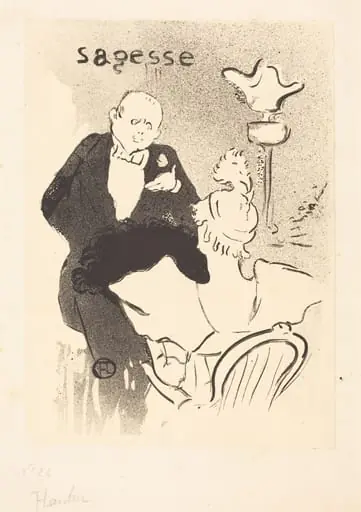 Wisdom (Sagesse)
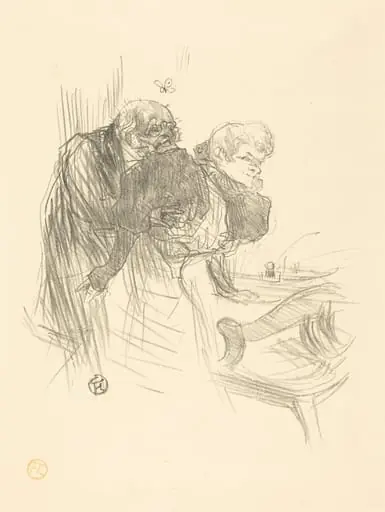 Les vieux papillons
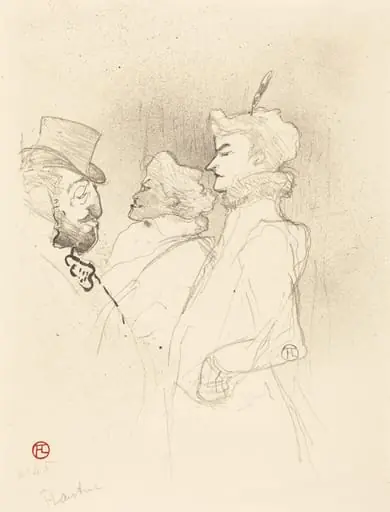 Why Not?...Once Is Not a Habit (Pourquoi pas?...Une fois n'est pas coutume)
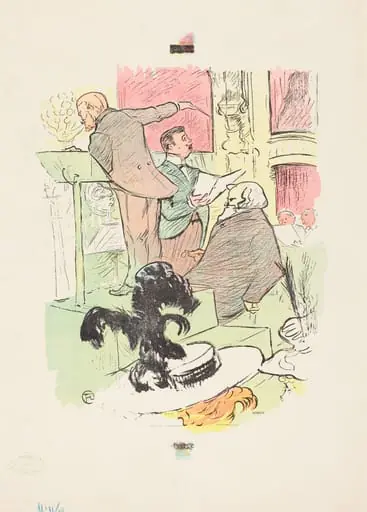 Les grands concerts de l'opera
- Rosmersholm; Le Gage