Artwork
Daniel
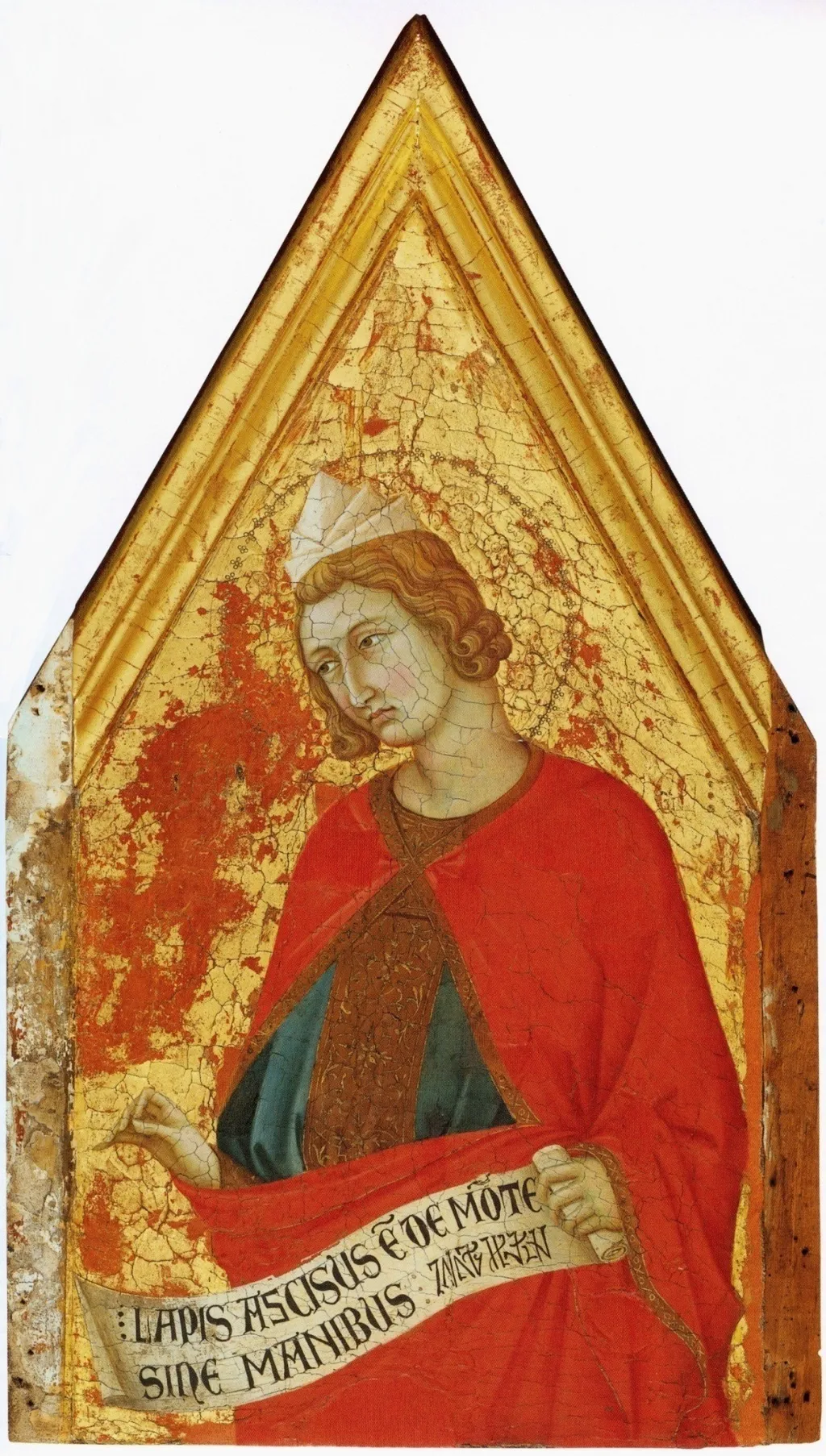
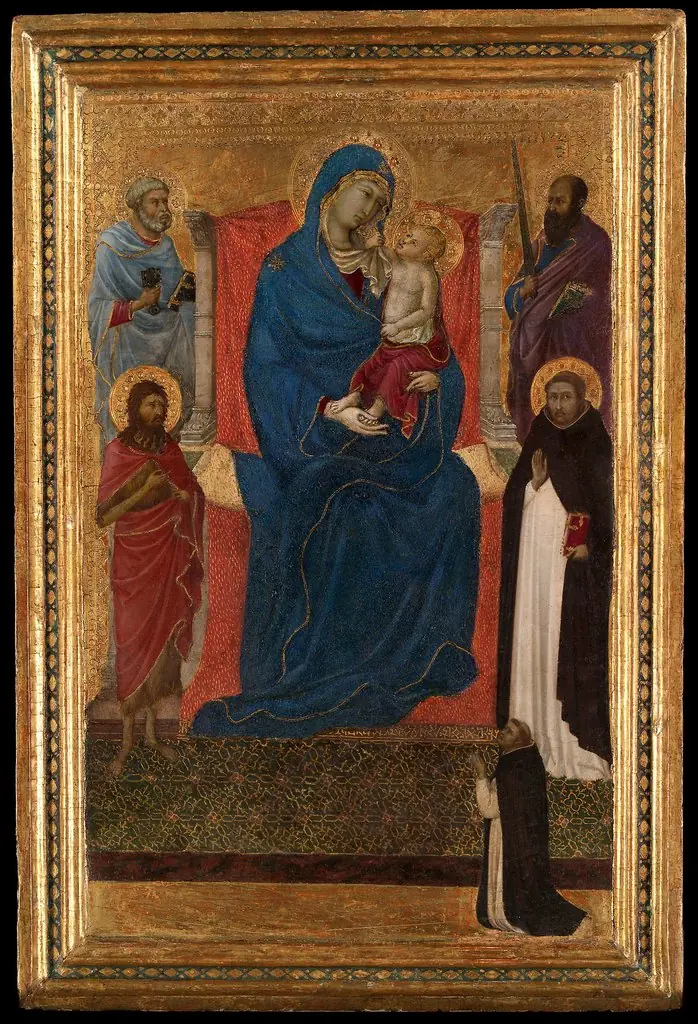
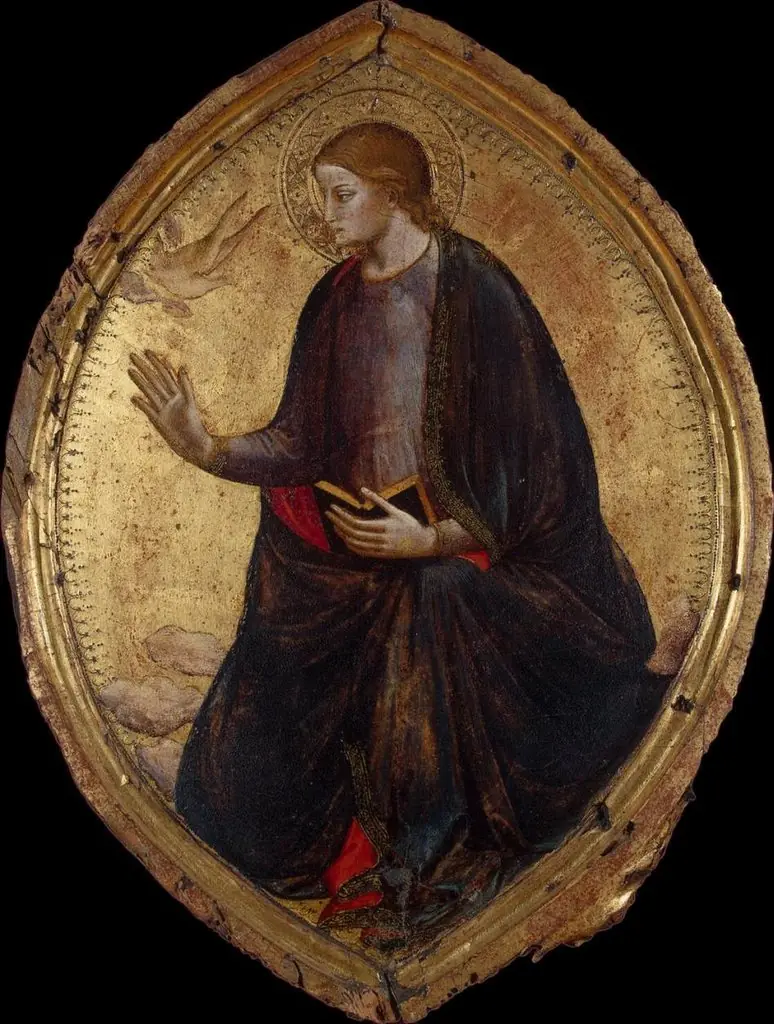
Daniel is an unspecified painting by the Sienese School artist Ugolino di Nerio. It dates from 1325 and is held in the collection of the Philadelphia Museum of Art.
About this work
Overview
Painted in 1325 by Ugolino di Nerio, a Sienese artist active in the early 14th century, this panel depicts the biblical prophet Daniel.
Painted in 1325 by Ugolino di Nerio, a Sienese artist active in the early 14th century, this panel depicts the biblical prophet Daniel. Created during a period when Siena was a center of religious art, the work belongs to a tradition rooted in Duccio’s innovations. It is now part of the Philadelphia Museum of Art’s collection, where it represents the refined devotional style of the Sienese school.
Subject & Meaning
The figure of Daniel, known for his wisdom and divine visions, is shown holding a scroll inscribed with Latin text referencing his deliverance from the lions’ den. His dignified posture and rich garments signal his status as a prophet and interpreter of sacred truth. The scroll’s inscription, though partially obscure, aligns with medieval interpretations of Daniel’s role as a vessel of divine revelation, reinforcing the painting’s devotional purpose.
Technique & Style
Ugolino employed tempera on wood with gold leaf for the background, a hallmark of Sienese panel painting. The figure is rendered with soft contours and layered pigments, showing Duccio’s influence in the modeling of form and drapery. The gold background, shaped in a triangular arch, creates a sacred space without perspective, emphasizing spiritual presence over naturalism. The scroll’s lettering is carefully painted, reflecting attention to textual detail.
History & Provenance
The painting was likely produced for private devotion or a small chapel in Siena, given its intimate scale and devotional subject. It entered the Philadelphia Museum of Art’s collection in the 20th century, though its earlier ownership remains undocumented. Its survival through centuries reflects its enduring value within ecclesiastical and collector circles, despite limited records of its early history.
Context
In early 14th-century Siena, religious imagery was central to civic and spiritual life. Artists like Ugolino worked within a tradition that prioritized symbolic clarity and sacred authority over naturalistic detail. The use of gold, stylized drapery, and hieratic composition aligned with liturgical needs and the theological emphasis on divine order, distinguishing Sienese art from the emerging Florentine focus on spatial realism.
Legacy
Though Ugolino di Nerio’s oeuvre is limited, his work exemplifies the transition from Byzantine conventions toward greater emotional nuance in Sienese painting. Daniel contributes to understanding how Duccio’s innovations were absorbed by lesser-known contemporaries. The painting remains a quiet testament to the devotional culture of medieval Italy, preserving a moment when art served as a bridge between the earthly and the divine.
Artist & collection
Artist
Ugolino di Nerio (1280? – 1349) was an Italian painter active in his native city of Siena and in Florence between the years 1317 and 1327. He was a follower of Duccio di Buoninsegna, from whose Maestà some of his…

![Saint Catherine of Alexandria, with an Angel [right panel], by Pietro Lorenzetti](https://artifactworldgallery.com/img/pietro-lorenzetti--saint-catherine-of-alexandria-with-an-angel-right-panel--8acb359f1d360041-w320.webp)
![Saint Mary Magdalene, with an Angel [left panel], by Pietro Lorenzetti](https://artifactworldgallery.com/img/pietro-lorenzetti--saint-mary-magdalene-with-an-angel-left-panel--c015f106a0790d0d-w320.webp)