Artwork
元 佚名 陳容 僞款 雲行雨施圖 卷|Dragon and Landscape
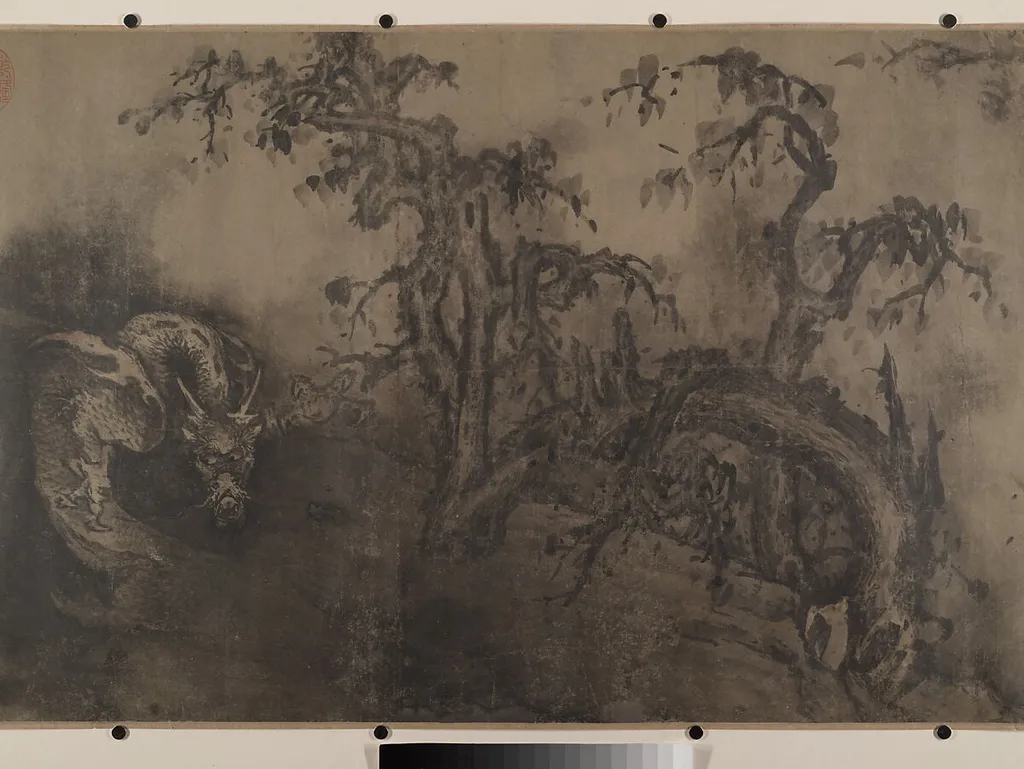
元 佚名 陳容 僞款 雲行雨施圖 卷|Dragon and Landscape is an ink painting by the Ming dynasty painting artist After Chen Rong. It dates from 1334 and is held in the collection of the Metropolitan Museum of Art.
About this work
Subject & Meaning
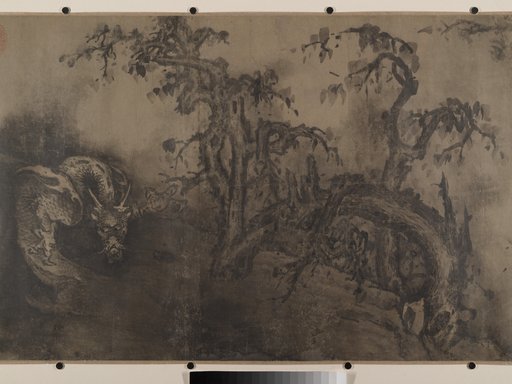
The handscroll dated 1334, attributed to an anonymous follower of Chen Rong, portrays a dragon intertwined with a tree within a landscape composition.
The handscroll dated 1334, attributed to an anonymous follower of Chen Rong, portrays a dragon intertwined with a tree within a landscape composition. Both the internal catalog entry and the Metropolitan Museum of Art record that the work depicts a dragon and a tree, situating it within the Chinese landscape painting genre. The painting’s iconography combines these motifs, a composition typical of Chinese landscape art as reflected in its classification and depiction.
As part of the Met’s collection, the piece exemplifies a melding of artistic technique and symbolic meaning characteristic of 14th‑century Chinese scroll painting.
Technique & Style
The work is executed as a handscroll in ink on paper, employing monochrome washes to articulate form through tonal modulation rather than color. The handling favors fluid, calligraphic brushwork to define the dragon’s sinuous body and the textured trunks and foliage of ancient trees, integrating descriptive detail with abstract rhythm. Stylistically, the composition balances naturalistic observation with expressive distortion, using abbreviated, jagged strokes for rock outcrops and softly rounded forms for clouds, reflecting Yuan-period literati techniques that prioritize brush vitality over optical fidelity.
The scroll’s physical structure, silk mounting with wooden rollers, suggests a format intended for intimate, sequential viewing, reinforcing the narrative interplay between dragon and landscape.
History & Provenance
Created in 1334 in China, this handscroll titled Dragon and Landscape is executed in ink on paper. Although the work bears a spurious signature attributing it to the renowned Song dynasty painter Chen Rong, scholarly consensus identifies the creator as an anonymous Yuan dynasty artist working in Chen's style. The painting depicts a dragon amidst trees and landscape elements.
The scroll eventually entered the collection of the Metropolitan Museum of Art, where it is currently housed. No specific details regarding its original commission or the intermediate ownership chain between its creation in the fourteenth century and its acquisition by the museum are provided in the available records.
Legacy
The handscroll Dragon and Landscape, dated 1334 and attributed to an anonymous follower of Chen Rong, is an ink‑on‑paper work that depicts a dragon amid a stylized landscape. Classified as a Yuan‑period landscape painting, it is part of the Metropolitan Museum of Art’s collection, which reflects its recognized significance in the study of Chinese medieval art. Its preservation and exhibition history have made it a reference point for scholars examining anonymous masters and the representation of mythic subjects within Chinese landscape tradition.
Overview
The handscroll Dragon and Landscape, created in 1334, is an ink painting on paper depicting a powerful dragon amidst stormy clouds above a solitary pine tree. Although the artist remains anonymous, a later, false signature attributes the work to Chen Rong, a renowned painter of dragons from an earlier era. This anonymous Yuan dynasty work exemplifies the dynamic tradition of ink painting, unfolding like a narrative as the viewer unrolls the scroll.
Artist & collection

 Album of Daoist and Buddhist Themes: Search the Mountain: Leaf 46
 Untitled
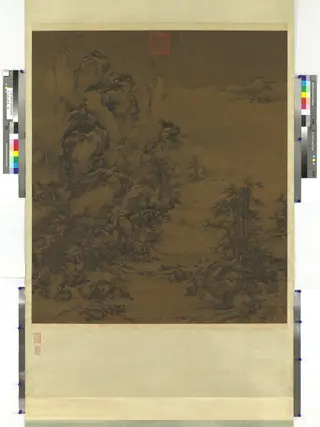 宋人岷山晴雪 軸
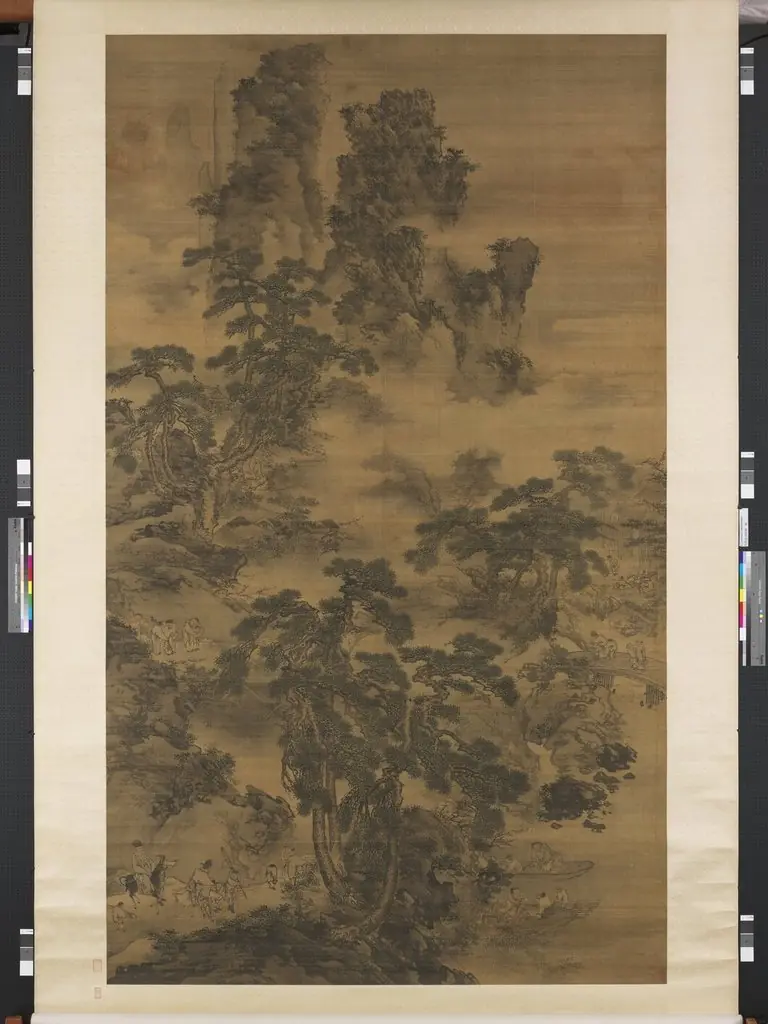 明戴進春酣圖 軸
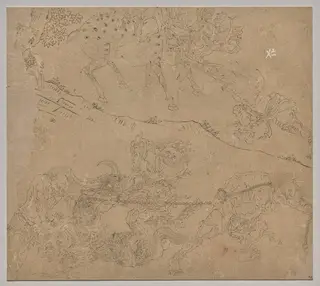 Album of Daoist and Buddhist Themes: Search the Mountain: Leaf 47
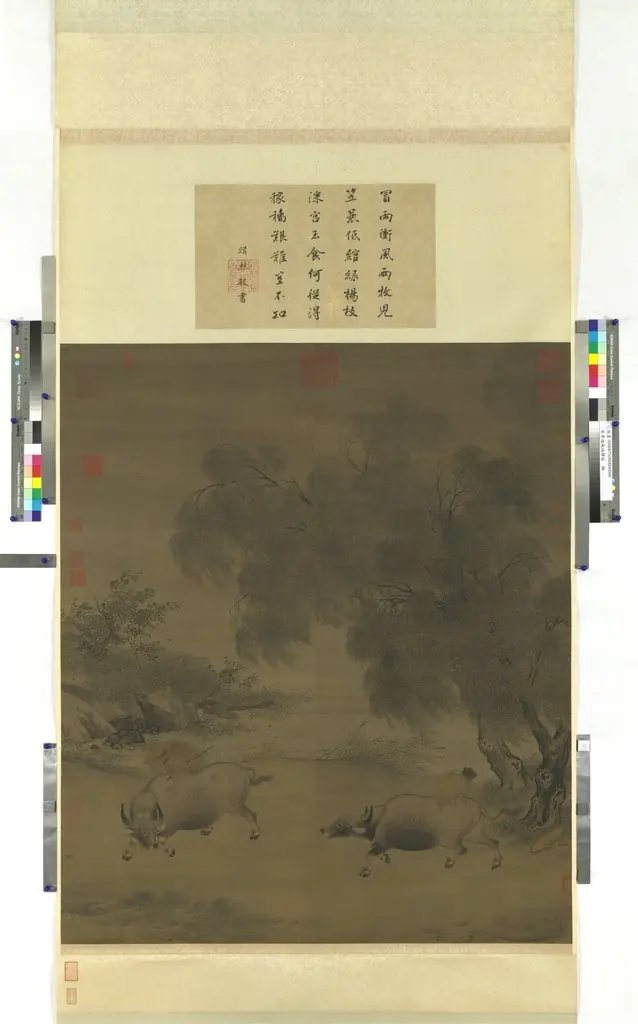 宋李迪風雨歸牧 軸
 Album of Daoist and Buddhist Themes: Search the Mountain: Leaf 49
 Quiet Life in a Wooded Glen
 Dragon and Tiger
 南宋 佚名 別苑春山圖 卷|Retreats in the Spring Hills