Artwork
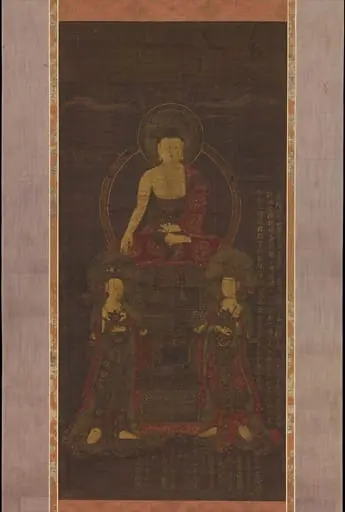
아미타불과 지장보살도 고려|阿彌陀佛・地藏菩薩圖 高麗|Amitabha and Kshitigarba
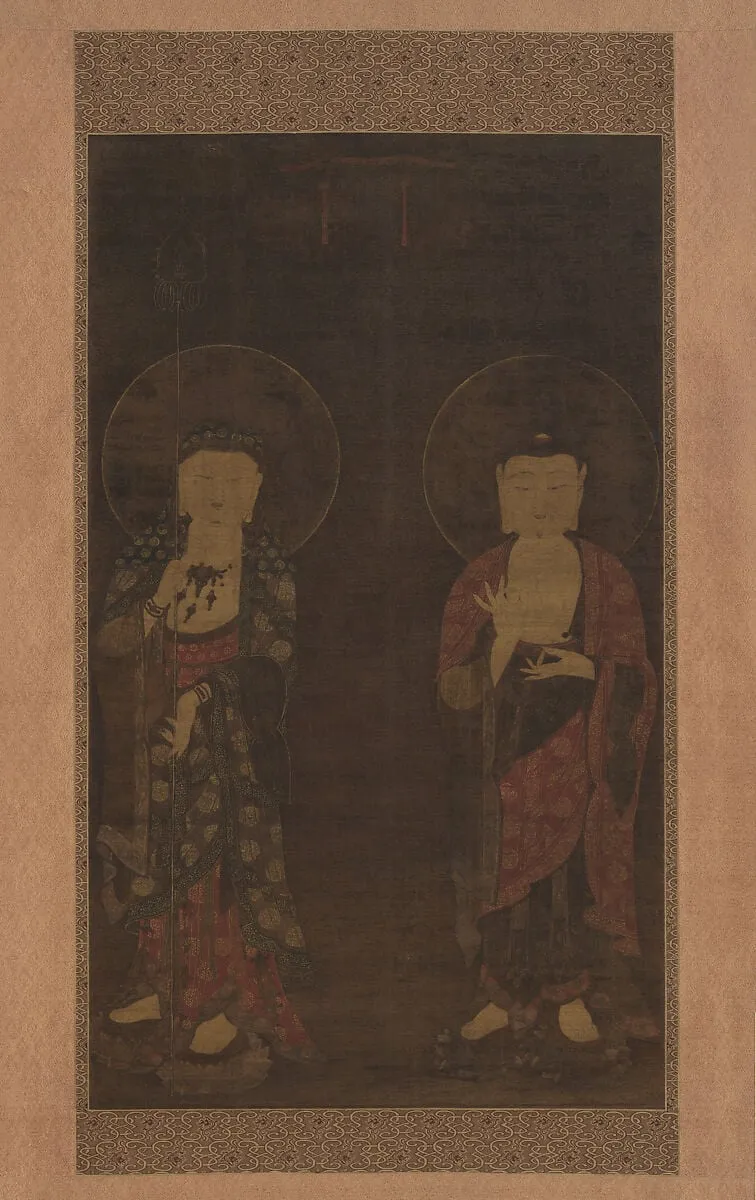
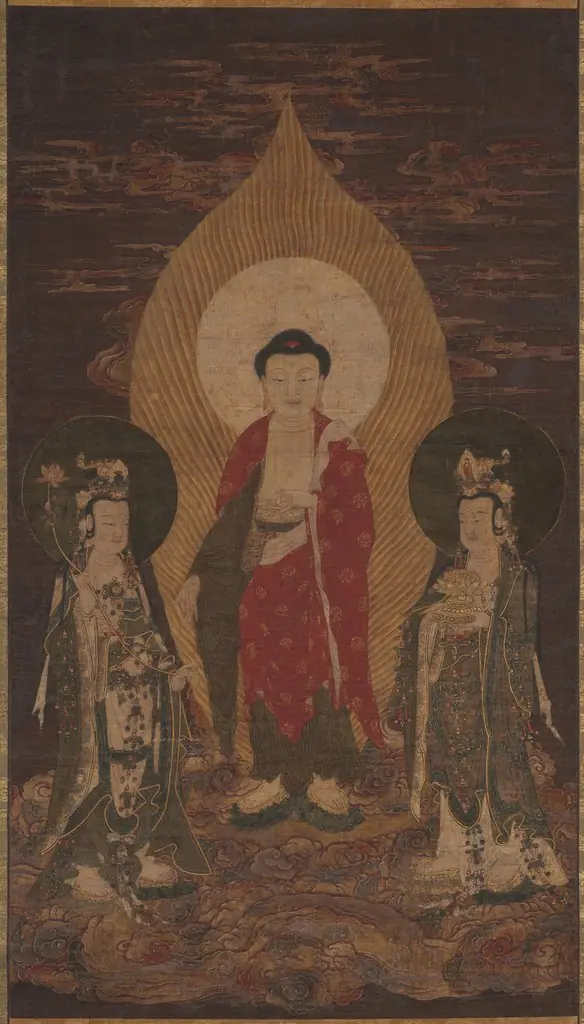
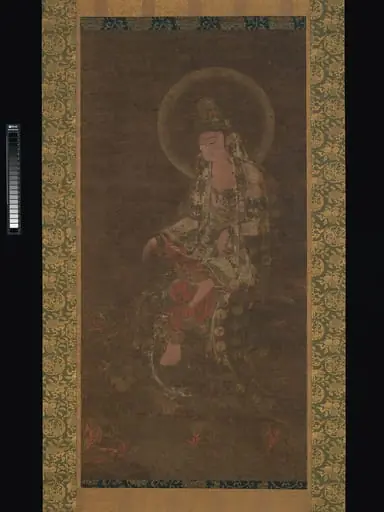
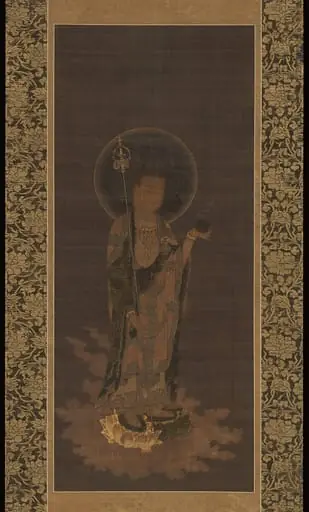
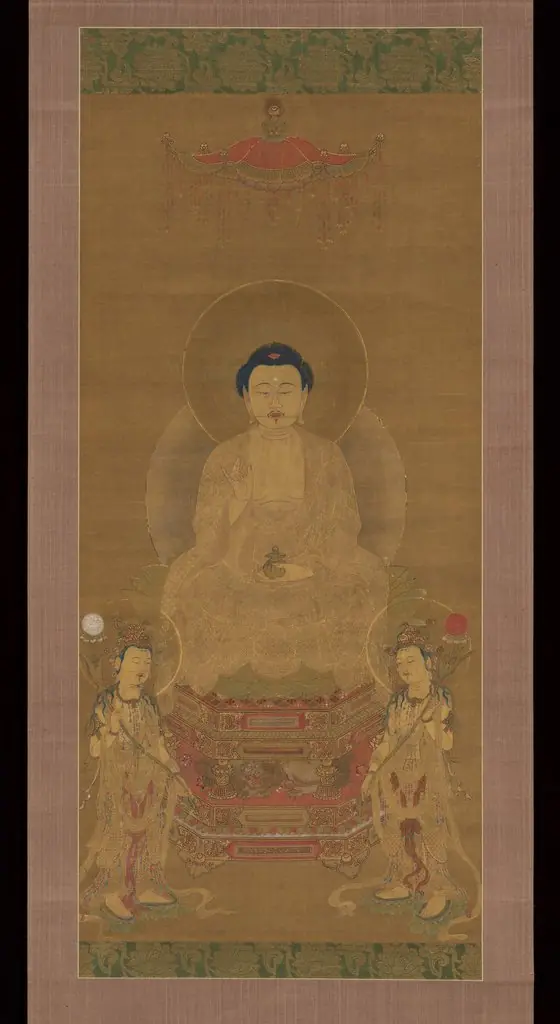
아미타불과 지장보살도 고려|阿彌陀佛・地藏菩薩圖 高麗|Amitabha and Kshitigarba is an ink painting. It dates from 1324 and is held in the collection of the Metropolitan Museum of Art. This hanging scroll, titled Amitabha and Kshitigarbha, is a Korean painting from the Goryeo dynasty.
- Accession no.
- 13.5
- Credit line
- Rogers Fund, 1913
About this work
Buddha and bodhisattvas appear in a traditional Korean setting, painted in ink and color on silk as a hanging scroll. The work dates to the early 14th century, when Korean art drew heavily on Buddhism. To learn more about the style, look into Buddhism.
Subject & Meaning
The painting, dated 1324 and housed in the Metropolitan Museum of Art, integrates these two figures within a single devotional composition.
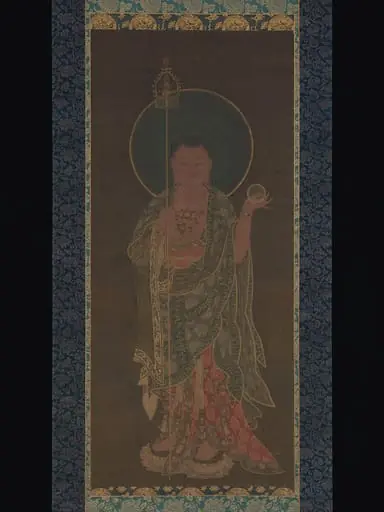
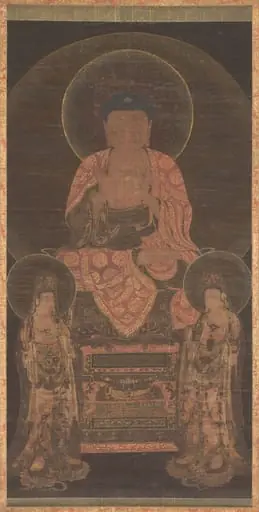
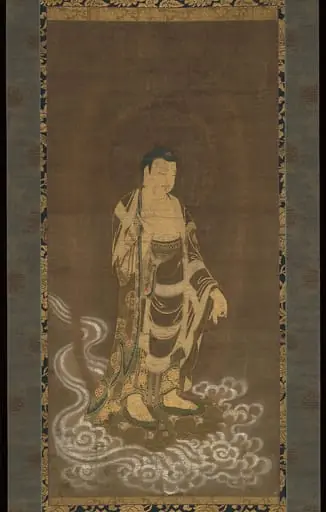
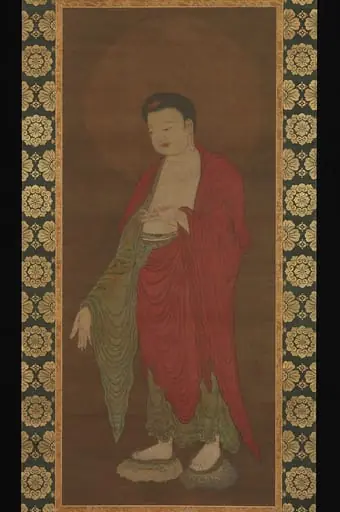
The hanging scroll portrays Amitabha Buddha alongside the bodhisattva Ksitigarbha, identified in the work's title. In Buddhist iconography Amitabha embodies the Buddha of Infinite Light, sovereign of the Western Pure Land, while Ksitigarbha represents the Earth-store bodhisattva who vows to guide sentient beings through suffering. Their joint depiction conveys the promise of rebirth in the Pure Land and the compassionate rescue of souls, reflecting the devotional focus of 14th-century Korean Buddhist practice.
The painting, dated 1324 and housed in the Metropolitan Museum of Art, integrates these two figures within a single devotional composition.
Technique & Style
The work is executed as a hanging scroll in ink and color on silk, a traditional East Asian format suited to devotional imagery. The combination of silk support with ink and pigment allows for both fine linear definition and layered chromatic washes, characteristic of Goryeo-period Buddhist painting. The medium and handling place the piece within the established conventions of religious scroll production of the early fourteenth century, when such works were produced for devotional use.
History & Provenance
Created in 1324, the hanging scroll known as Amitabha and Kshitigarba was produced by an anonymous artist during the Goryeo period, executed in ink and color on silk. While the commissioning patron and circumstances of its creation are not recorded, the painting is firmly dated to 1324. Over the centuries it changed hands before entering the collection of the Metropolitan Museum of Art in New York, where it is held as a significant example of 14th-century Korean Buddhist art.
The anonymous attribution reflects the common practice of Goryeo Buddhist painting, in which individual artists were rarely recorded. No specific exhibition history is documented in the available sources.
Context
The work, dated 1324, is an anonymous Goryeo-period hanging scroll depicting Amitabha Buddha alongside the bodhisattva Kshitigarbha, rendered in ink and color on silk. Its composition reflects the mature Buddhist iconography of the era, emphasizing devotional figures within a hierarchical scheme. The painting is held by the Metropolitan Museum of Art, where it is studied as a representative example of 14th-century Korean Buddhist art and of the anonymous workshop practice prevalent in Goryeo religious painting.
Overview
This hanging scroll, titled Amitabha and Kshitigarbha, is a Korean painting from the Goryeo dynasty. Executed with ink and color on silk, it depicts central figures from Buddhist cosmology. The artwork offers insight into the religious art practices prevalent in Korea during the early 14th century, showcasing the era's devotional artistic traditions.
Artist & collection