Artist
Movement
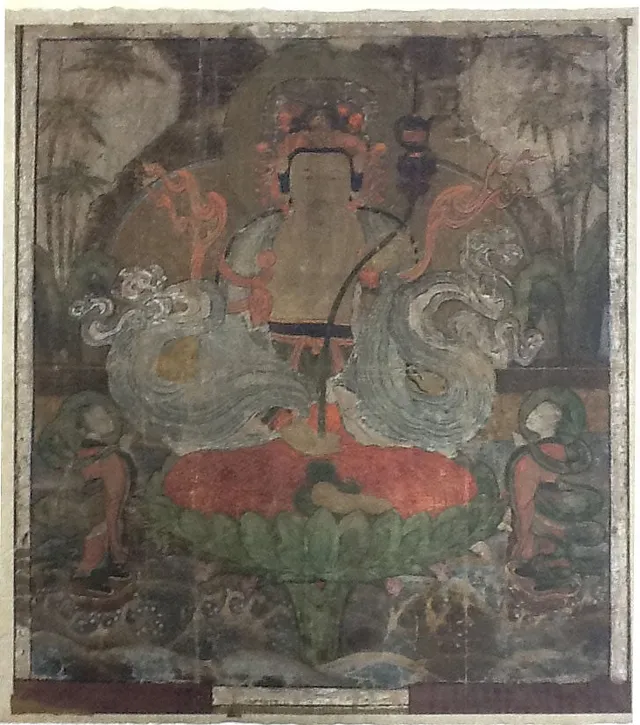
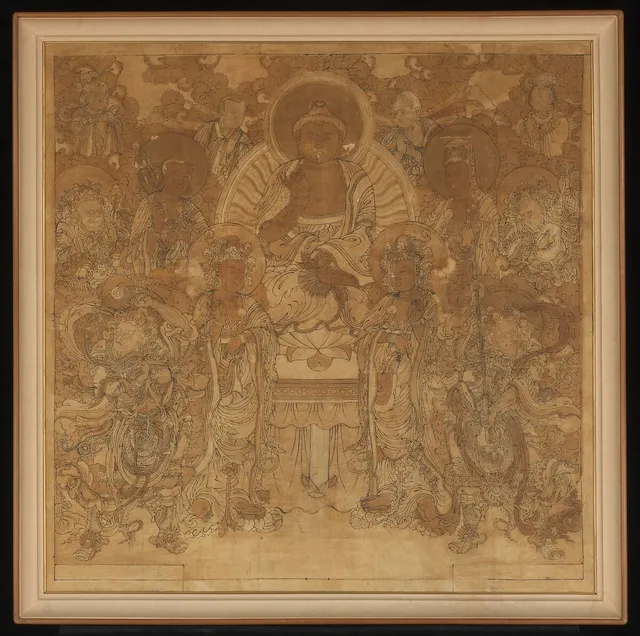
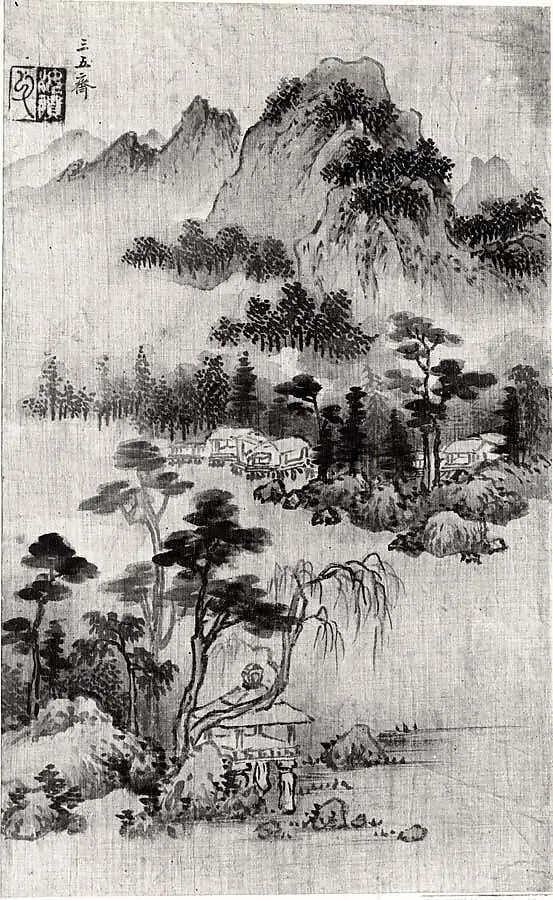
Korean Minhwa is an art movement. The gallery holds 70 works in this movement, including works by Samoje, Nam Gye-u and Wang Li Mu. Browse Korean Minhwa paintings, portraits, pictures and artworks from the world's public-domain museum collections.
Korean minhwa—literally "paintings of the people"—is the vivid folk-painting tradition that flourished in the later Joseon dynasty (1392–1910), reaching its height in the eighteenth and nineteenth centuries. Where the royal academy and the scholar-painters of the literati class prized restrained ink, calligraphic line, and Confucian or Daoist philosophical subjects, minhwa was made largely by anonymous and itinerant artisans for ordinary households, shops, and shamanic shrines. These pictures were not meant for connoisseurs but for daily life: pasted to walls and doors or mounted as folding screens, they carried frank, optimistic wishes for long life, wealth, fertility, marital happiness, and protection from misfortune.
Visually, minhwa is bold, flat, and exuberant. Painters worked in bright mineral and vegetable pigments, favoring strong outlines, packed compositions, playful distortions of scale, and a cheerful disregard for single-point perspective. Symbolism governs nearly every motif. The genre organized itself into recognizable types: hojakdo (tiger-and-magpie pictures), in which a comically "foolish" tiger warding off evil is paired with a chattering magpie—an image widely read as gentle satire of the yangban aristocracy; hwajodo (flowers and birds, often in pairs to signify a happy marriage); sipjangsaengdo (the ten symbols of longevity—sun, mountains, cranes, deer, pine, turtles and more); munjado (the eight Confucian virtues written as pictorial ideographs); and chaekgeori, or "books and things," elaborate still lifes of stacked volumes and scholarly objects promoted at court under King Jeongjo (r. 1776–1800).
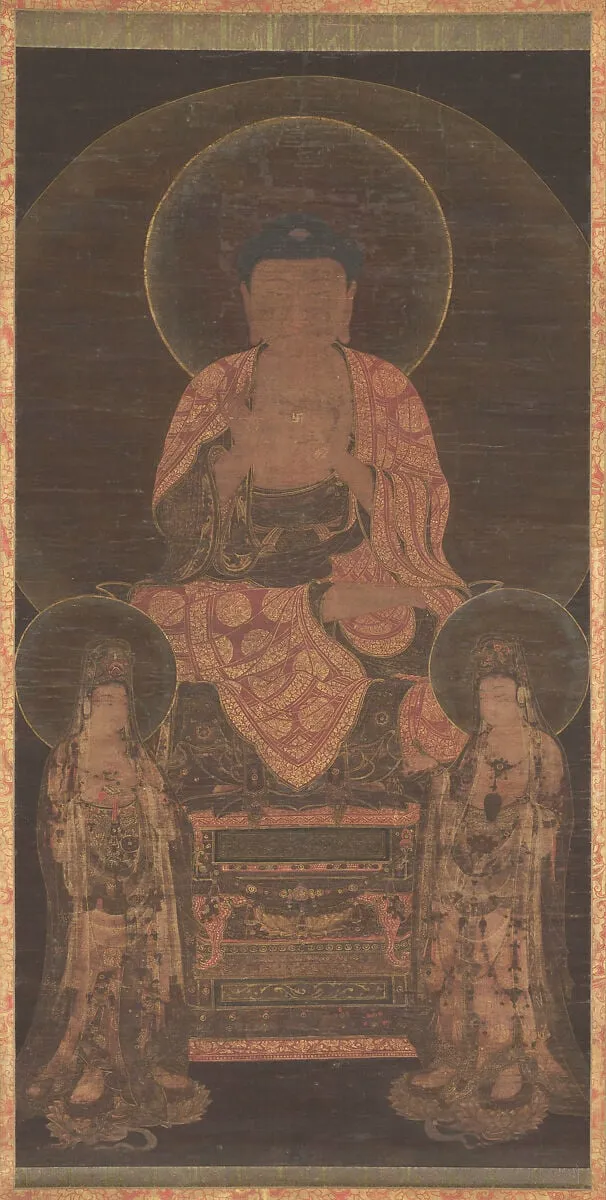
Because minhwa was a popular, workshop art, its makers are overwhelmingly unrecorded. The few documented names belong mostly to literati painters whose decorative subjects shade into the folk idiom—most notably Nam Gye-u (1811–1888), the late-Joseon official nicknamed "Nam the Butterfly" for his minutely observed butterfly-and-flower paintings, examples of which are held by the Metropolitan Museum of Art. The tradition also absorbed older devotional currents, the same impulse toward votive, wish-bearing imagery seen in earlier Goryeo and Joseon Buddhist works such as Amitabha triads and Water-Moon Avalokiteshvara paintings.
Long dismissed as naïve craft, minhwa was reappraised in the twentieth century as a distinctly Korean vernacular art, prized for its humor, color, and democratic spirit. It now anchors major museum exhibitions and feeds a thriving contemporary revival, its tigers, magpies, and book-piles reinterpreted by living painters and designers.
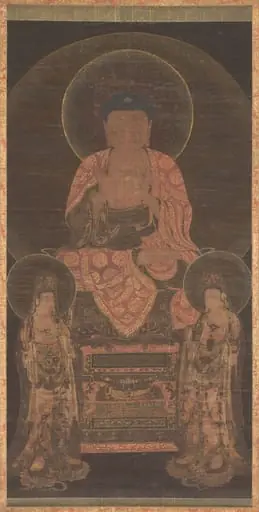 아미타삼존도 고려|阿彌陀三尊圖 高麗|Amitabha triad
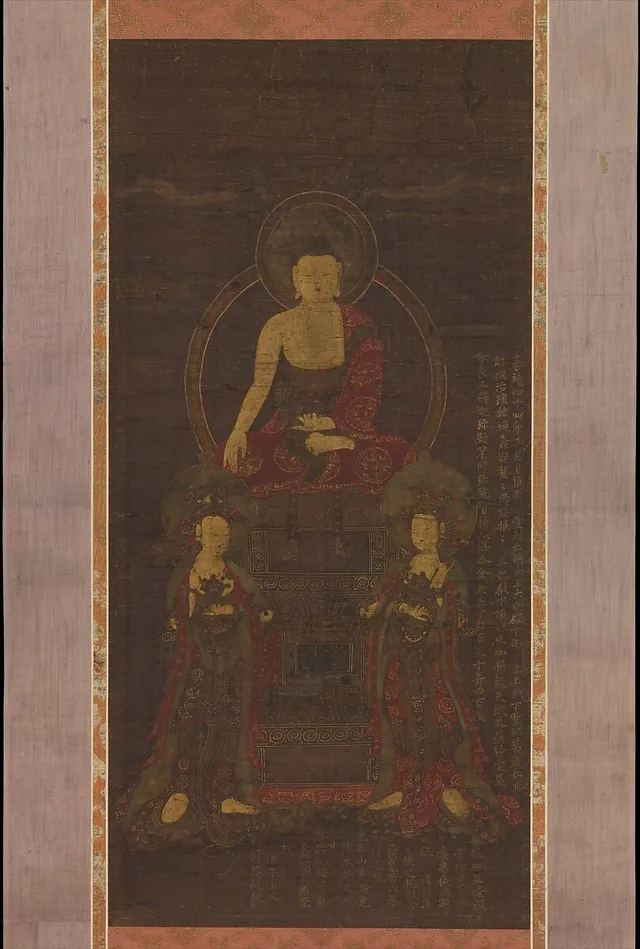
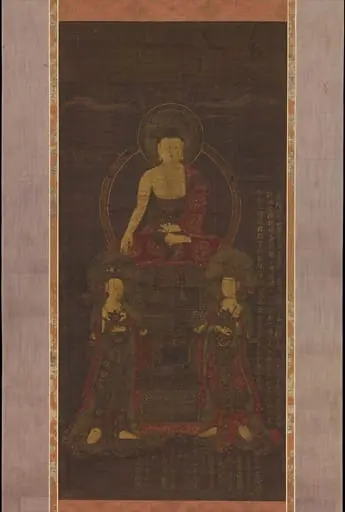 석가삼존도 조선|釋迦三尊圖 朝鮮|Shakyamuni triad
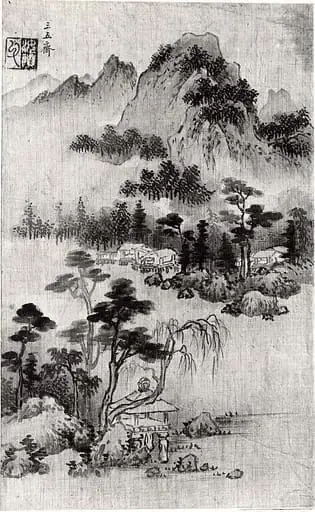 Untitled
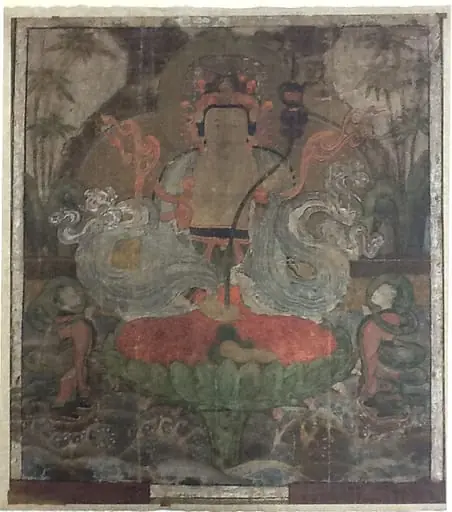 Untitled
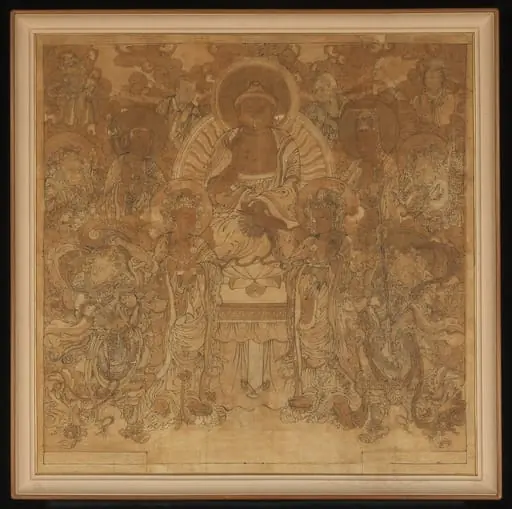 극락에서 설법하는 아미타불 조선|阿彌陀極樂會圖 朝鮮|Amitabha Buddha’s assembly in the Western Paradise
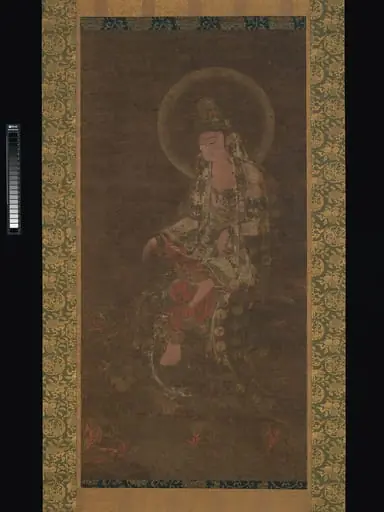 작자미상 수월관음도 고려|作者未詳 水月觀音圖 高麗|Water-Moon Avalokiteshvara
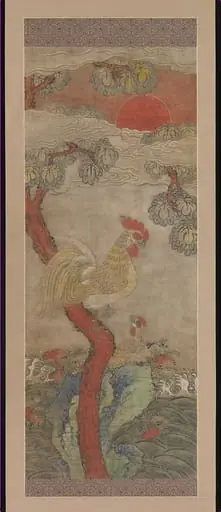 작자미상 화조도 조선|作者未詳 花鳥圖 朝鮮|Golden Rooster and Hen
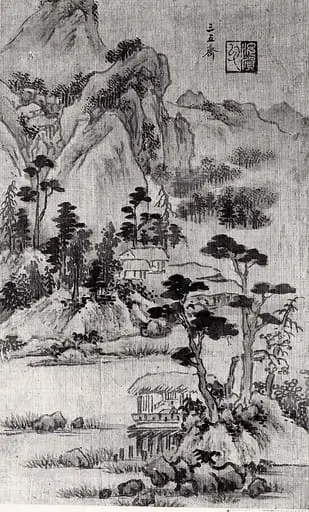 Untitled
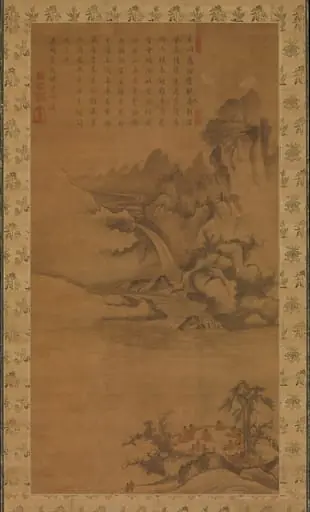 같은 해에 태어난 관리들의 친목 모임 조선|同庚契會圖 朝鮮|Gathering of government officials
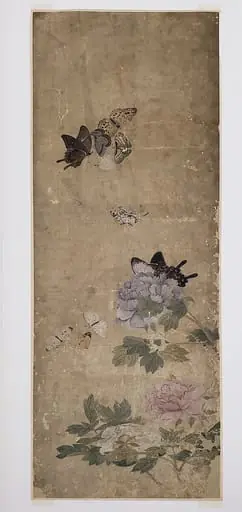 전 일호 남계우 나비와 모란 조선|傳 一濠 南啓宇 蝴蝶圖 朝鮮|Butterflies and Peonies
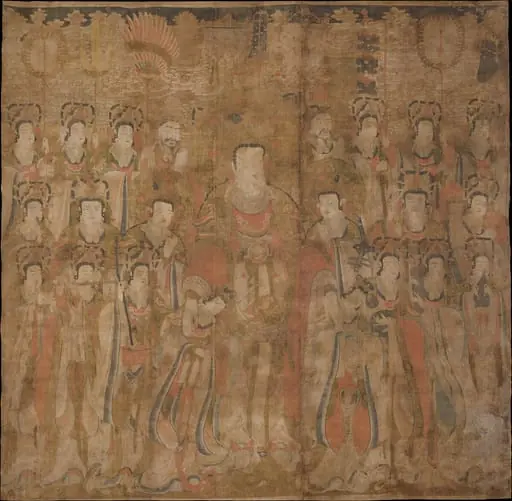 작자미상 범천왕을 중심으로 한 신중도 조선|作者未詳 神衆圖 朝鮮|Brahma with Attendants and Musicians
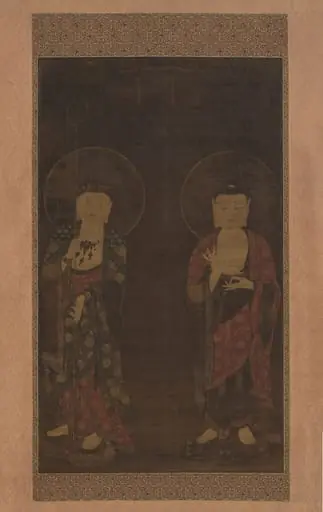 아미타불과 지장보살도 고려|阿彌陀佛・地藏菩薩圖 高麗|Amitabha and Kshitigarba
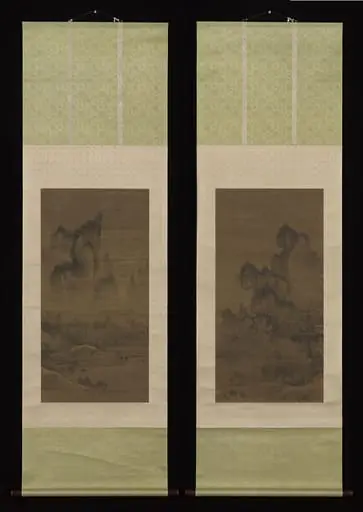 해질녘 산사의 종소리 조선|煙寺暮鍾圖 朝鮮|Evening bell from mist-shrouded temple (left); Autumn moon over Lake Dongting (right)
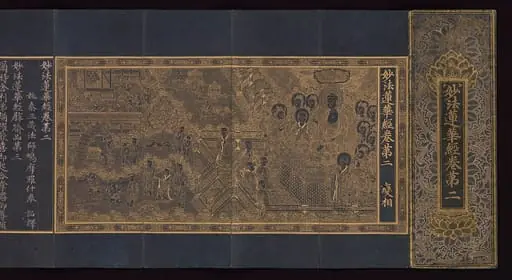 법화경변상도 고려|Illustrated manuscript of the Lotus Sutra (Miaofa lianhua jing), Volume 2
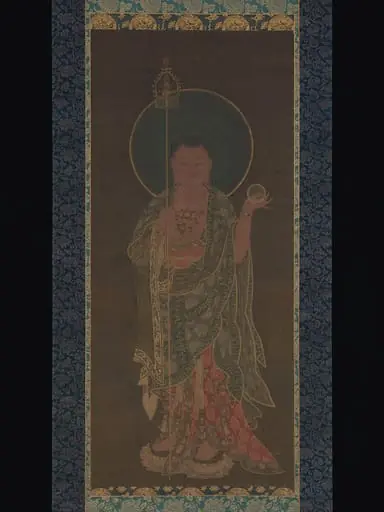 지장보살도 고려|地藏菩薩圖 高麗|Kshitigarbha
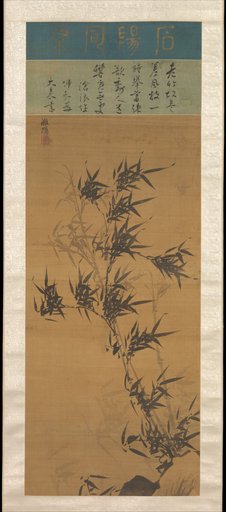
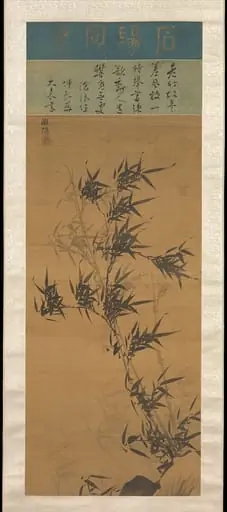 탄은 이정 대나무 조선|灘隱 李霆 墨竹圖 朝鮮|Bamboo in the Wind
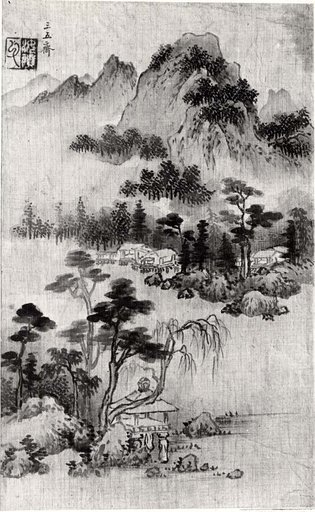
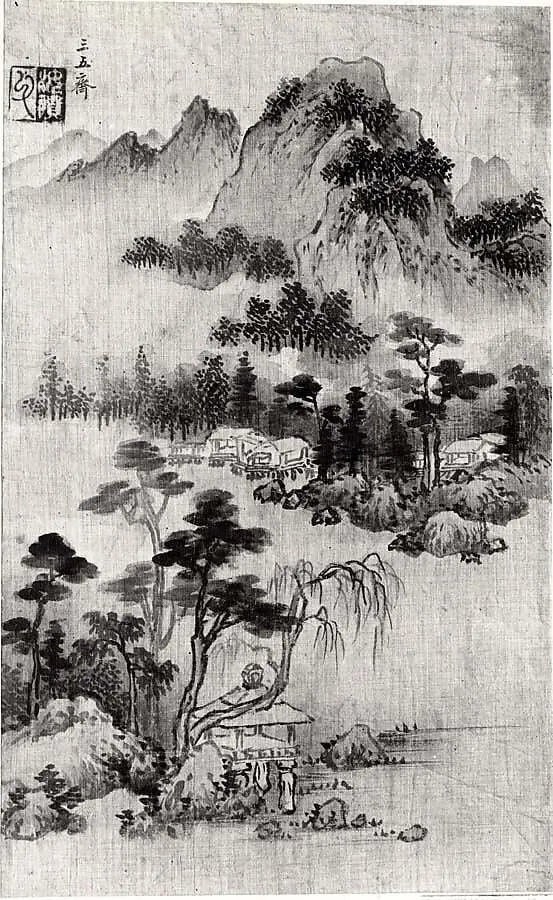
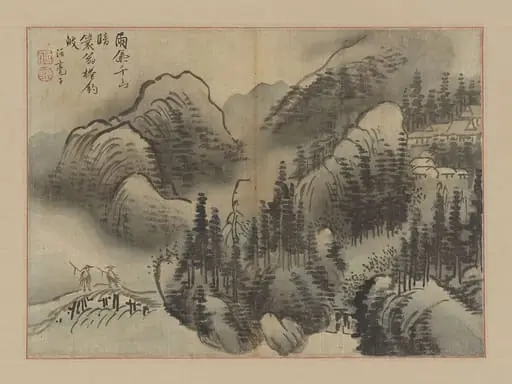 활호자 김수규 산수도 조선|活毫子 金壽奎 山水圖 朝鮮|Rainy Landscape
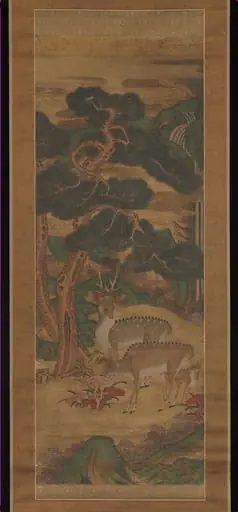 작자미상 소나무 아래 사슴 조선|作者未詳 松下雙鹿圖 朝鮮|Deer amid Pine Trees
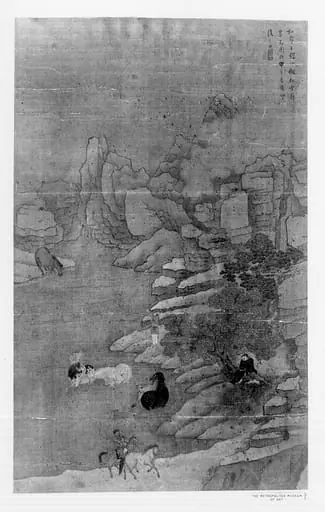 Untitled
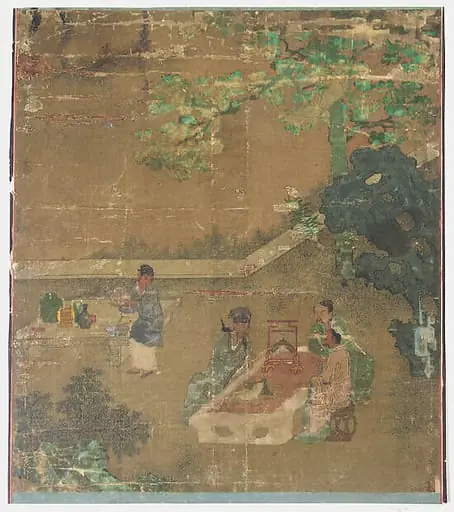 Untitled
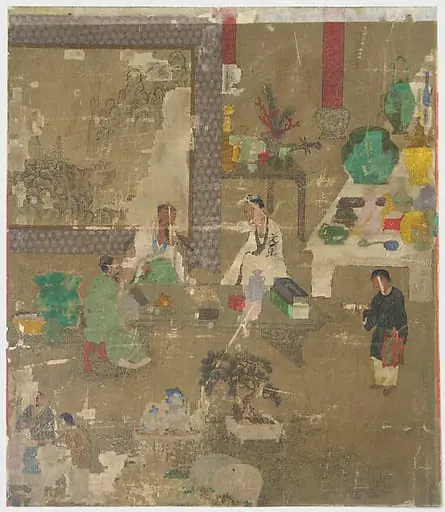 Untitled
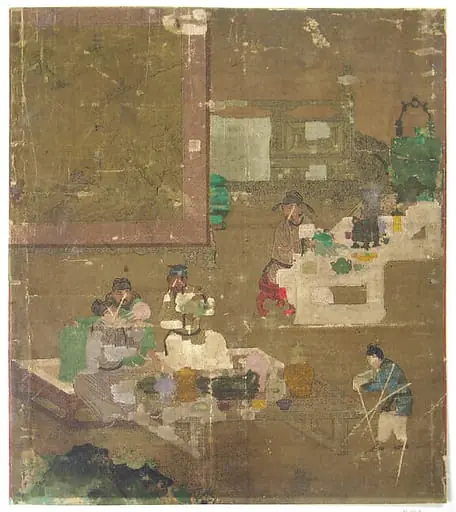 Untitled
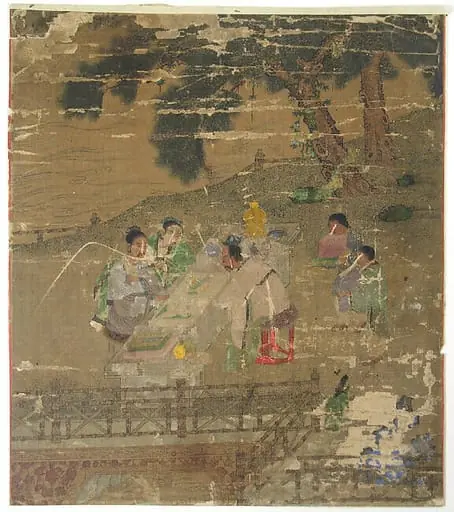 Untitled
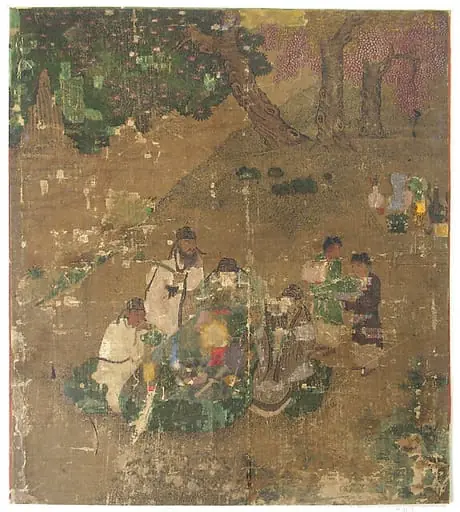 Untitled
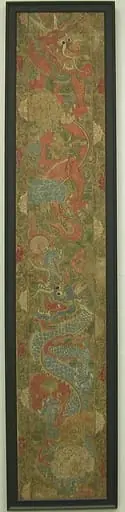 Untitled
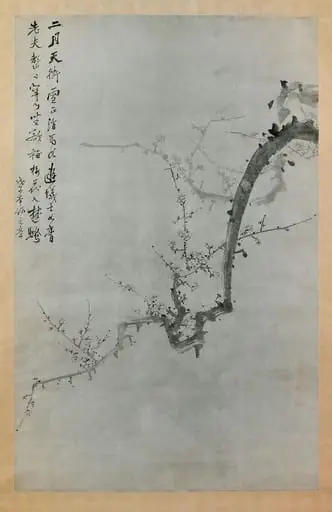 이유원 매화도 조선|李裕元 梅花圖 朝鮮|Plum Branch
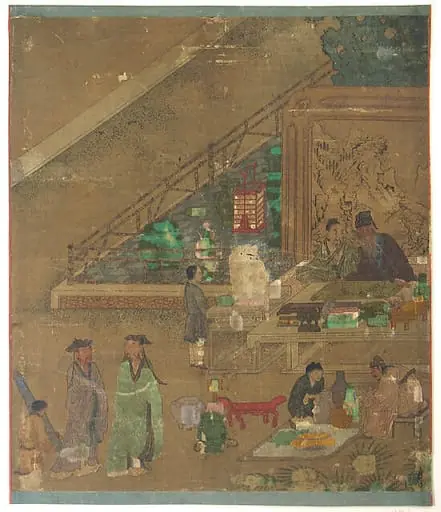 Untitled
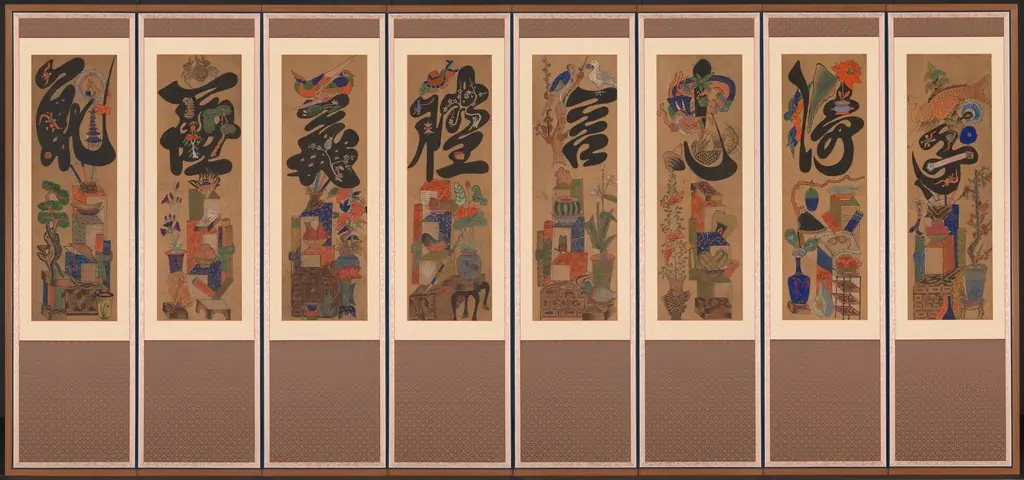 Munja-Chaekgeori Screen (Character-Books Screen)
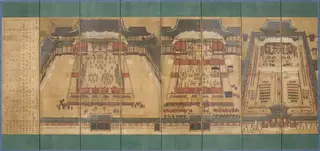 Screen of Banquets for Dowager Queen Sinjeong in Gyeongbokgung Palace Eight-panel Folding Screen
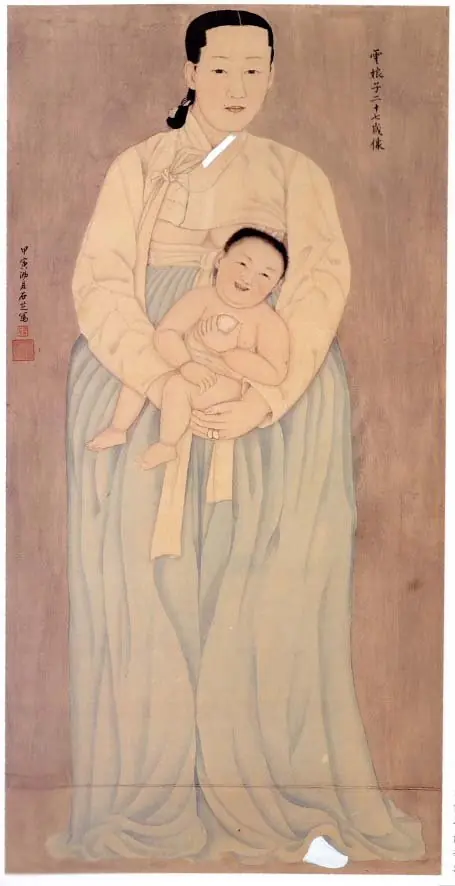 Unnangjasang
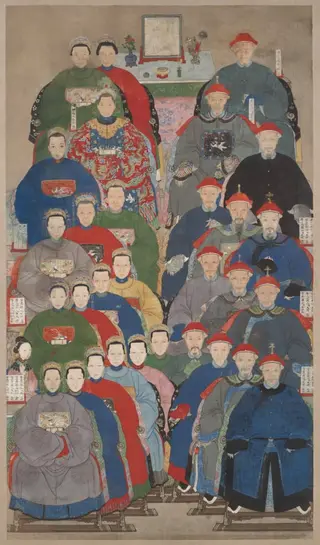 Ancestor Group Portrait
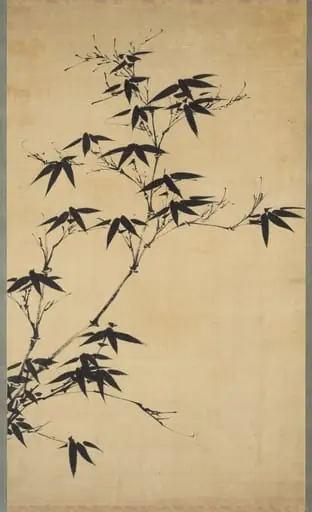 Bamboo
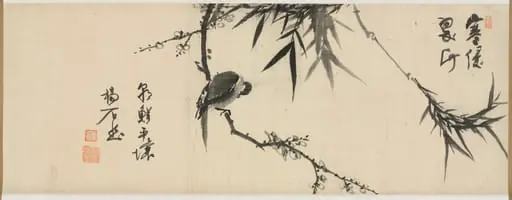 Bird Sleeping on a Plum Tree
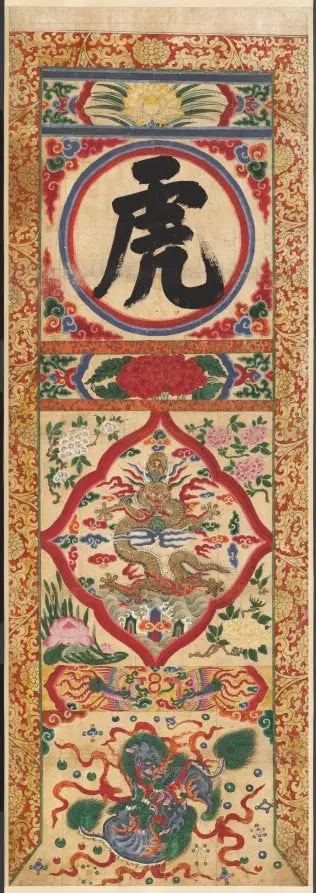 Painted Panel of Character "Tiger"
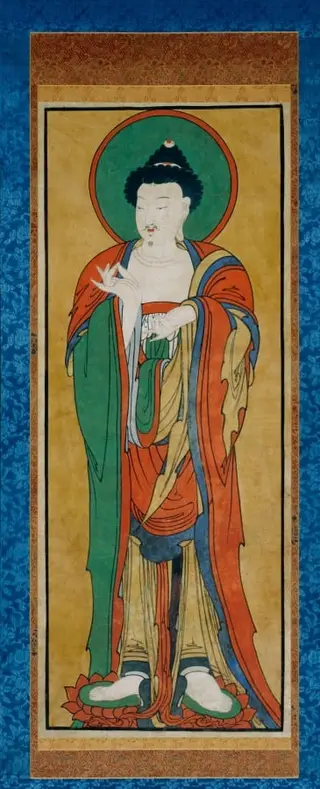 Tathagata Buddha
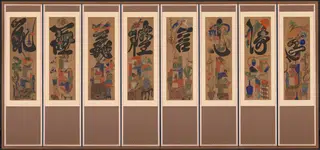 Munja-Chaekgeori Screen (Character-Books Screen)
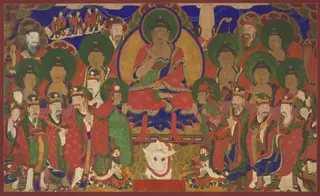 The Assembly of Tejaprabha Buddha
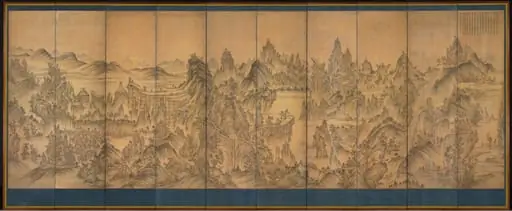 Seven Jeweled Mountain
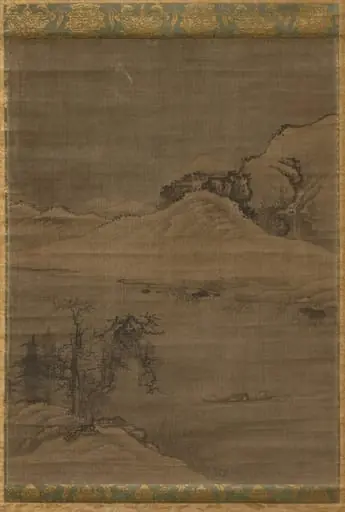 Landscape with Fishermen
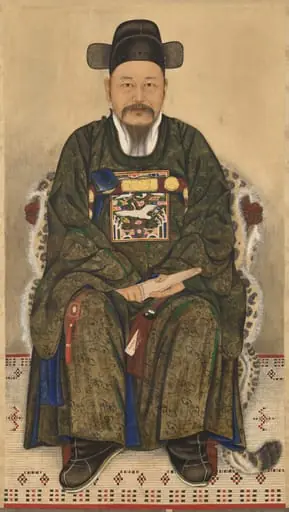 Portrait of a Government Official
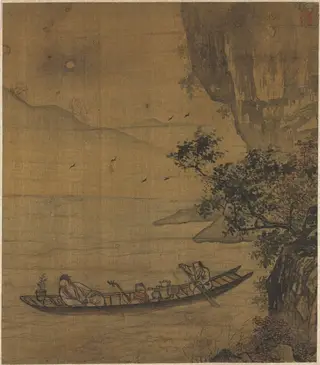 Boating in Moonlight
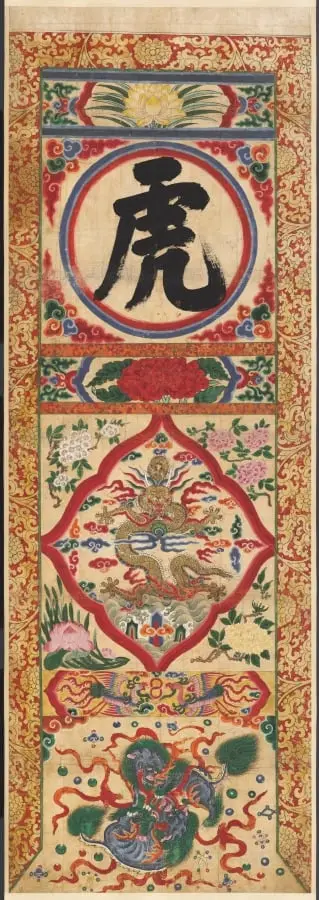 Set of Four Painted Characters
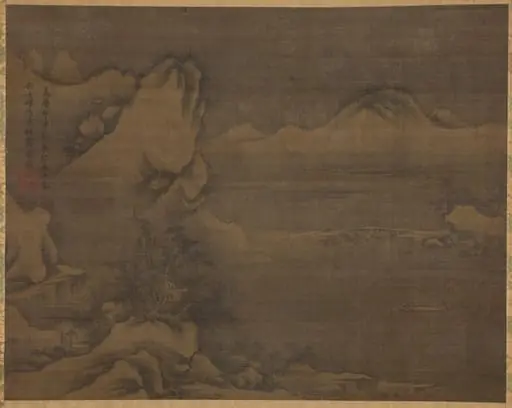 Snowscape with Figures
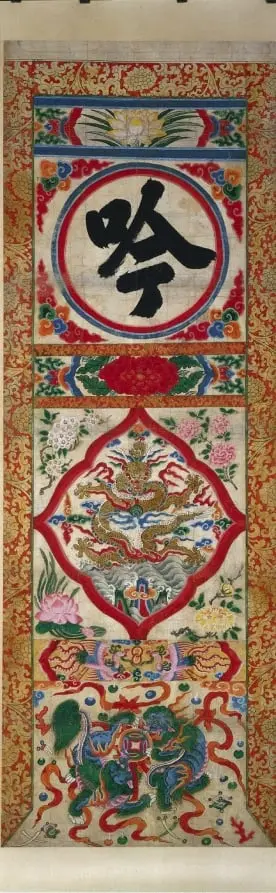 Painted Panel of Character "Recite"
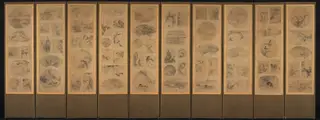 Painting of One Hundred Themes (obverse)
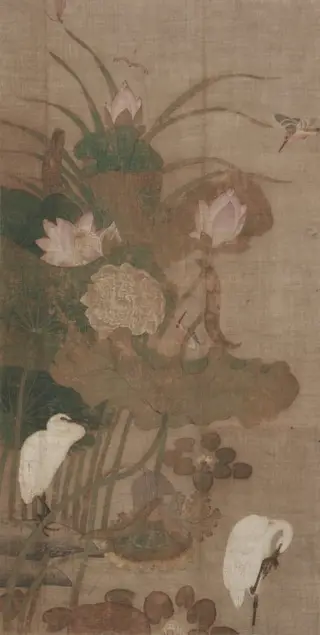 Lotuses, Insects, and Birds
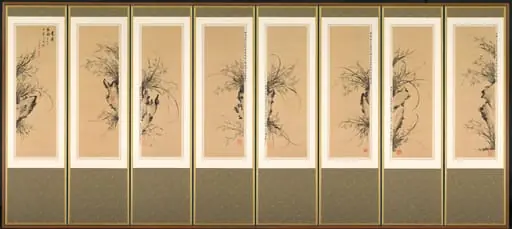 Orchids and Rocks
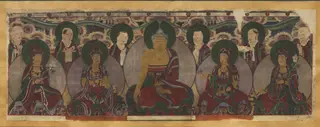 Assembly of Buddhist Deities
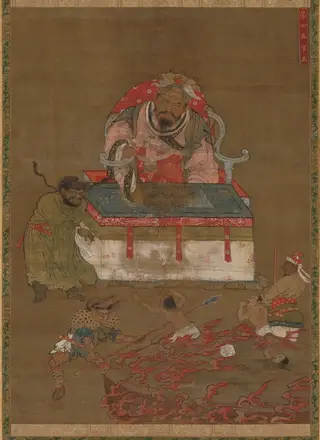 The Fourth King of Hell
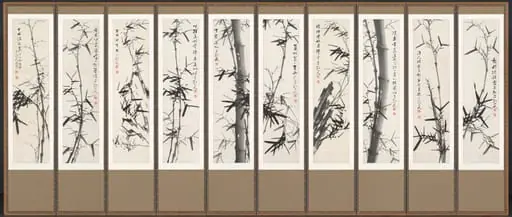 Bamboos in Wind
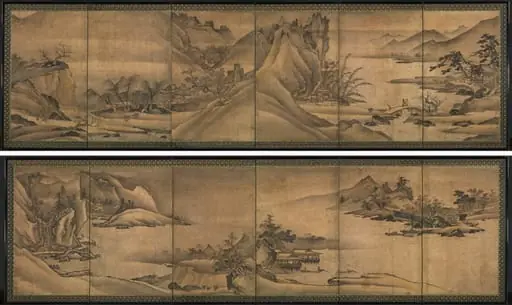 Landscape of the Four Seasons
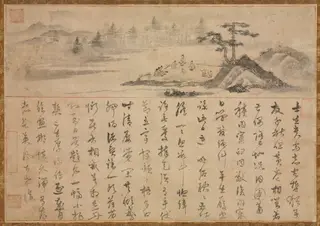 Gathering among the Members of Office Censor-General
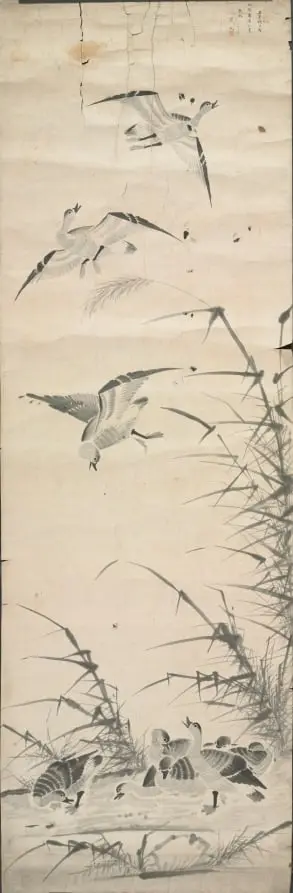 Wild Geese and Reeds
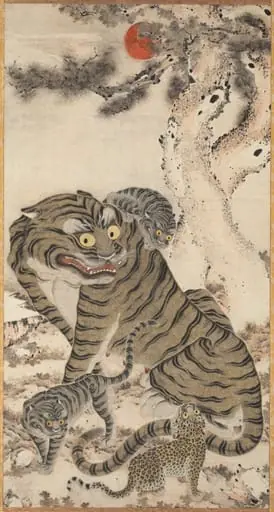 Tiger Family
 Painting of One Hundred Themes
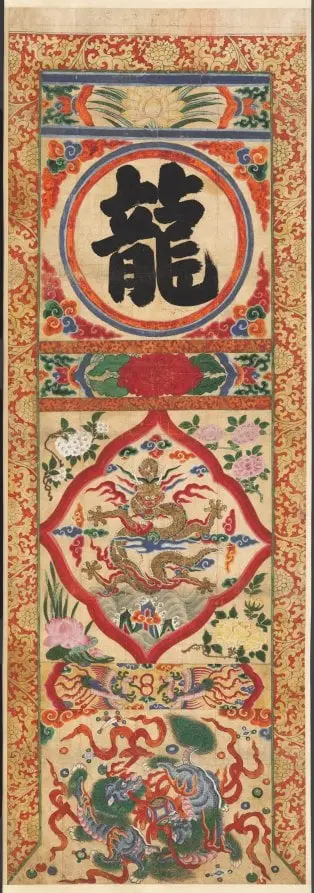 Painted Panel of Character "Dragon"
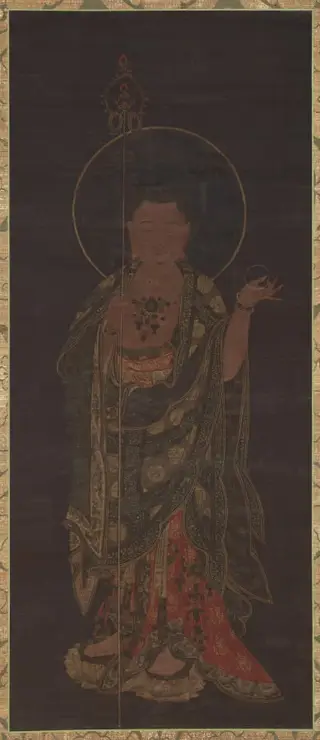 Standing Ksitigarbha
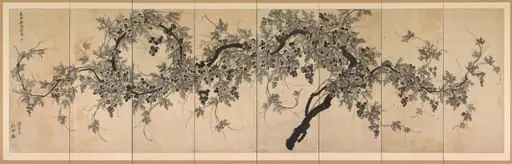 Grapevine
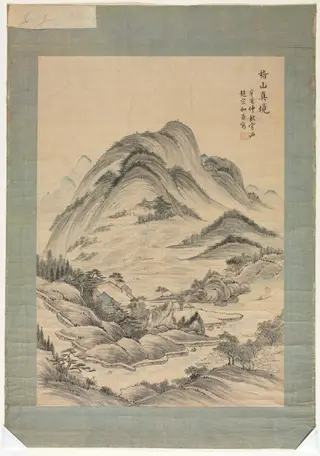 Landscape with Streams and Mountains
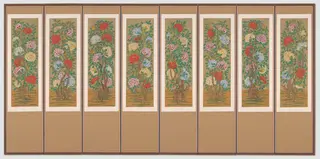 Peonies
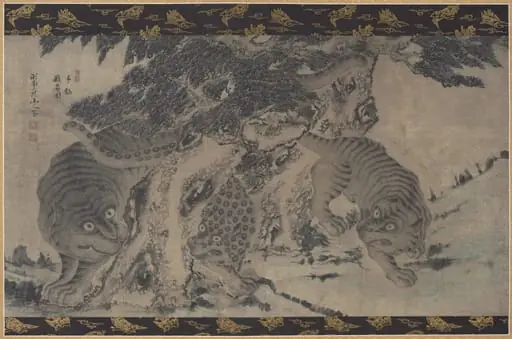 Tigers and Leopard Frolicking
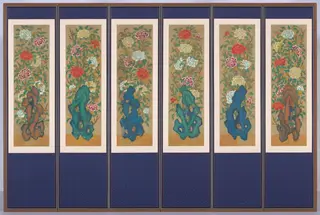 Peonies and Rocks
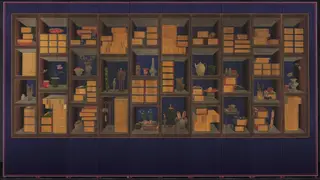 Books and Scholars’ Accoutrements
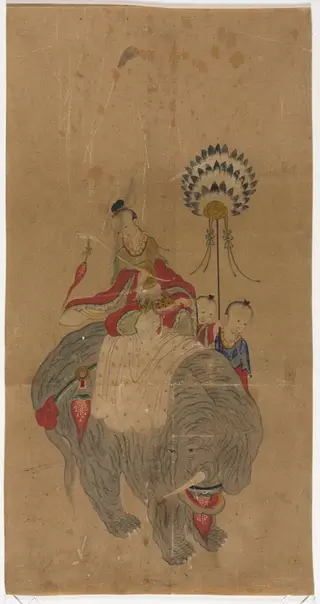 Samantabhadra on an Elephant with Two Attendants
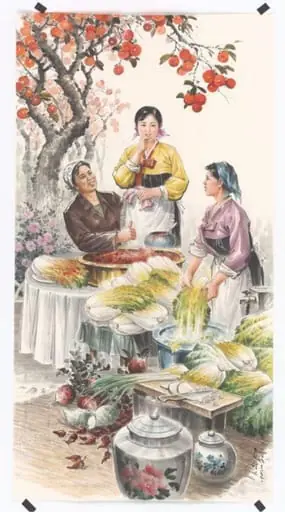 Ladies making kimchi (pickled cabbage condiment)
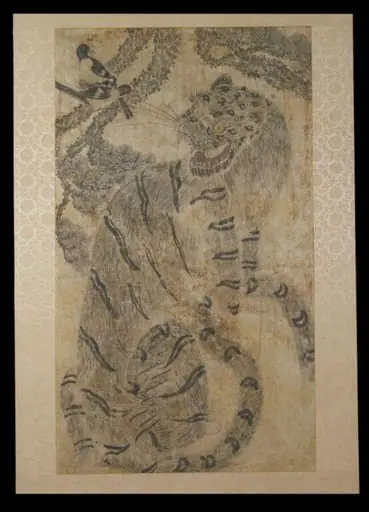 Tiger and Magpie
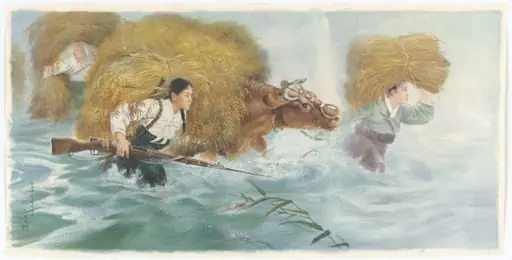 Namgang Village Women
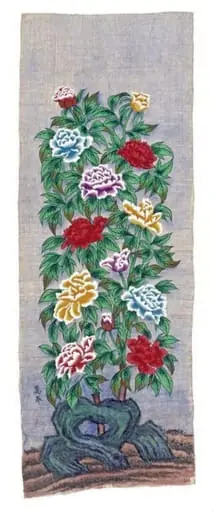 Untitled
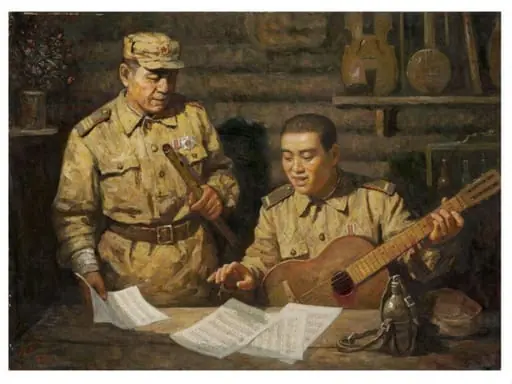 Ch'ukcheoneul aptugo (축전을 앞두고)
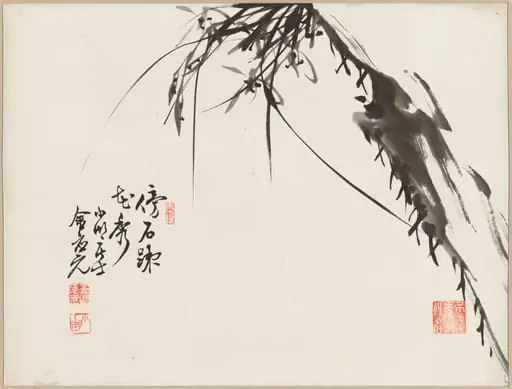 Orchids
Korean Minhwa is an art movement. Korean folk painting, made by anonymous artisans for ordinary homes.
Artifact World Gallery holds 70 public-domain Korean Minhwa works, all free to view and download.
Key Korean Minhwa artists in the collection include Samoje, Nam Gye-u and Wang Li Mu.
Korean Minhwa works in the collection are held by Cleveland Museum of Art, Metropolitan Museum of Art and Victoria and Albert Museum.
Your cart is empty
Browse artworks →