Artwork
Untitled
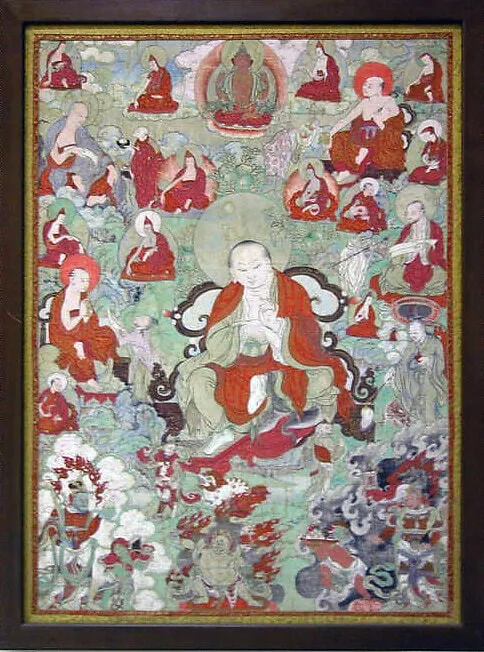
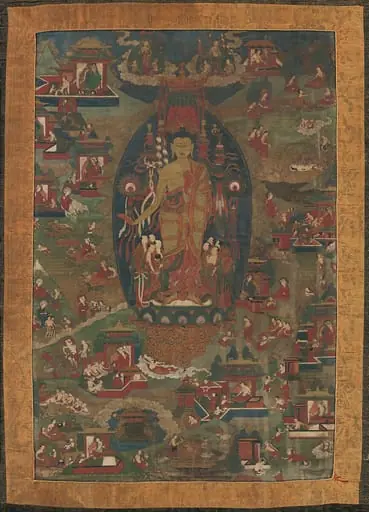
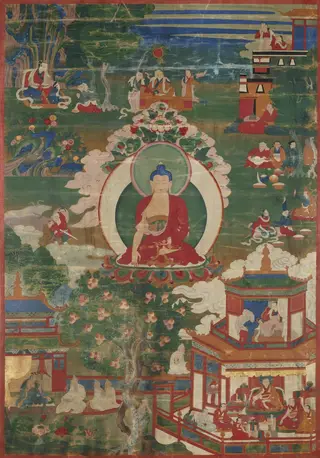
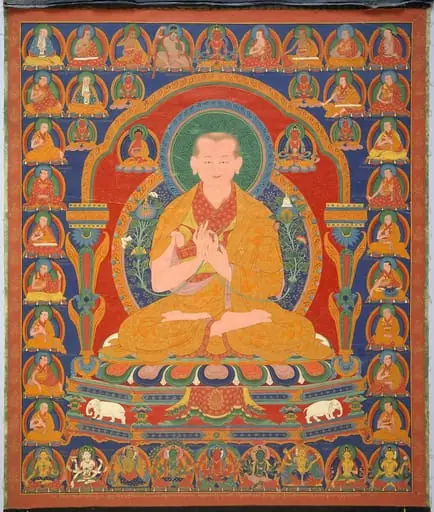
Untitled is a watercolor painting. It dates from 1506 and is held in the collection of the Metropolitan Museum of Art. The work is a side panel of a three‑part painted ensemble, executed in watercolor on linen and framed as part of a triptych.
About this work
Subject & Meaning
The depicted man functions within a sacred narrative, serving as the visual focus of the panel’s theological subject matter.
The work titled Untitled is a religious painting from 1506 that portrays a solitary male figure. Executed as a side panel of a framed triptych in watercolor on linen, the composition reflects the artistic conventions of early sixteenth‑century Chinese devotional art. The depicted man functions within a sacred narrative, serving as the visual focus of the panel’s theological subject matter.
The piece belongs to the Metropolitan Museum of Art’s collection and was produced in China, linking the artwork to transregional exchanges of religious imagery during the period.
Technique & Style
The work is executed in watercolor on linen and serves as a side panel of a triptych of framed paintings, indicating a multi-panel devotional format with an attached structural framework. Classified within the Paintings category, it belongs to the religious genre and depicts a man, consistent with its function as a component of a larger altarpiece ensemble. The medium of watercolor on linen is relatively unusual for a panel of this period and devotional context, suggesting a delicate handling of pigment on a textile support rather than the more typical tempera or oil on wood.
The triptych construction implies coordinated side panels designed to flank a central image, a formal arrangement common in religious commissions.
The work is held in the Metropolitan Museum of Art and dates to 1506, with Wikidata attribut-ing its production to China.
History & Provenance
The work dates to 1506, according to both the corpus record and the Wikidata entry, which specifies an inception of 1506-01-01 and notes it was made in China. It is classified as a side panel of a triptych of framed paintings, executed in watercolor on linen, and is attributed to an unknown, anonymous painter. The painting is held in the collection of the Metropolitan Museum of Art, where it is currently located.
No further details about its commission, earlier ownership, or chain of custody prior to the museum's acquisition are documented in the available sources.
Context
The work is classified as a religious painting from 1506, executed in watercolor on linen as a side panel of a triptych. It portrays a man and is attributed to an anonymous Chinese painter, reflecting early sixteenth‑century artistic practice in China. Its inclusion in the Metropolitan Museum of Art’s collection underscores its significance within the corpus of surviving Chinese religious artworks.
Scholarship identifies the piece as part of a broader tradition of devotional imagery, noting the anonymous maker’s role in the evolution of panel painting in East Asia.
Overview
The work is a side panel of a three‑part painted ensemble, executed in watercolor on linen and framed as part of a triptych. Its dimensions and framing indicate it was intended to be viewed alongside two companion panels, forming a unified visual narrative. The panel’s composition reflects a medieval aesthetic, with a focus on figure groups and decorative detail characteristic of the period.
Artist & collection

- Untitled
 Tsong Khapa, Founder of the Geluk Order
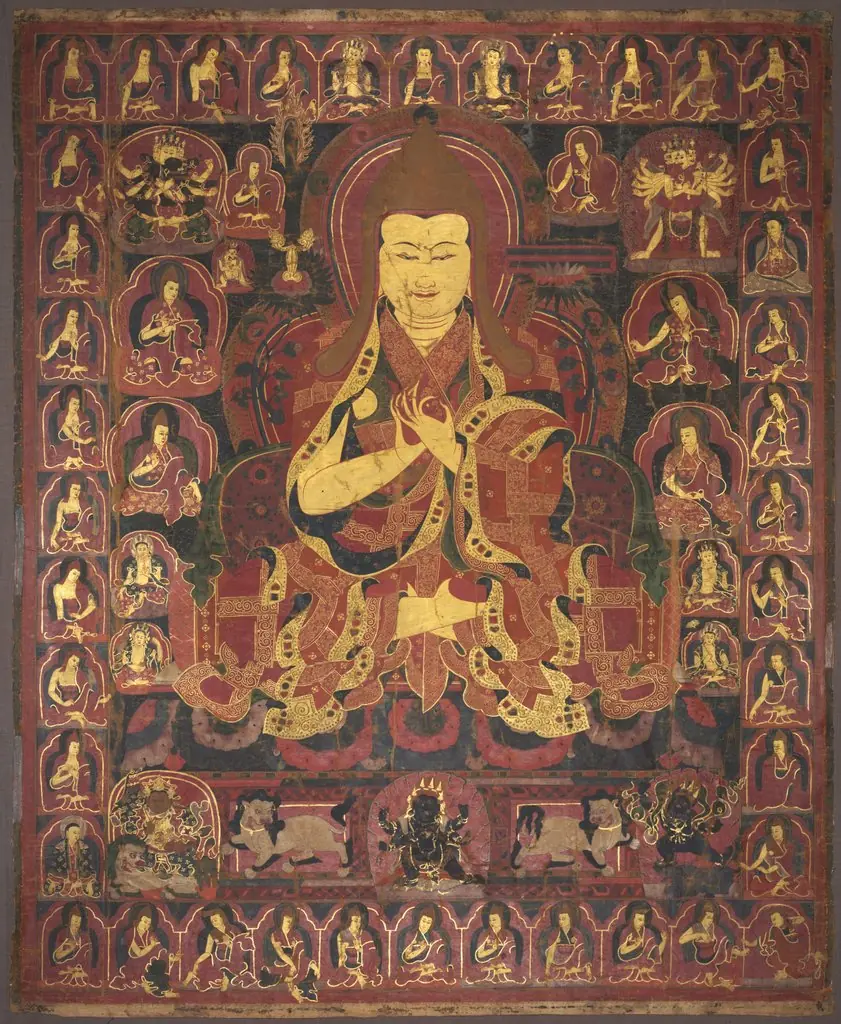 Tsong Khapa, Founder of the Geluk Order
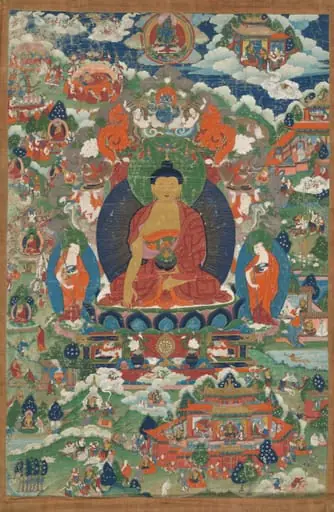 Shakyamuni Buddha with scenes from his life story
 Painted Banner (Thangka) from a Set of Seven Honoring Gayadhara, a Sakya Pandit from India
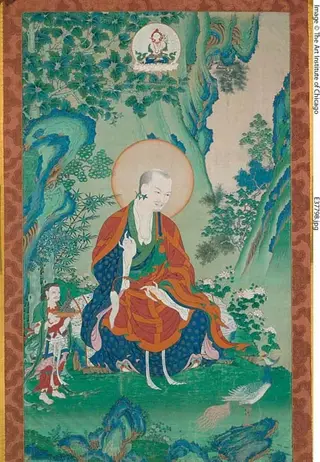 Painted Banner (Thangka) of Vajriputra, One of the Sixteen Great...
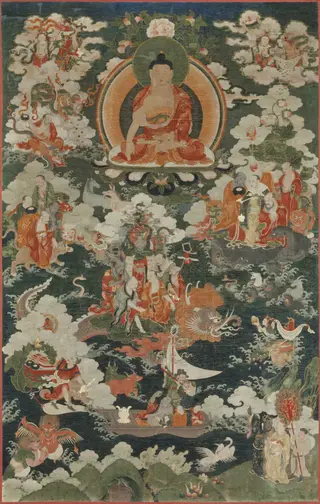 Buddha Shakyamuni and the Eighteen Arhats
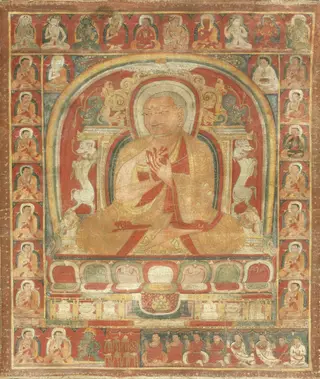 An Abbot and His Lineage
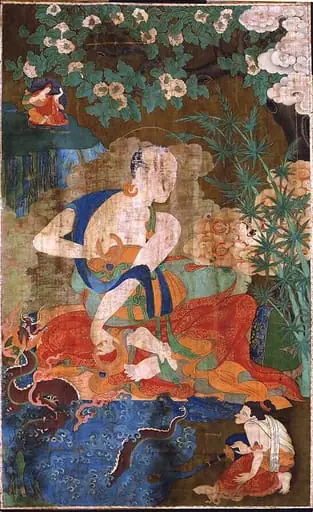 Untitled
 Untitled
 Buddha Shakyamuni and Narrative Scenes
 Untitled