Artwork
明 佚名 絹本設色 童子戯魚圖 軸|Children Playing
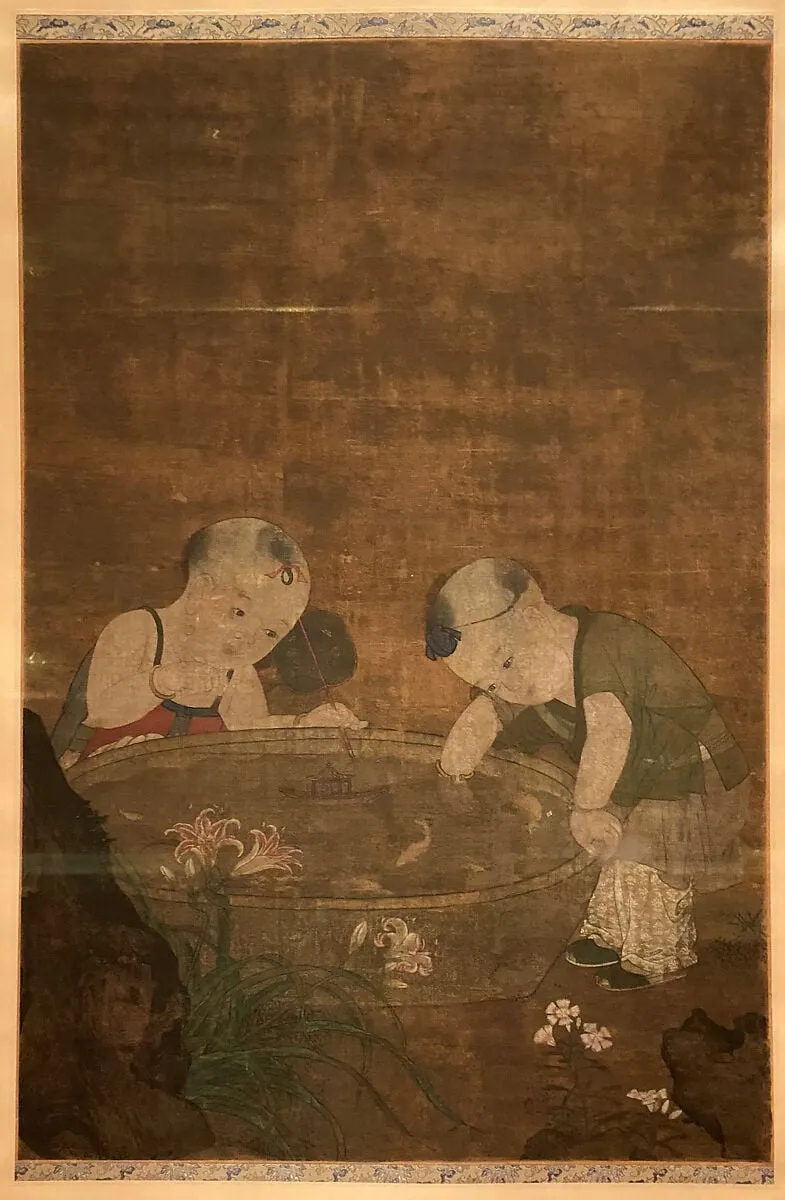
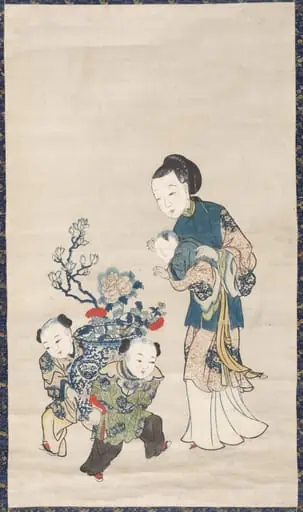
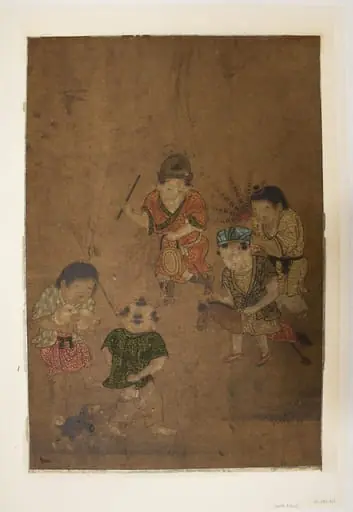
明 佚名 絹本設色 童子戯魚圖 軸|Children Playing is an ink painting by the Ming dynasty painting artist Unknown. It dates from 1600 and is held in the collection of the Metropolitan Museum of Art. This hanging scroll, painted on silk with ink and color, depicts two children engaged in a quiet moment by a pond.
About this work
Overview
Soft hues and rounded forms contribute to a tranquil atmosphere, suggesting a pause in daily life rather than a dramatic event.
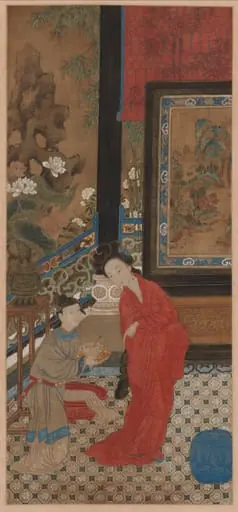
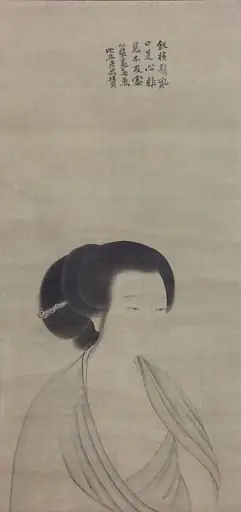
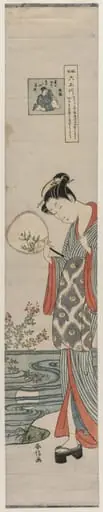
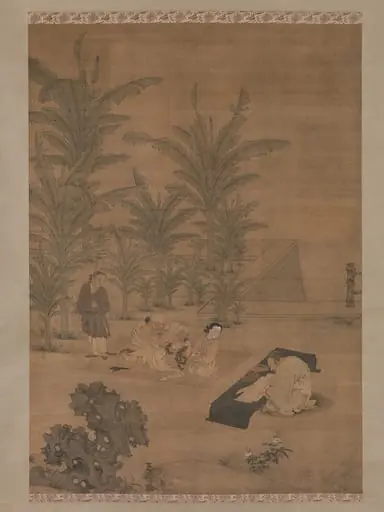
This hanging scroll, painted on silk with ink and color, depicts two children engaged in a quiet moment by a pond. The scene is intimate and still, capturing the children’s focused attention on the fish beneath the water’s surface. Soft hues and rounded forms contribute to a tranquil atmosphere, suggesting a pause in daily life rather than a dramatic event. The composition avoids theatricality, emphasizing subtlety and observation.
Subject & Meaning
The two children, one in red and the other in green, are shown in informal, natural poses as they interact with the pond. Their bare feet and relaxed stances imply a domestic, unguarded setting. The presence of lilies and stones around the water hints at a cultivated garden space, possibly symbolizing harmony between youth and nature.
The act of watching fish may reflect a traditional association between children and the quiet joy of simple, fleeting moments.
Technique & Style
The artist employed delicate brushwork to render the children’s expressions and clothing with gentle precision. Colors are muted and layered, avoiding harsh contrasts, while the silk support enhances the fluidity of the ink. Rounded contours and soft edges unify the figures with their surroundings, reinforcing the scene’s calmness. The fish are suggested rather than detailed, inviting the viewer’s imagination to complete the moment.
History & Provenance
The painting is attributed to an anonymous hand from the Ming dynasty, likely created for private contemplation rather than public display. Its survival on silk suggests it was carefully preserved, possibly within a scholarly or aristocratic household. No documented ownership history is available, but its style aligns with courtly or literati-influenced works of the period, where everyday scenes were rendered with refined restraint.
Context
During the Ming dynasty, paintings of children at play became more common, reflecting broader cultural interest in domestic life and Confucian ideals of familial harmony. Unlike earlier dynasties that favored grand narratives, Ming artists often turned to quiet, intimate subjects. This work fits within that trend, portraying innocence and stillness as virtues, and using nature as a quiet backdrop to human vulnerability and curiosity.
Legacy
Though unsigned, the painting exemplifies a Ming aesthetic that valued restraint and emotional nuance over spectacle. It influenced later depictions of childhood in East Asian art, particularly in genres that sought to capture fleeting, unposed moments. Its preservation in collections today underscores its role as a quiet testament to the enduring appeal of simplicity in visual storytelling.
Artist & collection