Artwork
John Digby, Earl of Bristol, Ambassador to Spain
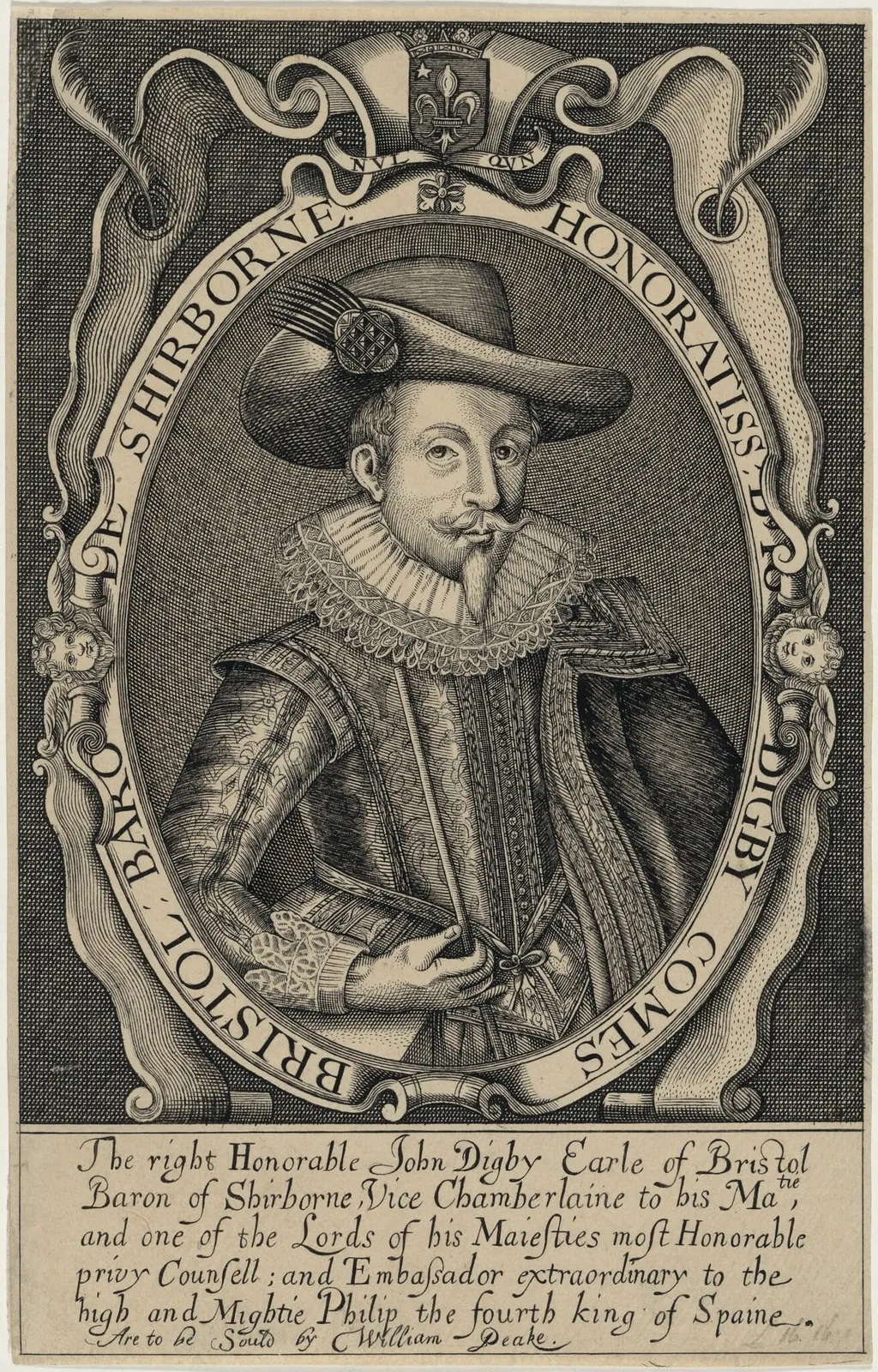
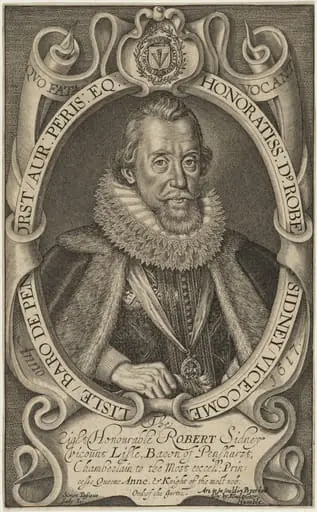
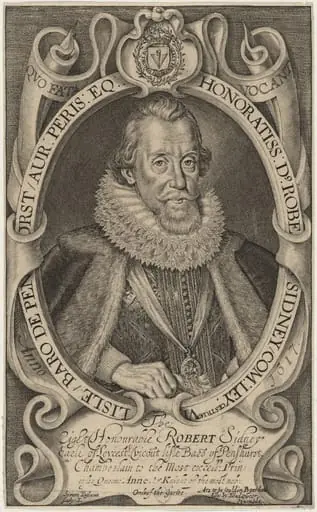
John Digby, Earl of Bristol, Ambassador to Spain is an ink print by the Romanticist artist Unknown 19th Century. It dates from 1850 and is held in the collection of the National Gallery of Art. This black-and-white engraving depicts John Digby, Earl of Bristol, as a diplomat of the early 17th century.
About this work
Overview
The dark background isolates his figure, drawing attention to the detailed rendering of his ruffled collar, ornate chain, and the object held in his hand.
This black-and-white engraving depicts John Digby, Earl of Bristol, as a diplomat of the early 17th century. Executed with fine linear precision, the portrait emphasizes his status through formal attire and inscribed titles. The dark background isolates his figure, drawing attention to the detailed rendering of his ruffled collar, ornate chain, and the object held in his hand. Textual elements along the border reinforce his noble rank and diplomatic role.
Subject & Meaning
John Digby, Earl of Bristol, served as England’s ambassador to Spain during a tense period of diplomatic negotiation. The portrait presents him not as a military figure but as a statesman, adorned with symbols of office: the chain likely signifies royal favor, and the small object in his hand may represent a document or seal. Inscriptions labeling him 'Honorable' and 'Baron of Shirborne' affirm his aristocratic identity and official standing.
Technique & Style
The image is rendered in the traditional method of engraving, where fine incised lines on a metal plate hold ink to produce detailed tonal gradations. The artist uses cross-hatching and varying line density to model the texture of fabric, the sheen of metal, and the contours of the face. Sharp contrasts between light and shadow enhance three-dimensionality, while the restrained palette underscores the formality of the subject.
History & Provenance
Created during or shortly after Digby’s tenure in Spain (1615–1621), the engraving likely served as a diplomatic gift or official record. It may have been produced in London or Madrid by a printmaker familiar with court portraiture. Though the exact origin and printer are unconfirmed, its survival suggests it was circulated among political circles to affirm Digby’s public image and noble lineage.
Context
In early 17th-century England, portraiture in print was a tool for projecting political authority. Digby’s role as ambassador coincided with efforts to maintain peace between Protestant England and Catholic Spain. His image, carefully composed and adorned with heraldic text, reflects the era’s emphasis on visual representation as a means of legitimizing diplomatic missions and aristocratic identity abroad.
Legacy
This engraving remains a tangible artifact of Jacobean diplomacy and the use of print to disseminate elite imagery. It contributes to the historical record of how nobility and state functionaries were visually constructed in an age before photography. Though not widely known today, it exemplifies the intersection of art, politics, and social hierarchy in early modern Europe.
Artist & collection

Artist

 Robert Sidney, First Earl of Leicester
 Robert Sidney, First Earl of Leicester
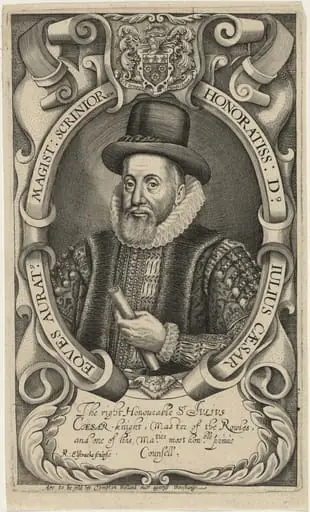 Sir Julius Caesar, Master of the Roules
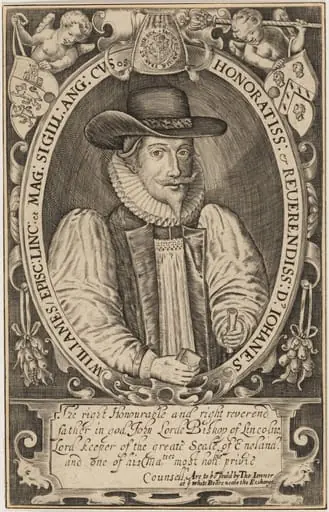 John Williams, Archbishop of York, Lord Keeper
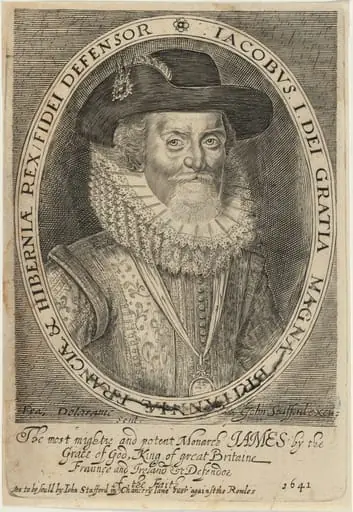 James I
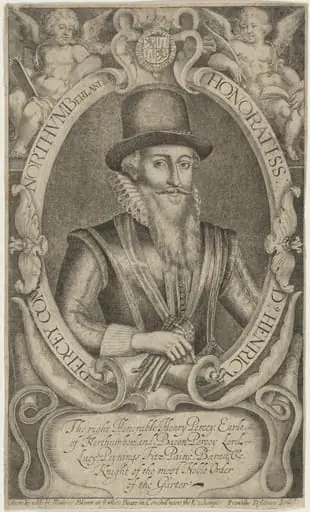 Henricus Percye (Henry Percy, Ninth Earl of Northumberland)
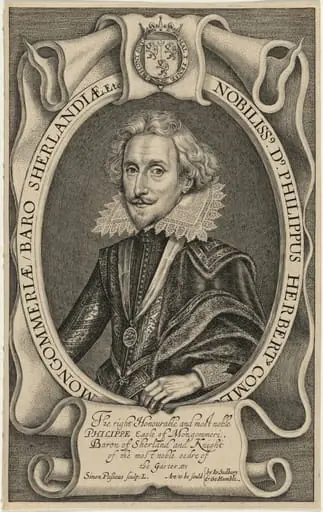 Philip Herbert, Fourth Earl of Pembroke
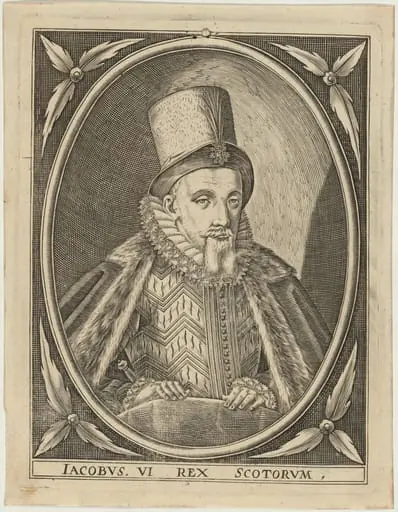 James VI, King of Scotland
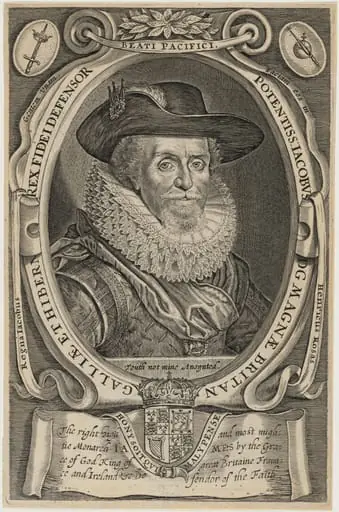 James I, King of England
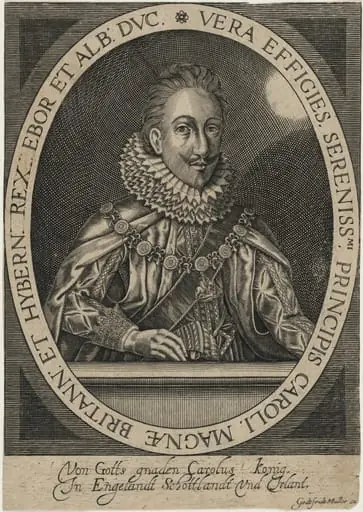 Charles I