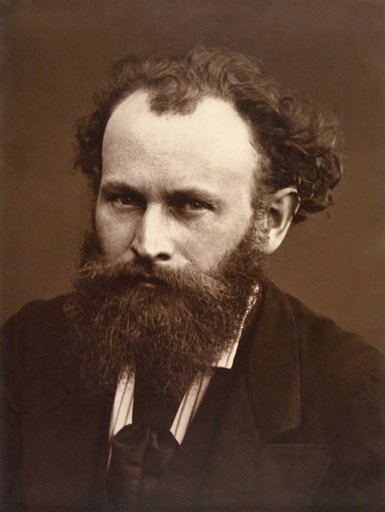
Artist
Subject
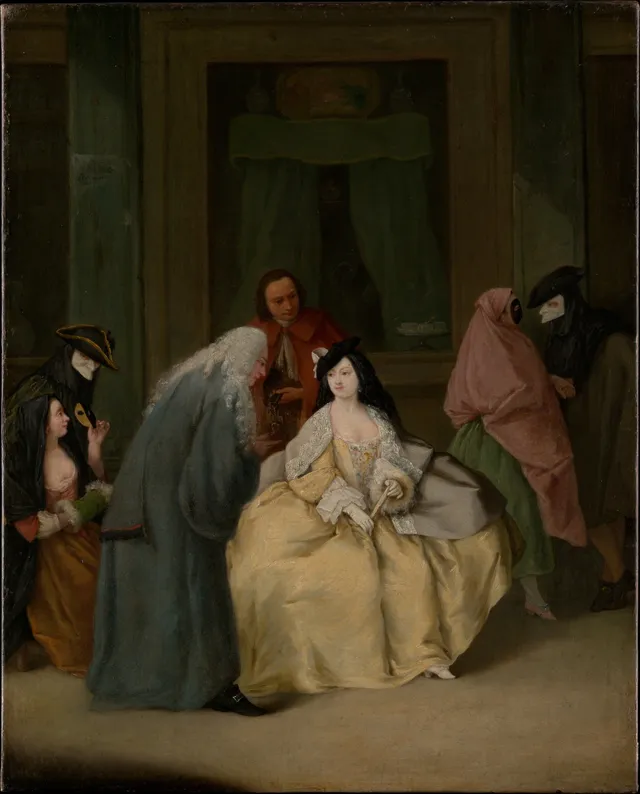
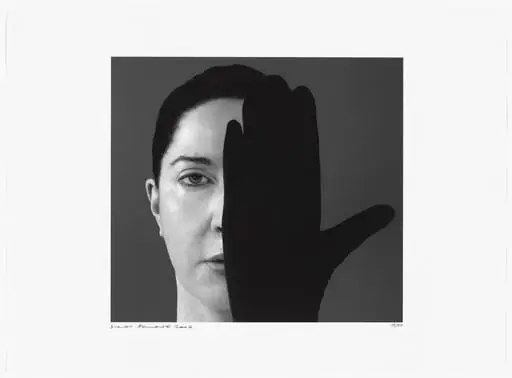
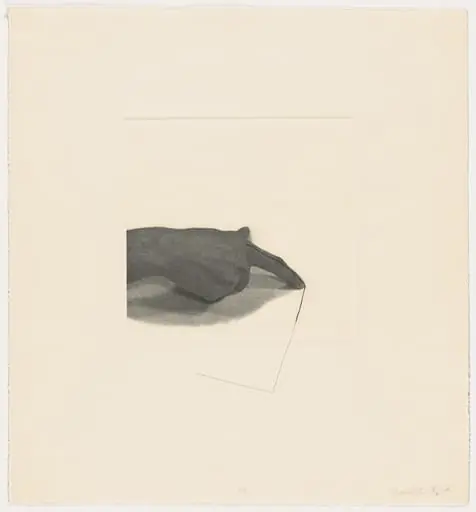
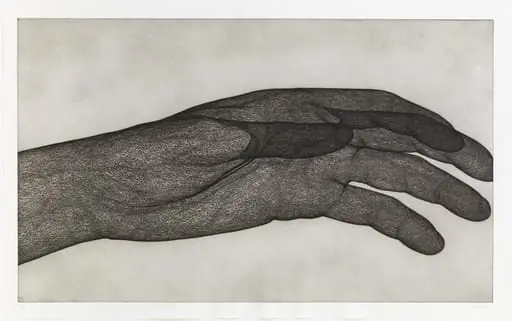
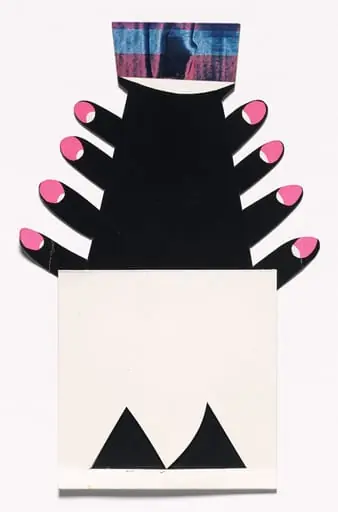
Glove is a subject in art. The gallery holds 97 works in this subject in art, including works by Édouard Manet, Eastman Johnson and Jacopo Tintoretto.
A glove is a garment covering the hand, with separate sheaths or openings for each finger including the thumb. Gloves protect and comfort hands against cold or heat, damage by friction, abrasion or chemicals, and disease; or in turn to provide a guard for what a bare hand should not touch.
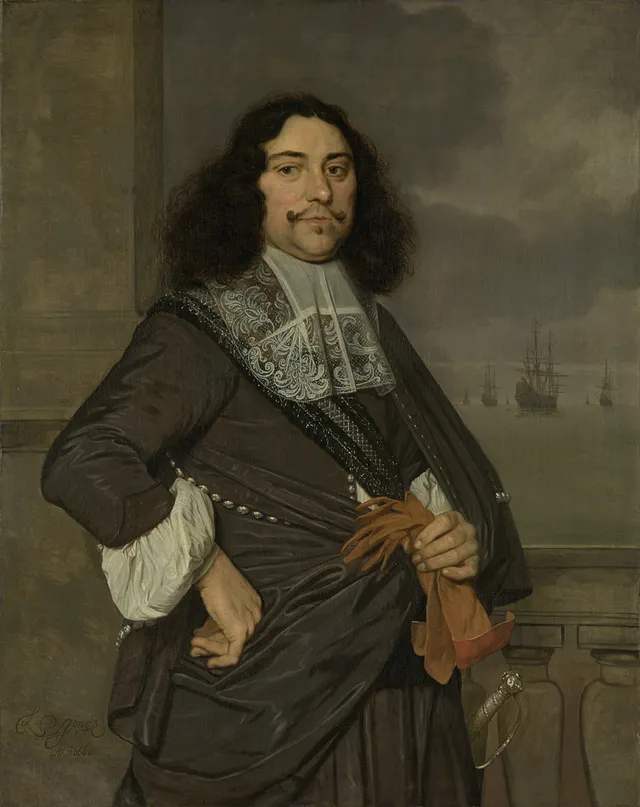
Artist
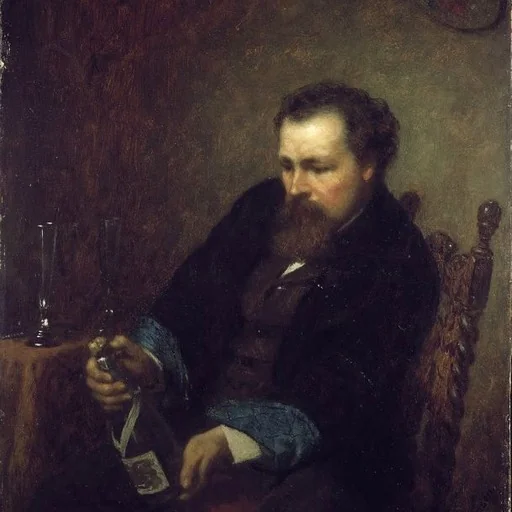
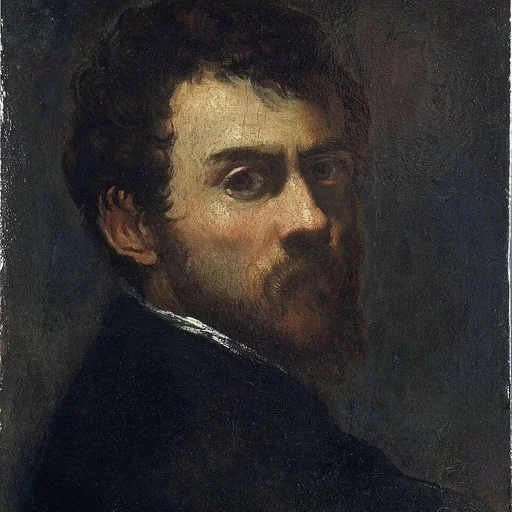
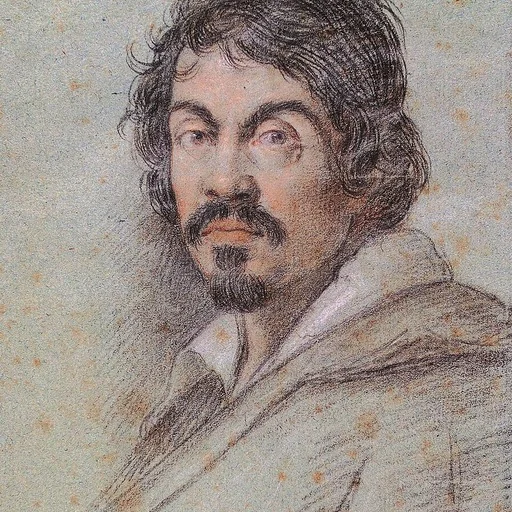
A glove is a garment covering the hand, with separate sheaths or openings for each finger and the thumb. Throughout history, it has served dual purposes: protecting and comforting hands against cold, heat, friction, abrasion, and chemicals, and providing a guard for what a bare hand should not touch. Because the hand is a primary human tool, covering it carries inherent significance, transforming a practical object into a powerful symbol of status, identity, and ritual. This duality has made gloves a recurring motif in art, where they function not merely as costume details but as deliberate attributes signaling the social standing, profession, or moral character of the subject.
In art and material culture, gloves carry dense symbolic weight. During the Middle Ages, they were integral to feudal and chivalric rituals. Throwing a glove to the ground was an explicit challenge to a duel, while striking someone in the face with a glove was a profound insult demanding retribution. Conversely, a lady presenting a glove to a knight signified favor, often worn by the recipient in a pouch around the neck as a love token. In the legal sphere, a ruler sending his right glove signified the granting of market rights or permission to found a city, while petitioners attached gloves filled with coins to their requests to add emphasis. In the Catholic Church, pontifical gloves became liturgical ornaments for popes, cardinals, and bishops, with gold-threaded varieties denoting high rank and white gloves symbolizing purity. Emperors and kings were buried wearing them as insignia of sovereignty, as seen with Henry II in 1189, and they were discovered on the hands of King John and Edward I when their tombs were opened.
The motif appears in 131 works in the collection, spanning diverse genres from formal portraiture to genre scenes. Examples include The New Bonnet, William II, Prince of Orange, and his Bride, Mary Stuart, The Meeting, Portrait of Jan van Nes, Syndics of the Drapers' Guild, Five O'Clock Tea, and portraits of the Princesse de Broglie and Elizabeth Farren. In these works, gloves serve as markers of elegance, professional identity, or social etiquette. The broader material study of gloves is anchored by The Glove Collection Trust, an independent charity associated with the Worshipful Company of Glovers of London. Formed in 1993 and taking its present shape in 2003 when the company donated its 250-item collection, the Trust has expanded the holdings to approximately 2,300 items dating from the early 16th century to the present. Normally on long-term loan to the Fashion Museum Bath, the collection includes an unsurpassed set of 17th-century gloves, original coronation gloves, and pieces by designers like Pierre Cardin and Yves Saint Laurent.
The treatment of gloves in art and fashion reflects broader cultural shifts. In antiquity, they appeared primarily as practical tools, depicted in an Egyptian tomb from the 5th dynasty and noted in the Odyssey for garden work. Romans used fingered gloves called digitales and fingerless versions called chirotocae. By the 13th century, gloves became fashion ornaments for ladies, made of linen and silk and reaching the elbow, a vanity restricted by sumptuary laws in Bologna in 1294 and Rome in 1560. The 16th century saw their greatest elaboration under Queen Elizabeth I, who wore richly embroidered and jeweled pairs, drawing attention to her hands by putting them on and removing them during audiences. In Paris, the gantiers became gantiers parfumeurs, perfuming leather with musk and ambergris, a trade recognized by royal brevet in 1656. The 17th century introduced softer materials like chicken skin and the limerick fad, fashioned from unborn calfskin in Ireland.
Specific historical gloves have achieved canonical status in art and royal history. The 1592 Ditchley portrait of Queen Elizabeth I features her holding leather gloves in her left hand, cementing the accessory as a symbol of monarchical elegance. The Dents glove collection holds the coronation glove of Elizabeth I from 1559, made of white alum tawed sueded leather with silver threads, purl, and sequins depicting an orb. Also in the Dents collection are the cream leather gauntlet gloves of Charles I, embroidered with flowers and gold metal thread, and the 1953 coronation glove of Elizabeth II, a white leather piece embroidered with gold thread. The Glove Collection Trust holds a pair of James I gloves circa 1620 and ladies' white leather gloves from 1685 to 1700 adorned with crimson silk pointing. In painting, gloves punctuate portraits like that of Jan van Nes and the Syndics of the Drapers' Guild, where they denote civic authority and commercial rank.
The cultural afterlife of gloves extends from traditional guild structures into modern museumship and specialized preservation. The Worshipful Company of Glovers, which incorporated in 1613, continues to influence the field through The Glove Collection Trust, which maintains 11,000 digital images of its holdings and loans items to international exhibitions. Dedicated institutions like the Glove Museum in Gloversville, established in 2018 in a former children's glove factory, and the Dents museum in Warminster preserve the craft's technical history. The Glove Museum offers classes using historical tools from France, Great Britain, and Italy, while Dents displays its royal holdings and antique manufacturing equipment. Contemporary glovemaking has largely shifted to mass production in Asia and Eastern Europe, yet bespoke craftsmanship persists, and the motif remains a potent shorthand for identity, whether in historical portraiture or modern forensic contexts, where criminals wear gloves to avoid fingerprints, though the gloves themselves can leave unique prints.
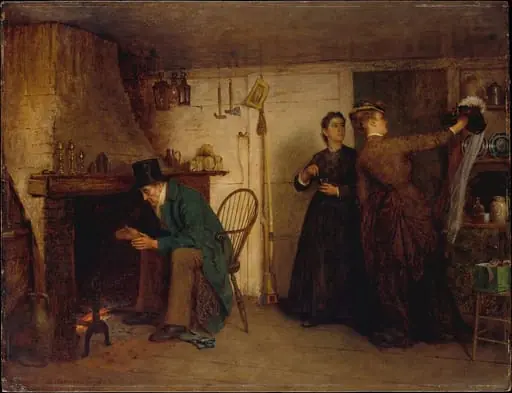 The New Bonnet
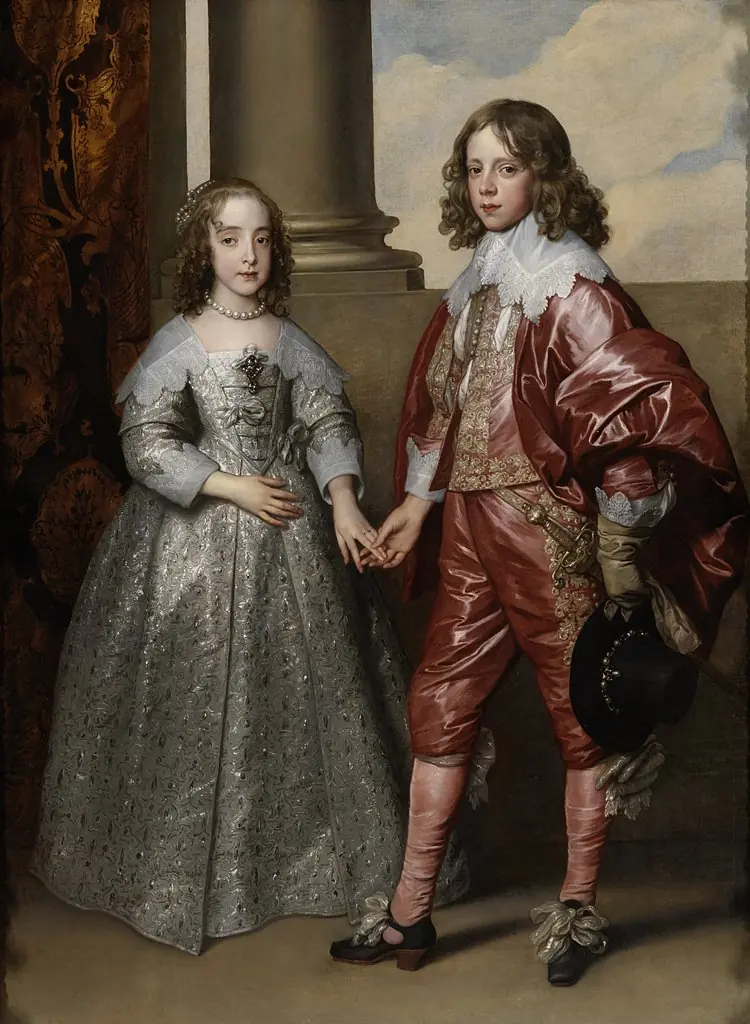 William II, Prince of Orange, and his Bride, Mary Stuart
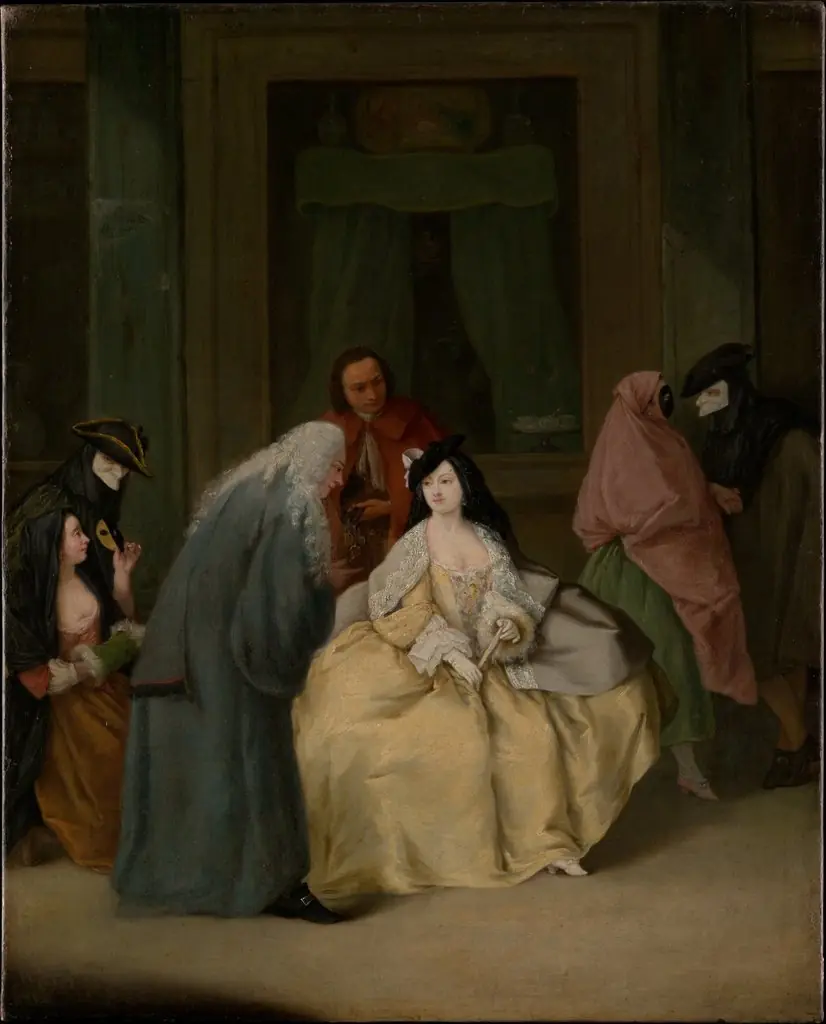 The Meeting
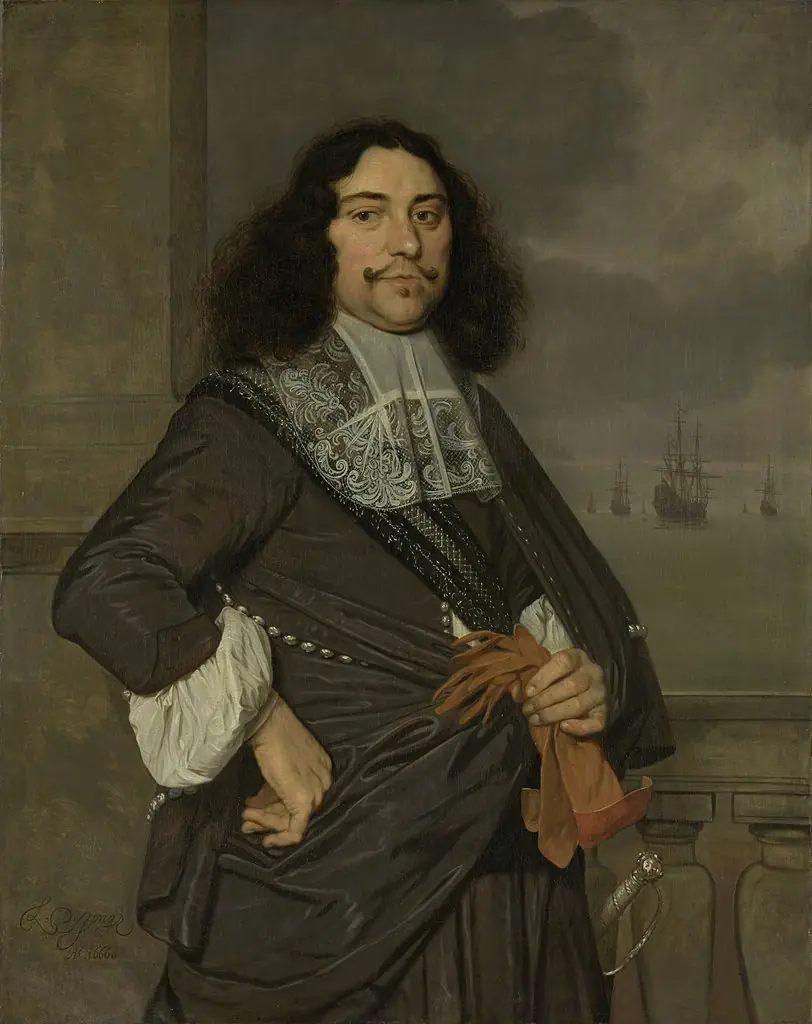 Portrait of Jan van Nes (1631-80). Vice admiral of Holland and West-Friesland
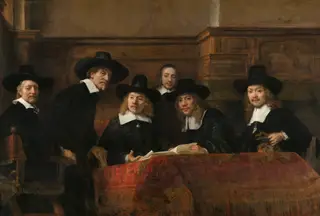 Syndics of the Drapers' Guild
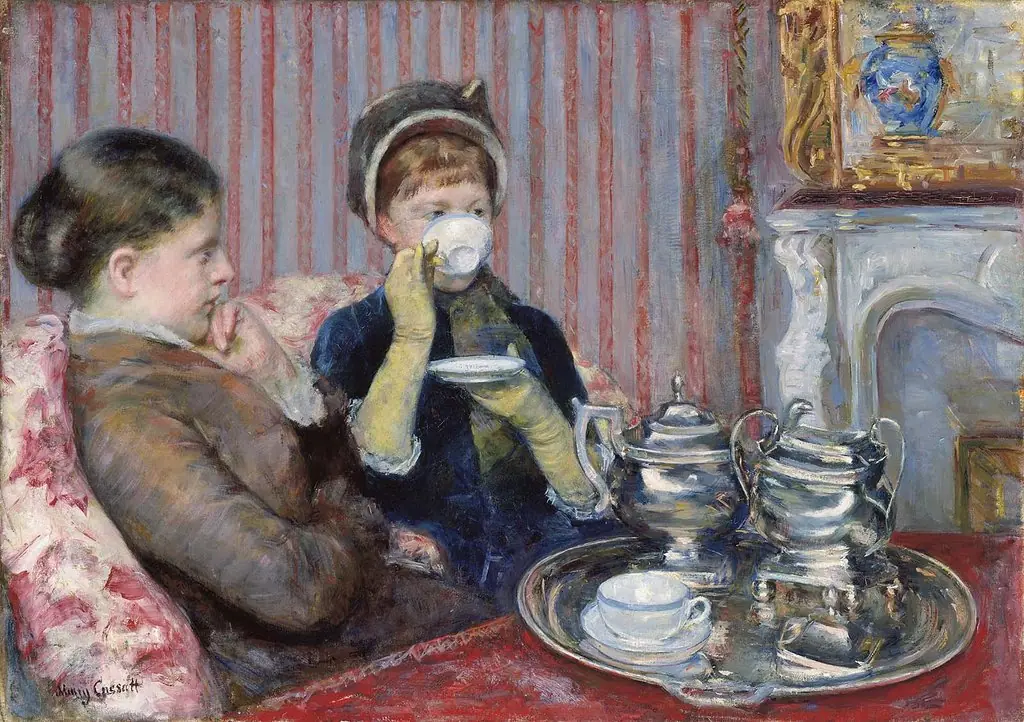 Five O'Clock Tea
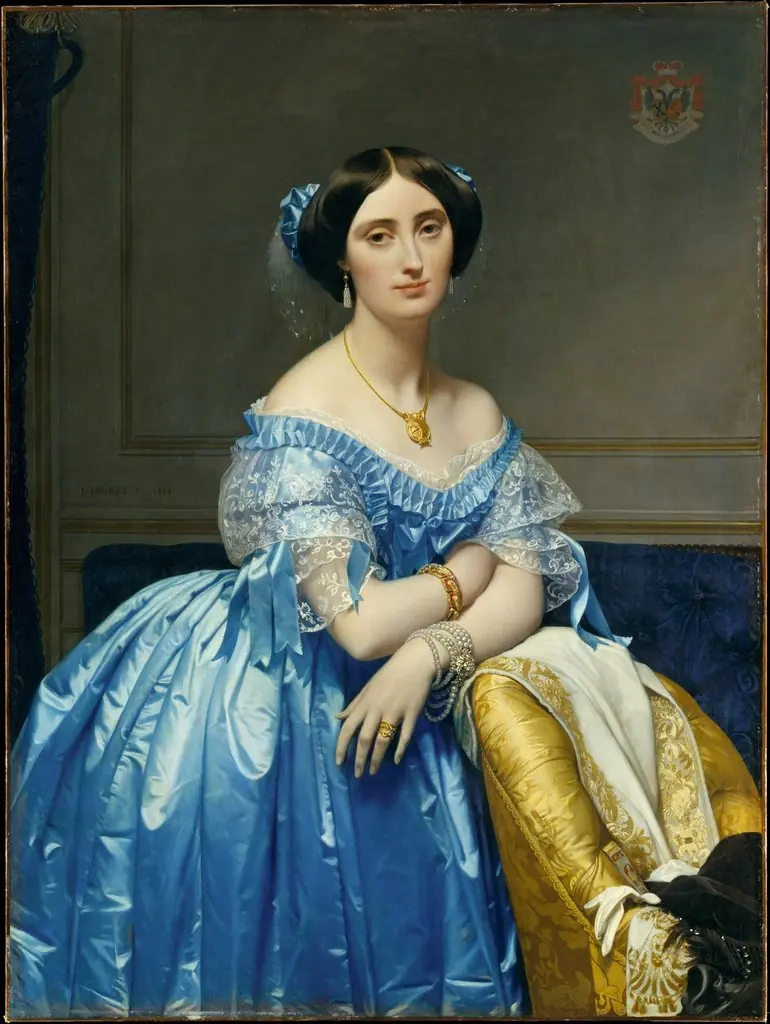 Joséphine-Éléonore-Marie-Pauline de Galard de Brassac de Béarn (1825–1860), Princesse de Broglie
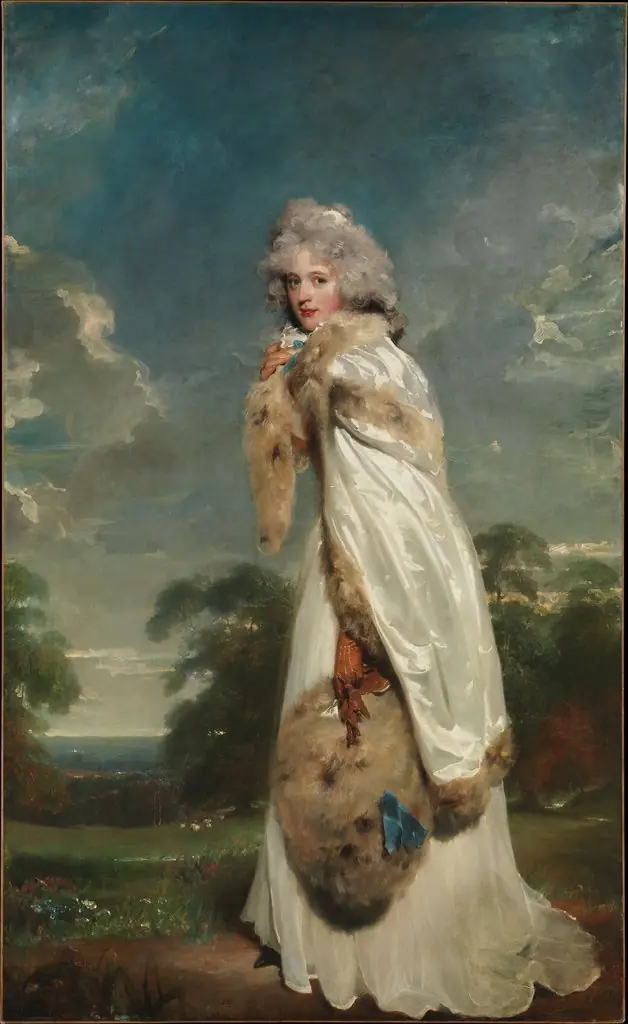 Elizabeth Farren (born about 1759, died 1829), Later Countess of Derby
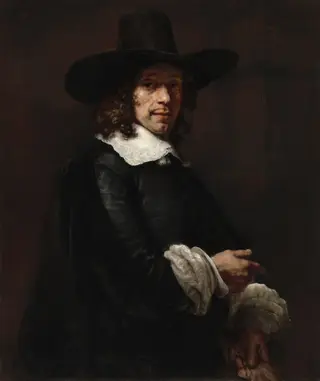 Portrait of a Gentleman with a Tall Hat and Gloves
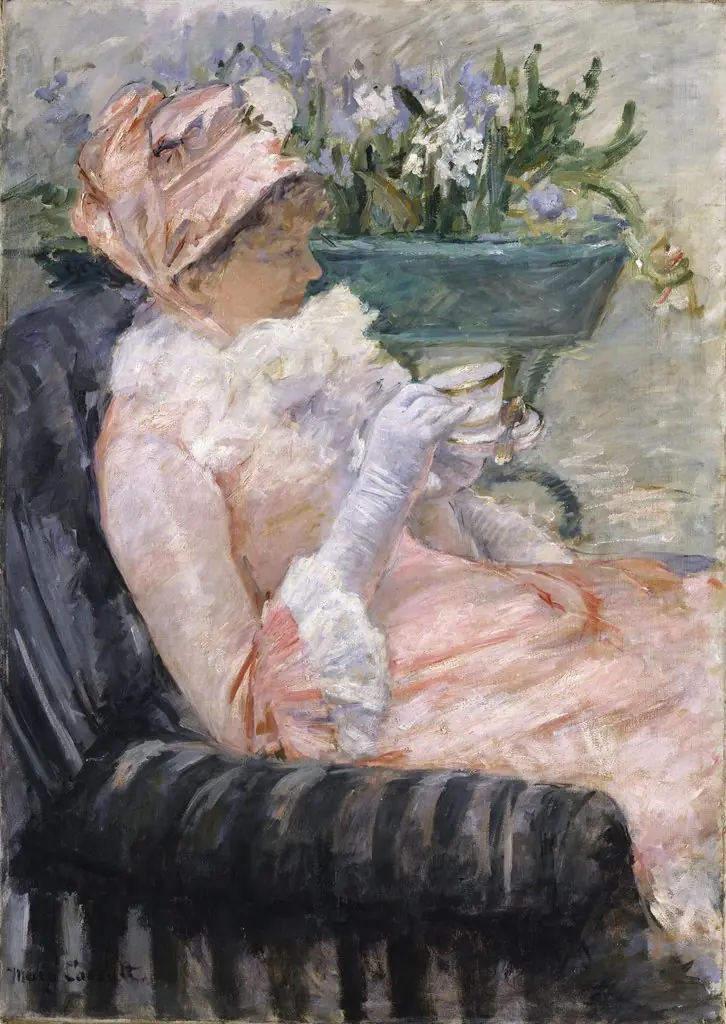 The Cup of Tea
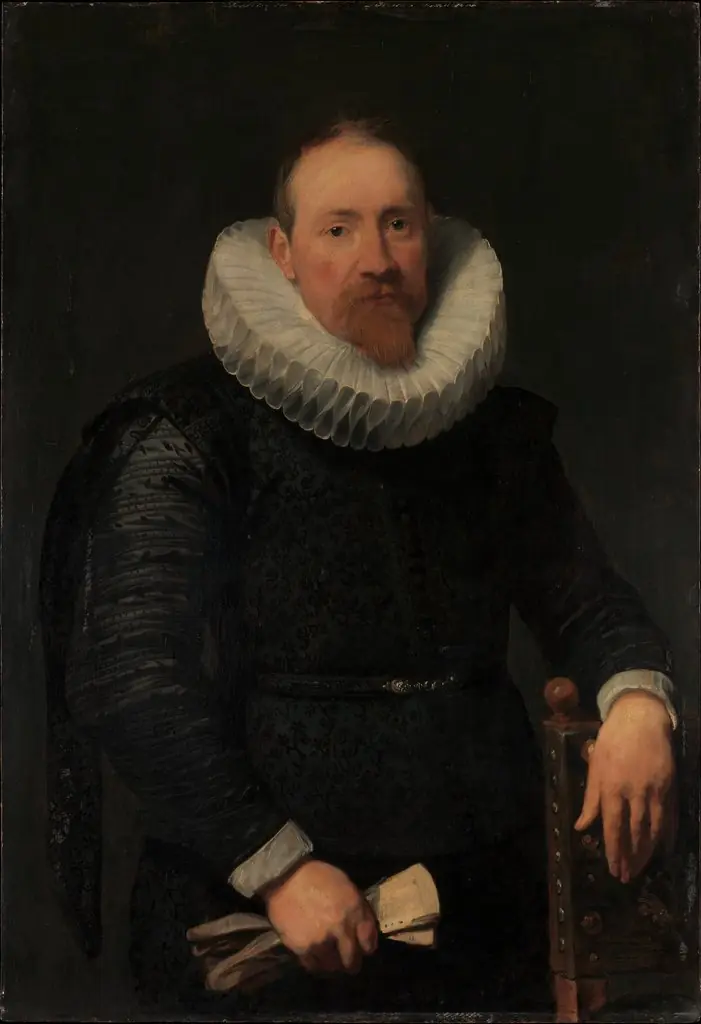 Portrait of a Man
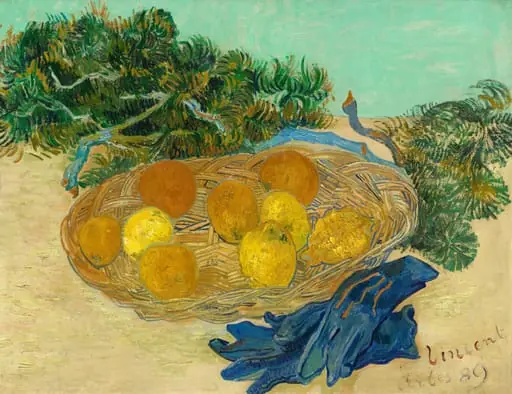 Still Life of Oranges and Lemons with Blue Gloves
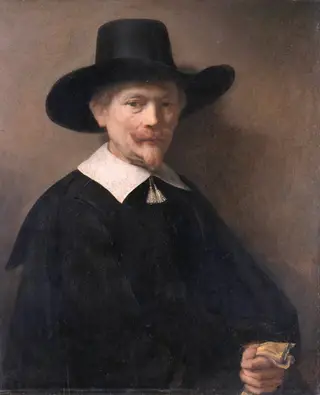 Portrait of a man with gloves in hand
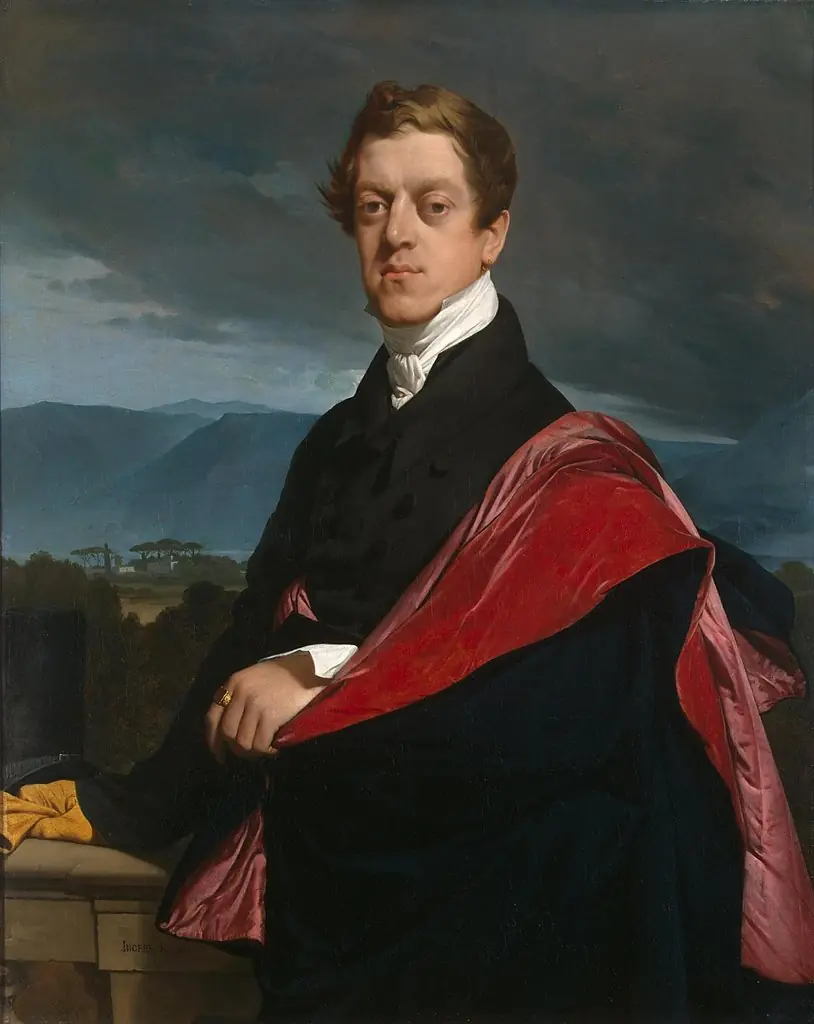 Portrait of Count Nikolay Guryev
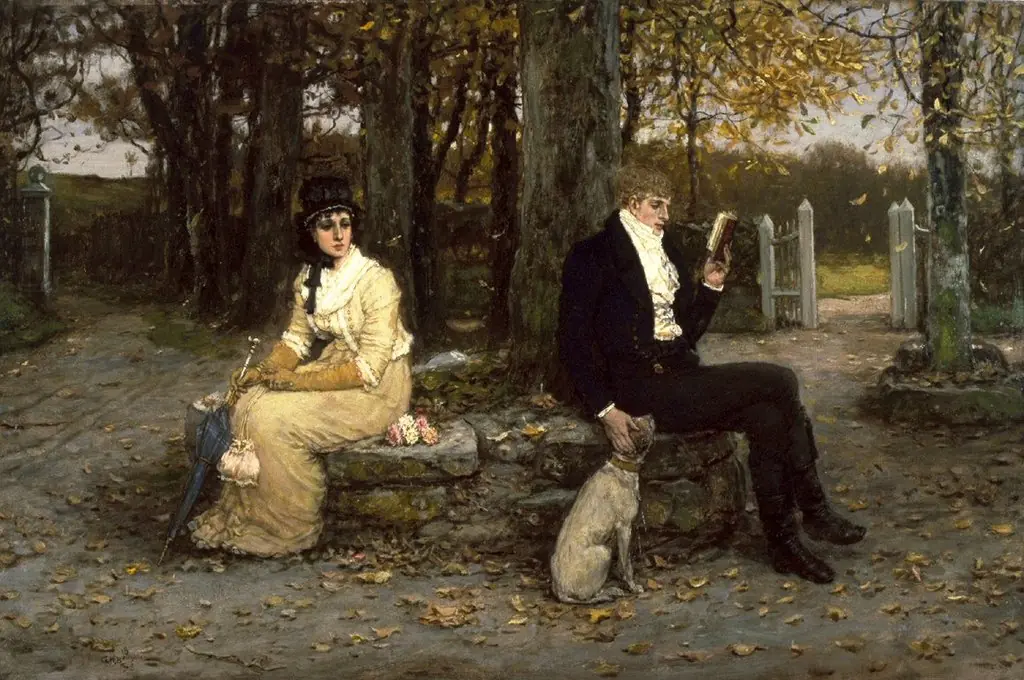 The Waning Honeymoon
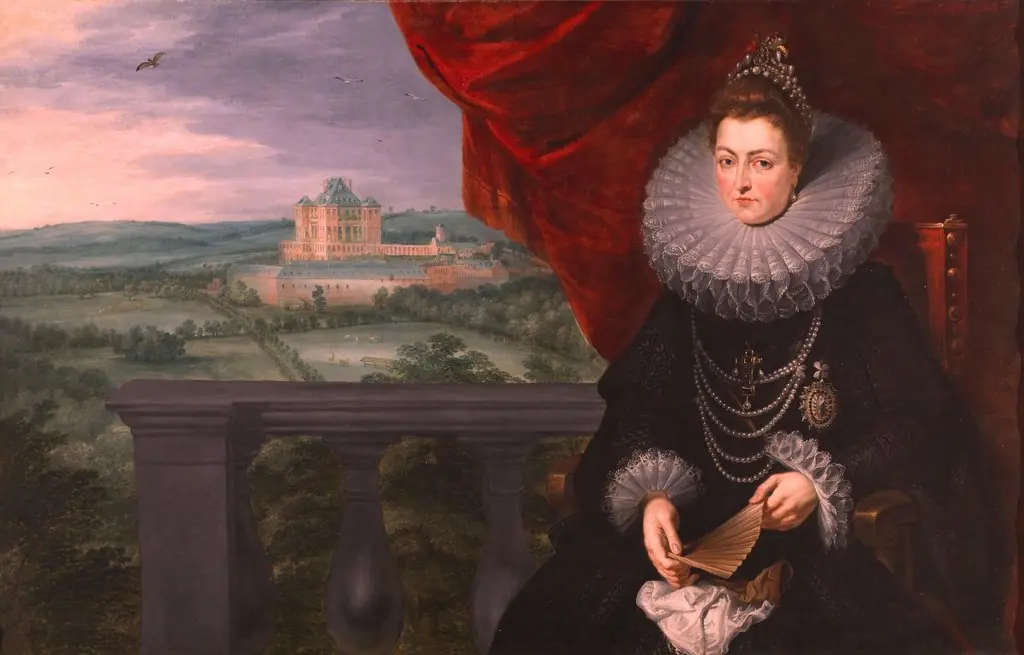 The Infanta Isabel Clara Eugenia
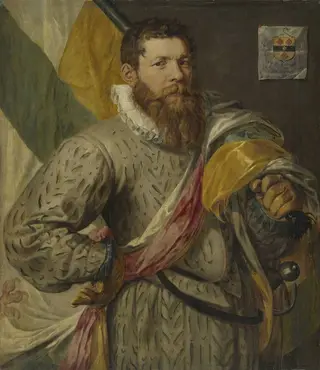 Portrait of Hendrick Jansz. Spijcker, called De Veer, as Flag Bearer
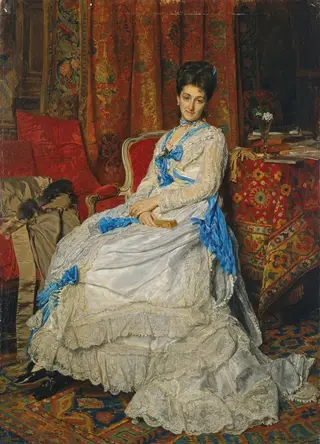 Josefa Manzanedo e Intentas de Mitjans, Second Marchioness of Manzanedo
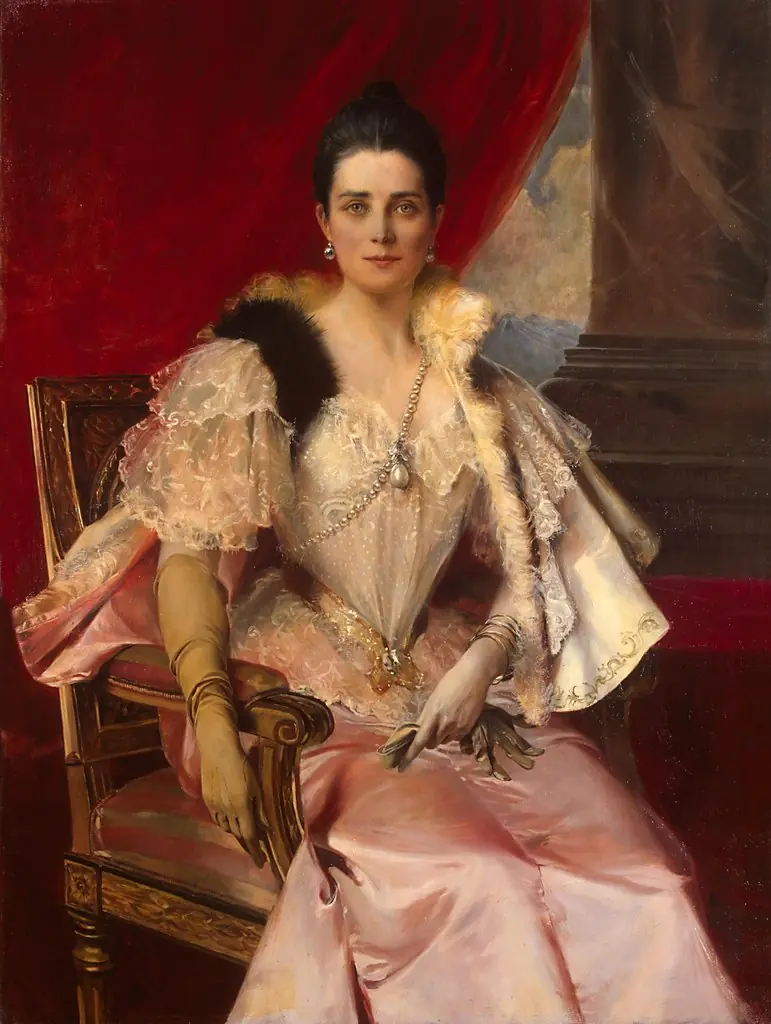 Portrait of Princess Z. N. Yusupova
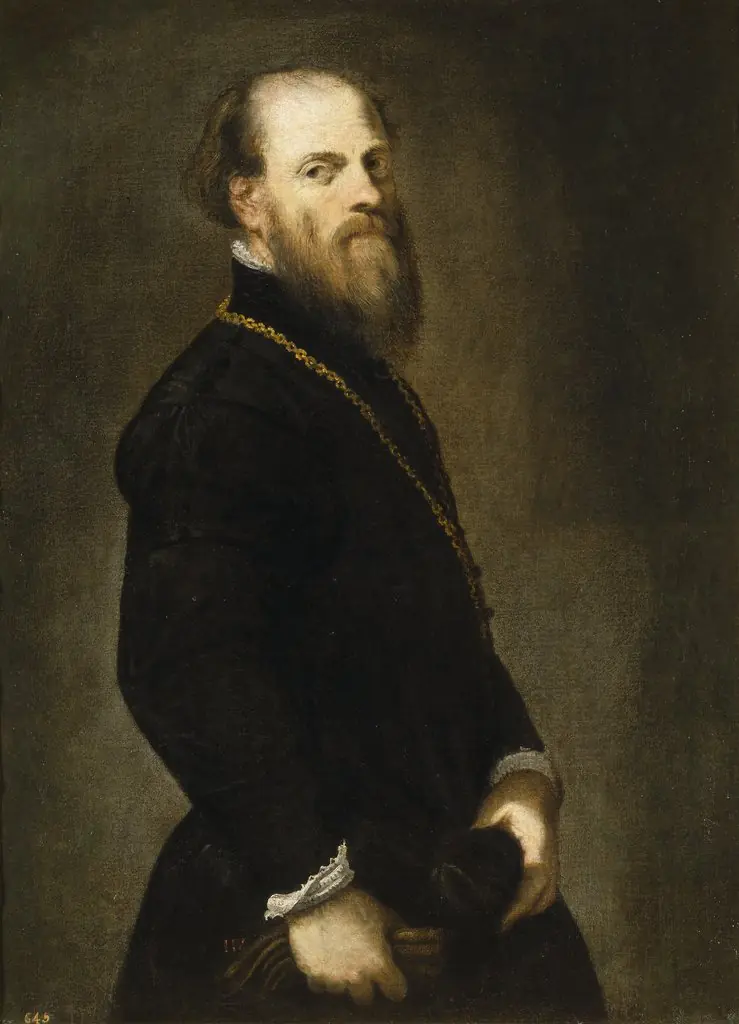 Man with a Golden Lace
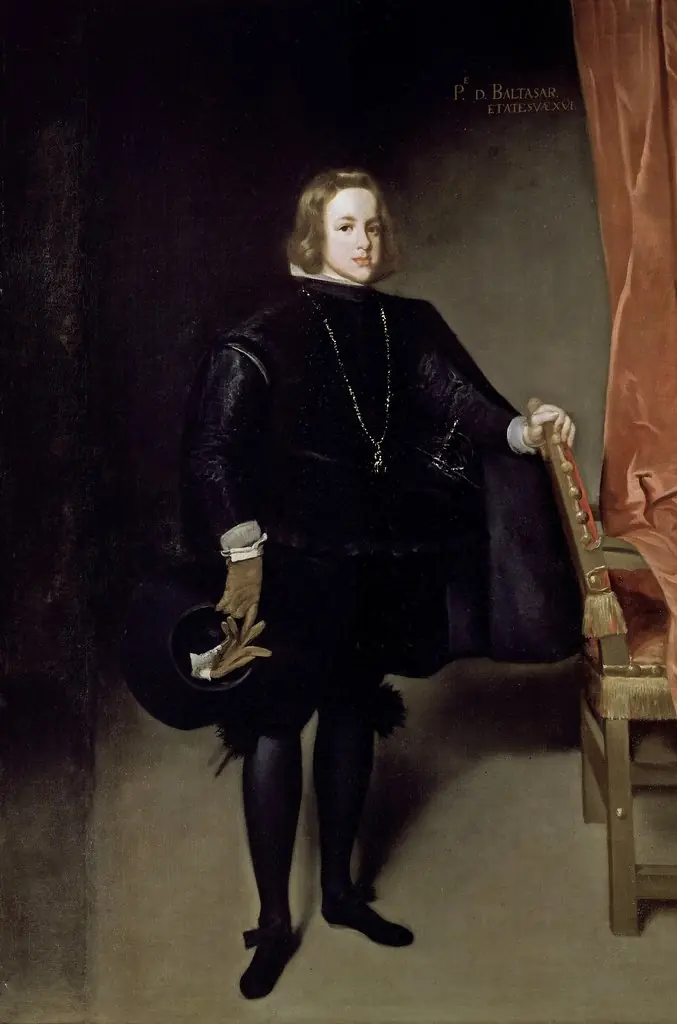 Portrait of Baltasar Carlos of Spain (1629-1646)
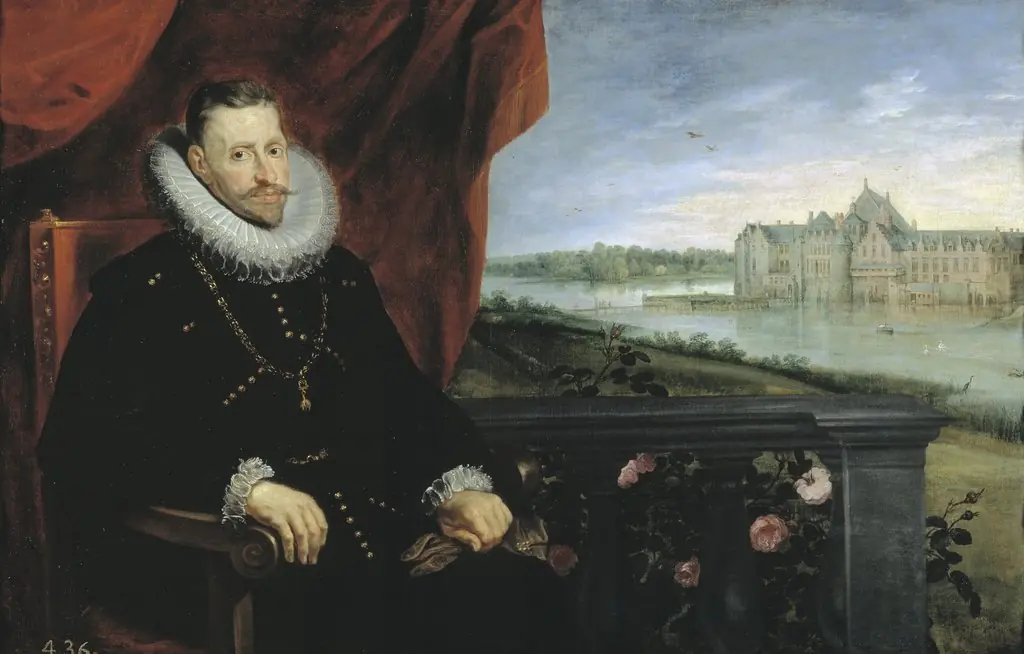 Portrait of Archduke Albert of Austria
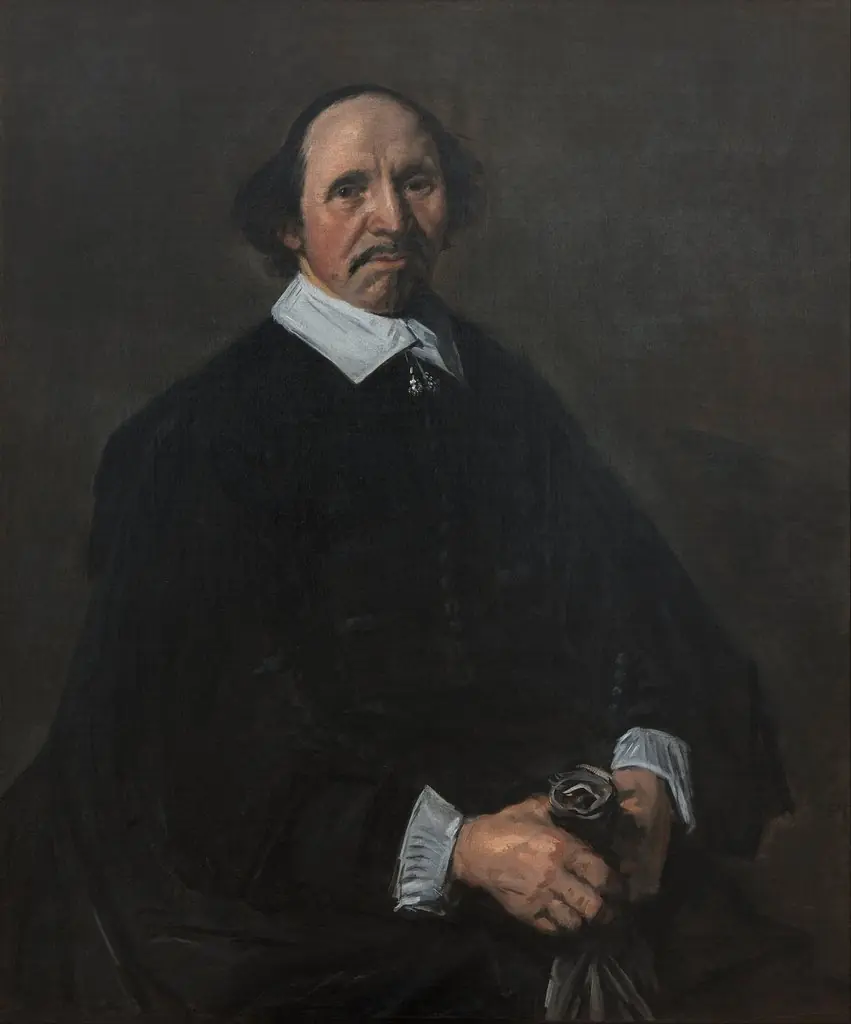 Portrait of a man
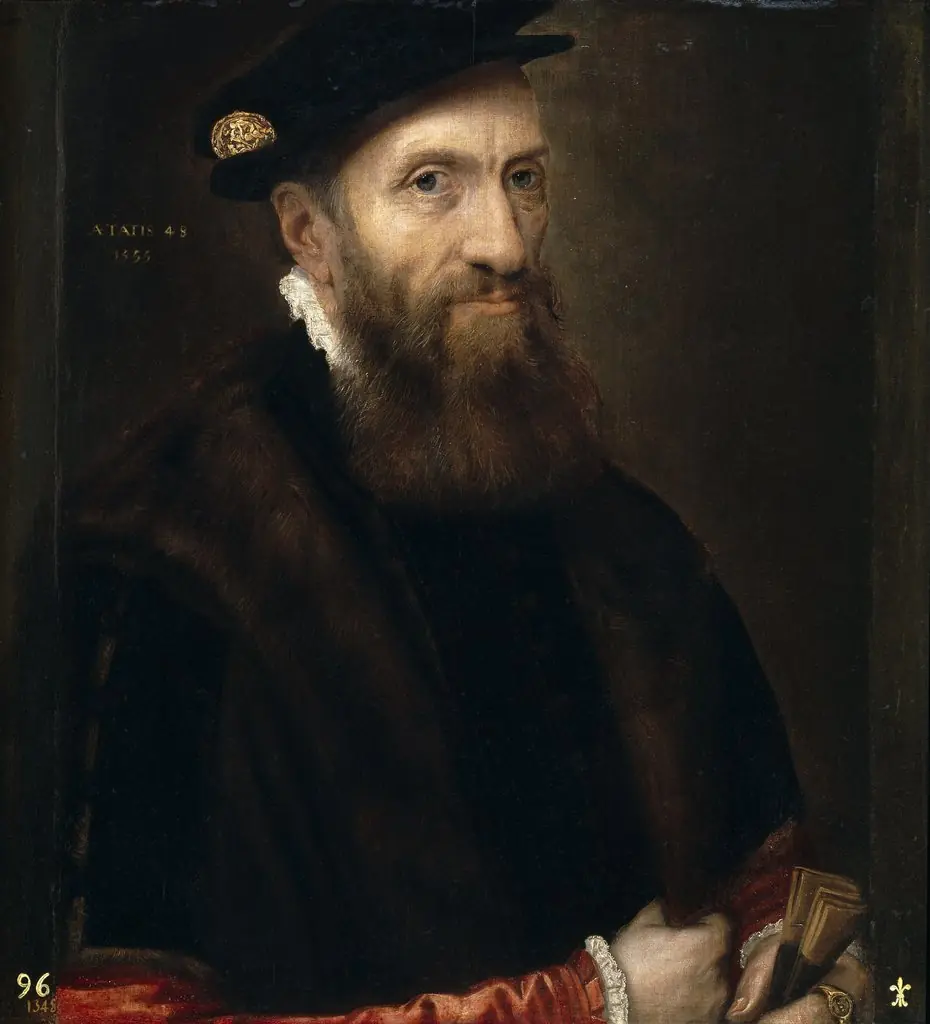 Portrait of a Man aged 48
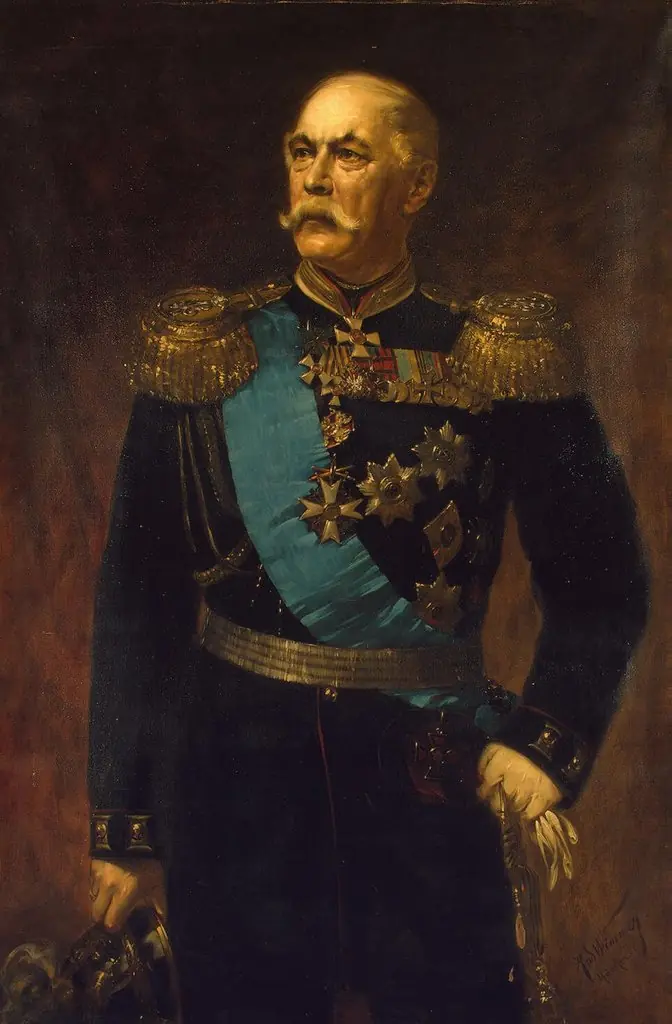 Portrait of Eduard I. Totleben
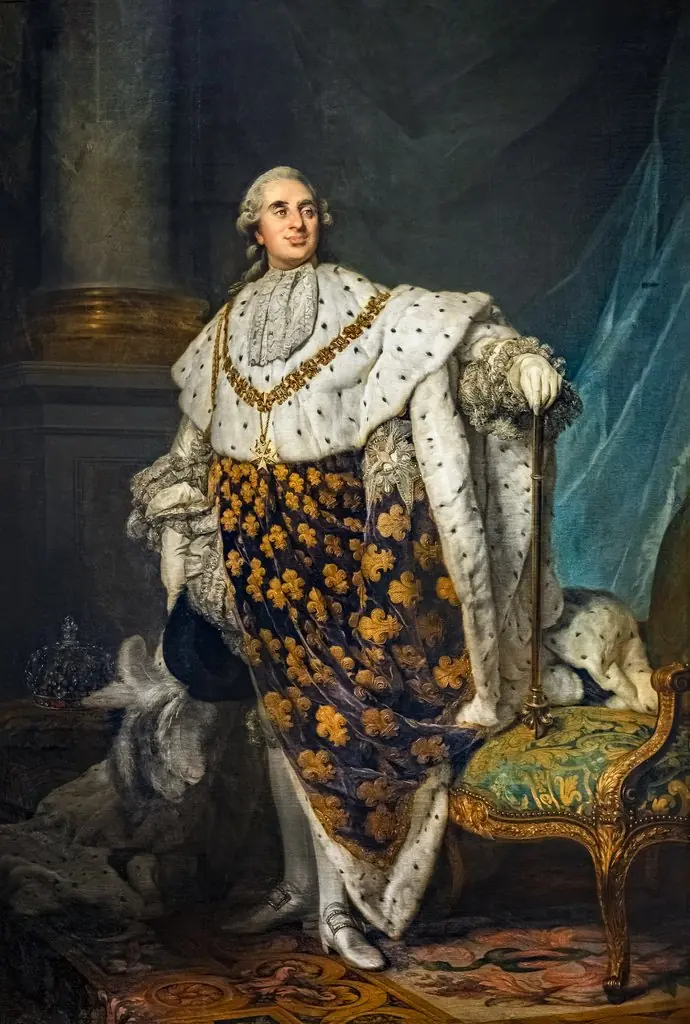 Louis XVI in Coronation Robes
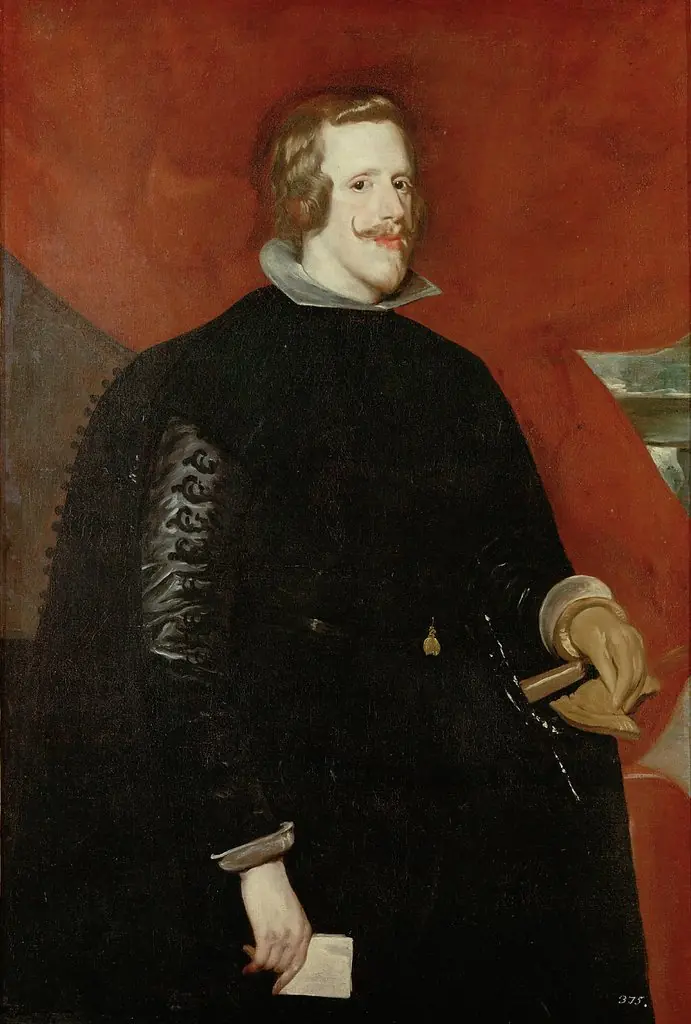 Portrait of Phillip IV of Spain, at three-quarter length
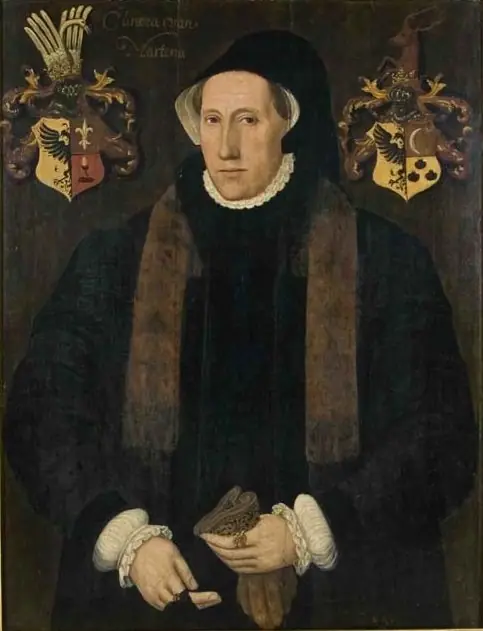 Portrait of Cunera van Martena, Wife of Rudolph van Buynou
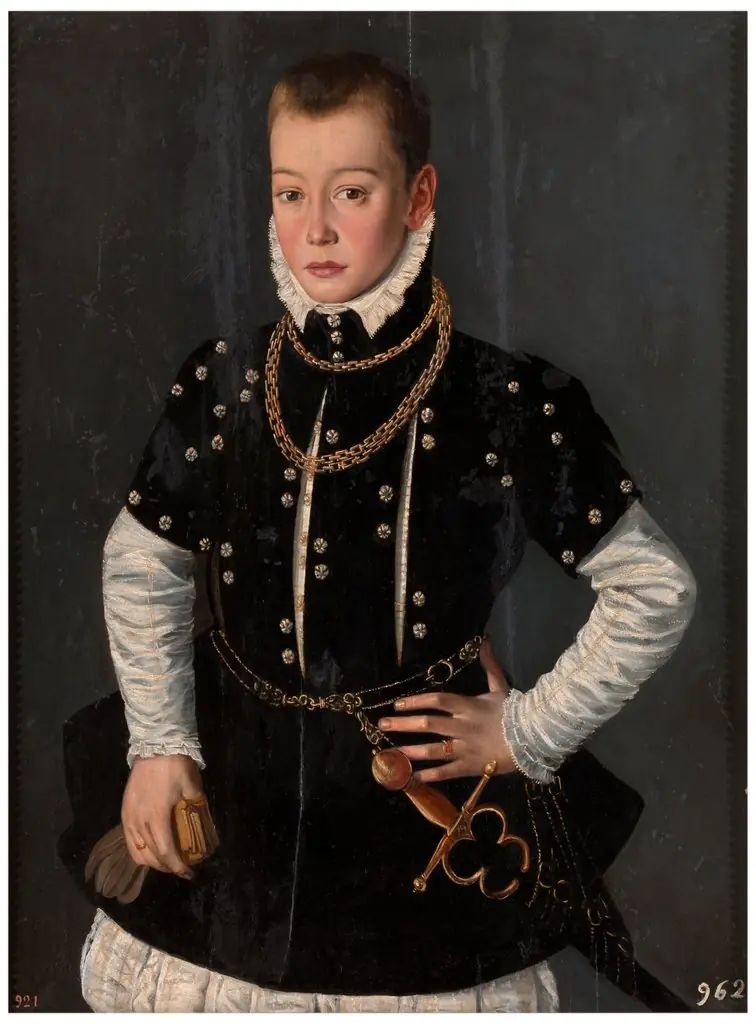 Portrait of an Unidentified Boy
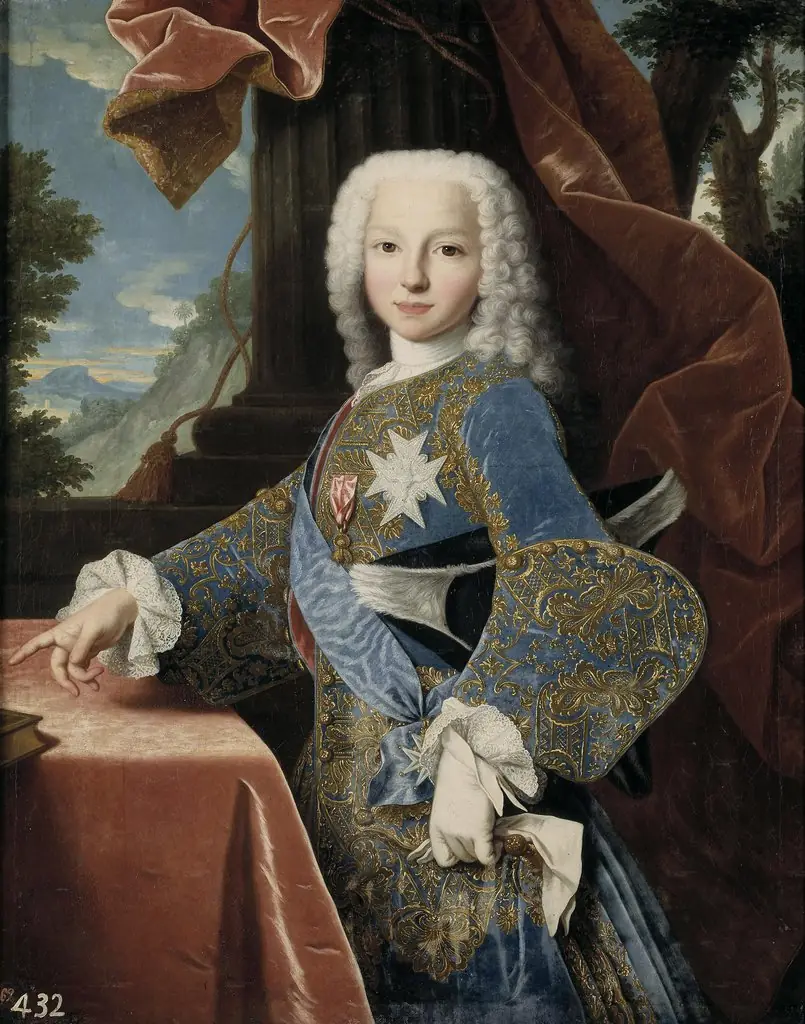 Felipe de Borbón y Farnesio, future Duke of Parma
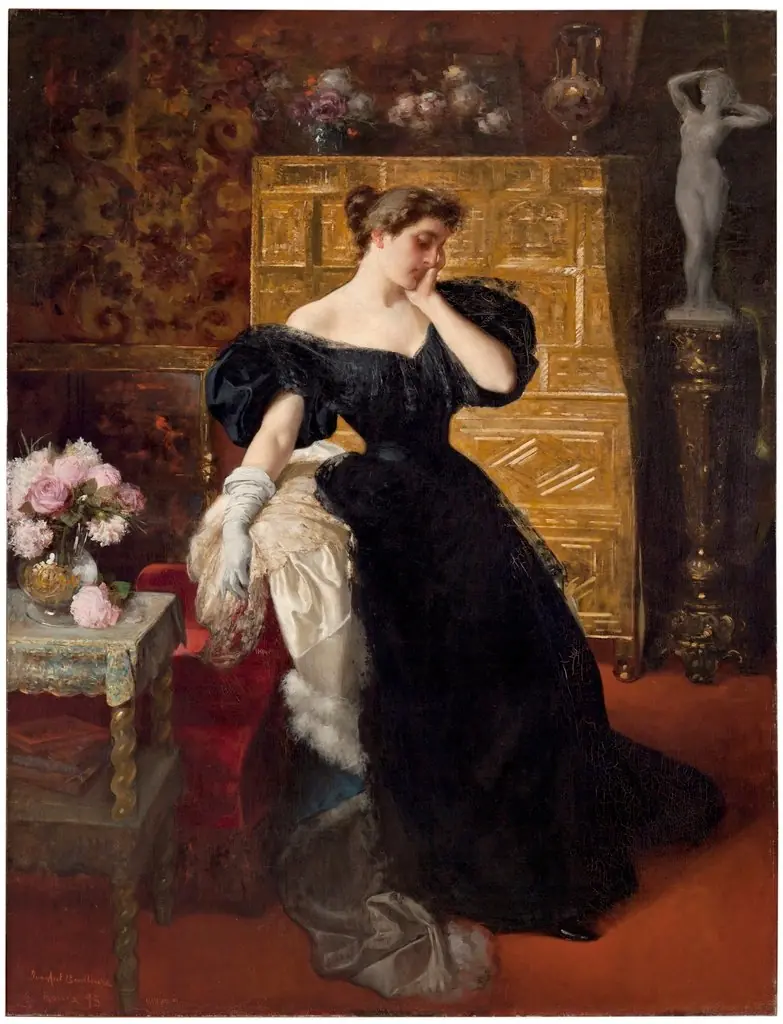 Después del baile
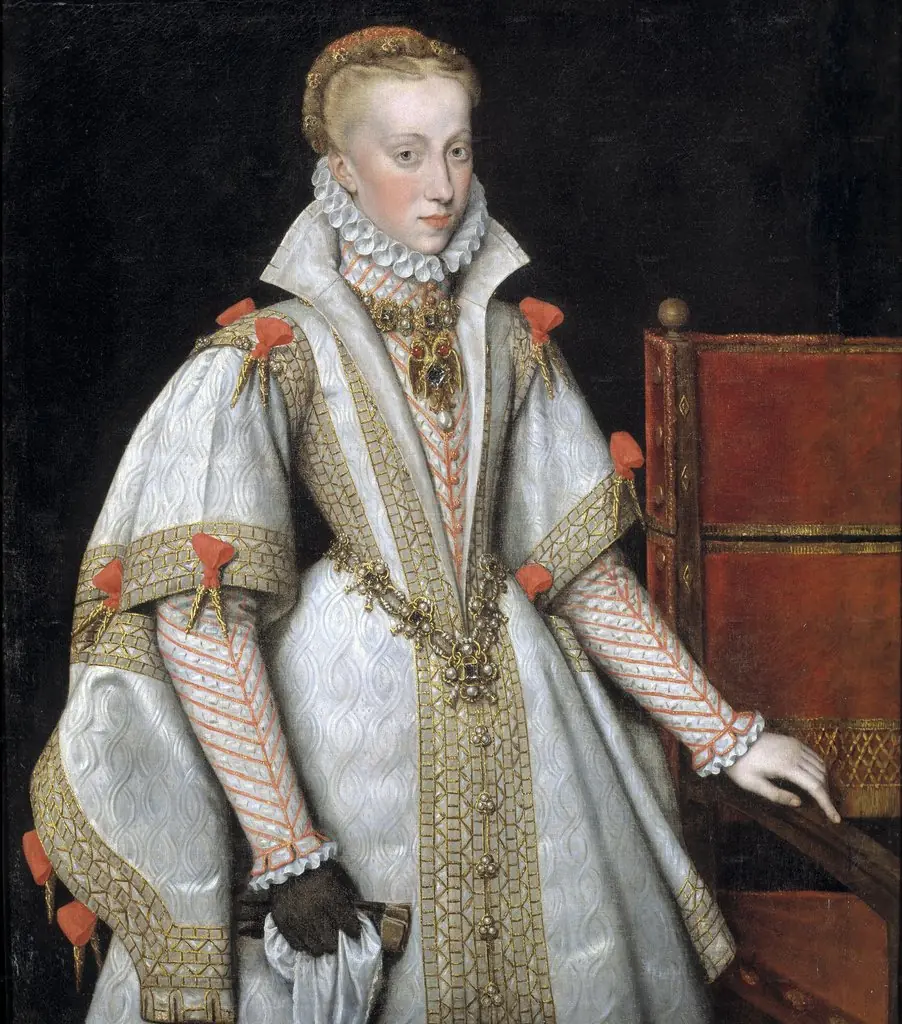 Queen Anne of Austria, fourth Wife of Philip II
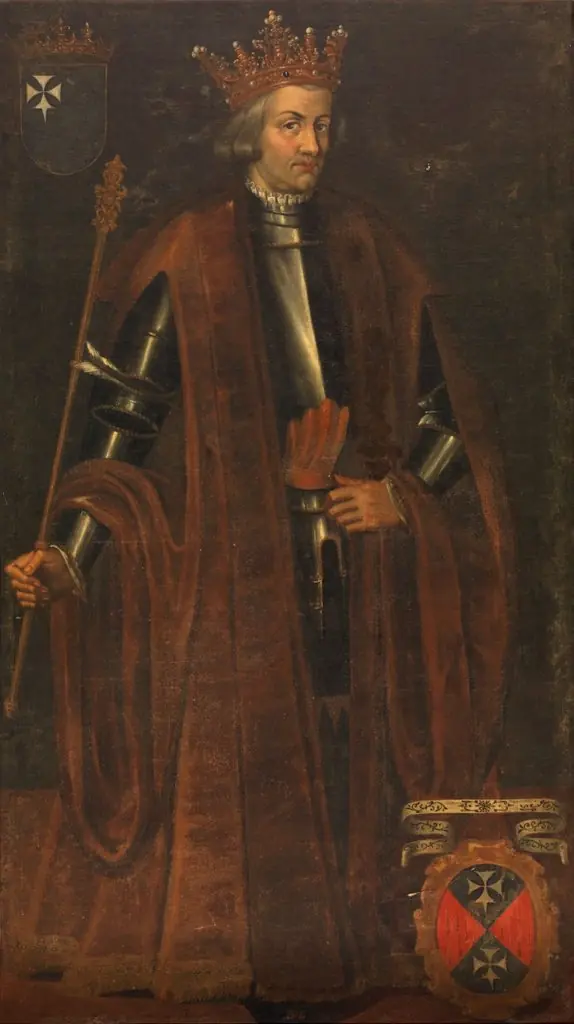 Alfonso IV El Benigno
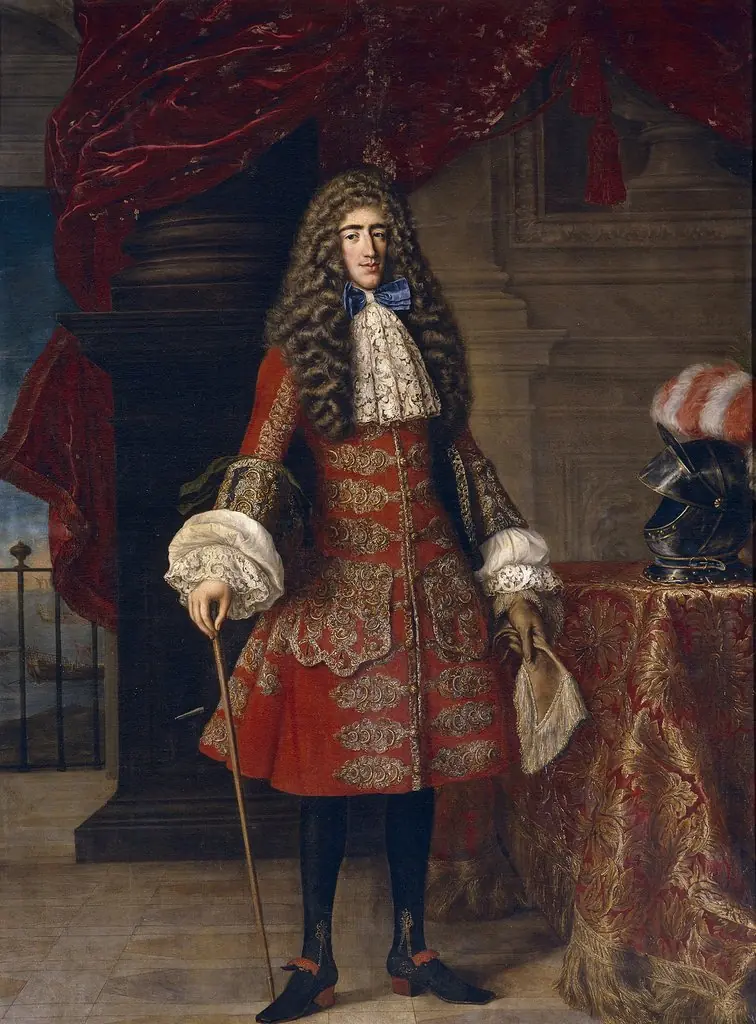 Portrait of Don Luis de la Cerda, later IX Duke of Medinaceli (or Medinacelli), (1654–1711)
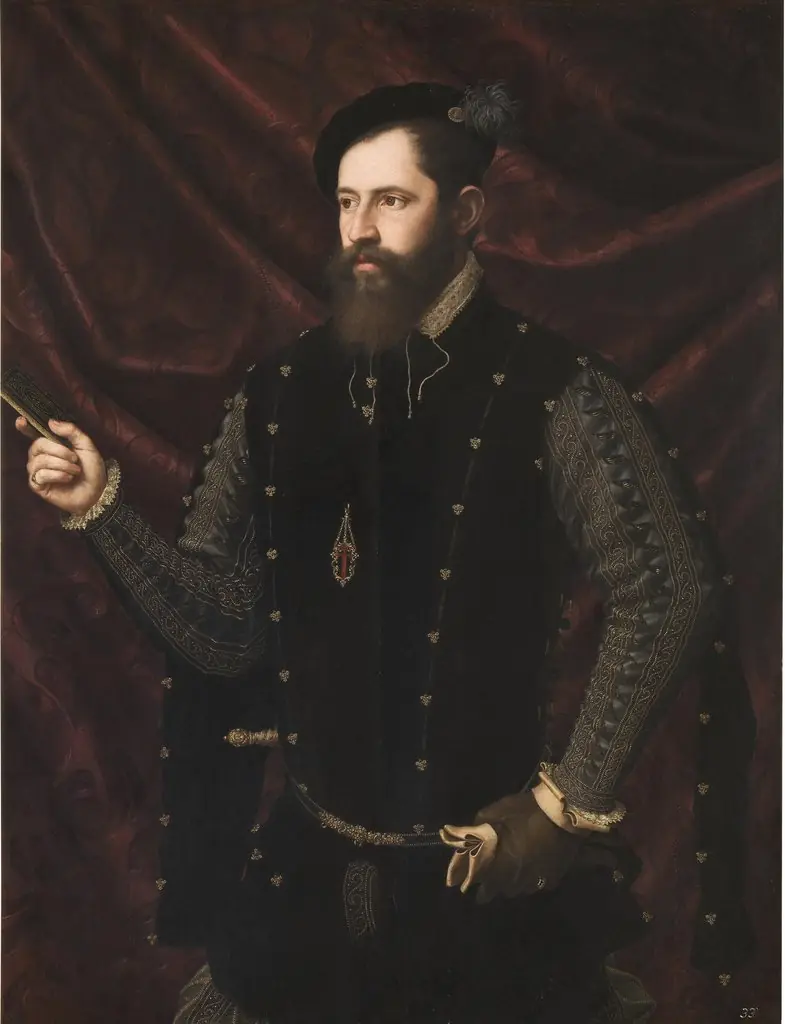 Portrait of a Knight of the Order of Santiago
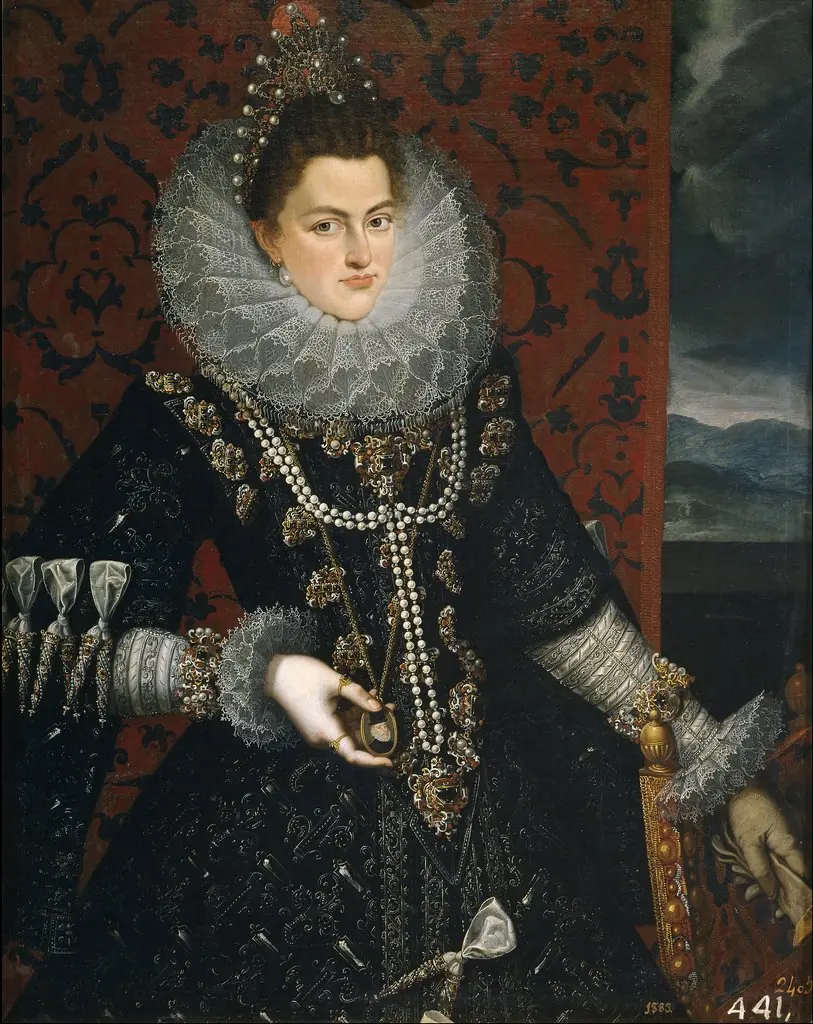 The Infanta Isabel Clara Eugenia
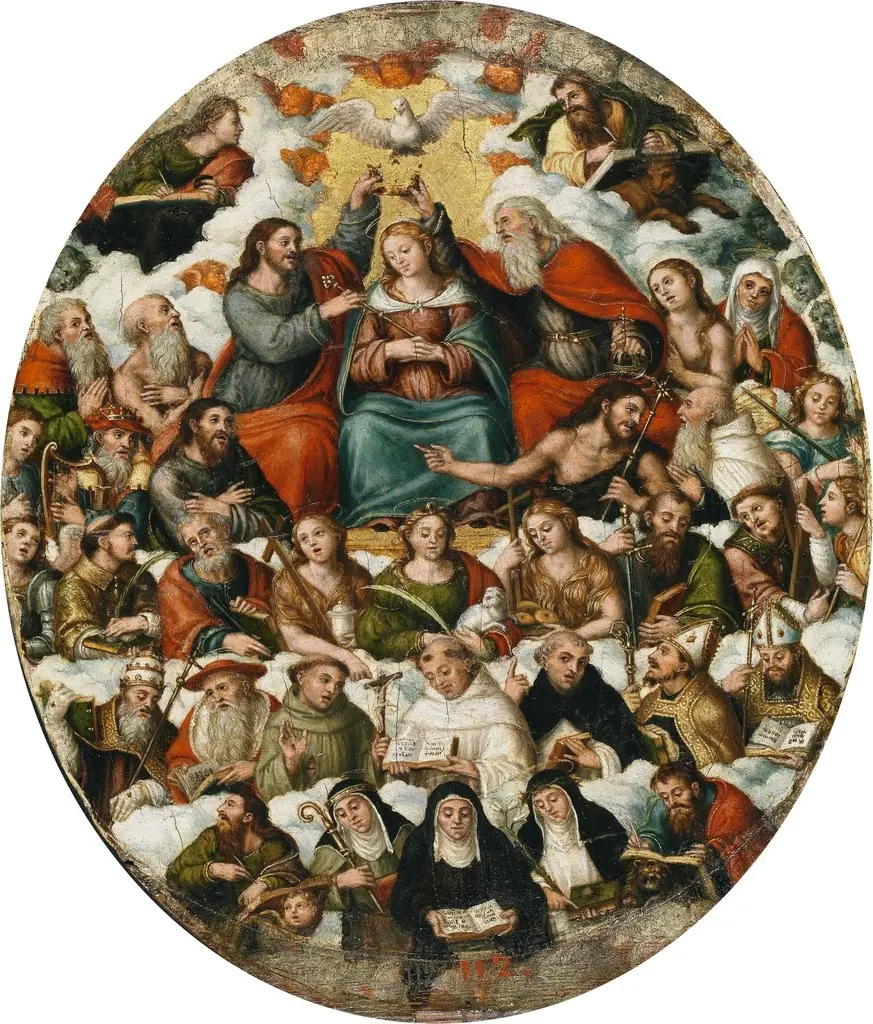 The Coronation of the Virgin
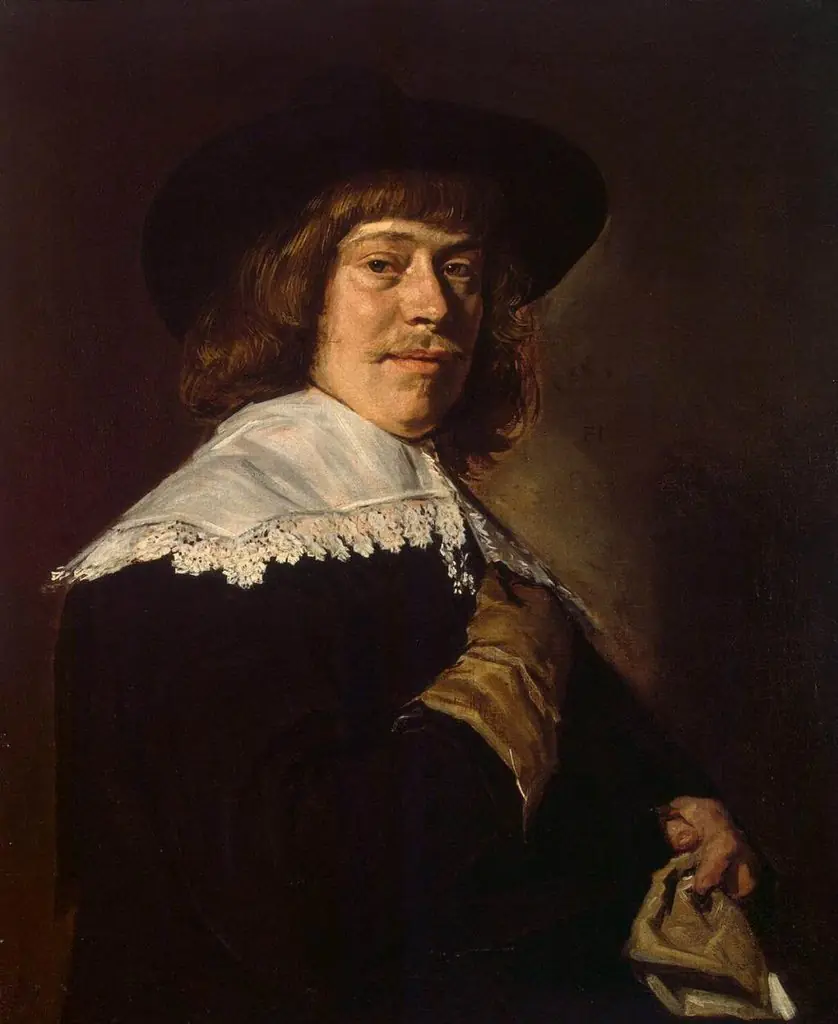 Portrait of a Young Man Holding a Glove
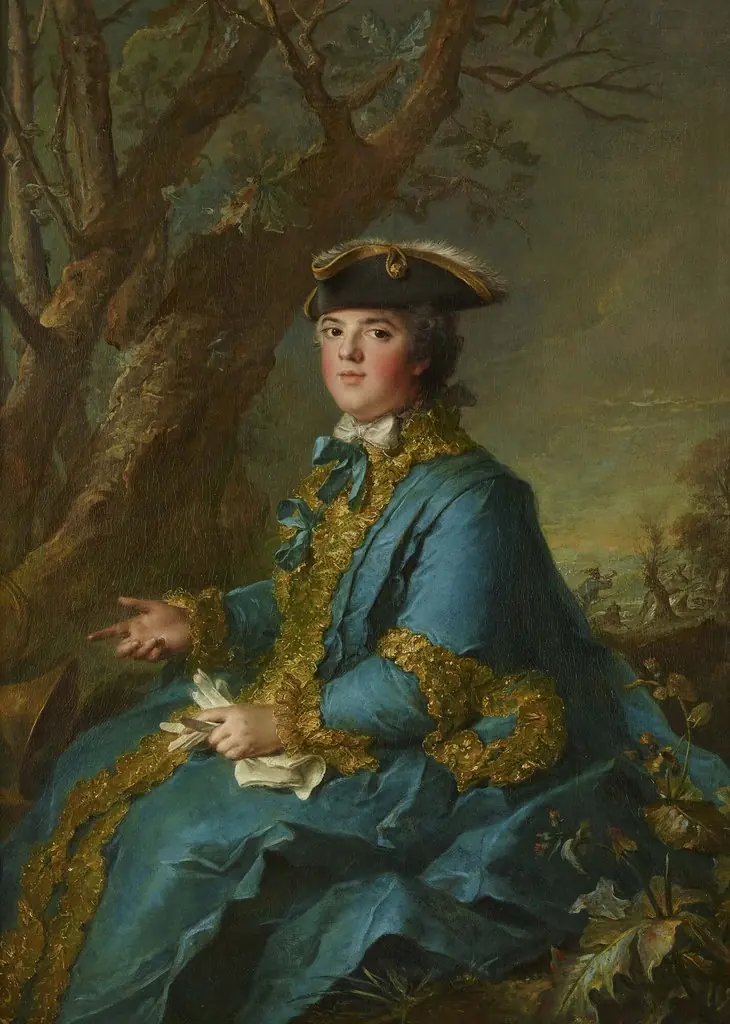 Posthumous portrait of Louise-Élisabeth de France, Duchess of Parma
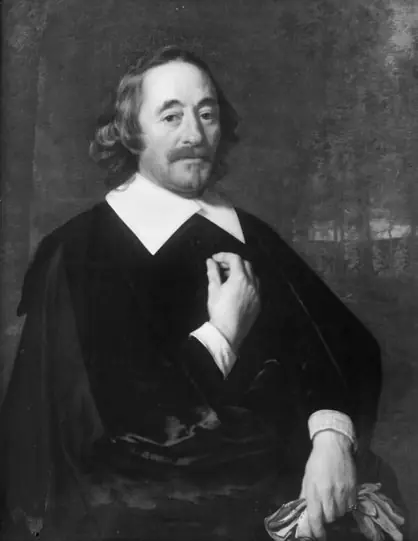 Portrait of a Man
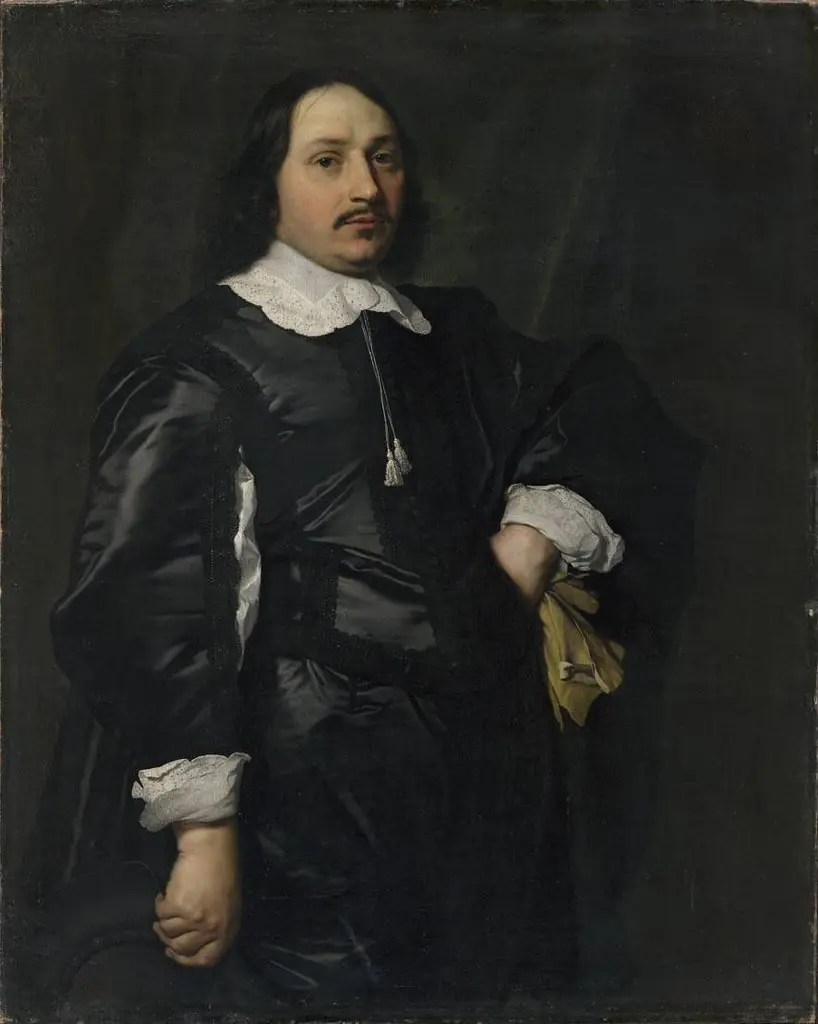 Portrait of a Man in Black
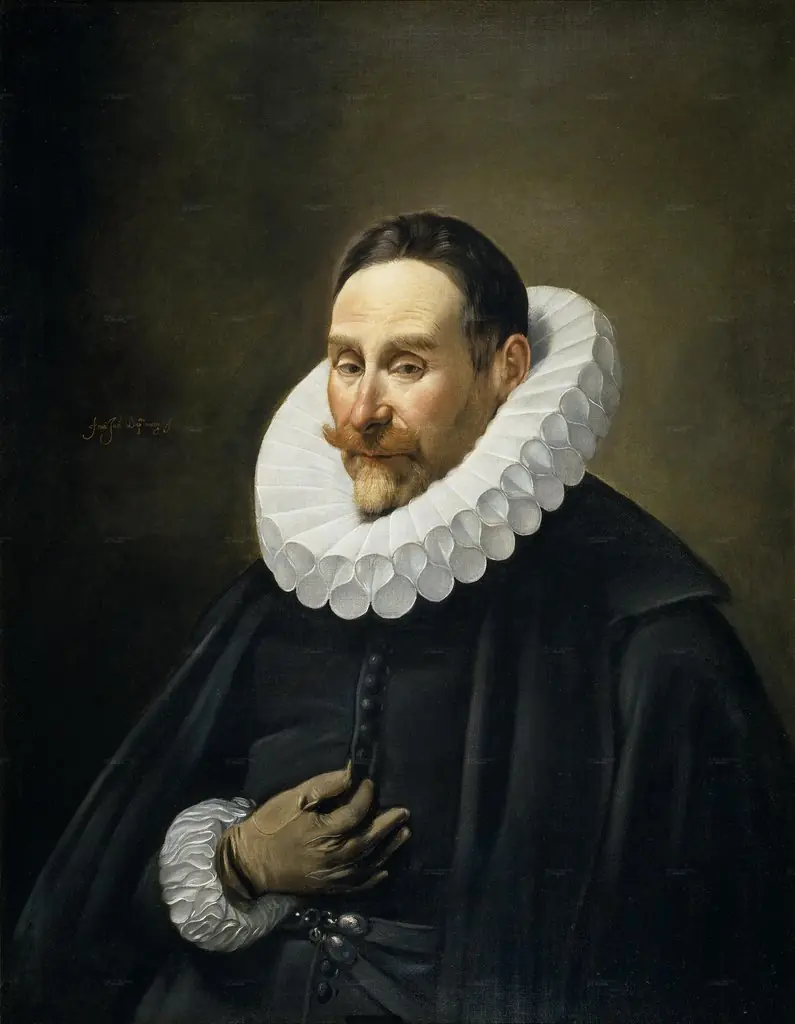 Portrait of a Gentleman
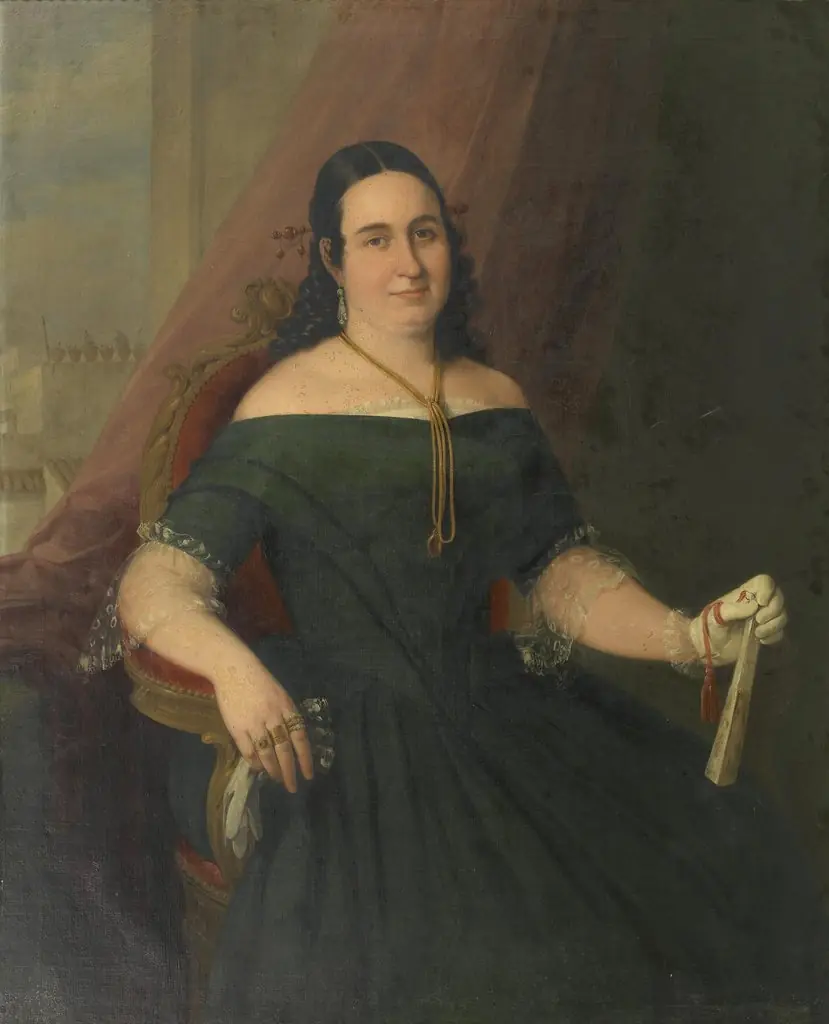 Retrato de señora
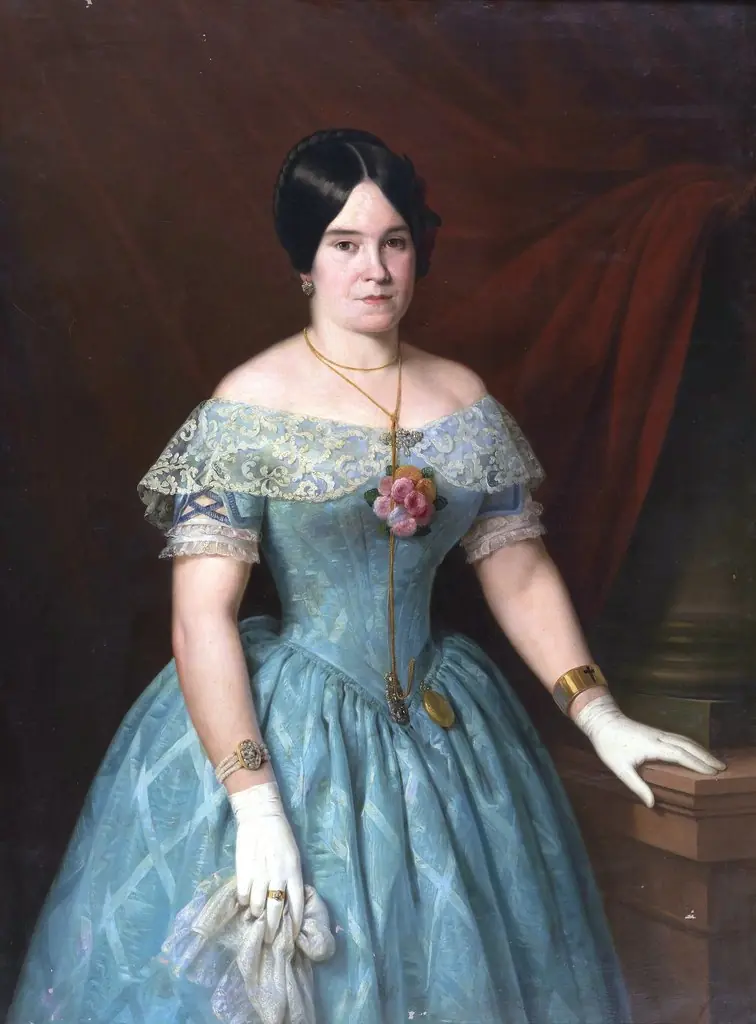 Retrato de señora
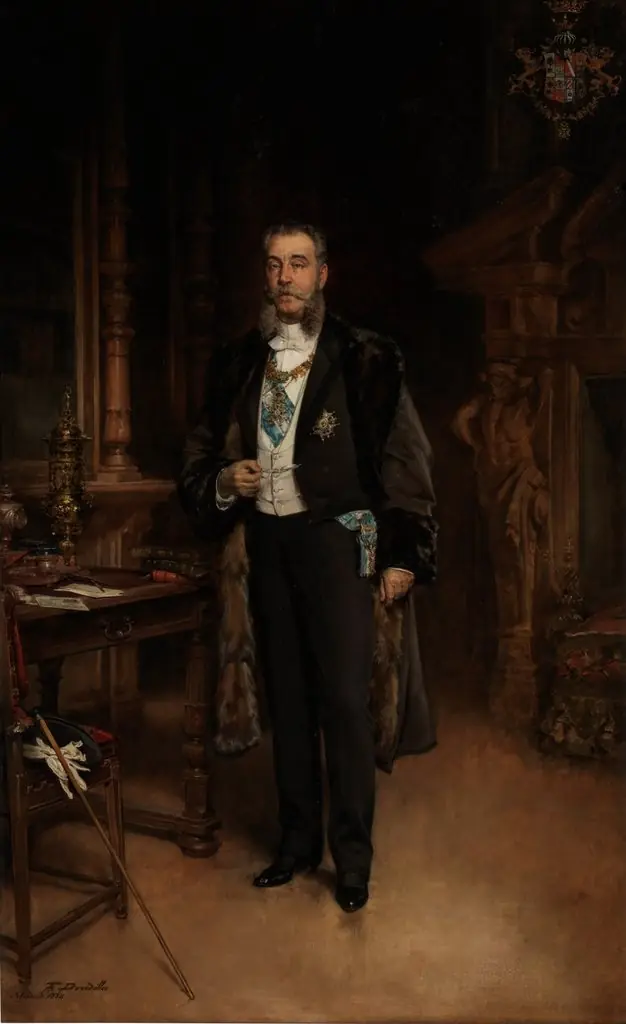 José María de Murga y Reolid I marqués de Linares
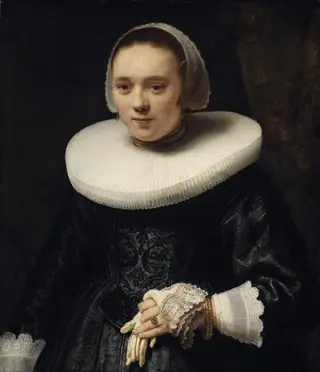 Portrait of a Woman with Gloves
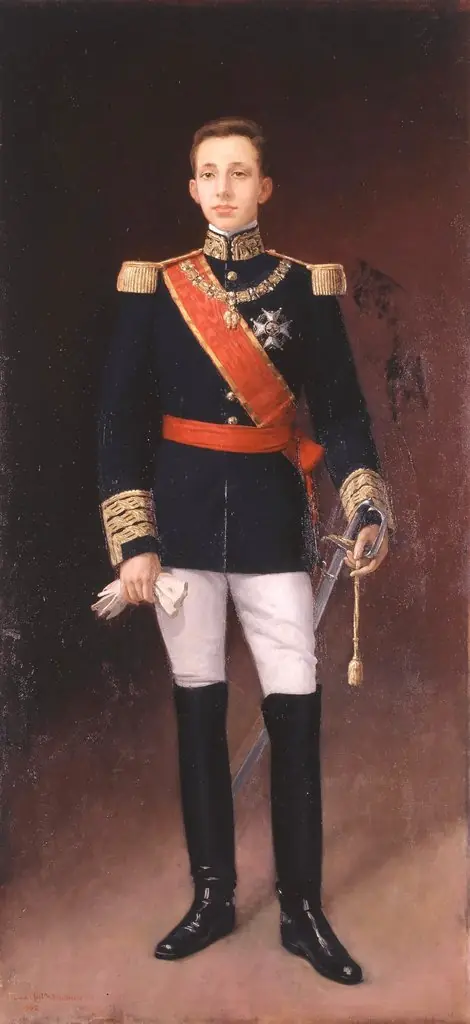 Alfonso XIII
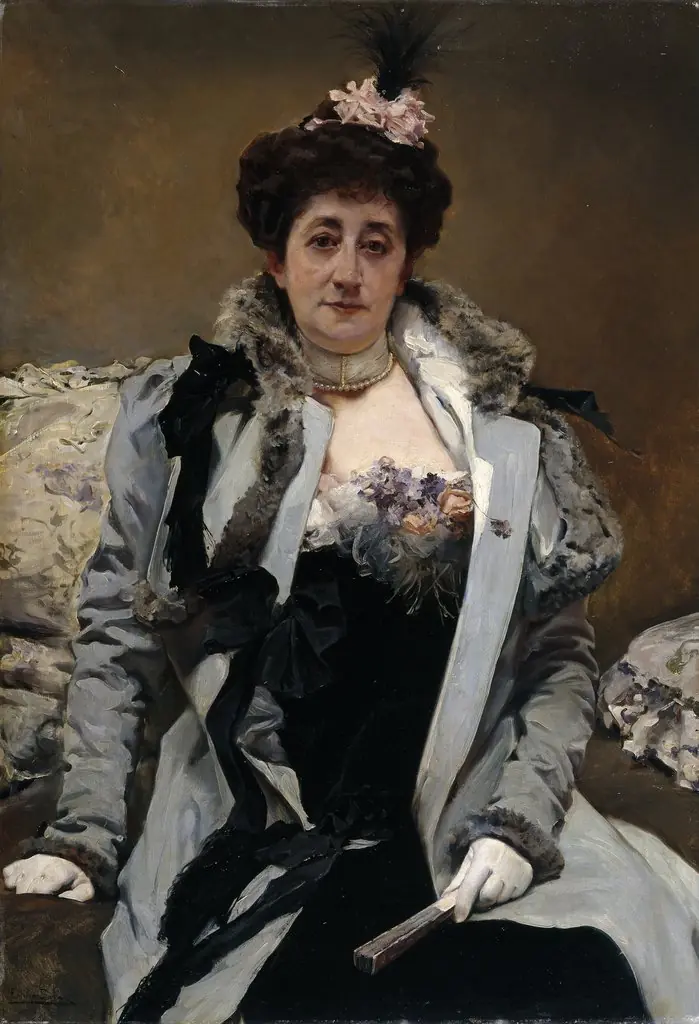 María Semprún y Pombo
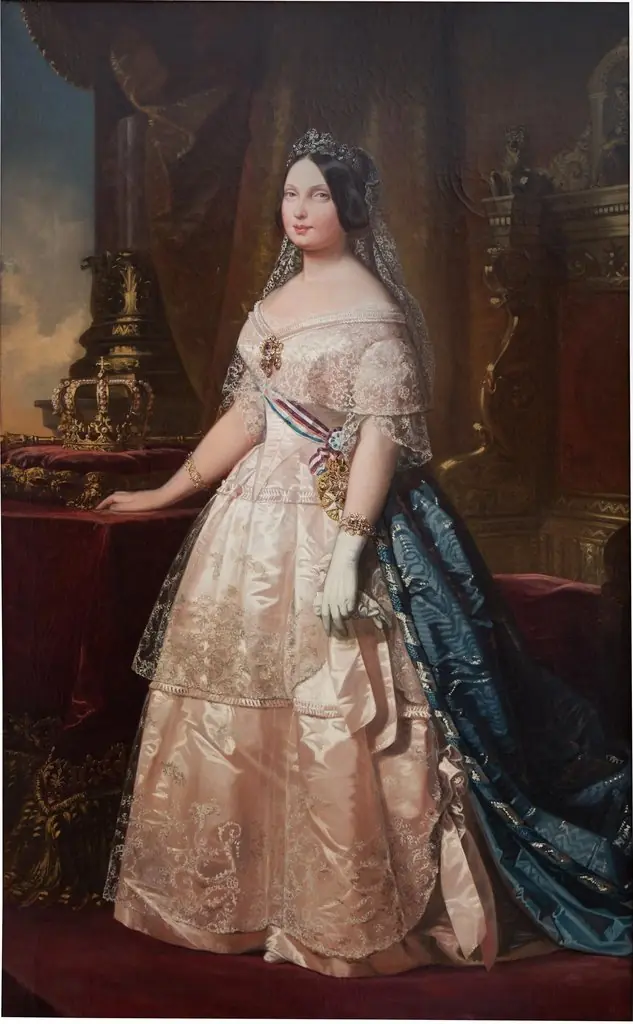 Isabel II
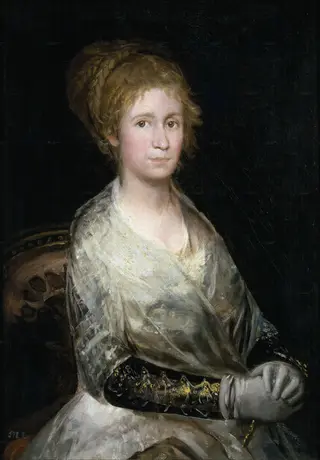 Josefa Bayeu
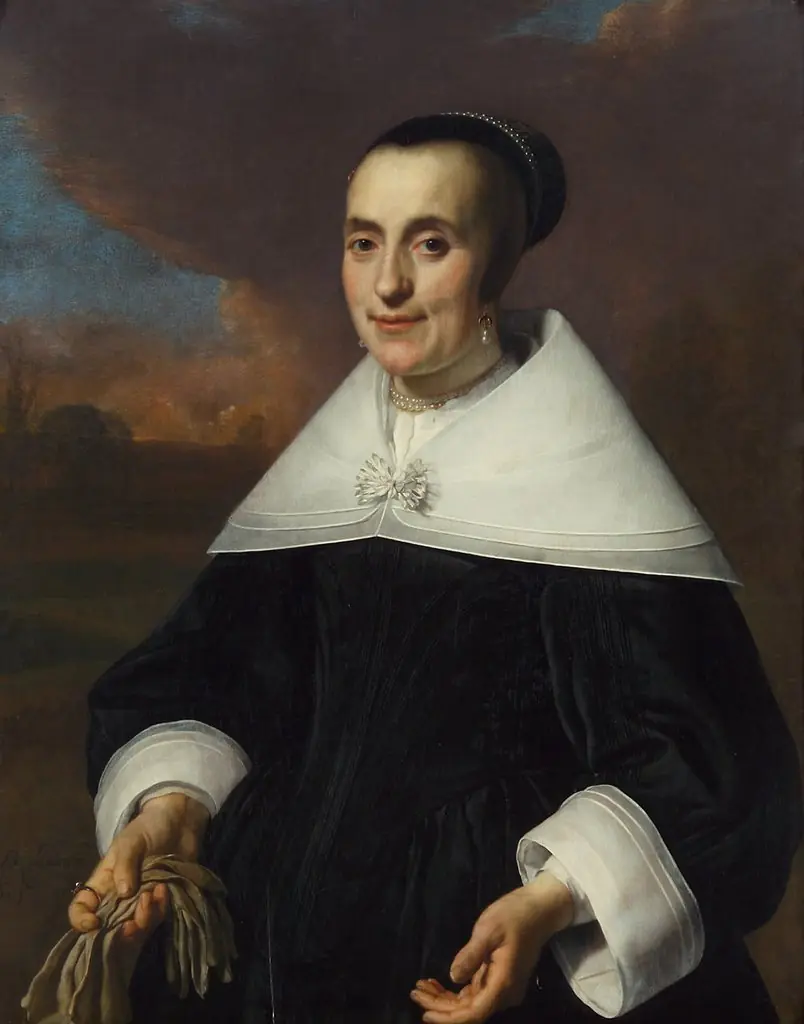 Portrait of a Lady
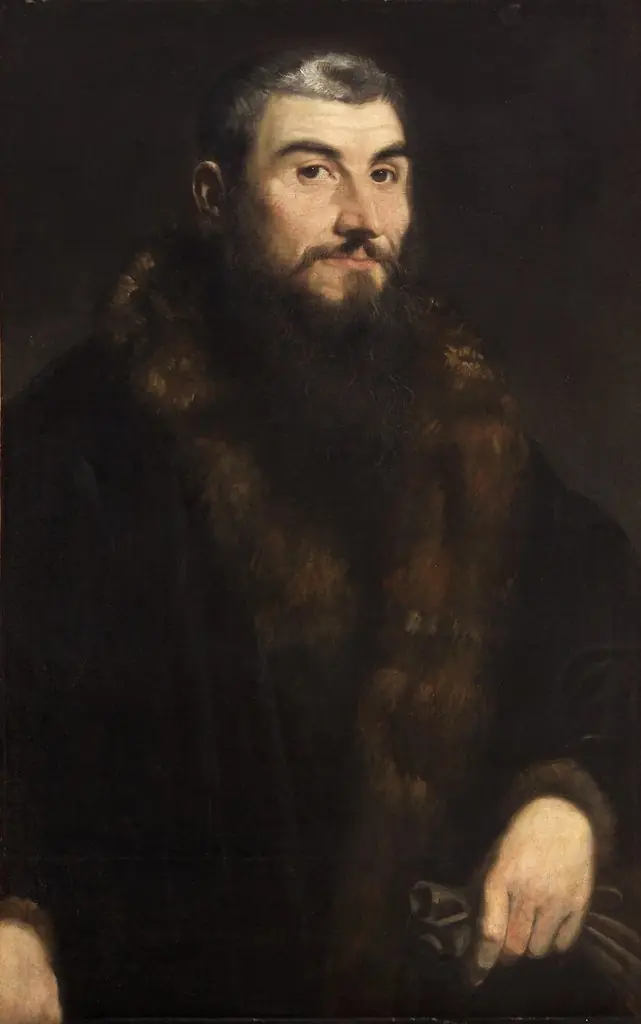 Portrait of a Man in Fur-lined Coat with Gloves
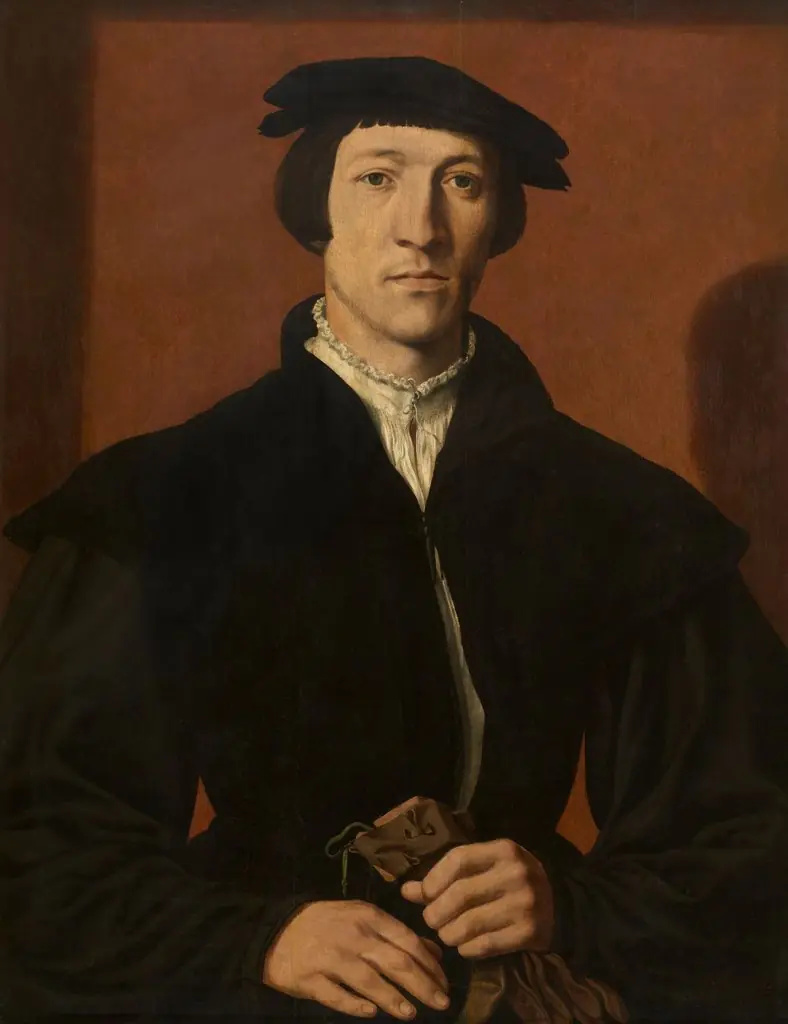 Portrait of a Man
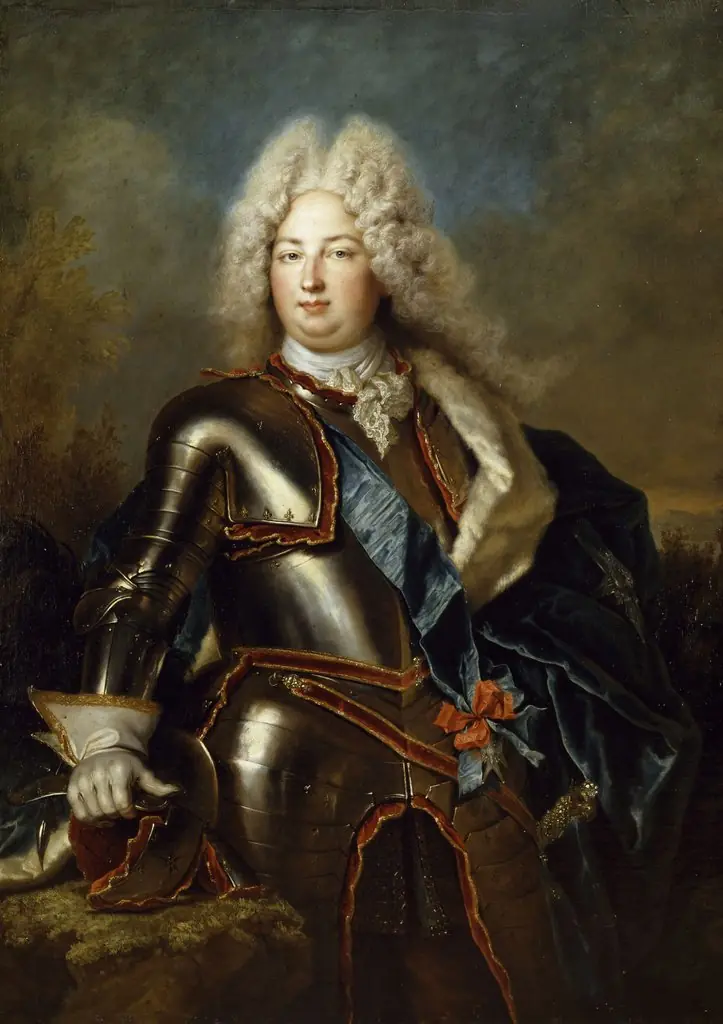 Charles of France, Duke of Berry
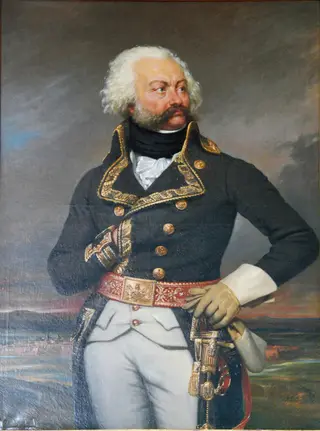 Adam-Philipe, comte de Custine, general-in-chief of the army of the Rhine in 1792 (1742-1793)
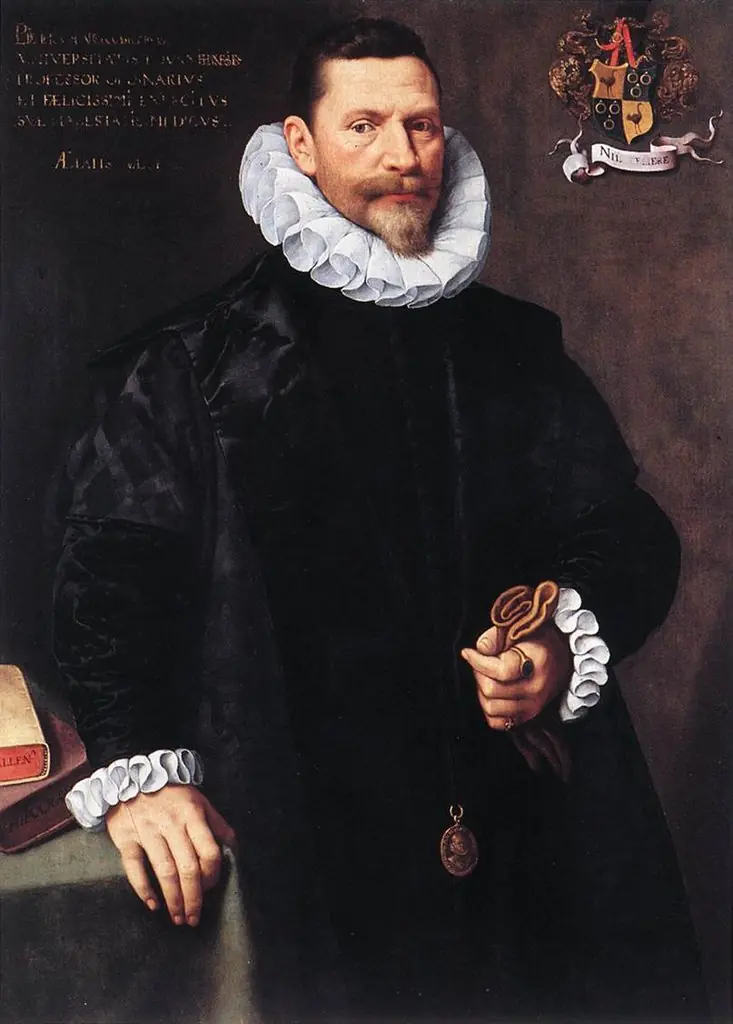 Portrait of Petrus Ricardus
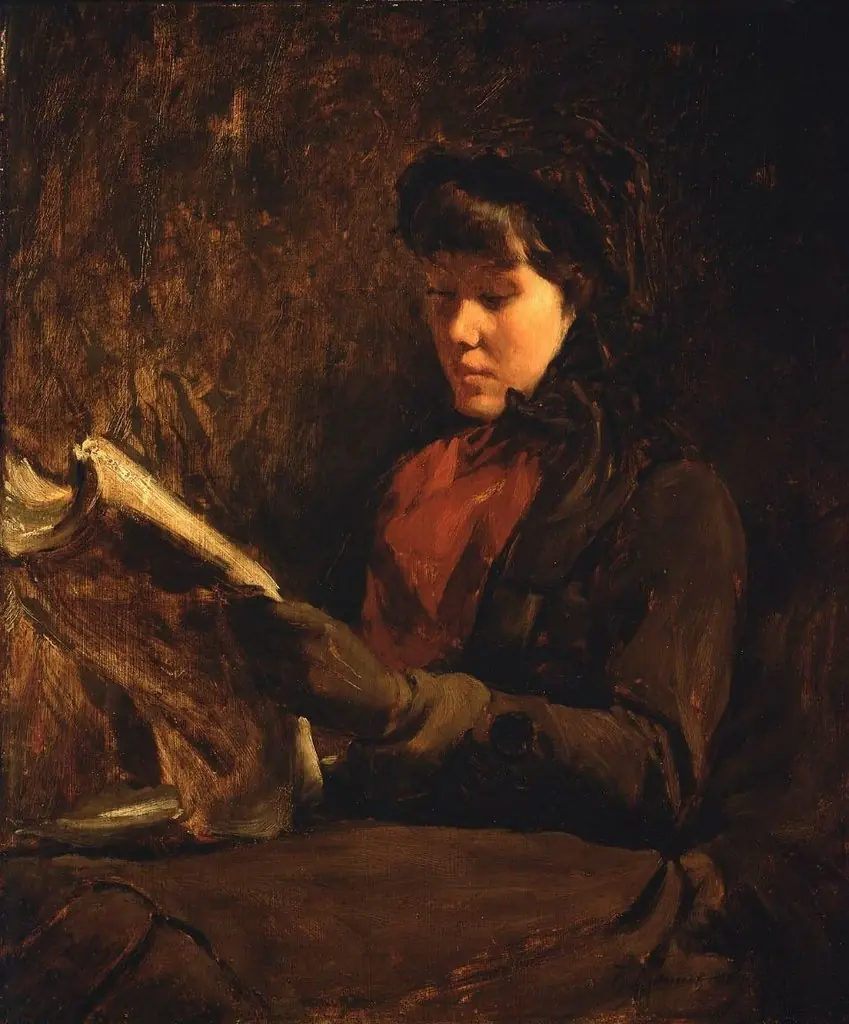 A Girl Reading
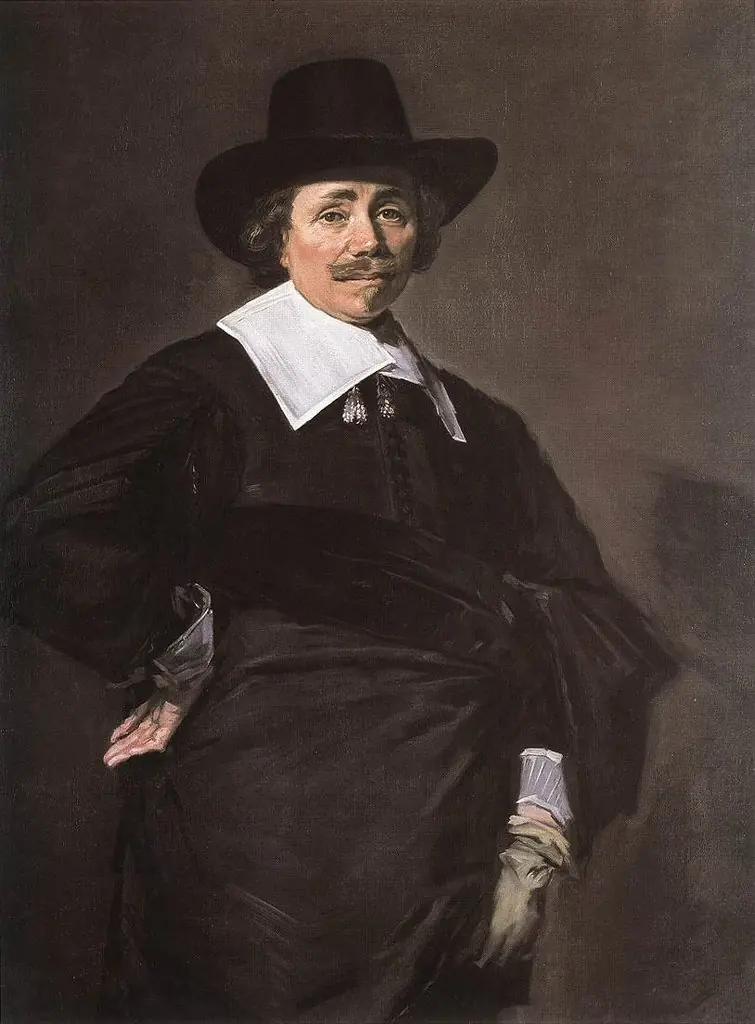 Portrait of a man
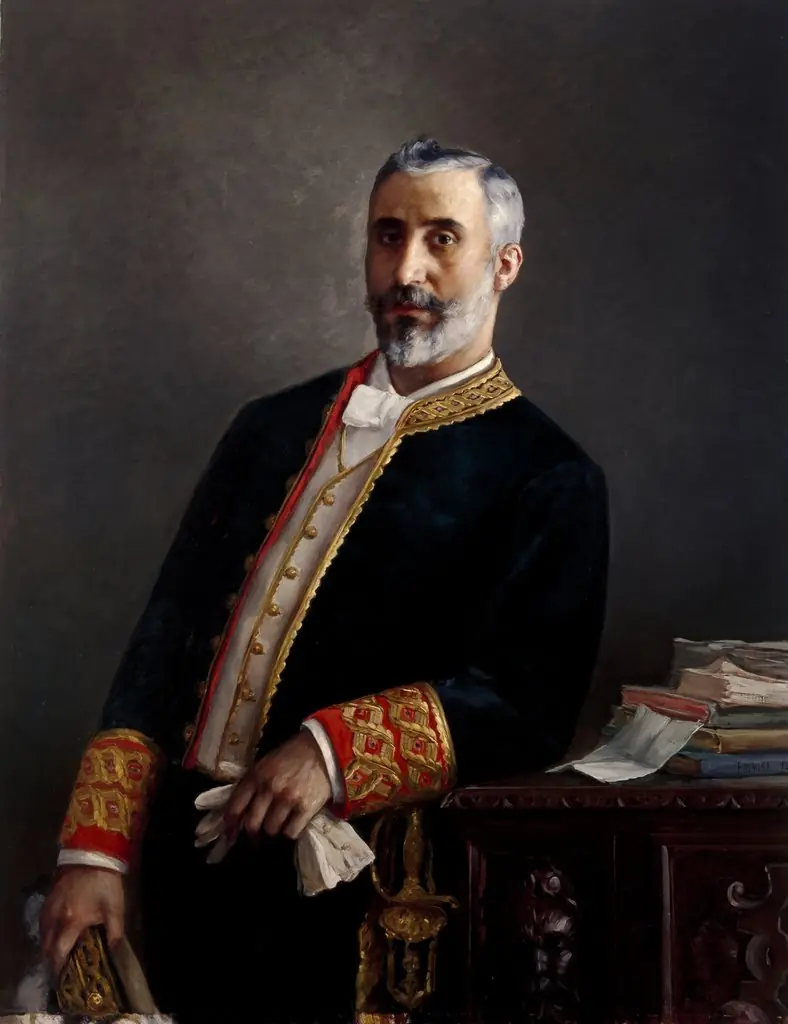 Antonio Maura ministro de Ultramar
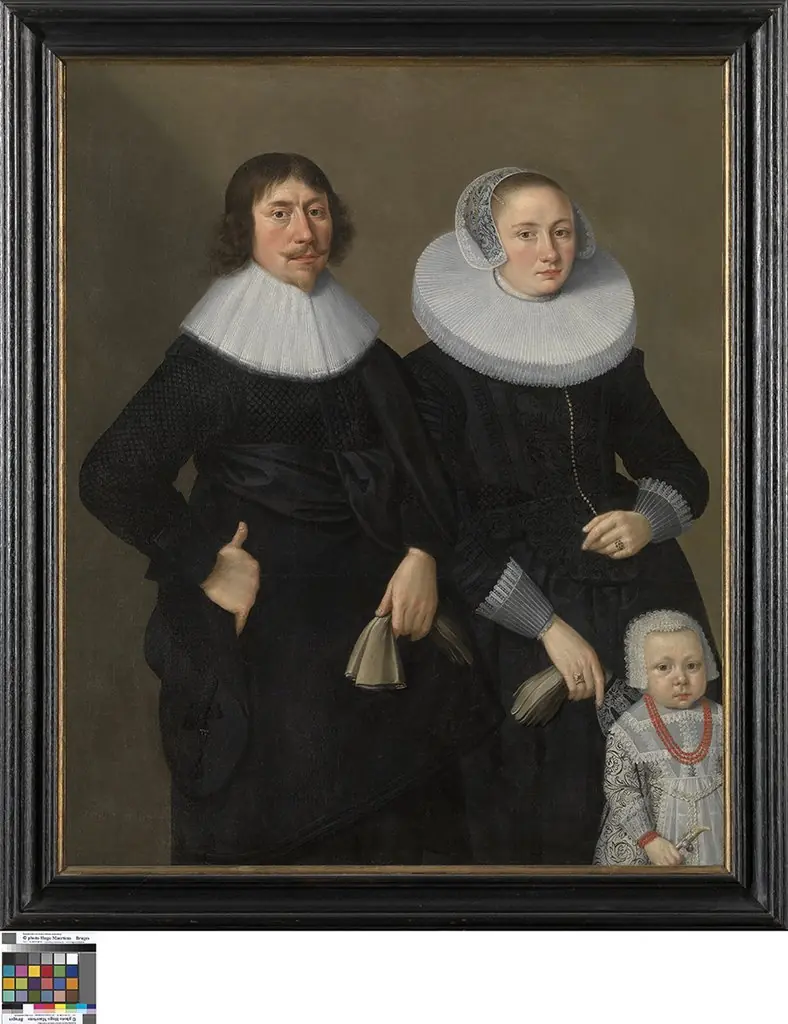 family portrait
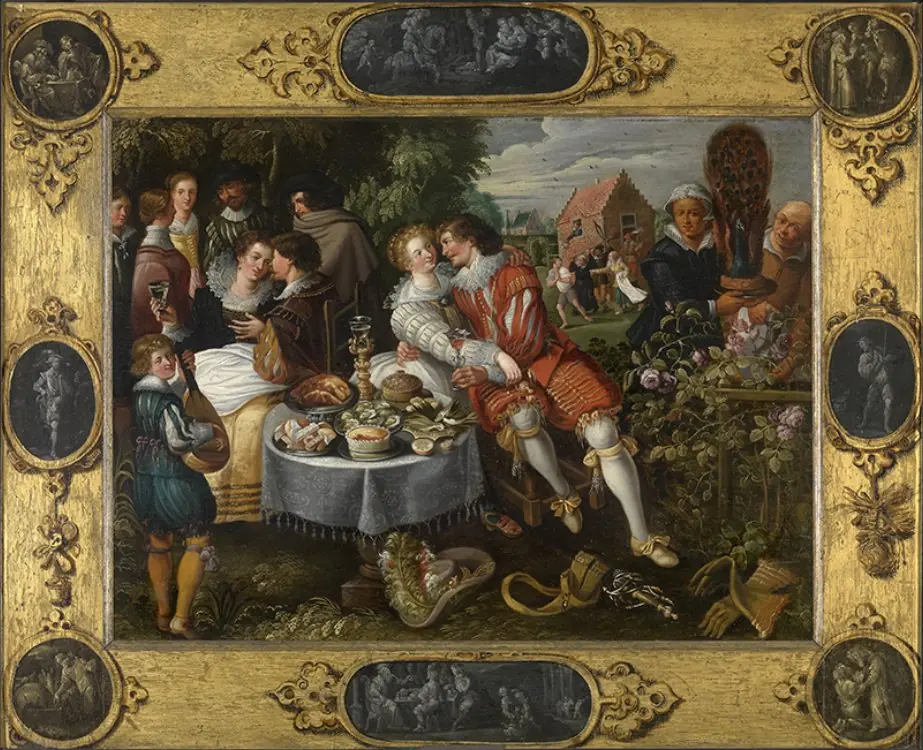 Verloren zoon
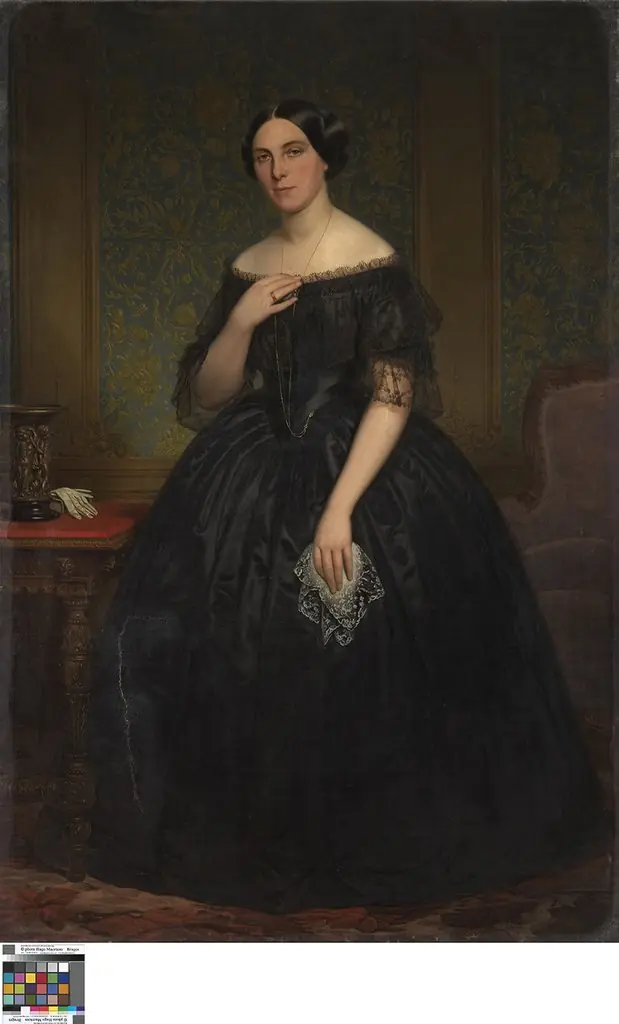 Portret van Beatrix van Herreweghe
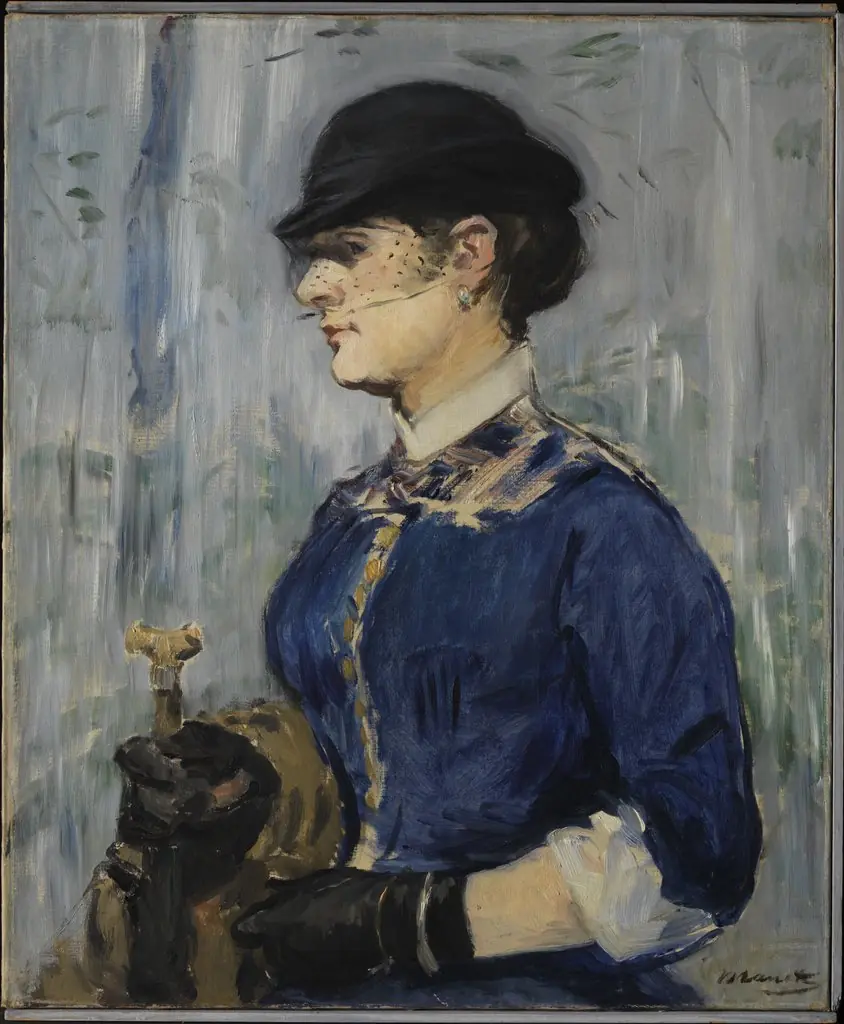 Young Woman in a Round Hat
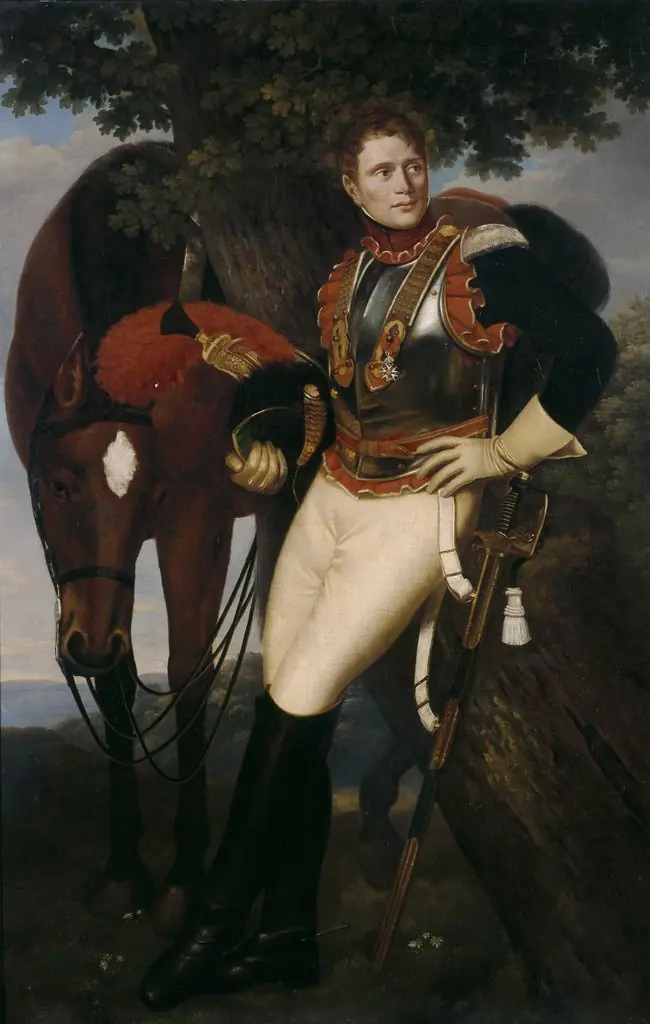 El coracero Jean Baptiste Poret-Dulongval
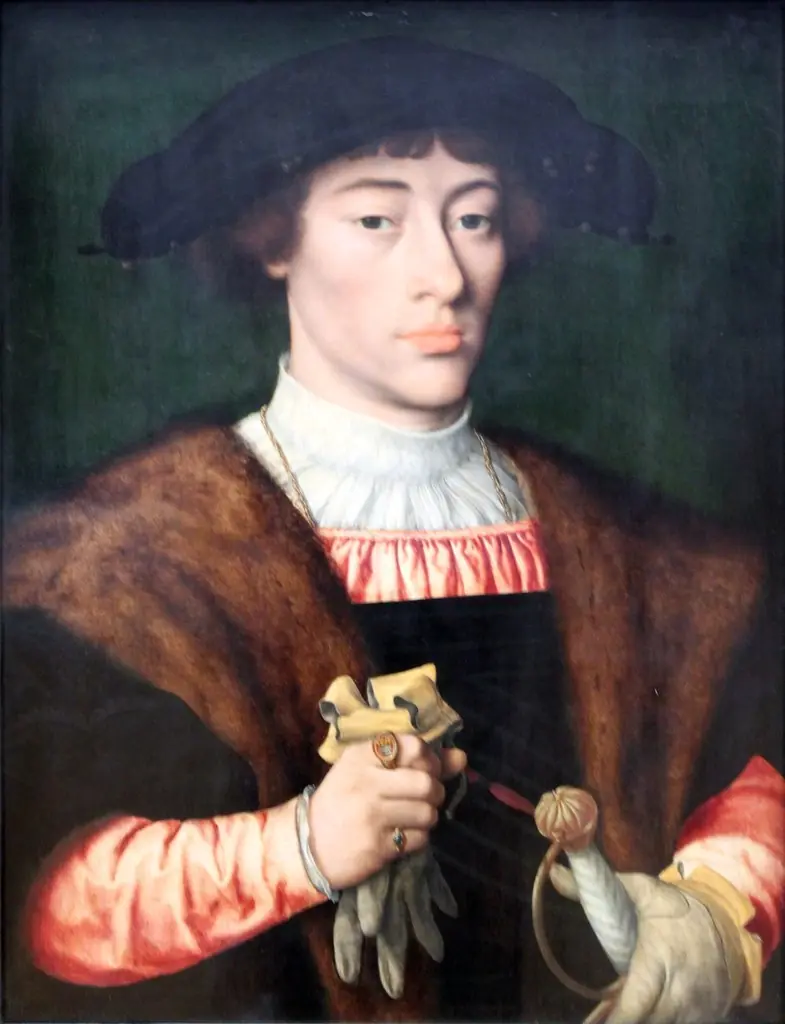 Portrait of a Man with Gloves
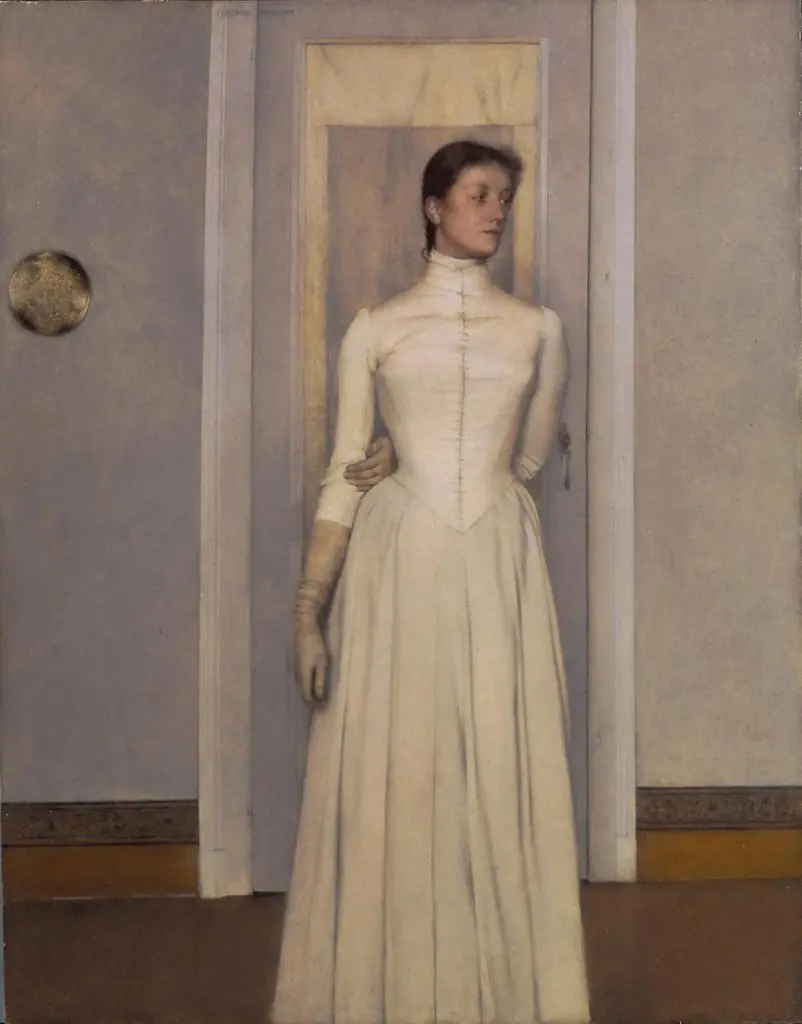 Portrait of Marguerite Khnopff
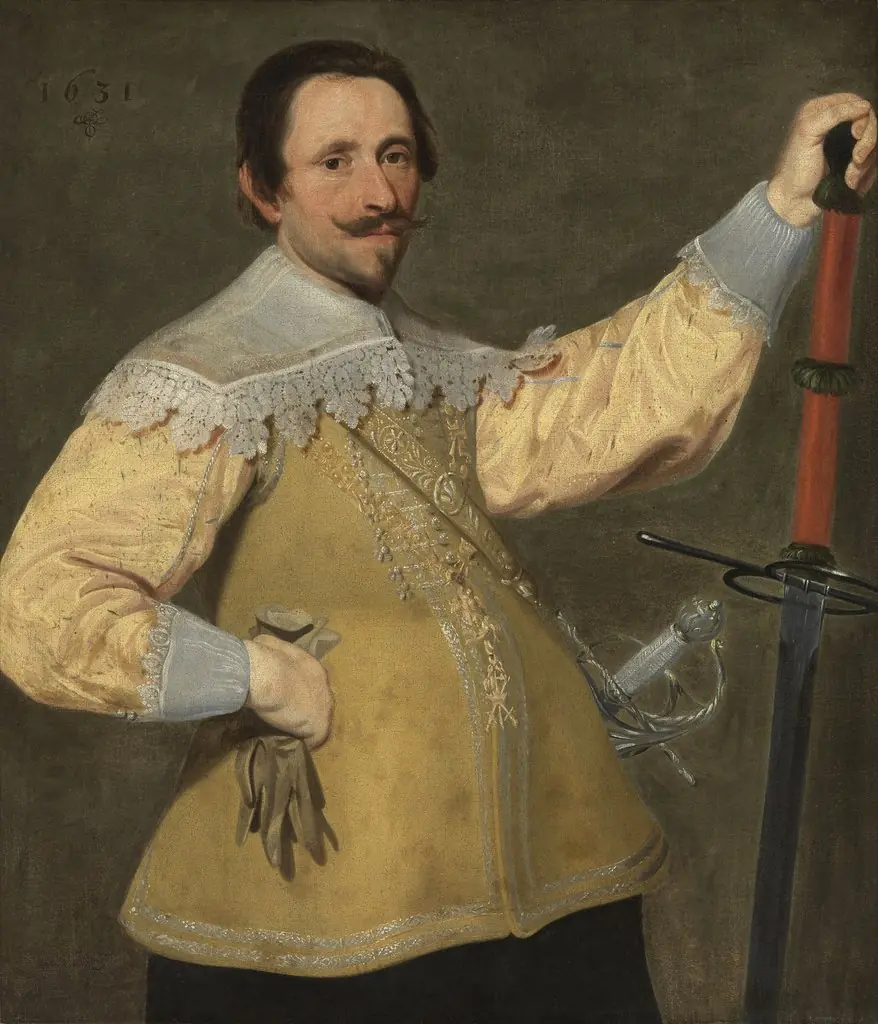 Portrait of a Dean of the St. Michael's Guild in Bruges
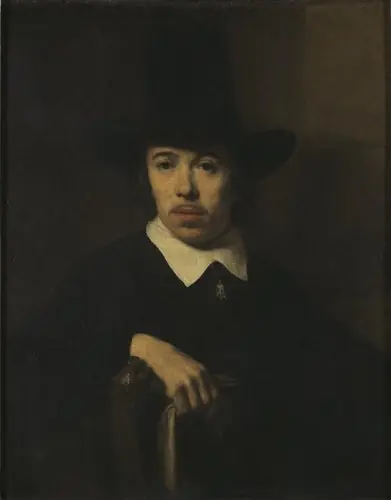 Portrait of a Man
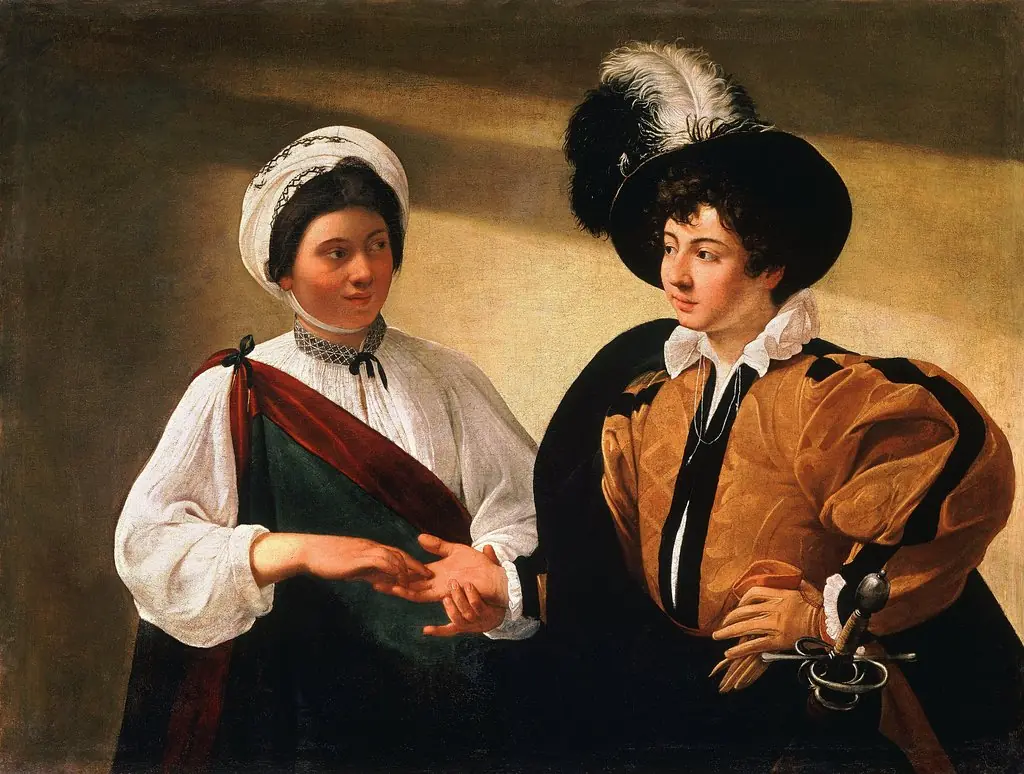 The Fortune Teller
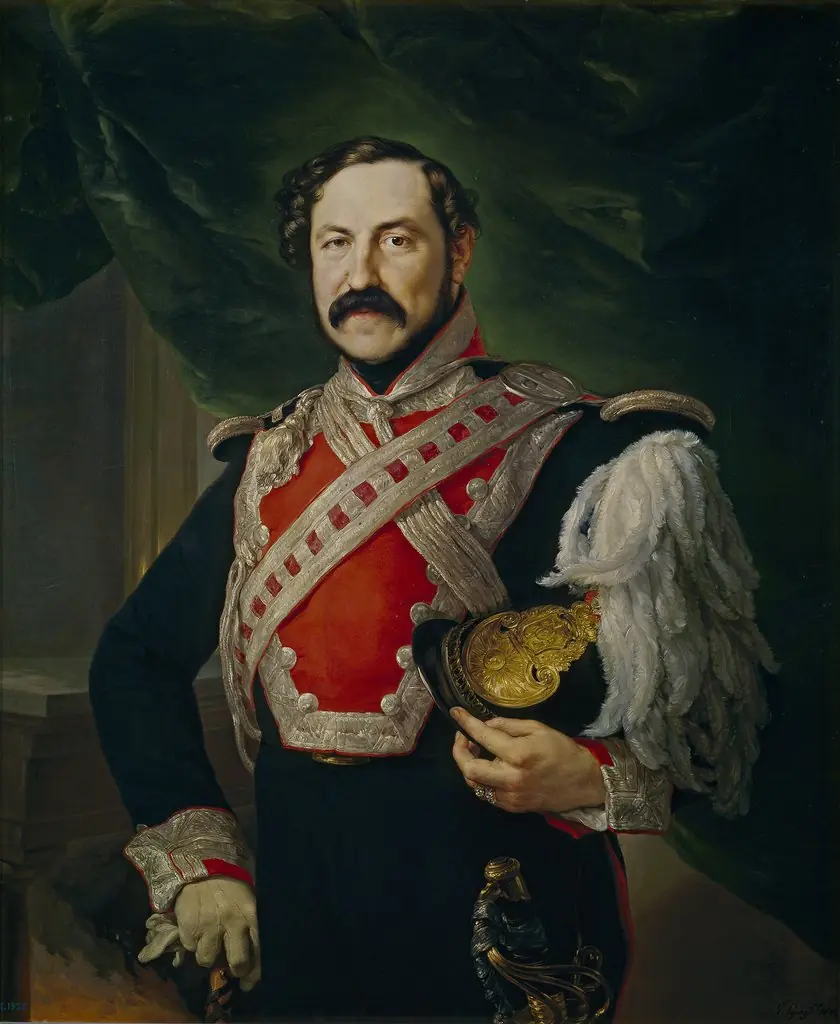 El coronel Juan de Zengotita Bengoa
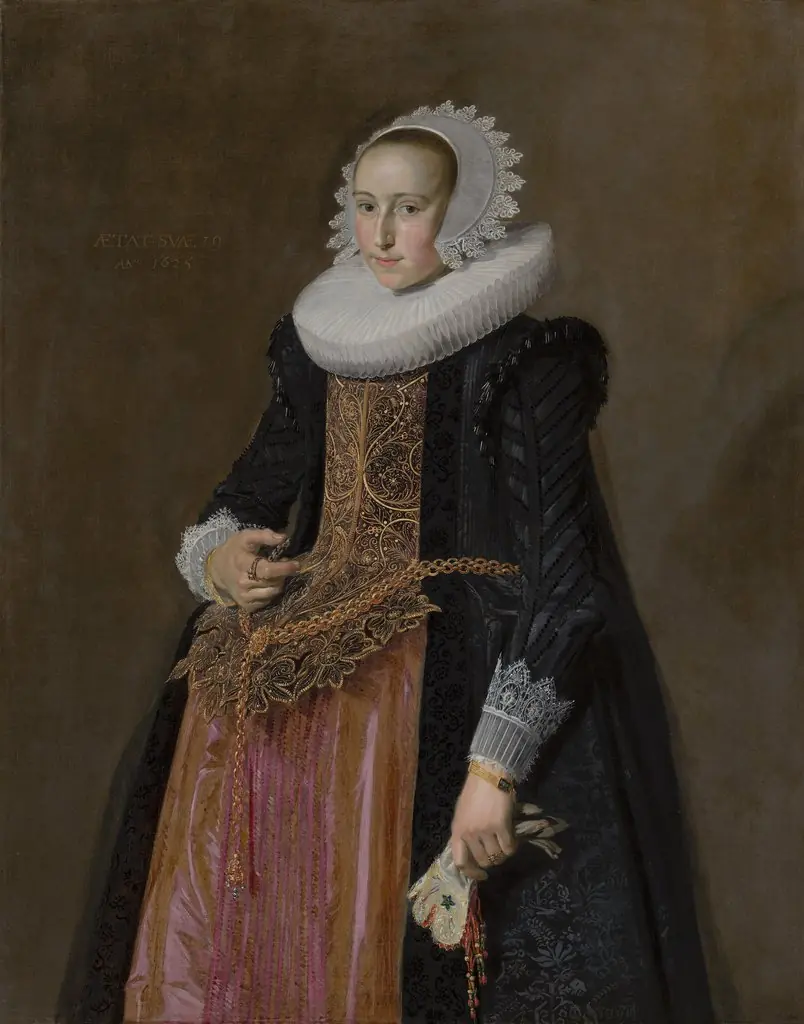 Portrait of Aletta Hanemans (1606–1653)
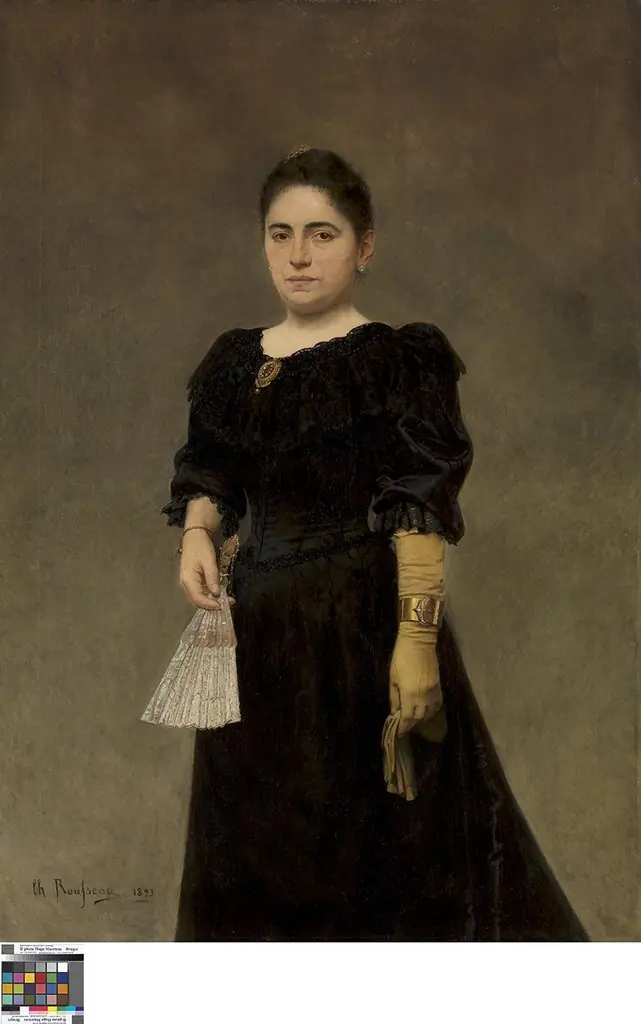 Portret van Honorine Dugardein
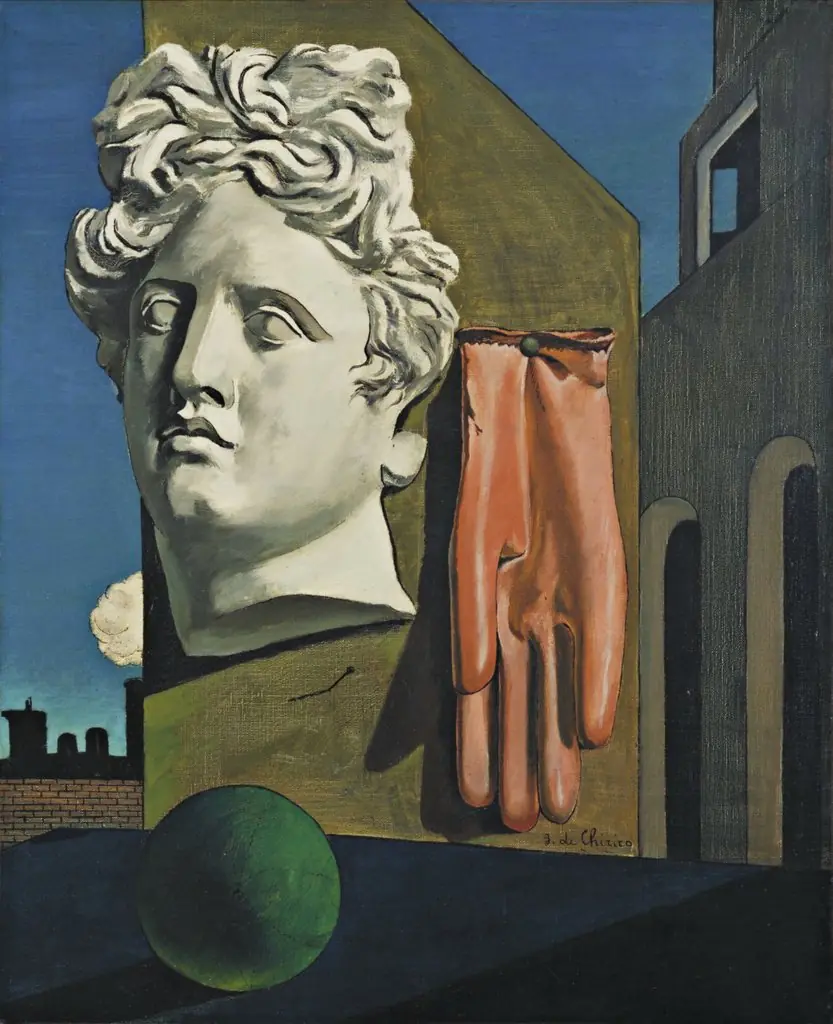 The Song of Love
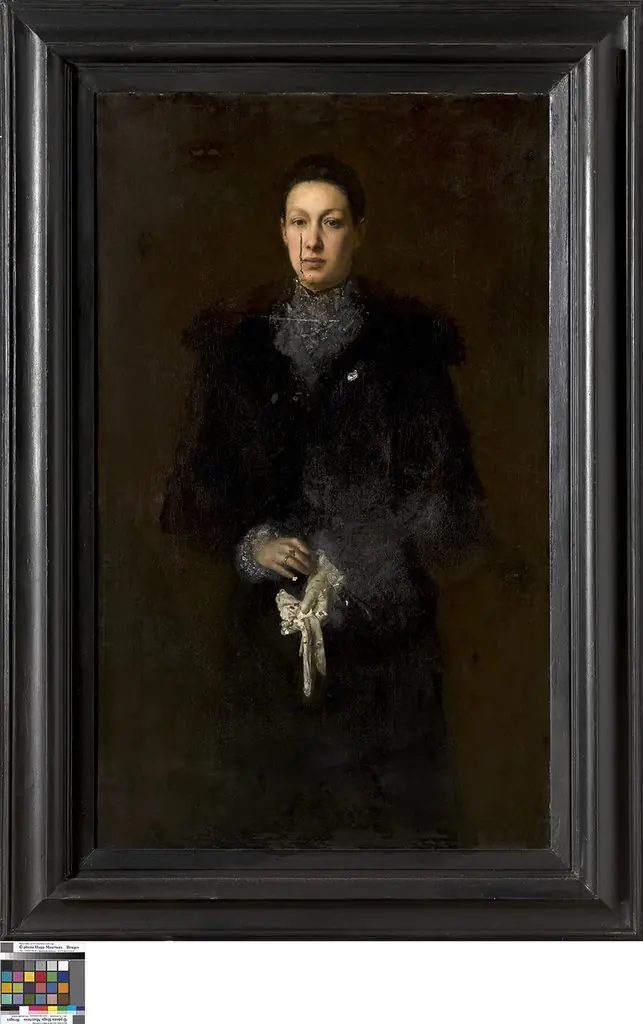 Portrait of Honorine Van Hove-Velle
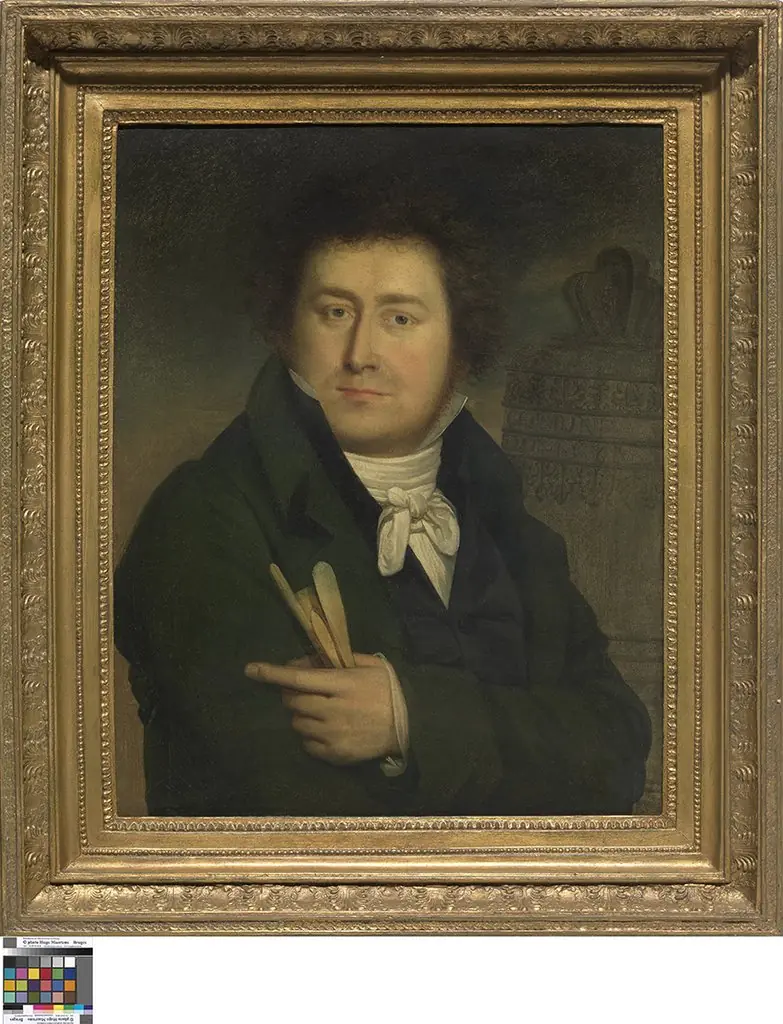 Portret van Jacobus Dumery
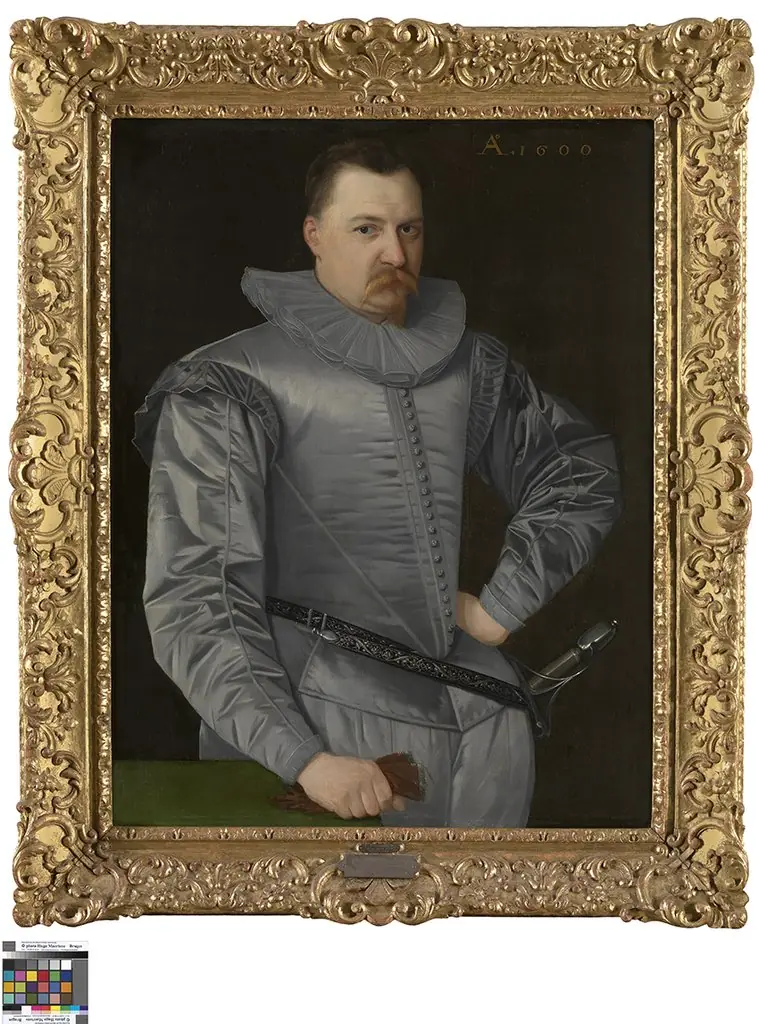 Portret van een man
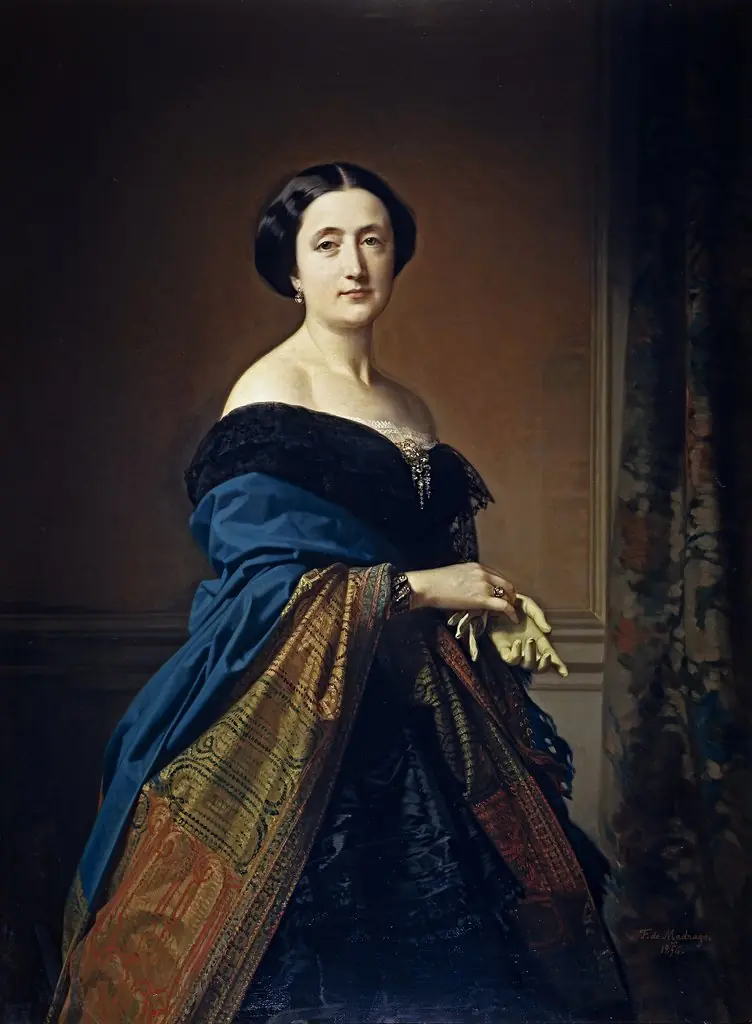 Saturnina Canaleta de Girona
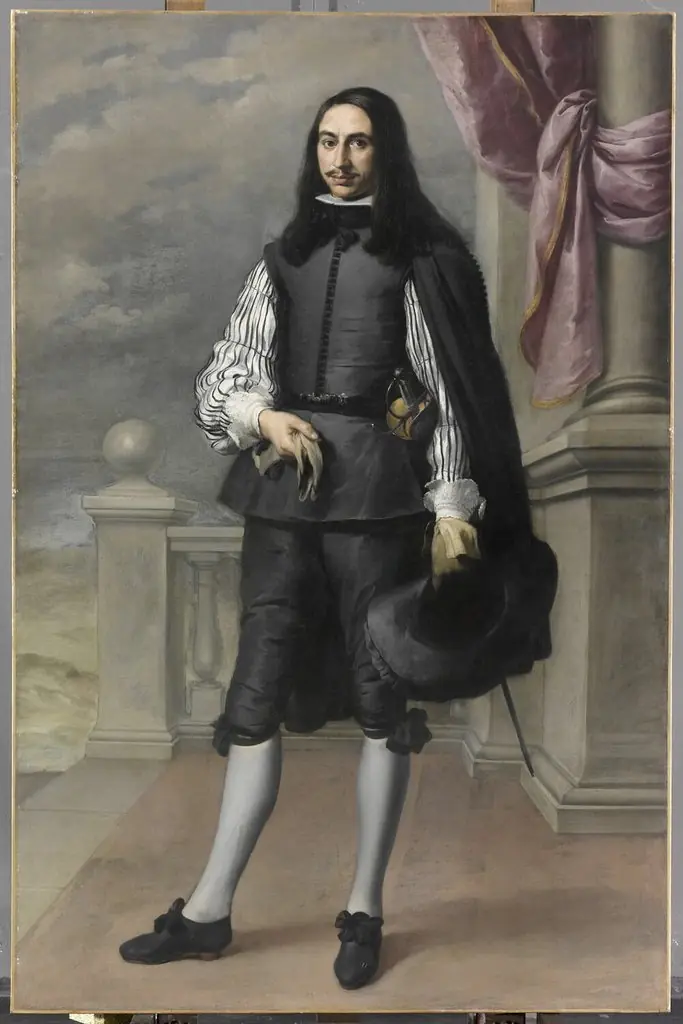 Portrait of Íñigo Fernández de Velasco
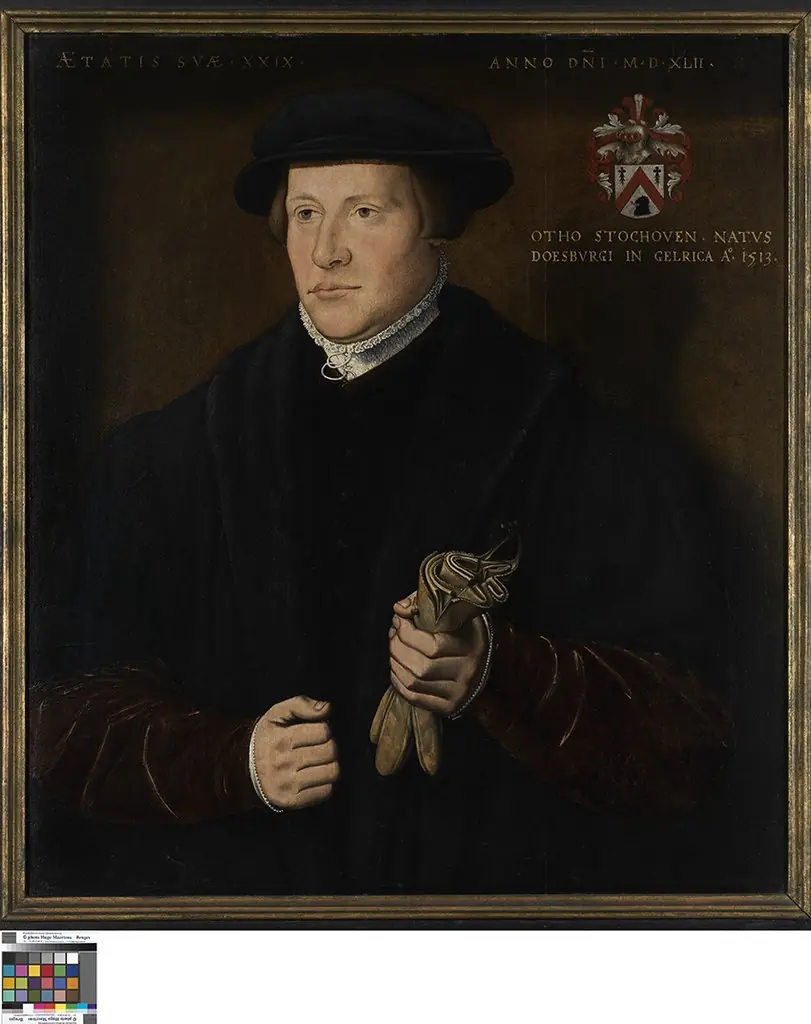 Portrait of Otho Stochoven
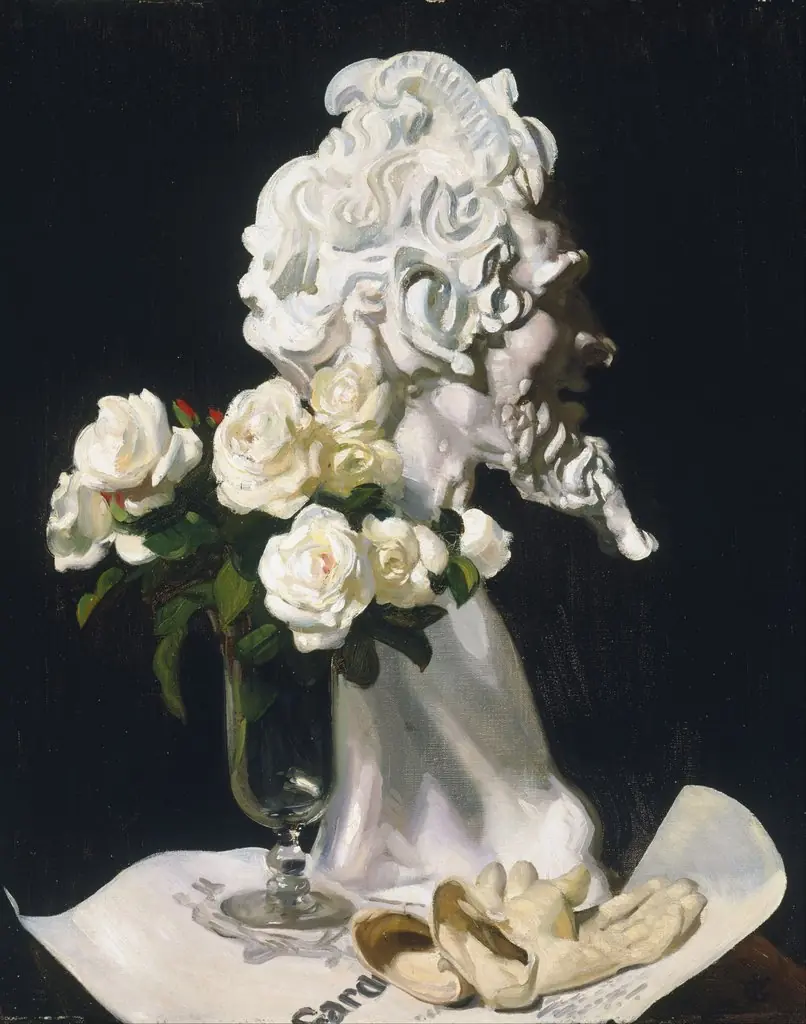 Pan is dead (still life)
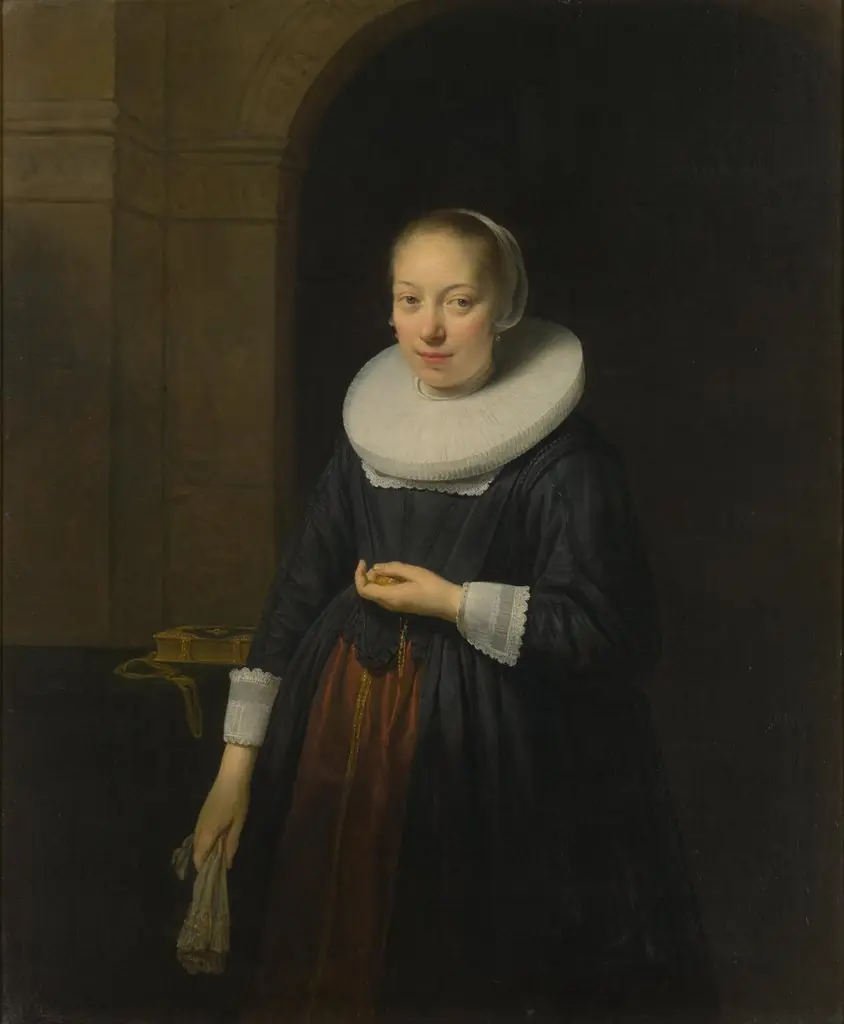 Portrait of a Lady
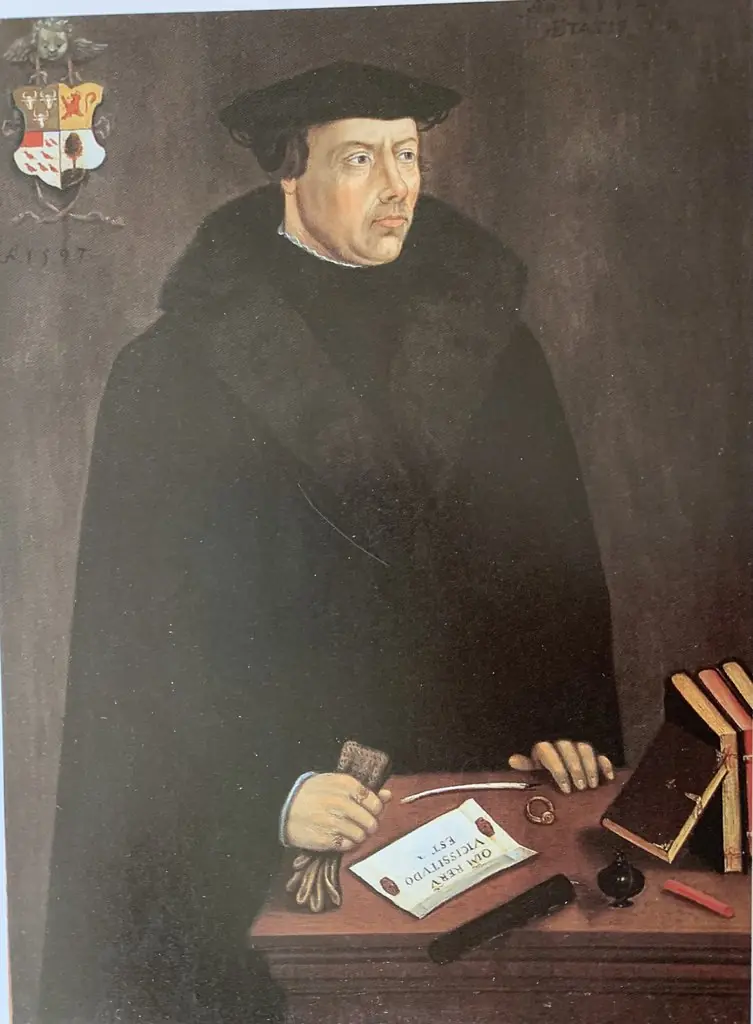 Portrait of Servaes Pietersz. Fabri
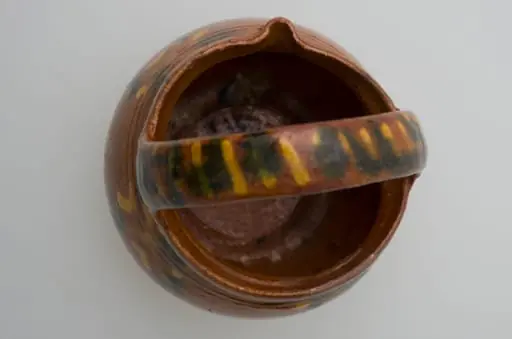 Vas de mici dimensiuni sub forma de bijou; pântecos cu gâtul scurt și gros, gură răsfrântă și cioc. Smălțuit în interior și la exterior. În partea superioară se află două linii incizate. Pe corp avem motive florale stilizate, iar pe mănușă decor geometrice: liniar și punctiform. Diametral, peste gură aven o mânușă aproximativ la fel de înaltă ca vasul. Cromatică: fond: cărămiziu; motive: galben, verde.
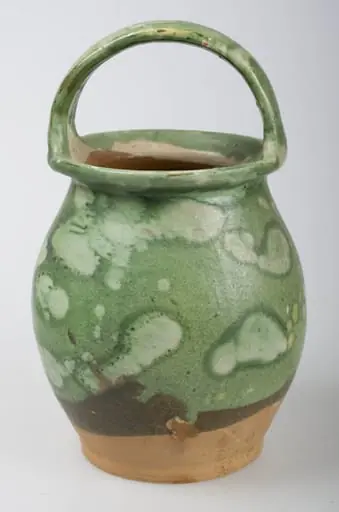 Oală de formă bitronconică cu baza plată cu pereții puternic arcuiți îngustându-se ușor în partea superioară. Buza este puțin răsfrântă la exterior. Prezintă o toartă de susținere plasată diametral, peste gură (mănușă). Angobat, stropit cu verde, smălțuit în interior și exterior. Cromatică: verde; maro; alb.
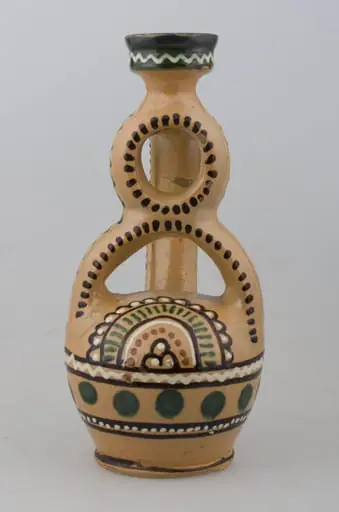 Corpul de formă sferică este plat în partea inferioară. Se continuă cu o mănușă dublă terminată printr-o gură ale cărei margini sunt rotunjite. Din mănușa dublă pornește o nouă mănușă care este prevăzută cu o ”țâță”, capătul celălalt este prins de corpul vasului. Gura și ”țâța” sunt verzi. Ulciorul este de culoare crem, ornamentul realizat cu cornul se compune din linii drepte și șerpuite, puncte și flori. Motivele sunt de culoare: verde; maro; alb. Smălțuit la exterior.
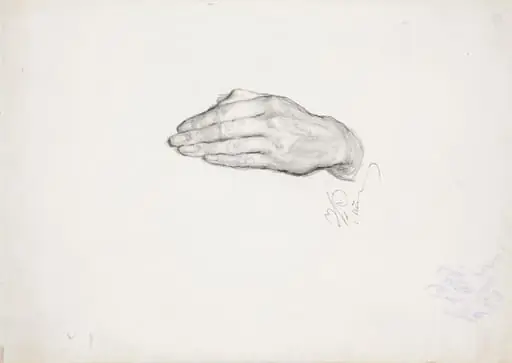 Käsi, luonnos maalaukseen Iivana Julma ja hänen poikansa Ivan marraskuun 16. päivänä vuonna 1581
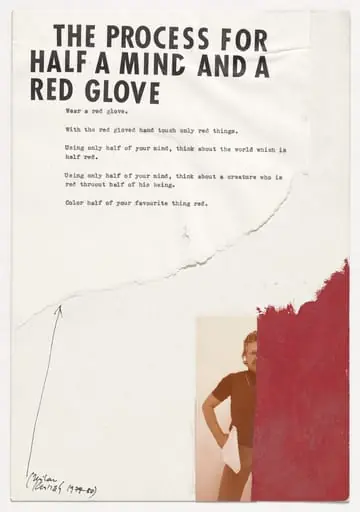 Untitled
 Untitled
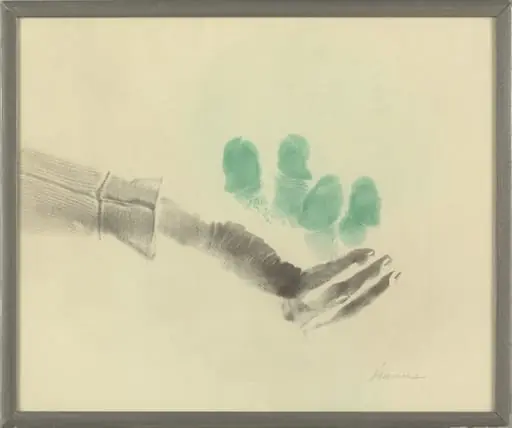 Untitled
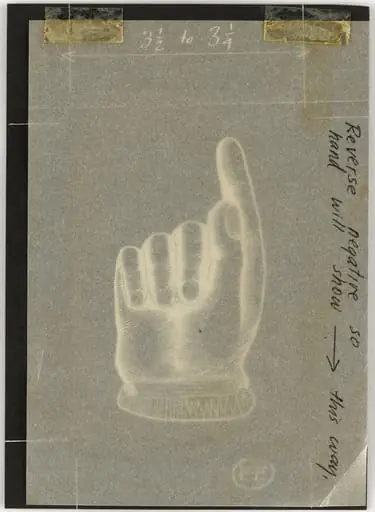 Untitled
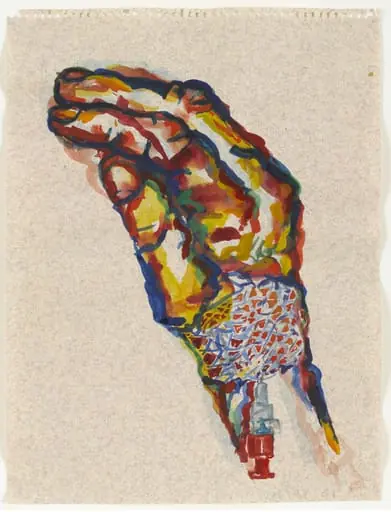 Untitled
 Untitled
 Untitled
 Untitled
 Untitled
 Untitled
 Untitled
Glove is a subject in art. A glove is a garment covering the hand, with separate sheaths or openings for each finger including the thumb.
Artifact World Gallery holds 97 public-domain Glove works, all free to view and download.
Key Glove artists in the collection include Édouard Manet, Eastman Johnson and Jacopo Tintoretto.
Glove works in the collection are held by Museo del Prado, Museum of Modern Art and Groeningemuseum.
Your cart is empty
Browse artworks →