Artwork
Robert Bellarmin, Cardinal
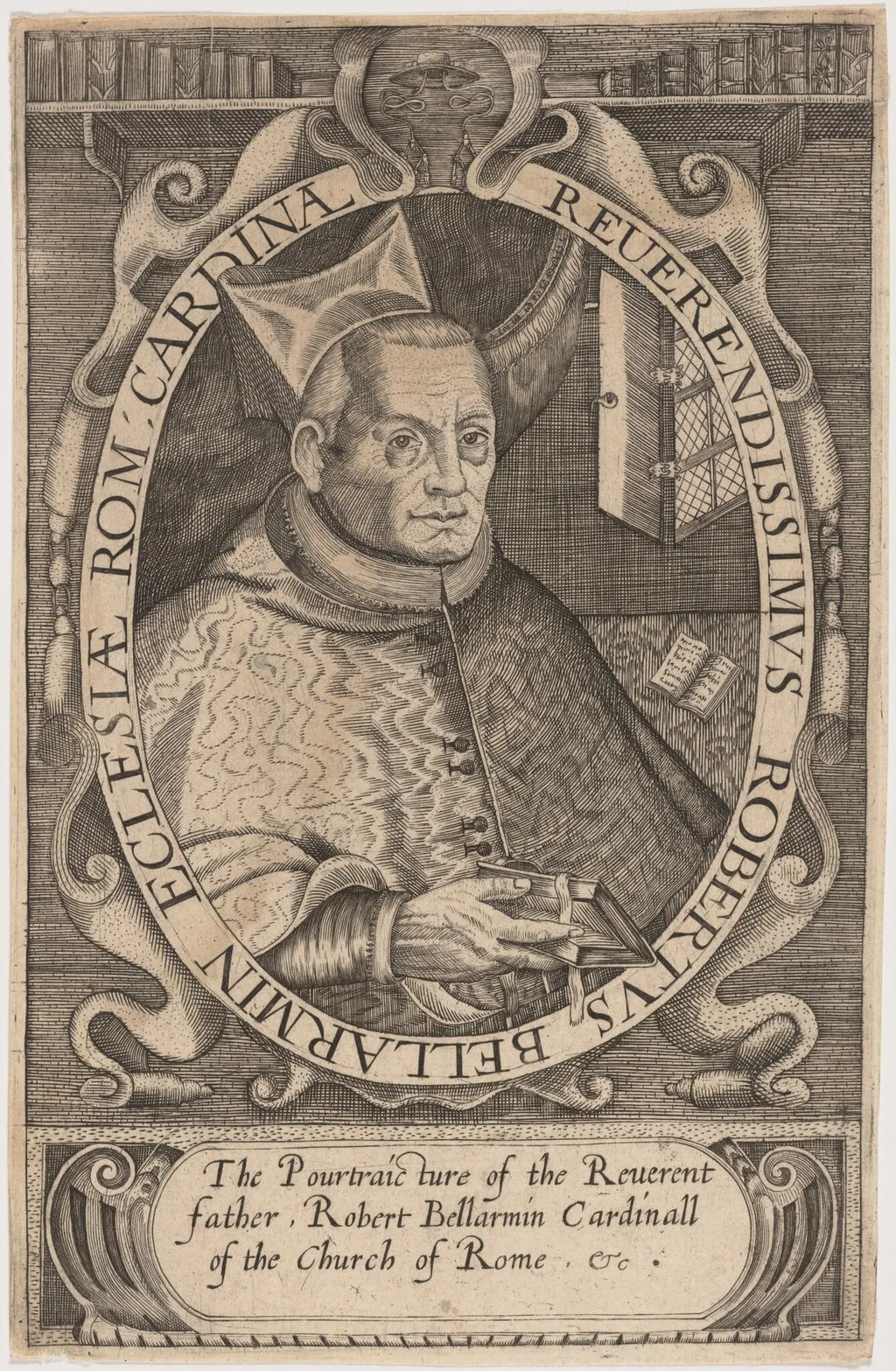
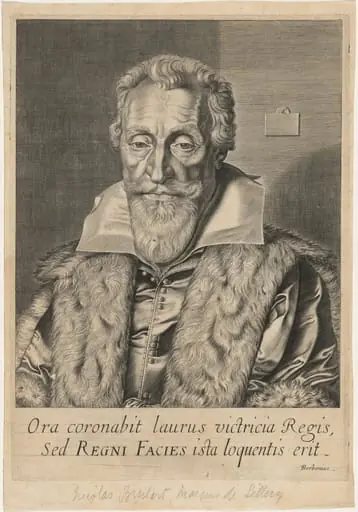
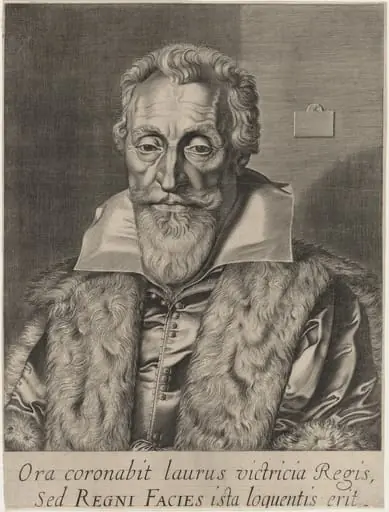
Robert Bellarmin, Cardinal is an ink print by the Romanticist artist Unknown 19th Century. It dates from 1850 and is held in the collection of the National Gallery of Art. This engraving depicts Robert Bellarmin, a Jesuit cardinal and theologian, rendered in fine linear detail.
About this work
Overview
The subject’s attire and insignia identify his ecclesiastical rank, while his posture and gaze convey solemnity rather than theatricality.
This engraving depicts Robert Bellarmin, a Jesuit cardinal and theologian, rendered in fine linear detail. The portrait is executed with meticulous cross-hatching to model form and shadow, typical of 17th-century printmaking. The dark background and faint window suggest a private, introspective setting.
The subject’s attire and insignia identify his ecclesiastical rank, while his posture and gaze convey solemnity rather than theatricality.
Subject & Meaning
Robert Bellarmin, a prominent Counter-Reformation figure, is shown holding a book, likely a theological text, emphasizing his role as a scholar and defender of Catholic doctrine. His attire, high collar, buttoned coat, and crucifix, signals both clerical authority and personal piety. The quiet, sideways gaze implies reflection rather than confrontation, aligning with his reputation as a measured intellectual rather than a polemicist.
Technique & Style
The engraving employs fine, controlled lines and dense cross-hatching to build volume and texture, particularly in the folds of fabric and the contours of the face. The background is minimally suggested, drawing focus to the figure. The style reflects the precision of Northern European print traditions, prioritizing clarity and anatomical accuracy over emotional expression, distinguishing it from later Romantic approaches.
History & Provenance
This portrait likely originated in the early 17th century, following Bellarmin’s death in 1621, as part of a broader effort to memorialize key Catholic figures after the Council of Trent. Engravings like this were widely distributed to reinforce doctrinal authority. Its survival suggests it was collected by religious institutions or private patrons invested in Counter-Reformation imagery.
Context
Created during the height of the Counter-Reformation, this image served to visually affirm the dignity and intellectual rigor of Catholic leadership. In an era of religious conflict, such portraits functioned as tools of identity and propaganda, contrasting Protestant reformers with disciplined, learned clergy. The restrained composition reflects the Church’s preference for sober authority over flamboyant display.
Legacy
Though not widely known today, this engraving contributes to a visual archive of early modern Catholicism. It exemplifies how print media sustained the reputations of religious figures beyond their lifetimes. Its technical precision and quiet demeanor influenced later ecclesiastical portraiture, preserving a model of clerical gravitas that endured well into the 18th century.
Artist & collection

Artist

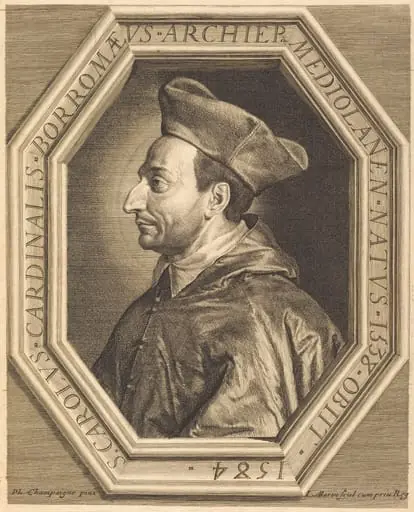 Saint Charles, Cardinal Borromeo
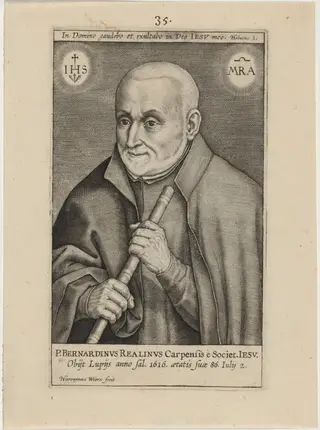 Bernardin Realinus, Jesuit Priest
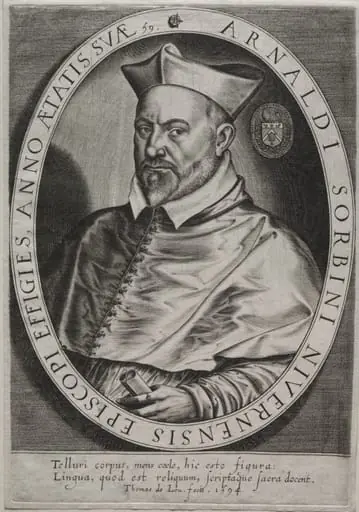 Sorbin de Ste Foy
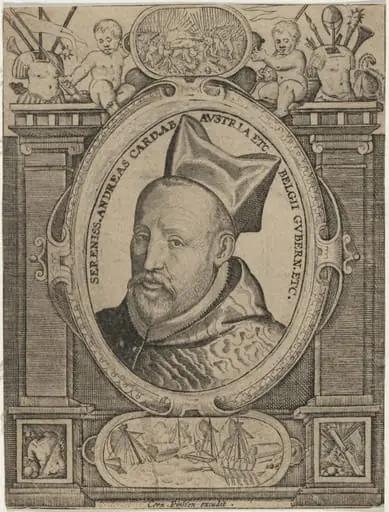 Andreas, Cardinal of the Holy Roman Empire
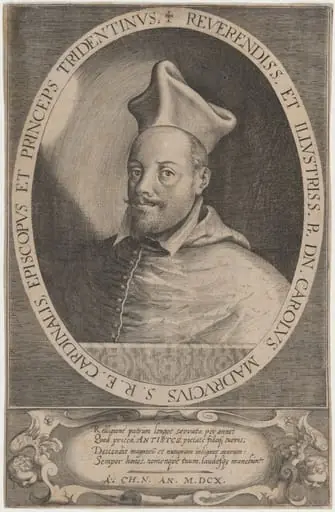 Cardinal Carolus Madrucius
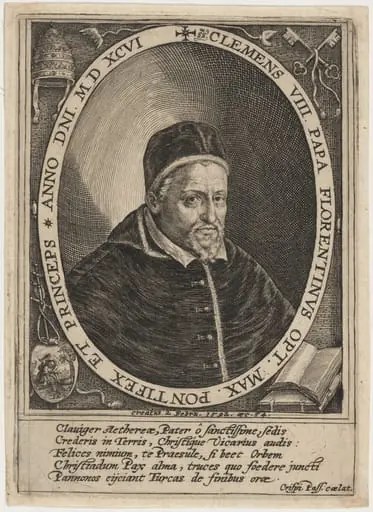 Pope Clement VIII
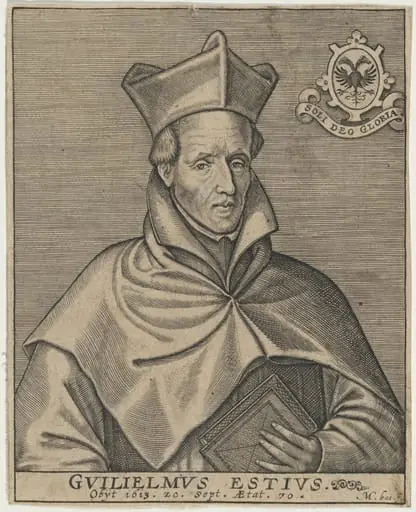 William Estius, Catholic Priest
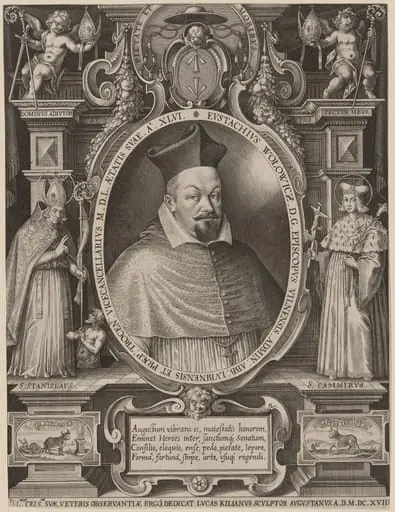 Eustace Wolowicz, Archbishop of Vilna
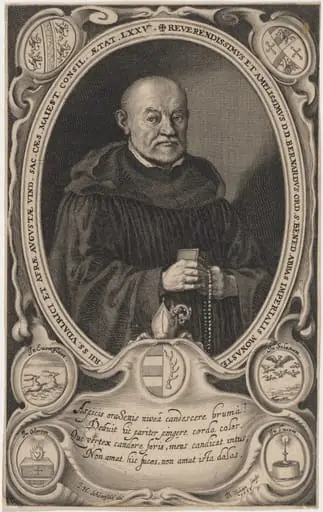 Bernhard, Abbot of the Monastery of Saint Udalric and Afra in Augsburg