Artwork
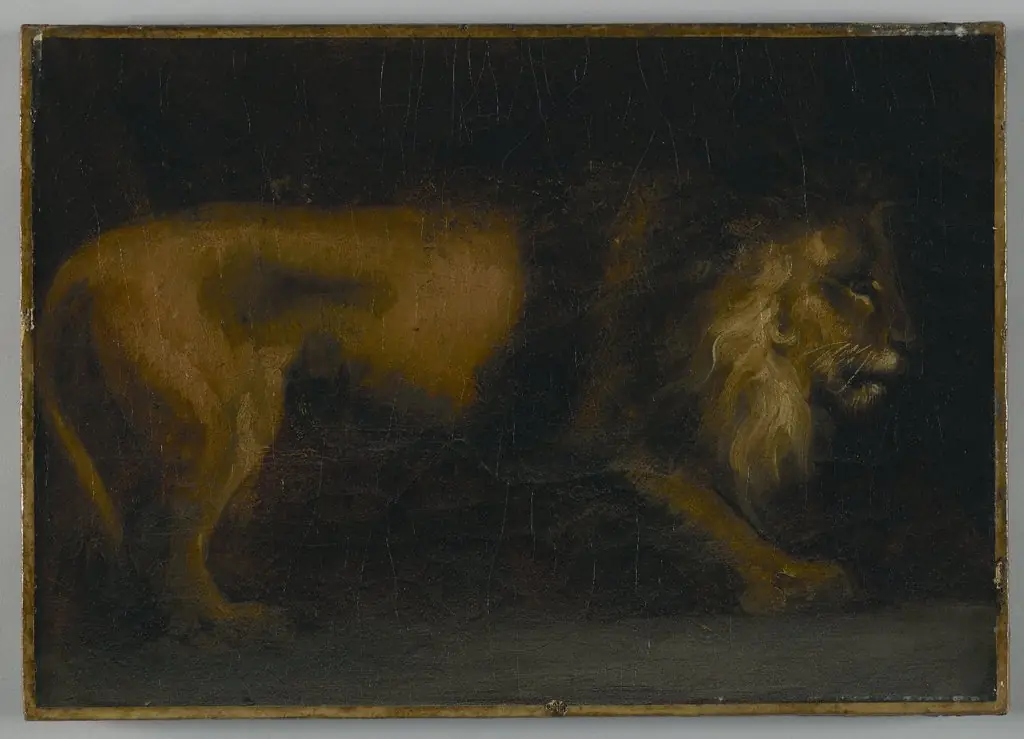
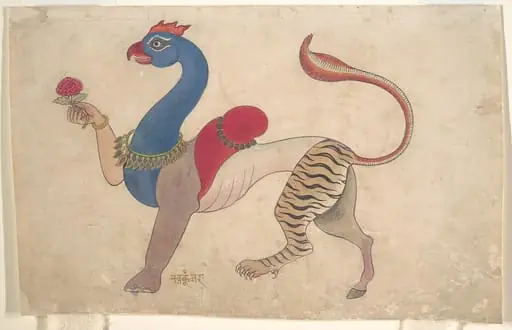
A Human-headed lion in a landscape
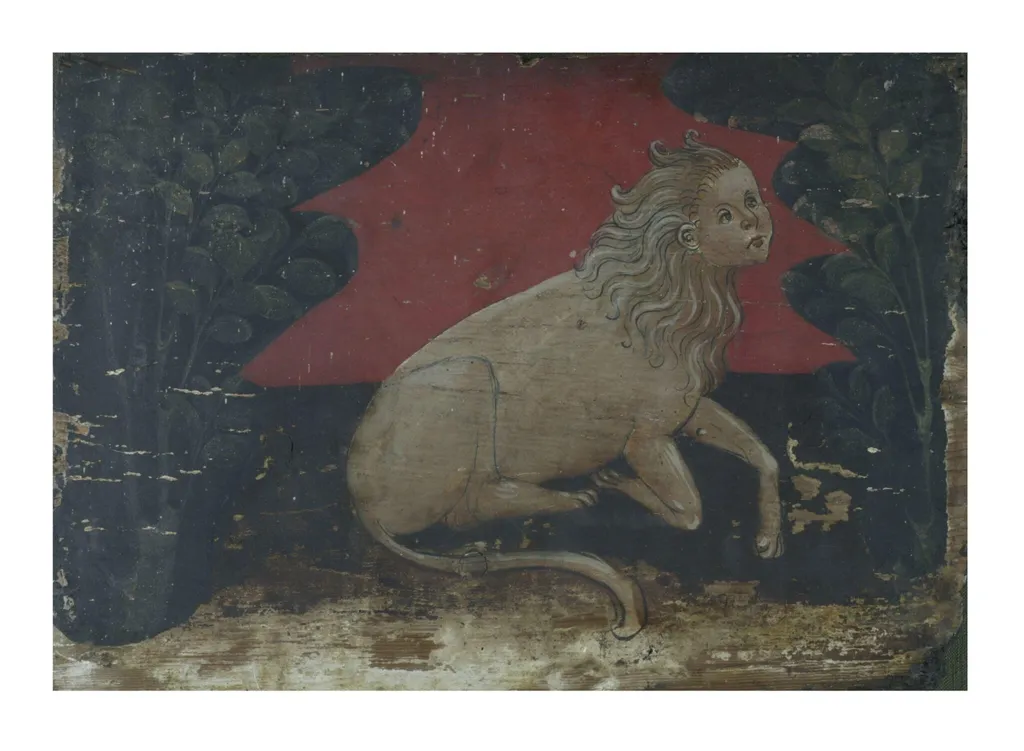
A Human-headed lion in a landscape is a tempera painting by the Northern Renaissance artist Unknown. It dates from 1460 and is held in the collection of the Victoria and Albert Museum.
About this work
Overview
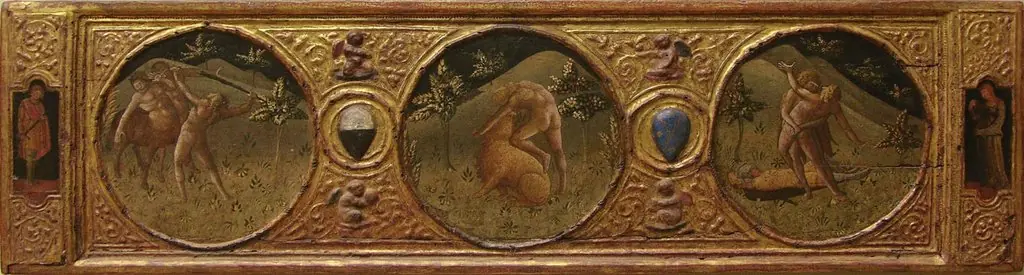
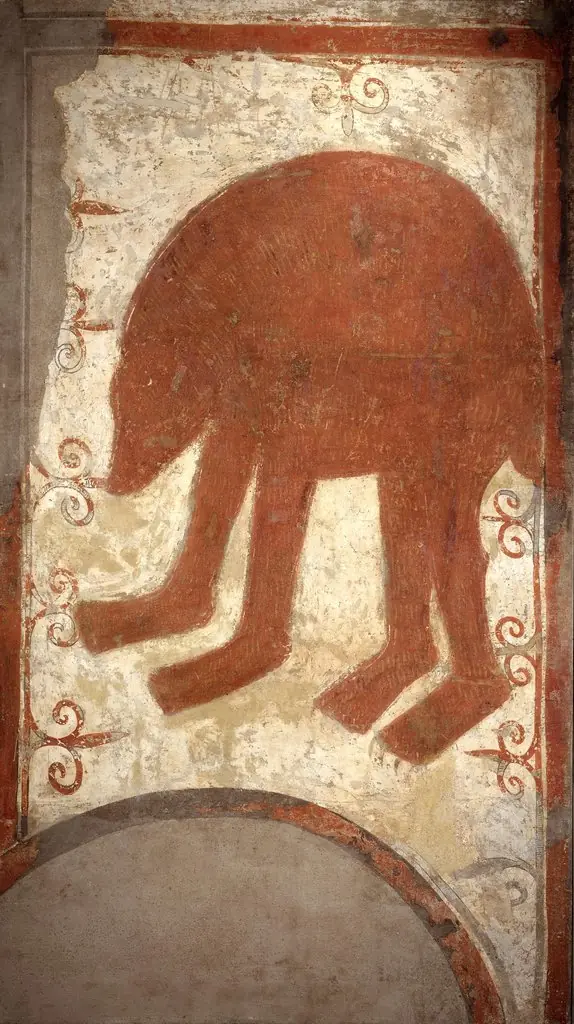
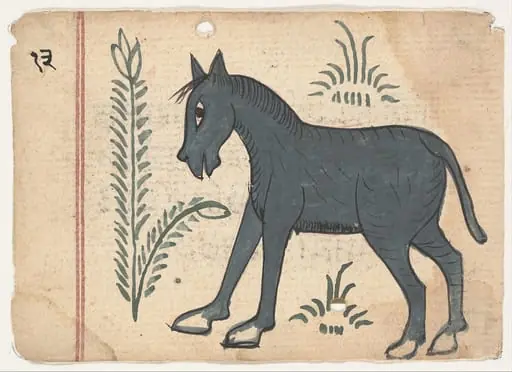
A Human-headed lion in a landscape is a tempera painting, one of four companion panels (W.46-1913 to W.49-1913), likely originating from Cremona in Lombardy.
Subject & Meaning
The painting depicts a lion with a human head set within a landscape, embodying the Cremonese school's penchant for fantastical elements.
Technique & Style
Executed in tempera, the work reflects the rich, vibrant colour characteristic of the Cremona school of the 15th-16th centuries, possibly linked to the Bembo workshop.
History & Provenance
Attributed to Cremona's painting school, possibly the Bembo workshop, with similarities to panels in Reggio Emilia and Cremona, suggesting a decline of small workshops under increased patronage.
Context
Such panels imitated terracotta tile decorations in private palace ceilings, as seen in an intact example from the former Palazzo Vimercati in Crema.
Legacy
Despite their fragmentary state, the panels provide insight into 15th-16th century Cremonese decorative arts, particularly the transition from family workshops to larger institutions.
Artist & collection