Artwork
Anbetung der Könige
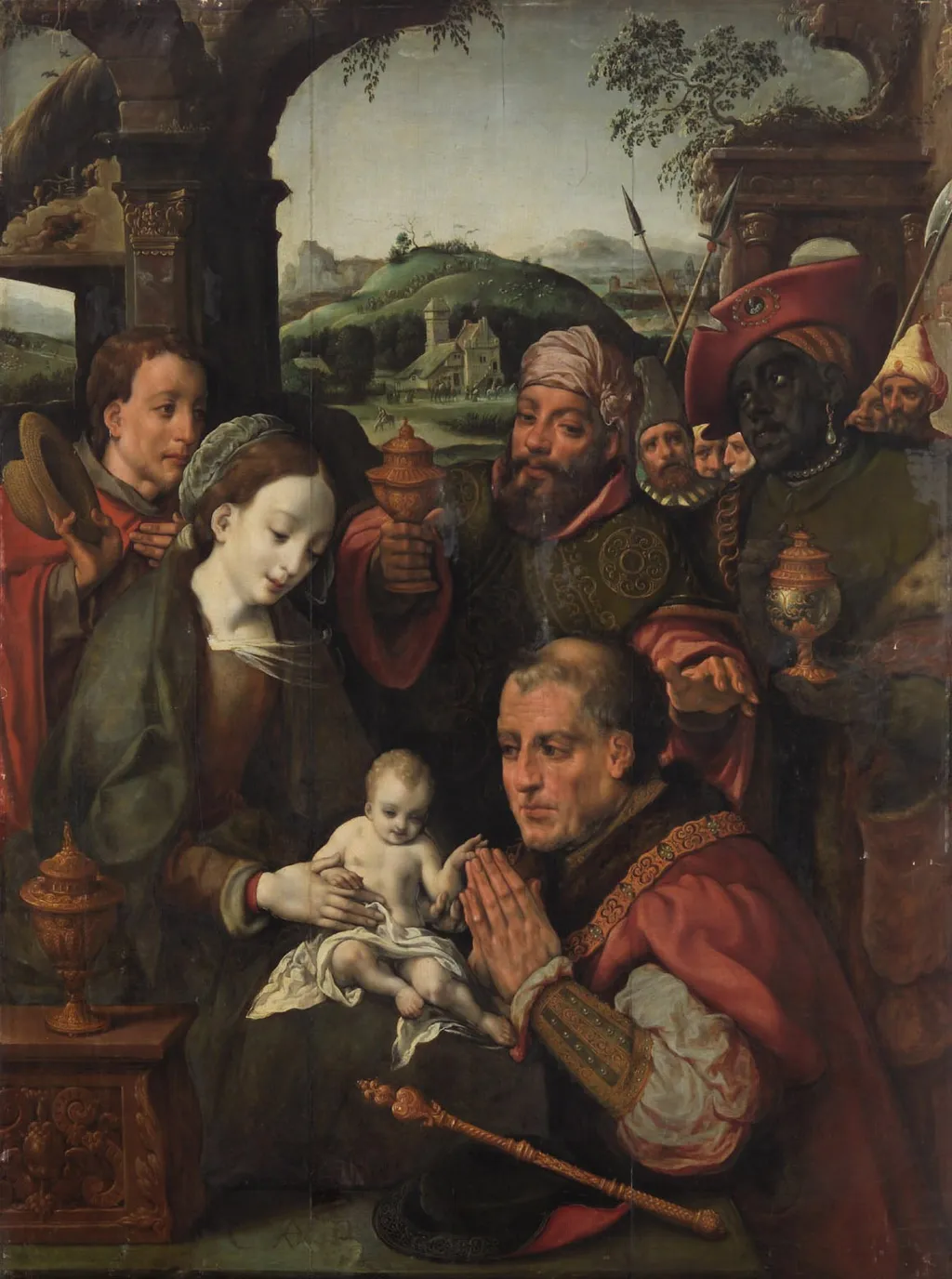
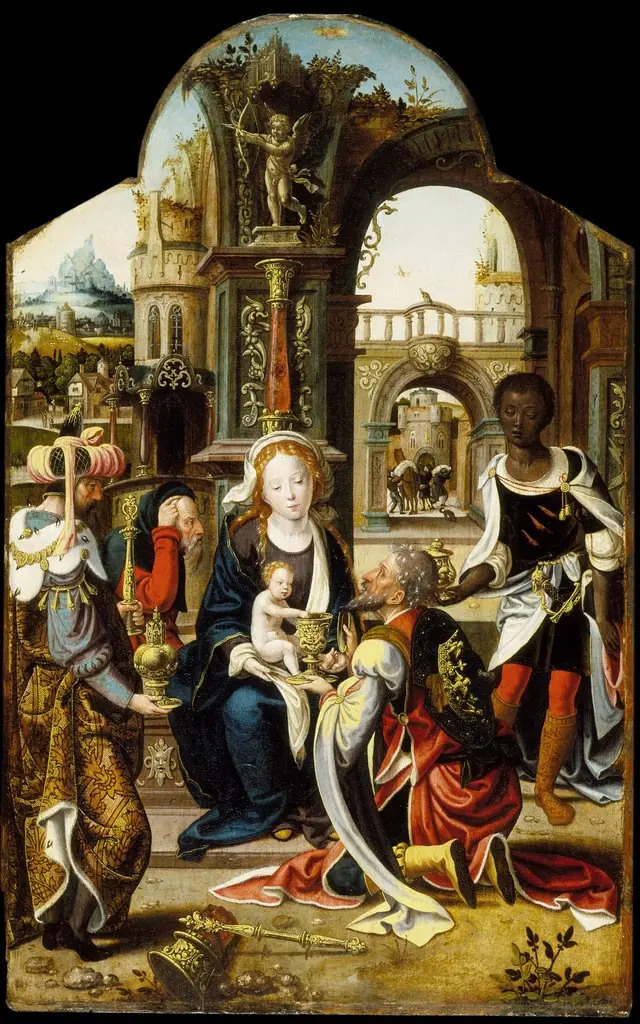
Anbetung der Könige is an oil painting by the Early Baroque Italian artist Unknown. It dates from 1544 and is held in the collection of the Kunsthistorisches Museum.
About this work
Subject & Meaning
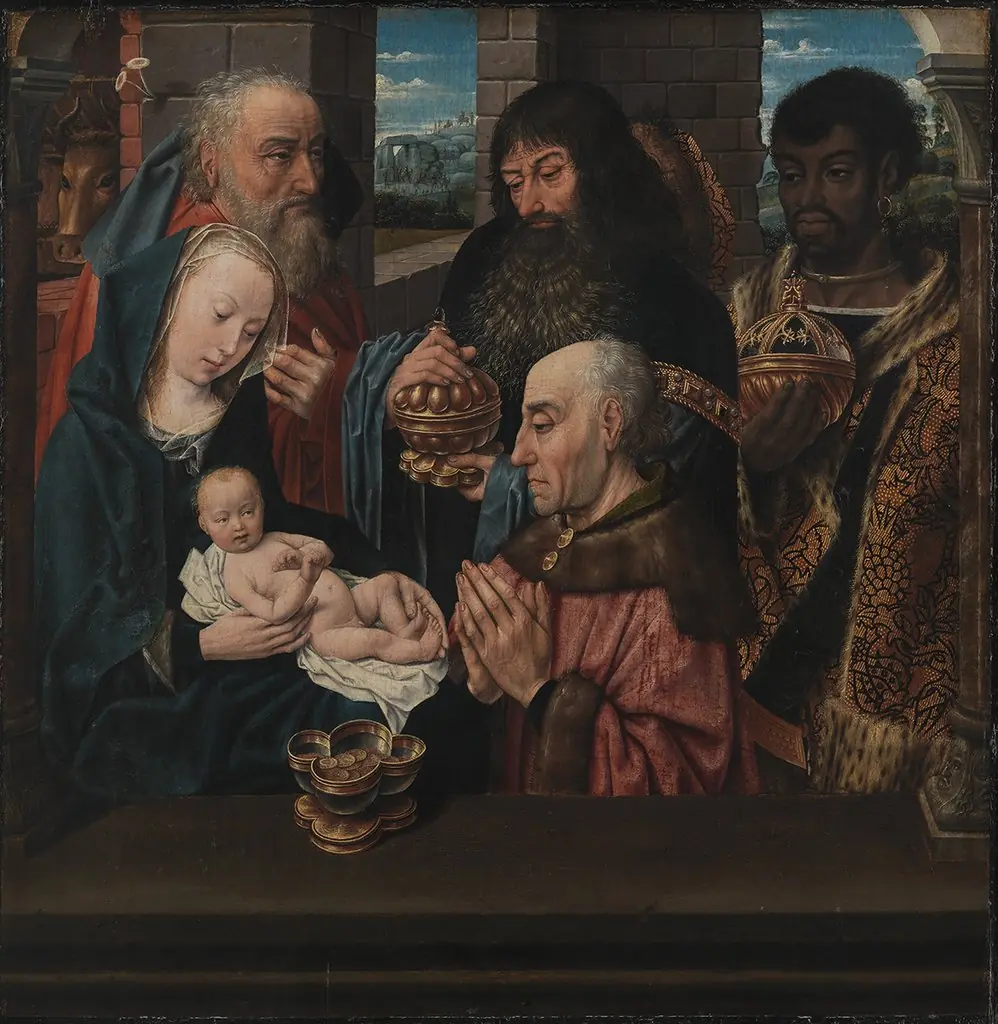
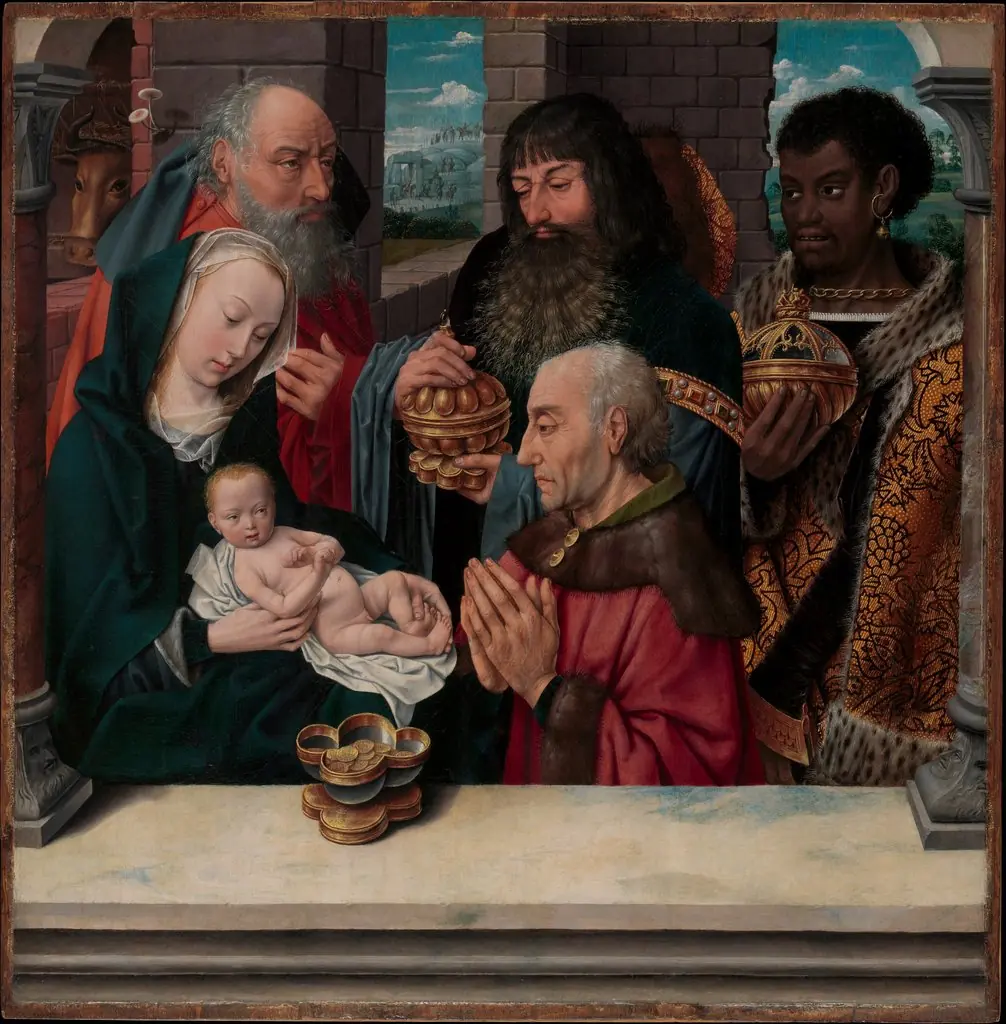
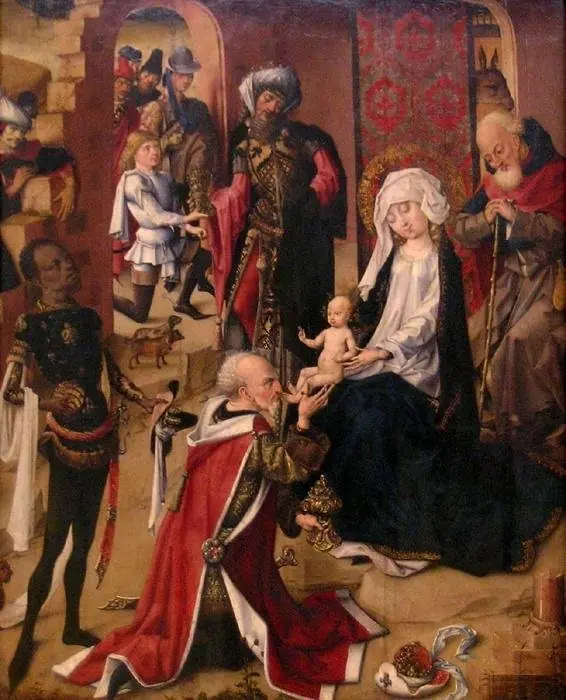
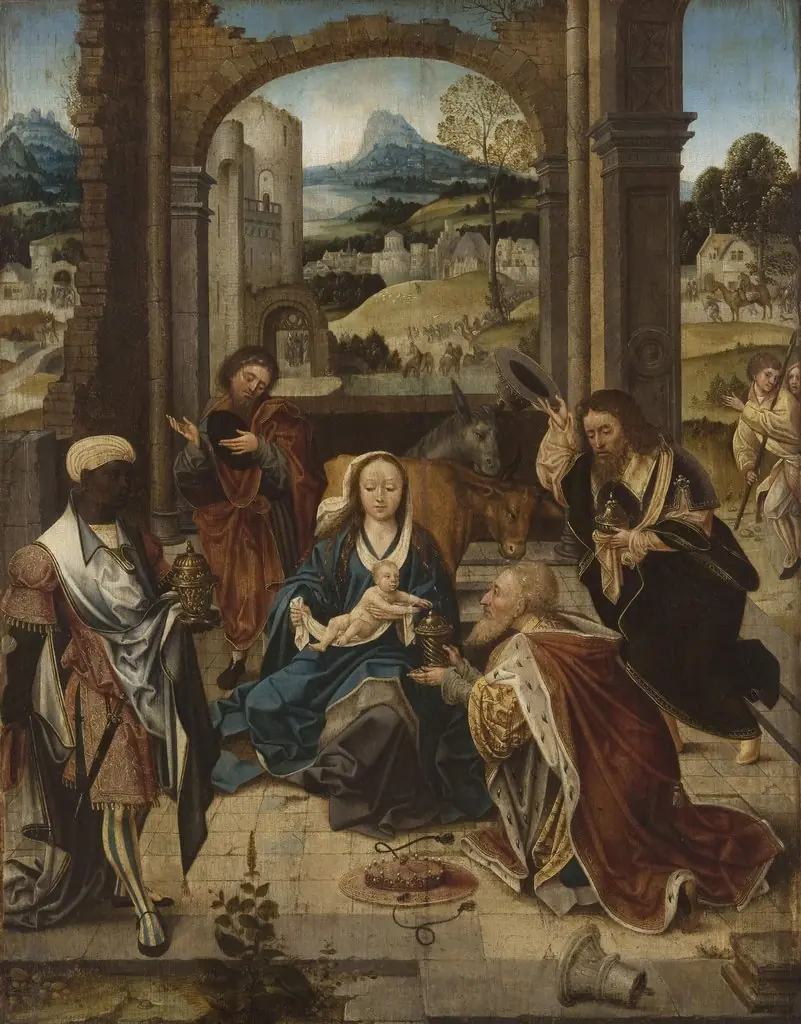
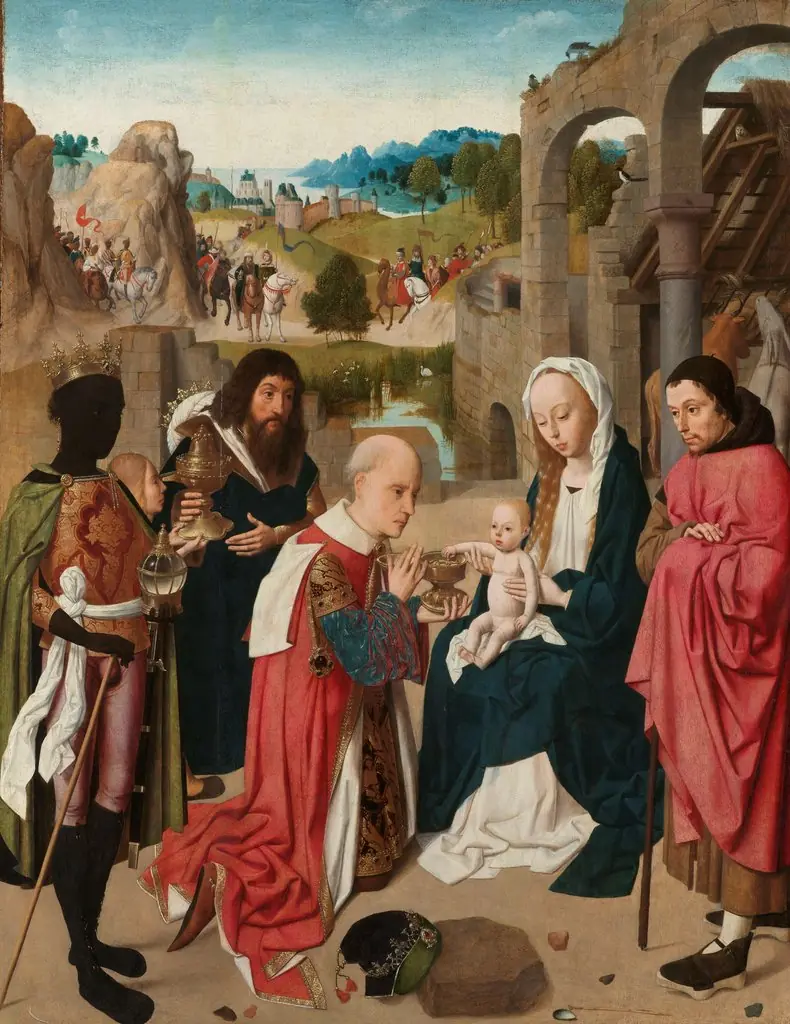
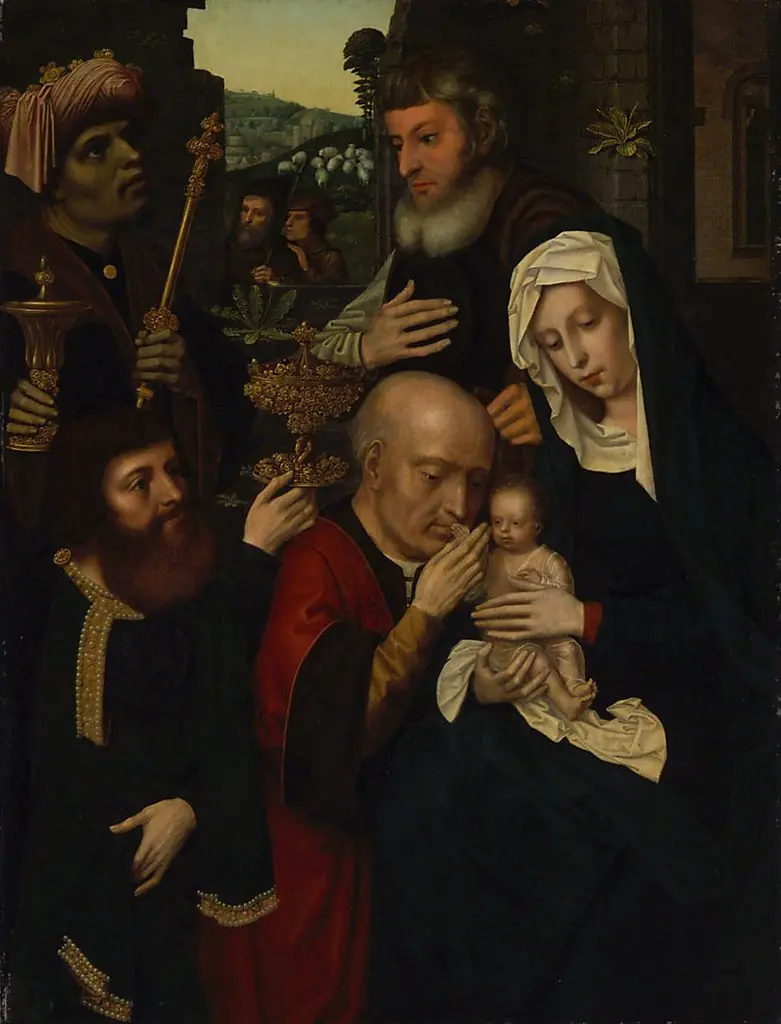
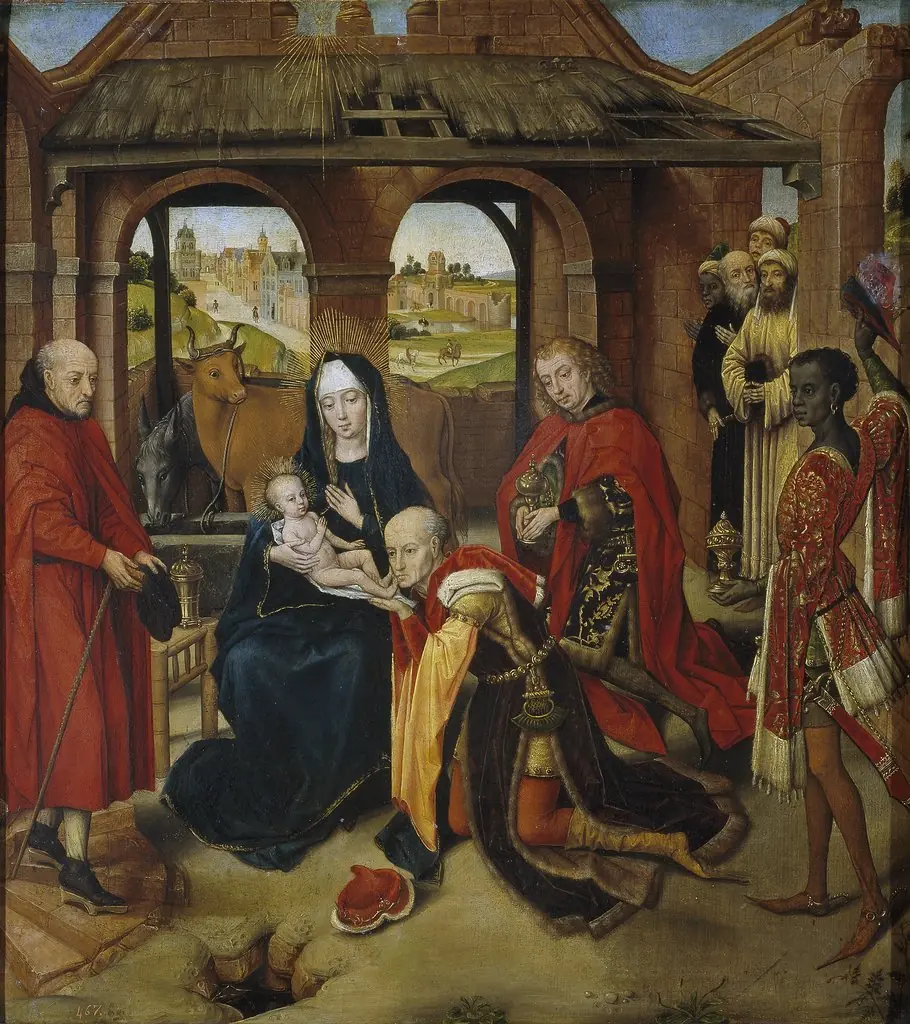
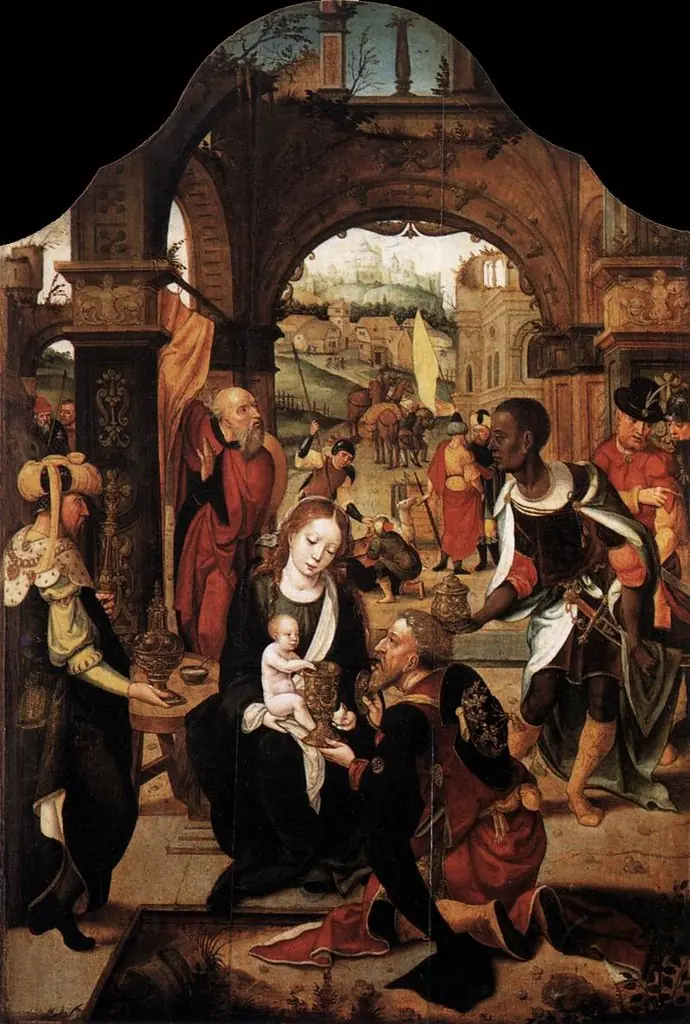
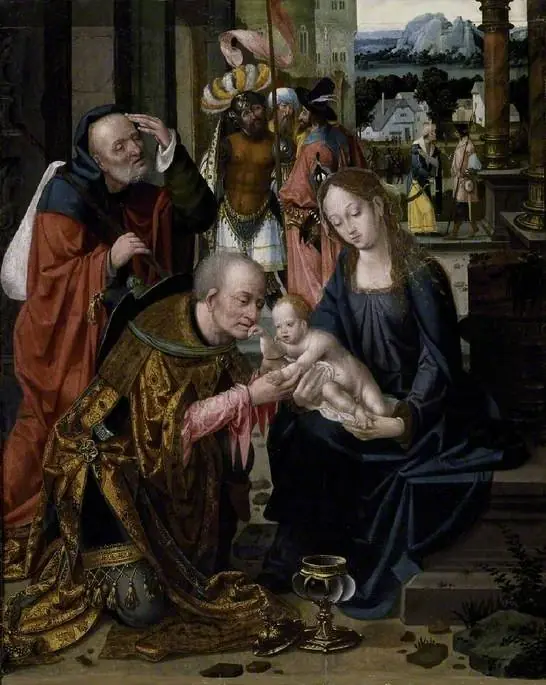
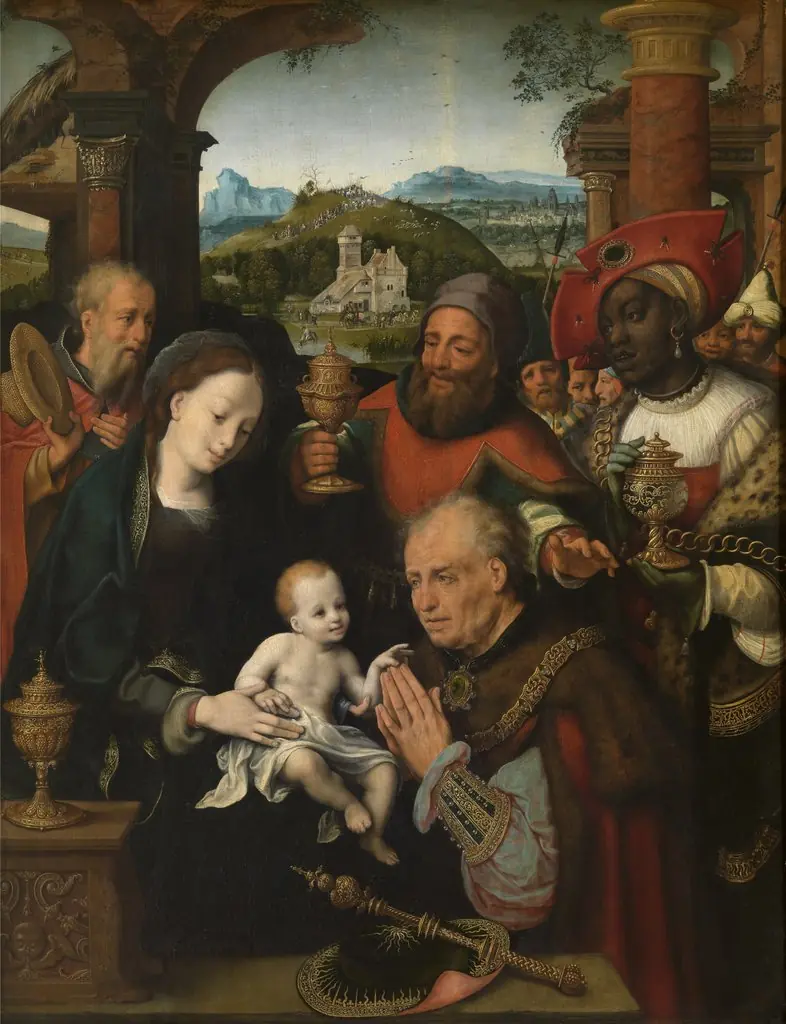
The painting depicts the Adoration of the Magi, a biblical scene in which the three wise men present gifts of gold, frankincense, and myrrh to the infant Jesus.
The painting depicts the Adoration of the Magi, a biblical scene in which the three wise men present gifts of gold, frankincense, and myrrh to the infant Jesus. The composition centers on the Christ Child seated on the Virgin Mary’s lap, surrounded by the Magi in reverent poses. The eldest king kneels in homage, while the other two stand holding their offerings, creating a hierarchy of veneration.
The presence of Joseph and attendant figures in the background situates the scene within a broader narrative context, emphasizing its religious significance as an act of worship and divine recognition.
Technique & Style
Created in 1544, this painting is executed in oil paint on a panel support. The work measures 118 cm in height and 63 cm in width. It is classified as a religious painting depicting the Adoration of the Magi and the Christ Child. The piece is identified as a painting after Joos van Cleve.
History & Provenance
The painting was created in 1544, as recorded by both internal documentation and Wikidata.
It entered the collection of the Kunsthistorisches Museum, where it remains held today. The work is classified as a religious painting depicting the Adoration of the Magi. Measuring 118 cm in height and 63 cm in width, it is executed in oil on panel.
The painting Anbetung der Könige, dated 1544, is held in the collection of the Kunsthistorisches Museum. The work is executed in oil on panel and depicts the Adoration of the Magi with the Christ Child as the main subject. While the provided sources confirm the museum as the current location and specify the creation year, they do not list a specific inventory or accession number for the piece.
Furthermore, the available records contain no information regarding a past or future exhibition history for this specific artwork.
Legacy
The painting Anbetung der Könige has been studied for its role in shaping religious imagery in early Netherlandish art, particularly in depictions of the Magi's adoration. Its composition influenced later interpretations of the subject, especially through its portrayal of the Christ Child within a domestic setting that emphasized both sacred and human elements. The work was later attributed to Joos van Cleve, a connection solidified through stylistic analysis and archival records, reinforcing its significance within the Master of the Playing Cards circle.
This attribution contributed to renewed scholarly interest in workshop practices and the transmission of devotional motifs in 16th-century Central European art.
Overview
Anbetung der Könige is an oil painting depicting a scene of reverence in a sumptuous, darkly rendered interior. Central to the composition is a kneeling figure in red, holding an infant and praying, surrounded by a group of elaborately dressed individuals, including a woman in green, a young boy, and helmeted figures bearing unusual metal objects, set against a backdrop of a distant, hilly landscape with a castle.
Context
Given its subject and stylistic elements, Anbetung der Könige can be contextualized within European religious art, possibly from the 17th century, reflecting the period's penchant for dramatic lighting and religious themes.
Artist & collection