Artwork
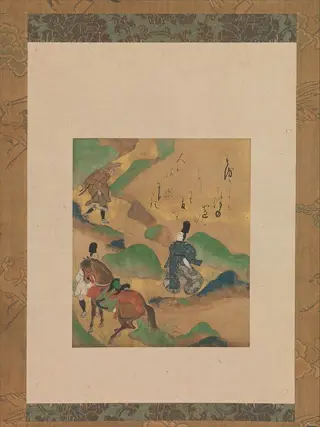
六波羅合戦 平治物語絵巻 断簡|Battle at Rokuhara, from The Tale of the Heiji Rebellion
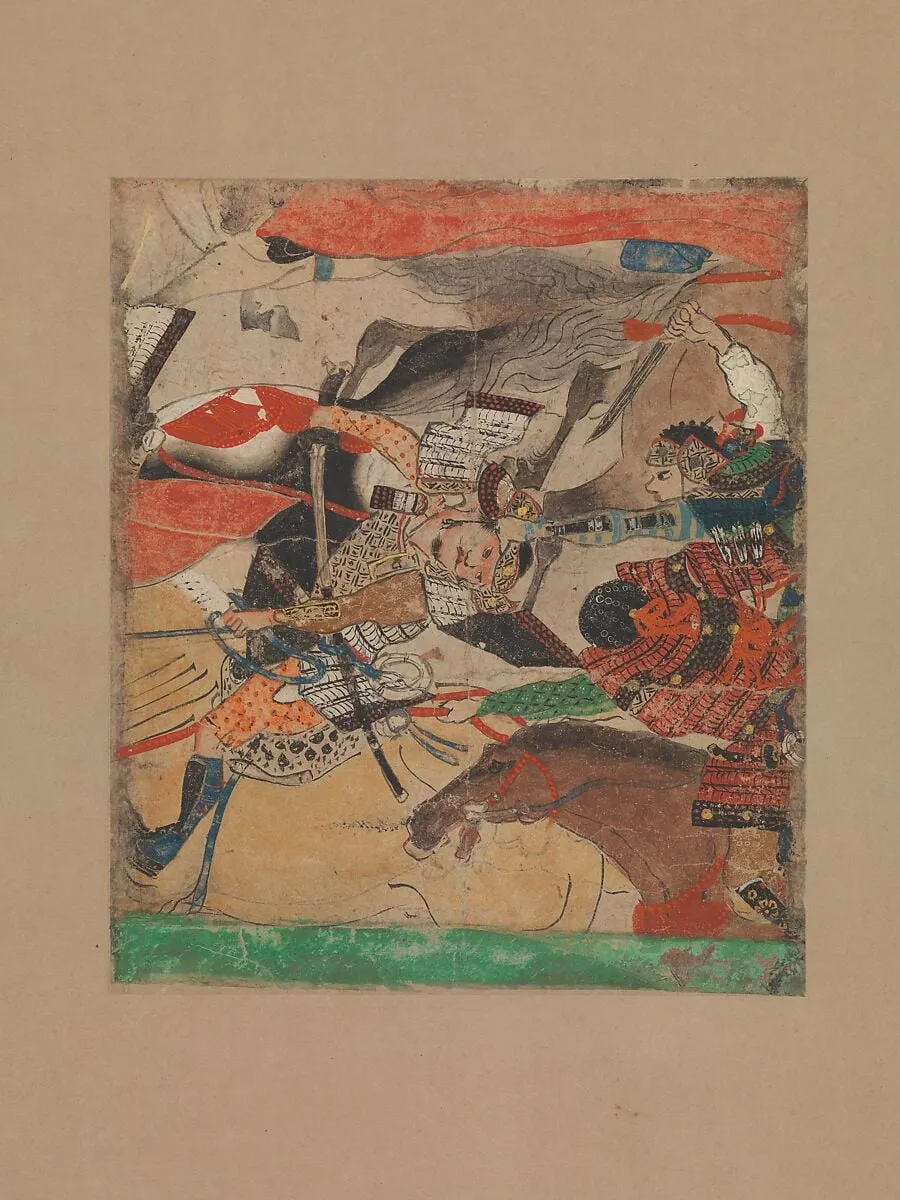
六波羅合戦 平治物語絵巻 断簡|Battle at Rokuhara, from The Tale of the Heiji Rebellion is an ink painting. It dates from 1325 and is held in the collection of the Metropolitan Museum of Art. This artwork, titled "Battle at Rokuhara," is a fragment from a larger handscroll depicting "The Tale of the Heiji Rebellion.
- Accession no.
- 2015.300.20
- Credit line
- Mary Griggs Burke Collection, Gift of the Mary and Jackson Burke Foundation, 2015
About this work
Subject & Meaning
Key iconographic elements include galloping horses and armed men wielding swords, which serve as direct visual markers of the violent historical narrative.
Created in 1325 by an anonymous Japanese artist, this fragment illustrates the Battle at Rokuhara, a pivotal conflict from the Heiji Rebellion. The composition focuses on the chaos of warfare, depicting mounted warriors engaged in combat. Key iconographic elements include galloping horses and armed men wielding swords, which serve as direct visual markers of the violent historical narrative.
As a piece of history painting, the work functions as a visual record of this specific military engagement, representing the turmoil of the period through dynamic action rather than abstract symbolism. The scene captures the intensity of the clash between rival factions, emphasizing the physical struggle of the combatants within the broader context of the civil war.
Technique & Style
Created in 1325 by an anonymous Japanese artist, this work is a fragment originally belonging to a handscroll depicting the Battle at Rokuhara from The Tale of the Heiji Rebellion. The piece has been remounted as a hanging scroll. Executed on paper, the composition utilizes ink and mineral pigments enhanced with gold.
Stylistically, the painting functions as a history painting, visually narrating a conflict through the dynamic representation of figures, specifically men and horses engaged in combat with swords. The application of gold alongside color and ink suggests a decorative richness typical of narrative scrolls from this period, while the current mounting format alters the original horizontal viewing experience intended for the complete handscroll.
History & Provenance
The fragment from the Heiji Rebellion handscroll is dated to the mid-Kamakura period (c. 1325), aligning with the period’s stylistic conventions and historical context. It entered the collection of the Metropolitan Museum of Art as a gift in 1912, through the Rogers Fund, accessioned as 12.135.1. The work’s anonymous authorship and its depiction of a mid-12th-century conflict suggest it was commissioned or produced within a warrior-class milieu, likely to commemorate the 1160 Genpei disturbances.
Its later remounting as a hanging scroll reflects the Edo-period practice of preserving and valorizing classical narrative scrolls as discrete art objects.
The fragment known as Battle at Rokuhara is currently held in the collection of the Metropolitan Museum of Art in New York. Originating from Japan and dated to 1325, this work is classified as a painting within the museum's holdings. The piece, attributed to an anonymous artist, is a fragment of a handscroll that has been remounted as a hanging scroll.
While the provided sources confirm its location within the Metropolitan Museum of Art and its creation date, they do not specify a unique accession or inventory number, nor do they detail any specific exhibition history for this particular fragment.
Context
The fragment titled 六波羅合戦 平治物語絵巻 断簡, dated 1325, exemplifies Japanese history painting of the Heiji Rebellion and is attributed to an anonymous handscroll painter. As a mounted hanging scroll in ink, color, and gold on paper, it belongs to the genre of narrative emaki that dramatized contemporary conflicts. Its depiction of battle, horse, man, and sword aligns with Wikidata records that place the work in the collection of the Metropolitan Museum of Art, New York, where it is studied as a representative example of early Kamakura‑period narrative art.
Scholarship on the piece emphasizes its role in the development of illustrated war chronicles and its reflection of contemporary aesthetic conventions, situating the anonymous artist within the broader tradition of Japanese emaki production.
Overview
This artwork, titled "Battle at Rokuhara," is a fragment from a larger handscroll depicting "The Tale of the Heiji Rebellion." Executed with ink, color, and gold on paper, it has been remounted as a hanging scroll. It captures a chaotic moment within a broader historical narrative, offering a glimpse into a significant conflict from a pivotal period in Japanese history.
Artist & collection

 Qasam al-Abbas Arrives from Mecca and Crushes Tahmasp with a Mace
 Sketch Model for Portraits of Ashikaga Takauji
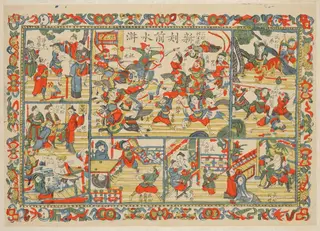 A Newly Cut Print: Scenes from the First Part of Outlaws of the Marsh
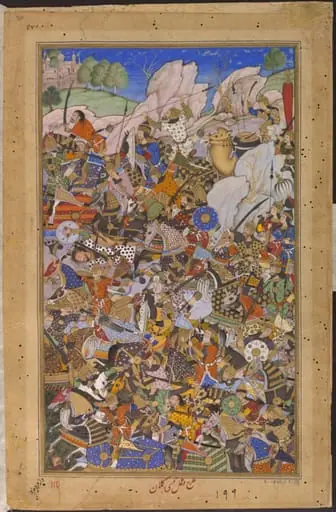 Untitled
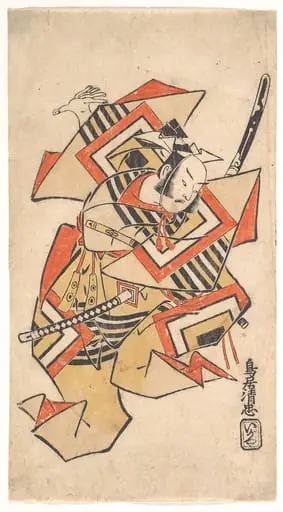 Untitled
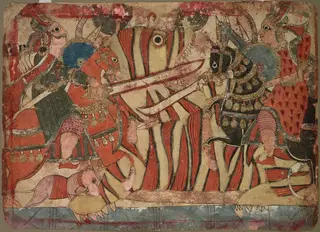 Illustration of the Mahabharata
 Hamza's army battles Girang's men and kills a giant
 秋夜長物語|A Long Tale for an Autumn Night (Aki no yo nagamonogatari)
 Album of Daoist and Buddhist Themes: Search the Mountain: Leaf 49
 Sketch Model for Portraits of Minamoto Tametomo
- The Battle of the Uji River
 Untitled