Artwork
Adoration of the Kings
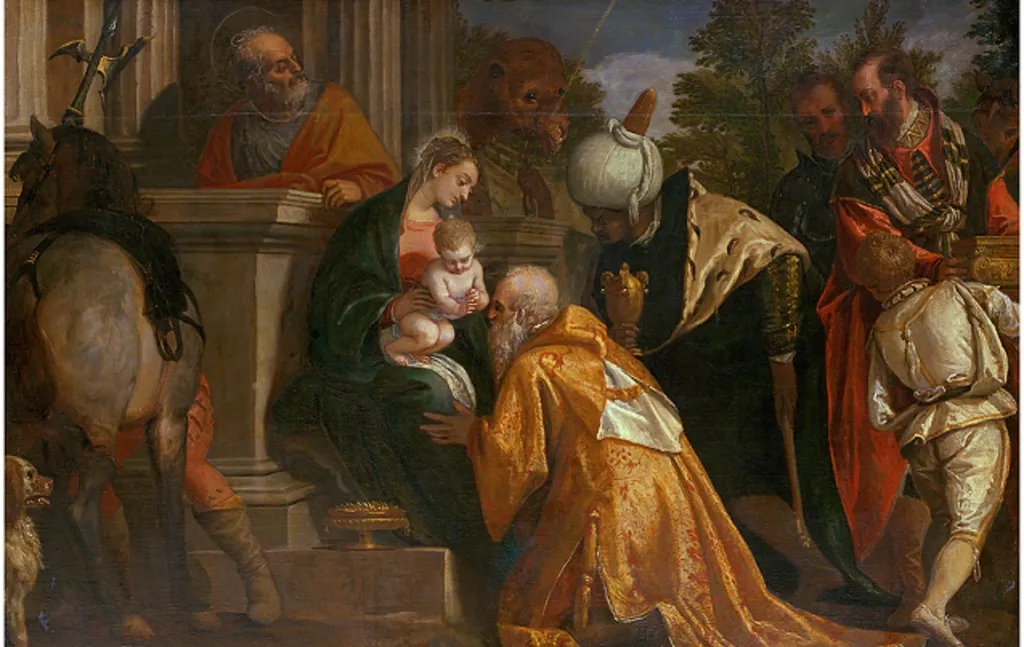
Adoration of the Kings is an oil painting by the Mannerist artist Paolo Veronese. It is held in the collection of the Kunsthistorisches Museum.
About this work
Subject & Meaning
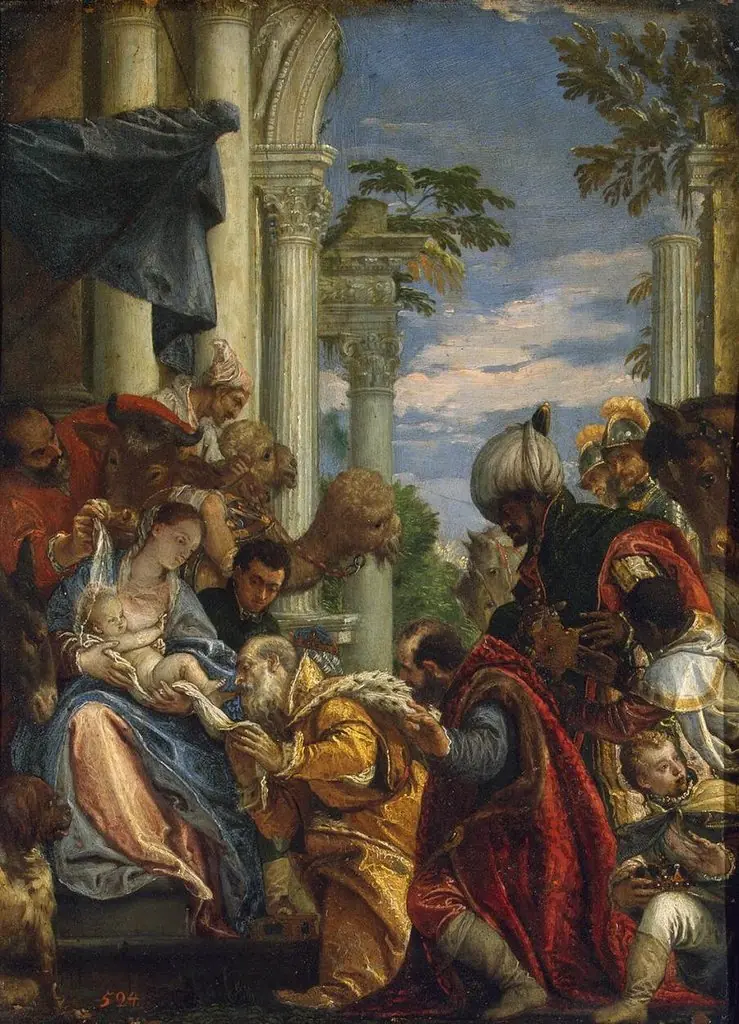
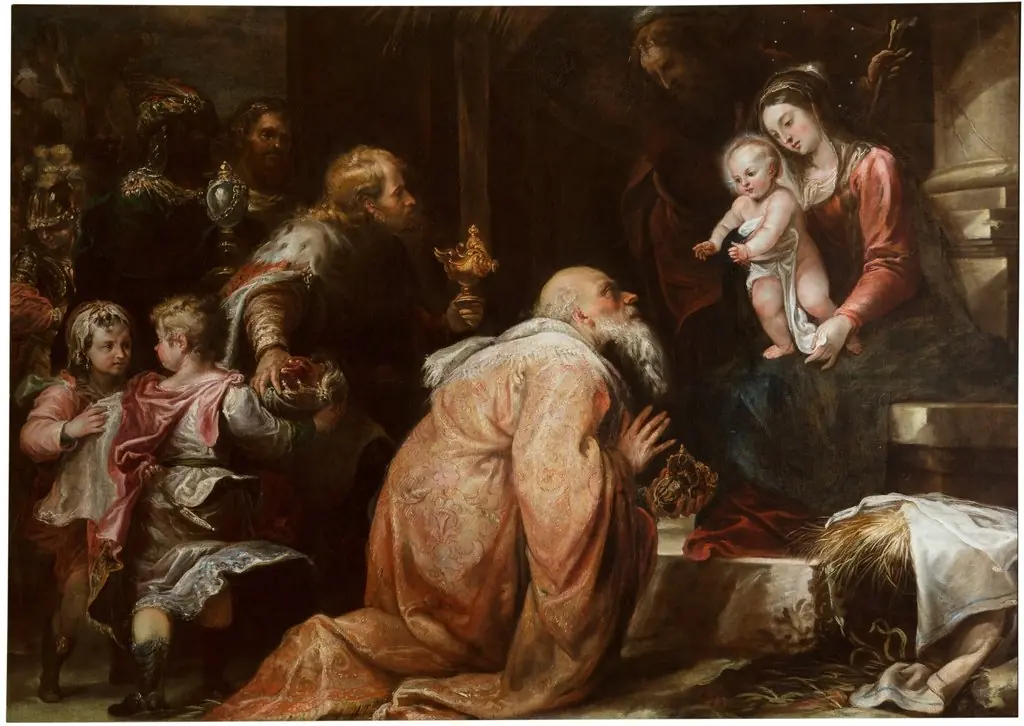
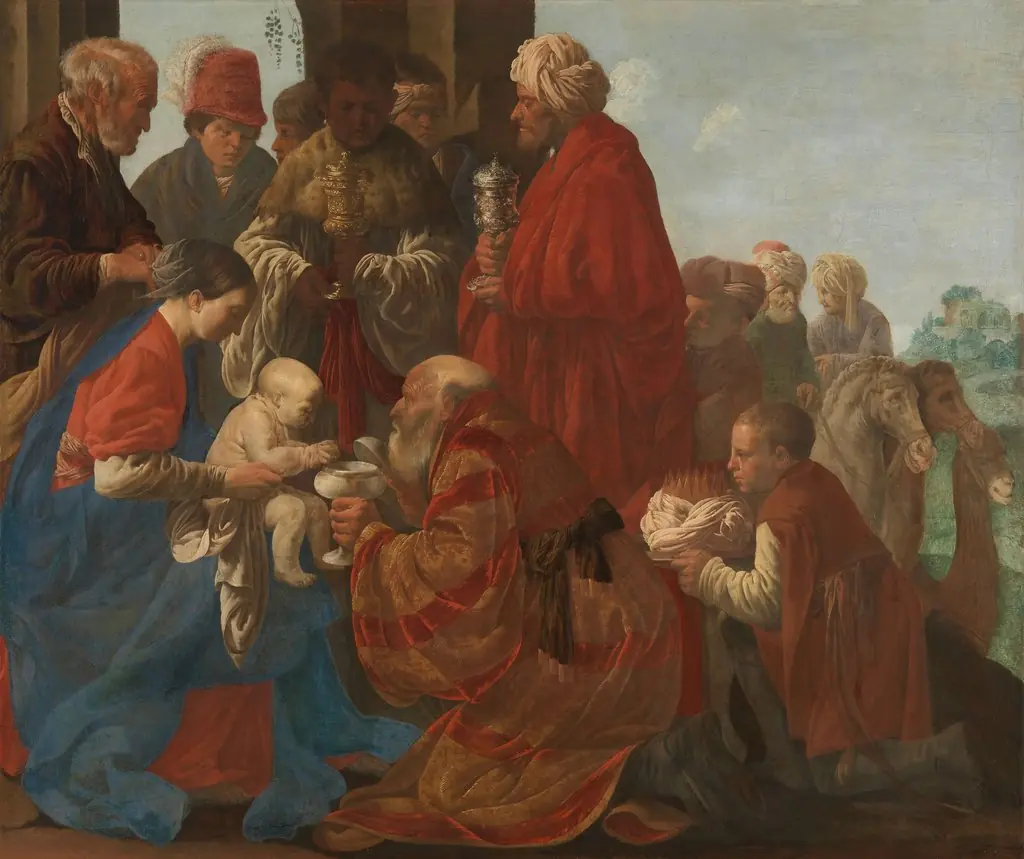
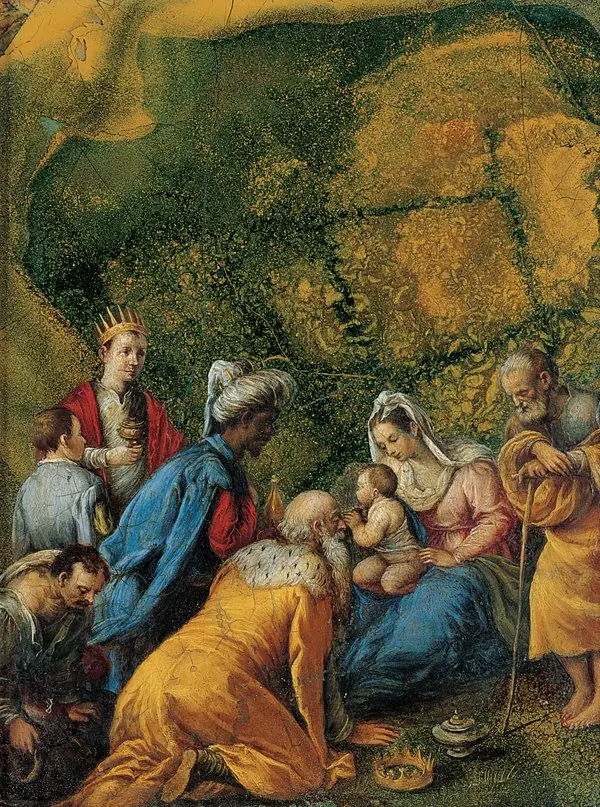
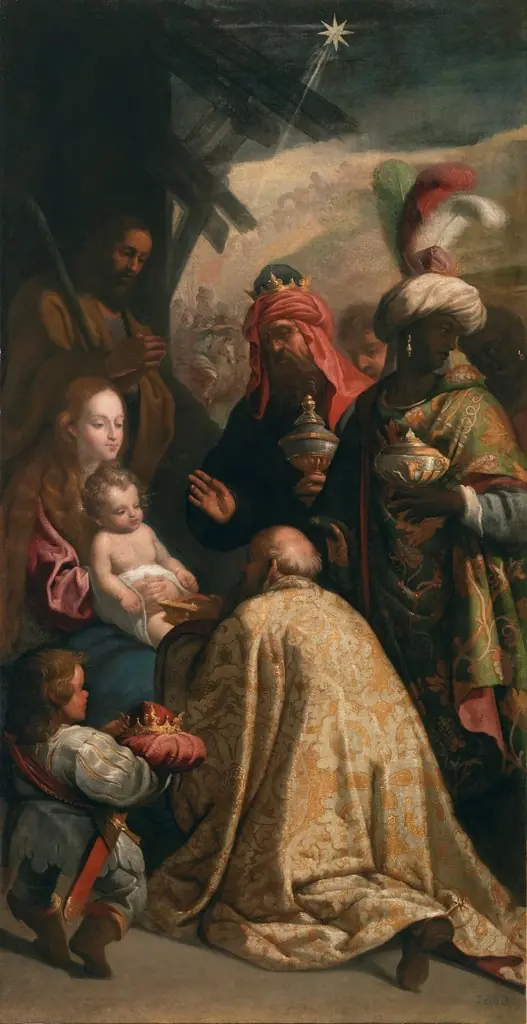
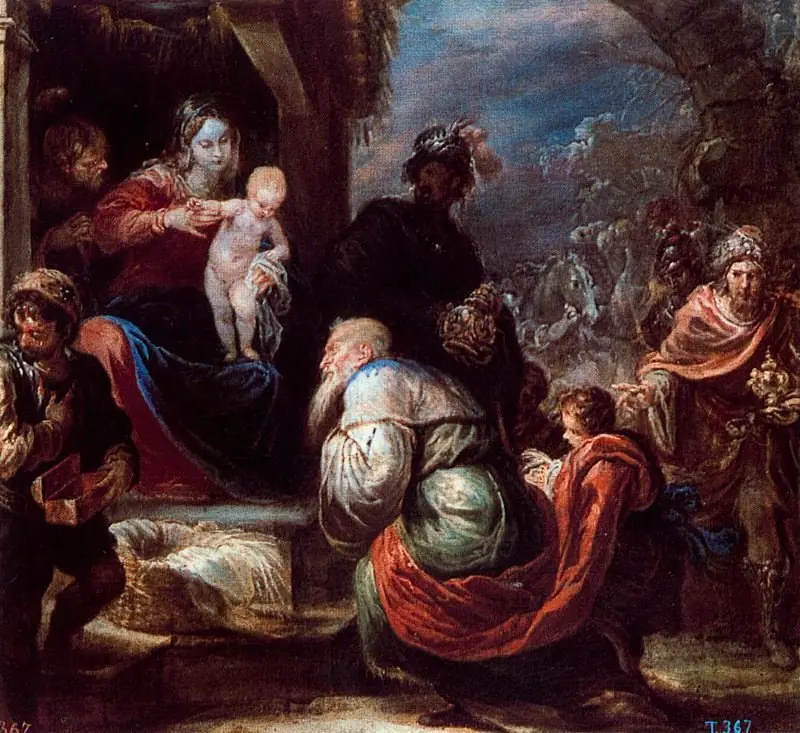
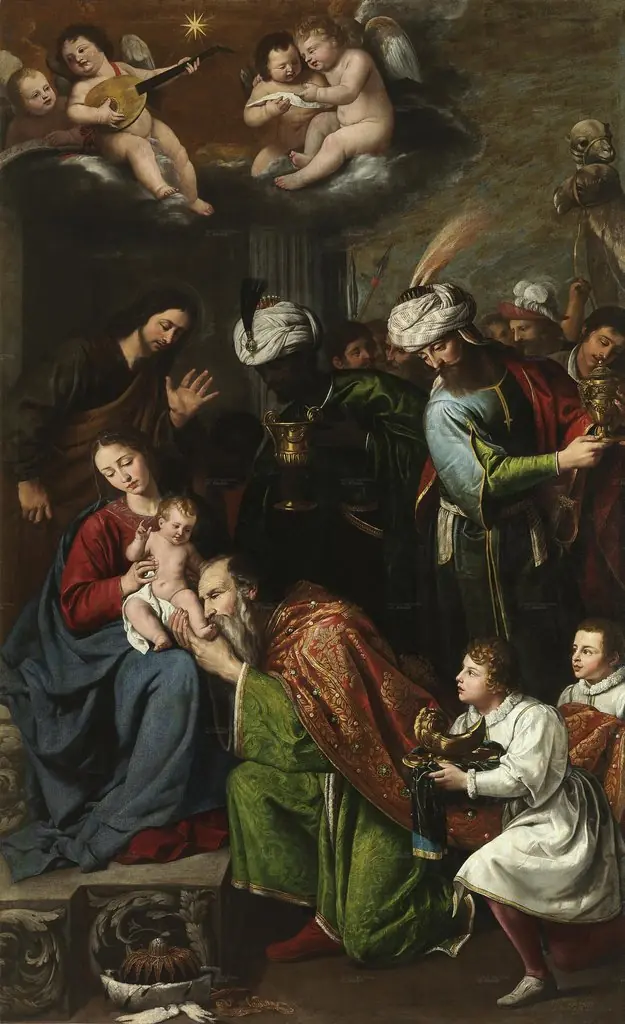
The painting depicts the Adoration of the Magi, a biblical episode in which the three Magi, traditionally named Melchior, Caspar, and Balthazar, present gifts of gold, frankincense, and myrrh to the Christ Child. Veronese situates the Christ Child at the center, seated on the Virgin Mary’s lap, while the Magi kneel in reverence, their richly colored robes contrasting with the muted tones of the surrounding figures. The composition emphasizes the sacred moment through gestures of offering and the presence of symbolic objects, such as the gold casket and the star of Bethlehem, which hovers above the scene.
The work aligns with Counter-Reformation conventions by foregrounding piety and orthodoxy, reinforcing the theological significance of Christ’s infancy within a Venetian context.
Technique & Style
The handling of drapery and flesh tones reflects a polished finish, while the integration of light and shadow creates a convincing illusion of depth and volume.
The work is executed in oil paint on canvas, measuring 117 cm in height and 174 cm in width. Veronese’s handling is characterized by fluid, luminous brushwork and a refined palette that emphasizes opulent hues, typical of his mature Venetian style. The composition unfolds in a spacious architectural setting, with figures arranged in a dynamic yet harmonious arrangement to guide the viewer’s eye toward the central group of the Christ Child and the Magi.
The handling of drapery and flesh tones reflects a polished finish, while the integration of light and shadow creates a convincing illusion of depth and volume.
The painting’s condition is not detailed in the sources provided, but the luminosity of the palette and the clarity of detail suggest careful conservation.
History & Provenance
Paolo Veronese created the oil painting Adoration of the Kings in 1585. The work depicts the religious subject of the Adoration of the Magi and measures 117 cm in height by 174 cm in width. Its ownership history traces back to Archduke Leopold Wilhelm of Austria, who possessed the piece before it entered the collection of the Kunsthistorisches Museum in Vienna, where it remains housed today.
Paolo Veronese's Adoration of the Kings, completed in 1585, is held by the Kunsthistorisches Museum in Vienna. The painting is part of the museum's permanent collection, having previously belonged to Archduke Leopold Wilhelm of Austria. While the sources confirm its current location and historical ownership, no specific inventory or accession numbers are provided in the available records. The text does not list any past or future exhibitions for this specific work.
Context
Adoration of the Kings (1585) by Paolo Veronese is a prominent example of late Renaissance religious painting, reflecting the artist's mastery of composition and color within the Venetian school. The work depicts the Magi's adoration of the infant Christ, a subject tied to Counter-Reformation themes of devotion and divine revelation. Veronese's broader oeuvre, characterized by grand narratives and elaborate settings, contextualizes this piece within Venetian artistic traditions that emphasized visual storytelling and sensory richness.
Its inclusion in the Kunsthistorisches Museum's collection, originally assembled by Archduke Leopold Wilhelm, underscores its historical significance as part of a curated ensemble of European masterpieces.
Legacy
The Adoration of the Kings by Paolo Veronese, painted in 1585, has been recognized for its role in shaping later interpretations of the Adoration of the Magi theme. Its composition and treatment of figures influenced subsequent artists in the portrayal of religious ceremonies, particularly within the Venetian school. The work's presence in the Kunsthistorisches Museum has contributed to scholarly discussions on Counter-Reformation art, with its inclusion in exhibitions and catalogues underscoring its enduring significance in art historical narratives.
The painting's provenance, including ownership by Archduke Leopold Wilhelm of Austria, has further highlighted its importance in European art collections.
Overview
Paolo Veronese’s Adoration of the Kings (1593) is an oil painting that illustrates the biblical episode of the Magi honoring the infant Jesus. Executed in the late Renaissance, the work presents a crowded gathering around a central female figure holding the child, set against a architectural backdrop with columns and a darkening sky.
Artist & collection
Artist
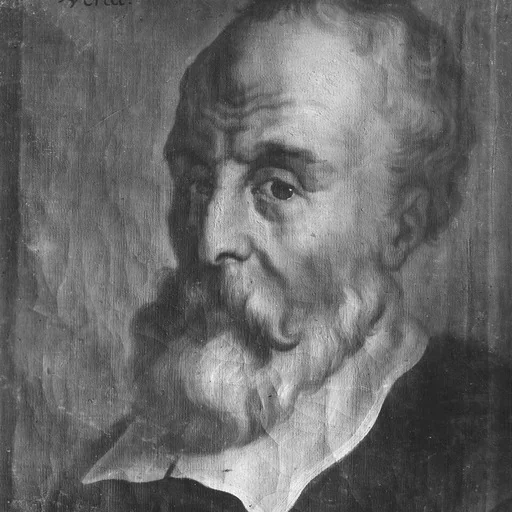
Paolo Caliari (1528 – 19 April 1588), known as Paolo Veronese ( VERR-ə-NAY-zay, -zee, US also -see; Italian: ), was an Italian Renaissance painter based in Venice, known for extremely large history paintings of…