Artwork
British Theatrical Gallery
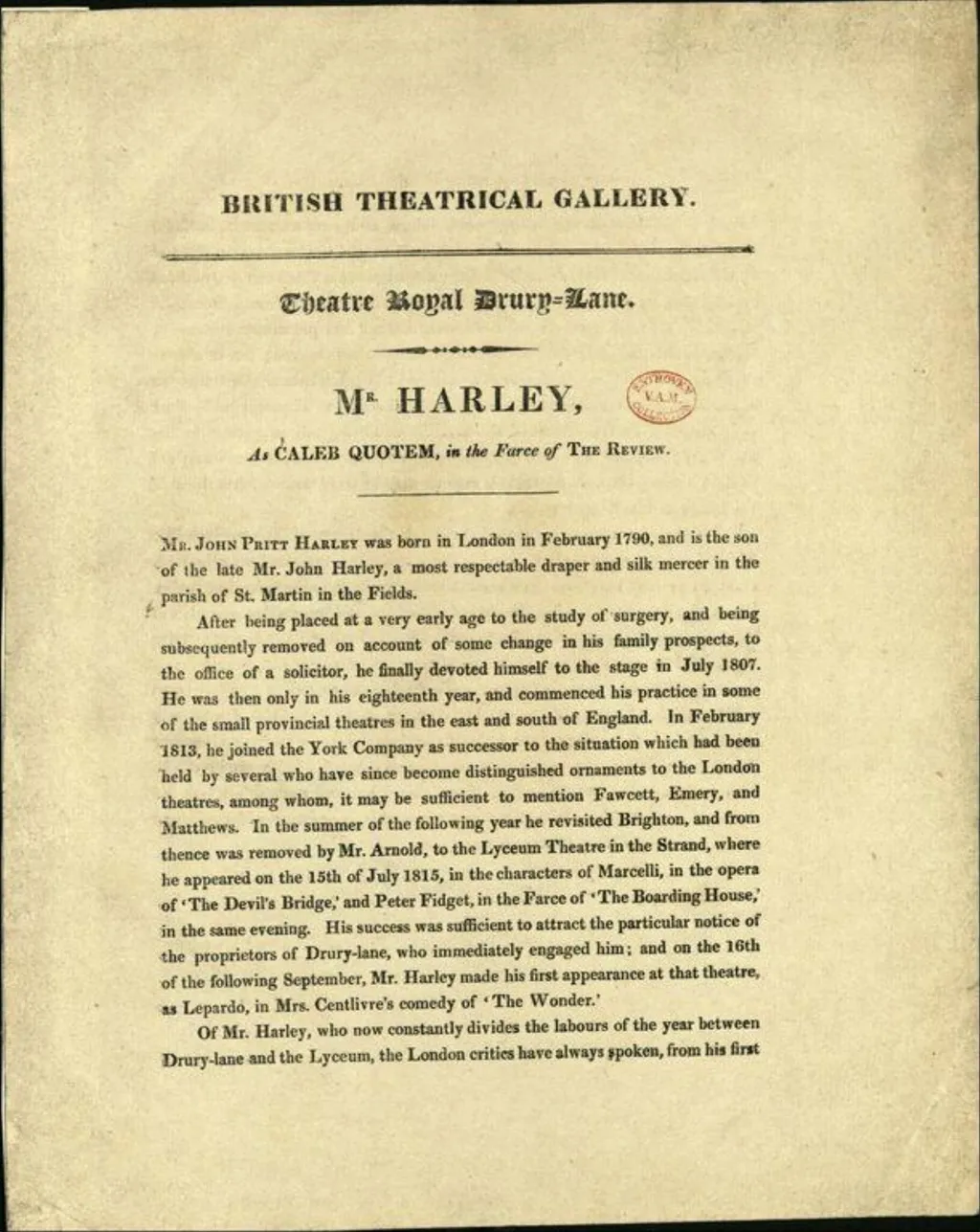
British Theatrical Gallery is a print by the Romanticist artist Unknown. It dates from 1822 and is held in the collection of the Victoria and Albert Museum.
About this work
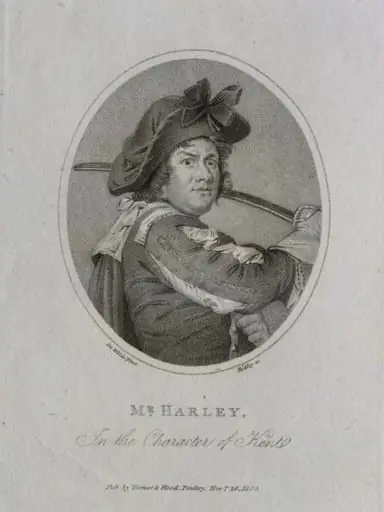
You see a print of a man in a costume. His face looks serious. He wears a long coat with big buttons and a tall hat.
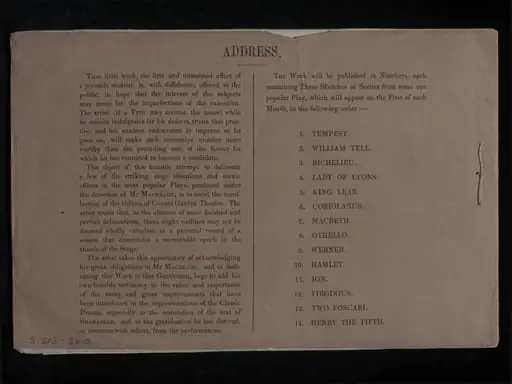
This is one of many prints made for a book about actors in 1822. The book showed famous performers in their stage roles. Each print came with a short bio.
Check out the full set at the Victoria and Albert Museum.
Overview
Each image was paired with a brief biographical note, intended to celebrate actors as cultural figures.
This print originates from the 1822 publication 'The British Theatrical Gallery,' a volume compiling full-length portraits of prominent stage performers of the era. Each image was paired with a brief biographical note, intended to celebrate actors as cultural figures. The print in question depicts John Pritt Harley in character, reflecting the period’s trend of commodifying theatrical personas through engraved imagery for public consumption.
Subject & Meaning
The subject is John Pritt Harley portrayed as Caleb Quotum, a character from the farce 'The Review.' The serious expression and formal attire suggest a deliberate attempt to elevate the comedic role beyond mere caricature. By capturing Harley in costume, the print bridges performance and identity, presenting the actor not just as a performer but as the embodiment of a beloved stage figure, reinforcing the cultural resonance of theater in early 19th-century Britain.
Technique & Style
Executed as an engraved print, the image employs fine linework to render costume details, large buttons, a long coat, and a tall hat, with precision. The tonal contrast and restrained shading reflect standard practices of illustrated books of the time. The composition is frontal and static, prioritizing clarity of costume and posture over dramatic movement, aligning with the documentary intent of the publication rather than theatrical dynamism.
History & Provenance
The print was produced as part of a series compiled by D. Terry and published in 1822, with the aim of documenting leading actors of the day. Contemporary reviews, such as one in The Literary Gazette, noted its potential for popularity if executed with care. The Victoria and Albert Museum holds a complete set, indicating its preservation as a historical record of British theatrical culture rather than as ephemeral entertainment.
Context
In the early 1800s, public fascination with theater extended beyond live performance into printed media. Portraits of actors in character became collectible items, reflecting the rising status of performers in society. This print belongs to a broader phenomenon where celebrity culture intersected with print publishing, allowing audiences to engage with performers beyond the stage through domestic ownership of their images.
Legacy
The 'British Theatrical Gallery' serves as a primary source for understanding how theater was documented and memorialized in the early 19th century. These prints preserved the visual identities of performers who might otherwise have been forgotten, offering modern scholars insight into costume, public perception, and the evolving relationship between actors and their audiences during a transformative period in British theater history.
Artist & collection









 H Beard Print Collection
 H Beard Print Collection
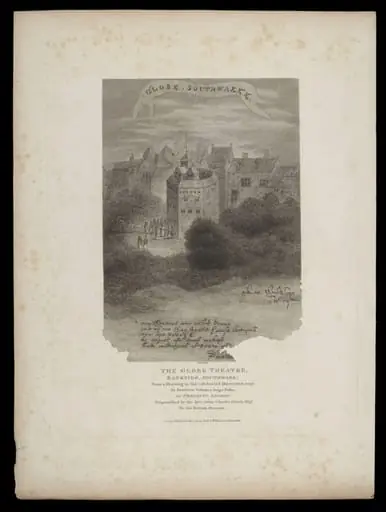 H Beard Print Collection
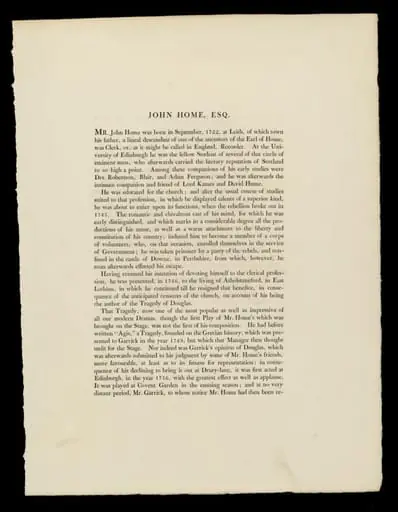 H Beard Print Collection
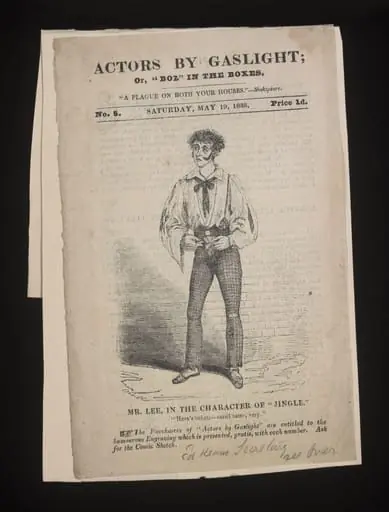 Mr Lee in the character of "Jingle"
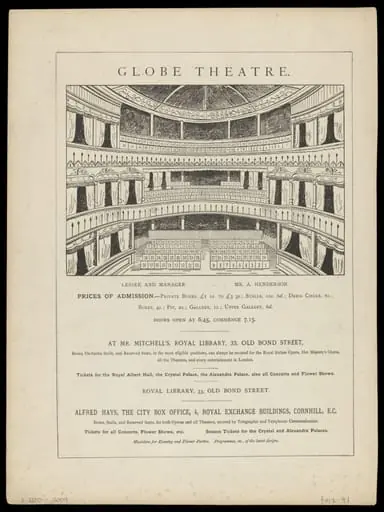 Seating plans for the Royal Court Theatre 1879-1881, and the Globe Theatre 1875-1876
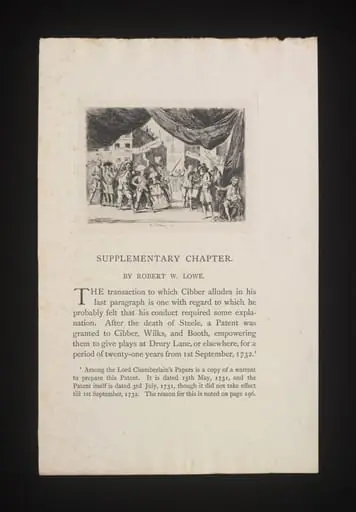 H Beard Print Collection
 H Beard Print Collection
 H Beard Print Collection
 H Beard Print Collection