Artwork
Chinese Literatus Viewing a Valley
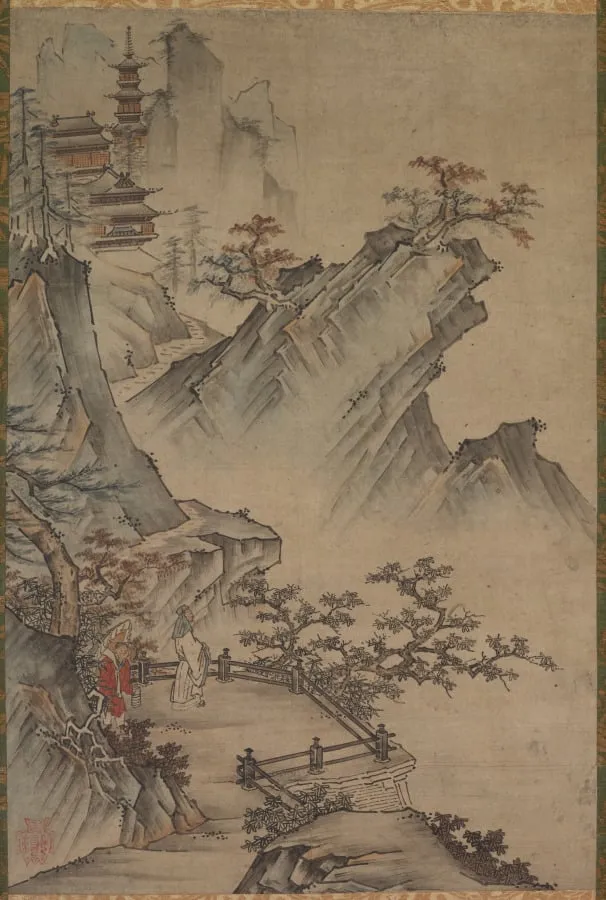
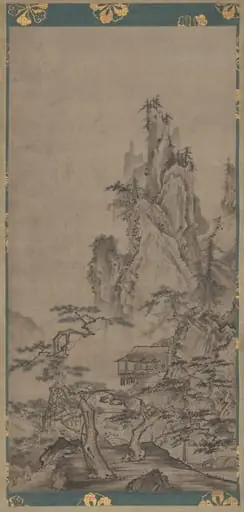
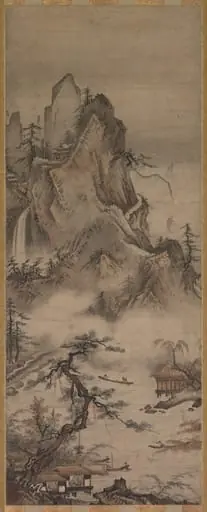
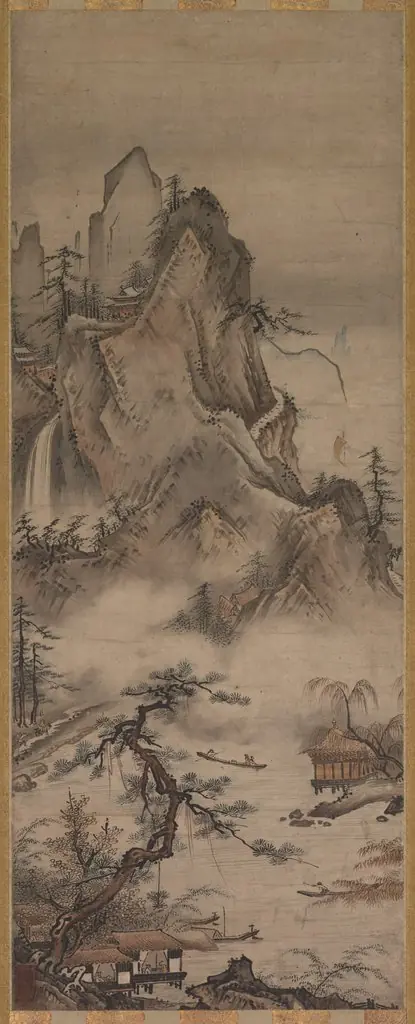
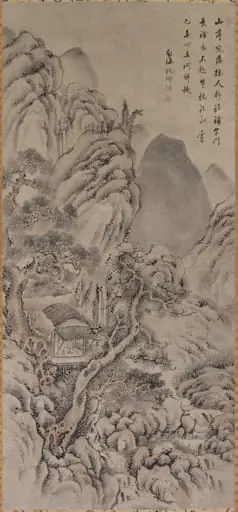
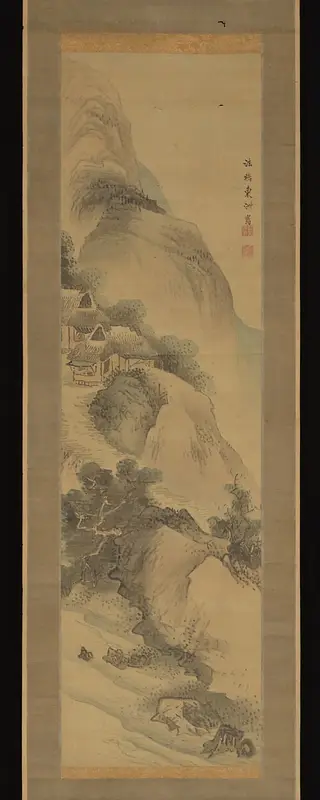
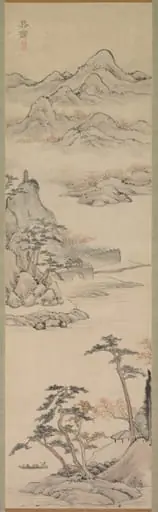
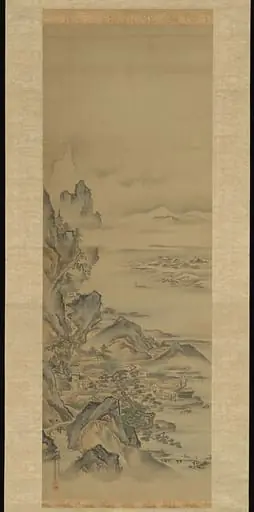
Chinese Literatus Viewing a Valley is an unspecified painting by the Renaissance artist Unknown. It dates from 1612 and is held in the collection of the Cleveland Museum of Art. The work portrays a solitary figure, likely a retired scholar‑official, standing on a precipice and looking out over a mist‑shrouded valley.
- Accession no.
- 2015.593
- Credit line
- Gift from the Collection of George Gund III
About this work
Overview
The work portrays a solitary figure, likely a retired scholar‑official, standing on a precipice and looking out over a mist‑shrouded valley. Pine trees cling to the rugged slope, while delicate waterfalls cascade down the mountainside, creating a tranquil, contemplative atmosphere typical of East Asian landscape painting.
Subject & Meaning
The lone, robed figure embodies the literati ideal of retreat into nature for reflection and moral cultivation. By positioning the scholar at the edge of a high valley, the composition suggests a moment of introspection, where the natural world serves as a mirror for inner thought.
Technique & Style
Executed with fine brushwork and subtle ink washes, the painting emphasizes atmospheric perspective through layered mist and muted tones. The composition follows the “one-corner” format associated with Southern Song masters, concentrating the visual focus on the lower left while allowing empty space to convey vastness.
History & Provenance
A seal in the lower left corner resembles that used by the Japanese painter Kano Hideyori, indicating the piece may have been created or later adapted in Japan. The seal suggests the painting was intended as a companion piece to a work by Hideyori, possibly displayed as a paired set.
Context
During the Edo period Japanese artists frequently adopted Chinese motifs, especially the literati landscape tradition popularized by Southern Song painters such as Ma Yuan. This painting reflects that cross‑cultural exchange, merging Chinese compositional principles with Japanese aesthetic preferences.
Legacy
The image illustrates how the ideal of the scholar‑artist persisted beyond China, influencing Japanese painting schools that valued brush spontaneity and the moral symbolism of nature. It stands as a testament to the enduring dialogue between the two artistic traditions.
Artist & collection