Artwork
Coffin portrait of a woman in a white cap
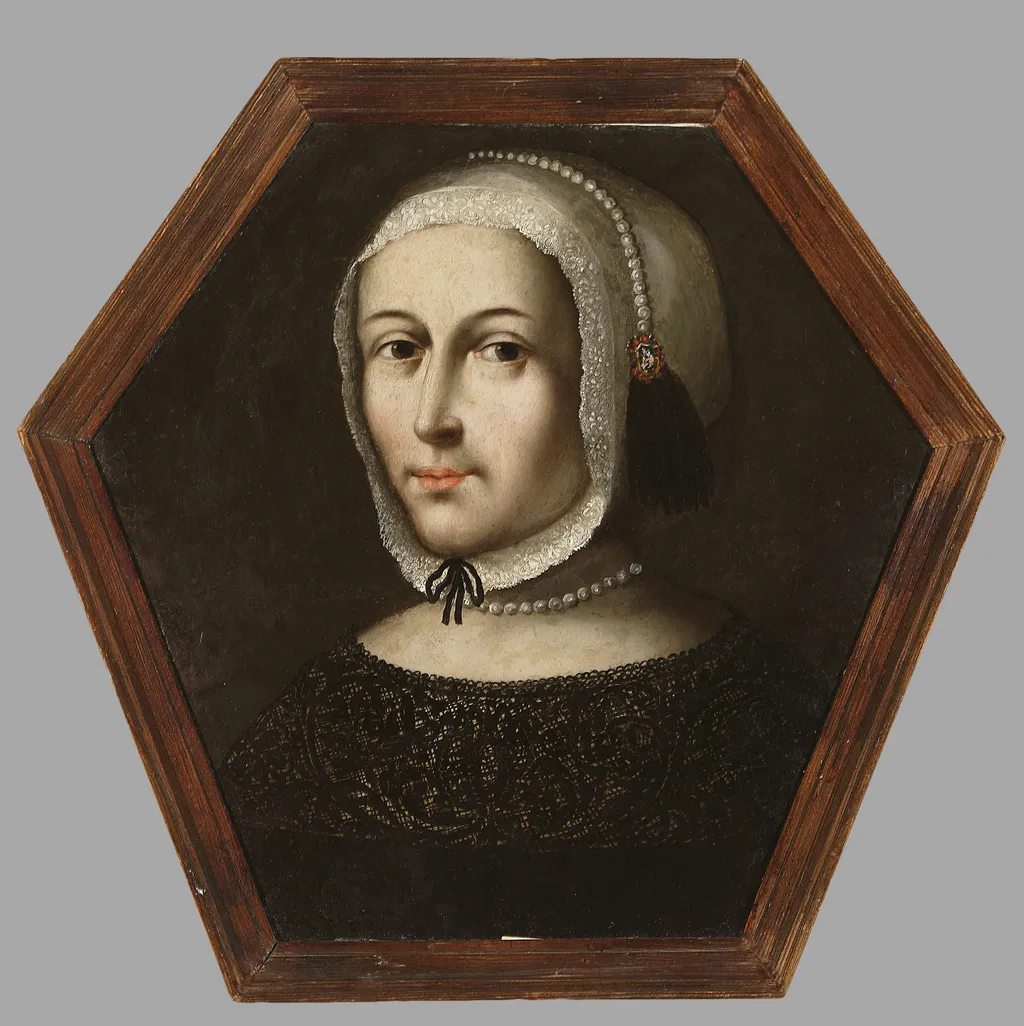
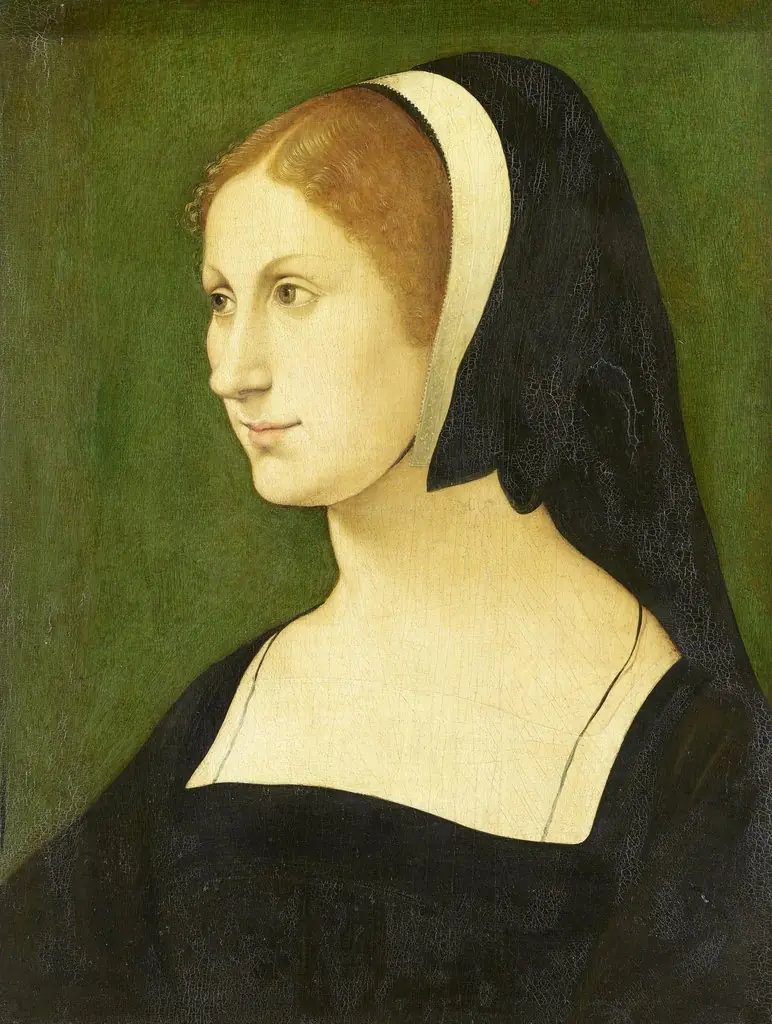
Coffin portrait of a woman in a white cap is an unspecified painting by the Dutch Golden Age artist Unknown. It dates from 1675 and is held in the collection of the National Museum in Warsaw. This hexagonal painting depicts a woman in a dark dress, her face illuminated against a deep, unadorned background.
About this work
Overview
The shape of the frame suggests it was designed for placement on a coffin, a practice common in certain Eastern European funerary traditions.
This hexagonal painting depicts a woman in a dark dress, her face illuminated against a deep, unadorned background. The shape of the frame suggests it was designed for placement on a coffin, a practice common in certain Eastern European funerary traditions. Her attire and accessories, white cap, black bow, pearl necklace, and beaded veil, signal modesty and social standing. The portrait’s intimate scale and focused lighting draw attention solely to her expression, emphasizing presence over narrative.
Subject & Meaning
The woman’s portrait serves as a memorial, capturing her likeness for posthumous veneration. Her covered hair and restrained jewelry reflect cultural norms of piety and dignity in death. The white cap and dark veil may indicate widowhood or religious devotion.
The absence of symbolic objects or settings shifts emphasis to the individual’s countenance, suggesting the portrait’s purpose was to preserve personal identity beyond life, offering a final gaze for mourners.
Technique & Style
The artist employs chiaroscuro to model the face with subtle gradations of light and shadow, lending volume and quiet realism. Skin tones are rendered softly, avoiding harsh lines, while the dark dress and background absorb light, heightening the luminosity of the face and accessories. Brushwork is precise but unobtrusive, favoring clarity over ornamentation.
The hexagonal format, unusual for panel paintings, aligns with the object’s funerary function, integrating form with ritual use.
History & Provenance
Coffin portraits like this emerged in the Polish-Lithuanian Commonwealth during the 17th and 18th centuries, particularly among the nobility and urban elites. They were affixed to the head end of wooden coffins during funerals and sometimes retained in family chapels. This example likely originated in a regional workshop, possibly in present-day Poland or Belarus, where such traditions persisted into the 19th century before fading with changing burial customs.
Context
These portraits arose from a blend of Catholic burial rites and local folk practices that emphasized the physical memory of the deceased. Unlike Western European portraiture, which often included landscapes or symbols of status, coffin portraits prioritized the face as a sacred site of remembrance. Their use coincided with a period when personal piety and familial lineage were central to identity, making the portrait both a religious object and a familial heirloom.
Legacy
Coffin portraits are now preserved in ethnographic and religious collections, valued as rare artifacts of vernacular art. They offer insight into how ordinary people engaged with portraiture outside elite academic traditions. Their survival is limited, as many were discarded or destroyed after funerals.
This example endures as a quiet testament to a once-widespread practice that merged art, death, and memory in a uniquely personal form.
Artist & collection









- Portrait of a woman
 Portrait of a Lady
 Beatrix Pacheco d'Ascalona
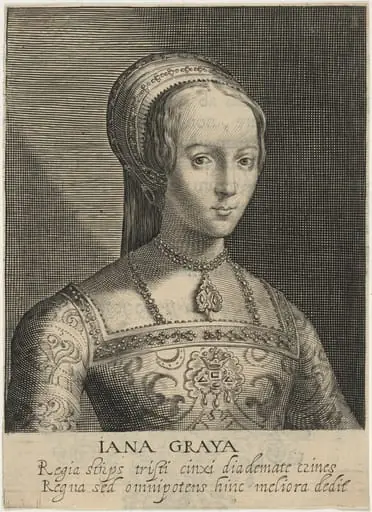 Lady Jane Grey
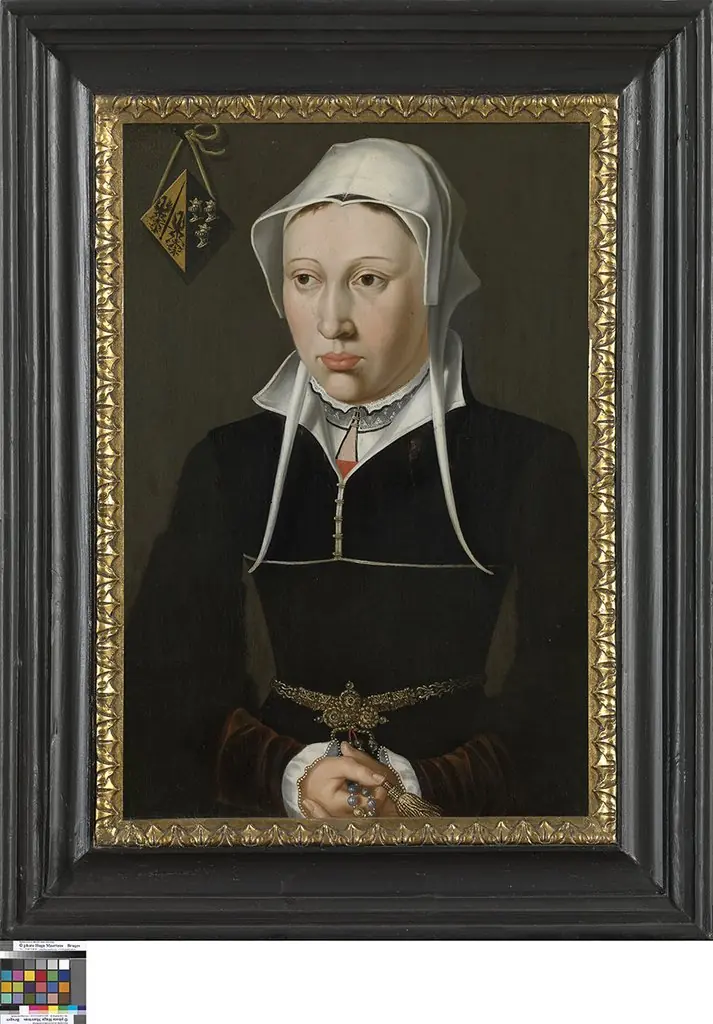 Portrait of the wife of Jan de Fevere
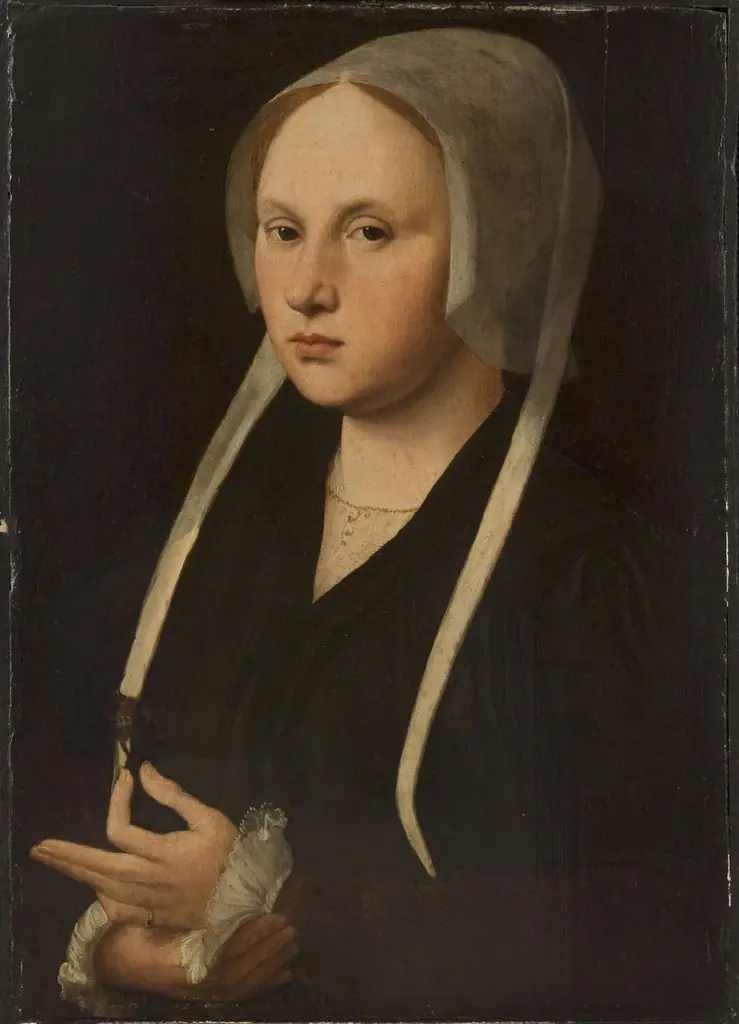 Portrait of a Lady
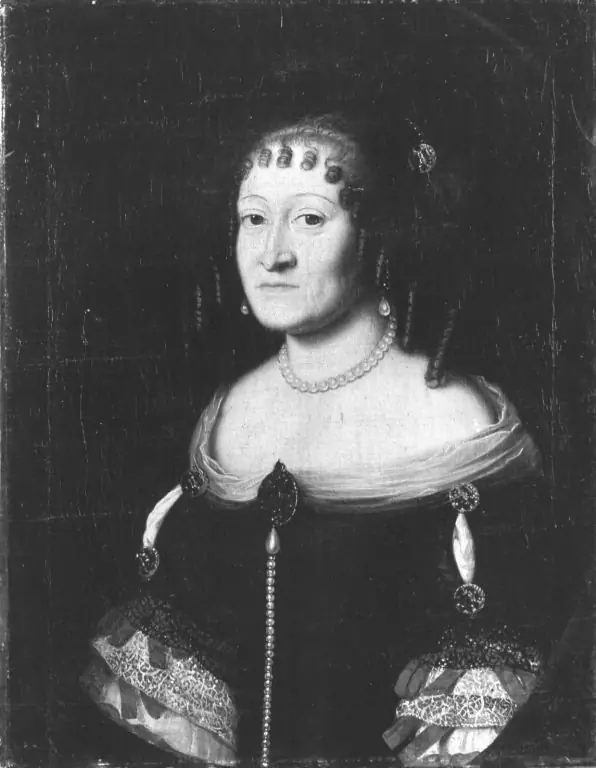 Portrait of Elisabeth Dorothea of Saxony-Gotha-Altenburg
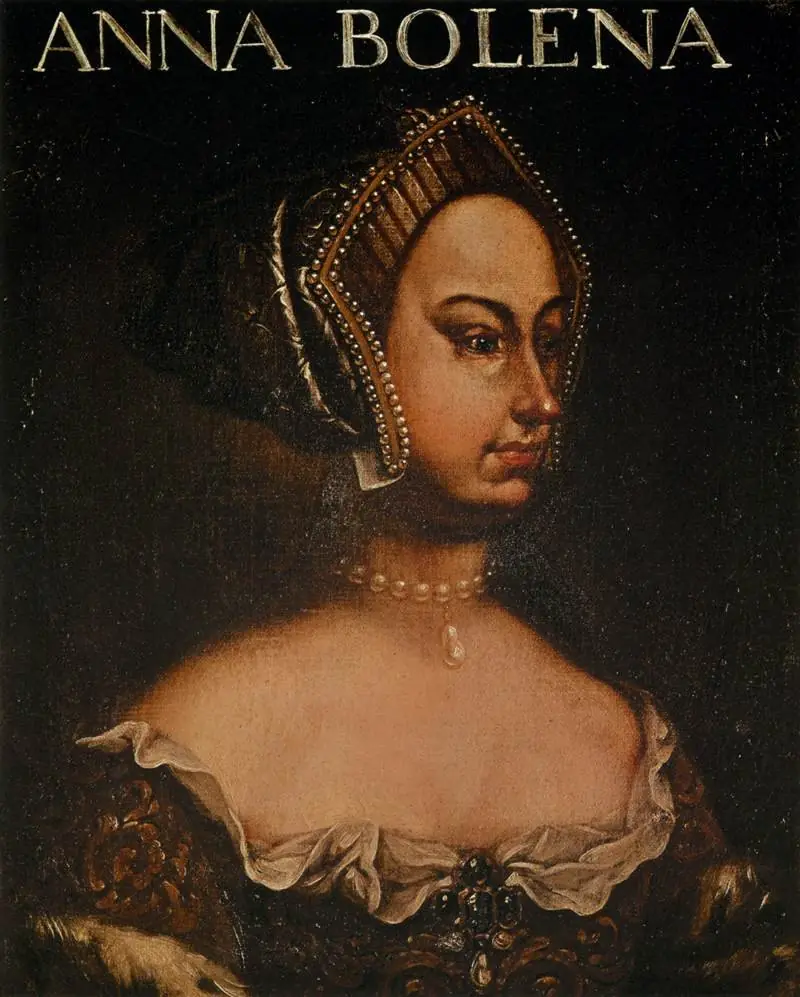 Portrait of Anne Boleyn
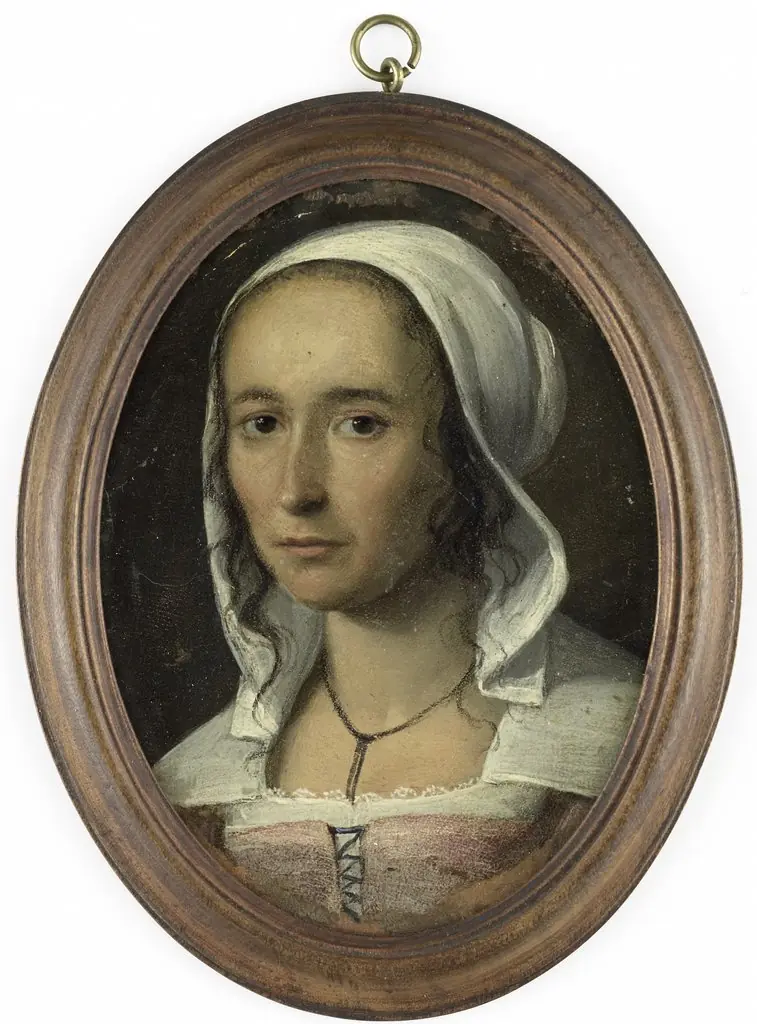 Portrait of a woman, possibly a self portrait of Anna Maria van Schurman (1607-1678)
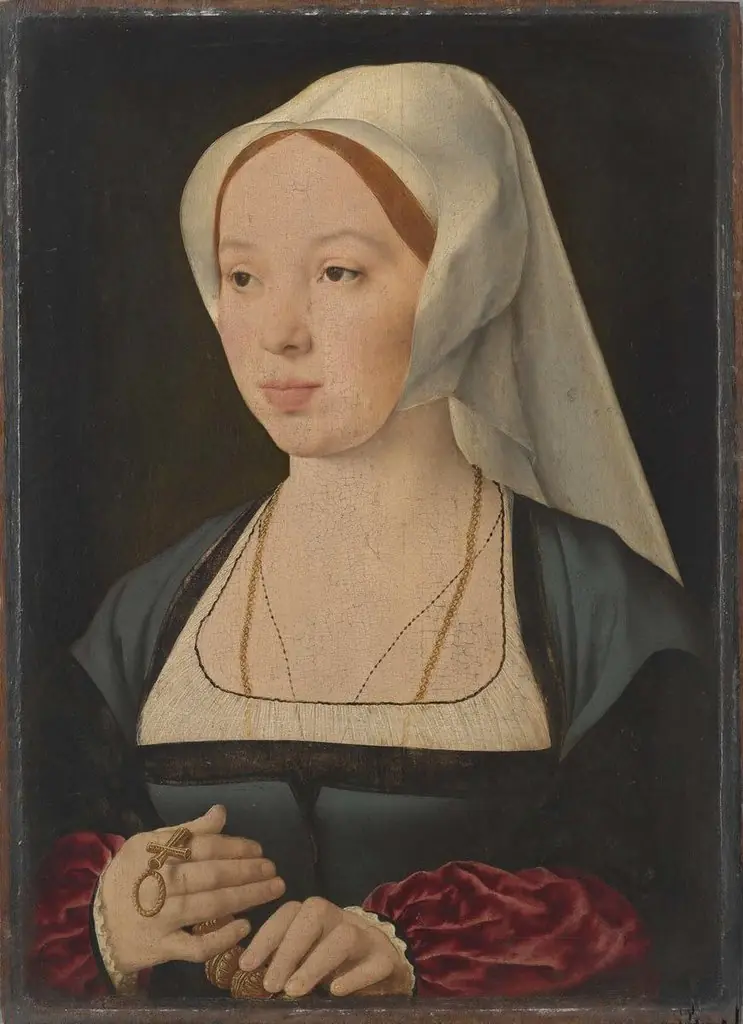 Portrait of a Lady
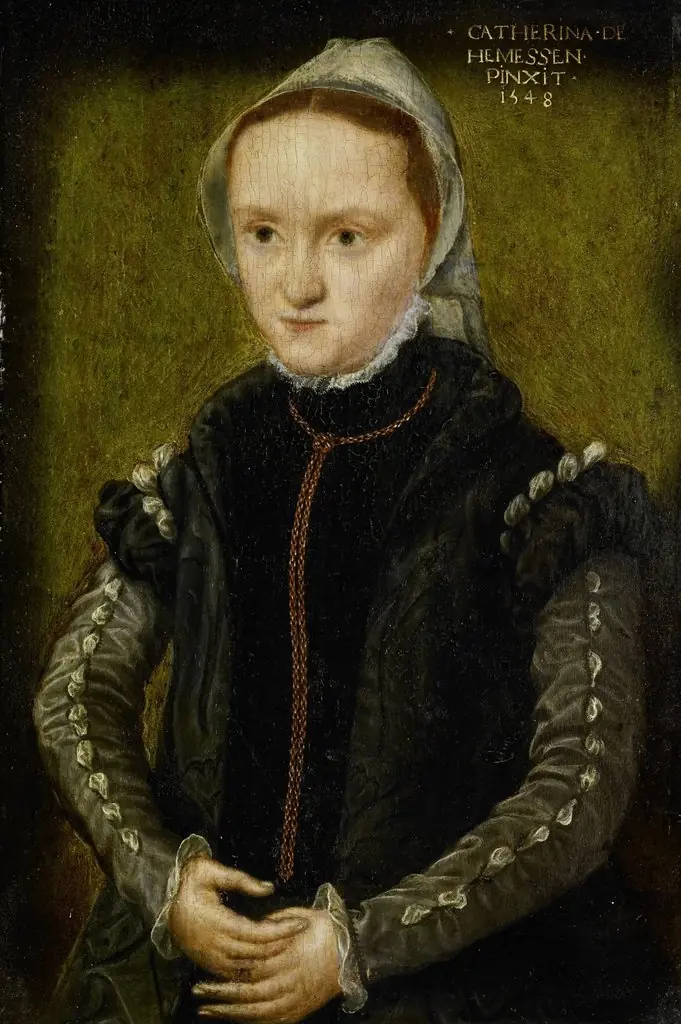 Portrait of a woman (1548)
 Bildnis einer jungen Frau