Artwork
Der Feldhauptmann Graf Hans von Rechberg (gest. 1464)
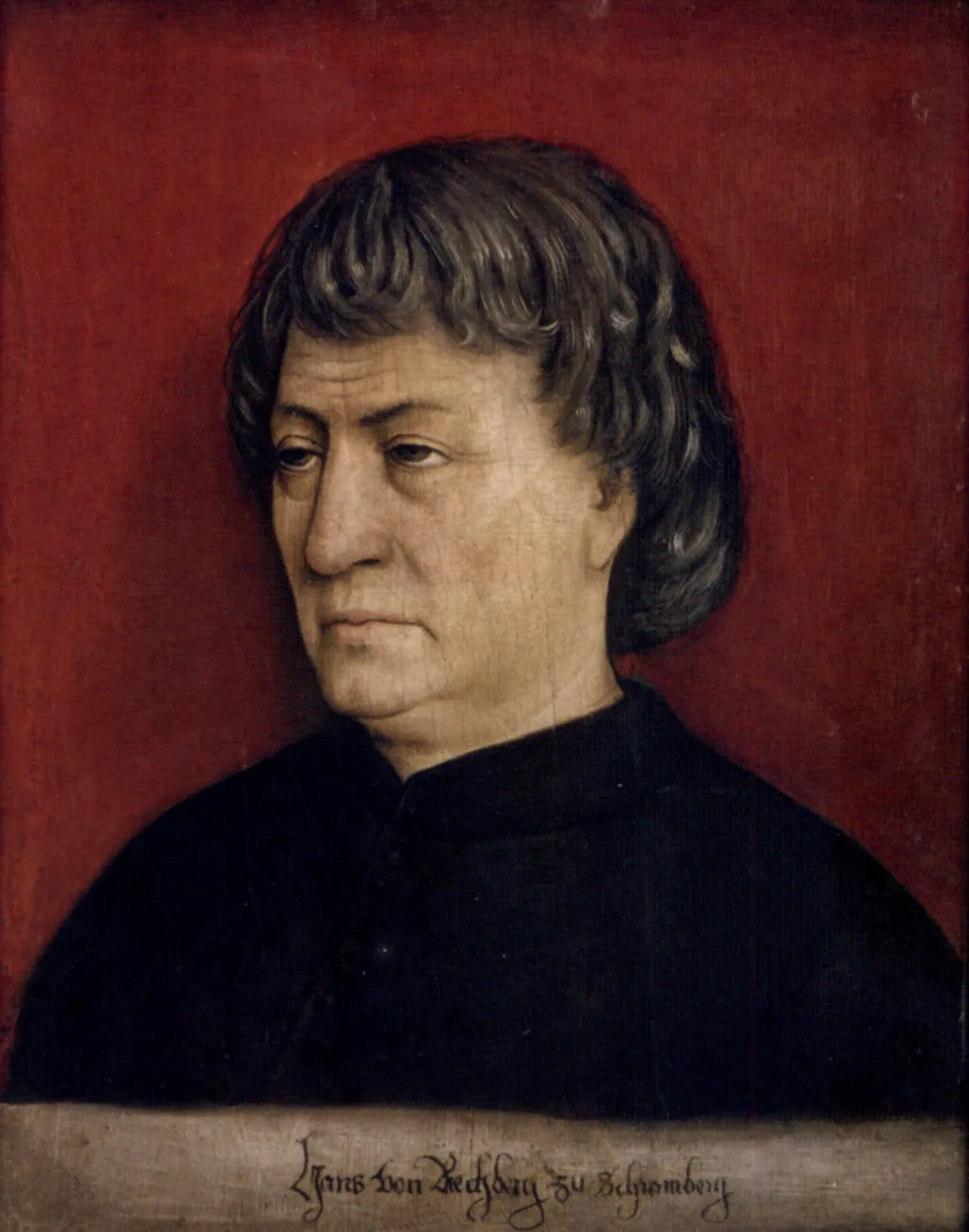
Der Feldhauptmann Graf Hans von Rechberg (gest. 1464) is an unspecified painting by the Early Renaissance artist Unknown. It dates from 1460 and is held in the collection of the Kunsthistorisches Museum. This portrait captures Hans von Rechberg, a military commander who died in 1464, rendered with quiet precision.
About this work
Overview
This portrait captures Hans von Rechberg, a military commander who died in 1464, rendered with quiet precision. The composition isolates the figure against a solid red background, eliminating distractions to emphasize his presence. The painting’s scale and focus suggest it was intended as a formal commemoration, likely commissioned by family or associates to preserve his image after death.
Subject & Meaning
Hans von Rechberg is depicted in a sober, unadorned black shirt, reflecting his status as a nobleman of the Holy Roman Empire without overt symbols of rank.
Hans von Rechberg is depicted in a sober, unadorned black shirt, reflecting his status as a nobleman of the Holy Roman Empire without overt symbols of rank. His direct gaze conveys composure and authority, aligning with the ideals of leadership in mid-15th-century German aristocracy. The absence of armor or insignia shifts emphasis from his title to his personal demeanor, suggesting a desire to memorialize character over office.
Technique & Style
The artist employs chiaroscuro to model the face with subtle gradations of light and shadow, enhancing the three-dimensionality of the features. Fine brushwork defines the texture of skin and fabric, while the dark shirt contrasts sharply with the rich red background, drawing attention to the head. The style is grounded in Northern European realism, prioritizing accurate likeness over idealization.
History & Provenance
The painting’s early history is undocumented, but its style and subject suggest it originated in Swabia or nearby regions during the mid-15th century. It likely remained in the Rechberg family’s possession until the 19th century, when it entered a public collection. No records of exhibition or ownership before the modern era survive, leaving its immediate posthumous context unclear.
Context
In the decades before the Reformation, portraits of minor nobility were increasingly commissioned as expressions of personal identity and lineage. This work reflects a regional trend in southern Germany, where secular portraiture emerged alongside religious art. The restrained composition aligns with the values of understated dignity common among imperial knights and administrators.
Legacy
The portrait stands as a representative example of early German secular portraiture, illustrating how local artists adapted techniques from Flemish models to depict regional elites. Though not widely known outside specialized circles, it contributes to the understanding of how identity and status were visually constructed in pre-modern German-speaking territories.
Artist & collection









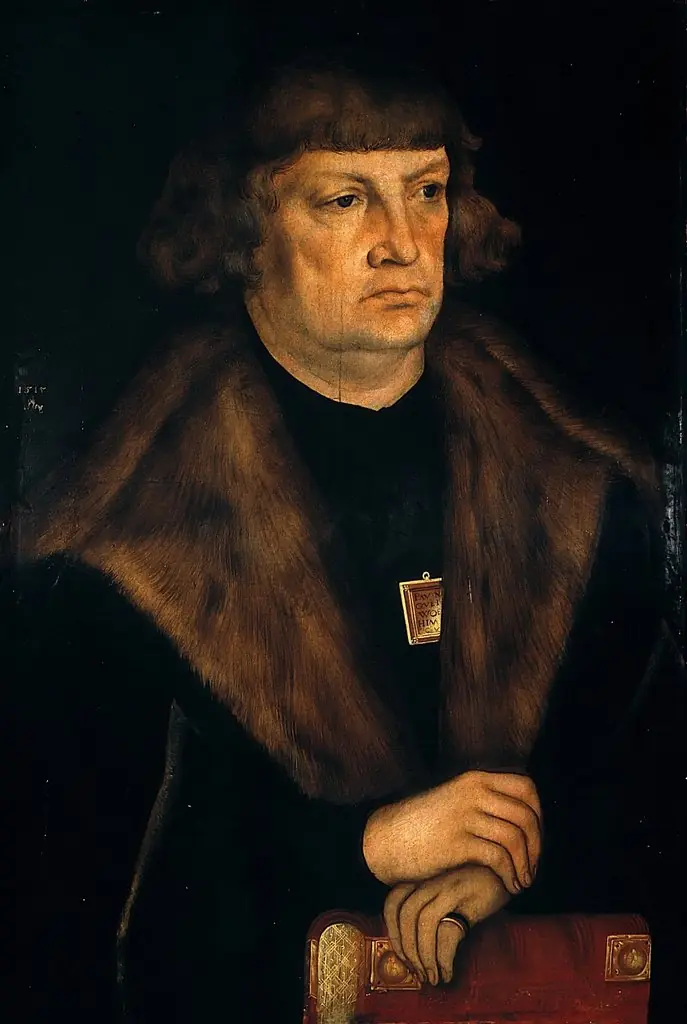
- Portrait of the Mayor of Weißenfels
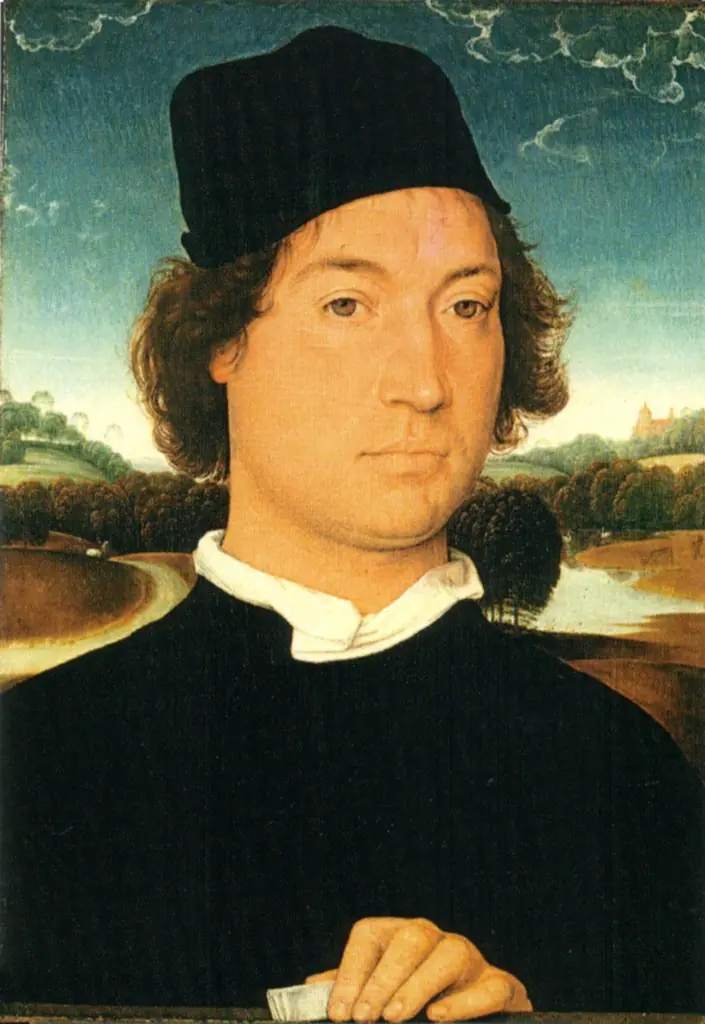 Portrait of an unknown man with a letter
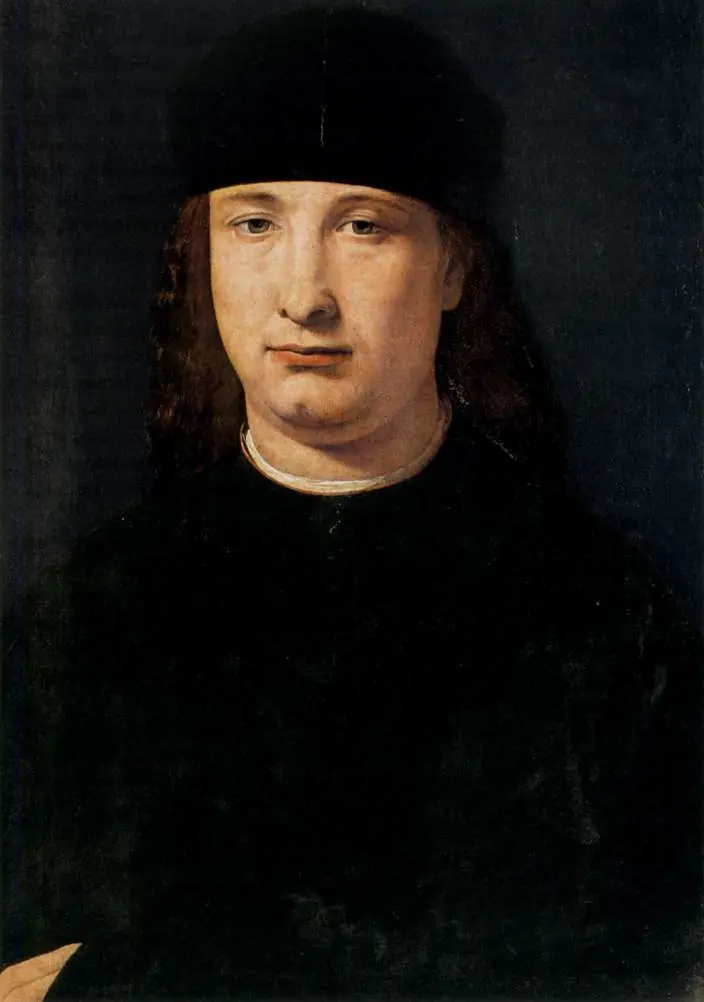 Portrait of a Notable (or Gerolamo Casio)
 Portrait of a Man
 Portrait of a man
 Portrait of a Clergyman (Johann Dorsch?)
 Portrait of a Man
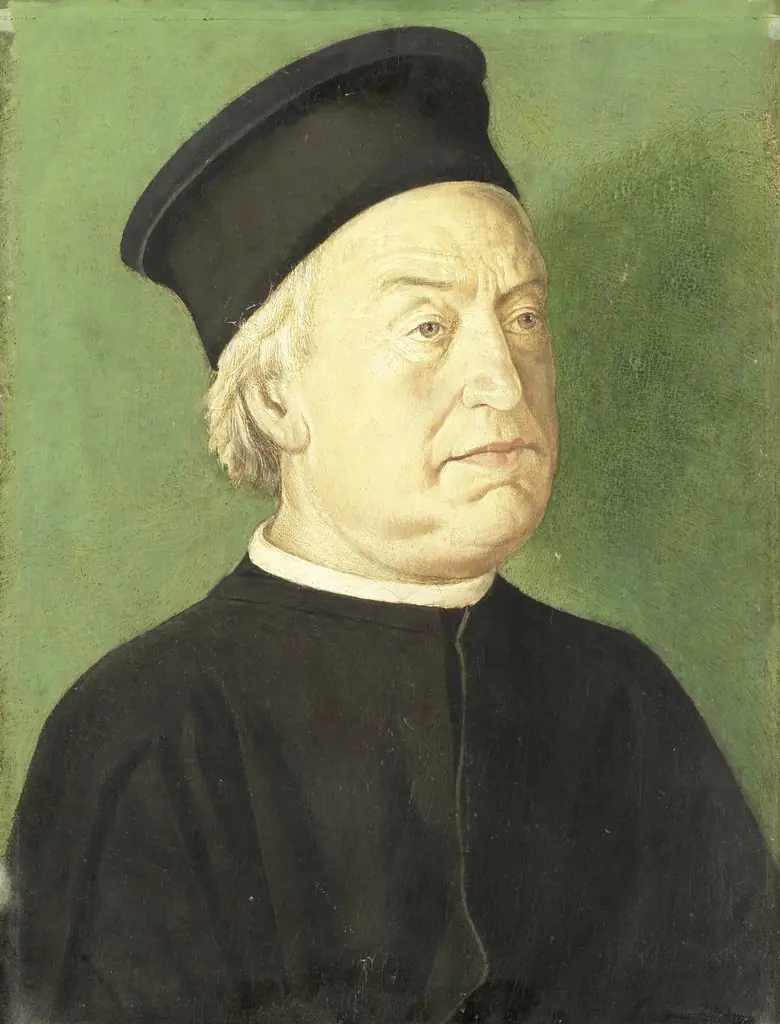 Portrait of a Man
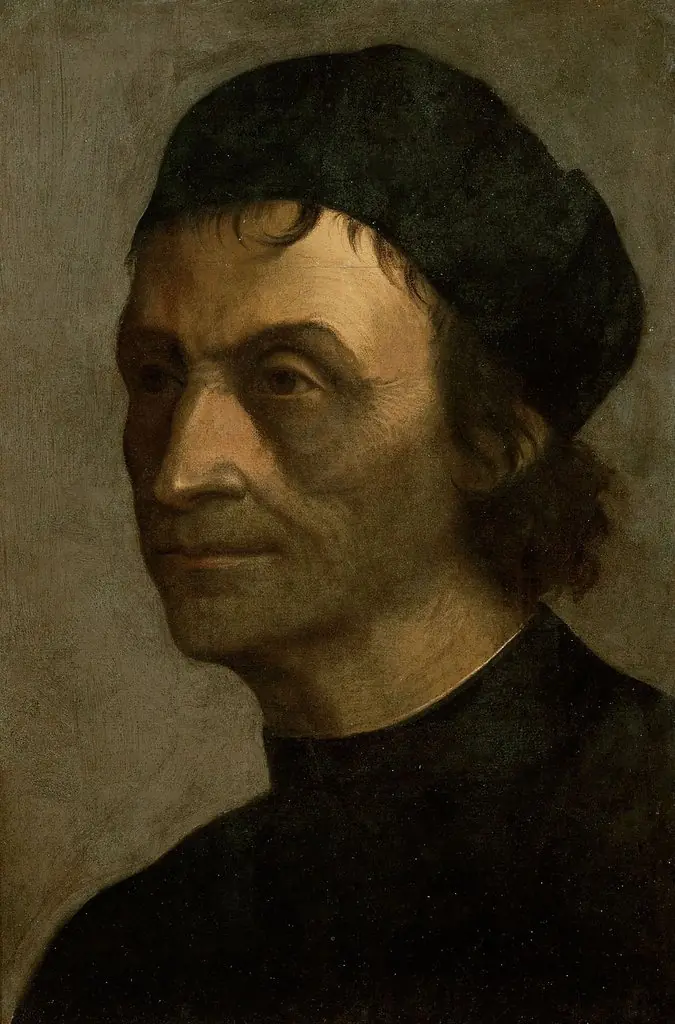 Portrait of a priest of the papal court
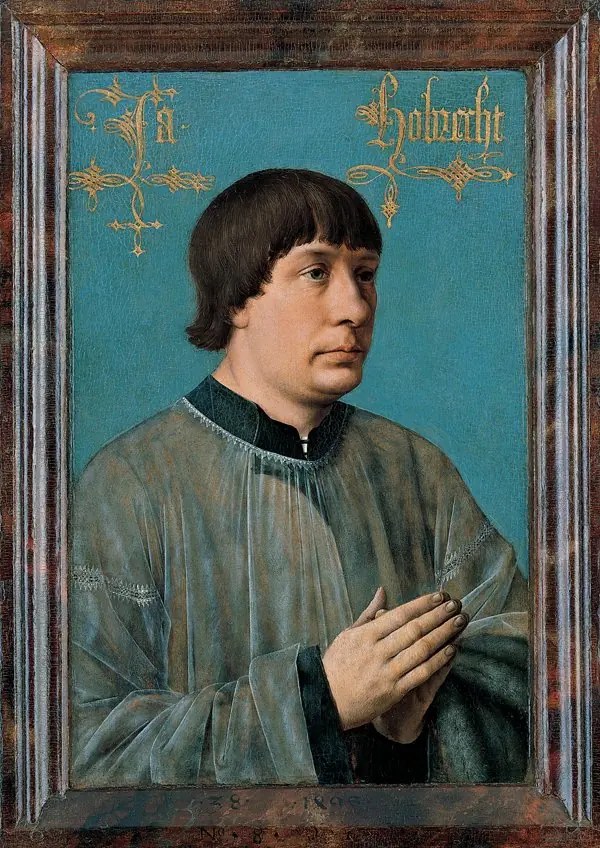 Portrait of Jacob Obrecht
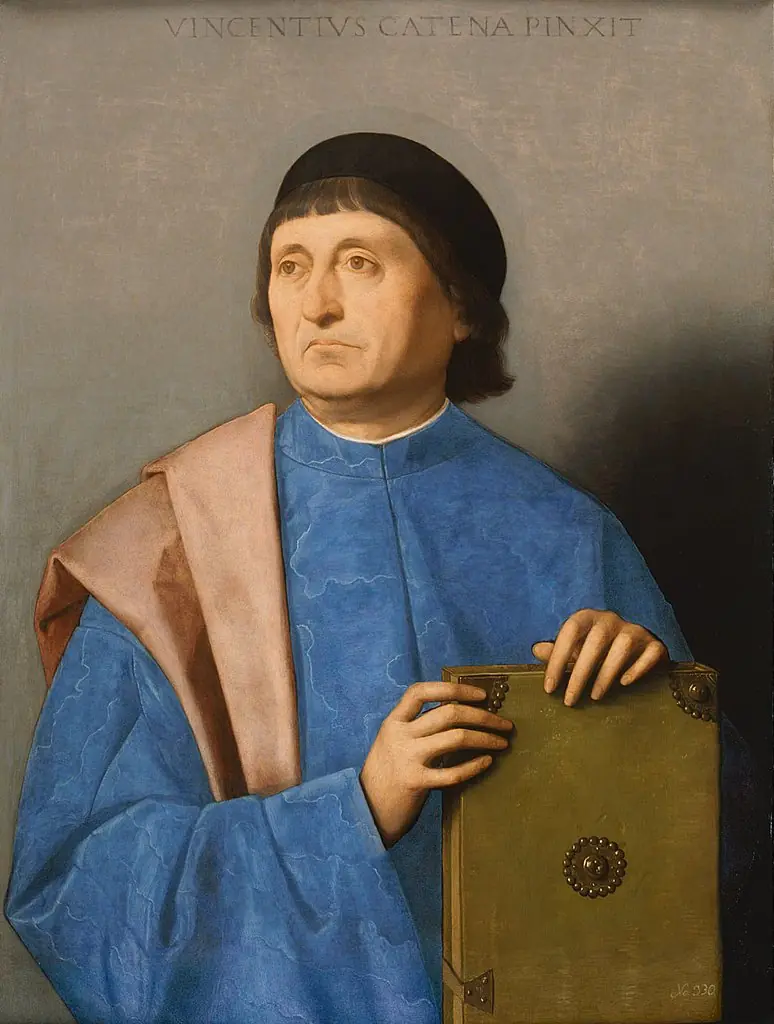 Portrait of a man with a book
 Portrait of a Man